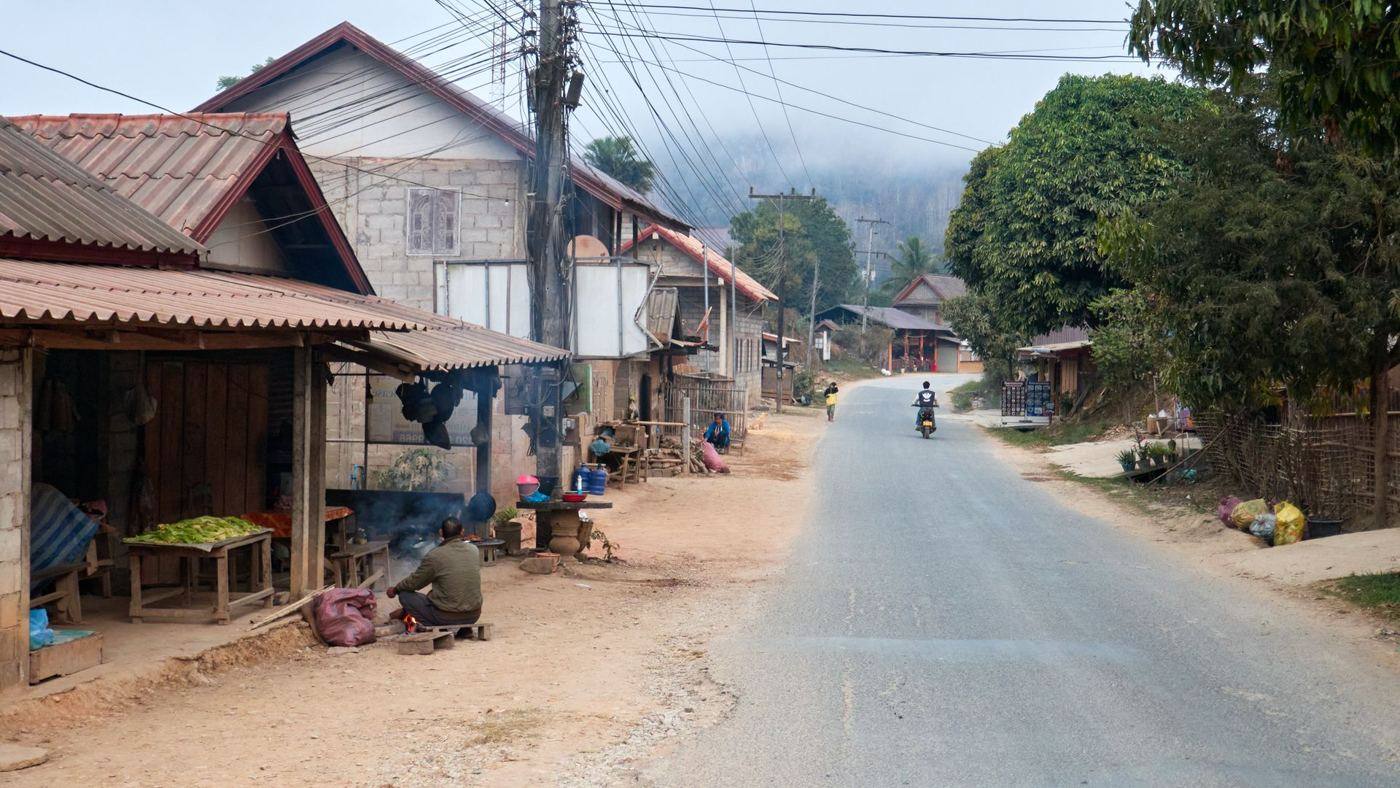
Luang Namtha and Nam Ha forest
Community trekking in the Nam Ha protected area, with a night in an Akha or Khmu village and the Luang Namtha night market, near China.
- Luang Namtha
- Nam Ha
Day by day
- Day 1
Arrival in Luang Namtha and the night market
This three day trip takes you to the far north of Laos, close to China, for a community trek in the Nam Ha protected area, with a night in an Akha or Khmu village. It is one of the most serious ecotourism projects in the country, set up in the late 1990s so that villages receive a share of what visitors pay.
Before you go: for Laos Italian citizens need a passport valid for at least six months from entry, with two blank pages, and a tourist visa. Apply for the eVisa only on the official website laoevisa.gov.la, at least five days ahead, or get a visa on arrival at the main airports. Also fill in the LDIF digital form within the three days before arrival. Other nationalities should check their own rules.
Safety: the province is calm, but it is a border area. Trek only with licensed guides and do not head towards the borders with China and Myanmar on your own. Away from the beaten paths there may be unexploded ordnance.
You arrive by plane from Vientiane or on the Laos-China railway to the station in the province, and from there by road into town. As soon as you arrive, go to the provincial tourism office or an accredited guide service to book tomorrow's trek: choose the route, the length and the village where you will sleep. Check prices and times.
In the evening head to the night market: stalls with skewers, sticky rice, sausages and papaya salads, with families from the different ethnic groups selling vegetables and textiles.
Practical tip: carry cash in kip, because there are few cash machines in the province and in the villages you cannot pay by card.
- Day 2
Trekking in the Nam Ha forest and a night in the village
Early morning departure with your guide and, usually, with a second guide from the village that will host you. A stretch by car takes you to the edge of the protected area, then you walk.
The trail climbs and drops through the tropical forest, crosses streams on logs and small bamboo bridges, and passes upland rice fields and rubber plantations. The guide shows you the plants used in cooking and medicine, the traditional traps and the tracks of animals. Lunch is on the trail, often served on banana leaves, with sticky rice, vegetables and chilli.
In the afternoon you reach the village. The houses are made of wood and bamboo, some on stilts, with chickens and pigs wandering between them. The Akha are recognisable by their headdresses decorated with silver coins; the Khmu are among the oldest peoples of Laos. You sleep in a community house or with a family, on thin mattresses with a mosquito net.
Rules of respect: always ask before taking photos, do not touch the gates and sacred objects at the entrance to Akha villages, dress modestly and do not hand out sweets to children. If you want to give something, give it to the village chief for the community.
In the evening everyone eats together, often with a glass of rice spirit offered as a welcome.
Practical tip: bring walking boots with a good sole, a head torch, a sleeping bag liner and a fleece, because the mountain nights are cold.
- Day 3
Back to Luang Namtha
In the morning you wake to roosters and the sound of rice being pounded in wooden mortars. Have breakfast with the family, say goodbye to the village and set off again. The walk back is usually shorter and runs through another valley, with terraced rice fields, streams and, if you are lucky, monkeys or colourful birds in the trees.
Around midday you reach the meeting point, where the car takes you back to Luang Namtha. In the afternoon rest, then climb to the golden stupa on the hill above town to see the valley at sunset, or hire a bicycle and ride through the rice fields and Tai Dam villages around town.
In the evening go back to the night market for a last dinner of skewers and noodle soup.
In these three days you have seen the Luang Namtha night market, walked in the forest of the Nam Ha protected area and slept in a village, getting a close look at the life of the northern peoples.
When to go: the best period is from October to February, with dry skies and walkable trails. In December and January the nights are cold. From March the smoke from farm fires hides the landscape, and from May to September the rain makes the trails muddy and full of leeches.
Practical tip: the day after the trek book a traditional Lao massage in town, good for your legs before the journey home.
One of Laos's most serious ecotourism projects, created to help the villages. Basic comforts. The Laos-China railway makes it easier to get there.
Before you go
- Documents and visa
- Passport valid for at least six months from entry, with at least two blank pages, and a tourist visa: the eVisa, to be requested only on the official website laoevisa.gov.la (accepted at the main airports and at Friendship Bridges I and IV), or a visa on arrival at the main entry points. You must also fill in the LDIF digital immigration form within the three days before arrival and departure.
- Health and vaccines
- Malaria is present in rural areas and dengue cases are regular: use repellent. Medical facilities are poor even in the capital, so you need insurance covering medical costs and repatriation. Drink only bottled water. Emergencies: ambulance 1195, police 1191.
- Money and payments
- Lao kip. Tourist businesses often accept US dollars and Thai baht; cards work in towns, but carry cash in the countryside.
- Power sockets
- Types A, B and C, 230 volts: you need an adapter for British plugs.
- Time zone
- UTC+7 all year.
- Safety
- The British government advises against all travel to Xaisomboun province. Unexploded ordnance remains across the country: walk only on marked paths and never pick up metal objects. There have been fatal methanol poisonings from drinks served in tourist areas: avoid unsealed spirits. Drug penalties are extremely severe. Official advice: GOV.UK.
Information checked in November 2026 for Italian and EU citizens. Rules change: always check before you travel.
Variations
In two days: a single day trek in the Nam Ha forest, without a night in the village.
In five days: choose a three day trek with two nights in different villages, or add a kayak trip on the Nam Ha river.
Frequently asked questions
Do you need a guide for Nam Ha?
Yes. The protected area is visited with licensed guides, booked in Luang Namtha. Part of what you pay goes to the villages that host you.
How do you get to Luang Namtha?
By plane from Vientiane, or on the Laos-China railway to the station in the province and then by road into town.
Is the trek hard?
It is of medium level: several hours of walking a day on trails with climbs and descents, sometimes slippery. You need normal fitness and suitable shoes.
Indicative itinerary written by World Atlas. Before booking, check timetables, seasonal openings, documents and safety.
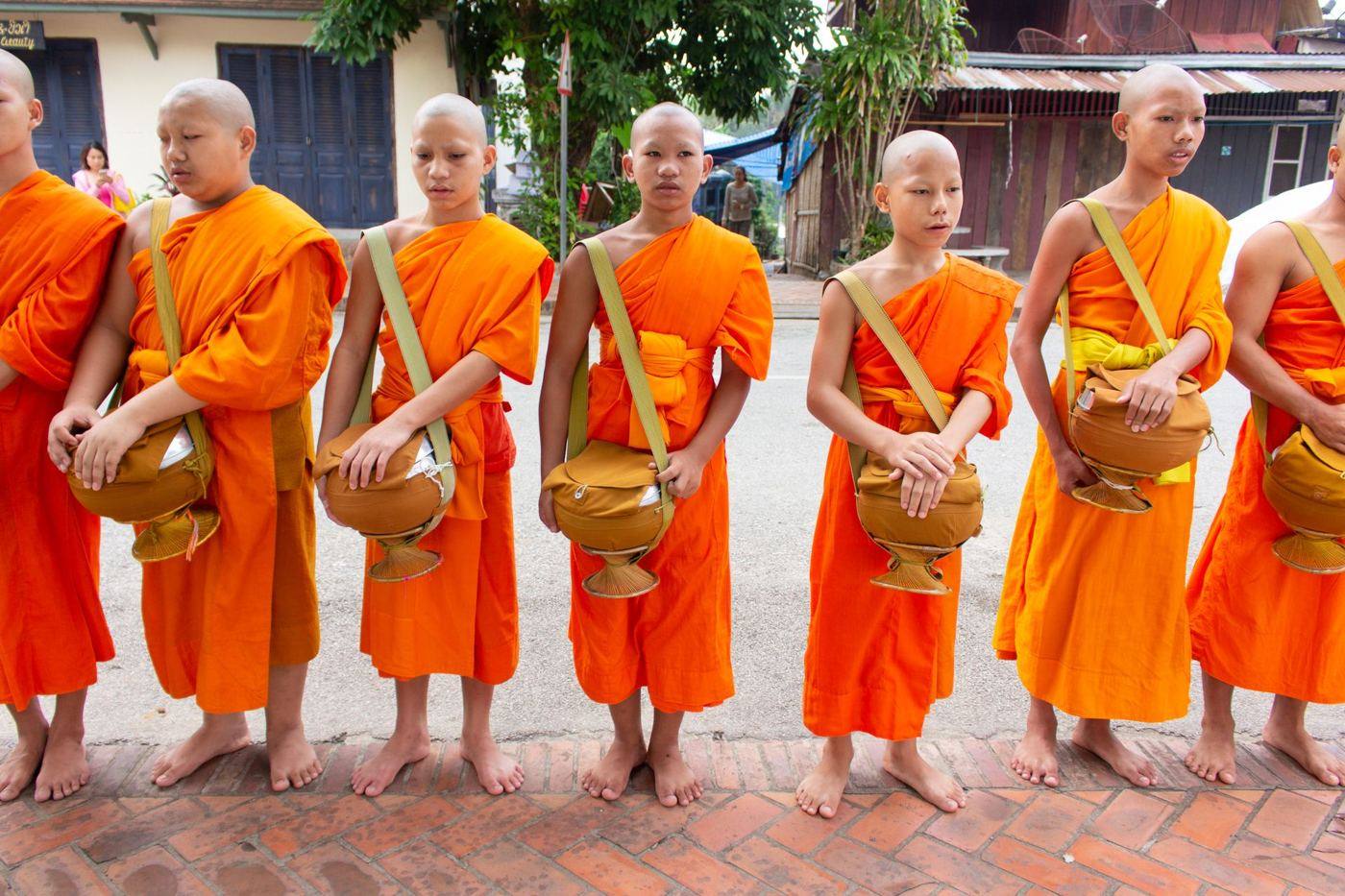 4 daysEasy
Luang Prabang New Year
Pi Mai, the Lao New Year in April, in Luang Prabang: processions, ritual washing of the Buddhas, sand carried to the temples and the great water fight in the streets.
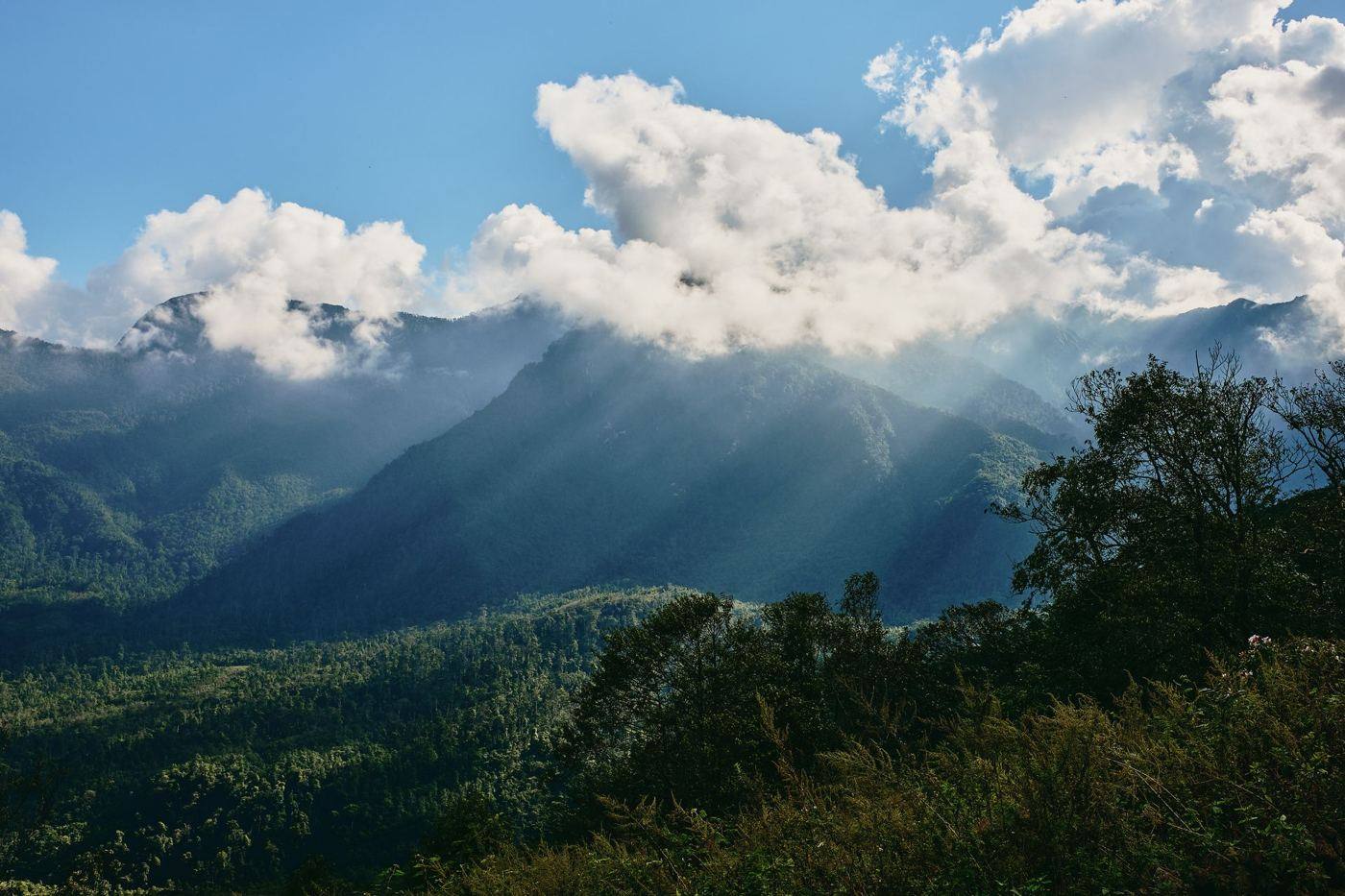 5 daysModerate
Phongsaly and its tea
The northernmost province, among mountains and villages of different ethnic groups, with ancient tea trees, the houses of Phongsaly and trekking between villages.
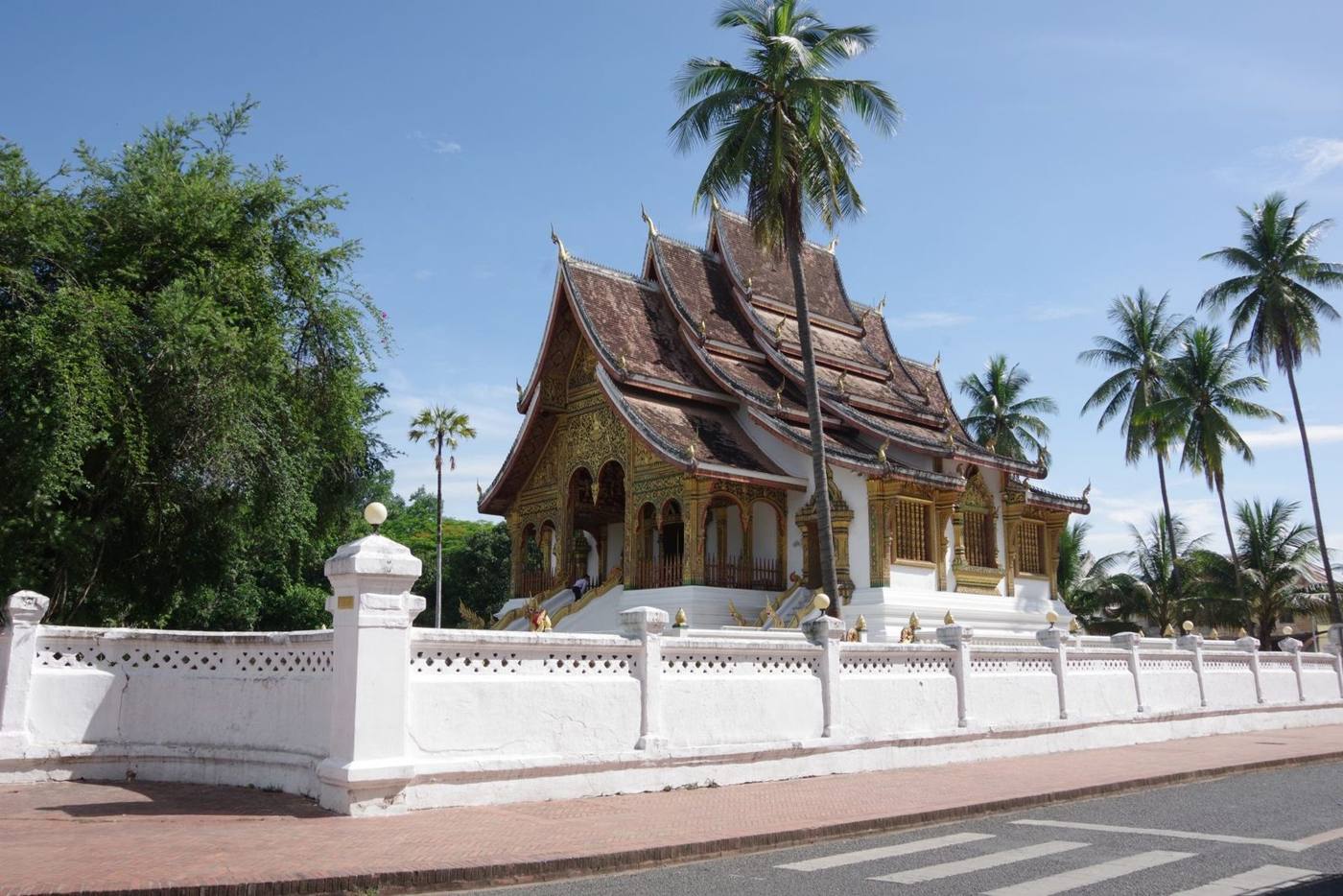 5 daysEasy
Luang Prabang
The UNESCO town of temples on the Mekong, the monks' alms round at dawn, the Kuang Si falls and the Pak Ou caves.