Prizren and Pristina
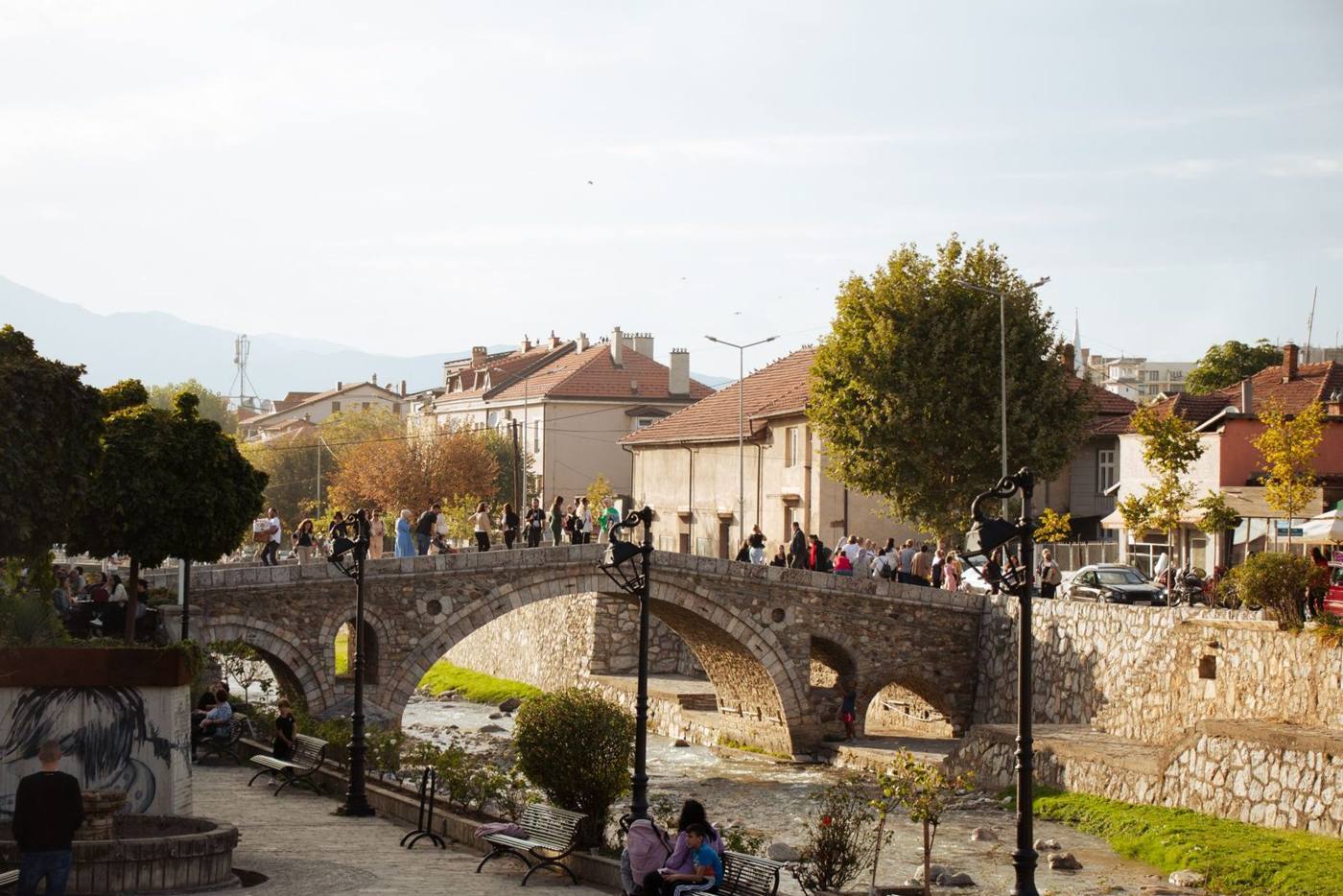
The Ottoman town of Prizren with its fortress and Sinan Pasha Mosque, the young capital Pristina and the UNESCO monastery of Gračanica.
- Pristina
- Gračanica
- Prizren
- Kalaja
Day by day
- Day 1
Pristina: the Newborn, the library and the bazaar
This short trip links the two most interesting towns in Kosovo: Pristina, the young capital full of cafés, and Prizren, the Ottoman town with its fortress and the Sinan Pasha Mosque. In between you will see the monastery of Gračanica, a UNESCO World Heritage Site. Kosovo uses the euro, people are welcoming and prices are low.
Before you go: Italian citizens can enter Kosovo with an electronic identity card or a passport, without a visa. Italian paper identity cards are no longer valid for travel abroad from 3 August 2026. Other nationalities should check their own rules. The United Kingdom advises against all but essential travel to the northern municipalities, near Serbia: North Mitrovica, Zvečan, Zubin Potok and Leposavić, where tensions often return. This route stays well away from that area. If you then want to go to Serbia, check first: Serbia does not recognise Kosovo's crossing points as official borders.
Start at the Newborn monument, the large metal letters unveiled on 17 February 2008, the day of the declaration of independence. Every year they are repainted in a different way. Then walk along Mother Teresa Boulevard, the pedestrian street in the centre, to the Catholic cathedral dedicated to the saint.
Not far away stands the National Library, a 1980s building covered with domes and a metal lattice, one of the most debated buildings in the Balkans. In the afternoon, go down to the old bazaar, with the Sultan Mehmet Fatih Mosque, from the fifteenth century, and the clock tower. Visit the Ethnographic Museum, in an Ottoman house with a courtyard. Check prices and times.
Practical tip: in Pristina coffee is a ritual; try the macchiato, served almost everywhere and much cheaper than in Italy.
- Day 2
The monastery of Gračanica and the road to Prizren
In the morning, leave Pristina heading south-east. In about a quarter of an hour you reach Gračanica, a small town mostly inhabited by Serbs, with its Orthodox monastery.
The church was built in 1321 for the Serbian king Milutin. It has five domes, one in the centre and four lower ones around it, and its stone and brick walls form striped patterns. Inside, fourteenth-century frescoes cover the walls from floor to vault: saints, scenes from the life of Christ and portraits of the king and queen. It is part of the Medieval Monuments in Kosovo, a UNESCO World Heritage Site.
The monastery is home to a community of nuns. Go in wearing clothes that cover your shoulders and legs, speak quietly and ask before taking photos inside. Check opening times.
After the visit, take the road to Prizren, heading south-west. In about an hour and a half you cross the plain and reach the foot of the Sharr mountains, where the town stretches along the Lumbardhi river.
In the evening, leave the car and walk into the centre. Cross the Ottoman stone bridge and stop in Shadërvan square, the heart of the town, with its fountain and outdoor cafés. On summer evenings the whole of Prizren gathers here.
Practical tip: Serbian dinars are also used in Gračanica, but the euro is accepted almost everywhere; still, keep a few coins for candles in the church.
- Day 3
Prizren: the bridge, the mosques and the fortress
Today is the best day of the trip, all on foot in the old town of Prizren.
Start with the Sinan Pasha Mosque, from 1615, with its high dome and slender minaret. It is the largest in town and dominates the riverbank. Go in without shoes, with covered clothing and outside prayer times.
Then walk to the Church of Our Lady of Ljeviš, from the fourteenth century, with its medieval frescoes. It too is among the UNESCO Medieval Monuments in Kosovo. It is often closed and guarded: at least look at the stone and brick façade, and ask locally about going in.
At lunchtime, go down to the bazaar, where craftsmen work silver filigree, fine threads twisted by hand. Walk past the Hammam of Gazi Mehmed Pasha and the League of Prizren complex, where Albanian leaders met in 1878. Check prices and times.
In the late afternoon, climb to the fortress, the Kalaja, on a steep stone path that takes about half an hour. From the top you see the red roofs, the minarets and the bell towers, the river and the plain. Stay until sunset, when the town lights up and the call to prayer comes from the mosques.
Practical tip: climb to the fortress in shoes with a good sole and bring water, because there is no shade on the path and in summer the heat is strong until evening.
- Day 4
The last morning and departure
The last morning is for saying goodbye to Prizren calmly, before heading back to Pristina airport, about an hour and a half away by road.
Go out early, when the streets are still empty, and climb into the hillside districts, with their two-storey houses, wooden balconies and courtyards with vines. Muslims, Orthodox Christians and Catholics have lived side by side here for centuries, and you can see it in the mosques and churches a few steps apart.
Then go down to the river for a last breakfast in Shadërvan square. Buy a small piece of filigree in the bazaar or a packet of mountain tea, sold in the spice shops.
In these four days you have seen the Newborn monument, the National Library and the bazaar of Pristina, the monastery of Gračanica, the Sinan Pasha Mosque, the Church of Our Lady of Ljeviš and the fortress of Prizren.
When to go: from May to October. Spring and autumn are mild and bright, summer is hot. In early August Prizren hosts DokuFest, the documentary festival, with open-air screenings: it is the liveliest time, but accommodation sells out early. In winter it is cold and sometimes snows.
Practical tip: many buses run between Prizren and Pristina during the day; if you have no car, they are the simplest and cheapest way back to the airport, with a taxi for the last stretch.
A short trip to a young, welcoming country, using the euro and with low prices. Prizren is the finest stop. The north around Mitrovica has recurring tensions: check your government's travel advice before going there.
Before you go
- Documents and visa
- Electronic identity card or passport for EU citizens, with no visa for tourist stays of up to 90 days in six months. Italian paper identity cards are no longer valid for travel abroad from 3 August 2026. If you plan to go on to Serbia, check first: Serbia does not recognise Kosovo's crossing points as official borders.
- Health and vaccines
- No compulsory vaccinations. Public healthcare is poorly funded and private clinics are better: you need insurance covering medical costs and repatriation. Drink bottled water. Emergencies: 112; ambulance 194 from a mobile.
- Money and payments
- Euro, even though Kosovo is not in the European Union. Cards work well in Pristina; in small towns and villages you need cash.
- Power sockets
- Types C and F, 230 volts: you need an adapter for British plugs.
- Time zone
- UTC+1, UTC+2 in summer, one hour ahead of the UK.
- Safety
- The UK advises against all but essential travel to the northern municipalities: Zvečan, Zubin Potok, Leposavić and Mitrovica north of the river Ibar. Landmines and unexploded ordnance from the 1999 war remain along the Albanian border, around the Dulje Pass and in the mountains between Kosovo, Albania and Montenegro: stay on well-used roads and paths. The European green card is not valid: buy car insurance at the border. Official advice: GOV.UK.
Information checked in November 2026 for Italian and EU citizens. Rules change: always check before you travel.
Variations
In 2 days: Pristina and the monastery of Gračanica, or just Prizren with its fortress.
In 6 days: add Gjakova, the monastery of Visoki Dečani and the Patriarchate of Peć.
Frequently asked questions
Is northern Kosovo safe?
The UK advises against all but essential travel to the northern municipalities, around North Mitrovica, where tensions recur. This trip does not go there. Check official travel advice before you leave.
Can you cross from Kosovo into Serbia?
Check first: Serbia does not recognise Kosovo's crossing points as official borders. If you entered Kosovo from another country, you may have problems entering Serbia.
Do you need a car for this trip?
No. Buses between Pristina and Prizren are frequent, and Gračanica is a few minutes from Pristina by taxi or bus.
Indicative itinerary written by World Atlas. Before booking, check timetables, seasonal openings, documents and safety.
 4 daysModerate
The Rugova mountains
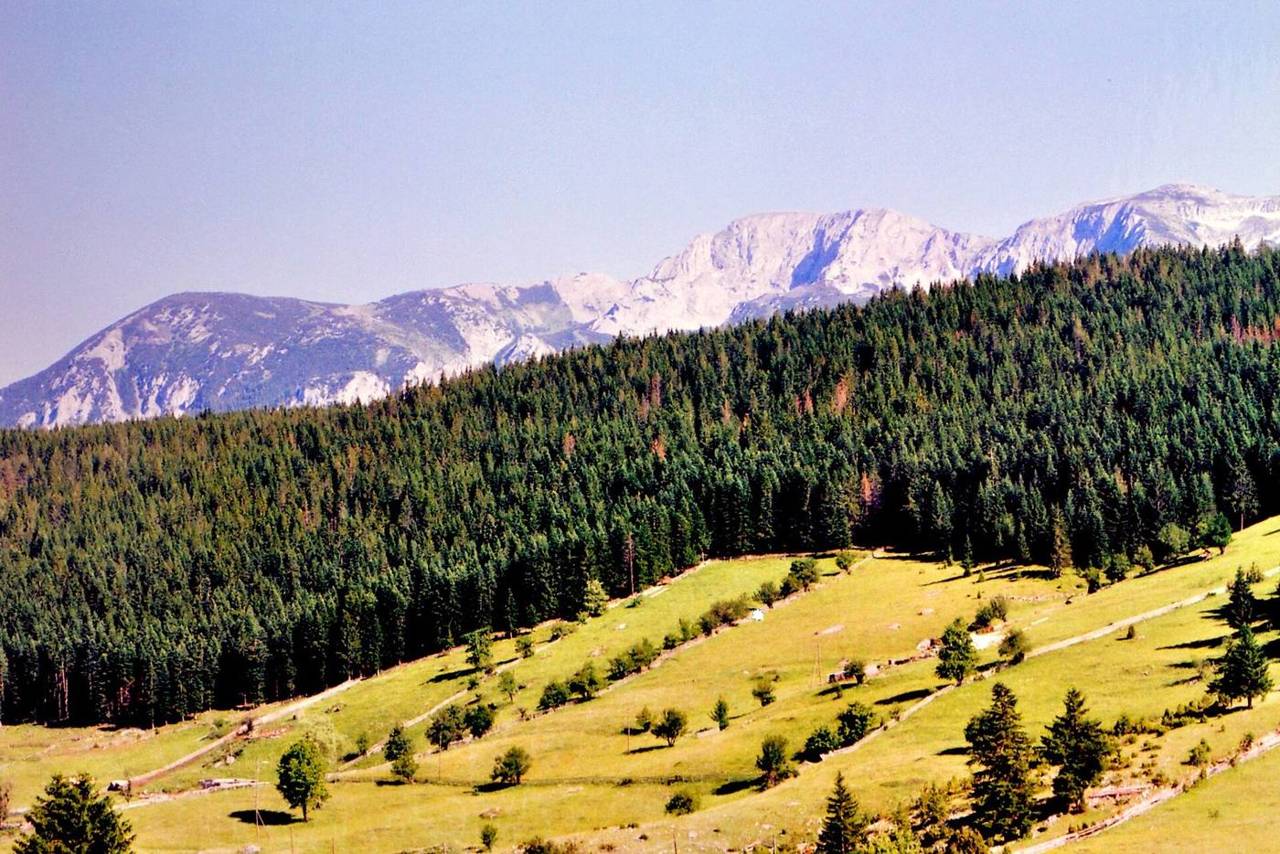
The Rugova canyon above Peja, its via ferrata, high pastures and the Patriarchate of Peć, a UNESCO monastery.
 6 daysModerate
Kosovo and northern Albania
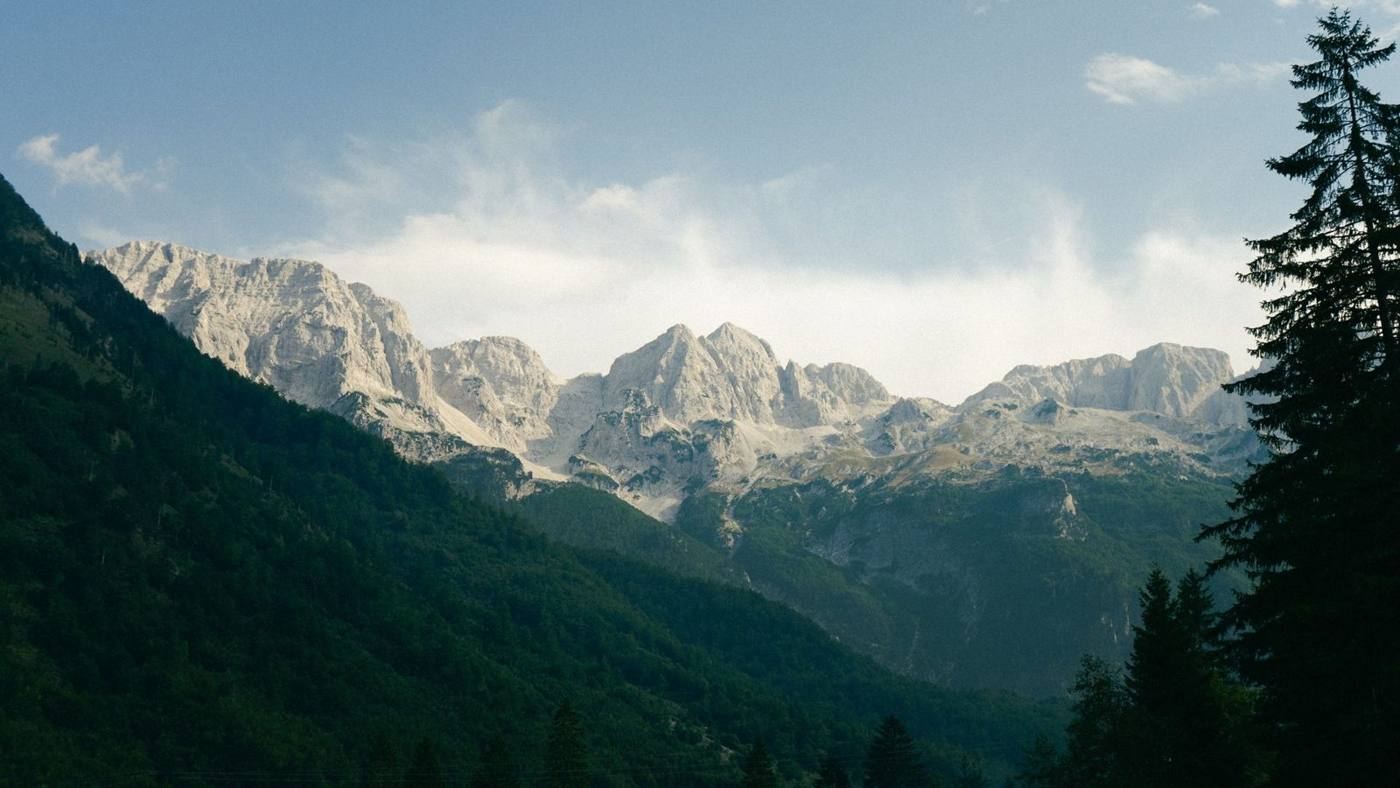
From Prizren to Valbona via the Koman lake ferry, then on to Theth and Shkodër.
 3 daysEasy
Gjakova and Dečani
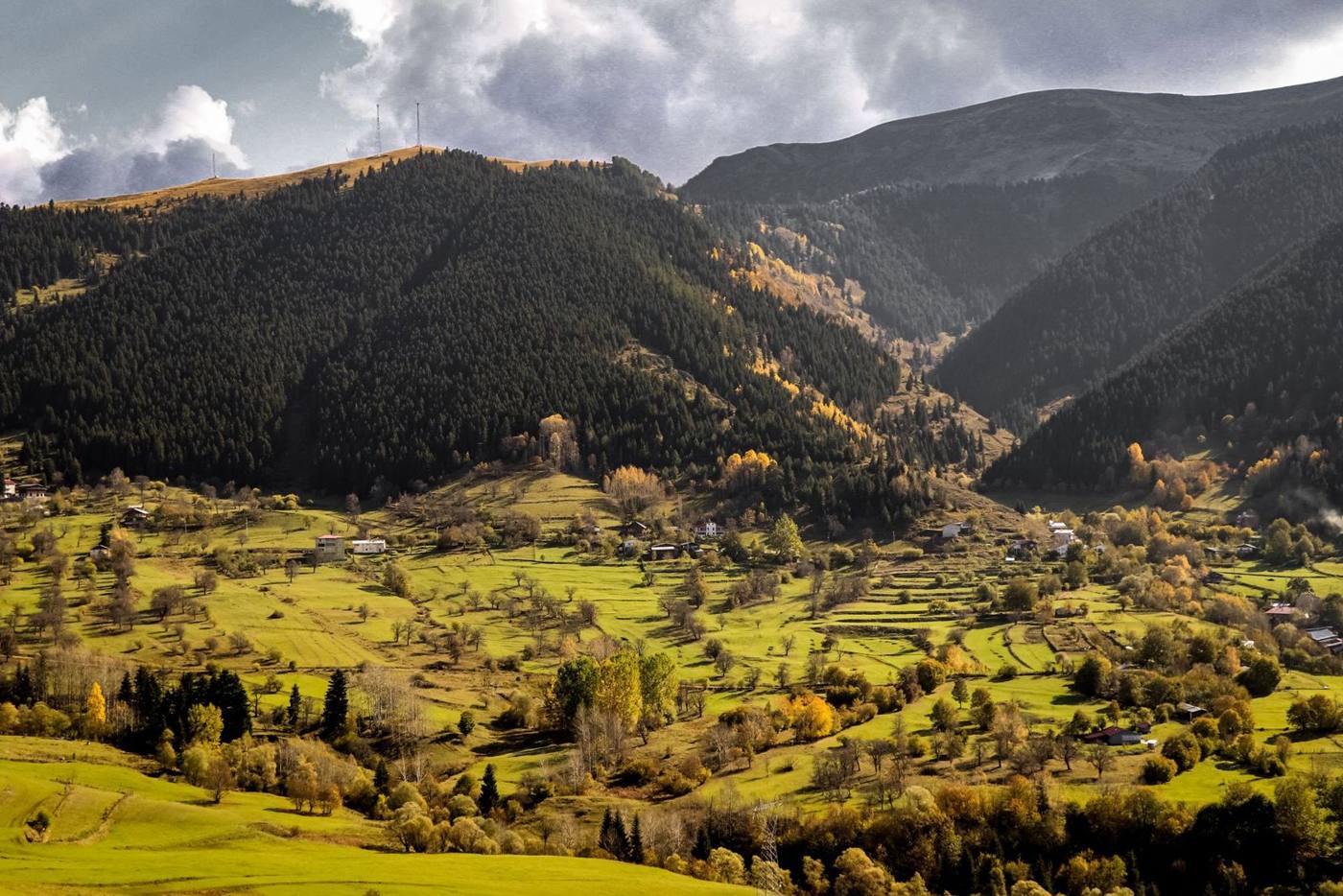
Gjakova's long Ottoman bazaar and the Hadum mosque, and the UNESCO Serbian Orthodox monastery of Visoki Dečani with its 14th-century frescoes.