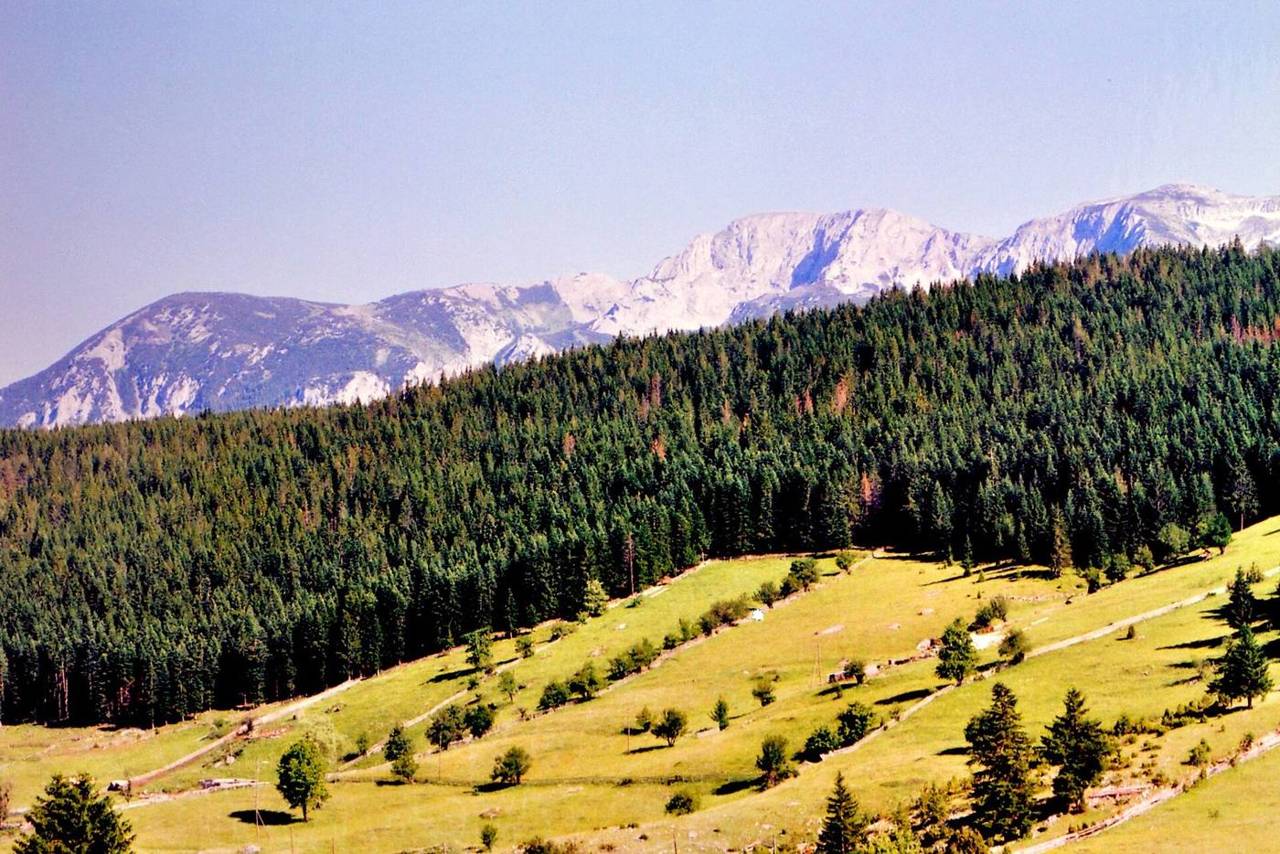
The Rugova mountains
The Rugova canyon above Peja, its via ferrata, high pastures and the Patriarchate of Peć, a UNESCO monastery.
- Peja
- Patriarchate of Peć
- Rugova Canyon
- Drelaj
- Liqenat
- Visoki Dečani
Day by day
- Day 1
Peja and the Patriarchate of Peć
This trip takes you into the Rugova mountains, above Peja, in western Kosovo: a deep canyon, high pastures, glacial lakes and shepherds' villages. The mountains are little known, quiet and inexpensive, and Rugova is also a stage of the Peaks of the Balkans trail between Kosovo, Albania and Montenegro. You will finish with the monastery of Visoki Dečani, a UNESCO World Heritage Site.
Before you go: Italian citizens can enter Kosovo with an electronic identity card or a passport, without a visa. Italian paper identity cards are no longer valid for travel abroad from 3 August 2026. Other nationalities should check their own rules. The United Kingdom advises against all but essential travel to the northern municipalities, near Serbia: North Mitrovica, Zvečan, Zubin Potok and Leposavić. This route stays well away from that area. In the mountains between Kosovo, Albania and Montenegro, Rugova included, mines from the 1999 war remain: walk only on marked paths. If you enter by car, the European green card is not valid: insurance is bought at the border.
You arrive in Peja, Peć in Serbian, at the mouth of the gorge. In the morning, visit the Patriarchate of Peć, a group of Serbian Orthodox churches from the thirteenth and fourteenth centuries, painted red and full of frescoes. For centuries it was the seat of the patriarch of the Serbian Church. Documents are checked at the entrance: bring your passport or identity card and wear covered clothing. Check opening times.
In the afternoon, walk through the Peja bazaar, among workshops, cafés and the old hammam.
Practical tip: buy a trail map and a local SIM card in Peja, because in the mountains the signal comes and goes.
- Day 2
The Rugova canyon and the via ferrata
Today you enter the Rugova canyon, the gorge that the Peja Bistrica river has cut between towering rock walls, a few minutes from the town centre. The road climbs towards Montenegro through tunnels and tight bends, and from every bend you see the walls above you.
For those who love climbing, the canyon has several via ferrata routes, protected climbing paths with steel cables and rungs fixed into the rock. They take you up above the river with a lot of air beneath your feet. If you have no experience, go with a local guide, who brings a helmet, harness and lanyards. Check prices and times.
If you prefer to walk without equipment, follow the path along the river in the lower part of the canyon. It is easy, in the shade of the trees, with green water running between the boulders. Stop at the viewpoints on the road, where the walls close in the most.
Remember that near the border there may still be mines: do not leave the road and the marked paths, not even for a photo or a shortcut.
In the evening, go higher into the Rugova valley and sleep in a village house or a mountain guesthouse, where dinner is made with the family's own produce: cheese, cream, honey and slow-cooked meat.
Practical tip: lorries and fast cars use the canyon road; park only in lay-bys and do not walk on the carriageway in the tunnels.
- Day 3
From the Drelaj pastures to Lake Liqenat
Today is the big walk of the trip, high above the canyon, among pastures and lakes of glacial origin.
Set off early by car towards Drelaj, one of the largest villages of Rugova, with houses scattered over the meadows and wooden haylofts. Continue to the Kuqishte area, where there is a small lake. From here the path to Lake Liqenat begins, the largest lake in the Rugova mountains, at over 1,800 metres. It takes about two hours on foot to get there, on an easy path that climbs through beech woods and then comes out onto open pastures.
The lake is enclosed by grassy slopes and rocky peaks. In summer shepherds bring their sheep and cows up here, and sometimes sell fresh cheese in their huts. Sit on the shore for a packed lunch and look at the mountains towards Montenegro.
Return the same way. The weather at altitude changes quickly: if you see dark clouds or hear thunder, go down at once.
Remember that these mountains are on the border: always stay on the marked path, because off it there may still be wartime ordnance.
In the evening, sleep in Rugova again or go down to Peja.
Practical tip: carry at least two litres of water, a waterproof jacket and boots; there is no shade on the pastures and the sun at altitude burns even when the air is cool.
- Day 4
The monastery of Visoki Dečani and departure
On the last day, drive south from Peja, about half an hour, to the monastery of Visoki Dečani, at the mouth of a wooded valley at the foot of the mountains.
The monastery was founded by the Serbian king Stefan Uroš III, known as Dečanski, and the church was built in the 1330s. It is made of marble in light and dark bands, and inside the walls are covered with frescoes, with thousands of figures. It is part of the UNESCO Medieval Monuments in Kosovo.
The monastery is still home to monks and is guarded by KFOR soldiers, the NATO mission. Documents are checked at the entrance: bring your passport or identity card. Wear clothes that cover your shoulders and legs and ask before taking photos.
Then set off for Pristina airport, about two hours away by road.
In these four days you have seen the Patriarchate of Peć, the Rugova canyon and its via ferrata, the Drelaj pastures and Lake Liqenat, and the frescoes of Visoki Dečani.
When to go: from June to September. In these months the paths are dry, the shepherds are up high and the mountain houses are open. In May and October there may still be snow above 1,500 metres. In winter Rugova is under snow and suitable only for experienced mountain walkers.
Practical tip: in the mountain villages you almost always pay in cash; get euros in Peja before going up, because cash machines are rare in Rugova.
Little-known mountains, excellent for quiet, affordable hiking. Rugova is a stage of the Peaks of the Balkans trail between Kosovo, Albania and Montenegro. Dečani is guarded by KFOR troops and you need ID to enter.
Before you go
- Documents and visa
- Electronic identity card or passport for EU citizens, with no visa for tourist stays of up to 90 days in six months. Italian paper identity cards are no longer valid for travel abroad from 3 August 2026. If you plan to go on to Serbia, check first: Serbia does not recognise Kosovo's crossing points as official borders.
- Health and vaccines
- No compulsory vaccinations. Public healthcare is poorly funded and private clinics are better: you need insurance covering medical costs and repatriation. Drink bottled water. Emergencies: 112; ambulance 194 from a mobile.
- Money and payments
- Euro, even though Kosovo is not in the European Union. Cards work well in Pristina; in small towns and villages you need cash.
- Power sockets
- Types C and F, 230 volts: you need an adapter for British plugs.
- Time zone
- UTC+1, UTC+2 in summer, one hour ahead of the UK.
- Safety
- The UK advises against all but essential travel to the northern municipalities: Zvečan, Zubin Potok, Leposavić and Mitrovica north of the river Ibar. Landmines and unexploded ordnance from the 1999 war remain along the Albanian border, around the Dulje Pass and in the mountains between Kosovo, Albania and Montenegro: stay on well-used roads and paths. The European green card is not valid: buy car insurance at the border. Official advice: GOV.UK.
Information checked in November 2026 for Italian and EU citizens. Rules change: always check before you travel.
Variations
In 2 days: the Patriarchate of Peć and the Rugova canyon, with the riverside path.
In 7 days: add a few stages of the Peaks of the Balkans trail towards Montenegro or Albania, with a guide.
Frequently asked questions
Do you need experience for the Rugova via ferrata?
If you have never done one, go with a local guide who brings the equipment. You need a head for heights and some strength in your arms.
Are there still mines in the Rugova mountains?
Near the borders with Albania and Montenegro there may still be ordnance from the 1999 war. Walk only on marked paths and do not touch suspicious objects.
Do you need a document to enter Dečani?
Yes. The monastery is guarded by KFOR and documents are checked at the entrance: bring your passport or identity card.
Indicative itinerary written by World Atlas. Before booking, check timetables, seasonal openings, documents and safety.
 6 daysModerate
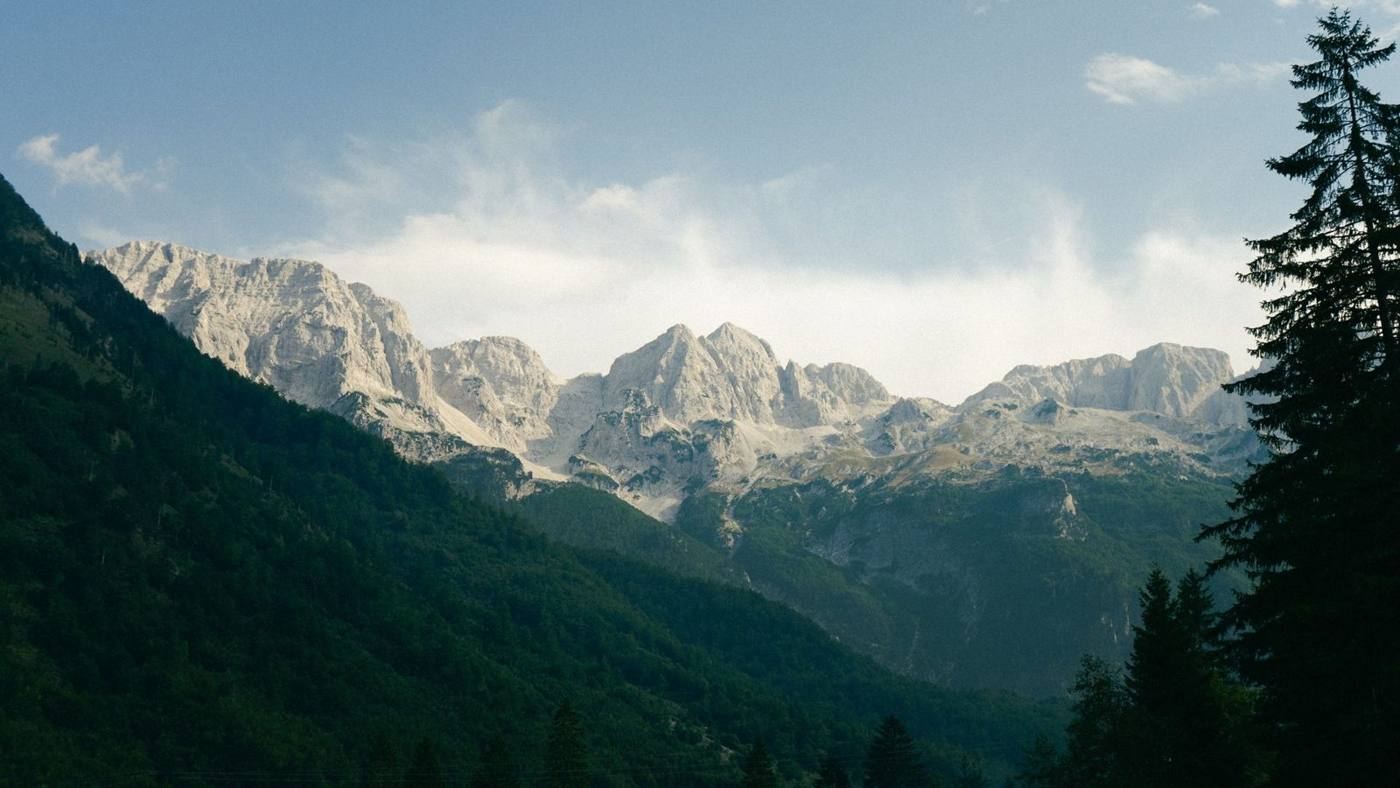
Kosovo and northern Albania
From Prizren to Valbona via the Koman lake ferry, then on to Theth and Shkodër.
 3 daysEasy
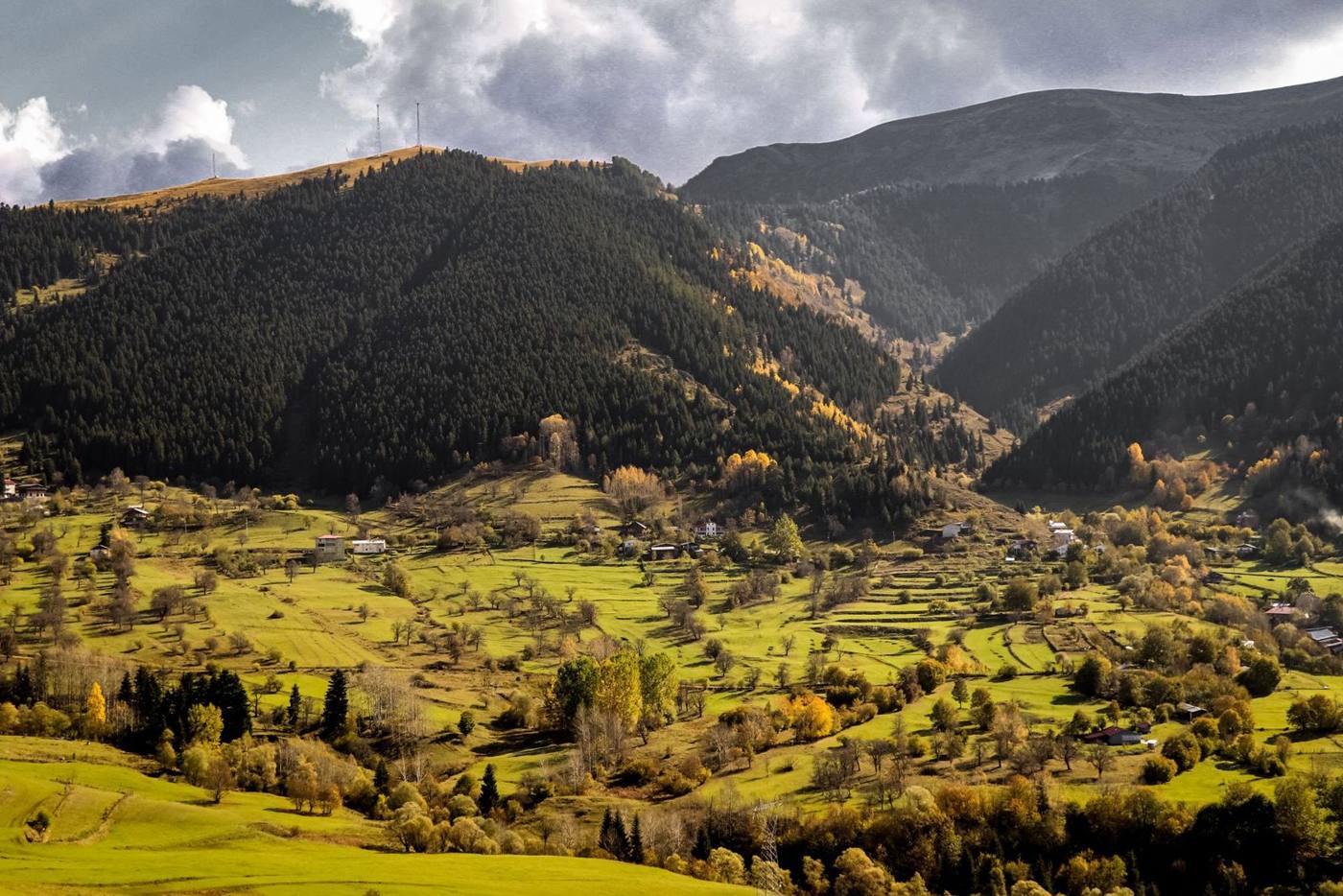
Gjakova and Dečani
Gjakova's long Ottoman bazaar and the Hadum mosque, and the UNESCO Serbian Orthodox monastery of Visoki Dečani with its 14th-century frescoes.
 3 daysChallenging
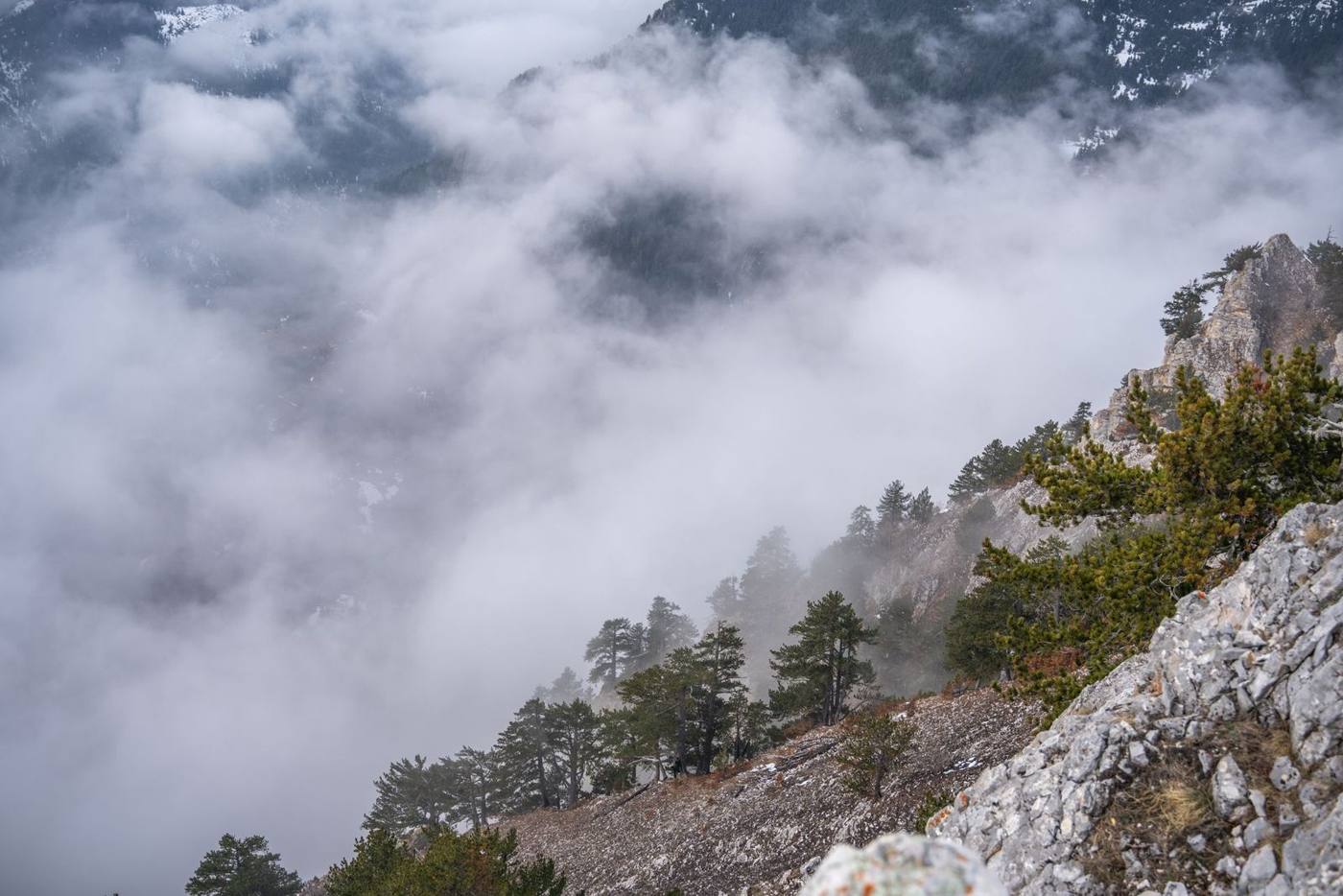
Gjeravica and the lakes
The climb up Gjeravica, Kosovo's highest mountain at 2,656 metres, with the glacial lake at its foot and the shepherds' pastures of the Accursed Mountains.