Samburu, Masai Mara, Amboseli and the coast
The fullest Kenya: rare northern species, the great savannah, elephants below Kilimanjaro and a finale in Diani.
- Nairobi
- Samburu
- Lake Nakuru
- Masai Mara
- Amboseli
- Diani
Day by day
- Day 1
Arrival in Nairobi
This trip is the most complete Kenya in two weeks: Samburu, with the rare animals of the north, Lake Nakuru with its rhinos, the Masai Mara with the great savannah, Amboseli with the elephants below Kilimanjaro and a finale on the beach at Diani, on the Indian Ocean. You travel in a safari vehicle with a driver guide and take a flight to the coast.
Before you go: you need a passport, and Kenya requires an electronic travel authorisation, to be requested online before departure on the official website: check the current rules and cost. Other nationalities should check their own rules. In October 2026 Kenya had a few cases of Ebola; the last patient was discharged on 11 November and, if there are no new cases, the outbreak may be declared over around the end of December. Since 19 October the United States has its advisory at level 3, reconsider travel; the parks remain open. Check your government's travel advice and the health rules before leaving. This trip stays away from the border areas of the north that are advised against and from the coast north of Malindi.
You land at Jomo Kenyatta airport in Nairobi, at about 1,700 metres above sea level, with a cool climate.
In the afternoon, if you have time, visit the centre for orphaned elephants inside Nairobi National Park, where young elephants that have lost their mothers are cared for, or the Rothschild giraffe centre in Langata. Check times, prices and bookings.
In the evening, have nyama choma, grilled meat, and ugali, a white maize porridge.
Overnight in Nairobi.
Practical tip: in Nairobi, do not walk alone in the evening, and use taxis called by your accommodation or through an app. Keep your phone in your pocket in crowded places.
- Day 2
To Samburu
Today you head to the north of Kenya.
In the morning, leave Nairobi by safari vehicle heading north, about six hours, across the farmed highlands of central Kenya, tea and coffee plantations and the town of Nanyuki, at the foot of Mount Kenya. Here the road crosses the equator, marked by a sign: it is a classic stop.
After Nanyuki the landscape changes: it becomes drier and hotter, with acacia savannah, rocky mountains on the horizon and the villages of the Samburu people, herders related to the Maasai, with their colourful necklaces.
In the afternoon, you reach Samburu National Reserve, along the Ewaso Ng'iro River, which brings water to a semi-arid region. The river draws the animals, especially in the dry season, and is lined with doum palms and large trees.
In the late afternoon, go on your first game drive along the river, when the light is golden and the animals come to drink. You see elephants, crocodiles, lions and leopards. Check the reserve's prices and entry rules.
In the evening, have dinner at the camp and listen to the sounds of the savannah at night.
Overnight in the Samburu area, for two nights.
Practical tip: in Samburu it is hot by day and cool in the evening. Bring light clothes in neutral colours, such as beige, green and brown, and a fleece. Avoid dark blue and black, which attract tsetse flies.
- Day 3
The Samburu five
Today you look for the animals that are only seen in northern Kenya.
At dawn, set off on the morning game drive, the best time, when it is cool and the animals are active. Samburu is famous for the so-called Samburu special five, animals adapted to the dry climate that you do not see in the parks of the south.
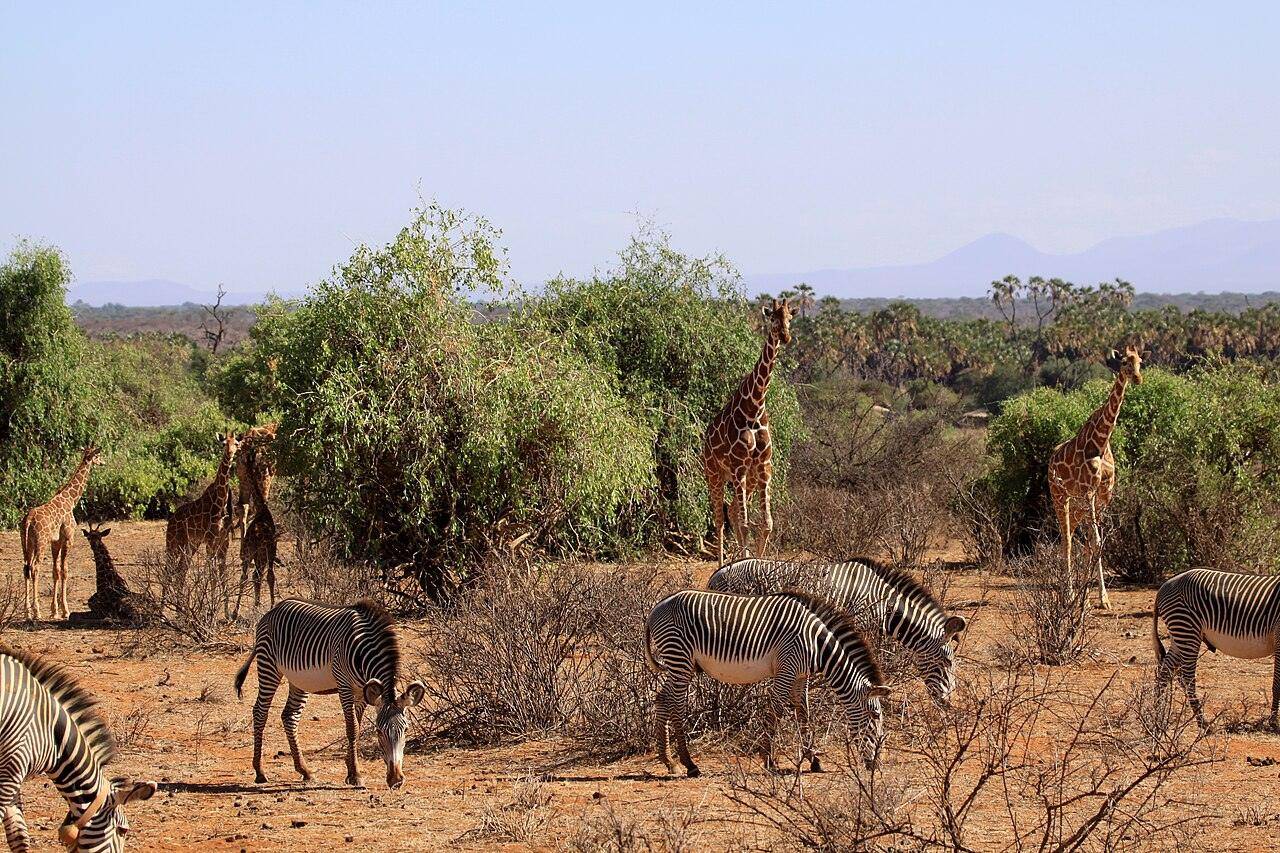
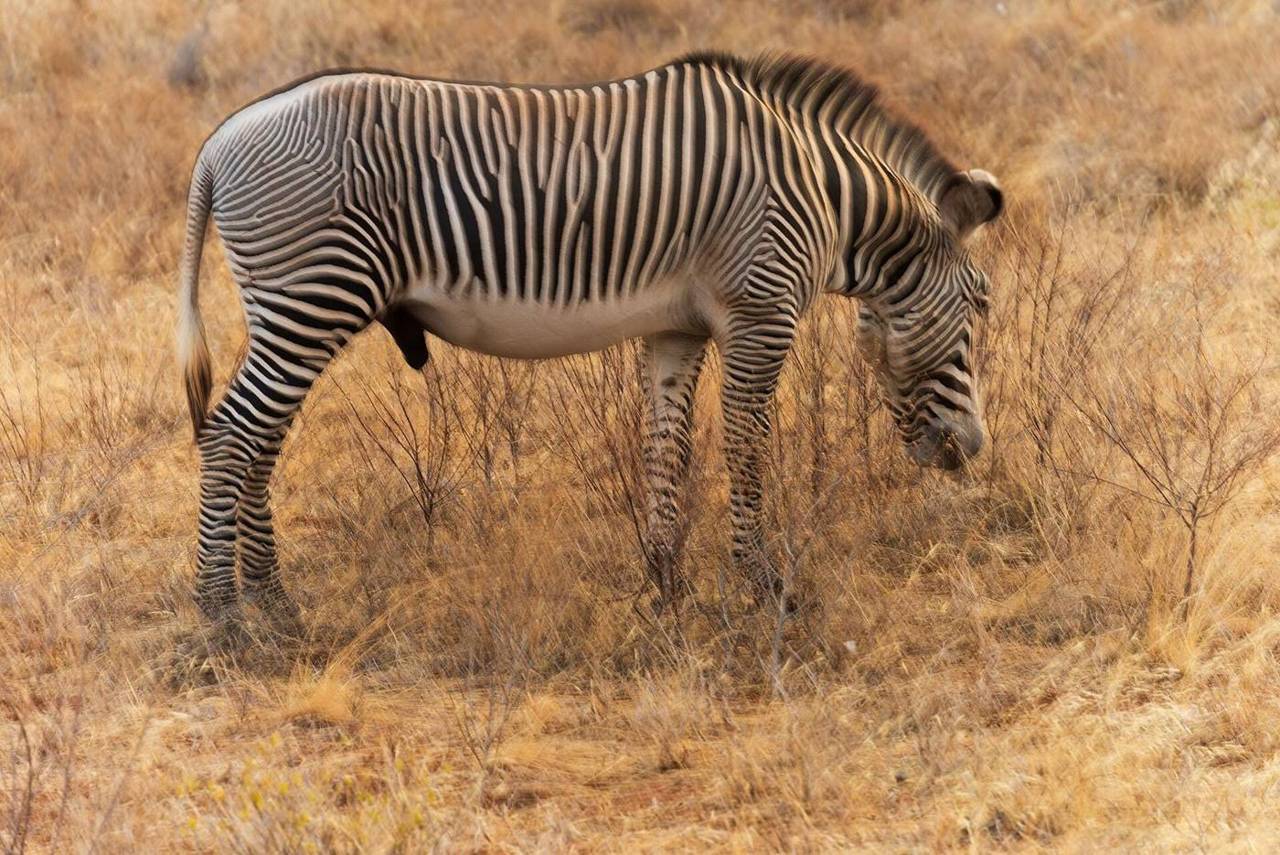
The Grévy's zebra, larger than the common zebra, with thin, close stripes and big round ears, is an endangered species. The reticulated giraffe has a sharp pattern of brown patches separated by white lines, like a net. The gerenuk is an antelope with a very long neck, which stands on its hind legs to eat the leaves of trees. The Somali ostrich has a blue neck and legs. The beisa oryx has long straight horns and a face with black and white markings.
For the rest of the day, rest at the camp during the hot hours.
In the afternoon, go on a second drive along the river, where you sometimes see leopards in the trees and large herds of elephants crossing the water.
If you wish, visit a Samburu village to learn about the herders' life, their houses of branches and mud and their songs. Choose a visit organised with the community and ask permission before taking photos.
In the evening, have dinner at the camp.
Overnight in the Samburu area.
Practical tip: on game drives, always stay inside the vehicle, never get out without your guide's permission and do not raise your voice near the animals. Bring binoculars: they change the experience completely.
- Day 4
Lake Nakuru
Today you go down into the Rift Valley to Lake Nakuru.
In the morning, leave Samburu and drive south-west for about five or six hours, crossing the equator again and passing through the highlands to the edge of the Rift Valley, the great fracture in the earth's crust that runs through East Africa. From the viewpoint on the escarpment you see the valley floor, with its lakes and extinct volcanoes.
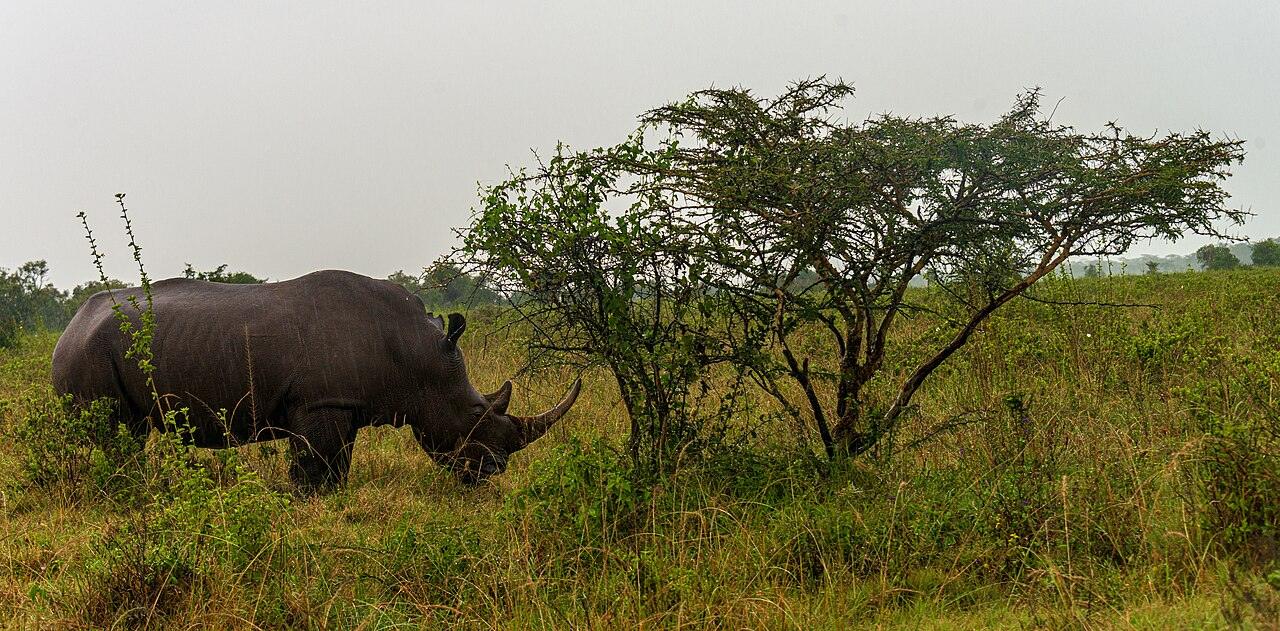
In the afternoon, you enter Lake Nakuru National Park, an alkaline lake surrounded by woods of yellow acacias and cliffs. The park is a sanctuary for rhinos, both white and black, which are protected here and often seen. There are also Rothschild giraffes, lions, buffaloes and baboons. Check prices and entry rules.
In the past the lake was famous for its pink flamingos, sometimes hundreds of thousands; in recent years the water level has risen and the flamingos have declined, moving to other lakes in the Rift Valley. Today you see fewer of them, but the park remains beautiful for its rhinos and its landscape.
In the late afternoon, climb to the Baboon Cliff viewpoint, with the view over the lake and the forest.
In the evening, have dinner and rest.
Overnight in the Lake Nakuru area.
Practical tip: the road from Samburu to Nakuru is long. Leave early and make a few stops. Keep water and something to eat to hand.
- Day 5
To the Masai Mara
Today you reach the most famous reserve in Africa.
In the morning, leave Nakuru and drive south-west to the Masai Mara, about five hours, through the town of Narok and the Maasai plains, with herds of cattle and herders dressed in red. The last part of the road is unpaved and dusty.
The Masai Mara is the Kenyan part of the great Serengeti ecosystem, which continues into Tanzania. It is a land of open grass plains, gentle hills, lone acacia trees and the Mara River, which runs through the reserve. It is one of the best places in the world to see the big cats, lions, leopards and cheetahs, together with elephants, giraffes, buffaloes, hippos and a great many antelopes. Check the reserve's prices and entry rules.
In the afternoon, go on your first game drive, as the light turns golden over the savannah.
In the evening, have dinner at the camp. Many camps are large, comfortable tents, with a bed and a bathroom, in the savannah.
Overnight in the Masai Mara area, for three nights.
Practical tip: in tented camps on the savannah, animals pass close to the tents at night. Never go out alone after sunset: always ask for a camp escort, who is usually a Maasai warrior with a torch.
The reserve ticket is paid per day and the price changes with the season: ask your organiser whether it is included.
- Day 6
The great migration
Today you spend a full day on safari in the Masai Mara.
At dawn, set off on safari, with a packed breakfast and lunch, to explore the reserve until the afternoon.
From July to October the great migration arrives in the Masai Mara: more than a million wildebeest, together with zebras and gazelles, move from the Serengeti in Tanzania in search of fresh grass. It is one of the greatest natural spectacles on the planet. The most famous moment is the crossing of the Mara River, when thousands of wildebeest throw themselves into the water, among the currents and the crocodiles. You never know when and where it will happen: sometimes you wait for hours on the bank, and sometimes it does not happen.
Outside the migration season, the Masai Mara remains rich in animals all year round, especially predators: lions, cheetahs and leopards live here permanently.
In the afternoon, return to the camp and rest.
If you wish, for a special experience, you can take a hot-air balloon flight over the savannah at dawn, with breakfast in the bush after landing. Check prices and conditions.
In the evening, have dinner at the camp.
Overnight in the Masai Mara area.
Practical tip: during river crossings many vehicles move close. A good guide keeps a distance, does not block the animals' path and respects the reserve rules. Ask your organiser about this.
- Day 7
Safari and a Maasai village
Today is your last day in the Masai Mara.
At dawn, go on your last morning game drive, when the lions come back from their night hunt and the cheetahs begin to look for prey on the open plains. Ask your guide to look for the animals you have not yet seen, such as the black rhino, which is very rare, or the leopard.
In the afternoon, visit a Maasai village, called a manyatta, near the reserve. The Maasai are a herding people who live between Kenya and Tanzania, famous for their red robes, their bead necklaces and the jumps of their warriors, called adumu. You will see their low houses of mud and dung, the cattle enclosure and village life. Choose a visit organised with the community, where part of the money goes to the village, and ask permission before taking photos.
Alternatively, visit one of the conservancies around the reserve, Maasai land leased to tourist camps, with fewer vehicles, walking safaris and night drives. Check prices and rules.
In the evening, have dinner around the fire at the camp.
Overnight in the Masai Mara area.
Practical tip: in Maasai villages you will be offered bracelets and necklaces. If you want to buy, bargain politely: it is normal and part of the tradition.
- Day 8
Back to Nairobi
Today you return to Nairobi.
In the morning, leave the Masai Mara by safari vehicle for Nairobi, about five or six hours, with a stop at the viewpoint over the Rift Valley. Alternatively, you can take a small flight from one of the Masai Mara airstrips to Wilson Airport in Nairobi, about an hour, to save time. Check prices and times.
In the afternoon, in Nairobi, visit the National Museum, with sections on the history, prehistory and birds of Kenya. The Rift Valley is one of the most important areas in the world for fossils of early humans.
Or visit the house museum of Karen Blixen, the Danish writer who lived here between 1917 and 1931, on the coffee farm at the foot of the Ngong Hills, and who described Kenya in her book Out of Africa. Check times and prices.
In the evening, have dinner in one of the city's quiet districts, such as Westlands or Karen.
Overnight in Nairobi.
Practical tip: this day in Nairobi is also useful for resting and washing your clothes after a week of dusty safaris. Many places to stay offer a quick laundry service.
On the small flights in the parks you can often only bring soft bags and a few kilos: check the limit with the airline before leaving.
- Day 9
Amboseli
Today you reach Amboseli, below Kilimanjaro.
In the morning, leave Nairobi by safari vehicle heading south, about four hours, across the Maasai plains to the border with Tanzania.
Amboseli National Park is an open plain, dusty in some areas and green in others, with swamps fed by the water flowing down from Kilimanjaro, the highest mountain in Africa, over 5,800 metres, which stands in Tanzania, just across the border. The most famous view in Kenya is exactly this: elephants walking across the plain with the snow-capped mountain behind them. Check the park's prices and entry rules.
Amboseli is famous for its elephants, studied for decades, including some bulls with very long tusks.
In the afternoon, go on your first game drive around the swamps, where elephants wade in up to their bellies to eat the grass, together with hippos, buffaloes and water birds.
In the evening, have dinner at the camp, watching the mountain at sunset if there are no clouds.
Overnight in the Amboseli area, for two nights.
Practical tip: Kilimanjaro is seen mostly at dawn and at sunset: during the day clouds often cover it. Get up early and keep your camera ready. For the best photos of elephants with the mountain, ask your guide to look for elephant families walking with the mountain behind them.
- Day 10
The elephants and Kilimanjaro
Today you spend a full day on safari in Amboseli.
At dawn, set off on safari, the best time to see Kilimanjaro without clouds, with pink light on the snow of the summit. Look for the elephant families leaving the woods to go to the swamps to drink and eat.
Then climb Observation Hill, also called Normatior, a small rise in the park from which you see the whole plain, the green swamps and, on clear days, the mountain. It is one of the few places where you can get out of the vehicle.
During the day you will also see wildebeest, zebras, Maasai giraffes, gazelles, hyenas and, with a little luck, lions and cheetahs. In the dry season you often see dust devils crossing the plain.
In the afternoon, rest at the camp during the hot hours, then go on a second drive in the late afternoon.
If you wish, visit a Maasai village near the park, on a visit organised with the community, or take a walk in the conservancy around the park with a Maasai guide. Check prices and rules.
In the evening, have dinner at the camp.
Overnight in the Amboseli area.
Practical tip: in Amboseli the dust is very fine and gets everywhere. Protect your camera with a bag or a cloth, and bring a scarf for your face.
- Day 11
To the coast
Today you leave the safaris and reach the Indian Ocean.
In the morning, leave Amboseli. There are two ways to reach the coast. The first is a small flight from an Amboseli airstrip to Ukunda, the airport for Diani, sometimes with a stop: check times and prices. The second is to drive back to the main road between Nairobi and Mombasa and take the modern train, the Madaraka Express, from one of the stations along the line to Mombasa, then drive to Diani. Check times and tickets.
In the afternoon, you arrive in Diani, a long white sand beach, about ten kilometres, on the coast south of Mombasa, with coconut palms, a turquoise sea and the coral reef offshore.
Change pace after the days on safari: walk along the beach, swim in the warm water of the Indian Ocean and watch the sunset.
In the evening, have dinner with the Swahili cooking of the coast, influenced by Arabia and India: fish in coconut, spiced pilau rice, samosas and chapati.
Overnight in Diani, for four nights.
Practical tip: there are mosquitoes on the coast, and malaria is present in many areas of Kenya. Use repellent, wear long clothes in the evening and ask your doctor or a travel clinic about suitable prevention before you leave.
On Diani beach, street sellers known as beach boys offer trips and souvenirs: answer politely and book trips through your accommodation.
- Day 12
Kisite-Mpunguti and Wasini
Today you spend a day at sea in the marine park.
In the morning, head south, about an hour by road, to Shimoni, a fishing village near the border with Tanzania. From here take a traditional boat, called a dhow, to Kisite-Mpunguti Marine Park, one of the most beautiful marine parks in Kenya, with coral reefs, clear water and many tropical fish. Entry to the Kenya Wildlife Service marine parks is 25 dollars: check the current fees.
During the crossing you often see dolphins swimming close to the boat. Then snorkel over the reef, among corals, clownfish, angelfish and, sometimes, sea turtles.
At midday, go to Wasini Island, a small island without roads, with a Swahili village, houses of coral stone and a path through the exposed coral gardens, sometimes flooded at high tide. The typical lunch is crab and grilled fish.
In the afternoon, you return to Shimoni and Diani.
In the evening, have dinner and relax.
Overnight in Diani.
Practical tip: in Shimoni there are the slave caves, coral caves near the sea linked, according to tradition, to the slave trade. If you have time, visit them with a local guide to learn about this history.
Choose a trip that respects the dolphins, without chasing them.
- Day 13
Colobus monkeys and the sacred forest
Today you discover the nature and culture of Diani.
In the morning, visit a colobus monkey conservation centre in Diani, which looks after the Angola colobus, black and white monkeys with long fur that live in the forests along the coast. Many monkeys are injured by cars and power lines: the centre treats them and has built rope bridges over the main road so they can cross safely. Check the times and prices of the visits.
Then visit the sacred forest of Kaya Kinondo, one of the kaya forests of the coast, sacred places of the Mijikenda people and a UNESCO World Heritage Site. It can only be visited with a community guide, barefoot in some areas and with a sarong around the waist, respecting the rules of the forest. Check the rules and prices.
In the afternoon, relax on the beach, or try one of Diani's water sports, such as kitesurfing, very popular here thanks to the steady wind. Check prices and safety.
In the evening, have dinner with fish from the coast and watch the stars on the beach.
Overnight in Diani.
Practical tip: on Diani beach the monkeys, such as vervets and baboons, are used to people and steal food. Do not feed them, and close the doors and windows of your room properly.
- Day 14
Shimba Hills or a day by the sea
Today you choose between a reserve in the hills and a day of rest.
In the morning, if you want one last safari, go to Shimba Hills National Reserve, in the hills near the coast, about an hour from Diani. It is a reserve of coastal forest and grassland, with the sable antelope, rare in Kenya, elephants, buffaloes and giraffes. Walk with a guide to Sheldrick Falls, in the forest, where you can swim in the natural pool. Check prices and rules.
If you prefer the sea, stay in Diani: swim, snorkel at low tide in the coral pools near the shore, or take a glass-bottom boat over the reef.
In the afternoon, relax and pack for tomorrow's journey.
In the evening, for your last dinner, try the best-known Swahili dishes, such as fish cooked in coconut milk with spices, and sweets made with coconut and cardamom.
Overnight in Diani.
Practical tip: at low tide you can easily walk on the reef near the shore, but there are sea urchins and sharp coral. Wear reef shoes and do not step on living coral.
Some beaches on the coast have strong currents when the tide comes in: swim in the areas protected by the reef and ask your accommodation which areas are safe.
- Day 15
Mombasa and departure
Today you leave Kenya from Mombasa.
In the morning, leave Diani heading north to Mombasa, about an hour or more with traffic, crossing the Likoni channel by ferry, which links the south coast to Mombasa Island.
If you have time before your flight, visit Fort Jesus, the fortress built by the Portuguese at the end of the sixteenth century to control the harbour and the trade of the Indian Ocean, a UNESCO World Heritage Site, with thick walls, bastions and a small museum. Then walk through the old town of Mombasa, with its narrow lanes, Swahili houses with carved wooden doors, mosques and the old dhow harbour. Check times and prices.
Then go to Mombasa international airport for your flight home, often with a connection in Nairobi or the Gulf.
In these fifteen days you have seen the most complete Kenya: the rare animals of Samburu, the rhinos of Lake Nakuru, the big cats and the migration of the Masai Mara, the elephants below Kilimanjaro in Amboseli and the Swahili coast at Diani.
When to go: the best months for safaris are from July to October, with the migration in the Masai Mara, and January and February. From April to May come the long rains, and in November the short rains.
Practical tip: there are many people at the Likoni ferry. Allow plenty of time to reach the airport on time.
The most complete Kenya trip, including Samburu and its rare species, which few itineraries cover. Road transfers are long and dusty, and some flights save time. The days in Diani are the right way to finish after so much safari.
Before you go
- Documents and visa
- Valid passport and an eTA, applied for online on the official Kenyan government website before leaving. From 5 October 2026 compulsory government travel health insurance is also required.
- Health and vaccines
- Malaria prevention and the yellow fever vaccine are recommended. Drink only bottled water. Emergencies: 999 or 112.
- Money and payments
- Kenyan shilling. Mobile payment, M-Pesa, is everywhere; cards work in cities and lodges.
- Power sockets
- Type G, 240 volts: you need an adapter for British plugs.
- Time zone
- UTC+3 all year.
- Safety
- The United States has rated Kenya level 3 since 19 October 2026 (Ebola, crime, kidnapping, terrorism, unrest). Do not travel: Garissa, Wajir, Mandera, Lamu, Tana River (except Tsavo), Kilifi north of the C103 road, the coast north of Malindi, Marsabit and Turkana within 50 km of Ethiopia. Official advice: GOV.UK.
Information checked in November 2026 for Italian and EU citizens. Rules change: always check before you travel.
Variations
In 10 days: Masai Mara, Lake Nakuru and Amboseli, without Samburu and without the coast.
In 18 days: add Tsavo East and Tsavo West between Amboseli and the coast, with elephants red with dust and the Mzima springs.
Frequently asked questions
What documents do I need for Kenya?
You need a passport and an electronic travel authorisation, to be requested online on the official website before departure: check the current rules and cost. Other nationalities should check their own rules.
Is Kenya safe?
Since 19 October 2026 the United States has its advisory at level 3, also because of the Ebola cases in October; the parks remain open. This trip stays away from the areas of the north and of the coast that are advised against. Check your government's travel advice before leaving.
When is the best time to go?
From July to October, with the great migration in the Masai Mara, and in January and February. From April to May there are the long rains.
Indicative itinerary written by World Atlas. Before booking, check timetables, seasonal openings, documents and safety.
 7 daysModerate
Masai Mara and Lake Nakuru
Africa's most famous safari in one week: rhinos at Nakuru, hippos at Naivasha and three days in the Masai Mara.
 12 daysModerate
Magical Kenya: Samburu, the Rift Valley lakes and the Maasai Mara
From Mount Kenya to the dry savannahs of the north, then down the Rift Valley lakes to the Maasai Mara: complete Kenya in under two weeks.
 15 daysChallenging
Mount Kenya: trekking to Point Lenana
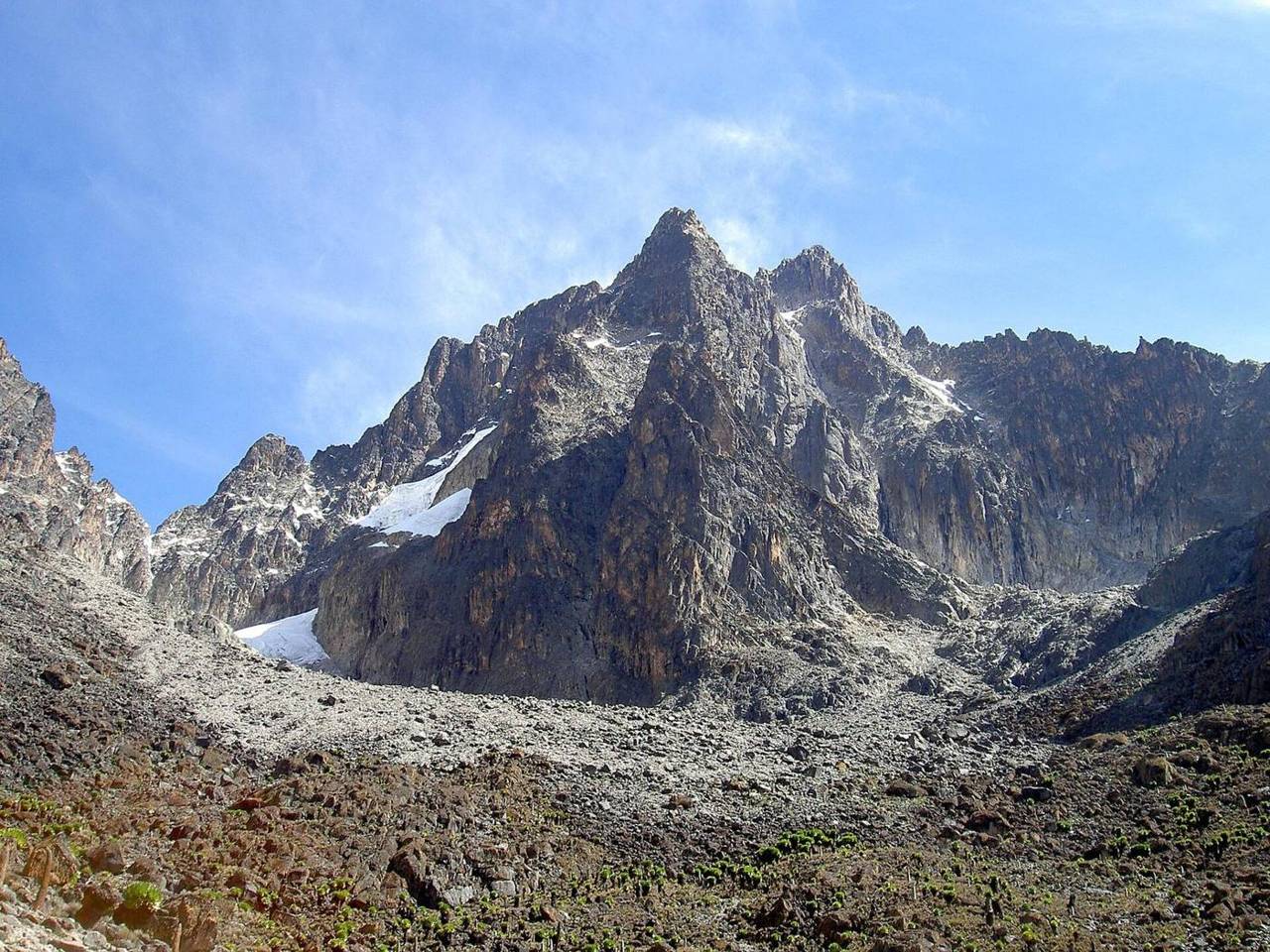
A circuit of Africa's second mountain, with glacial lakes, giant lobelias and the trekking summit of Point Lenana at 4,985 metres, then the Rift Valley parks.