San'in: Tottori, Matsue and Izumo
Japan away from the crowds on the Sea of Japan: the sand dunes of Tottori, Matsue's original castle and the sunset over Lake Shinji, the garden of the Adachi Museum, the great shrine of Izumo and the old Iwami Ginzan silver mine, a UNESCO World Heritage site.
- Tottori
- Kurayoshi
- Yasugi
- Matsue
- Izumo
- Iwami Ginzan
Day by day
- Day 1
The Tottori dunes and the sand sculpture museum
San'in is Japan's Sea of Japan coast, in the prefectures of Tottori and Shimane, in western Honshu. It is one of the least visited regions of the country, far from the big cities, with dunes and lagoons, castle towns, hot springs, famous gardens and some of Japan's oldest shrines. The name San'in means the shady side of the mountains. In six days you cross it from east to west, by train or car.
Tottori can be reached by air from Tokyo, or by train from Osaka or Kyoto in about two and a half hours on the express.
In the morning, go to the Tottori sand dunes, the largest in Japan, about sixteen kilometres along the coast and in places almost fifty metres high. The sand, brought by the Sendai river and shaped by the wind, forms hills, ridges and ripples that change every day. Climb the highest dune, called the horse's back, to see the sea on the other side. You can take short camel rides or try sandboarding.
In the afternoon, visit the Sand Museum next to the dunes, where every year artists from around the world create large sand sculptures on a different theme, which stay on display for a few months and are then destroyed.
In the evening, in Tottori, try snow crab, the coast's winter speciality, and the prefecture's sweet nashi pears.
Practical tip: the Sand Museum closes for some months each year while it prepares the new exhibition. Check the opening dates before you go.
- Day 2
Kurayoshi, the white storehouses and Misasa hot springs
In the morning, take the train west to Kurayoshi, in about half an hour. Kurayoshi was a merchant town, and in the centre it keeps a quarter of old storehouses with white plastered walls and red-tiled roofs, lined up along a small stone canal, the Tamagawa. Each storehouse has a little stone bridge linking it to the street.
Walk among the storehouses, many turned into craft shops, workshops and small museums, and visit one of the town's old soy sauce or sake makers.
In the afternoon, go to Misasa hot springs, about twenty minutes by bus, a small spa village on the Mitoku river. Misasa's waters are rich in radon, a natural gas, and have been considered good for health for centuries. The village has old traditional inns, ryokan, and an open-air bath by the river, under a bridge.
In the evening, sleep in a Misasa ryokan, with dinner in your room, a futon on the tatami and a hot bath before bed.
If you are fit, the next morning you can climb to the Nageire-do temple on Mount Mitoku, built against a vertical rock wall and reached by a steep, slippery trail among roots and chains. The climb is forbidden in rain and for people alone.
Practical tip: in ryokan and onsen you enter the water only after washing at the showers. Tattoos are sometimes not allowed in shared baths: ask first or choose a private bath.
- Day 3
The Adachi Museum and its garden, evening in Matsue
In the morning, continue west to Yasugi, and from there by shuttle bus to the Adachi Museum of Art, in about an hour and a half from Misasa.
The Adachi Museum is famous above all for its garden, which for more than twenty years has been rated the most beautiful in Japan by an American magazine specialising in Japanese gardens. You do not walk through the garden: you look at it through the museum's windows and glass walls, like a living painting. Hills of clipped pines, waterfalls, rocks, streams of white gravel and the real mountains in the background merge into a perfect landscape that changes with the seasons.
The museum also displays a large collection of modern Japanese painting, especially works by the painter Yokoyama Taikan, and a ceramics collection.
In the afternoon, continue to Matsue, about half an hour away, the city of water, built between Lake Shinji and the Nakaumi lagoon and crossed by canals and moats.
In the evening, walk along the canals of the old town and try the lake's cuisine: shijimi clams in miso soup, eel and fish from Lake Shinji. Matsue is also known for traditional sweets served with powdered green tea, matcha.
Practical tip: for getting around the region, a regional rail pass may be cheaper than single tickets. Check the offers before you go.
- Day 4
Matsue: the castle, the moats by boat and sunset on the lake
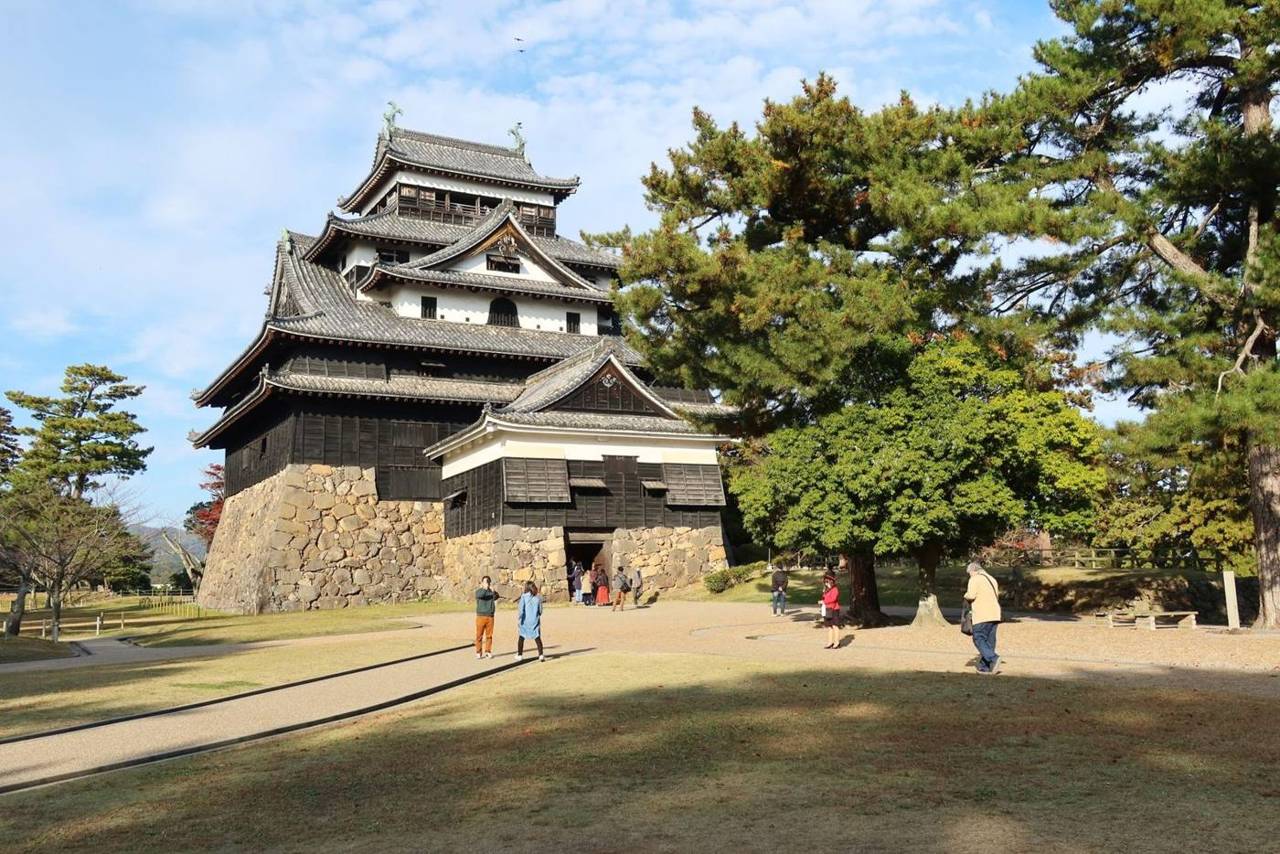
In the morning, visit Matsue Castle, one of only twelve Japanese castles that keep their original keep, built in the early seventeenth century. It has been a national treasure since 2015. The dark wooden keep, with five storeys seen from outside and six inside, is called the black bird castle. Inside you climb steep wooden stairs to the top floor, with views over the city and the lake.
Then take the boat tour of the castle moats, the Horikawa, in about fifty minutes, on a small flat boat with a boatman who sometimes sings. The boat passes under some twenty bridges, some so low that the boat's roof lowers and passengers must duck. In winter the boats have a heated table.
In the afternoon, visit the house and museum of Lafcadio Hearn, the writer of Irish father and Greek mother who lived in Matsue in 1890 and 1891, married a Japanese woman and took the name Koizumi Yakumo. His books told the Western world about traditional Japan and its ghost stories. Next door is the street of samurai residences, with one house open to visitors.
Towards evening, go to the shore of Lake Shinji for sunset, one of the most beautiful in Japan, with the sun dropping behind the mountains and the little island of Yomegashima.
Practical tip: the most famous sunset spot is near the Shimane Art Museum. Arrive early.
- Day 5
Izumo Taisha and Inasa beach
In the morning, take the small Ichibata line train along Lake Shinji to Izumo Taisha, in about an hour.
Izumo Taisha is one of the oldest and most important Shinto shrines in Japan, dedicated to the god Okuninushi, god of good bonds, especially marriage. Its origins are lost in legend, and ancient texts say the shrine was once extremely tall, raised on huge wooden pillars, the remains of which have been found in excavations.
At the entrance you walk a long avenue of pines, then reach the worship hall, with the great sacred straw rope, the shimenawa, more than thirteen metres long and weighing several tonnes, one of the largest in Japan. To pray here you clap four times, not twice as at other shrines.
According to tradition, in the tenth month of the lunar calendar all the gods of Japan gather at Izumo: so in Izumo that month is called the month with gods, while in the rest of the country it is the month without gods.
In the afternoon, walk to Inasa beach, about fifteen minutes away, where legend says the gods arrive from the sea. On the sand is a small rock with a shrine on top. At sunset the sun sinks into the sea behind the rock.
In the evening, try Izumo soba, dark buckwheat noodles served in three small stacked bowls.
Practical tip: do not photograph ceremonies in the shrine or the main hall. Follow the priests' instructions.
- Day 6
Iwami Ginzan on foot or by bike and the return
The last day is devoted to Iwami Ginzan, about an hour and a half south-west of Izumo, the old silver mine that has been a UNESCO site since 2007. In the sixteenth and seventeenth centuries this mine produced an important share of the world's silver, which reached Europe through Portuguese and Dutch merchants. The site was also recognised for the way mining was done while respecting the forest, which today covers the whole valley.
The Omori valley, with the old town of miners and merchants, is now a quiet village with restored wooden houses, temples and shops. Cars cannot enter the valley: you walk or rent a bicycle, including electric ones.
The trail climbs the valley through the woods for about two and a half kilometres, past the entrances of hundreds of small hand-dug tunnels, to the Ryugenji Mabu tunnel, the only one open to the public, about one hundred and sixty metres long, with chisel marks on its walls. Along the way there are also temples and stone statues hidden in the forest.
In the afternoon, head back towards Izumo or to Hiroshima, about two and a half hours by bus, from where you continue by shinkansen.
Practical tip: from 1 July 2026, anyone leaving Japan pays a departure tax of 3,000 yen, usually already included in the air ticket.
For those who have already seen Tokyo and Kyoto and want a quieter Japan. Trains are less frequent: for Adachi and Iwami Ginzan a car helps, or follow bus timetables carefully. From Tokyo you can reach Izumo on the Sunrise Izumo, one of the country's last night trains. At Izumo Taisha you clap four times, not two.
Before you go
- Documents and visa
- Passport valid for the whole stay; many nationalities, including EU citizens, enter without a visa for up to 90 days for tourism. An electronic travel authorisation (JESTA) has been announced but is not yet in force: check before you go.
- Health and vaccines
- No vaccines required. Healthcare is excellent but expensive: travel insurance with high medical cover is essential. Some common medicines, such as certain codeine painkillers, are banned or restricted. Emergencies: 119 ambulance, 110 police.
- Money and payments
- Yen. Cards are increasingly accepted, but temples, small restaurants and rural areas need cash: convenience-store ATMs accept foreign cards. Tipping is not customary.
- Power sockets
- Type A, 100 volts: you need a flat-pin adapter; phone and laptop chargers work, European hairdryers often do not.
- Time zone
- UTC+9, no daylight saving time.
- Safety
- One of the safest countries in the world. The risks are natural: earthquakes, typhoons from July to October, extreme summer heat. Download an English-language alert app. Official advice: GOV.UK.
Information checked in November 2026 for Italian and EU citizens. Rules change: always check before you travel.
Variations
In 3 days: Matsue, the Adachi Museum and Izumo Taisha, starting from Okayama.
In 9 days: add Hiroshima and Miyajima, or the Setouchi and Naoshima.
Frequently asked questions
When is the best time to go?
Spring and autumn, with mild weather and colourful gardens. In winter the coast is cold, but it is snow crab season.
How do I get around?
By train between the main towns, with some stretches by bus. A car helps for Iwami Ginzan and for seeing more places in a day.
What documents do I need?
A passport. From 1 July 2026, anyone leaving Japan pays a departure tax of 3,000 yen.
Indicative itinerary written by World Atlas. Before booking, check timetables, seasonal openings, documents and safety.
 8 daysModerate
Hokkaido in winter: snow, ice and cranes
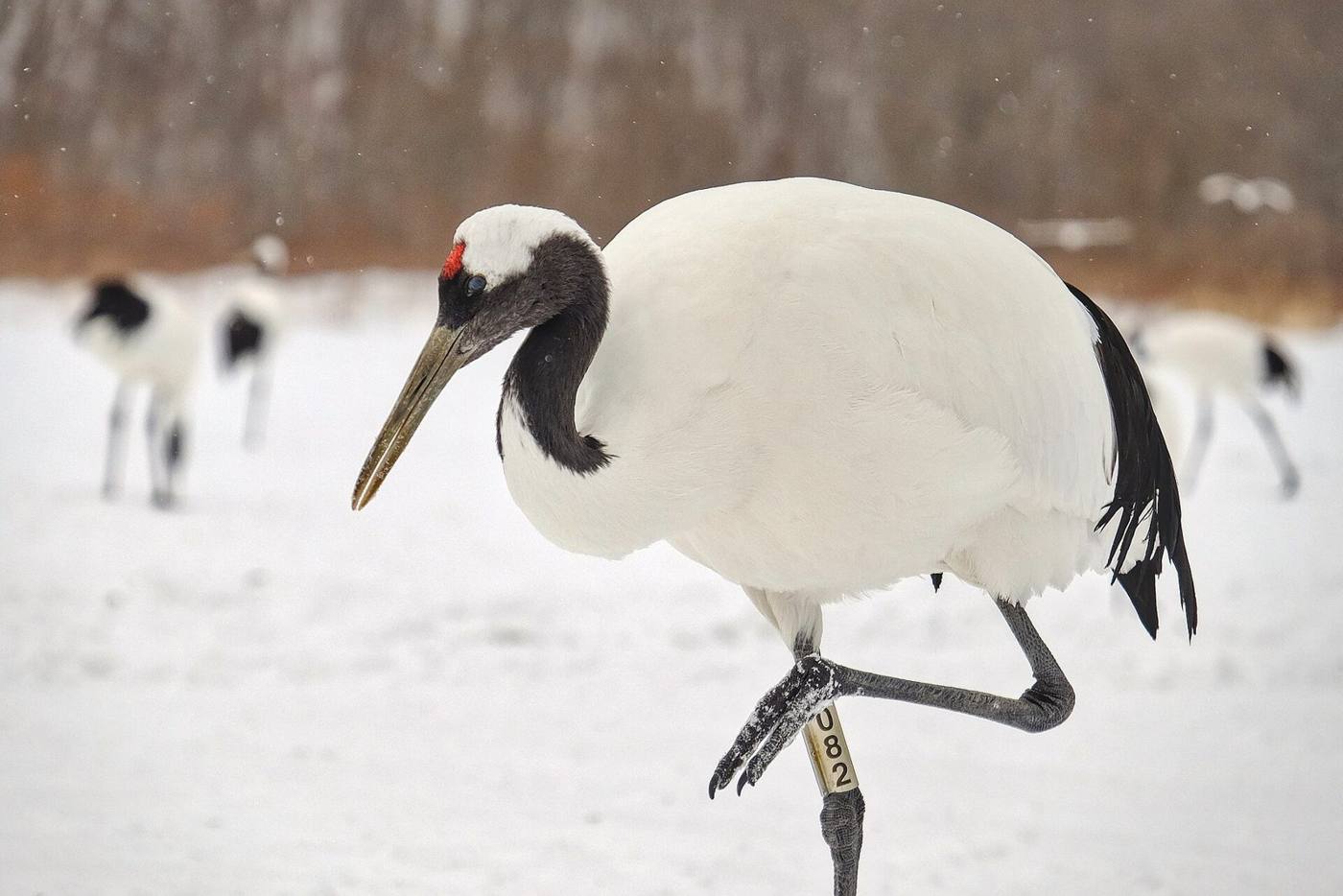
The northern island in its most spectacular season: the Sapporo Snow Festival, Otaru's lit-up canals, the penguins walking in Asahiyama Zoo, the drift ice of Abashiri seen from an icebreaker and the red-crowned cranes dancing in the snow near Kushiro.
 3 daysChallenging
Climbing Mount Fuji on the Yoshida trail
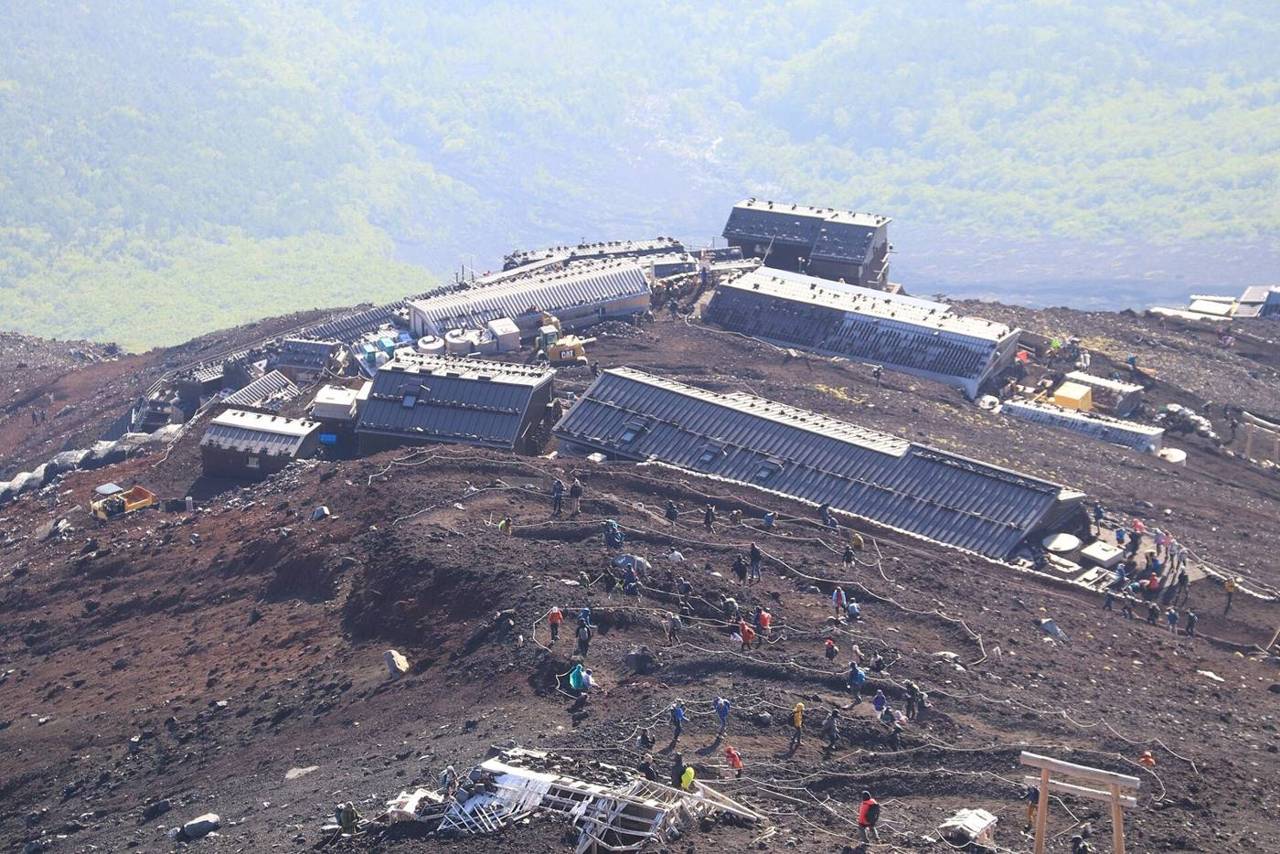
Japan's emblematic mountain (3,776 m) climbed the Japanese way: from the fifth station on the Yamanashi side, a night in a mountain hut, a final climb in the dark to see sunrise from the summit and the crater walk; then rest at the Fuji lakes.
 4 daysEasy
Ise and the Shima peninsula
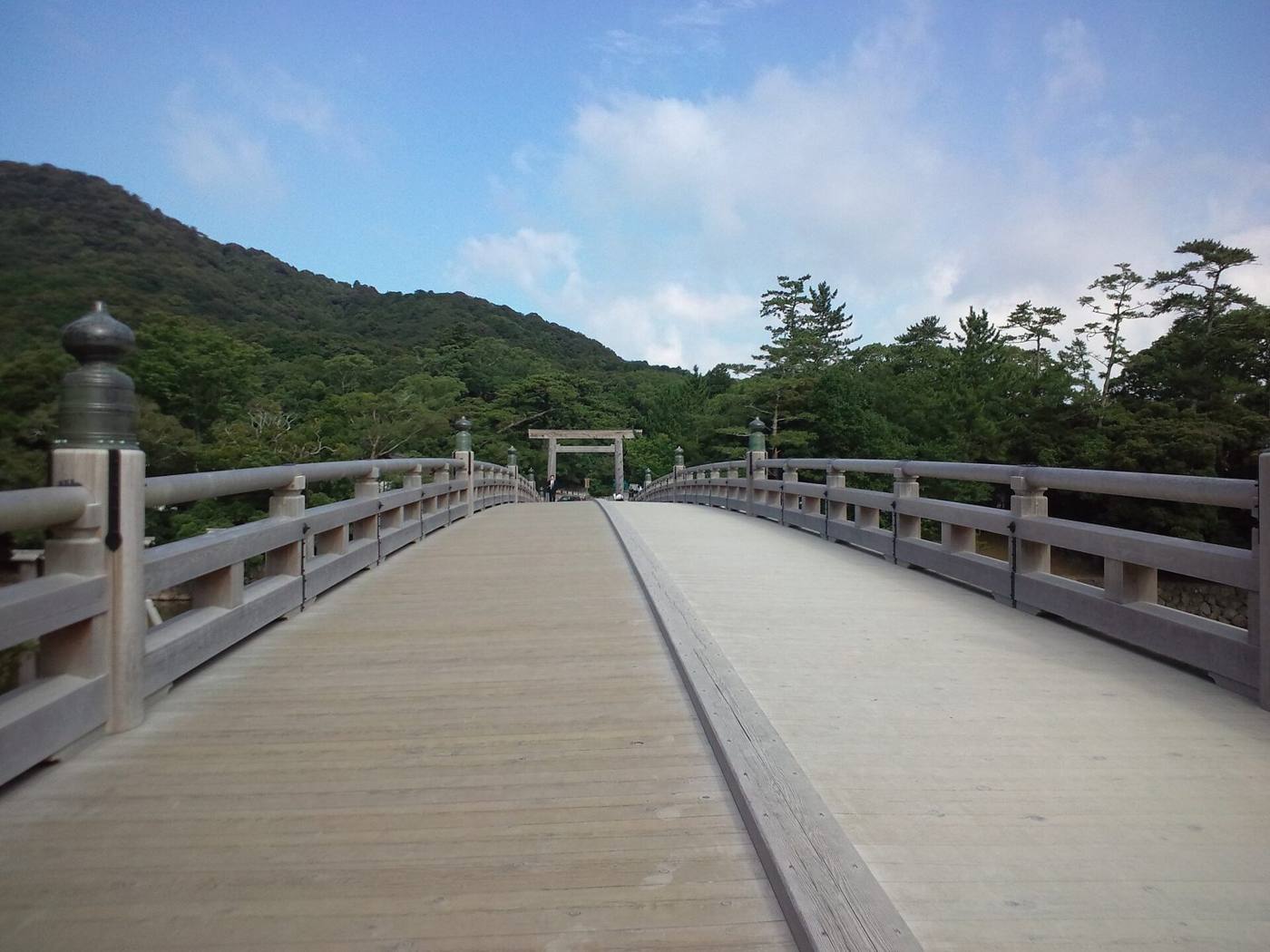
Japan's most sacred shrine, Ise Jingū, with its buildings rebuilt every twenty years, the Okage Yokochō street, the Wedded Rocks of Futami, the ama divers of Toba and the pearl bays of the Shima peninsula.