Osaka and Kobe, Japan at the table
Osaka's street food in Dōtonbori, Kuromon market and Shinsekai, the castle, then Kobe with its beef, the Nada sake breweries, the Kitano quarter and the Arima hot springs tucked into the mountains.
- Osaka
- Dōtonbori
- Shinsekai
- Kobe
- Nada
- Arima Onsen
Day by day
- Day 1
Osaka: the castle, Kuromon market and an evening in Dōtonbori
EU citizens enter Japan for tourism without a visa for up to ninety days, with a passport valid for the whole stay; check the rules for your nationality. On departure, a 3,000 yen tax is included in your air ticket. From Kansai airport you reach central Osaka by train in about fifty minutes; buy a rechargeable transport card such as ICOCA, also valid in Kobe.
Osaka is Japan's third city, a great trading port long called the nation's kitchen, famous for its cheerful, straightforward people and its street food. Locals have a saying, kuidaore, which means eating until you drop.
In the morning visit Osaka Castle, built at the end of the sixteenth century by the warlord Toyotomi Hideyoshi, who unified Japan. The main tower, white with green roofs and gold decoration, was rebuilt in the twentieth century and houses a museum on the castle's history; from the top floor you see the whole city. The surrounding park, with moats and walls of huge stones, is beautiful during the cherry blossom.
For lunch go to Kuromon market, a covered market about six hundred metres long with stalls of fish, seafood, fruit and meat, where you taste oysters, sea urchin, beef skewers and freshly cut raw tuna.
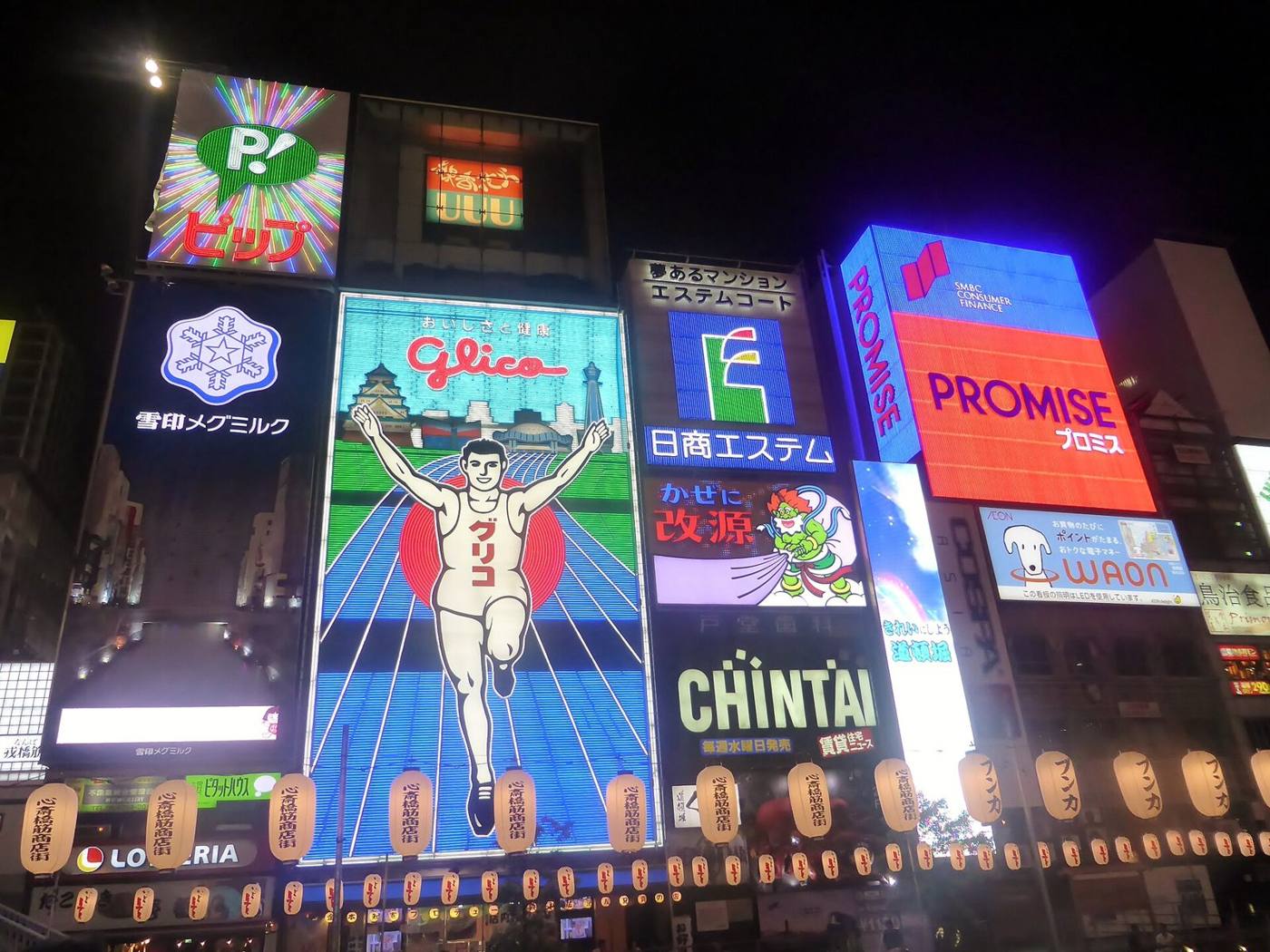
In the evening stroll through Dōtonbori, the canal-side street with giant neon signs, including the famous running man, and try takoyaki, batter balls filled with octopus, and okonomiyaki, a savoury pancake with cabbage and meat or seafood cooked on a griddle.
Practical tip: Japan is very safe; the main risk is earthquakes, so download an alert app.
- Day 2
Shinsekai, Tsūtenkaku Tower and the Umeda Sky Building
In the morning visit Sumiyoshi Taisha shrine in the south of the city, one of Japan's oldest Shinto shrines, dedicated to the gods of the sea and of travellers, with a very steep red arched bridge over the pond and buildings in an ancient architectural style that predates the arrival of Buddhism.
Then reach Shinsekai, the new world, a district built in 1912 on the model of Paris and New York, now somewhat retro and working-class, with colourful signs, old shops and arcades. At its centre stands Tsūtenkaku Tower, about a hundred metres high, a symbol of Osaka, with at the top the statue of Billiken, the god of luck, whose feet people rub for good fortune.
For lunch try kushikatsu, skewers of meat, fish and vegetables breaded and fried, the district's speciality, dipped only once in the shared sauce: double dipping is forbidden, a rule written on every counter.
In the afternoon, if you enjoy baths, visit one of the large hot spring complexes in the area.
At sunset go up the Umeda Sky Building in the Umeda district to the north, two towers joined at the top by an open-air circular observatory about a hundred and seventy metres up, reached by escalators suspended in the air between the towers. From here you watch the whole city light up.
Practical tip: in Osaka people stand on the right on escalators, the opposite of Tokyo, where they stand on the left.
- Day 3
Kobe: the Nada sake breweries, Kitano and the port
In the morning take the train to Kobe, about half an hour from Osaka, an elegant city between the Rokkō mountains and the sea, with a large port opened to foreigners in 1868, which brought European and American merchants to the city. In 1995 Kobe was struck by a violent earthquake that killed more than six thousand people; the city has been completely rebuilt.
Start in Nada to the east, one of Japan's most famous sake-making areas, thanks to the mountain water, called miyamizu, and the rice grown in the region. Some historic breweries have small museums with old wooden tools and offer no-cost or paid tastings of different kinds of sake.
Then go to Kitano, the hillside district where foreign merchants lived, with nineteenth-century Western-style houses called ijinkan, some open to visitors, such as the weathercock house with period furniture.
In the afternoon go down to the port at Meriken Park, with the earthquake memorial, where a stretch of destroyed quay has been left as it was, and the red Port Tower. Stroll through Nankinmachi, the Chinatown, with stalls of dumplings and steamed buns.
In the evening try Kobe beef, one of the world's most famous meats, with fat spread in fine marbling, cooked on a griddle in front of you. It is very expensive: check that the restaurant is certified, with the meat's certificate.
Practical tip: genuine Kobe beef has a certificate and an identification number; be wary of prices that are too low.
- Day 4
The Mount Rokkō ropeway and a night in Arima Onsen
In the morning go up Mount Rokkō, the mountain behind Kobe, about 930 metres high, by cable railway or ropeway. From the top you see the whole of Osaka Bay, the city of Kobe and, on clear days, Awaji Island and the suspension bridge linking it to Kobe, one of the longest in the world. The mountain has an alpine botanical garden, forest trails, a music box museum and a night view considered one of the three finest in Japan.
From the summit the Rokkō Arima ropeway descends the other side of the mountain, over the forest, to Arima Onsen in about ten minutes.
Arima Onsen is one of Japan's oldest hot spring resorts, mentioned in texts for more than a thousand years, a small mountain town with steep lanes, temples and sweet shops. It has two kinds of spring water: kinsen, golden water, reddish brown and rich in iron and salt, and ginsen, silver water, clear, with radon and carbon dioxide. There are two public bathhouses, one for each water.
In the evening stay in a ryokan, a traditional inn, with a hot spring bath, a kaiseki dinner, futons on tatami and a cotton yukata.
The next day Arima is about an hour from Osaka by bus or train, for your departure.
Things to take home: Nada sake, Japanese kitchen knives, traditional sweets and green tea.
Practical tip: in hot spring baths you wash before getting in and bathe without a swimsuit; many onsen do not admit visible tattoos, so ask first.
For travellers who eat with curiosity. Real Kobe beef is expensive and certified: beware of prices that are too low. In the small bars of Shinsekai there is one rule: never dip your skewer twice in the shared sauce. It combines well with Kyoto and Nara, half an hour away by train.
Before you go
- Documents and visa
- Passport valid for the whole stay; many nationalities, including EU citizens, enter without a visa for up to 90 days for tourism. An electronic travel authorisation (JESTA) has been announced but is not yet in force: check before you go.
- Health and vaccines
- No vaccines required. Healthcare is excellent but expensive: travel insurance with high medical cover is essential. Some common medicines, such as certain codeine painkillers, are banned or restricted. Emergencies: 119 ambulance, 110 police.
- Money and payments
- Yen. Cards are increasingly accepted, but temples, small restaurants and rural areas need cash: convenience-store ATMs accept foreign cards. Tipping is not customary.
- Power sockets
- Type A, 100 volts: you need a flat-pin adapter; phone and laptop chargers work, European hairdryers often do not.
- Time zone
- UTC+9, no daylight saving time.
- Safety
- One of the safest countries in the world. The risks are natural: earthquakes, typhoons from July to October, extreme summer heat. Download an English-language alert app. Official advice: GOV.UK.
Information checked in November 2026 for Italian and EU citizens. Rules change: always check before you travel.
Variations
In 2 days: Osaka with the castle, Kuromon and Dōtonbori on day one, Kobe with Kitano, the port and the beef on day two.
In 8 days: add Kyoto and Nara, less than an hour by train from Osaka, or Himeji Castle, about forty minutes from Kobe.
Frequently asked questions
Do I need a visa for Japan?
EU citizens need no visa for tourist stays of up to ninety days, with a valid passport. On departure, the 3,000 yen tax is included in your air ticket.
How do you recognise genuine Kobe beef?
Genuine Kobe beef has a certificate with the animal's identification number, and certified restaurants display a statuette or a certificate. Prices are high.
How far is Kobe from Osaka?
About half an hour by train. You can stay in Osaka and visit Kobe as a day trip.
Indicative itinerary written by World Atlas. Before booking, check timetables, seasonal openings, documents and safety.
 6 daysEasy
San'in: Tottori, Matsue and Izumo
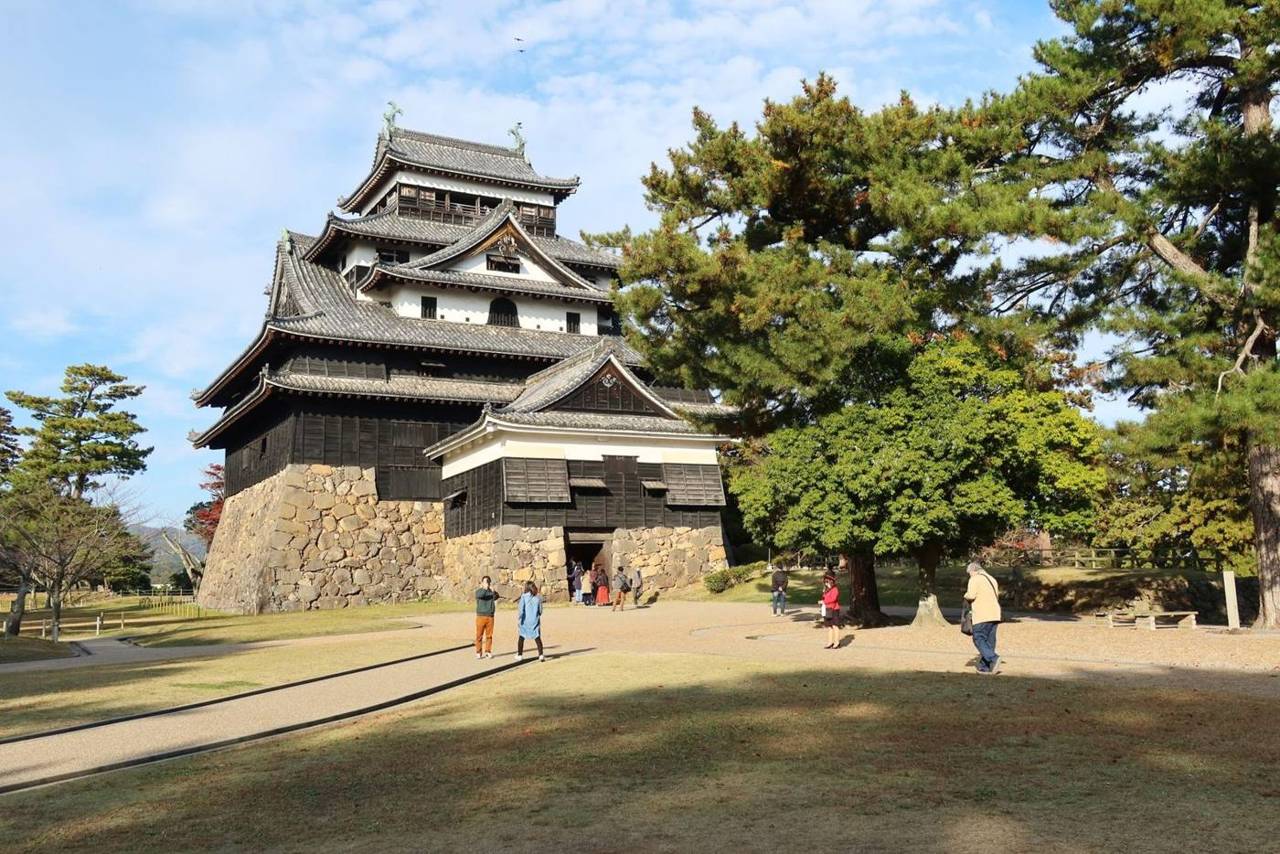
Japan away from the crowds on the Sea of Japan: the sand dunes of Tottori, Matsue's original castle and the sunset over Lake Shinji, the garden of the Adachi Museum, the great shrine of Izumo and the old Iwami Ginzan silver mine, a UNESCO World Heritage site.
 8 daysModerate
Hokkaido in winter: snow, ice and cranes
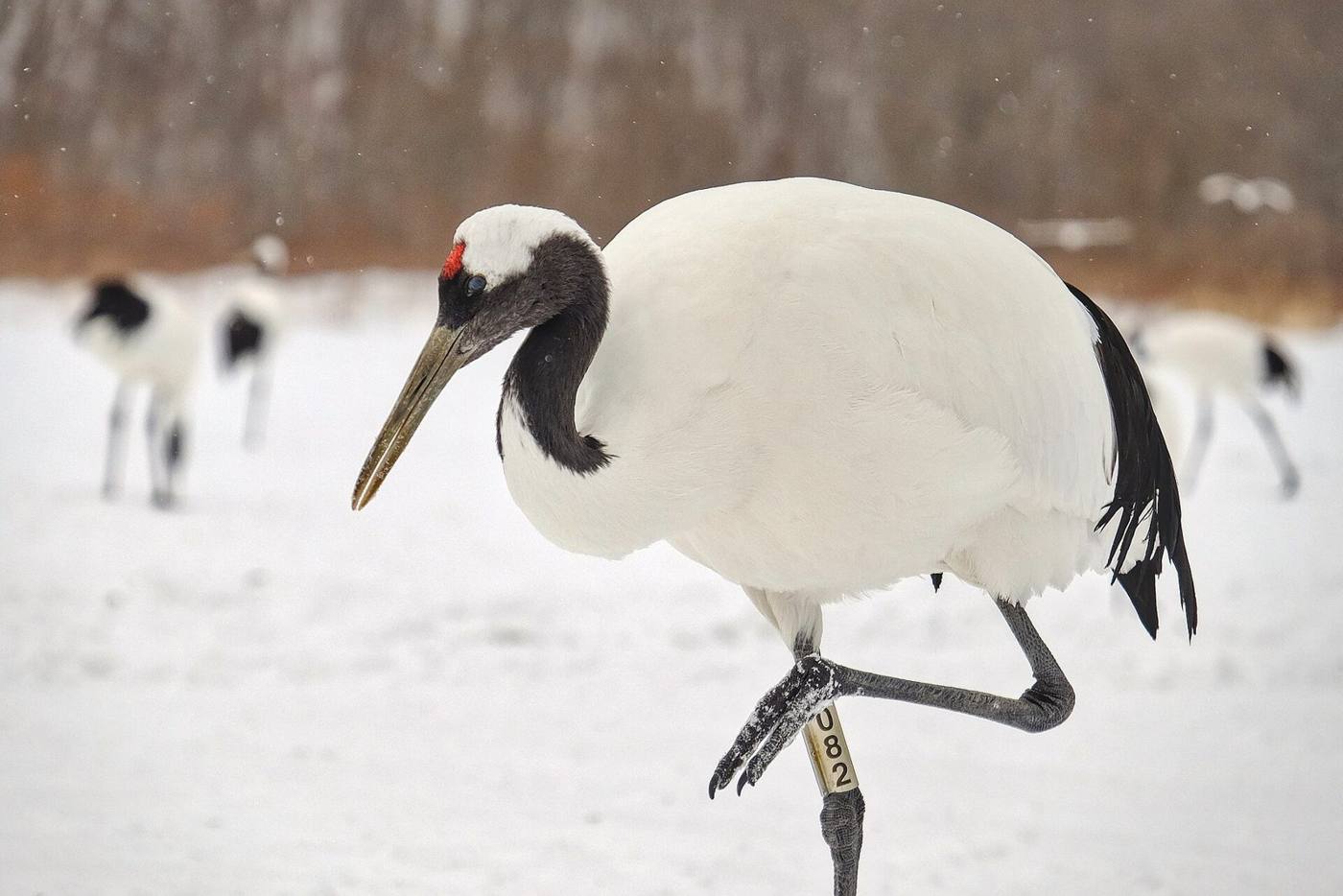
The northern island in its most spectacular season: the Sapporo Snow Festival, Otaru's lit-up canals, the penguins walking in Asahiyama Zoo, the drift ice of Abashiri seen from an icebreaker and the red-crowned cranes dancing in the snow near Kushiro.
 3 daysChallenging
Climbing Mount Fuji on the Yoshida trail
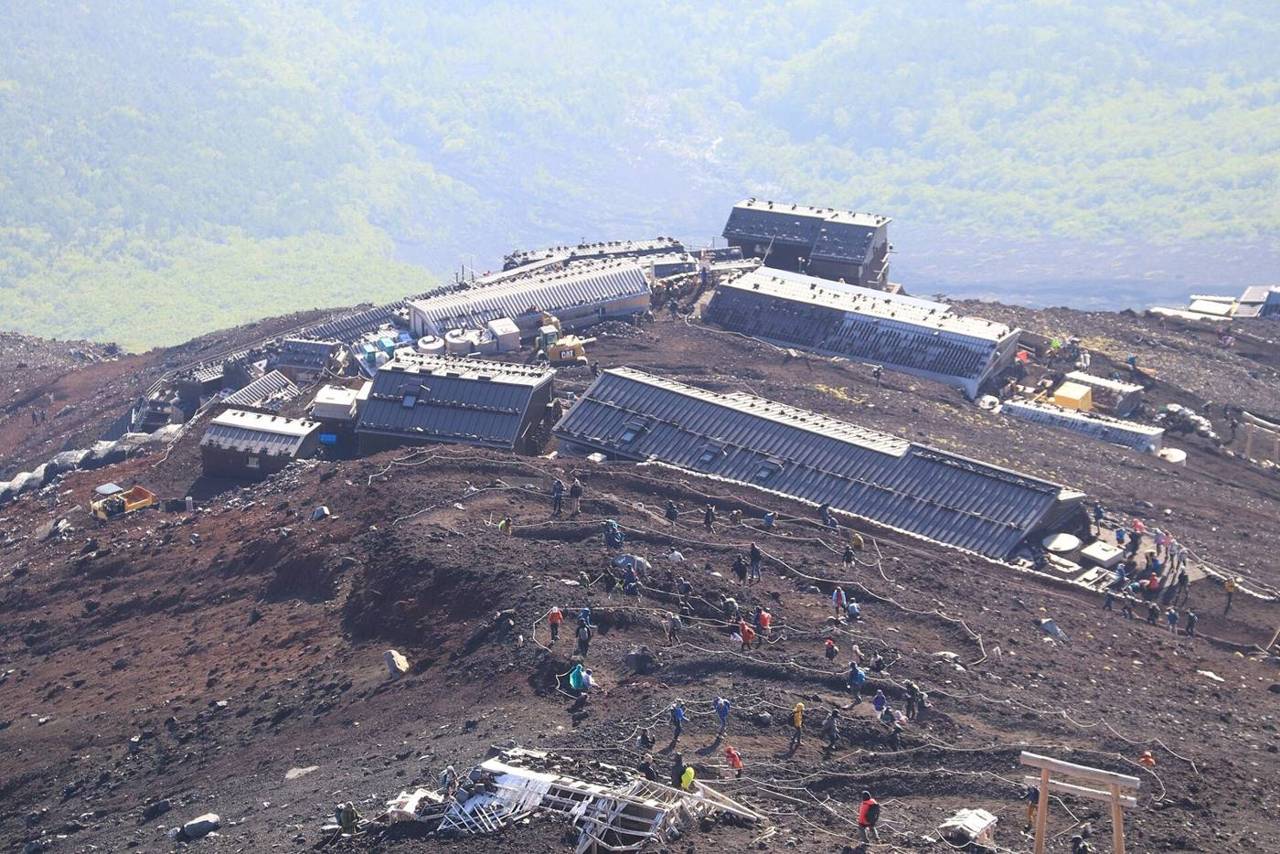
Japan's emblematic mountain (3,776 m) climbed the Japanese way: from the fifth station on the Yamanashi side, a night in a mountain hut, a final climb in the dark to see sunrise from the summit and the crater walk; then rest at the Fuji lakes.