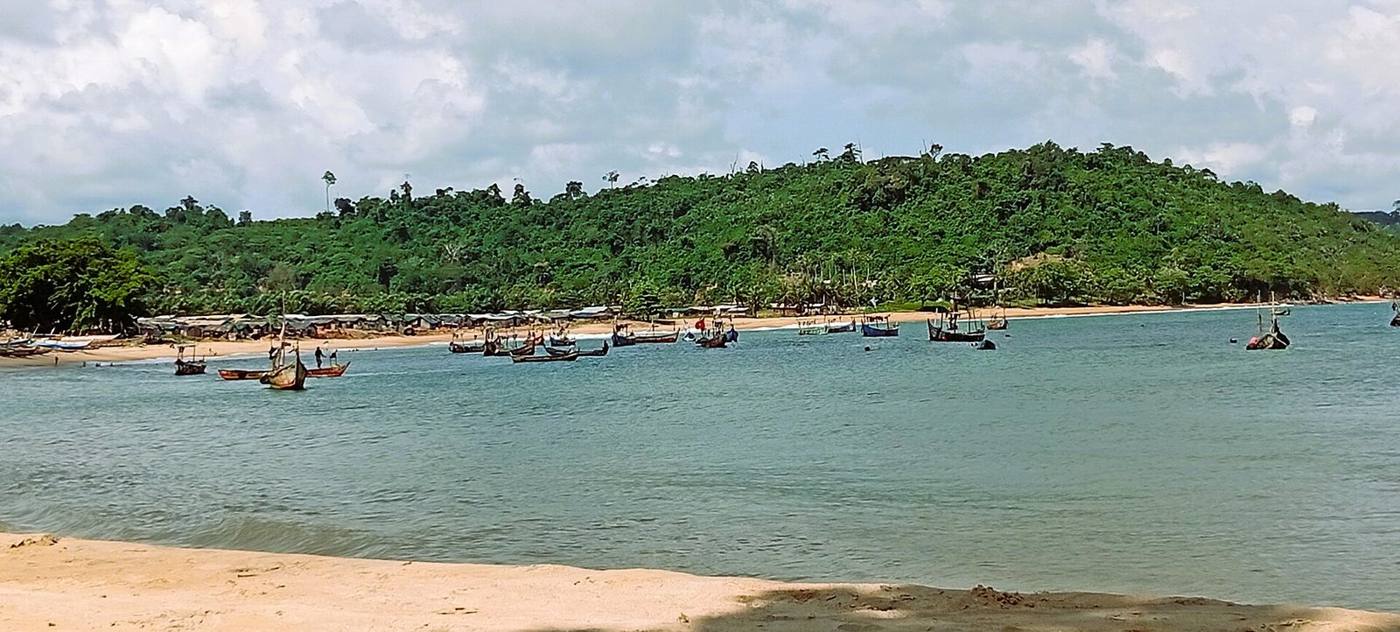
Sassandra and the west coast
The wild south-west coast: the fishing port of Sassandra with its colourful pirogues and colonial houses, the beaches of Grand-Béréby and rocky bays towards San-Pédro.
- Abidjan
- Sassandra
- San-Pédro
- Grand-Béréby
Day by day
- Day 1
From Abidjan to Sassandra
This four-day trip takes you to the south-west coast of Côte d'Ivoire, the wildest and least touristy part of the shoreline: the fishing port of Sassandra, with its colourful pirogues and old colonial houses, the rocky bays towards San-Pédro and the beaches of Grand-Béréby. You travel with a car and driver.
Before you go: Italian citizens need a visa, applied for online through the official e-visa procedure at least ten working days ahead and collected on arrival at Abidjan airport; you must have received the approval by email. Your passport must be valid for at least six months and a yellow fever certificate is compulsory. Travellers arriving from another African country fill in an online Ebola health declaration. Other nationalities should check their own rules. Some areas on this trip are close to borders or places where the situation changes often: check your government's travel advice before booking and again before you leave.
Leave Abidjan early in the morning. The road runs west, away from the city, through oil palm plantations, rubber trees and villages with fruit stalls along the roadside. It takes several hours, with stretches in good condition and others full of potholes: this is why a driver who knows the road is worth having.
In the afternoon you reach Sassandra, a small town at the mouth of the river of the same name, overlooking a bay framed by green hills. Take a first walk along the seafront and watch the sun go down over the ocean.
In the evening have grilled fish with attiéké, the cassava semolina that comes with almost every Ivorian meal.
Practical tip: travel only by day, leave early and carry water, snacks and cash in CFA francs, because cash machines are rare along the road.
- Day 2
The fishing port and the river mouth
Today you stay in Sassandra and discover the life of the port and the river.
Early in the morning go down to the fishermen's beach, when the big wooden pirogues come back in, painted in bright colours, with slogans, flags and the names of saints or proverbs on the bow. Many fishermen on this coast come from families who arrived from Ghana generations ago. Watch the teams hauling the boats up the sand, and the women buying fish and carrying it to the ovens where it is smoked. Always ask before photographing people.
Then walk through the old centre, with colonial houses with wooden balconies and peeling walls, reminders of the time when Sassandra was one of the main ports of the French colony, before the port of San-Pédro was built. Some buildings are in ruins, others have been restored: they are the symbol of a town that has known richer times.
In the afternoon take a pirogue trip on the Sassandra River, among mangroves, water birds and small villages on the banks. The fisherman steering the boat shows you the nets, the crab traps and the spots where the river meets the ocean. Agree the price and length of the trip beforehand.
Before sunset go to one of the beaches near town, where the waves break on the rocks. The ocean here is powerful: swim only where local people do, and never alone.
Practical tip: carry small notes for the pirogues, drinks and small purchases, because people often have no change for large notes.
- Day 3
Towards San-Pédro and Grand-Béréby
Today you carry on west along the coast, towards San-Pédro and Grand-Béréby.
The road passes through cocoa plantations, palms and secondary forest. Côte d'Ivoire is the world's leading cocoa producer, and in this region you see it everywhere: beans spread out to dry on tarpaulins in front of the houses, sacks loaded onto lorries, small village warehouses. If your driver knows a grower, ask to see how a pod is opened and how the beans ferment.
Halfway, stop at one of the beaches between Sassandra and San-Pédro, such as Monogaga, long stretches of pale sand with palms and rocks. They are often almost empty during the week.
San-Pédro is a young town, built around the port constructed in the 1960s and 1970s, which today exports a huge share of the world's cocoa. It is not a town of monuments, but it is the service centre of the west coast, with banks, pharmacies and shops: use it to withdraw cash and stock up.
In the afternoon continue to Grand-Béréby, further west, a fishing village overlooking a series of rocky bays and sheltered beaches. Here the pace is slow: sand, palms, pirogues and the sound of the waves.
In the evening try kedjenou, a chicken or fish stew cooked slowly with vegetables in a sealed pot, one of the country's most typical dishes.
Practical tip: fill up with fuel and withdraw cash in San-Pédro, because services in Grand-Béréby are few and simple.
- Day 4
Beach and return
The last day is for the sea and the journey back.
In the morning walk along the beach at Grand-Béréby, when the light is soft and the fishermen are preparing their nets. The most sheltered bays sometimes allow a calmer swim, but the ocean current is still strong: always ask local people where it is possible to go into the water. From November to March, on some stretches of this coast, sea turtles come ashore at night to lay their eggs; if you see nests or tracks in the sand, keep away and do not use lights.
Towards late morning leave the coast. You have two ways to get back to Abidjan: by car, with a long day on the road, or by plane from San-Pédro, which has a small airport with domestic flights. Check times and prices in advance, because flights are not frequent and schedules change.
Summary of the trip: in four days you have seen a coast still barely touched by tourism, with the port of Sassandra and its pirogues, the river among the mangroves, the empty beaches towards San-Pédro, cocoa country and the bays of Grand-Béréby. It is a trip for those who accept simple services and long hours on the road in exchange for authentic landscapes.
When to go: the best period is from November to March, the dry season, with less rain and easier roads. From May to July there is heavy rain and some roads become difficult.
Practical tip: if you return by car, leave early in the morning to reach Abidjan before dark, and avoid driving at night.
A beautiful, little-touristed coast, but with long hours on the road: only by day and with a driver. Simple services outside San-Pédro.
Before you go
- Documents and visa
- Passport valid for at least six months and a compulsory visa: apply online through the official e-visa procedure, at least ten working days ahead, and collect it on arrival at Abidjan airport. Before leaving you must have received the approval by email: the registration receipt alone is not enough. Travellers arriving from another African country, even in transit, must fill in an online Ebola health declaration and show the QR code on arrival.
- Health and vaccines
- Yellow fever vaccination is compulsory from the age of one: show the international certificate on arrival. Malaria is present throughout the country: ask your doctor about prevention. Dengue, typhoid and cholera cases in some districts of Abidjan are also present: drink only bottled water and do not swim in fresh water.
- Money and payments
- West African CFA franc, with a fixed exchange rate to the euro. Euros and dollars are not accepted in shops but are easy to change; cards work in hotels and large shops in Abidjan.
- Power sockets
- Type C and E, 220 volts: you need an adapter for British plugs.
- Time zone
- UTC+0 all year.
- Safety
- The UK advises against all travel within 40 km of the borders with Burkina Faso and Mali, to the north of Zanzan and Savanes and to Comoé National Park, because of terrorism and kidnapping, and against all but essential travel within 20 km of the Liberian border. Italy also advises against the provinces of Dix-Huit Montagnes, Haut Sassandra, Moyen-Cavally and Bas Sassandra unless strictly necessary. In Abidjan avoid travelling at night and do not walk after dark. Do not drive outside towns at night. Ocean currents are very strong and there is no sea rescue. Official advice: GOV.UK.
Information checked in November 2026 for Italian and EU citizens. Rules change: always check before you travel.
Variations
Shorter version: in three days you stay in Sassandra and return to Abidjan without going further.
Longer version: add two days in Abidjan and Grand-Bassam before heading to the west coast.
Frequently asked questions
Can you do this trip alone by public transport?
There are buses and shared taxis, but journeys are long and not very safe; on this coast a car with a driver and daytime travel are the best choice.
Can you swim on this coast?
Yes, but the ocean has strong waves and currents. Go into the water only where local people do, never alone and never after drinking.
Are there cash machines along the route?
There are few: there are some in San-Pédro and sometimes in Sassandra. Carry enough cash in CFA francs for the whole trip.
Indicative itinerary written by World Atlas. Before booking, check timetables, seasonal openings, documents and safety.
 5 daysEasy
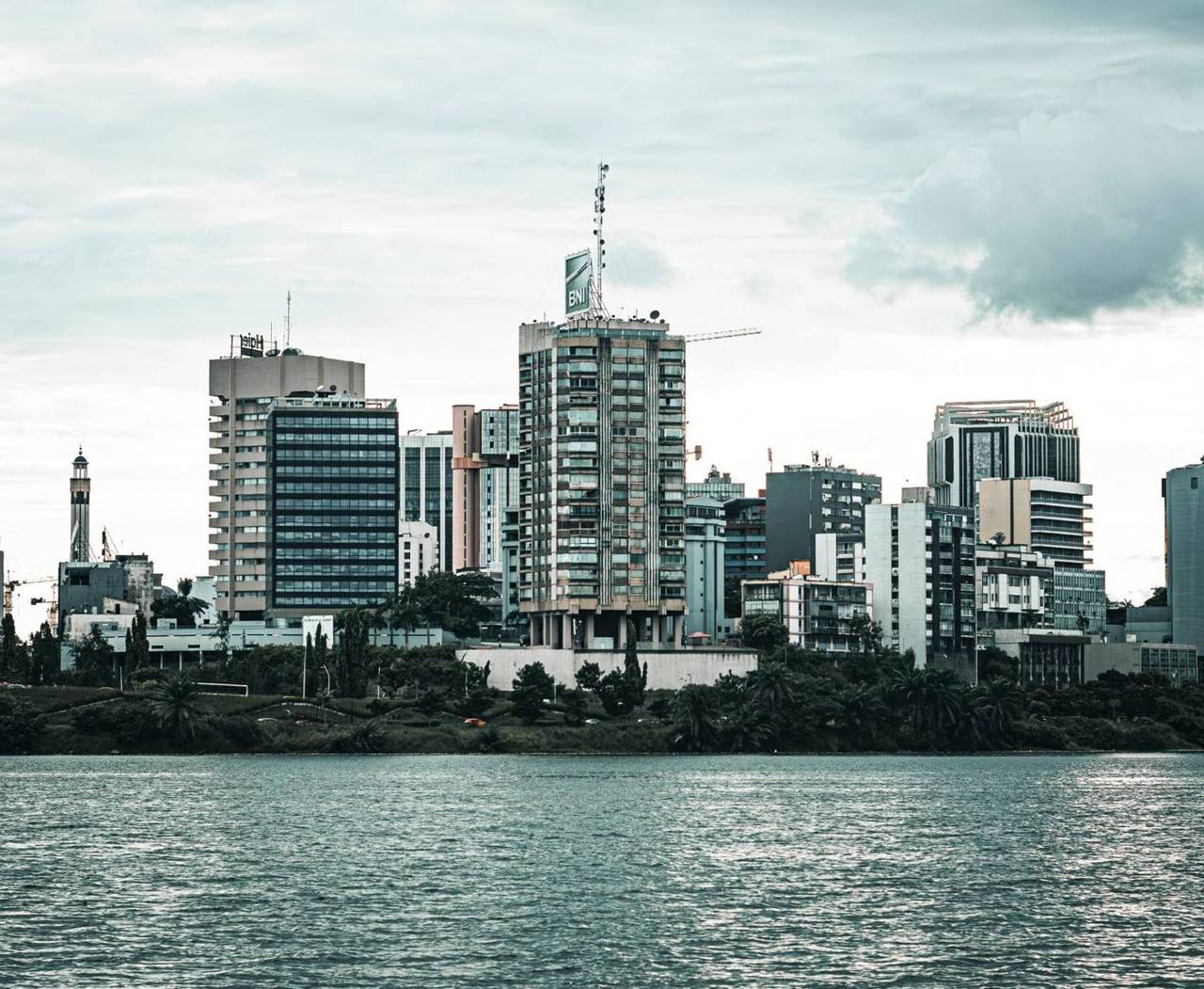
Abidjan and Grand-Bassam
Modern Abidjan on its lagoon, St Paul's Cathedral, the UNESCO old colonial capital of Grand-Bassam and the basilica of Yamoussoukro.
 3 daysEasy
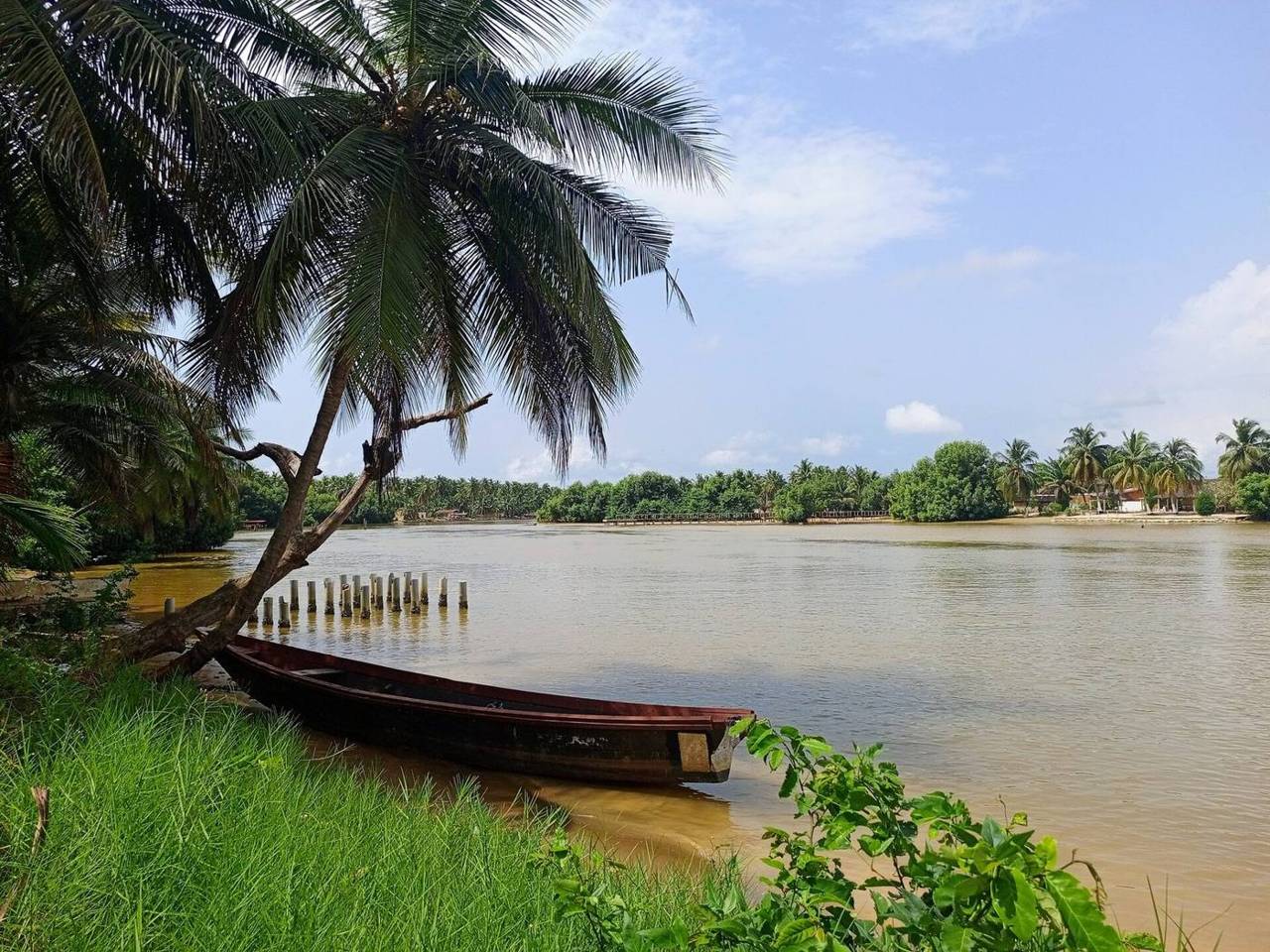
Assinie
The long sandy peninsula between lagoon and ocean, east of Grand-Bassam, with beachfront hotels, pirogues on the lagoon and the weekends of Abidjan's residents.