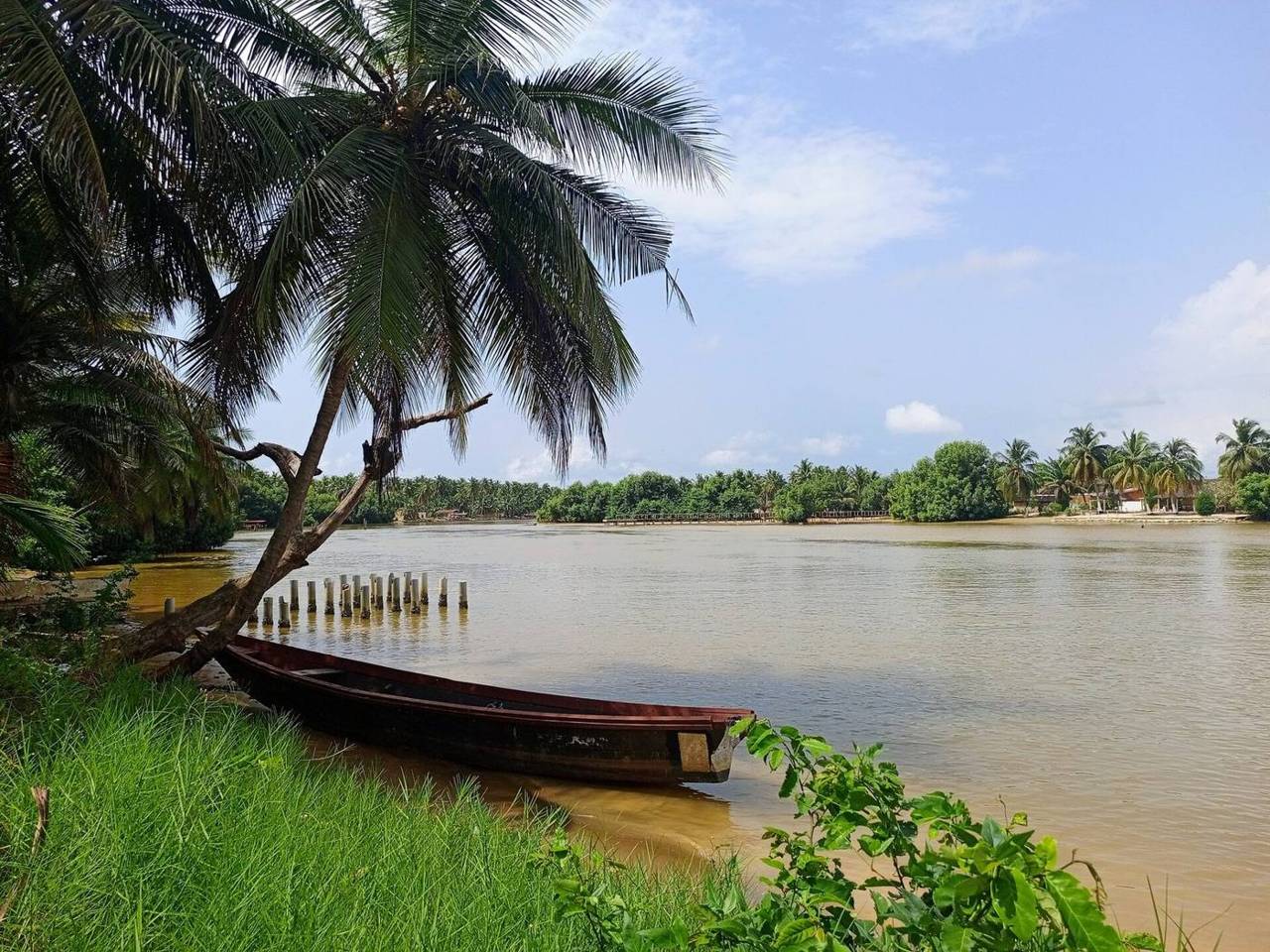
Assinie
The long sandy peninsula between lagoon and ocean, east of Grand-Bassam, with beachfront hotels, pirogues on the lagoon and the weekends of Abidjan's residents.
- Abidjan
- Grand-Bassam
- Assinie
Day by day
- Day 1
The coast road from Abidjan to Assinie
This three-day trip takes you to Assinie, the long sandy peninsula between the lagoon and the Atlantic Ocean, east of Abidjan, where people from the capital go at weekends. It is an easy rest after the city: beaches, coconut palms, pirogues on the lagoon and fishing villages.
Before you go: Italian citizens need a visa, applied for online through the official e-visa procedure at least ten working days ahead and collected on arrival at Abidjan airport; you must have received the approval by email. Your passport must be valid for at least six months and a yellow fever vaccination certificate is compulsory. Travellers arriving from another African country, even in transit, fill in an online Ebola health declaration. Other nationalities should check their own rules. The north, on the borders with Mali and Burkina Faso, and the border areas with Liberia are advised against: this route stays on the coast east of Abidjan. Do not drive outside towns at night and ask your doctor about malaria prevention.
You leave Abidjan in the morning, with a driver, on the road running east along the coast. In less than an hour you pass Grand-Bassam, the old colonial capital, and then cross the Bonoua area, with its pineapple plantations and oil palms.
After about two hours, depending on traffic, you reach Assinie. The village stretches along a strip of sand: on one side the ocean with its big waves, on the other the calm lagoon, with mangroves and islands. In the afternoon walk on the beach and watch the sunset over the water.
Practical tip: the ocean here has very strong waves and currents and there is no sea rescue. Swim only where you are told it is safe and never alone.
- Day 2
By pirogue on the lagoon
Today you discover the lagoon. In the morning, when the water is calm and the light is soft, board a wooden pirogue with a boatman from the village. You glide slowly through mangroves, palm-covered islands and narrow channels, home to herons, kingfishers and other water birds.
On the way you see fishermen casting nets from their pirogues and bamboo traps for fish and shrimps set in the shallows. If the boatman agrees, stop at a village on the lagoon shore, where women smoke fish over clay ovens. Always ask before photographing people.
Assinie also has an old history: this stretch of coast was one of the first points of contact between local kingdoms and French traders and missionaries, as early as the late seventeenth century.
In the afternoon return to the beach to rest in the shade of the palms. The sand is golden and the shore runs for miles. Try grilled fish with attiéké, a fermented cassava semolina typical of Côte d'Ivoire, and alloco, fried plantains served with chilli.
In the evening, at weekends, the peninsula comes alive with families and young people from Abidjan. On weekdays, on the other hand, it is almost empty and very quiet.
Practical tip: always agree the price of the pirogue before setting off, ask for a life jacket and do not go out on the lagoon in a storm.
- Day 3
A last morning by the sea and back to Abidjan
On the last day, early in the morning, take a last walk on the beach, when fishermen haul in their nets and the air is still cool. It is the best time to watch village life before the heat arrives.
Then head back to Abidjan on the same coast road. If you have time, stop at Grand-Bassam to see the colonial quarter, a UNESCO World Heritage Site, with the old merchants' houses and the bridge over the lagoon, or at the craft market along the road, where masks, fabrics and wooden objects are sold.
Leave early to reach Abidjan in daylight, because traffic at the entrance to the city can be very slow.
In three days you have seen the most relaxed coast of Côte d'Ivoire: the road through Grand-Bassam and the plantations of Bonoua, the Assinie peninsula between ocean and lagoon, pirogues among the mangroves and fishing villages. It is an easy, short trip, ideal for resting after intense days in Abidjan.
When to go: the best months are November to March, in the dry season, with clearer skies and less humidity. From May to July there is heavy rain and the sea is rougher.
Practical tip: always carry your passport or a copy, because there may be checkpoints on the road. Slow down, stay calm and show your documents when asked.
An easy rest after Abidjan. The ocean has strong waves and currents: swim only where indicated. The north of the country remains excluded; do not drive outside cities at night.
Before you go
- Documents and visa
- Passport valid for at least six months and a compulsory visa: apply online through the official e-visa procedure, at least ten working days ahead, and collect it on arrival at Abidjan airport. Before leaving you must have received the approval by email: the registration receipt alone is not enough. Travellers arriving from another African country, even in transit, must fill in an online Ebola health declaration and show the QR code on arrival.
- Health and vaccines
- Yellow fever vaccination is compulsory from the age of one: show the international certificate on arrival. Malaria is present throughout the country: ask your doctor about prevention. Dengue, typhoid and cholera cases in some districts of Abidjan are also present: drink only bottled water and do not swim in fresh water.
- Money and payments
- West African CFA franc, with a fixed exchange rate to the euro. Euros and dollars are not accepted in shops but are easy to change; cards work in hotels and large shops in Abidjan.
- Power sockets
- Type C and E, 220 volts: you need an adapter for British plugs.
- Time zone
- UTC+0 all year.
- Safety
- The UK advises against all travel within 40 km of the borders with Burkina Faso and Mali, to the north of Zanzan and Savanes and to Comoé National Park, because of terrorism and kidnapping, and against all but essential travel within 20 km of the Liberian border. Italy also advises against the provinces of Dix-Huit Montagnes, Haut Sassandra, Moyen-Cavally and Bas Sassandra unless strictly necessary. In Abidjan avoid travelling at night and do not walk after dark. Do not drive outside towns at night. Ocean currents are very strong and there is no sea rescue. Official advice: GOV.UK.
Information checked in November 2026 for Italian and EU citizens. Rules change: always check before you travel.
Variations
In 2 days: the coast road and one night in Assinie, with the pirogue on the lagoon in the morning and the return in the afternoon.
In 7 days: combine Assinie with the Abidjan, Grand-Bassam and Yamoussoukro trip.
Frequently asked questions
How far is Assinie from Abidjan?
About two hours' drive east along the coast, through Grand-Bassam and Bonoua. The time depends a lot on traffic leaving Abidjan.
Can you swim at Assinie?
The ocean has very strong waves and currents and there is no sea rescue. Swim only where you are told it is safe and never alone. The lagoon is calmer, but avoid swimming in fresh or stagnant water.
Is Assinie safe?
The coast east of Abidjan is not among the areas advised against. The general rules apply: do not drive outside towns at night, carry your documents for checkpoints and stay away from demonstrations.
Indicative itinerary written by World Atlas. Before booking, check timetables, seasonal openings, documents and safety.
 4 daysModerate
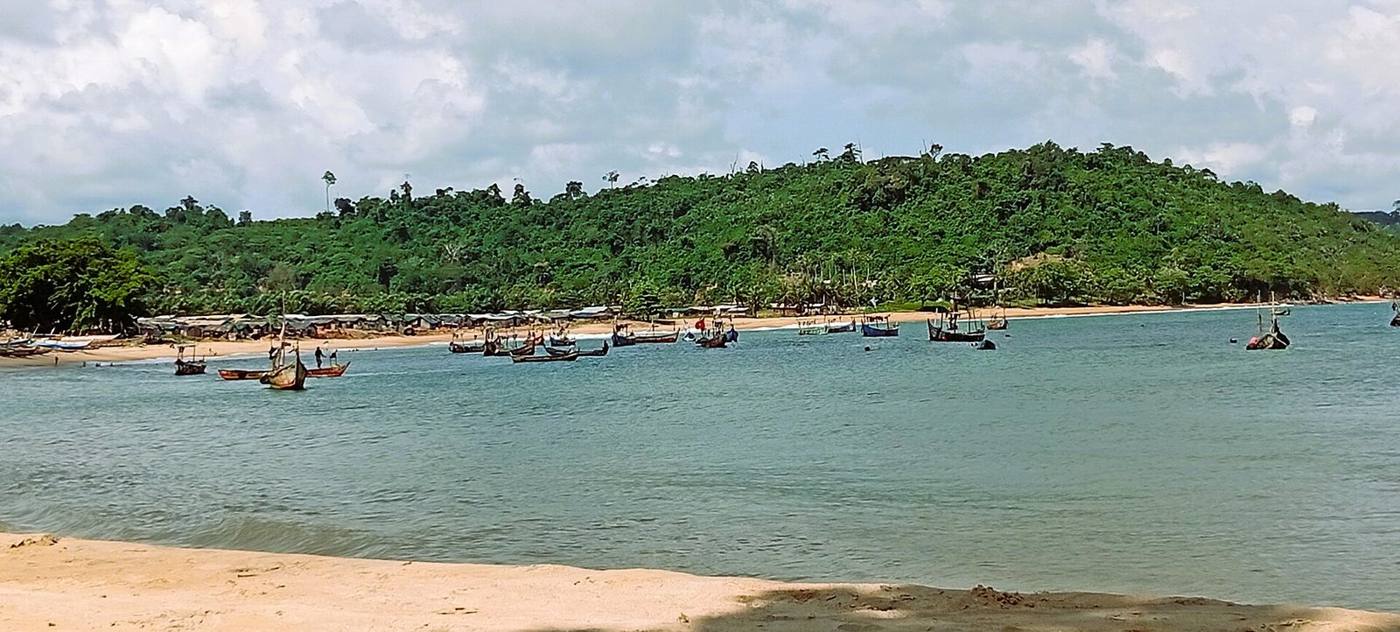
Sassandra and the west coast
The wild south-west coast: the fishing port of Sassandra with its colourful pirogues and colonial houses, the beaches of Grand-Béréby and rocky bays towards San-Pédro.
 5 daysEasy
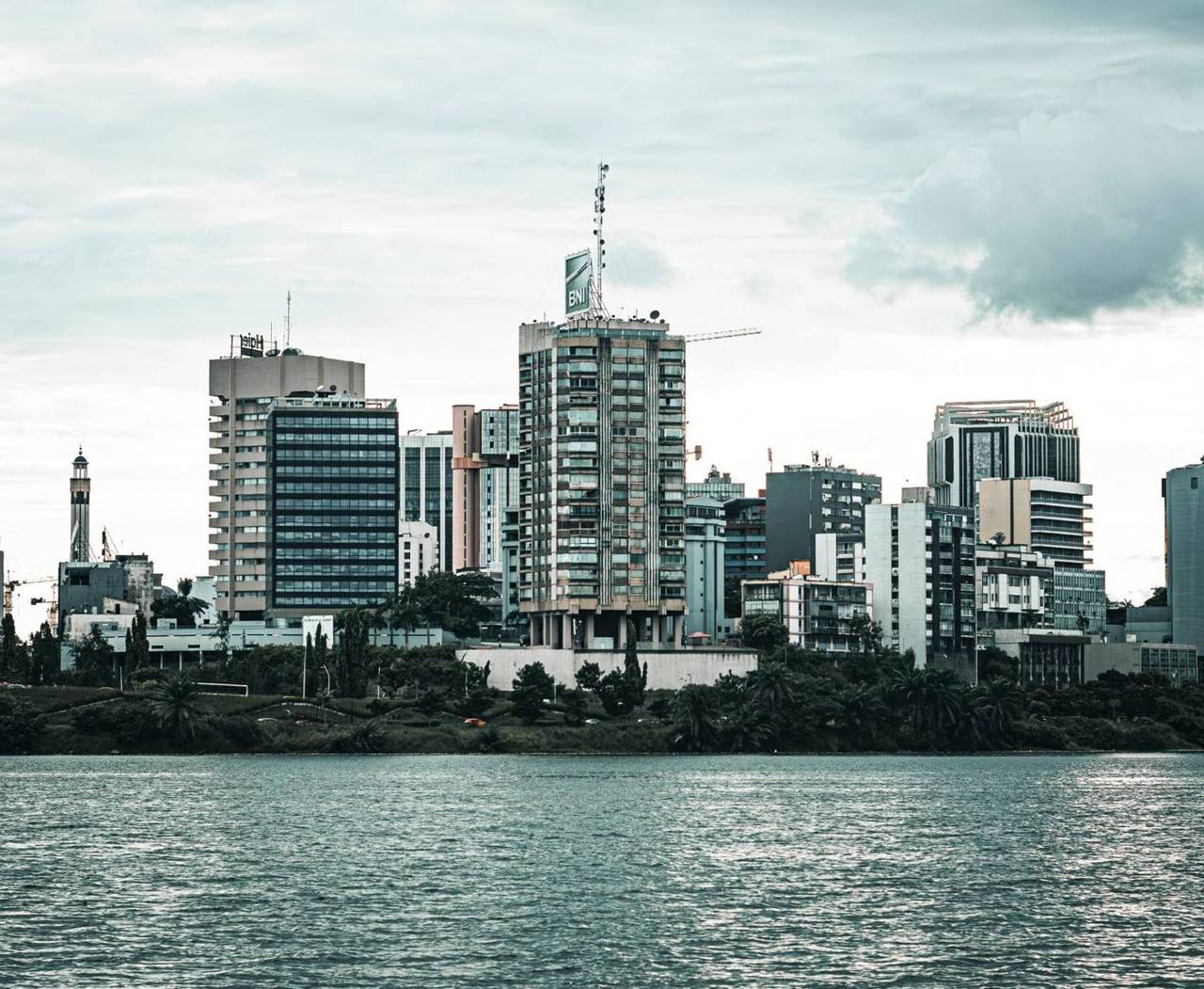
Abidjan and Grand-Bassam
Modern Abidjan on its lagoon, St Paul's Cathedral, the UNESCO old colonial capital of Grand-Bassam and the basilica of Yamoussoukro.