Abidjan and Grand-Bassam
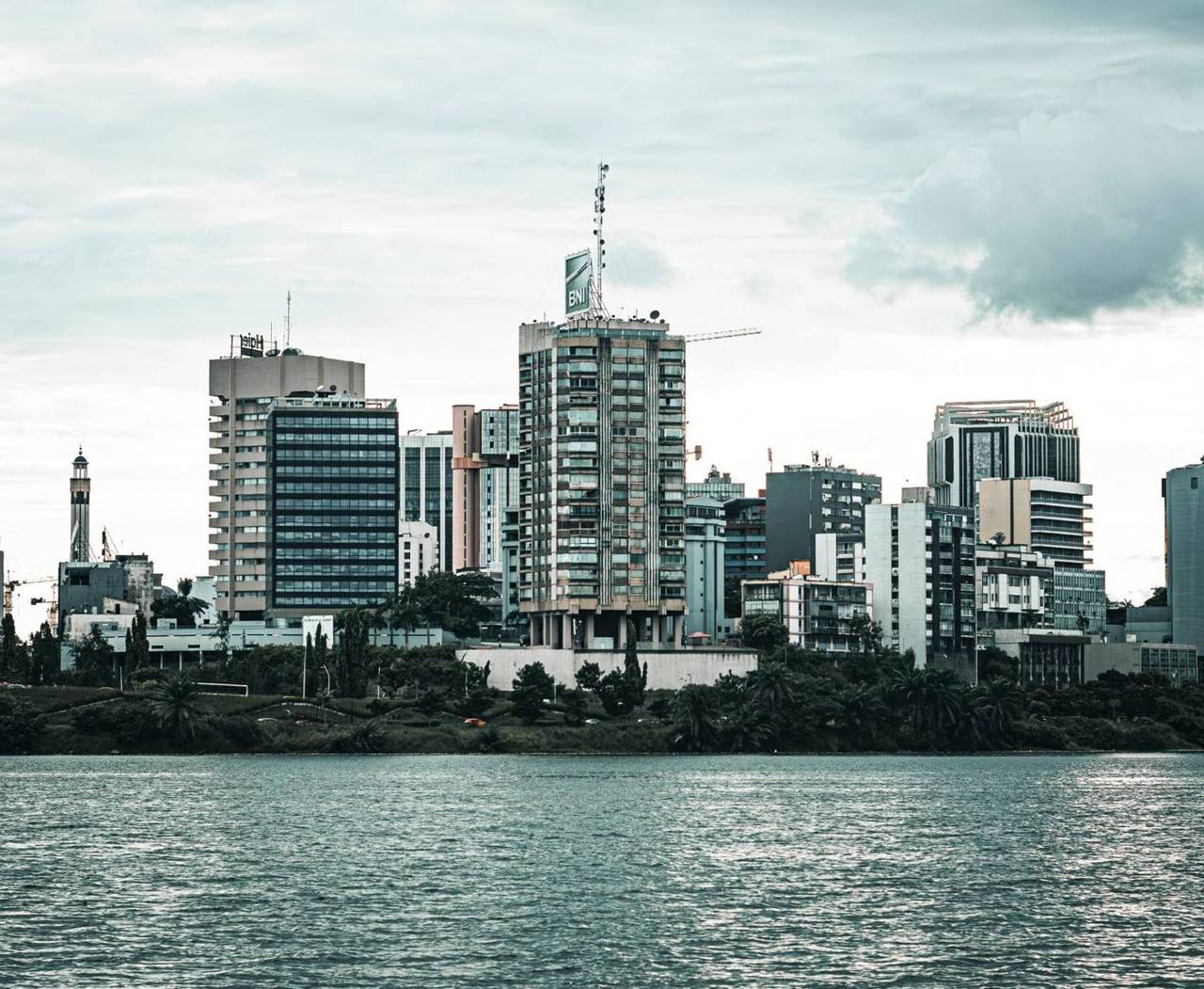
Modern Abidjan on its lagoon, St Paul's Cathedral, the UNESCO old colonial capital of Grand-Bassam and the basilica of Yamoussoukro.
- Abidjan
- Plateau
- Grand-Bassam
- Yamoussoukro
Day by day
- Day 1
Abidjan: the Plateau, the cathedral and Treichville
This five-day trip shows the modern and the historic faces of Côte d'Ivoire: Abidjan, the great city on the lagoon, with the towers of the Plateau and Banco National Park, the old colonial capital of Grand-Bassam, a UNESCO World Heritage Site, and the huge basilica of Yamoussoukro. You travel with a car and driver.
Before you go: Italian citizens need a visa, applied for online through the official e-visa procedure at least ten working days ahead and collected on arrival at Abidjan airport; you must have received the approval by email. Your passport must be valid for at least six months and a yellow fever certificate is compulsory. Travellers arriving from another African country fill in an online Ebola health declaration. Other nationalities should check their own rules. The north and the border areas with Liberia are advised against; this route stays between Abidjan, the coast and Yamoussoukro. In Abidjan avoid walking around at night and the districts of Adjamé, Yopougon and Abobo.
Start with the Plateau, the business district, with glass towers overlooking the lagoon. Not far away stands St Paul's Cathedral, a modern church with a leaning cross-shaped tower that looks like a figure reaching towards the lagoon, designed by an Italian architect. Go inside to see the colourful stained glass. Then visit the Museum of Civilisations of Côte d'Ivoire, with masks, statues and objects of the country's peoples. Check prices and times.
In the afternoon cross the bridge to Treichville and its large covered market, full of wax-print fabrics, spices, dried fish and utensils.
Practical tip: get around the city with a driver or taxi apps, and at the market keep your bag and phone in front of you.
- Day 2
Banco National Park
Today you discover a forest in the middle of the city. Banco National Park is an area of primary rainforest surviving on the edge of Abidjan, among the working-class districts north-west of the centre. It is one of the few national parks in the world inside a large city.
Arrive early in the morning, when it is cooler and animals are more active. At the entrance ask for a park guide and information about the paths. You walk beneath very tall trees, with huge trunks, lianas and buttress roots, in the damp green of the forest. You may see birds, butterflies, sometimes monkeys, and hear the noise of the city disappear within minutes. Check prices and times.
On the edge of the park, along the Banco river, you may see the fanicos, the launderers who for generations have washed half the city's clothes by hand on the stones and spread them on the grass to dry. It is a famous Abidjan scene.
To reach the park you cross busy areas and some working-class districts: do it by day and with a trusted driver, without stopping on the street.
In the afternoon head back towards Cocody, the residential district on the lagoon, and take a walk by the water. In the evening Abidjan offers one of the liveliest music scenes in West Africa: zouglou was born here and coupé-décalé is the music danced all over the country.
Practical tip: in the forest wear long trousers, closed shoes and mosquito repellent, and carry water, because the humidity is very high.
- Day 3
Grand-Bassam, the old capital
Today you go to Grand-Bassam, about forty kilometres east of Abidjan, along the coast road. At the end of the nineteenth century it was the first capital of the French colony, until a yellow fever epidemic drove the administration elsewhere. Its historic quarter is a UNESCO World Heritage Site.
The heart of the visit is the Quartier France, on a strip of land between the lagoon and the ocean. Walk among the old houses of colonial merchants and officials, with verandas, columns and iron balconies: some are restored, others left to time, with plants growing between the walls. See the old governor's palace, home to the National Costume Museum, with traditional clothes and hairstyles from the country's different regions. Check prices and times.
Along the road into town are craft workshops, with masks, wooden statues, fabrics and beads. Bargain calmly and with a smile.
In the afternoon go to the beach, long and wide, with palm trees and fishermen's pirogues. The sea at Grand-Bassam has dangerous currents and there are drownings every year: swim only where there are lifeguards and if you are told it is safe.
Practical tip: the British government notes that attacks cannot be ruled out, including at beach resorts. Stay alert in crowded places and follow the instructions of the authorities.
- Day 4
The basilica of Yamoussoukro
Today you leave early heading north, on the motorway linking Abidjan to Yamoussoukro, the country's political capital, about three hours' drive away. The landscape changes slowly: from the forest and plantations of the coast to the hills and wooded savannah of the interior.
Yamoussoukro is the hometown of Félix Houphouët-Boigny, the first president of Côte d'Ivoire, who turned it into the capital. Wide avenues, large public buildings and empty spaces give it an unusual, almost oversized look.
The most famous monument is the basilica of Notre-Dame de la Paix, consecrated in 1990 by Pope John Paul II. It is one of the largest churches in the world, inspired by St Peter's in Rome, with an enormous dome, a colonnade embracing the square and thousands of square metres of stained glass made in France. Go in with a guide and, if it is open, climb the dome to see the town and the savannah from above. Check prices and times.
In the late afternoon pass by the lakes around the presidential palace, home to the sacred crocodiles linked to local tradition. Watch them only from the road and at a distance.
Sleep in Yamoussoukro.
Practical tip: to enter the basilica dress soberly, with shoulders and knees covered. Make the journey there and back by day only.
- Day 5
Back to Abidjan
In the morning, before leaving, look from outside at the Félix Houphouët-Boigny Foundation for Peace Research, a large complex on the edge of town, and take a walk around Yamoussoukro's market, where fruit, yams, cassava and fabrics are sold.
Then take the motorway south again. Reach Abidjan before dark and, if you have time, go up to one of the terraces or viewpoints over the lagoon to see the Plateau lit up at sunset.
In five days you have seen one of the liveliest economies in West Africa: the Plateau and St Paul's Cathedral, the market at Treichville, the Banco forest in the middle of the city, the colonial houses of Grand-Bassam and the basilica of Yamoussoukro in the savannah. It is an easy trip, suitable even for a first visit to West Africa, with modern cities, good food and plenty of music.
When to go: the best months are November to March, in the dry season, with less rain and less humidity. The main rainy season runs from May to July and can make minor roads difficult.
Practical tip: before going to the airport check that your documents, visa and vaccination certificate are in order, and allow plenty of time for Abidjan's rush-hour traffic.
One of West Africa's liveliest economies, with a strong music and food scene. The sea at Grand-Bassam has dangerous currents: swim only where lifeguards are present. The north, on the Mali and Burkina Faso borders, is advised against.
Before you go
- Documents and visa
- Passport valid for at least six months and a compulsory visa: apply online through the official e-visa procedure, at least ten working days ahead, and collect it on arrival at Abidjan airport. Before leaving you must have received the approval by email: the registration receipt alone is not enough. Travellers arriving from another African country, even in transit, must fill in an online Ebola health declaration and show the QR code on arrival.
- Health and vaccines
- Yellow fever vaccination is compulsory from the age of one: show the international certificate on arrival. Malaria is present throughout the country: ask your doctor about prevention. Dengue, typhoid and cholera cases in some districts of Abidjan are also present: drink only bottled water and do not swim in fresh water.
- Money and payments
- West African CFA franc, with a fixed exchange rate to the euro. Euros and dollars are not accepted in shops but are easy to change; cards work in hotels and large shops in Abidjan.
- Power sockets
- Type C and E, 220 volts: you need an adapter for British plugs.
- Time zone
- UTC+0 all year.
- Safety
- The UK advises against all travel within 40 km of the borders with Burkina Faso and Mali, to the north of Zanzan and Savanes and to Comoé National Park, because of terrorism and kidnapping, and against all but essential travel within 20 km of the Liberian border. Italy also advises against the provinces of Dix-Huit Montagnes, Haut Sassandra, Moyen-Cavally and Bas Sassandra unless strictly necessary. In Abidjan avoid travelling at night and do not walk after dark. Do not drive outside towns at night. Ocean currents are very strong and there is no sea rescue. Official advice: GOV.UK.
Information checked in November 2026 for Italian and EU citizens. Rules change: always check before you travel.
Variations
In 3 days: Abidjan with the Plateau, Treichville and Banco National Park, then Grand-Bassam, without Yamoussoukro.
In 8 days: add three days in Assinie, between the lagoon and the ocean, east of Grand-Bassam.
Frequently asked questions
Do you need a visa for Côte d'Ivoire?
Yes. Apply online through the official e-visa procedure at least ten working days ahead and collect it on arrival in Abidjan, after receiving confirmation by email. You also need a yellow fever vaccination certificate.
Is Abidjan safe?
With some care, yes. Avoid walking at night, the districts of Adjamé, Yopougon and Abobo and demonstrations. Get around with a driver or taxi apps. The north and the border areas with Liberia are advised against.
Can you swim at Grand-Bassam?
Only with great caution. The currents are very strong and there are drownings every year. Swim only where there are lifeguards and when you are told the sea is safe.
Indicative itinerary written by World Atlas. Before booking, check timetables, seasonal openings, documents and safety.
 3 daysEasy
Assinie
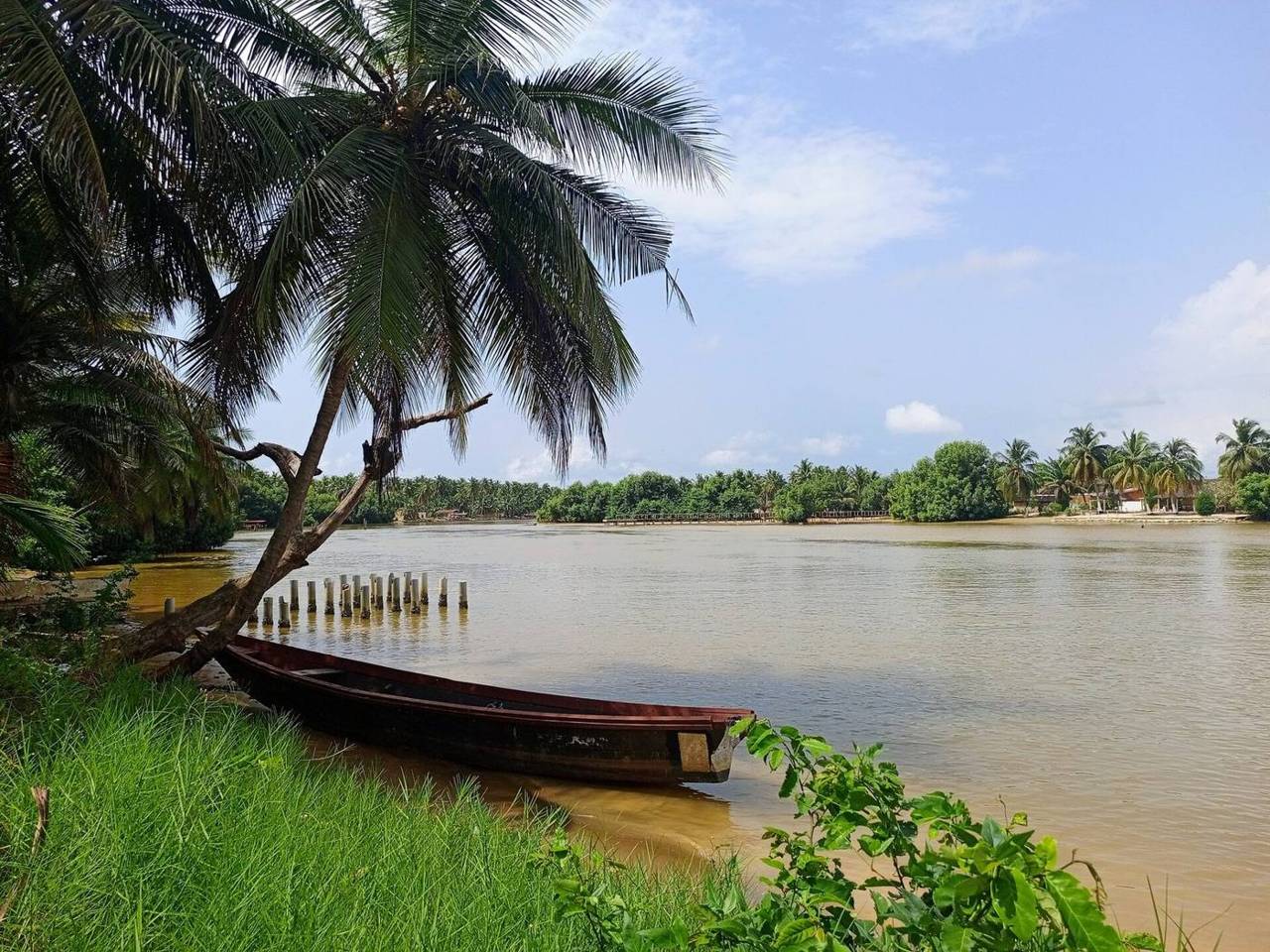
The long sandy peninsula between lagoon and ocean, east of Grand-Bassam, with beachfront hotels, pirogues on the lagoon and the weekends of Abidjan's residents.
 4 daysModerate
Sassandra and the west coast
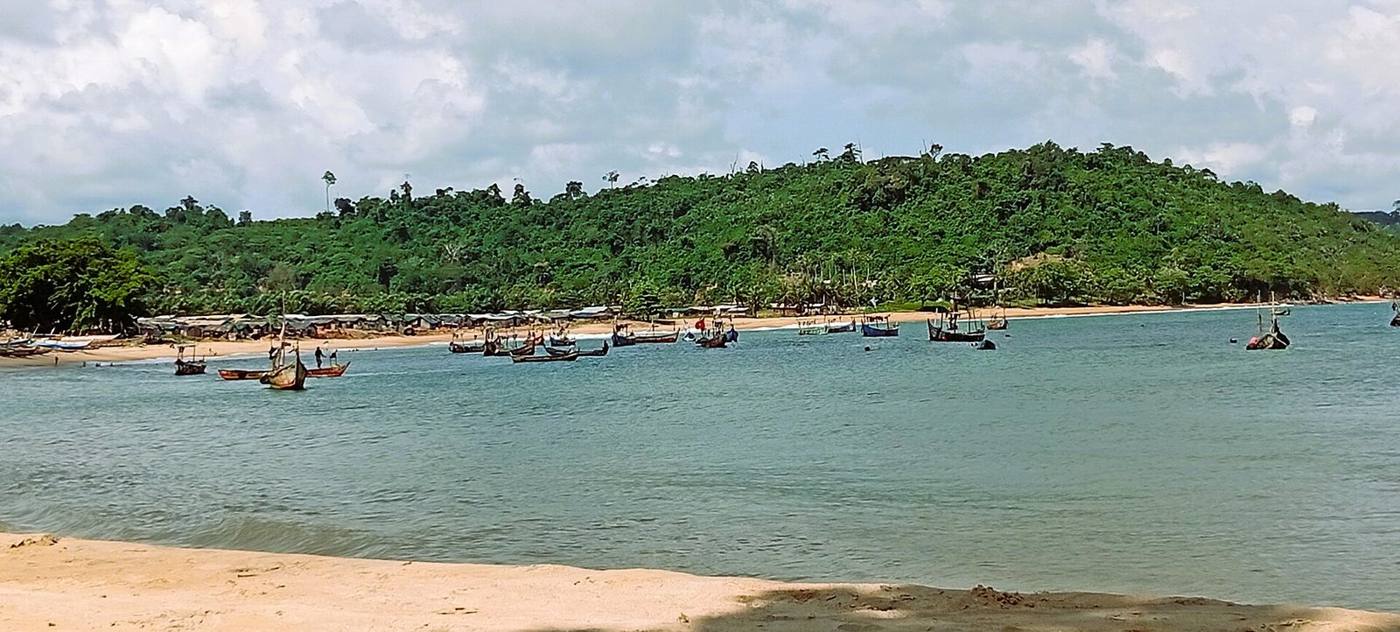
The wild south-west coast: the fishing port of Sassandra with its colourful pirogues and colonial houses, the beaches of Grand-Béréby and rocky bays towards San-Pédro.