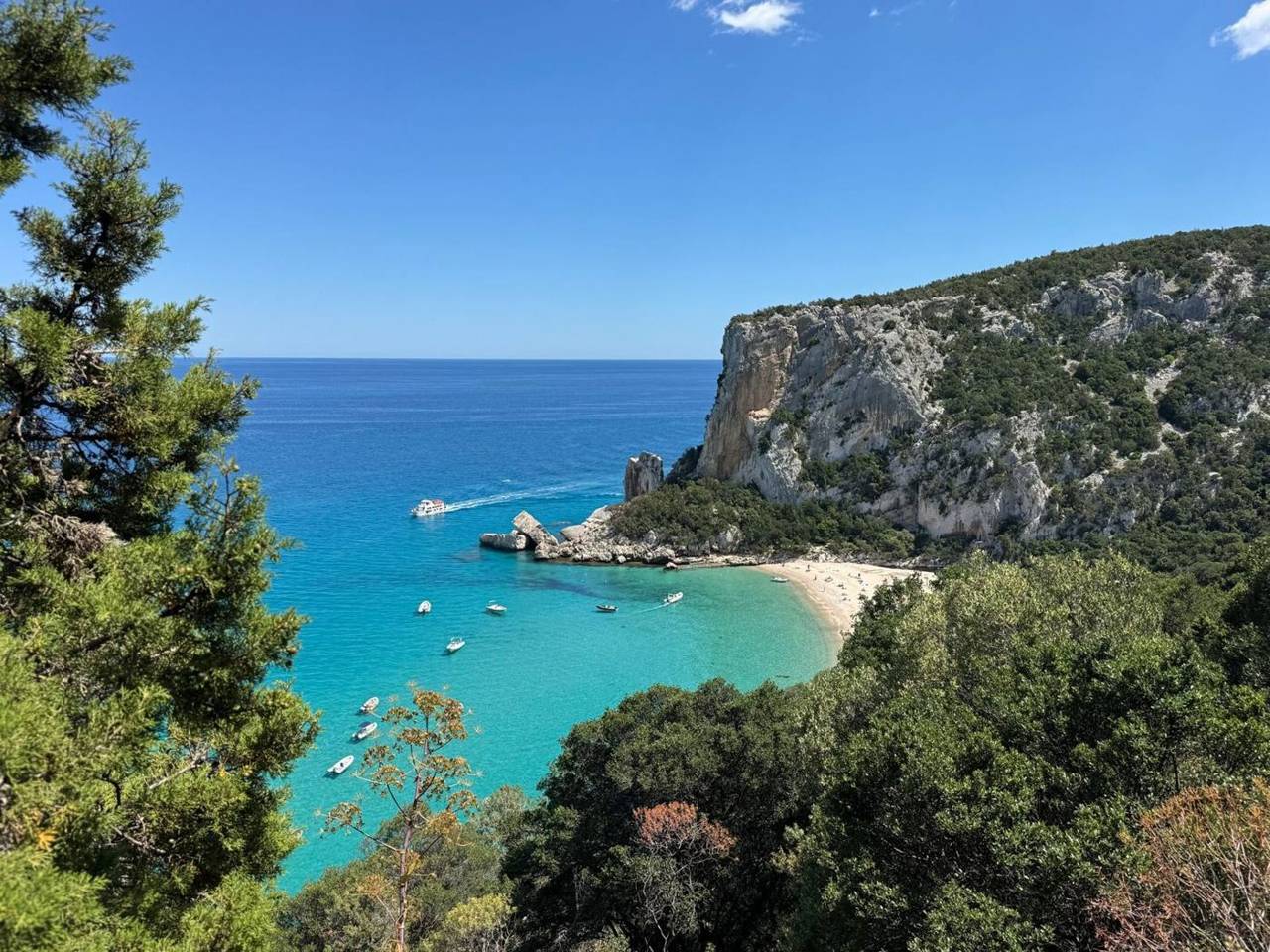
Sardinia: the Gulf of Orosei
Coves reachable only on foot or by boat, Cala Goloritzé and Cala Luna, the Gorropu gorge, the nuraghi and the villages of the Barbagia.
- Olbia
- Cala Gonone
- Cala Luna
- Gorropu
- Orgosolo
- Baunei
- Cala Goloritzé
- Olbia
Day by day
- Day 1
Arrival in Olbia and the road to Cala Gonone
This trip goes to the central eastern coast of Sardinia, the Gulf of Orosei, one of the most spectacular stretches of coast in the Mediterranean: about forty kilometres of white limestone cliffs plunging into the sea, with no roads, and coves of white pebbles and turquoise water reachable only by boat or on foot. Behind the coast rise the Supramonte mountains and stretches Barbagia, inland Sardinia, with its shepherd villages, murals and nuraghic settlements.
You fly or take a ferry to Olbia, in the north east of the island, and pick up a hire car. From Olbia you head south on the main road running behind the coast to Dorgali and then Cala Gonone, in about an hour and a half.
To reach Cala Gonone the road passes through a tunnel in the mountain and then winds down to the sea, with a sudden view over the whole gulf. Cala Gonone is a small seaside village, part of Dorgali, with a marina from which boats leave for the coves, a beach and a seafront promenade.
In the evening walk along the seafront and watch the sunset over the cliffs of the gulf.
Have dinner with Sardinian food: culurgiones, ravioli filled with potato, cheese and mint and sealed in an ear of wheat pattern, roast suckling pig, carasau flatbread and a glass of Cannonau, the local red wine.
Spend the night in Cala Gonone.
Practical tip: the best time is May to June and September to mid October. In July and August the coves are very crowded and prices higher. In spring and autumn some boats and services may not run: check.
- Day 2
By boat along the gulf: Cala Luna, Cala Mariolu and the Bue Marino cave
Today discover the Gulf of Orosei from the sea, the classic way to see it. Every morning boats and inflatables leave Cala Gonone harbour, following the coast south and stopping at the most famous coves.
The first stop is usually the Bue Marino cave, a karst cave several kilometres long with an underground river, lakes, stalactites and stalagmites. The name comes from the monk seal, called the sea ox in Sardinian, which once lived here. At the entrance there are prehistoric carvings on the rock. Visits are guided, along a walkway.
Then you continue to Cala Luna, one of the most famous beaches in Sardinia, a crescent of white sand and pebbles at the mouth of a stream, framed by caves and a lagoon with oleanders.
Further south you reach Cala Mariolu, with white and pink pebbles and water so clear the boats seem to float in the air. The seabed is full of fish. Along the coast the boat also passes Cala Sisine, Cala Biriola and Cala dei Gabbiani, each more beautiful than the last, and the Grotta del Fico.
You spend the day swimming, snorkelling and stopping at the coves, returning in the late afternoon.
Spend the night in Cala Gonone.
Practical tip: the Bue Marino cave and the boats charge fees: check prices and times. In rough seas the boats do not go out. Some coves have limited access in high season: ask when booking.
- Day 3
The Gorropu gorge on foot
Today leave the sea for the Supramonte mountains and take one of Sardinia's most famous walks: the Gorropu gorge, one of the deepest canyons in Europe, with limestone walls up to about five hundred metres high and, at its narrowest point, only a few metres wide.
The most common starting point is the Genna Silana pass, on the main road between Dorgali and Baunei, about half an hour from Cala Gonone. The trail descends for about two hours through holm oak woods and Mediterranean scrub, with views over the Flumineddu valley, to the entrance of the gorge.
Inside, you walk among huge white limestone boulders polished by water, below vertical walls that leave only a strip of sky visible. A very rare plant grows in the gorge, the Nuxis columbine, found only here. The first section of the gorge is accessible to everyone; further on you need experience and equipment to get past the largest boulders.
Alternatively you can start from the valley floor at the Sa Barva bridge near Dorgali, on a riverside trail that is longer but flat.
The return to Genna Silana is uphill and takes about two and a half hours. Allow six or seven hours of walking in total.
In the evening return to Cala Gonone.
Spend the night in Cala Gonone.
Practical tip: there is an entry ticket at the gorge: check the price. In summer start early, carry plenty of water and wear hiking boots. Do not enter the gorge in rain: the river can rise suddenly.
- Day 4
Barbagia: the murals of Orgosolo and the nuraghic village of Tiscali
Today discover inland Sardinia, Barbagia, the region of mountains and shepherds.
In the morning hike to the nuraghic village of Tiscali, hidden inside a great sinkhole in the Supramonte mountain. You start from the Lanaittu valley, about half an hour from Dorgali, and climb on foot for about an hour and a half or two, on a path among holm oaks, junipers and rocks, with some steep sections. Inside the sinkhole, under a great collapsed rock vault, are the remains of a village of stone huts, inhabited from the nuraghic period to Roman times, perhaps as a refuge. The light coming through the opening in the vault creates a mysterious atmosphere.
In the afternoon go to Orgosolo, about an hour away, a shepherd village that became famous for its murals: hundreds of paintings on the house fronts, begun in the 1970s, telling of shepherd life, the struggle against injustice and the history of Sardinia and the world, in a style close to Mexican muralism.
In the area you can also visit Mamoiada, the village of the mamuthones, the traditional masks of the Sardinian carnival, with a mask museum, and Oliena, at the foot of Monte Corrasi.
In the evening head back towards the coast.
Spend the night in Cala Gonone or Dorgali.
Practical tip: Tiscali charges an entry fee and is visited at set times: check. The path is stony: you need hiking boots. In summer set off very early to avoid the heat.
- Day 5
Baunei and the Golgo plateau
Today head south to Baunei, in Ogliastra, about an hour and a half from Cala Gonone on the SS125, one of the most scenic roads in Sardinia, crossing the Genna Silana pass among limestone mountains and woods.
Baunei is a mountain village clinging to a hillside, with views of the sea. From here a narrow road climbs for about ten kilometres to the Golgo plateau, a limestone upland covered in scrub, wild olives and holm oaks, with goats, pigs and cattle grazing freely.
On the Golgo is Su Sterru, a natural chasm almost three hundred metres deep, one of the deepest in Europe, with an opening about forty metres across, surrounded by a fence. Not far away is the small country church of San Pietro, from the seventeenth century, with the cumbessias, little houses where pilgrims once slept during festivals, and some carved prehistoric stones.
In the afternoon walk across the plateau to one of the viewpoints over the coast, or go to the Venn'e Sciale pools, natural water holes in the rock.
In the evening have dinner with Ogliastra food: culurgiones, goat's cheese, kid meat and the local bread.
Spend the night in Baunei, on the plateau or in Santa Maria Navarrese.
Practical tip: animals roam freely on the Golgo plateau: drive slowly. The road from Baunei is narrow and steep, with hairpins.
- Day 6
The trail to Cala Goloritzé
Today walk down to Cala Goloritzé, one of the most beautiful beaches in Italy, a protected natural monument.
The trail starts at Su Porteddu on the Golgo plateau and descends for about three and a half kilometres, with about five hundred metres of descent, in about an hour and a half. You walk among holm oaks, junipers and scrub, along an old mule track used by shepherds and charcoal burners, with views opening onto the sea. Along the way you see old shepherds' folds of stone and juniper wood, the cuiles.
At the bottom you reach the cove: a small beach of dazzling white pebbles, enclosed by limestone walls, with intensely turquoise water and a great natural rock arch over the sea. Above the beach rises the Aguglia, a limestone pinnacle about a hundred and forty metres high, famous among climbers.
The beach is small and protected: boats cannot approach the shore, and access on foot is regulated to limit numbers. You swim, swim under the arch and rest in the shade of the rocks.
The return is uphill, in the hottest hours: allow about two hours.
In the evening, at Santa Maria Navarrese, relax on the beach shaded by ancient wild olive trees.
Spend the night in Santa Maria Navarrese or Baunei.
Practical tip: to walk down to Cala Goloritzé there is an entry ticket and, in high season, a daily limit with booking: check beforehand. Carry at least two litres of water: there are no facilities on the beach.
- Day 7
The beaches of Ogliastra and the drive north
Today, the last full day, discover the beaches of Ogliastra and then head north.
In the morning go to Santa Maria Navarrese, a small seaside village with an old church surrounded by thousand year old wild olive trees and a Spanish tower on the headland. Off the beach you can see the red rocks of Arbatax.
A little further south, at Arbatax near the port, are the red rocks, large cliffs of red porphyry dropping into the sea, one of the most photographed spots on the coast.
If you prefer the sea, there are several beaches along the Ogliastra coast, such as Cea, with two large red rocks standing in the water, or Orrì, with pale sand and shallow water.
In the afternoon set off north towards Olbia, about two and a half or three hours away. On the way, if you have time, stop at Orosei, a town with a fine historic centre of stone houses and churches and a long beach, or at Posada, a medieval village on a hill with the Castello della Fava, from which you see the coast.
In the evening you arrive in the Olbia or San Teodoro area, with La Cinta beach, a long tongue of white sand between the sea and a lagoon with flamingos.
Spend the night in Olbia or San Teodoro.
Practical tip: do not take sand, pebbles or shells from the Ogliastra beaches: in Sardinia it is forbidden and punished with fines.
- Day 8
Departure from Olbia
On the last day you leave from Olbia.
If your flight or ferry is in the afternoon, you can make a last visit in the morning. In central Olbia is the Basilica of San Simplicio, an eleventh century Romanesque granite church, and the archaeological museum on the islet of Peddone, which holds the remains of ancient Roman ships found during harbour works.
Alternatively take a last swim at one of the beaches near the city, such as Pittulongu, a few kilometres away, or visit the nuraghic sacred well of Sa Testa on the edge of Olbia, a Bronze Age water temple with a staircase descending to the spring. The site is small and quiet, and a visit takes less than an hour.
Before leaving buy some Sardinian produce: Pecorino Sardo, carasau bread, mirto, the liqueur made from myrtle berries, bitter strawberry tree honey, bottarga, Cannonau and Vermentino, and crafts in cork and traditional textiles.
From Olbia airport there are flights to many Italian and European cities. Ferries leave the port for Civitavecchia, Livorno and Genoa.
Practical tip: liquids such as mirto and wine cannot go in hand luggage beyond the limits: put them in your checked bag. Return the car early, especially in high season, when the airport is busy.
Sardinia at its wildest, with some of Europe's finest sea and mountains behind. Cala Goloritzé has capped access with booking and a fee, and the trail is an hour's steep descent. In August the boats and coves are full. For experts there is the Selvaggio Blu, one of Italy's toughest treks, only with a guide.
Before you go
- Documents and visa
- EU citizens only need a valid identity card or passport; hotels and guesthouses must register it on arrival. Other nationalities should check the visa rules for the Schengen area.
- Health and vaccines
- No vaccines required. EU citizens should bring their European Health Insurance Card (EHIC). Emergency number: 112.
- Money and payments
- Euro. Cards are accepted almost everywhere; many cities charge a tourist tax per night, paid directly at your accommodation.
- Power sockets
- Types C, F and L, 230 volts.
- Time zone
- Central European Time (UTC+1), summer time (UTC+2) from the last Sunday of March to the last Sunday of October.
- Safety
- A safe country. In big cities and on crowded public transport watch out for pickpockets. Emergencies: 112. Official advice: GOV.UK.
Information checked in November 2026 for Italian and EU citizens. Rules change: always check before you travel.
Variations
In 5 days: Cala Gonone, the boat trip along the gulf, Gorropu and Cala Goloritzé.
In 11 days: add Gallura and the Maddalena archipelago, or Cagliari and the south.
Frequently asked questions
When is the best time to go?
May, June and September, with warm sea and fewer crowds. In July and August the coves are very crowded.
Do I need a car?
Yes, to move between the coast and the interior. The coves of the gulf are reached by boat or on foot.
Is access to Cala Goloritzé limited?
Yes: there is an entry ticket and in high season a daily limit with booking. Check before going.
Indicative itinerary written by World Atlas. Before booking, check timetables, seasonal openings, documents and safety.
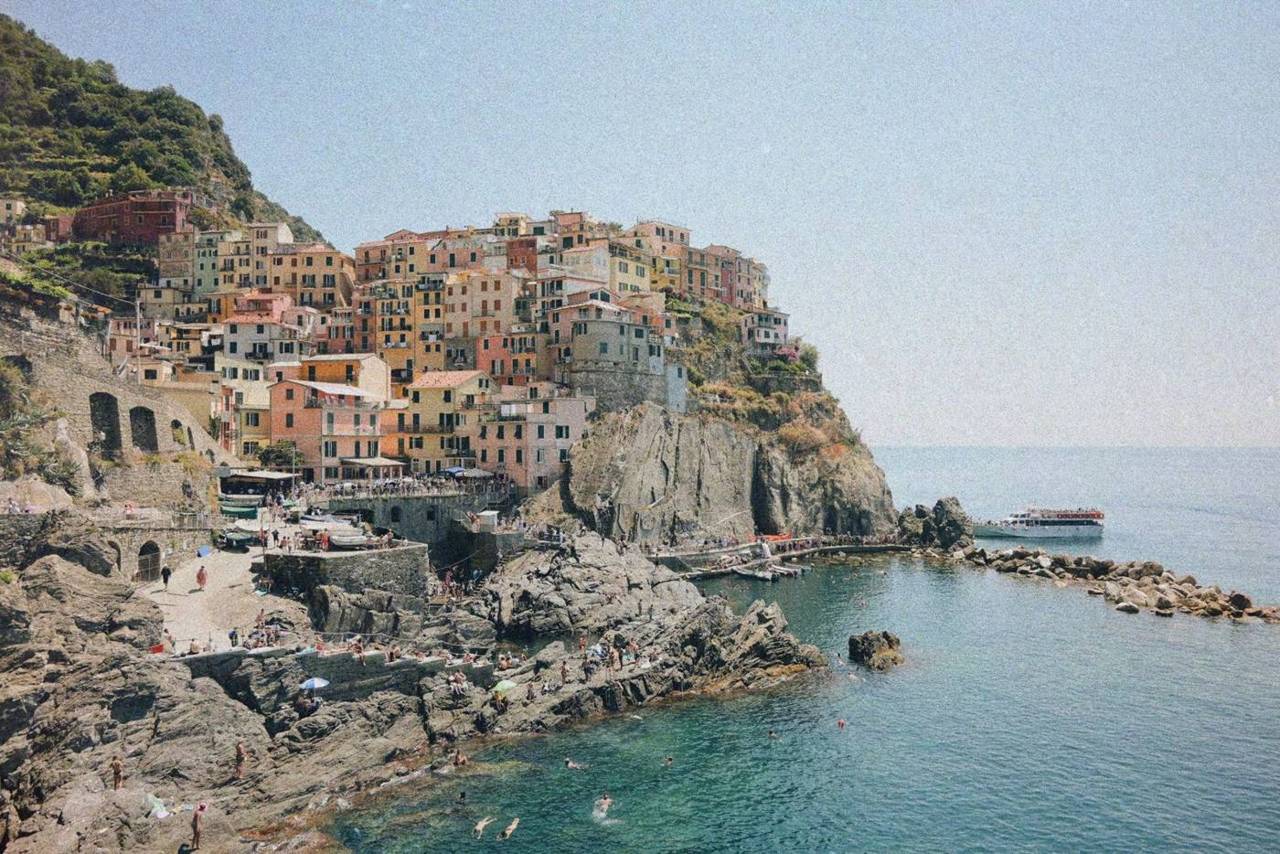 5 daysModerate
Cinque Terre and Portofino
Five cliff-top villages linked by train and footpaths, Portovenere, the Gulf of Poets and Portofino with San Fruttuoso.
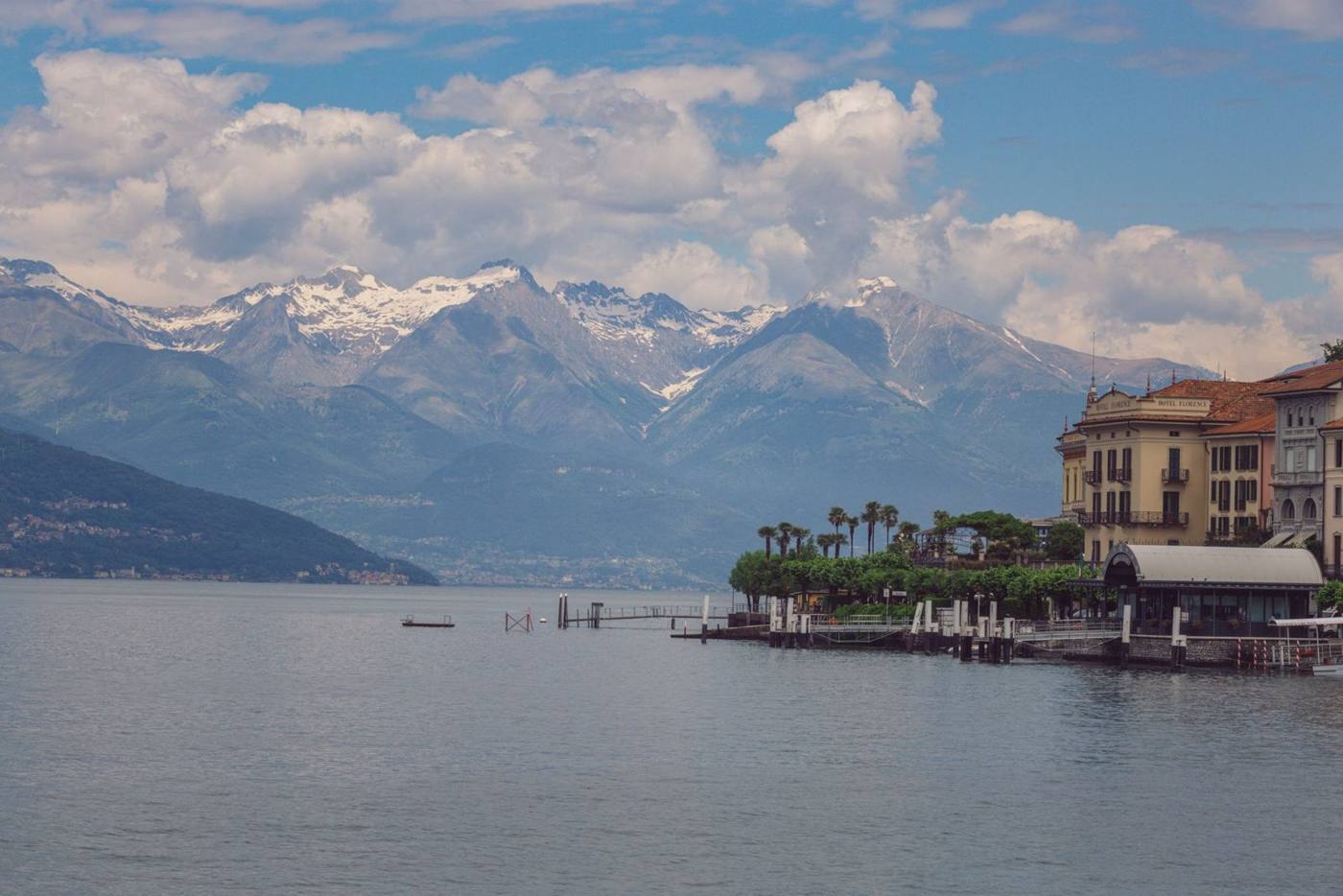 6 daysEasy
The great lakes: Como, Maggiore and Garda
The villas of Lake Como with Bellagio and Varenna, the Borromean Islands on Lake Maggiore, Sirmione and the Trentino shore of Lake Garda.
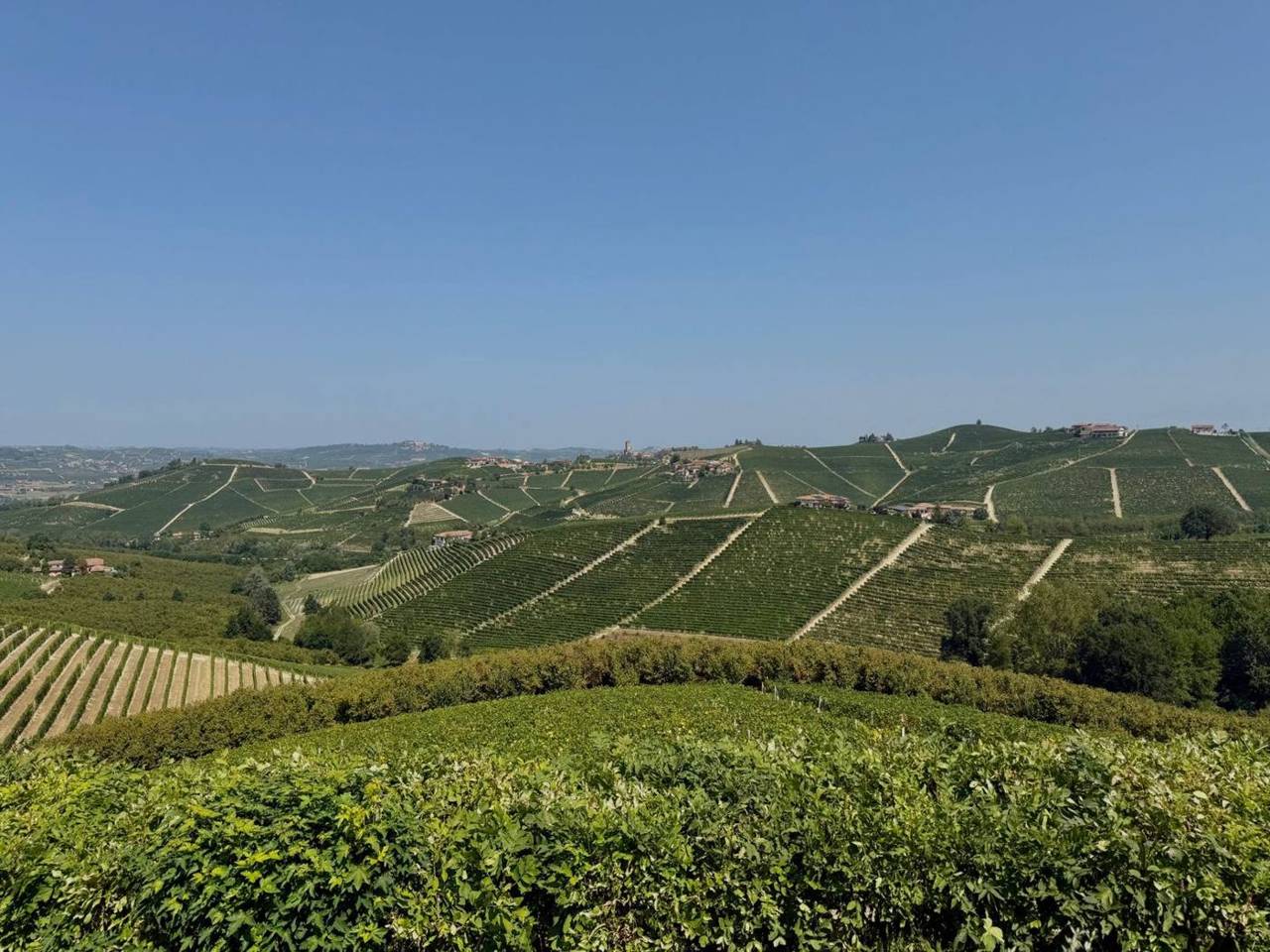 5 daysEasy
Piedmont: Turin and the Langhe
Turin with the Egyptian Museum and its historic cafés, then the UNESCO-listed hills of the Langhe and Roero among Barolo, Barbaresco, Alba and white truffles.