Abruzzo: Gran Sasso and the national park
Wild Abruzzo two hours from Rome: the Campo Imperatore plateau beneath Corno Grande, Rocca Calascio, the villages of Santo Stefano di Sessanio and Scanno, Sulmona and Abruzzo National Park with the Marsican bear and the Apennine chamois.
- L'Aquila
- Campo Imperatore
- Santo Stefano di Sessanio
- Rocca Calascio
- Sulmona
- Scanno
- Pescasseroli
- Civitella Alfedena
Day by day
- Day 1
L'Aquila and the Basilica of Collemaggio, then up to Campo Imperatore
Abruzzo, in central Italy between Rome and the Adriatic, is called the green region of Europe: almost a third of its territory is protected by national and regional parks, with the highest mountains of the Apennines, immense plateaus, stone villages perched on hills and wildlife such as bears, wolves and chamois. Italy is in the Schengen area; EU citizens can use a valid identity card or passport. From Rome it is about an hour and a half by car to L'Aquila. You need a car for this trip.
In the morning visit L'Aquila, the regional capital, struck by the 2009 earthquake and now largely rebuilt, its historic centre alive again. The Basilica of Santa Maria di Collemaggio has a spectacular chequered façade of white and pink stone with three rose windows. Here in 1294 Pope Celestine V was crowned, who instituted the Perdonanza, the first jubilee in history, still celebrated every year at the end of August and on UNESCO's intangible heritage list. Then visit the thirteenth-century Fountain of the 99 Spouts, with water flowing from ninety-nine stone masks, linked to the legend of the ninety-nine castles that founded the city.
In the afternoon go up to Campo Imperatore, a vast plateau at about 1,800 metres at the foot of the Gran Sasso, called Little Tibet for its endless pastures, grazing horses and flocks and the mountains all around. You can drive or take the cable car from Fonte Cerreto. Above the plateau rises Corno Grande, at 2,912 metres the highest peak in the Apennines.
In the evening, in the plateau's mountain huts, try arrosticini, skewers of mutton grilled over embers.
Practical tip: the weather at Campo Imperatore changes quickly and it is cold even in summer; bring a jacket.
- Day 2
Santo Stefano di Sessanio and Rocca Calascio at sunset
In the morning descend from the plateau south to Santo Stefano di Sessanio, one of Italy's most beautiful villages, at about 1,250 metres, built of pale limestone, with houses huddled together, arches, outside stairways and loggias. In the Middle Ages it was an important centre for sheep's wool, sold all over Europe thanks to the Medici of Florence, lords of the village in the sixteenth century. After depopulation in the twentieth century, the village was carefully restored using the original materials. Wander the lanes, visit the weavers' workshops and taste Santo Stefano lentils, small and dark, grown on the plateau.
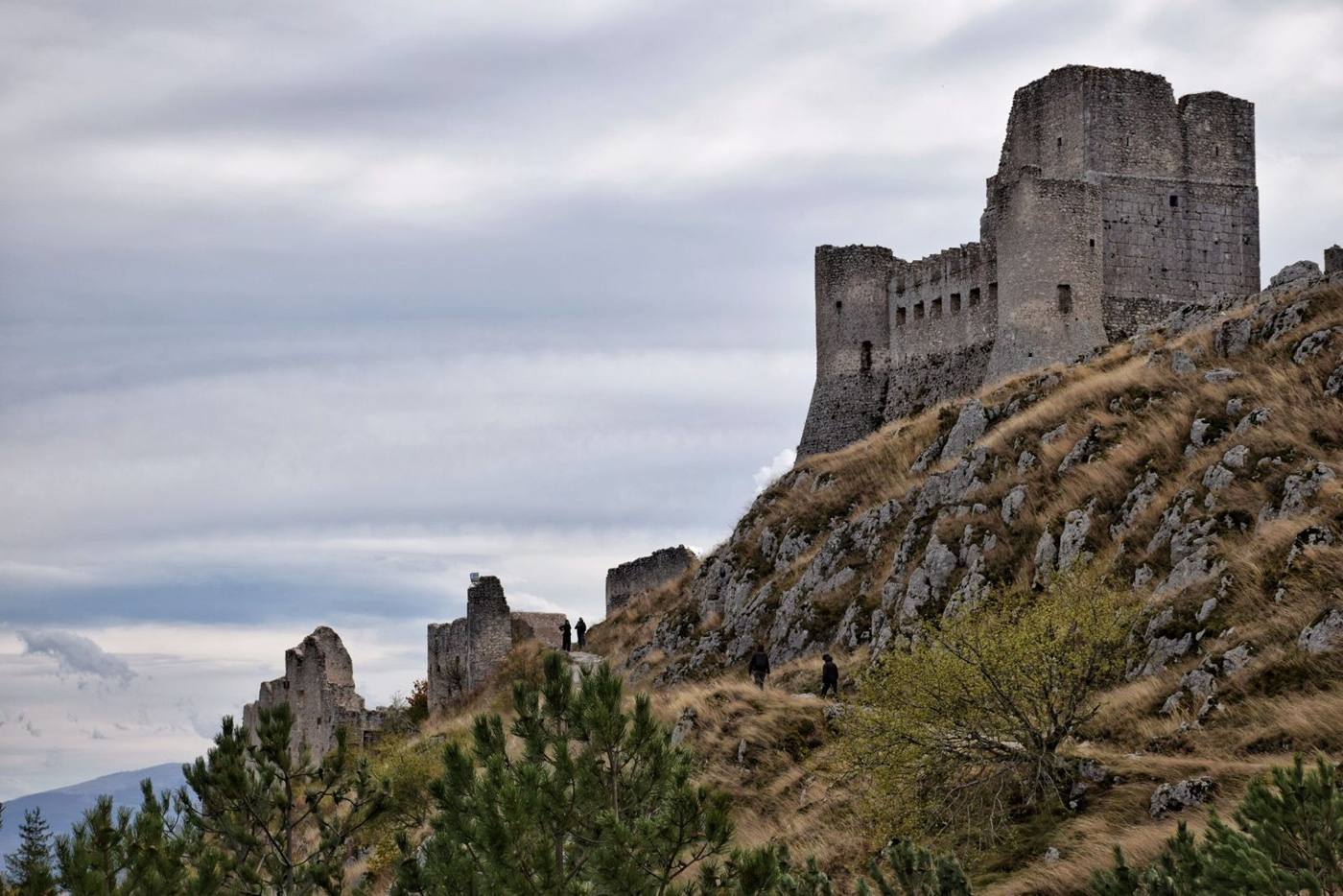
In the afternoon visit nearby villages such as Castel del Monte, with its covered alleys, and Calascio. Then, towards sunset, walk up from Calascio to Rocca Calascio, at about 1,460 metres, one of Italy's highest castles, about half an hour's climb. The castle, a small stone fortress with a central tower and four round corner towers, stands on an isolated rocky ridge with views of the Gran Sasso, the Navelli plateau and the Tirino valley. A little lower is the small octagonal church of Santa Maria della Pietà. At sunset the light turns the stone orange: it is one of Abruzzo's most photographed landscapes and has been the set of several films.
In the evening stay in one of the villages in an albergo diffuso, a hotel with rooms spread among old houses.
Practical tip: the path to the Rocca is short but steep; wear comfortable shoes and bring a torch for the descent.
- Day 3
Sulmona, sugared almonds and the medieval aqueduct, then the road to Scanno and the heart-shaped lake
In the morning drive south to Sulmona, about an hour, an elegant town in the Peligna valley surrounded by mountains. It is the birthplace of the Latin poet Ovid, whose statue stands in Piazza XX Settembre. The town's symbol is the medieval aqueduct of 1256, with twenty-one Gothic stone arches crossing the great Piazza Garibaldi, where the market is held and, in late July, a knightly joust. Visit too the Annunziata complex, with a façade blending Gothic, Renaissance and Baroque.
Sulmona is world-famous for confetti, sugared almonds, made here since the fifteenth century: the sugar-coated almonds are shaped by hand into flowers, ears of wheat, bunches of grapes and colourful bouquets, displayed in shop windows throughout the centre.
In the afternoon take the road up to Scanno through the Sagittario gorges, a narrow, deep gorge carved by the river between rock walls, with small perched villages such as Anversa degli Abruzzi. You reach Lake Scanno, a green lake among the woods, formed by an ancient landslide. From the path climbing above the shore, called the path of the heart, you see the lake in the shape of a heart.
In the evening visit Scanno, a stone village famous for its alleys photographed by great twentieth-century photographers, and for the women's traditional costume with its dark headdress, still worn by some older women.
Practical tip: the road through the Sagittario gorges is narrow and winding; drive slowly.
- Day 4
The national park: Pescasseroli and a dawn outing to look for bears, deer and chamois
Before dawn join an outing with a guide from the Abruzzo, Lazio and Molise National Park, one of Italy's oldest, founded in 1923. The park is the last refuge of the Marsican brown bear, a subspecies living only in the central Apennines, with a few dozen individuals, and is also home to wolves, red deer, roe deer and the Apennine chamois, called the most beautiful chamois in the world for the pattern of its coat. At dawn, through the guide's binoculars and spotting scope, you watch animals from a distance in meadows at the edge of the woods without disturbing them. Seeing a bear is not guaranteed, but with an expert guide the chances are higher, especially in summer and autumn.
For the rest of the morning visit Pescasseroli, the park's main village, in the upper Sangro valley, with the visitor centre, the natural history museum and a wildlife area where you see up close some animals that cannot live in the wild. Pescasseroli is also the birthplace of the philosopher Benedetto Croce.
In the afternoon walk in the beech woods, among the oldest in Europe: some of the park's beech forests, such as Val Cervara, are a UNESCO World Heritage site, with trees over five hundred years old.
In the evening taste mountain cooking, with sheep's cheeses, pasta alla chitarra and legume soups.
Practical tip: if you meet a bear, keep your distance, do not approach and never leave food; always follow the guides' instructions.
- Day 5
Civitella Alfedena and Val di Rose, or Lake Barrea
In the morning reach Civitella Alfedena, a small stone village in the park above Lake Barrea, linked to the wolf: here there is a museum devoted to the Apennine wolf and a wildlife area with a few wolves, telling the long work of protecting this species, now increasing throughout Italy.
From Civitella the path leads to Val di Rose, one of the park's most famous hikes, climbing through beech woods and meadows to the high pastures where the Apennine chamois lives, often seen in herds very close by. In summer, to protect the animals, access is limited and requires a permit booked with the park. The path is demanding, with about a thousand metres of ascent, and takes about three hours up.
If you prefer a quieter day, walk along the shores of Lake Barrea, a reservoir among the mountains, with the village of Barrea perched above the dam, and visit Villetta Barrea and Opi, one of Italy's most beautiful villages, on a rocky spur above the valley.
In the afternoon head back to Rome, about two and a half hours, or to the Adriatic coast and Pescara, about two hours.
Things to take home: Sulmona sugared almonds, L'Aquila saffron, Santo Stefano lentils, gentian liqueur, sheep's cheeses and pasta alla chitarra.
Practical tip: book the Val di Rose permit well ahead; in summer places run out quickly.
For lovers of nature and quiet. Bears are only seen with patience and a park guide; never approach or feed them. In summer the Val di Rose trail has limited numbers: book ahead. Mountain roads can close with snow until spring.
Before you go
- Documents and visa
- EU citizens only need a valid identity card or passport; hotels and guesthouses must register it on arrival. Other nationalities should check the visa rules for the Schengen area.
- Health and vaccines
- No vaccines required. EU citizens should bring their European Health Insurance Card (EHIC). Emergency number: 112.
- Money and payments
- Euro. Cards are accepted almost everywhere; many cities charge a tourist tax per night, paid directly at your accommodation.
- Power sockets
- Types C, F and L, 230 volts.
- Time zone
- Central European Time (UTC+1), summer time (UTC+2) from the last Sunday of March to the last Sunday of October.
- Safety
- A safe country. In big cities and on crowded public transport watch out for pickpockets. Emergencies: 112. Official advice: GOV.UK.
Information checked in November 2026 for Italian and EU citizens. Rules change: always check before you travel.
Variations
In 3 days: L'Aquila and Campo Imperatore on day one, Santo Stefano and Rocca Calascio on day two, Sulmona and Scanno on day three.
In 8 days: add the trabocchi coast between Ortona and Vasto, or the Majella park.
Frequently asked questions
Do I need a car in Abruzzo?
Yes, it is almost essential: the villages, plateaus and park are far apart and poorly served by public transport.
Will I definitely see a Marsican bear?
No, it is not guaranteed: the bear is rare and shy. With a park guide, at dawn, in summer and autumn, the chances are higher.
Do I need a permit for Val di Rose?
In summer yes: access is limited and must be booked with the park.
Indicative itinerary written by World Atlas. Before booking, check timetables, seasonal openings, documents and safety.
 5 daysEasy
Friuli Venezia Giulia: Trieste, Aquileia and Collio
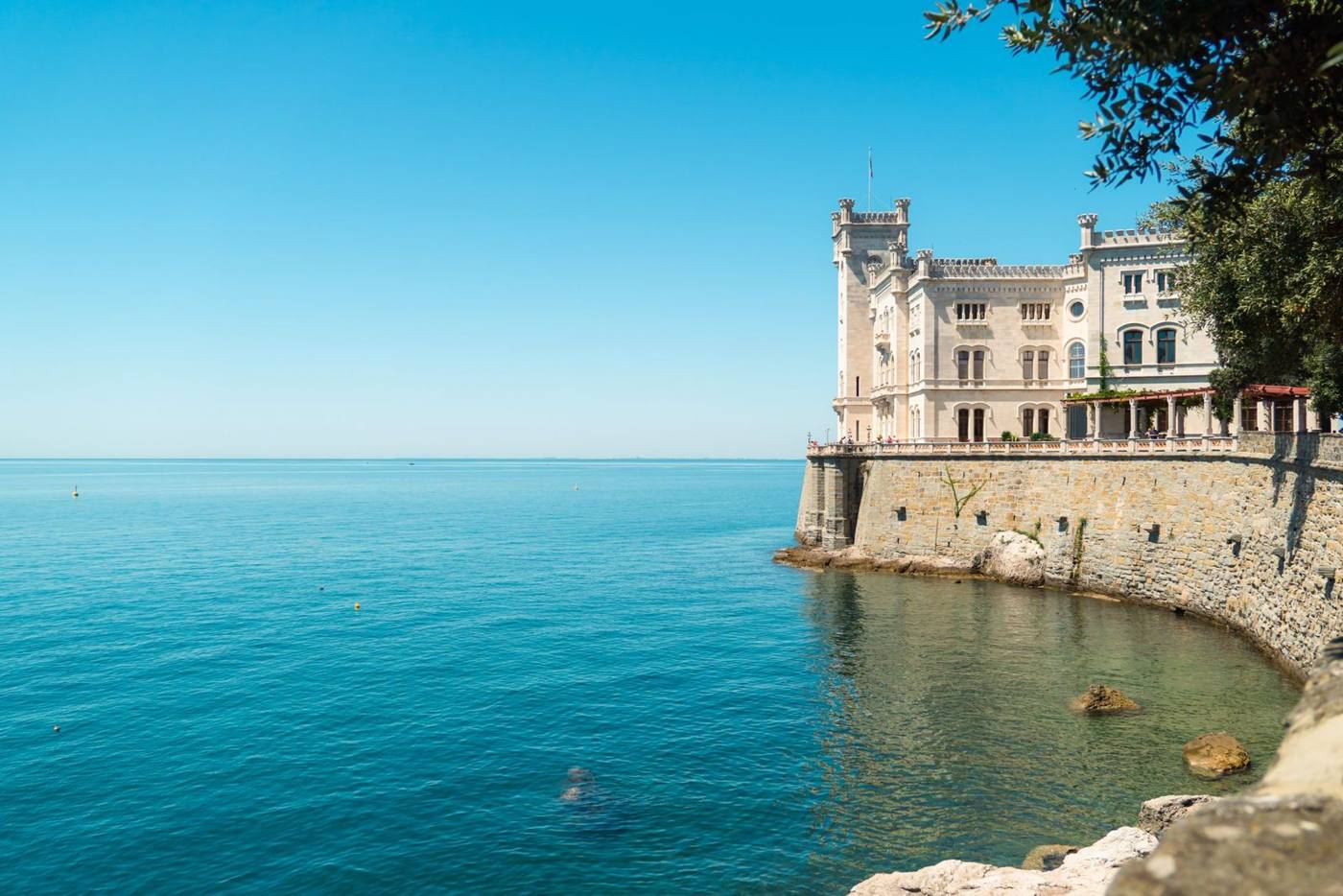
Italy's borderland: Habsburg Trieste with its historic cafés and Miramare Castle, the basilica of Aquileia with its mosaic floor, Grado on the lagoon, Lombard Cividale and the white wines of Collio.
 10 daysEasy
Rome, Florence and Venice
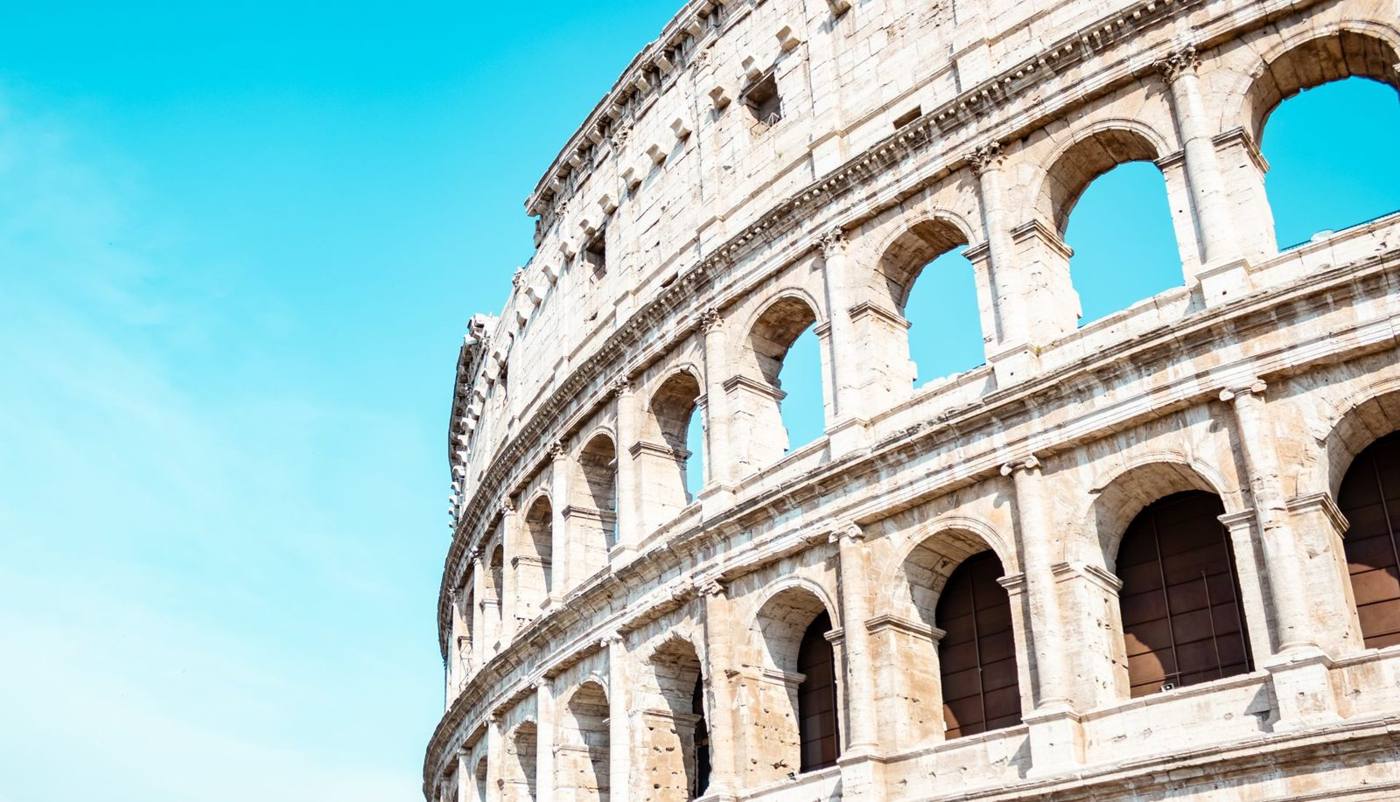
A first trip to Italy by high-speed train: ancient Rome and the Vatican, the Renaissance in Florence and the canals of Venice.
 7 daysEasy
Tuscany: Val d'Orcia and Chianti
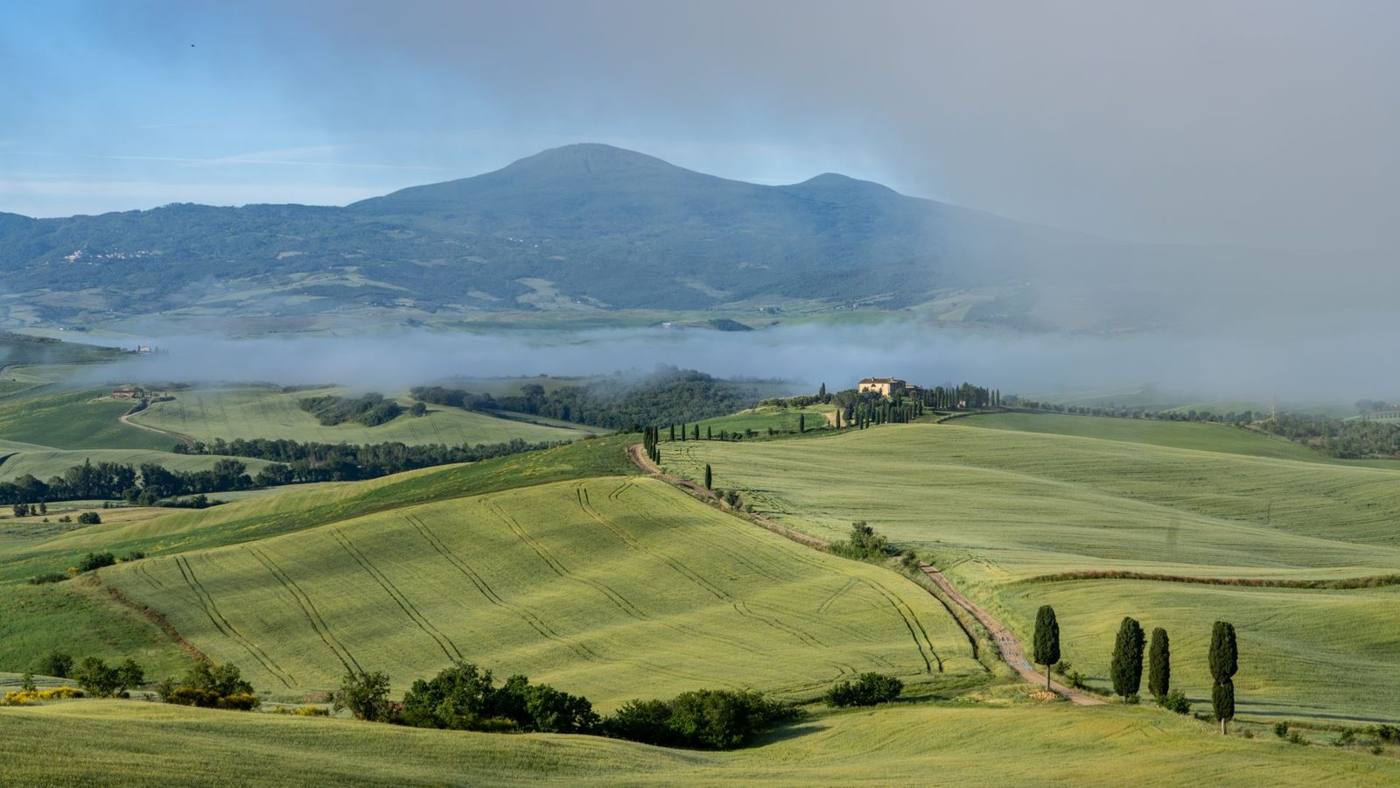
Siena and the Palio, San Gimignano, the Chianti vineyards, the cypresses of the Val d'Orcia, Pienza and Montepulciano.