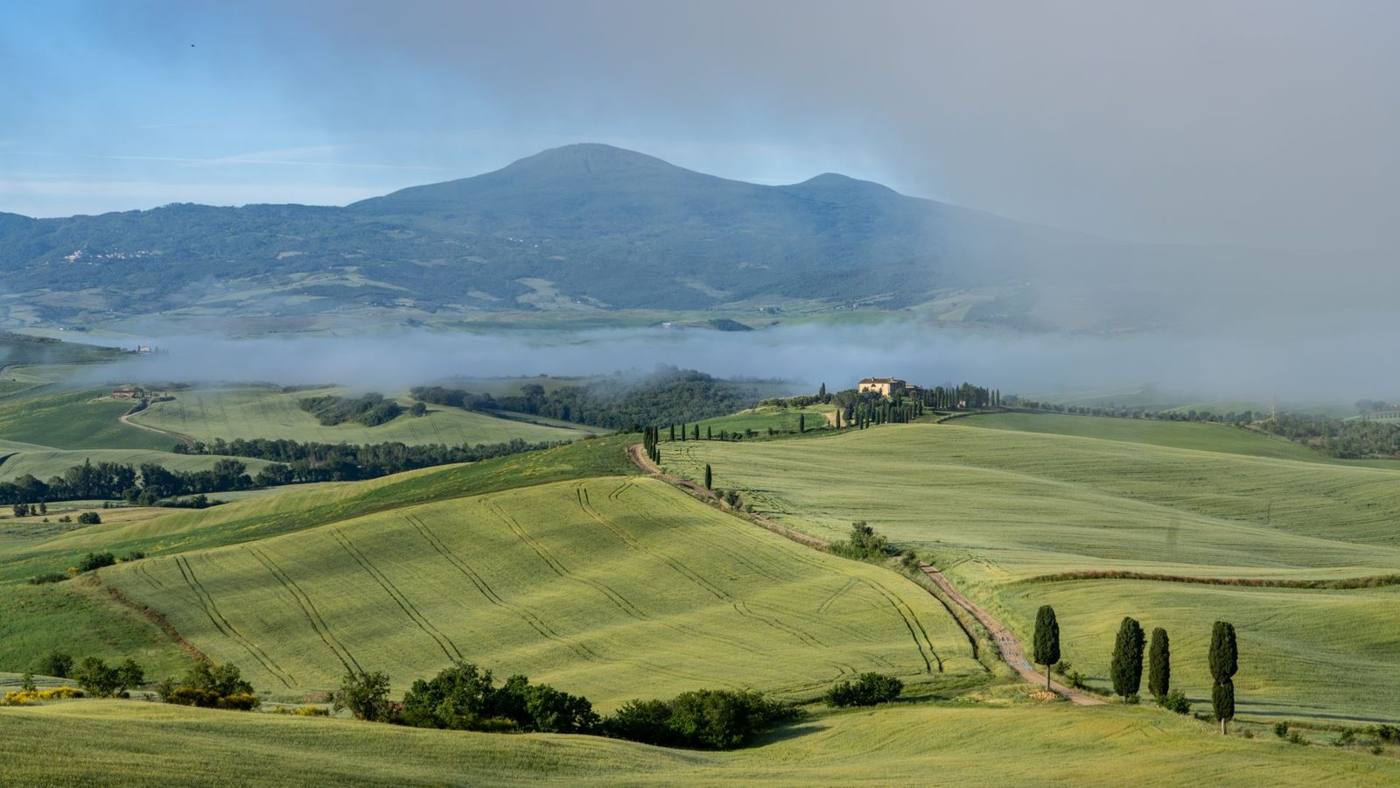
Tuscany: Val d'Orcia and Chianti
Siena and the Palio, San Gimignano, the Chianti vineyards, the cypresses of the Val d'Orcia, Pienza and Montepulciano.
- Florence
- Chianti
- San Gimignano
- Siena
- Pienza
- Montepulciano
- Montalcino
Day by day
- Day 1
From Florence to Chianti: Greve and Radda
Pick up your car in Florence in the morning, ideally outside the historic centre: rental offices at the airport or near the ring road let you avoid the limited traffic zone, where cameras send the fine to your home months later, even abroad. Take the Chiantigiana road, the SR 222, which climbs through vineyards, olive groves and holm-oak woods: Florence to Greve takes about forty minutes without stops.
Greve in Chianti has a funnel-shaped square lined with arcades, good for a coffee and for buying olive oil and cured meats. Continue to Panzano, which looks over a bowl of vineyards called the Conca d'Oro, and then to Radda, a compact, quiet medieval village on the ridge that you can walk round in half an hour. In the afternoon stop at Volpaia, a tiny inhabited castle a few kilometres from Radda.
To stay, choose a farm stay between Radda, Gaiole and Castellina: rooms on working estates are the best way to experience the countryside, and many serve dinner. In the evening try ribollita, crostini with chicken-liver pâté and peposo, a peppery beef stew born among the brick kilns of Impruneta. Practical tip: Chianti roads are narrow and winding; do not plan too many stops, and leave the driving to someone who is not tasting wine.
- Day 2
Chianti Classico wineries and Volterra
The morning is for wine. Chianti Classico estates, recognisable by the black rooster on the bottle neck, almost always run visits and tastings by appointment: write or call a day or two ahead and allow an hour and a half per visit, with the cellar, the barrels and the tasting. Two visits in one morning are already plenty. Between wineries stop at Castellina in Chianti, with the Via delle Volte, a covered walkway under the walls, and the Etruscan tumulus of Montecalvario just outside the village.
In the afternoon drive west to Volterra, about an hour and a quarter from Castellina. The town sits on a hill of tuff and alabaster: the Etruscan walls with the Porta all'Arco, the Roman theatre seen from above the walls, Piazza dei Priori with Tuscany's oldest town hall, and workshops where alabaster is still carved. The Guarnacci Etruscan museum holds the elongated bronze figure known as the Shadow of the Evening; the visit takes an hour.
Stay in Volterra for sunset, when the low light warms the surrounding hills, and have dinner in town before driving back. Tip: whoever drives must respect the alcohol limit; good estates usually offer a spittoon, and you can always buy a bottle to drink at home.
- Day 3
San Gimignano and Monteriggioni
Reach San Gimignano by nine: after that the coaches arrive and the main streets fill up. Park in the car parks outside the walls, as the centre is pedestrian only. Enter by Porta San Giovanni, walk up to Piazza della Cisterna with its well and on to Piazza del Duomo. The Collegiate Church has a fourteenth-century fresco cycle of Old and New Testament stories; the single ticket for the civic museums includes the Torre Grossa, the only tower you can climb, about 54 metres high: from the top you see the other towers and the Elsa valley.
Around midday leave the walls on the side of the Rocca di Montestaffoli, where a wide view opens among the olive trees with few visitors. This is the home of Vernaccia, Tuscany's best-known white wine, which you can taste in the town's wine shops.
In the afternoon drive about half an hour to Monteriggioni, a village enclosed by a ring of walls with fourteen towers, mentioned by Dante in the Inferno. The walkway on the walls is paid and takes half an hour. Tonight stay between Monteriggioni and Siena: tomorrow the city is seen on foot and it pays to be close. Tip: in August the heat and crowds in San Gimignano make an evening visit better, when the towers are lit.
- Day 4
Siena: Piazza del Campo, the Cathedral and the Torre del Mangia
Siena is seen on foot: leave the car in one of the outer car parks, many linked to the centre by escalators, because the whole centre is a limited traffic zone. Start at Piazza del Campo, the brick shell where the Palio is run. The Torre del Mangia is climbed in small groups with timed, limited entry: buy your ticket as soon as you reach the Palazzo Pubblico. Inside the palace, the Civic Museum holds Ambrogio Lorenzetti's fresco of Good and Bad Government, one of the most famous images of the Middle Ages; museum and tower together take two hours.
After lunch walk up to the Cathedral, with its inlaid marble floor, the Piccolomini Library frescoed by Pinturicchio and Nicola Pisano's pulpit. The whole floor is uncovered only at certain times of year, usually in summer and autumn: check the calendar of the Opera della Metropolitana. The same ticket covers the cathedral museum, where the Facciatone, the unfinished façade of the planned new cathedral, gives the best view over the Campo, as well as the crypt and the baptistery.
In the evening wander through the contrade, the city's seventeen districts, each with its own fountain and emblem. For dinner try pici, hand-rolled pasta, and panforte or ricciarelli for dessert. Tip: the Palio is run on 2 July and 16 August; on those dates accommodation costs more and must be booked months ahead.
- Day 5
Val d'Orcia: San Quirico, Bagno Vignoni and Pienza
From Siena head south along the Via Cassia, the SR 2: in an hour you are in the Val d'Orcia, a farming landscape listed by UNESCO. The most photographed wheat hills and cypress rows lie between San Quirico d'Orcia and Pienza; the white gravel roads are often private, so stop only in lay-bys and do not walk into the fields. In San Quirico visit the Romanesque collegiate church and the Horti Leonini, a small Renaissance Italian garden.
Five minutes away is Bagno Vignoni, a village that has a large pool of hot spring water instead of a main square, used since the Middle Ages. You cannot bathe in the pool; for a soak there are the paid thermal pools in the area and the no-cost pools of the Parco dei Mulini below the village, where the water runs down towards the river.
In the afternoon go to Pienza, the ideal town built by Pope Pius II in the fifteenth century: the square with the cathedral and Palazzo Piccolomini, and the walk along the walls with its view over the valley. This is where to buy pecorino di Pienza, young or aged. Stay at a farm stay between Pienza and Montepulciano. For dinner try pasta with breadcrumbs or with a ragù of cinta senese, the local black pig. Tip: in the Val d'Orcia the best light is early morning and sunset; at midday the landscape looks flat.
- Day 6
Montalcino and Montepulciano
In the morning go to Montalcino, half an hour from Pienza: the fourteenth-century fortress dominates the town and its ramparts look over the whole valley. This is the home of Brunello, a Sangiovese red that must age for a long time before release; many estates lie in the surrounding countryside and require booking. A few kilometres away, in a secluded valley, stands the Abbey of Sant'Antimo, Romanesque and built of pale stone: half an hour is enough, in silence, and during services tourist access is limited.
In the afternoon drive to Montepulciano, about fifty minutes. The town is narrow and steep: park at the bottom and walk up the Corso to Piazza Grande, with the cathedral and the town hall. Under many palaces there are cellars dug into the tuff where you can taste Vino Nobile di Montepulciano. Going down on the west side, outside the walls, you reach the Temple of San Biagio, a Renaissance church standing alone among cypresses.
For dinner stay in Montepulciano or return to your farm stay. Dishes to try: pici all'aglione, with a tomato sauce and the large, mild garlic of the Valdichiana, and Chianina beef steak. Tip: distances are short, but roads are slow and unlit; plan to be back before dark.
- Day 7
Back to Florence and departure
Montepulciano to Florence takes about an hour and a half on the motorway, joining at the Valdichiana exit. If your flight or train leaves in the afternoon, you can stop on the way: Cortona, very close to Montepulciano, is an Etruscan hill town with the Museum of the Etruscan Academy and a view over Lake Trasimeno; or the village of Lucignano, with its elliptical plan. Allow an hour for each stop.
Return the car at Florence airport or at an office outside the limited traffic zone: driving into the centre, even just to drop off luggage, is one of the most common and expensive mistakes. If you leave by train, the tram from the airport area reaches Santa Maria Novella station in about twenty minutes.
If you have a few hours in Florence, walk from Santa Maria Novella to the Duomo and the Ponte Vecchio, or climb to Piazzale Michelangelo for a last look at the city. Practical tip: fill up the tank before returning the car, as filling stations near the airport often charge more, and check the return time on your contract to avoid paying an extra day. Keep the fuel receipt and take a few photos of the car when you hand it back.
Italy's most famous countryside, best enjoyed slowly from a farm stay. A car is needed. Almost all historic centres are restricted traffic zones (ZTL): park outside, as fines are sent home even abroad. July and August are hot and the main villages crowded. Siena's Palio is run on 2 July and 16 August.
Before you go
- Documents and visa
- EU citizens only need a valid identity card or passport; hotels and guesthouses must register it on arrival. Other nationalities should check the visa rules for the Schengen area.
- Health and vaccines
- No vaccines required. EU citizens should bring their European Health Insurance Card (EHIC). Emergency number: 112.
- Money and payments
- Euro. Cards are accepted almost everywhere; many cities charge a tourist tax per night, paid directly at your accommodation.
- Power sockets
- Types C, F and L, 230 volts.
- Time zone
- Central European Time (UTC+1), summer time (UTC+2) from the last Sunday of March to the last Sunday of October.
- Safety
- A safe country. In big cities and on crowded public transport watch out for pickpockets. Emergencies: 112. Official advice: GOV.UK.
Information checked in November 2026 for Italian and EU citizens. Rules change: always check before you travel.
Variations
In 5 days: Chianti and San Gimignano on day one, Siena on day two, the Val d'Orcia with Pienza and Bagno Vignoni on day three, Montalcino and Montepulciano on day four, and back on day five. You skip Volterra and Monteriggioni.
In 10 days: add two nights in Florence at the start, a day in Lucca and Pisa, and a day on Monte Amiata or in the Maremma, with the no-cost hot springs of Saturnia and the tuff villages of Pitigliano and Sorano.
Frequently asked questions
Can I do it without a car?
Only in part. Florence, Siena and San Gimignano are linked by buses and regional trains, but Chianti and the Val d'Orcia have little public transport, with reduced timetables on Sundays. Without a car it is best to stay in Siena and take organised day trips.
When is the best time?
April to June, with green wheat and poppies, and September to October, with the grape harvest. July and August are hot and crowded; winter is quiet, but some wineries and farm stays close.
How do I avoid limited traffic zone fines?
Almost every historic centre in Tuscany is a limited traffic zone with cameras. Park in the signed car parks outside the walls and, if your accommodation is inside the zone, ask it in advance to register your number plate with the town.
Indicative itinerary written by World Atlas. Before booking, check timetables, seasonal openings, documents and safety.
 7 daysModerate
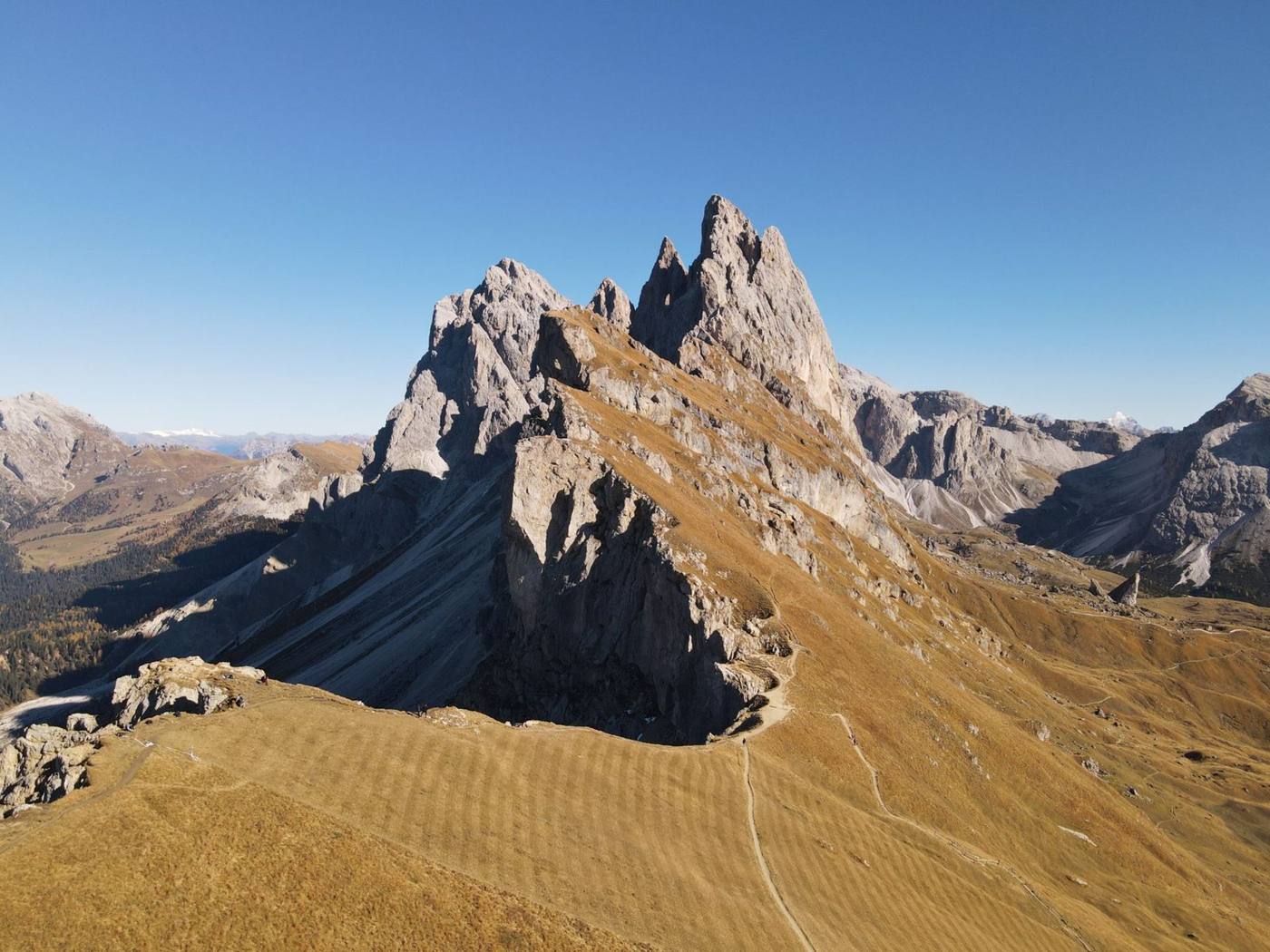
The Dolomites
Val Gardena and the Alpe di Siusi, Seceda, the Tre Cime di Lavaredo, Lake Braies and Cortina, among mountain huts and Dolomite passes.
 8 daysEasy
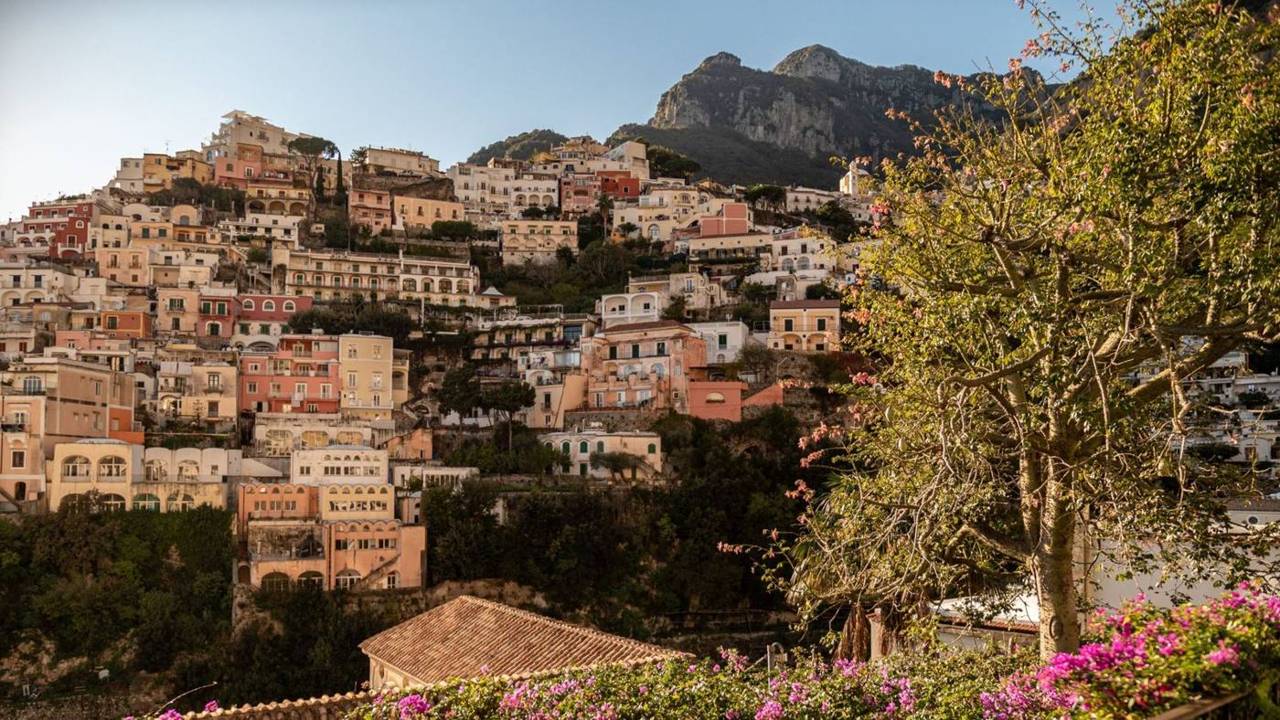
Naples, Pompeii and the Amalfi Coast
Naples and its pizza, the excavations of Pompeii and Herculaneum, Vesuvius, Positano and Amalfi, the Path of the Gods and the island of Capri.
 8 daysEasy
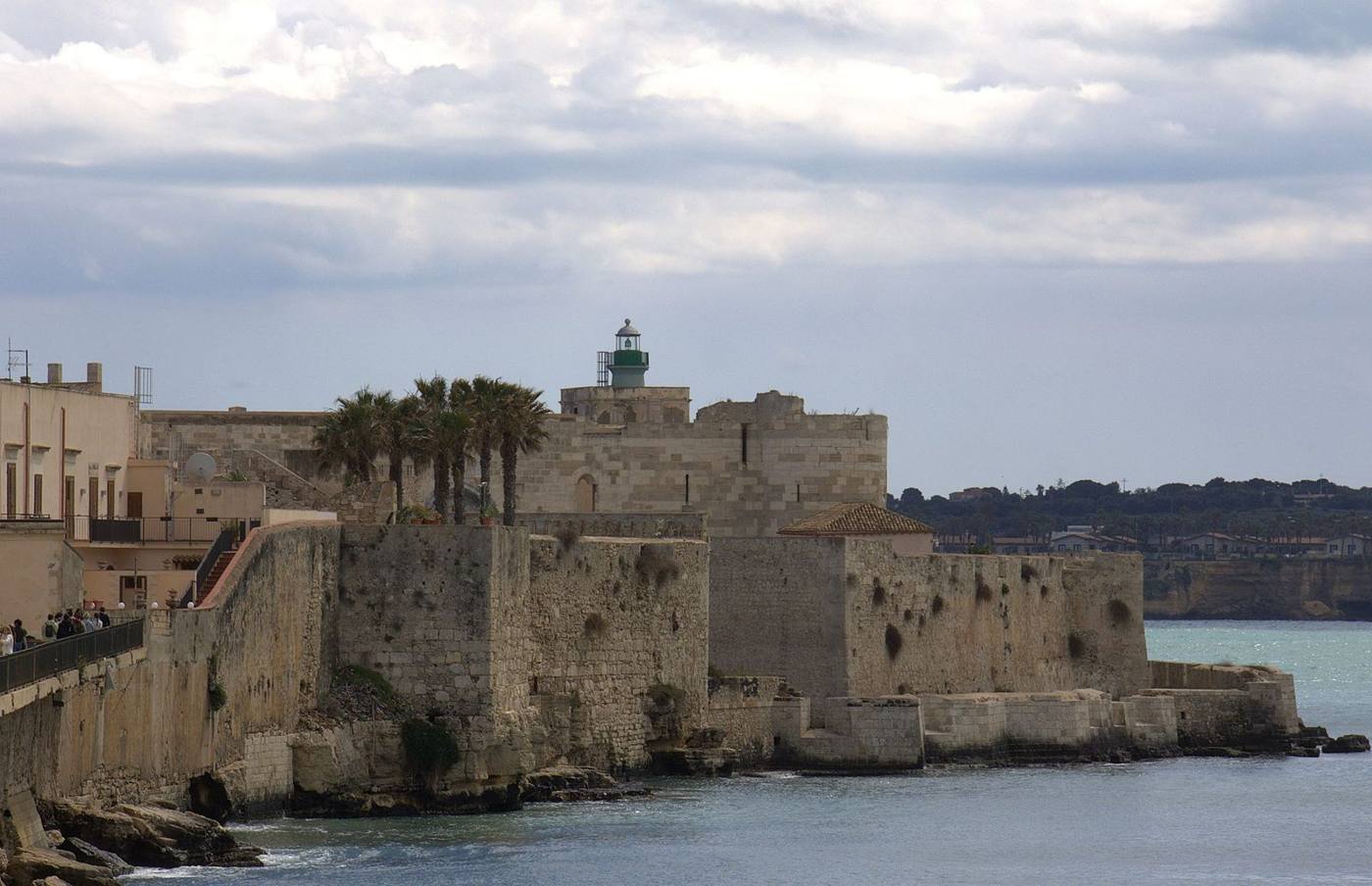
Eastern Sicily
Catania and Etna, Taormina, Syracuse and Ortigia, the baroque of Noto, Modica and Ragusa, the Vendicari reserve.