The Shannon and Clonmacnoise
Ireland's slow heart: the monastery of Clonmacnoise with its high crosses on the riverbank, Athlone and its castle, Birr Castle and gardens with their great 19th-century telescope, and a rented cruiser on the River Shannon with no boating licence needed.
- Athlone
- Clonmacnoise
- Birr
- Shannon
Day by day
- Day 1
By train from Dublin to Athlone
The Shannon is the longest river in Ireland and the British Isles: it flows for more than three hundred kilometres from north to south, through lakes, bogs and green meadows, to the Atlantic near Limerick. The centre of the country, known as the Midlands, is little visited by tourists, who usually head straight for the west coast, but here you find some of the most beautiful and peaceful places in Ireland: medieval monasteries, castles, villages and long stretches of river where the only sound is the boats.
In the morning take the train from Heuston station in Dublin to Athlone: the journey takes about an hour and a half through the countryside. Athlone is a town built on both banks of the Shannon, right where the river leaves the great Lough Ree; for centuries it was a strategic crossing between the east and west of the island.
In the afternoon visit Athlone Castle, a thirteenth-century Norman fortress on the riverbank, with a central keep and thick walls. Inside, a museum tells the story of the siege of 1691, one of the bloodiest episodes in the war between the Catholic King James II and the Protestant William of Orange, which changed the history of Ireland.
Then stroll around the district near the castle, with narrow streets, colourful houses and old pubs. Athlone has a pub that claims to be the oldest in Ireland, with a history said to go back more than a thousand years.
In the evening have Irish dishes such as lamb stew and brown bread, and listen to traditional music. Practical tip: buy your train ticket online a few days ahead: it costs less.
- Day 2
Clonmacnoise
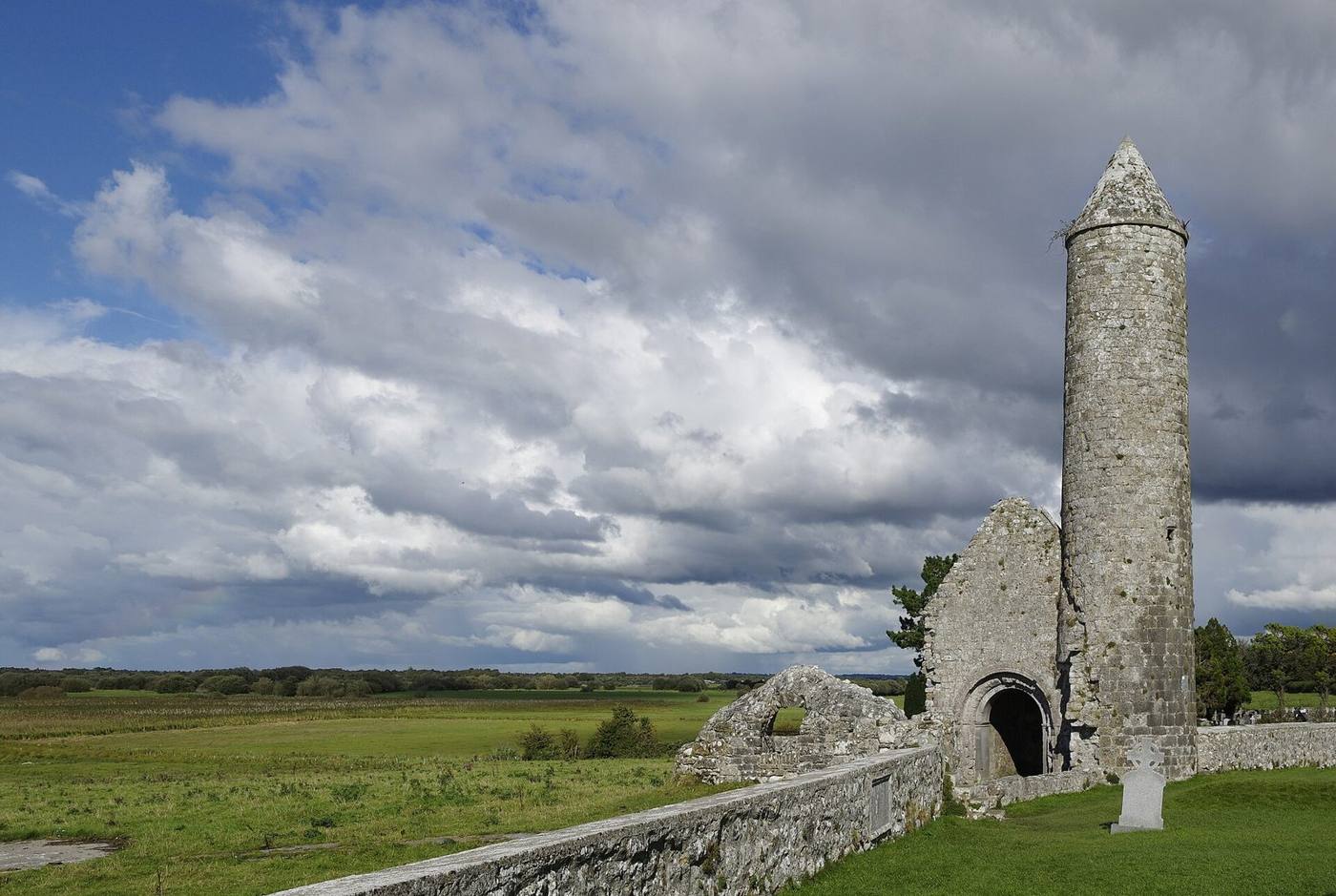
In the morning go to Clonmacnoise, about half an hour south of Athlone, by car or taxi, or by boat along the river in the summer months, when there are organised trips. It is one of the most important and beautiful places in Irish history: a monastery founded in 544 by Saint Ciarán where the Shannon crossed the ancient road that ran across the island from east to west, on a rise overlooking the river's marshes and flood meadows.
For centuries Clonmacnoise was one of Europe's great centres of learning and faith, with students arriving from the continent, craftsmen, scribes copying manuscripts and the kings of Ireland buried here. It was plundered many times by the Vikings, by the Irish themselves and by the English, but its ruins are still impressive.
Start at the visitor centre, where the three great original high crosses are kept, sheltered from the weather: the most famous is the Cross of the Scriptures, from the tenth century, carved with scenes from the Bible and the founding of the monastery. Outside, copies stand in their places.
Then walk among the ruins: the cathedral, eight small churches, two round towers, which served as bell towers and refuges during attacks, and hundreds of ancient grave slabs. From the cemetery wall look out over the river and the flood meadows, called callows, where the corncrake, now a rare bird, nests in summer.
In the afternoon return to Athlone. Practical tip: Clonmacnoise is a state-run site; it is busier in summer, so go when it opens.
- Day 3
Birr Castle and gardens
In the morning go to Birr, a Georgian town about an hour south of Athlone, with wide streets, squares and elegant eighteenth- and nineteenth-century houses. At the heart of the town is Birr Castle, still home to the family of the Earls of Rosse, who have owned it for more than four hundred years: the castle cannot be visited inside, but the great park and gardens can.
The Birr gardens are among the finest in Ireland: more than fifty hectares of lawns, lakes, rivers, waterfalls and woods, with rare trees brought from all over the world through the travels of the earls and their botanist friends. Look for the tallest box hedges in the world, according to the record books, and the formal garden with its hornbeam alleys.
But the most surprising thing in the park is the Leviathan, the great telescope built in 1845 by the third Earl of Rosse. For more than seventy years it was the largest telescope in the world: with it the earl was the first to observe the spiral shape of some galaxies, then called nebulae. The telescope has been restored and can be seen in the park, between its enormous stone walls. Nearby, the science and history centre tells of the family's discoveries, which include Countess Mary, one of Ireland's first photographers, and Charles Parsons, inventor of the steam turbine.
In the afternoon stroll around the centre of Birr and return to Athlone in the evening.
Practical tip: the Birr gardens are open all year, but the finest seasons are spring, with magnolias and rhododendrons in bloom, and autumn, with the colours of the trees.
- Day 4
Half a day on a boat on the Shannon and the journey home
On the last morning discover the Shannon from the water. From Athlone, mainly from spring to autumn, boats leave on river trips: some go south to Clonmacnoise, others go north into Lough Ree, the second-largest lake on the Shannon, with islands, woods and small inlets. On the lake's islands stand the ruins of ancient monasteries, such as Inchcleraun, founded according to tradition in the fifth century.
If you prefer, you can hire a small motorboat without a licence for a few hours, or a kayak, and explore the calm waters near the town on your own. Along the banks you see herons, swans, cormorants and anglers sitting on the jetties. In Ireland a boating holiday on the Shannon is very popular: people hire a cabin cruiser for a week and sail from one village to the next, mooring in small harbours for the night.
After the trip return to town, have lunch in one of the riverside pubs with fish or lamb, and pack your bags.
In the afternoon take the train to Dublin, or continue west to Galway, about an hour by train, to carry on your trip on the Atlantic coast and in Connemara.
Practical tip: Shannon boat trips depend on the season and the weather; check times and book. Irish weather changes often: always carry a waterproof jacket, even in summer.
Shannon cruisers can be driven after a short lesson, but they are usually rented for at least three or four nights: for a single day there is the tourist cruise from Athlone. A valid identity card is enough for EU citizens.
Before you go
- Documents and visa
- EU citizens need only a valid identity card or passport. Ireland is in the European Union but not in the Schengen area, so documents are checked on arrival.
- Health and vaccines
- No vaccines required. The European Health Insurance Card is valid. Emergencies: 112 or 999.
- Money and payments
- Euro. Cards are accepted almost everywhere, including in pubs and for small amounts.
- Power sockets
- Type G, three rectangular pins, 230 volts: you need an adapter.
- Time zone
- UTC in winter, UTC+1 in summer.
- Safety
- A very safe country. Watch for pickpockets in cities; on Atlantic cliffs and beaches waves and wind can be dangerous. Traffic drives on the left. Official advice: GOV.UK.
Information checked in November 2026 for Italian and EU citizens. Rules change: always check before you travel.
Variations
In 2 days: Athlone and Clonmacnoise, as a day trip from Dublin or with a night in Athlone.
In 7 days: continue west to Galway, then Connemara and the Aran Islands.
Frequently asked questions
Do I need a car?
Not for Athlone, but it is useful for Clonmacnoise and Birr, as buses are few. Otherwise there are taxis, organised trips and, in summer, boats to Clonmacnoise.
When is the best time to go?
From May to September, with long days and the boats running. In spring the Birr gardens are in bloom.
Can I sail on the Shannon without a licence?
Yes, in Ireland you can hire small boats and cabin cruisers on the Shannon without a boating licence, after a short briefing when you pick them up.
Indicative itinerary written by World Atlas. Before booking, check timetables, seasonal openings, documents and safety.
 12 daysEasy
The Wild Atlantic Way
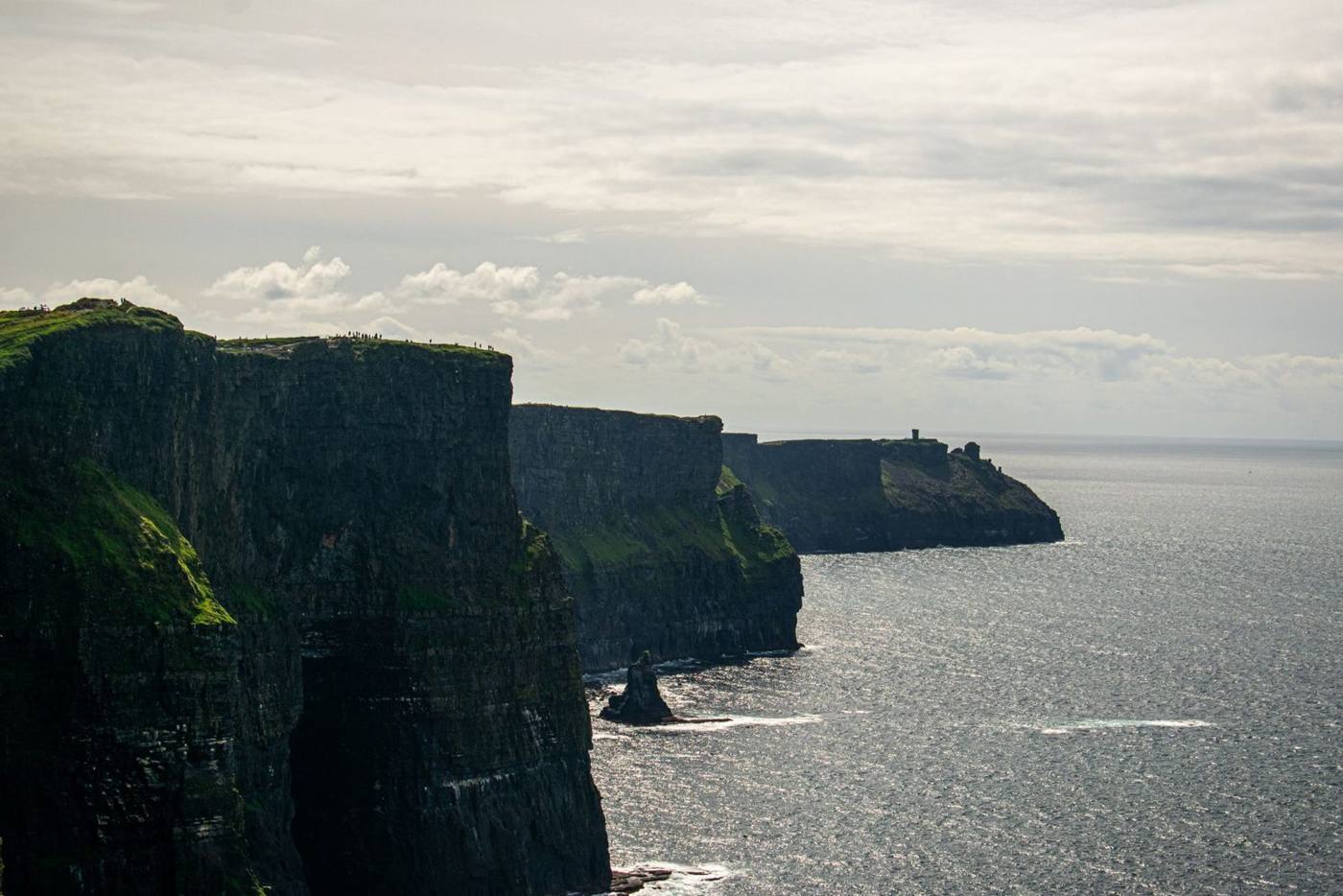
The west coast from Galway to Kerry: Connemara, the Aran Islands, the Burren, the Cliffs of Moher, the Dingle Peninsula and the Ring of Kerry.
 5 daysEasy
Dublin, Wicklow and Newgrange
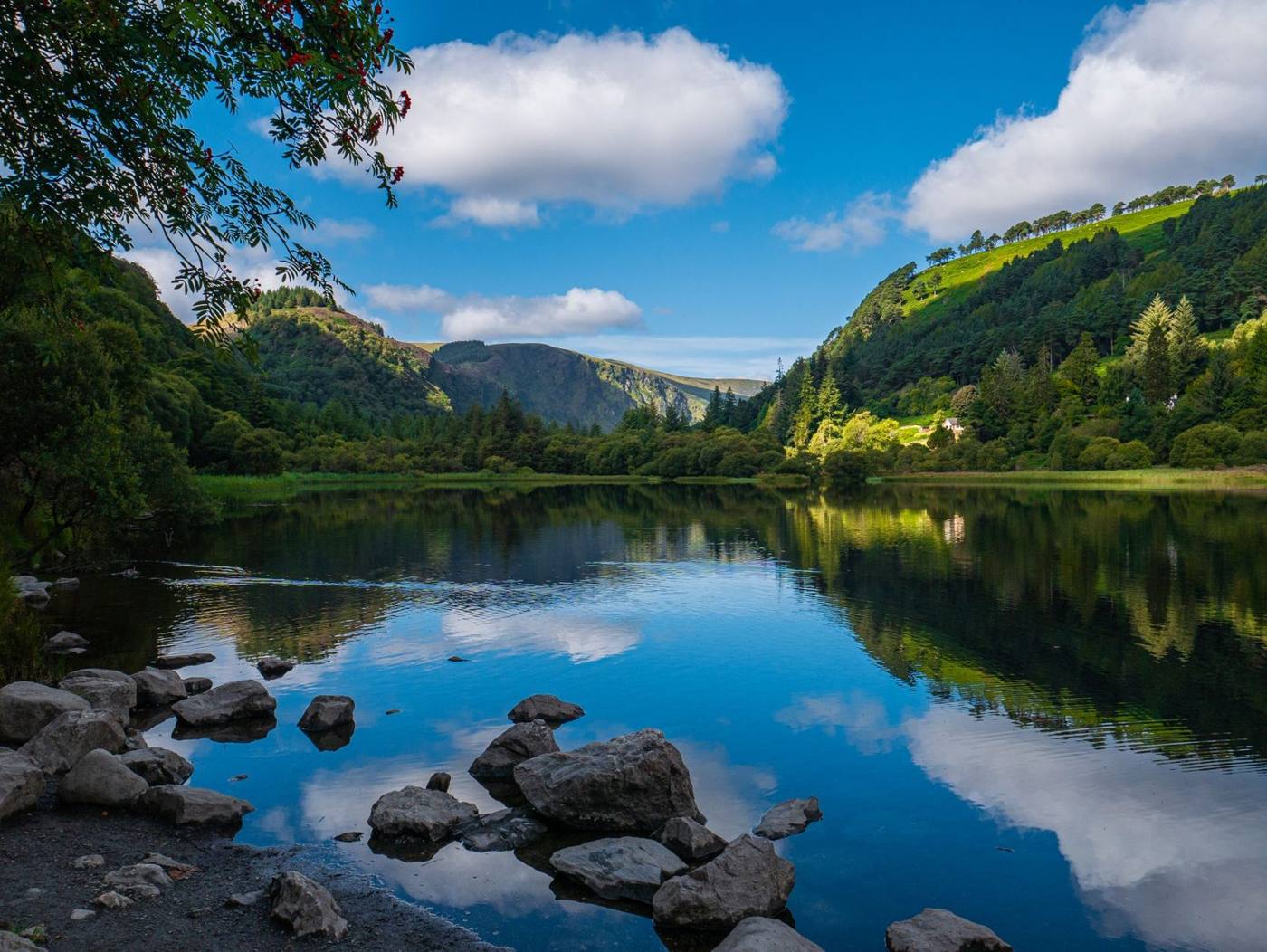
Dublin with Trinity College and its music pubs, the Wicklow Mountains with Glendalough monastery and the Neolithic tomb of Newgrange.
 6 daysEasy
The Ring of Kerry and Dingle
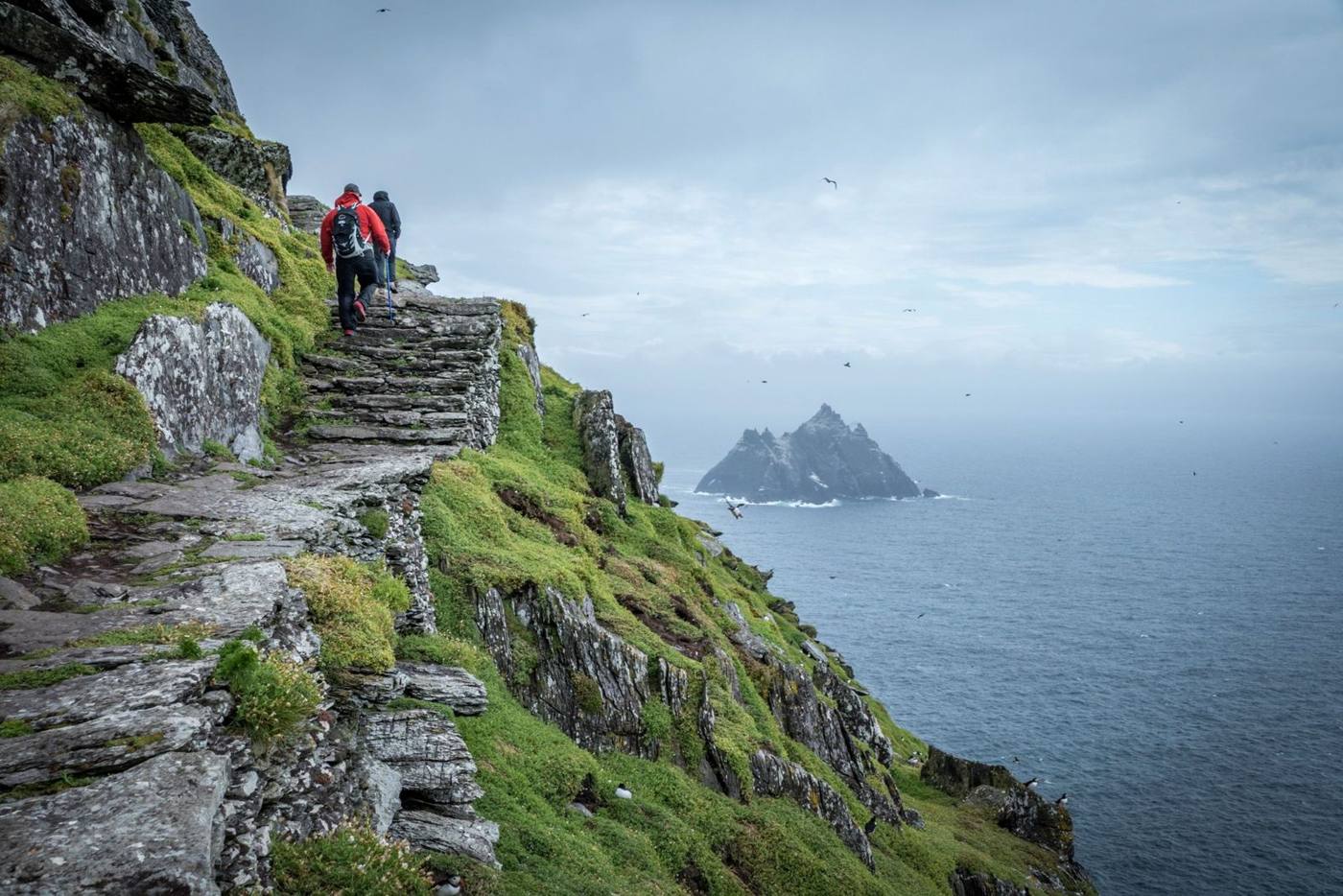
Kerry at a gentle pace: Killarney and the Gap of Dunloe, the Ring of Kerry and the Skellig Ring, the Dingle Peninsula and its pubs.