Sligo and Yeats Country
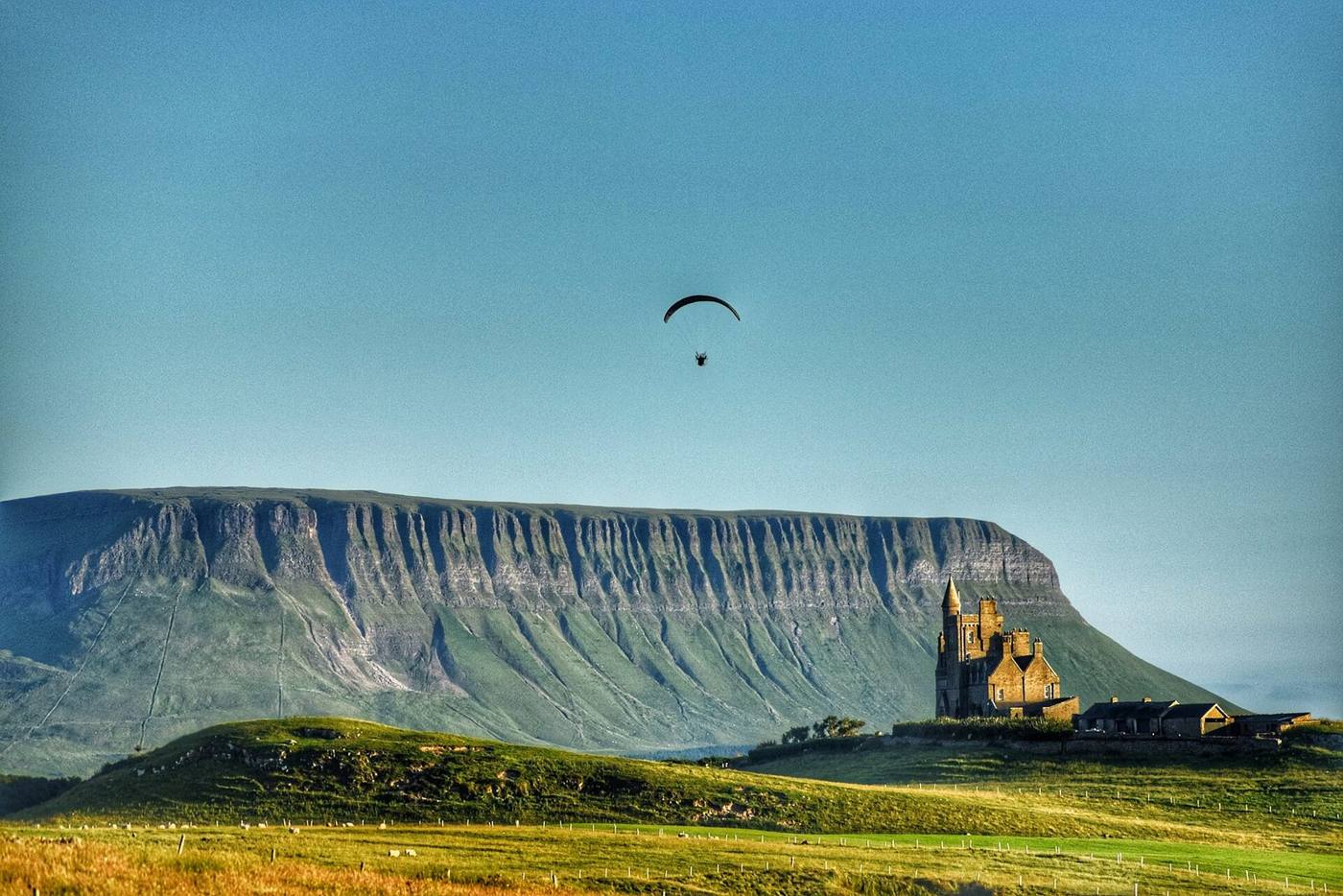
The poet's county: the rock table of Benbulben and Yeats's grave at Drumcliff, the lake isle of Innisfree, the megalithic tombs of Carrowmore and Carrowkeel, among the oldest in Ireland, surfing at Strandhill and Glencar waterfall.
- Sligo
- Drumcliff
- Carrowmore
- Strandhill
- Glencar
Day by day
- Day 1
By train from Dublin to Sligo and the town on the Garavogue
Sligo is a small town on Ireland's north-west coast, held between the sea, the mountains and the lakes, and it is the country of the poet William Butler Yeats, Nobel Prize in Literature in 1923. He spent his childhood summers here, at his mother's parents' home, and returned in his imagination all his life: many of his poems are about these places. Today County Sligo is still uncrowded, perfect for anyone looking for rural Ireland without the crowds of Kerry.
In the morning take the train from Connolly station in Dublin: in about three hours you cross the central plains and arrive in Sligo. You do not need a car for the town, but for the next few days it is worth hiring one here or using taxis and organised tours.
In the afternoon walk through the centre on the banks of the Garavogue river, which flows out of Lough Gill and down to the sea. Visit Sligo Abbey, a Dominican friary founded in 1253, with its cloister, carved altar and medieval tombs: it is the only medieval building left in the town. Then pass the statue of Yeats, wrapped in his own poems, and the nearby Yeats Building, home to the society that runs an international summer school devoted to the poet every year.
If you like art, visit The Model, the contemporary arts centre, whose collection includes works by Jack B. Yeats, the poet's painter brother.
In the evening Sligo has several pubs with live traditional music, especially at weekends. Taste seafood chowder with brown bread. Practical tip: buy your train ticket online a few days ahead; it is cheaper and your seat is guaranteed.
- Day 2
The tombs of Carrowmore and the climb up Knocknarea
In the morning go to Carrowmore, five kilometres south-west of the town: it is one of the largest and oldest megalithic cemeteries in Europe, with about thirty visible stone tombs, boulder circles and dolmens scattered among fields and farms. Some are more than five thousand years old, older than the pyramids of Egypt. In the centre is the largest tomb, reconstructed, which you can enter. A small visitor centre, usually open from spring to autumn, explains the site; in winter you can walk among the stones, but with no facilities.
From Carrowmore you see the mountain that dominates the whole area: Knocknarea, 327 metres high, crowned by a huge heap of stones, Queen Maeve's cairn. According to legend it is the tomb of the warrior queen of Connacht, buried standing upright facing her enemies in Ulster. In fact it is a Neolithic tomb that has never been excavated.
In the early afternoon climb to the top: from the car park on the east side, the path, partly with steps and boardwalks, takes about forty minutes uphill. The view is extraordinary: Sligo Bay, the Atlantic Ocean, Benbulben and, on clear days, the mountains of Donegal. Do not climb on the cairn and do not take or add stones: it is a protected monument.
Go down to Strandhill, on the sea, a long wild beach loved by surfers, where swimming is dangerous because of the currents. Here you can try a hot seaweed bath, a tradition of the west coast. Practical tip: on Knocknarea the wind is strong and the weather changes fast; bring a waterproof jacket even in summer.
- Day 3
Drumcliff, Benbulben and Glencar waterfall
In the morning drive north for about ten minutes to Drumcliff, a small village at the foot of Benbulben. Here, in the churchyard of the Protestant church, Yeats is buried; he died in France in 1939 and was brought back to Ireland in 1948, as he had asked. On the simple headstone is the epitaph he wrote himself in one of his last poems. The place was linked to his family: his great-grandfather had been rector here. Beside the church stand a round tower and a carved high cross from the tenth or eleventh century, all that remains of a monastery founded by Saint Columba.
Then head closer to Benbulben, Ireland's most famous mountain, a limestone plateau with an unmistakable shape, sheer ribbed walls and a flat top like the prow of a ship. The summit is not always accessible, because the land is private and the edges are dangerous, but at its foot runs the Benbulben forest walk, an easy loop of about four kilometres through woods and meadows, with views of the rock walls.
In the afternoon go to Glencar waterfall, just across the border in County Leitrim, about twenty minutes away. A short woodland path leads to the waterfall, about fifteen metres high, which is at its best after rain. Yeats mentions it in one of his early poems about fairies. Then follow the shore of Glencar lake, squeezed between the hills.
If you still have time, at sunset go to Mullaghmore, a small harbour with Classiebawn castle on the headland, seen from outside. Practical tip: the roads are narrow and there are sheep on the road; drive slowly.
- Day 4
Lough Gill, Innisfree and the journey home
The last day is devoted to Lough Gill, east of Sligo, a long calm lake surrounded by woods and hills at the heart of Yeats's landscape. You can drive around the lake, about forty kilometres, stopping at viewpoints and in the woods.
Start in the morning at Hazelwood forest, on the north-west shore, with paths among the trees and wooden sculptures. Then reach Parke's Castle, on the north shore, a well-restored seventeenth-century fortified house, usually open from spring to autumn, with guided tours telling the story of the English plantation in the area.
From here, in summer, boat trips leave on the lake, passing the islet of Innisfree, the small wooded island made famous by Yeats's poem in which the poet, in London, dreams of living alone in a cabin. The island is tiny and uninhabited, and you see it from the water or from the south shore. Alternatively walk up Dooney Rock on the south shore, a short woodland path to a viewpoint over the lake and its islands.
For lunch go back to Sligo, then take the afternoon train to Dublin or continue north to Donegal or south-west to Mayo and Achill.
Practical tip: boat trips on Lough Gill usually run only from spring to autumn and depend on the weather; check the times beforehand. The best way to prepare for this trip is to read a few of Yeats's early poems: the places come much more alive.
Currents are strong at Strandhill: swim only where marked and lifeguarded. Much of Benbulben is private land: use the marked Gortarowey trail. A valid identity card is enough for EU citizens.
Before you go
- Documents and visa
- EU citizens need only a valid identity card or passport. Ireland is in the European Union but not in the Schengen area, so documents are checked on arrival.
- Health and vaccines
- No vaccines required. The European Health Insurance Card is valid. Emergencies: 112 or 999.
- Money and payments
- Euro. Cards are accepted almost everywhere, including in pubs and for small amounts.
- Power sockets
- Type G, three rectangular pins, 230 volts: you need an adapter.
- Time zone
- UTC in winter, UTC+1 in summer.
- Safety
- A very safe country. Watch for pickpockets in cities; on Atlantic cliffs and beaches waves and wind can be dangerous. Traffic drives on the left. Official advice: GOV.UK.
Information checked in November 2026 for Italian and EU citizens. Rules change: always check before you travel.
Variations
In 3 days: Carrowmore and Knocknarea on day one, Drumcliff and Glencar on day two, Lough Gill on day three, arriving by car from Dublin.
In 7 days: combine Sligo with Donegal, with the Slieve League cliffs and Glenveagh park, or with Mayo and Achill Island.
Frequently asked questions
Do I need a car?
Not for the town, but for Carrowmore, Knocknarea, Drumcliff and Lough Gill it is very useful: local buses are few. Otherwise there are taxis and organised tours from Sligo.
When is the best time to go?
From May to September, with long days and the sites and boats open. At the end of July there is the summer school devoted to Yeats, with events and readings.
Can you climb Benbulben?
The summit is on private land with dangerous edges, and there are no official marked paths to the top. The forest walk at the foot of the mountain is the safest choice.
Indicative itinerary written by World Atlas. Before booking, check timetables, seasonal openings, documents and safety.
 4 daysEasy
The Shannon and Clonmacnoise
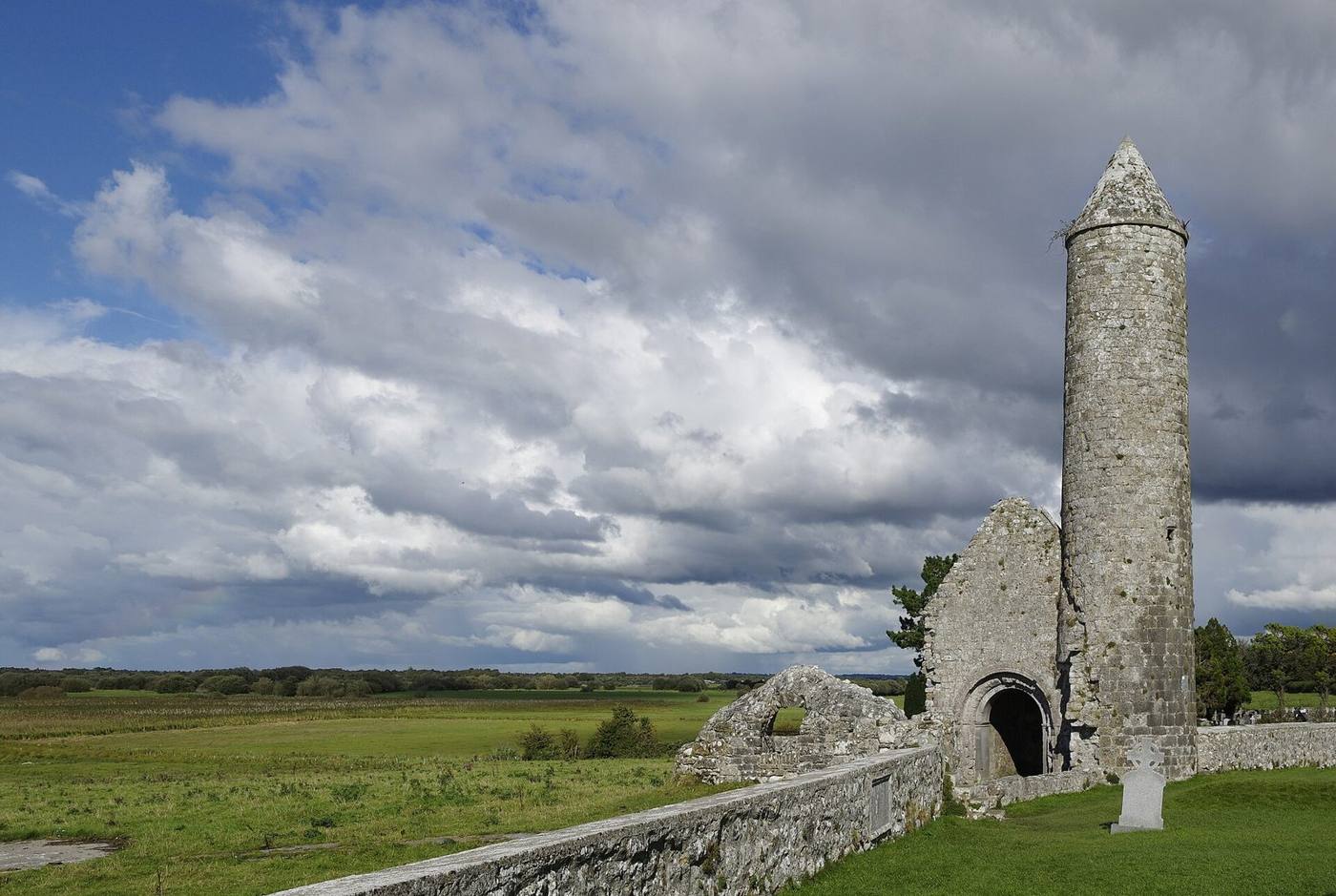
Ireland's slow heart: the monastery of Clonmacnoise with its high crosses on the riverbank, Athlone and its castle, Birr Castle and gardens with their great 19th-century telescope, and a rented cruiser on the River Shannon with no boating licence needed.
 12 daysEasy
The Wild Atlantic Way
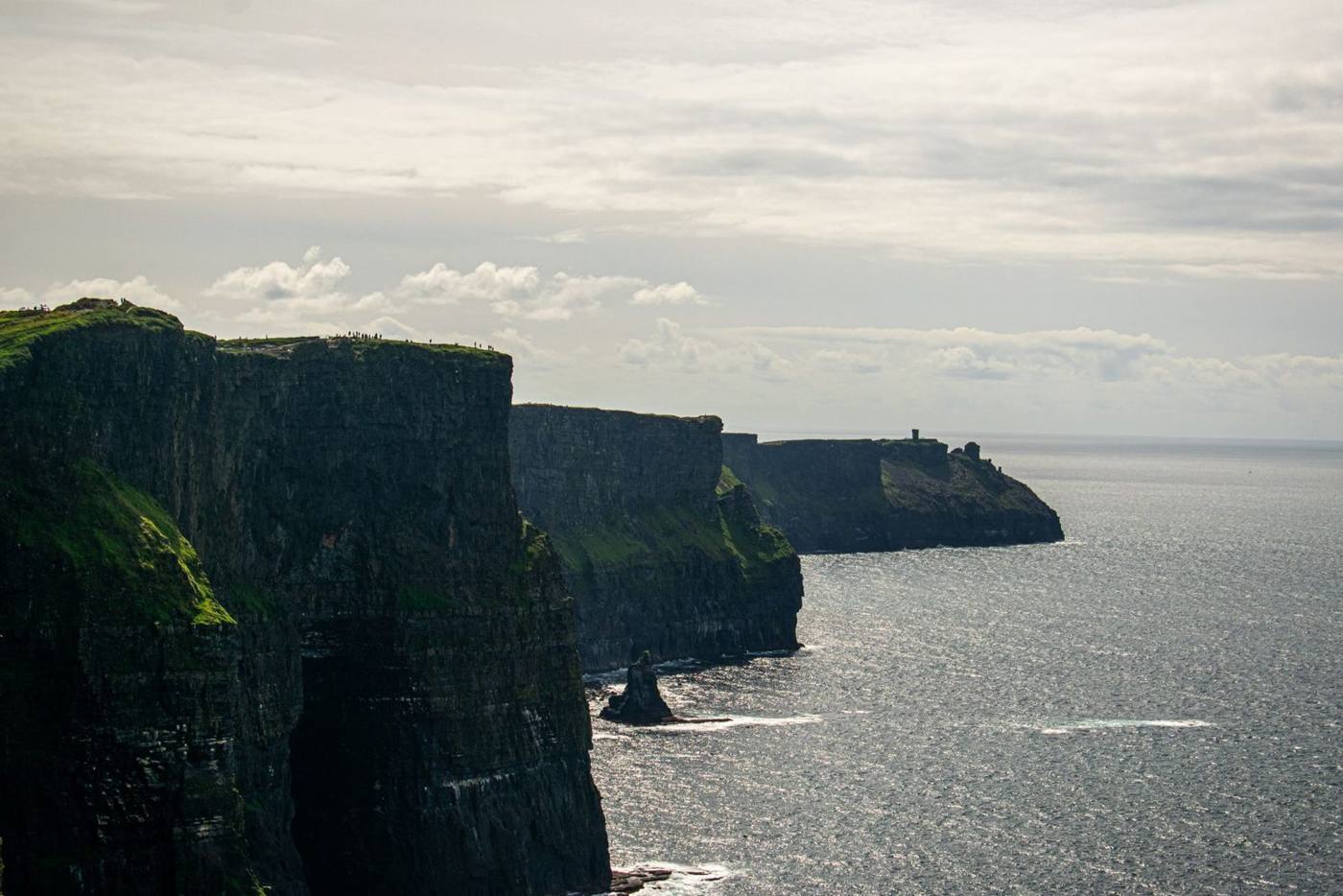
The west coast from Galway to Kerry: Connemara, the Aran Islands, the Burren, the Cliffs of Moher, the Dingle Peninsula and the Ring of Kerry.
 5 daysEasy
Dublin, Wicklow and Newgrange
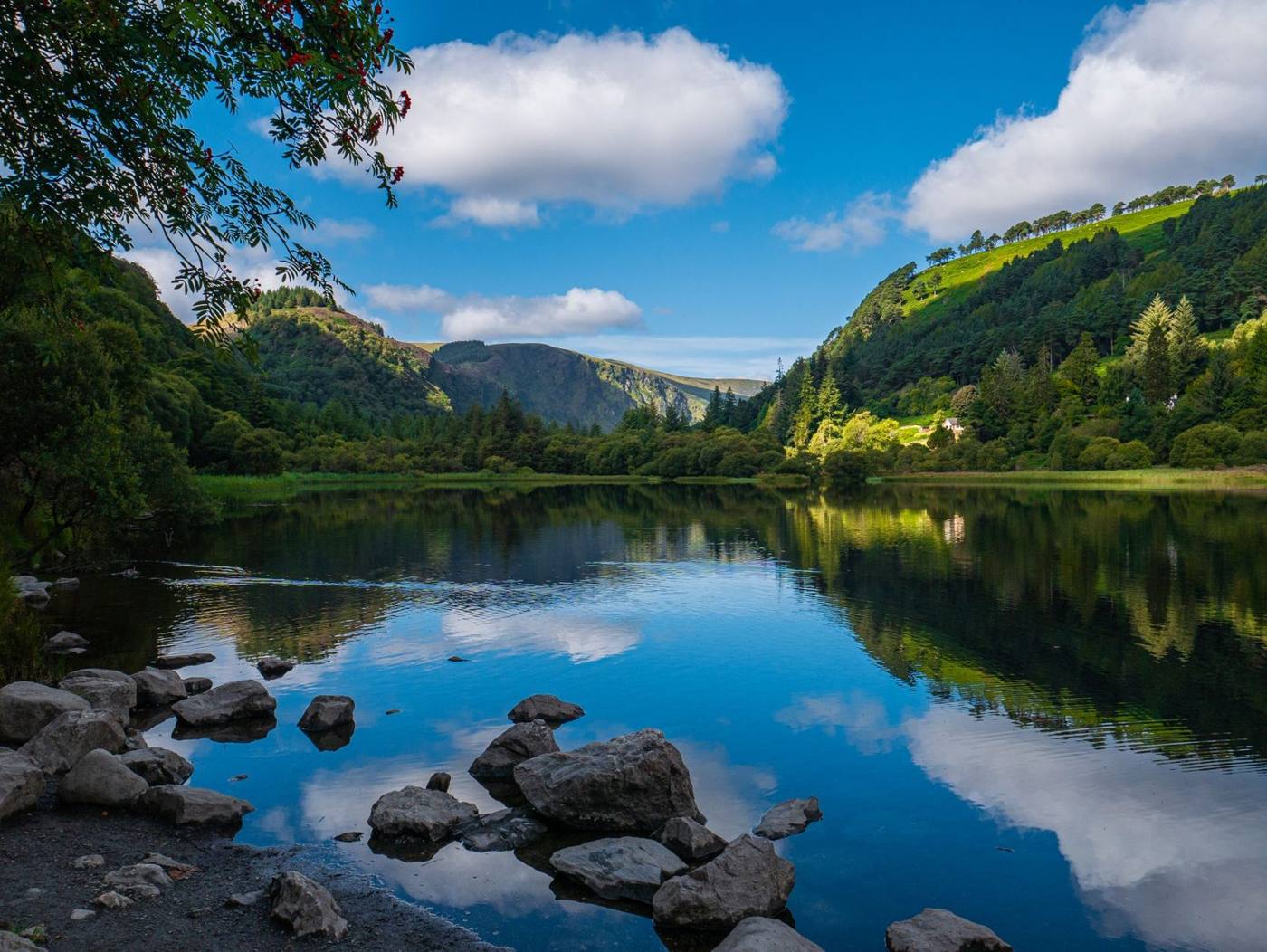
Dublin with Trinity College and its music pubs, the Wicklow Mountains with Glendalough monastery and the Neolithic tomb of Newgrange.