Cork, Kinsale and West Cork
The foodie south: Cork's English Market, the colourful harbour of Kinsale, Cobh and the Titanic, the villages and bays of West Cork.
- Cork
- Cobh
- Kinsale
- Clonakilty
- Baltimore
- Mizen Head
Day by day
- Day 1
Cork and the English Market
To enter Ireland EU citizens can use a valid identity card or passport; Ireland is in the European Union but not in the Schengen area, so documents are always checked on arrival. Check the rules for your nationality.
Cork, the second city of the Republic of Ireland, in the south of the country, is built on an island between two channels of the River Lee, with bridges, lanes, colourful houses and hills. Locals proudly call it the real capital, for its long history of rebellion and independence. Its airport, with flights from many European cities, is about a quarter of an hour from the centre.
In the morning visit the English Market, the city's covered market, open since the eighteenth century, with iron and glass galleries and stalls of fresh fish, meat, Irish cheeses, bread, spices and local specialities such as drisheen, a blood sausage, and tripe. It is one of the oldest covered markets in Europe still in use.
Then walk along St Patrick's Street, the main street, curved like the river channel that once ran through it, and the Shandon district on the north hill. Here St Anne's church has a bell tower where visitors can ring the bells themselves, following the scores of famous tunes. Next door is the Butter Museum, telling how in the nineteenth century Cork was the largest butter market in the world.
In the afternoon visit St Fin Barre's Cathedral, in French neo-Gothic style with three spires, and Cork City Gaol, now a museum with nineteenth-century cells.
In the evening listen to live traditional Irish music in a pub in the centre.
Practical tip: in Ireland you drive on the left, and the weather changes very quickly: always carry a waterproof jacket.
- Day 2
Cobh, the Titanic's last port and the port of Irish emigration
In the morning take the train from Cork to Cobh, about twenty-five minutes, along the great bay of Cork Harbour, one of the largest natural harbours in the world. Cobh is a colourful hillside town, with houses painted every colour stepped up the slope, known as the Deck of Cards, and the great neo-Gothic St Colman's Cathedral at the top, with a carillon of almost fifty bells.
For more than a century millions of Irish people left from here for America, Australia and Canada, especially during and after the Great Famine of the nineteenth century. The Cobh Heritage Centre, in the old railway station, tells the story of emigration, of the convict ships to Australia and of the great ocean liners. On the quay, the statue of Annie Moore and her brothers remembers the first immigrant registered at Ellis Island in New York in 1892.
On 11 April 1912 the Titanic made its last call here before sinking in the Atlantic four days later; more than a hundred passengers boarded. Titanic Experience, in the former shipping line office from which passengers went out to the ship, recreates their journey. Cobh also remembers the sinking of the Lusitania, torpedoed off the coast in 1915, with a memorial in the square and graves in the old cemetery.
In the afternoon take the ferry to Spike Island in the bay, with a star-shaped fortress that was a prison for centuries.
Practical tip: the Spike Island ferry does not run every day in winter; check times and book.
- Day 3
Kinsale: the harbour and Charles Fort
In the morning drive south to Kinsale, about half an hour, a fishing village at the mouth of the River Bandon, with narrow streets, painted houses, sailing boats in the harbour, craft shops and art galleries. It is considered Ireland's gourmet capital for the quality of its fish and seafood cooking, and hosts a food festival in autumn.
Kinsale has a long history: in 1601 the Battle of Kinsale was fought here, in which the English defeated the Irish and their Spanish allies, an event that marked the end of the old Gaelic Ireland. In the centre you can see the Norman church of St Multose, from the twelfth century, and Desmond Castle, a sixteenth-century tower house used to hold French prisoners in the eighteenth century.
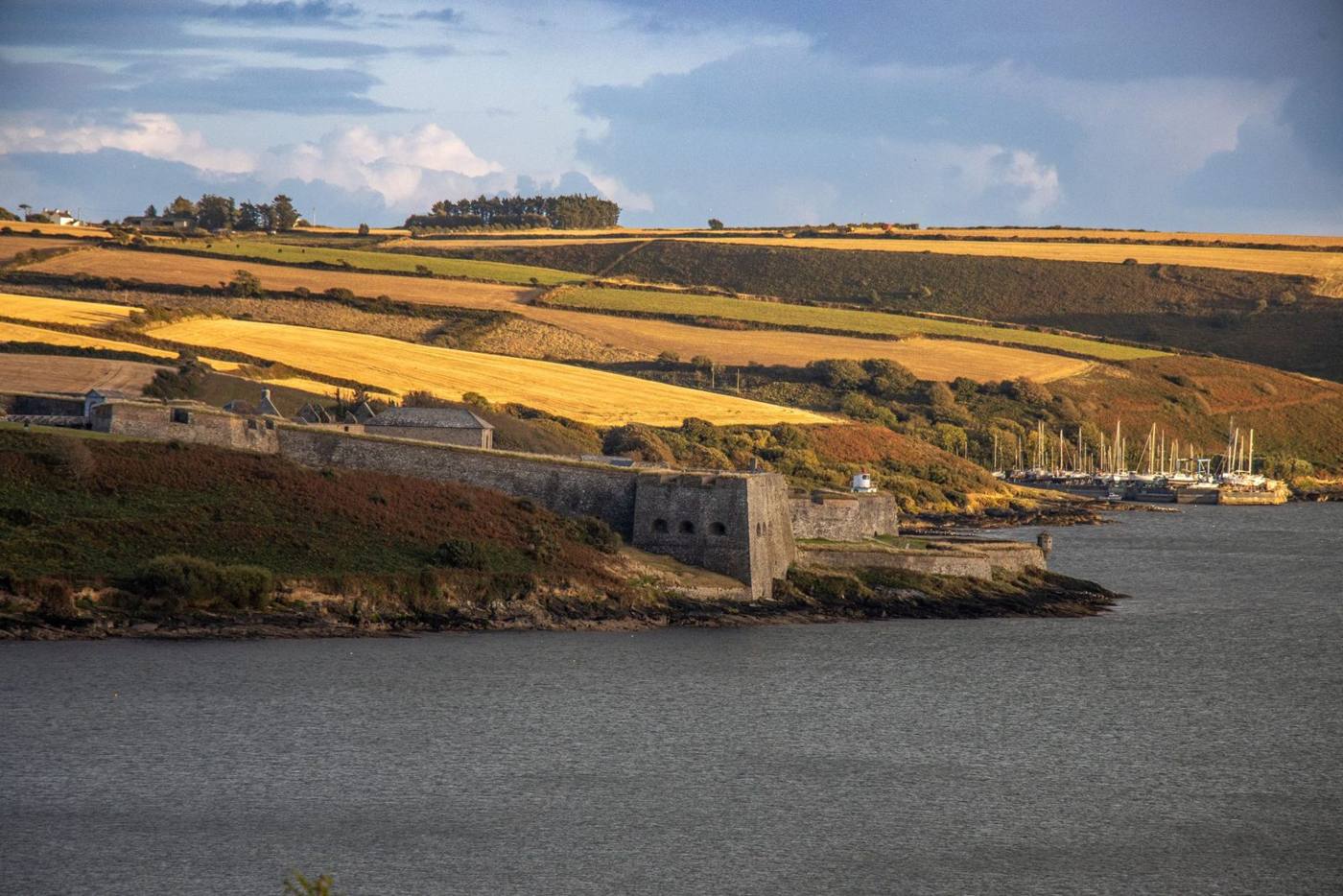
Then follow the seaside path known as the Scilly Walk, about half an hour, to the village of Summercove, from which you reach Charles Fort, a large star-shaped fortress built in the seventeenth century to defend the harbour, with walls, barracks and gun batteries rising sheer above the water. From the walls you see the harbour entrance and, on the other side, James Fort.
In the afternoon drive out to the headland of the Old Head of Kinsale, with its lighthouse, from which you see the spot where the Lusitania was torpedoed.
Practical tip: in summer Kinsale is very crowded; book accommodation in advance.
- Day 4
West Cork: Clonakilty, Baltimore and Mizen Head lighthouse
In the morning drive west along the coast through West Cork, a region of green hills, small harbours, colourful villages, islands and wild bays. The first stop is Clonakilty, a lively market town and birthplace of Michael Collins, one of the leaders of the Irish War of Independence, killed in 1922 during the civil war; there is a centre dedicated to him in town. Clonakilty is also famous for its black pudding. Nearby is the Drombeg stone circle, a Bronze Age monument of seventeen stones aligned with the winter solstice sunset.
Continue to Baltimore, a fishing village with a castle and the Beacon, a white cone-shaped marker on the cliffs at the harbour entrance. In 1631 Baltimore was raided by Barbary pirates, who kidnapped about a hundred residents to sell as slaves in North Africa. From here ferries leave for Sherkin Island and Cape Clear, Ireland's southernmost inhabited island.
In the afternoon reach Mizen Head, the south-westernmost point of Ireland, with a signal station on an islet linked to the mainland by a suspension bridge over the sea, reached by a cliff path. One of the first transatlantic radio messages arrived here. With some luck you see seals, dolphins and, in summer, whales.
In the evening sleep in one of the coastal villages, such as Skibbereen or Schull.
Practical tip: West Cork roads are narrow and winding; allow plenty of time.
- Day 5
Back to Cork and departure
In the morning drive back towards Cork, about two hours. If time allows, stop at Skibbereen, a market town hit hard by the Great Famine of the nineteenth century, with a heritage centre that tells the story of those years, when a million Irish people died of hunger and as many emigrated. Or go via Bantry, with Bantry House, an eighteenth-century mansion with terraced gardens over the bay.
On the way to the airport, about ten kilometres north of Cork, you can visit Blarney Castle, a fifteenth-century grey stone fortress with a large park, a poison garden and a rock garden. At the top of the tower is the famous Blarney Stone: tradition says that whoever kisses it, leaning backwards over the drop while a guide holds on, receives the gift of eloquence. In high season the queue to climb can be long; arrive at opening time.
In the afternoon, if you still have time, take a last walk through Cork's English Market to buy cheeses and local products.
Cork Airport has flights to many European cities, including London, Amsterdam and Paris; trains from Cork reach Dublin in about two and a half hours.
Things to take home: Irish cheeses, tweed, Aran wool sweaters, Irish whiskey, Irish butter and tea.
Practical tip: check your government's travel advice before leaving.
Ireland for those who love good food, with excellent local produce and seafood. Less famous than Kerry and quieter. West Cork has narrow roads and scattered villages, so a car is needed. It combines well with the Ring of Kerry.
Before you go
- Documents and visa
- EU citizens need only a valid identity card or passport. Ireland is in the European Union but not in the Schengen area, so documents are checked on arrival.
- Health and vaccines
- No vaccines required. The European Health Insurance Card is valid. Emergencies: 112 or 999.
- Money and payments
- Euro. Cards are accepted almost everywhere, including in pubs and for small amounts.
- Power sockets
- Type G, three rectangular pins, 230 volts: you need an adapter.
- Time zone
- UTC in winter, UTC+1 in summer.
- Safety
- A very safe country. Watch for pickpockets in cities; on Atlantic cliffs and beaches waves and wind can be dangerous. Traffic drives on the left. Official advice: GOV.UK.
Information checked in November 2026 for Italian and EU citizens. Rules change: always check before you travel.
Variations
In 3 days: Cork on day one, Cobh on day two, Kinsale and Charles Fort on day three.
In 8 days: add the Ring of Kerry, Killarney National Park and the Dingle Peninsula.
Frequently asked questions
Which document do I need for Ireland?
A valid identity card or passport for EU citizens; Ireland is in the EU but not in Schengen, so documents are always checked.
Do I need a car for this trip?
Not for Cork and Cobh, where there is a train; for Kinsale and West Cork a car is much easier. You drive on the left.
What is Cobh's link with the Titanic?
It was the last port of call, on 11 April 1912, before the ship sank four days later.
Indicative itinerary written by World Atlas. Before booking, check timetables, seasonal openings, documents and safety.
 5 daysEasy
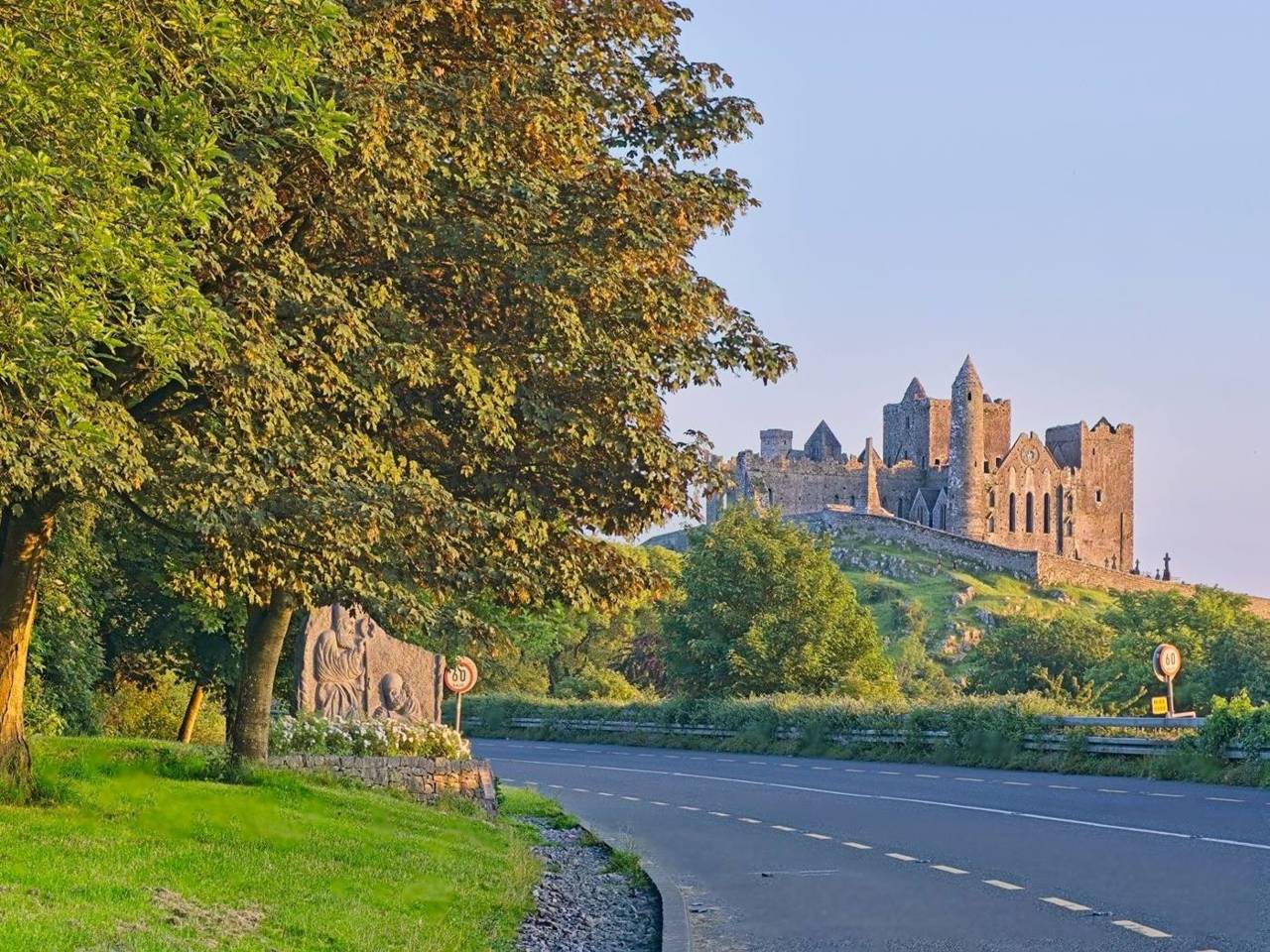
Castles and abbeys of the East
Medieval Kilkenny, the Rock of Cashel, Cahir Castle, Ireland's oldest city, Waterford, and the Copper Coast.
 7 daysModerate
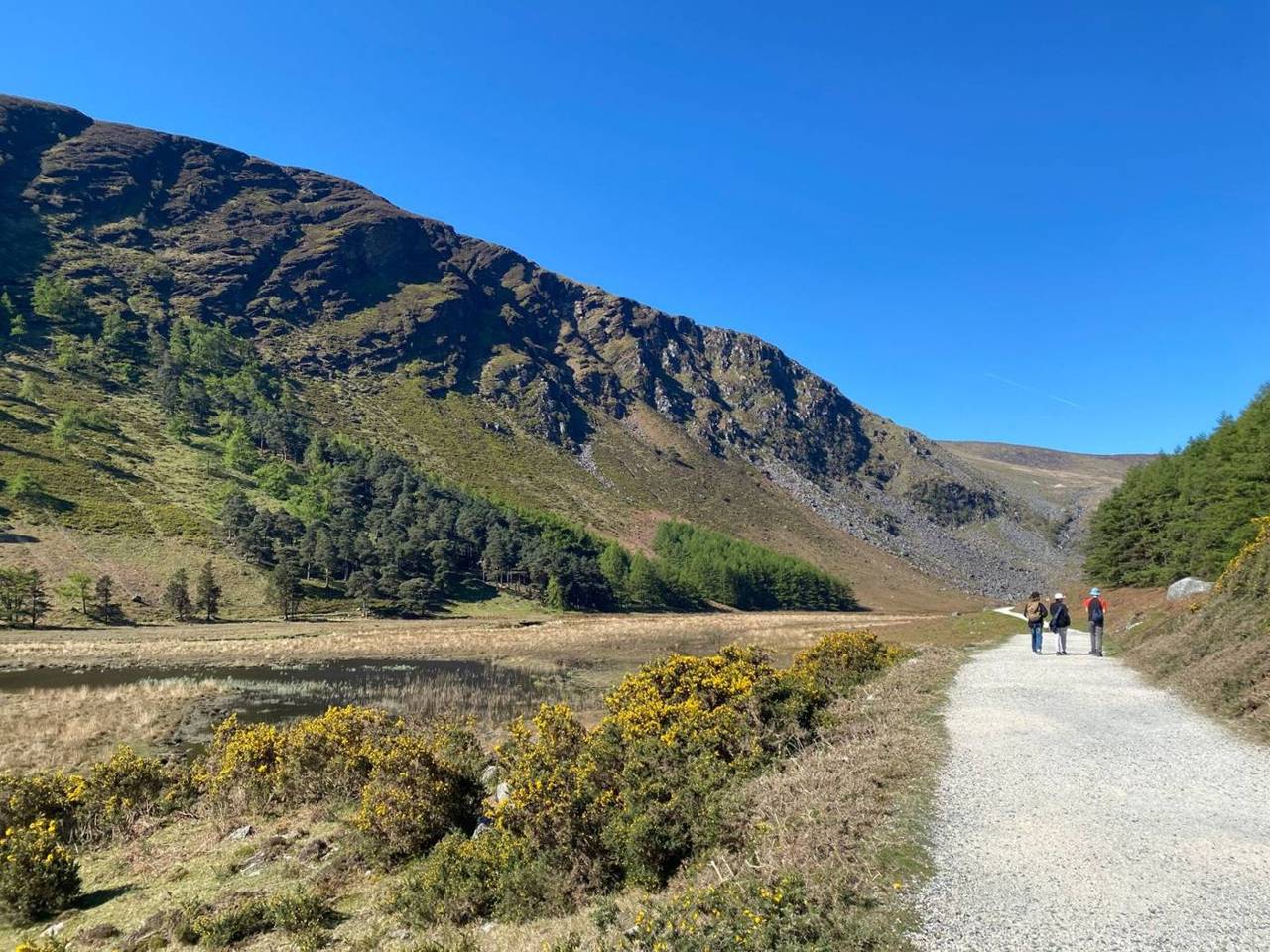
The Wicklow Way
Ireland's oldest waymarked trail: six days from the Dublin suburbs across the Wicklow Mountains, Glendalough and country villages.
 5 daysEasy
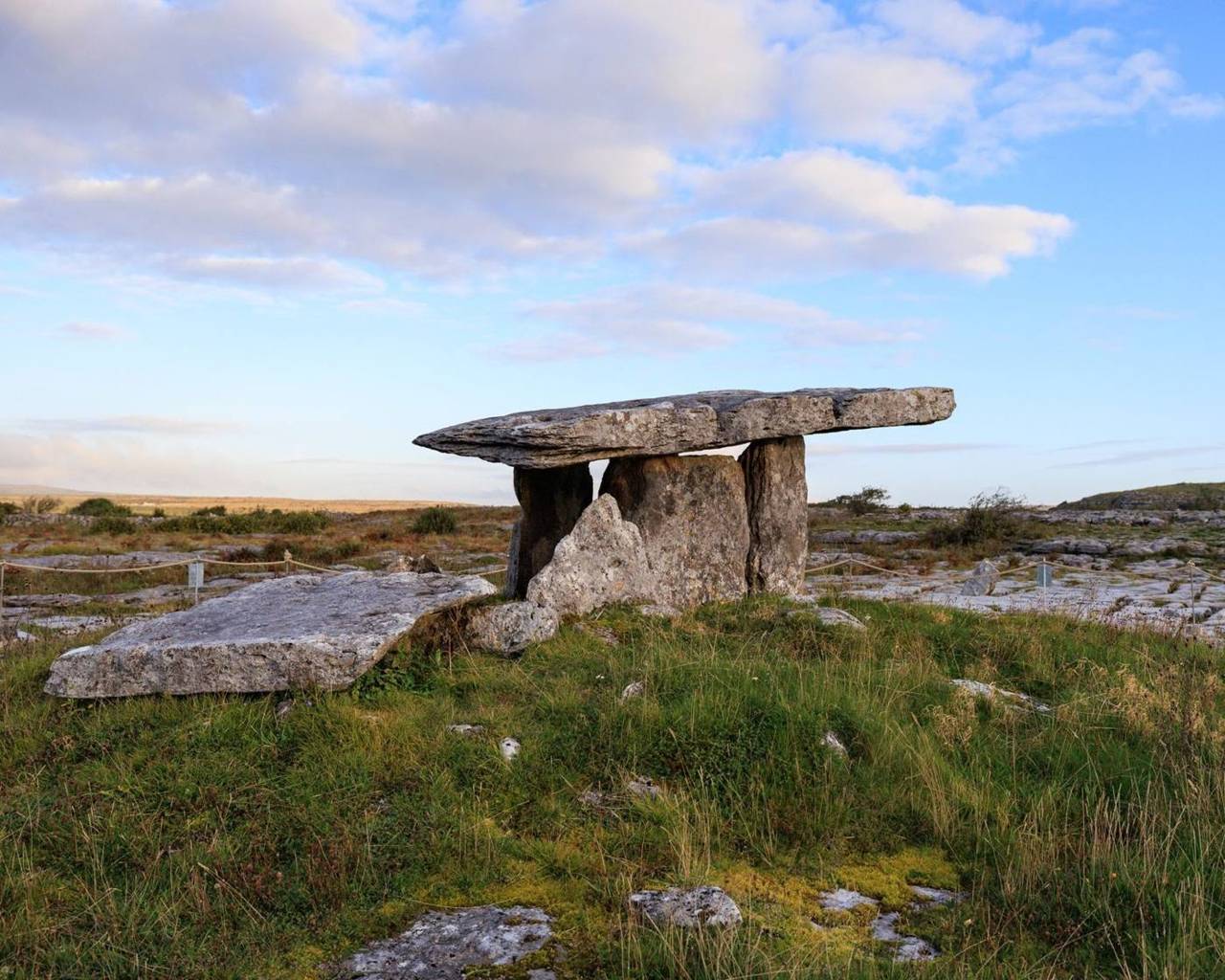
County Clare and traditional music
Evenings of Irish music in Doolin and Ennis, the limestone landscapes of the Burren, the Cliffs of Moher on foot and Loop Head.