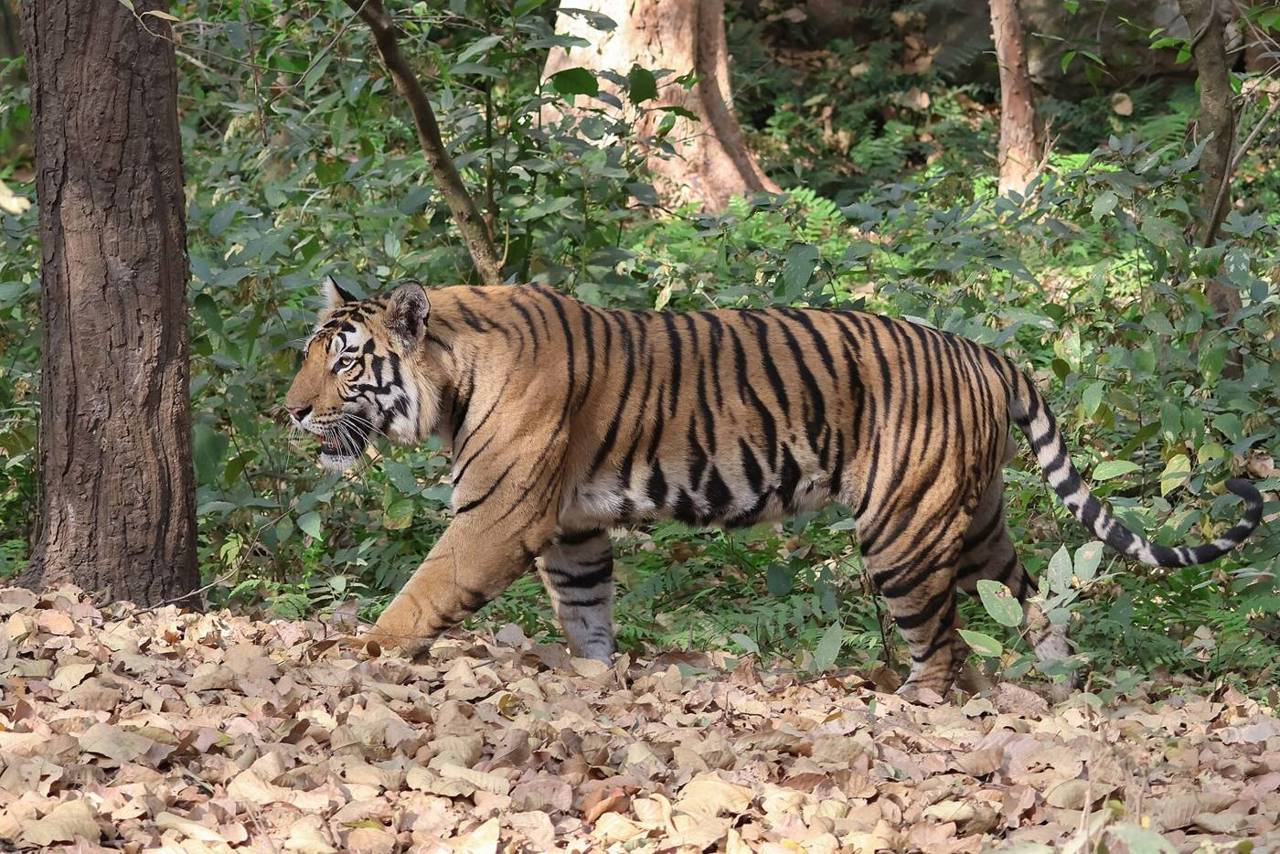
Madhya Pradesh: tigers of Bandhavgarh, Pench and Satpura
The heart of the Jungle Book forests: Bandhavgarh, one of India's parks with the most tigers, Pench with its teak forests, and Satpura, where safaris are done on foot, by canoe and by jeep among leopards, sloth bears and sambar deer.
- Jabalpur
- Bandhavgarh
- Pench
- Satpura
- Pachmarhi
- Bhopal
Day by day
- Day 1
Jabalpur: the Bhedaghat marble rocks and the transfer to Bandhavgarh
This trip goes to Madhya Pradesh, the state at the centre of India, called the heart of India, covered in sal and teak forests, hills and rivers. It is tiger country: here are some of the country's most famous reserves and one of the highest concentrations of wild tigers in the world. These are the forests that inspired Rudyard Kipling's The Jungle Book. The trip combines three different reserves: Bandhavgarh, Pench and Satpura.
To enter India you need an e-visa, applied for online: for thirty days it costs 25 dollars from July to March and 10 dollars from April to June. The Madhya Pradesh tiger reserves are closed from 1 July to 30 September, during the monsoon.
You fly into Jabalpur on a domestic flight from Delhi or Mumbai.
In the morning go to Bhedaghat, about half an hour from Jabalpur, where the Narmada, one of India's sacred rivers, flows for a few kilometres through a gorge between walls of white, grey and pink marble up to thirty metres high. You take a rowing boat through the gorge, which glows by moonlight. Nearby is the Dhuandhar falls, the smoke falls, where the river plunges into a cloud of spray.
In the afternoon continue to Bandhavgarh, about four and a half hours by road, through villages and fields.
Spend the night near Bandhavgarh, in Tala.
Practical tip: the best time to see tigers is February to May, when vegetation is thinner and animals come to the waterholes. From April it is very hot.
- Day 2
Bandhavgarh: a dawn safari in the Tala zone
Today take your first safaris in Bandhavgarh National Park, one of the reserves with the highest tiger density in India, on hills covered in sal forest, bamboo and meadows, dominated by an ancient fort on a plateau.
Safaris are done in open jeeps with a driver and a park guide, in two sessions a day: one at dawn and one in the afternoon. Each session lasts about four hours. The park is divided into zones, and each jeep is permitted in only one zone: the main zones are Tala, Magadhi and Khitauli.
In the morning, at dawn, you enter the Tala zone, the most famous, with most of the tigers and the finest scenery. Guides look for tigers by following pugmarks in the sand of the tracks and listening for the alarm calls of spotted deer, sambar and langur monkeys, which signal a predator nearby.
Besides tigers you see spotted deer, sambar, wild boar, langurs, peacocks, eagles, kingfishers and sometimes leopard, sloth bear, jackal and the Indian bison, called gaur, reintroduced here some years ago.
On the fort hill there are also ancient statues, including a large tenth century reclining Vishnu.
In the afternoon take a second safari or rest at the lodge.
Spend the night in Tala.
Practical tip: safari permits are booked online with your passport and sell out months ahead: book well in advance. Prices and rules change often: check.
- Day 3
Bandhavgarh: the Magadhi zone and the surrounding villages
Today continue your safaris at Bandhavgarh, in the Magadhi zone, with open meadows and bamboo woods where it is easier to see animals from a distance.
In the morning, at dawn, the jeep moves slowly along the tracks. Morning mist rises from the meadows and light filters through the sal trees. Tigers move mainly early in the morning and at dusk, when it is cooler. They are often seen lying in a waterhole or walking along the track in front of the jeep. Seeing a tiger is not guaranteed, but Bandhavgarh offers good chances.
The park also has very rich birdlife, more than two hundred species: hornbills, Indian rollers, drongos, parakeets, owls and vultures.
In the afternoon, instead of a second safari, visit one of the villages around the park, home to Baiga and Gond communities, tribal peoples of central India, with painted mud houses, fields and small vegetable plots. The communities live in close contact with the forest and its animals, sometimes in conflict with them. Some Gond women paint pictures of animals and trees with coloured dots and lines, Gond art, which is also sold in galleries in the big cities.
In the evening, at the lodge, have dinner with Madhya Pradesh food: dal bafla, wheat dumplings with lentils, poha, spiced flattened rice, and vegetable curries.
Spend the night in Tala.
Practical tip: on safari never get out of the jeep, do not talk loudly, do not use flash and wear neutral colours. Bring a jacket: at dawn in winter it is cold.
- Day 4
To Pench, through the teak forests
Today leave Bandhavgarh and travel to Pench, about six or seven hours south west, across the Madhya Pradesh countryside, with villages, rice paddies, wheat fields and roadside markets.
Pench National Park takes its name from the Pench River, which crosses it from north to south, dividing it into two parts, one in Madhya Pradesh and one in Maharashtra. The landscape is made of rolling hills covered in teak forest, tall trees with large leaves, and mixed woods, with open meadows and a large reservoir.
Pench is considered the place that inspired the Mowgli stories in The Jungle Book: Kipling described these very hills and rivers, although he never visited them, basing his work on nineteenth century accounts. Tigers, leopards, Indian wild dogs called dhole, sloth bears, gaur, sambar, spotted deer, nilgai and a great many birds live here.
If you arrive in time, take a first safari in the afternoon. Alternatively rest at the lodge and walk along the river or visit a nearby village.
In the evening watch the starry sky, far from city lights.
Spend the night near Pench, at Turia or Khawasa.
Practical tip: the journey between Bandhavgarh and Pench is long and the roads are slow: set off early. Carry water, food and medicines. Book your Pench permits in advance, as for the other parks.
- Day 5
Pench: safaris in the teak forest
Today devote the day to safaris at Pench, with one session at dawn and one in the afternoon.
In the morning, at dawn, the jeep enters the teak forest, where light filters through the large leaves and the ground is covered in dry leaves. Guides look for tigers, but at Pench you also often see dhole, the Indian wild dogs, which live in packs and hunt deer together, and leopards resting in trees.
Pench's landscape is very varied: you move from dense forest to open meadows, along the river and the lake, where you see large groups of deer, sambar, wild boar and gaur, the Indian bison, the largest wild cattle in the world. Along the river there are mugger crocodiles, turtles and water birds such as herons, cormorants and storks.
Pench is also famous for a tigress called Collarwali, who had a great many cubs during her life and became one of the park's symbols, featured in documentaries. The guides tell her story.
In the afternoon, on the second safari, the teak hills turn orange at sunset.
In the evening, at the lodge, listen to the sounds of the forest: the calls of deer and owls and, sometimes, the distant roar of a tiger.
Spend the night near Pench.
Practical tip: in Indian parks phones must be kept silent. Keep your distance from animals and do not ask the driver to get too close: it is forbidden and dangerous.
- Day 6
Satpura: walking and canoe safaris on Lake Denwa
Today go to Satpura, about six hours north west of Pench, at the foot of the Satpura range.
Satpura National Park is very different from the other two: it is less visited, with higher hills, sandstone gorges, waterfalls and forests of teak, sal and bamboo. It is one of the few parks in India where you can take walking, canoe and boat safaris as well as jeep safaris, because there are fewer tigers and the terrain is more open.
In the afternoon, at the edge of the park, take the boat across Lake Denwa, a large reservoir formed by a dam, to enter the reserve. Then, accompanied by a guide and a ranger, take a walking safari along the lakeshore and through the meadows, where you see deer, sambar, nilgai, gaur, wild boar and, with luck, sloth bear and leopard. Satpura is also famous for the Indian giant squirrel, a squirrel the size of a cat with red and black fur that lives in tall trees.
Alternatively paddle a canoe on the lake in silence, watching water birds, crocodiles and deer coming down to drink on the shores.
At sunset the lake turns pink and orange, with the Satpura hills in the background.
Spend the night near Satpura, at Madhai.
Practical tip: walking and canoe safaris are done only with authorised guides and have specific times and permits: check and book. Wear closed shoes and long clothing against insects.
- Day 7
Satpura and the Pachmarhi plateau
In the morning take a last safari at Satpura, by jeep or on foot, or a dawn boat trip on Lake Denwa, when mist covers the water.
Then go to Pachmarhi, about two hours away, the only hill station in Madhya Pradesh, on a plateau at about eleven hundred metres within the Satpura biosphere reserve. It was discovered by the British in the mid nineteenth century and became a summer retreat, with churches, colonial bungalows and a climate cooler than the plains.
Around Pachmarhi there are waterfalls, gorges, caves and viewpoints. Visit Bee Falls, where you can swim, the Jata Shankar gorge, a cave sacred to Shiva with a spring, and the Pandav Caves, five caves cut into the rock which legend says sheltered the Pandava brothers, heroes of the Mahabharata epic, but which are in fact ancient Buddhist shelters.
At sunset climb to the Dhoopgarh viewpoint, the highest point in Madhya Pradesh at about 1,350 metres, with a view over the hills and forests of the Satpuras.
There are also prehistoric rock paintings on the rocks around Pachmarhi.
Spend the night in Pachmarhi.
Practical tip: Pachmarhi is crowded with Indian tourists at weekends and holidays. Some viewpoints and waterfalls are reached by authorised jeeps: ask in town.
- Day 8
Bhopal and the journey home
On the last day go to Bhopal, the capital of Madhya Pradesh, about four hours from Pachmarhi.
Bhopal is called the city of lakes, with two large lakes at its centre, and has an unusual history: for more than a century, in the nineteenth and early twentieth centuries, it was ruled by four women, the begums of Bhopal. In the city you see the Taj-ul-Masajid, one of the largest mosques in India, with pink minarets and white domes. Bhopal's tribal museum is one of the finest in the country and tells, through installations created by artists from the communities, the culture of the tribal peoples of Madhya Pradesh.
If you have time, before reaching Bhopal visit Bhimbetka, a UNESCO World Heritage Site about forty kilometres from the city, a group of rock shelters with prehistoric paintings, some tens of thousands of years old, showing animals, hunters and dances. Or, after Bhopal, visit Sanchi, a UNESCO World Heritage Site about an hour away, with the great Buddhist stupa commissioned by the emperor Ashoka in the third century BC and its carved stone gateways.
From Bhopal airport there are flights to Delhi and Mumbai, from where you continue to Europe. Bhopal is also served by fast trains.
Practical tip: the roads between Pachmarhi and Bhopal are slow: leave a margin before your flight. Sanchi and Bhimbetka charge entry and close on some days: check.
For those who dream of seeing a wild tiger, without guarantees. The core zones of the reserves close every year from 1 July to 30 September for the monsoon. Safari permits are limited and booked months ahead on the official state website, with the name as on your passport. Many parks are closed on Wednesday afternoons. From April to June it goes above 40 degrees, but animals are easier to see near water.
Before you go
- Documents and visa
- Passport with at least six months' validity and two blank pages, plus an electronic tourist visa from the official Indian government website: 30 days for 25 dollars from July to March, 10 dollars from April to June.
- Health and vaccines
- No compulsory vaccines arriving from Europe; ask your doctor about hepatitis A, typhoid and malaria depending on the area. Drink only sealed bottled water. Emergencies: 112.
- Money and payments
- Indian rupee. Cards and digital payments are common in cities; markets, villages and rickshaws need cash.
- Power sockets
- Types C, D and M, 230 volts: a universal adapter is useful.
- Time zone
- UTC+5:30 all year: India does not use daylight saving time.
- Safety
- The United States rates India level 2, with level 4 for Jammu and Kashmir (except Ladakh), Manipur and the 10 km strip along the Pakistani border. Official advice: GOV.UK.
Information checked in November 2026 for Italian and EU citizens. Rules change: always check before you travel.
Variations
In 5 days: Bandhavgarh only, with four safaris, and Jabalpur.
In 11 days: add Kanha, the reserve of meadows and barasingha deer, or Khajuraho and its temples.
Frequently asked questions
When are tigers easiest to see?
February to May, when vegetation is thin and animals come to water. The reserves are closed from 1 July to 30 September.
Do I need a visa?
Yes, the e-visa is applied for online: for thirty days it costs 25 dollars from July to March and 10 dollars from April to June.
How are safaris booked?
Online, with your passport, on a Madhya Pradesh government system. Places sell out fast: book months ahead or through a local agency.
Indicative itinerary written by World Atlas. Before booking, check timetables, seasonal openings, documents and safety.
 6 daysEasy
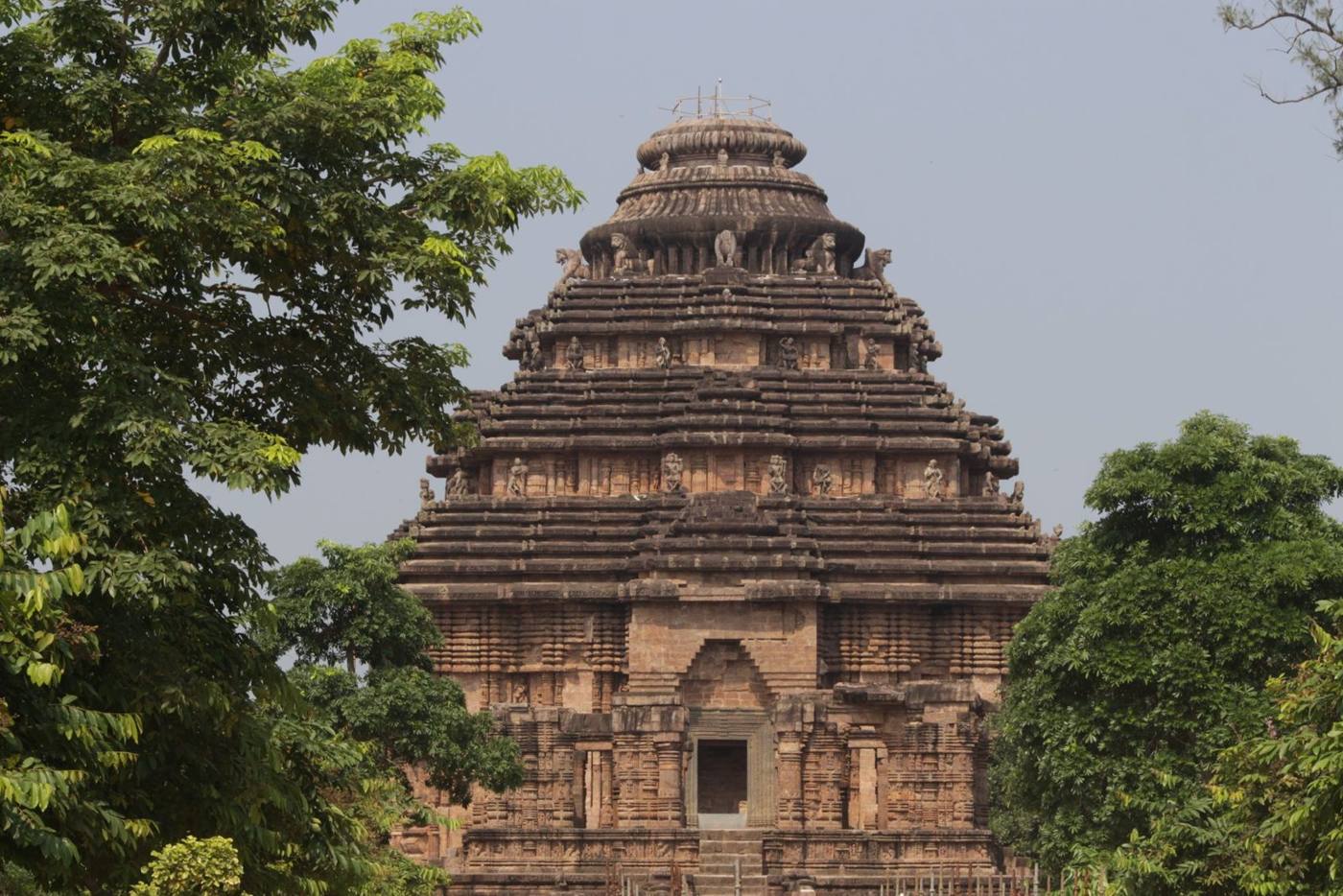
Odisha: the temples of Bhubaneswar, Konark and Puri
The less-known east coast: the temple city of Bhubaneswar, the chariot-shaped Sun Temple of Konark (UNESCO World Heritage), the holy city of Puri, the painters' village of Raghurajpur and the Irrawaddy dolphins of Chilika lagoon.
 8 daysEasy
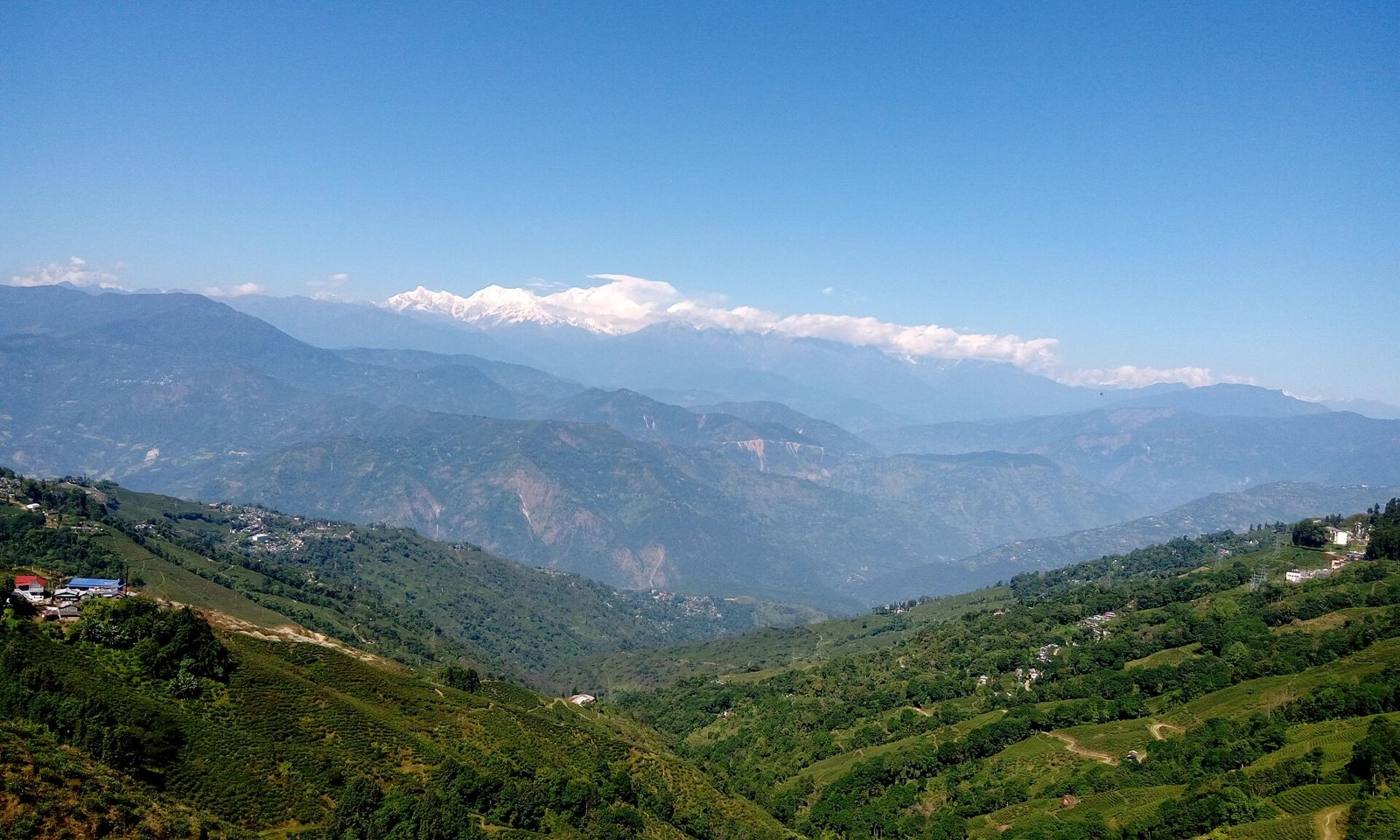
Kolkata, the Sundarbans and Darjeeling
India's cultural capital with the Victoria Memorial, the flower market and the ghats on the Hooghly river, the mangroves of the Sundarbans, home of the Bengal tiger, and Darjeeling with its tea gardens, historic toy train and sunrise over Kanchenjunga.
 8 daysEasy
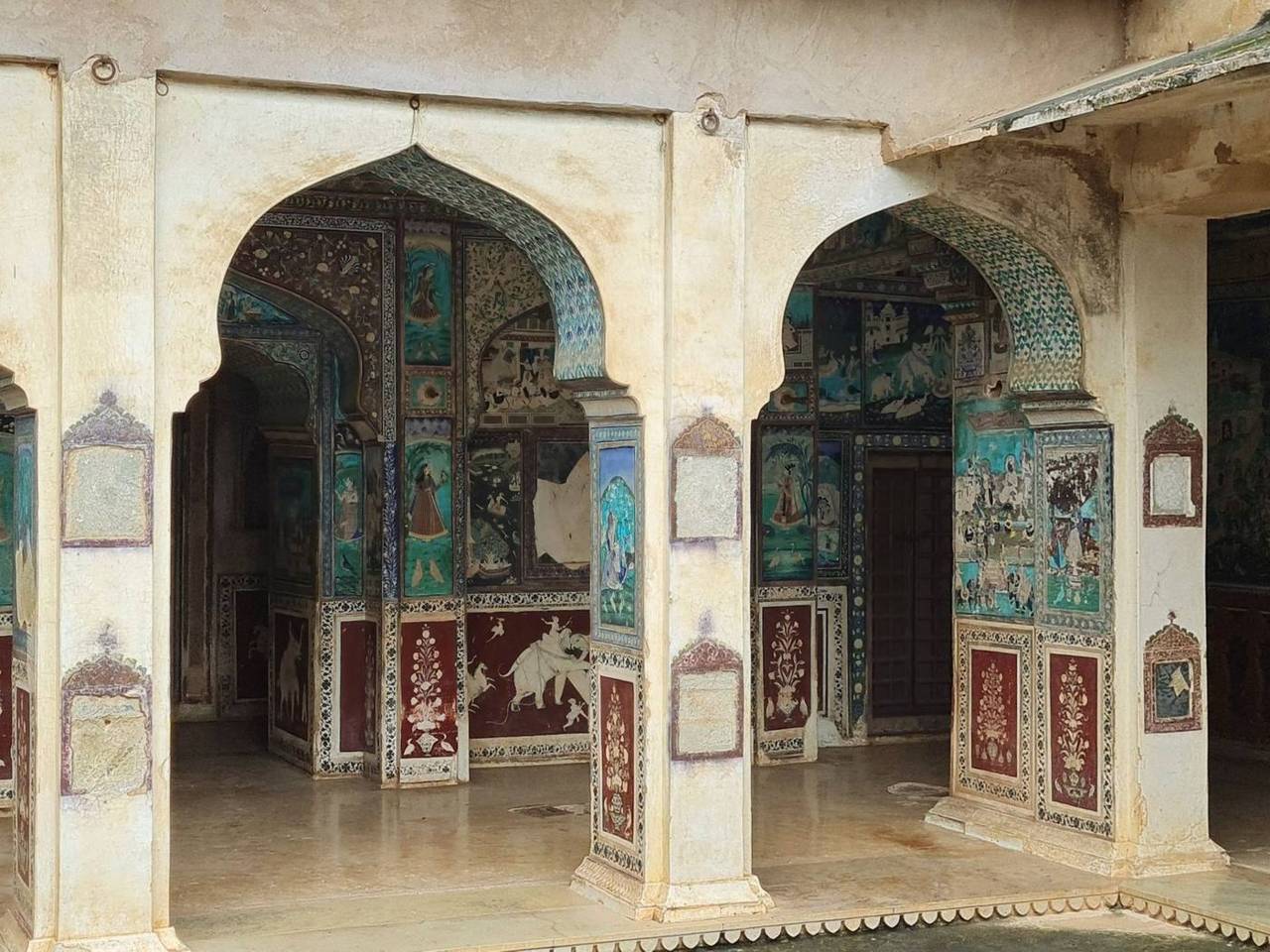
Lesser-known Rajasthan: Bundi, Chittorgarh and Kumbhalgarh
The painted havelis of Shekhawati, the blue town and stepwells of Bundi, the vast fortress of Chittorgarh, the immense walls of Kumbhalgarh and the Jain temple of Ranakpur with its 1,444 pillars.