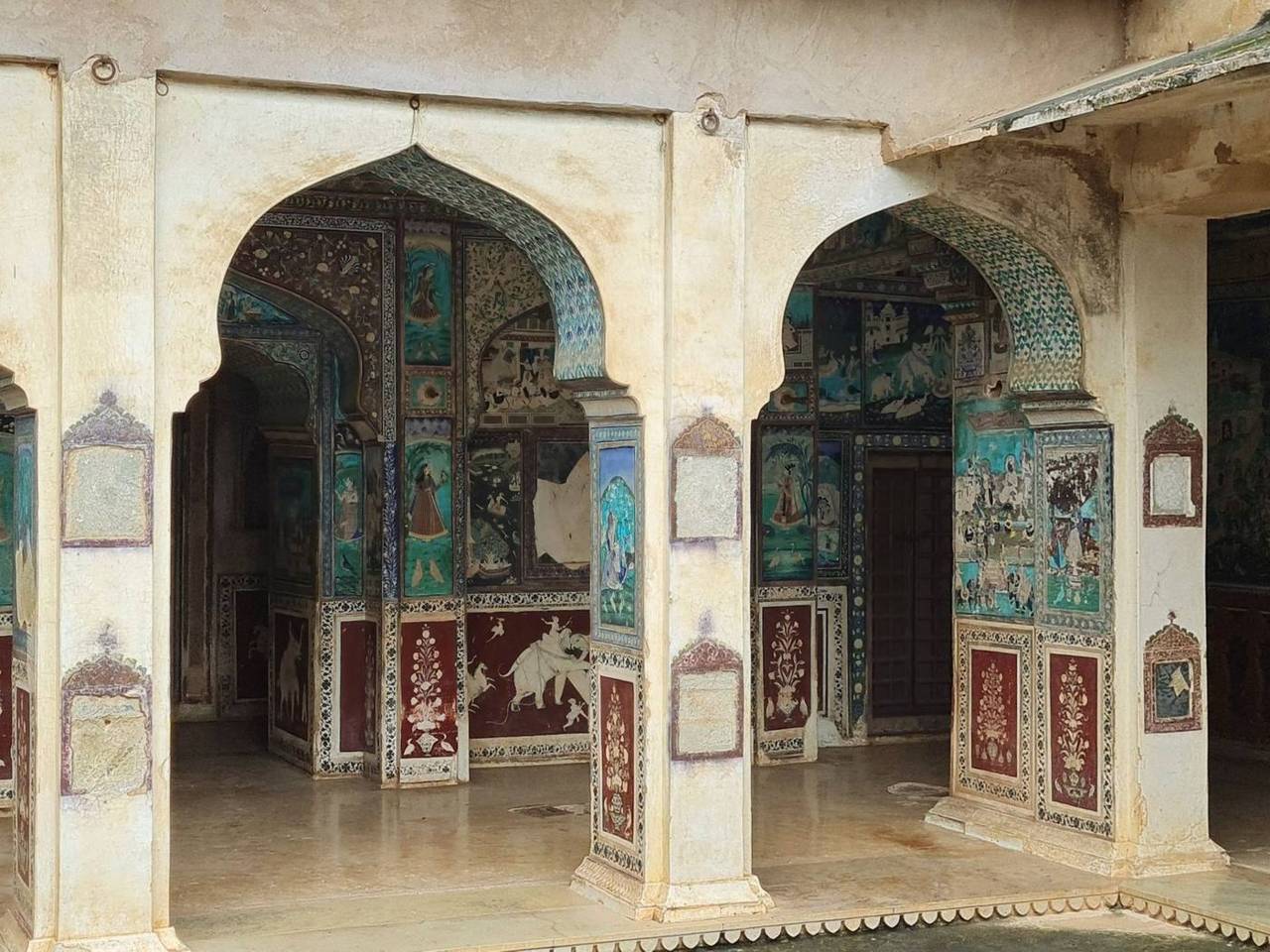
Lesser-known Rajasthan: Bundi, Chittorgarh and Kumbhalgarh
The painted havelis of Shekhawati, the blue town and stepwells of Bundi, the vast fortress of Chittorgarh, the immense walls of Kumbhalgarh and the Jain temple of Ranakpur with its 1,444 pillars.
- Delhi
- Mandawa
- Bundi
- Chittorgarh
- Kumbhalgarh
- Ranakpur
- Udaipur
Day by day
- Day 1
Arrival in Delhi and the road to Shekhawati
This trip discovers a lesser known Rajasthan, away from the crowds of Jaipur and Jodhpur: the painted houses of Shekhawati, little Bundi with its stepwells, the immense forts of Chittorgarh and Kumbhalgarh, the marble temple of Ranakpur and finally Udaipur, the city of lakes. It is an India of palaces, desert, villages and colour, quieter and more authentic.
To enter India you need an electronic visa, applied for online before departure: for 30 days it costs 25 dollars from July to March and 10 dollars from April to June. The US government rates India at level 2 of 4; Rajasthan is not among the areas advised against, but always check current advice.
You fly into Delhi. Distances are great and roads slow: the most common way is to hire a car with driver for the whole trip, a widespread and not very expensive arrangement in India.
From the airport, or after a night in Delhi, head for Shekhawati, a semi desert region about five or six hours west by road, in northern Rajasthan. Between the eighteenth and early twentieth centuries wealthy Marwari merchants lived here, who made their fortunes in trade and built havelis, large houses with inner courtyards, covered with frescoes inside and out.
You reach Mandawa in the afternoon and take a first walk through the sandy streets of the town, among havelis, cows, workshops and camels.
In the evening have dinner with Rajasthani food: dal bati churma, wheat balls with lentils and a sweet of clarified butter, vegetable curry and chapati bread.
Spend the night in Mandawa.
Practical tip: the best time is October to March. April to June is extremely hot, and July to September brings the monsoon.
- Day 2
The painted havelis of Mandawa and Nawalgarh
Today discover the havelis of Shekhawati, often called the open air art gallery of Rajasthan.
In the morning walk around Mandawa with a local guide, who takes you into the havelis open to visitors. The walls are covered in brightly coloured frescoes: Hindu gods such as Krishna and Rama, hunting scenes, elephants, horses, processions, but also trains, cars, aeroplanes, bicycles and English gentlemen, because at the end of the nineteenth century painters copied the novelties the merchants saw in Calcutta and Bombay. Many havelis are lived in by caretakers or partly abandoned, as the families moved to the big cities: some are restored, others are crumbling.
In the afternoon go to Nawalgarh, about an hour away, another town with many havelis. Visit a haveli restored and turned into a museum, showing the rooms, courtyards, kitchens and original frescoes, and walk through the bazaar, with shops selling fabrics, spices and brassware.
If you have time, visit one of the area's stepwells, called baori or johara, built to collect rainwater in the desert.
At sunset climb onto a terrace to see the town's roofs, temples and dunes.
Spend the night in Nawalgarh or Mandawa.
Practical tip: some havelis ask for a small ticket or a tip to the caretaker: carry small notes. Always ask permission before entering an inhabited house and before photographing people.
- Day 3
The long drive to Bundi
Today is a travel day: from Shekhawati to Bundi, in south eastern Rajasthan, takes about seven or eight hours by road. You cross fields of mustard and wheat, villages, small towns and the typical traffic of Indian roads, with lorries, buses, tractors, scooters, cows and camels.
Along the way stop for a break at a dhaba, a roadside restaurant, for chai, tea with milk and spices, and a snack such as samosas, fried pastries filled with potato.
If you want to break the journey, you can go via Ajmer and Pushkar, halfway. Pushkar is a small holy town around a lake, with more than fifty ghats, the steps for ritual bathing, and one of the few temples in India dedicated to the god Brahma. In Pushkar alcohol, meat and eggs are forbidden.
In the afternoon you arrive in Bundi, a small town below a hill crowned by a great palace and a fort. Bundi is less visited than other Rajasthani towns and keeps a peaceful atmosphere, with blue painted houses, temples and lanes.
In the evening stroll around Nawal Sagar lake, with a small temple in the middle of the water, and look at the floodlit palace above the town.
Spend the night in Bundi.
Practical tip: on long car journeys agree breaks and timings with the driver. Night traffic is dangerous: avoid travelling after sunset.
- Day 4
Bundi: the palace, the Chitrashala, Raniji's stepwell and the blue lanes
Today discover Bundi, the town of stepwells, which the writer Rudyard Kipling visited and described.
In the morning climb to Bundi Palace, the Garh Palace, built from the seventeenth century on the hillside, with terraces, balconies, domes and gates decorated with stone elephants. Inside you visit rooms with frescoes and mirror mosaics. A little higher up is the Chitrashala, a small pavilion with a courtyard and garden whose walls are covered in miniatures painted in blue, green and turquoise: scenes from the life of Krishna, festivals, processions, hunting and court life. They are among the finest frescoes in Rajasthan.
If you have the energy, continue up to Taragarh fort at the top of the hill, a partly ruined fort with a view over the whole town, home to monkeys.
In the afternoon visit the Raniji ki Baori, an eighteenth century stepwell about 46 metres deep, with staircases, columns and carved arches, built by a queen. Bundi has dozens of baoris, some hidden among the houses.
Then walk through the lanes of the old town, among blue painted houses, workshops, temples and small squares.
At sunset look at the palace from the lakeshore.
Spend the night in Bundi.
Practical tip: at Taragarh the monkeys can be aggressive: keep food out of sight and carry a stick. The palace and the Chitrashala have separate tickets: check.
- Day 5
Chittorgarh: the largest fort in India
Today go to Chittorgarh, about three hours south west of Bundi, with the largest fort in India, a UNESCO World Heritage Site together with the other hill forts of Rajasthan.
Chittorgarh fort covers a plateau about three kilometres long above the plain, with walls, gates, palaces, temples, lakes and towers. It was the capital of the kingdom of Mewar for centuries, and was besieged three times, in the fourteenth and sixteenth centuries. Its story is tied to jauhar: according to tradition, during the sieges the women of the palace threw themselves into the fire rather than fall into enemy hands, while the men rode out to fight to the death. This is why Chittorgarh is a symbol of Rajput pride.
In the morning drive up to the fort through seven gates and visit the Tower of Victory, Vijay Stambh, from the fifteenth century, about 37 metres high, with nine storeys covered in sculptures of Hindu gods, which you can climb by a narrow inner staircase. Nearby is the older Tower of Fame, dedicated to a Jain saint.
In the afternoon visit the ruined palace of Rana Kumbha, the palace of Padmini, a legendary queen, on a small lake, and the temples, such as the temple of Meera, the poet devoted to Krishna.
At sunset look out over the plain from the walls.
Spend the night in Chittorgarh.
Practical tip: the fort is very large: you need a car or rickshaw to get around inside. Entry is charged: check.
- Day 6
Kumbhalgarh: the walls at sunset
Today go to Kumbhalgarh, about four hours north west of Chittorgarh, in the hills of the Aravalli range.
Kumbhalgarh fort, from the fifteenth century, also a UNESCO World Heritage Site, is famous for its walls, about 36 kilometres long, considered among the longest in the world after the Great Wall of China. They are wide enough for several horses to ride side by side and follow the ridges of the hills, with towers and bastions. The fort was built by King Rana Kumbha, and Maharana Pratap was born here, a Rajasthani hero who fought the Mughal Empire.
In the afternoon, on arrival, visit the fort: climb to the Badal Mahal, the Palace of Clouds, at the top, with decorated rooms and a view over the hills and the plain towards the Thar Desert. Within the walls are dozens of Hindu and Jain temples, some still in use.
At sunset walk a stretch of the walls, as the sun sinks behind the hills and the light turns golden.
At many times of year the fort is lit up in the evening, with a sound and light show telling its story.
Around the fort lies the Kumbhalgarh wildlife sanctuary, an area of dry forest with leopards, jackals, antelopes and many birds, which you can visit with a guide.
Spend the night near Kumbhalgarh.
Practical tip: the climbs inside the fort are steep: wear comfortable shoes and carry water. The evening show and the fort ticket are separate: check times and prices.
- Day 7
The marble temple of Ranakpur and Udaipur
In the morning go to Ranakpur, about an hour from Kumbhalgarh, in a wooded valley. Here stands the Jain temple of Chaumukha, from the fifteenth century, dedicated to Adinatha, the first of the tirthankaras, the spiritual teachers of Jainism. Jainism is an ancient Indian religion based on non violence towards all living beings.
The temple is built entirely of white marble, with around 1,444 carved pillars, all different, decorated domes, arches, statues and light entering through openings and changing through the day. It is considered one of the most beautiful temples in India. To enter you must remove your shoes, leave leather items such as belts and bags, and dress modestly. Non Jain visitors can enter only at certain hours, usually around midday.
In the afternoon continue to Udaipur, about two and a half hours away through the Aravalli hills. Udaipur, called the city of lakes, is one of the most romantic cities in India, built around Lake Pichola, with white palaces reflected in the water.
At sunset take a boat trip on Lake Pichola, looking at the City Palace, the water palace of Jag Niwas and the island of Jag Mandir.
In the evening have dinner on a terrace overlooking the floodlit lake.
Spend the night in Udaipur.
Practical tip: at Ranakpur check the entry hours for non Jain visitors and the temple rules. Boats on Lake Pichola are charged: check.
- Day 8
Udaipur: the City Palace and departure
On the last day discover Udaipur before leaving.
In the morning visit the City Palace, the largest palace complex in Rajasthan, built from the sixteenth century on the shore of Lake Pichola by the Maharanas of Mewar, the same dynasty as Chittorgarh and Kumbhalgarh. Inside are courtyards, balconies, halls with mirror and coloured glass mosaics, the peacock courtyard with peacock mosaics, miniatures, weapons and a view over the lake and the city.
Then walk through the old town, among lanes, workshops of miniature painters, fabric and silver shops, and visit the seventeenth century Jagdish temple, dedicated to Vishnu, with carvings of elephants, dancers and musicians.
If you have time, visit the Saheliyon ki Bari, the garden of the maidens, with fountains, flowers and pools, or take the cable car up to the Karni Mata temple for a view over the city and lakes.
Before leaving buy some souvenirs: painted miniatures, hand block printed fabrics, silver jewellery, spices, wooden or marble objects.
From Udaipur airport there are flights to Delhi and Mumbai, with connections to Europe.
Practical tip: the City Palace is very busy: arrive at opening time. Allow at least an hour to reach Udaipur airport, which is outside the city.
For those who have done classic Rajasthan or want fewer crowds. You need a car with driver and time: distances are long and roads slow. At Ranakpur you enter without leather items and in covering clothes, and the temple opens to non-Jains only at certain hours of the day.
Before you go
- Documents and visa
- Passport with at least six months' validity and two blank pages, plus an electronic tourist visa from the official Indian government website: 30 days for 25 dollars from July to March, 10 dollars from April to June.
- Health and vaccines
- No compulsory vaccines arriving from Europe; ask your doctor about hepatitis A, typhoid and malaria depending on the area. Drink only sealed bottled water. Emergencies: 112.
- Money and payments
- Indian rupee. Cards and digital payments are common in cities; markets, villages and rickshaws need cash.
- Power sockets
- Types C, D and M, 230 volts: a universal adapter is useful.
- Time zone
- UTC+5:30 all year: India does not use daylight saving time.
- Safety
- The United States rates India level 2, with level 4 for Jammu and Kashmir (except Ladakh), Manipur and the 10 km strip along the Pakistani border. Official advice: GOV.UK.
Information checked in November 2026 for Italian and EU citizens. Rules change: always check before you travel.
Variations
In 5 days: Bundi, Chittorgarh and Udaipur, without Shekhawati.
In 11 days: add Jodhpur and Jaisalmer in the Thar Desert, or Jaipur at the start.
Frequently asked questions
Do I need a visa?
Yes, the electronic visa applied for online: for 30 days it costs 25 dollars from July to March and 10 dollars from April to June. Check the current rules.
Do I need a car with driver?
It is the most comfortable way, as distances are long and public transport between these places is slow and uncomfortable.
When is the best time to go?
October to March. April to June is very hot, and July to September brings the monsoon.
Indicative itinerary written by World Atlas. Before booking, check timetables, seasonal openings, documents and safety.
 7 daysChallenging
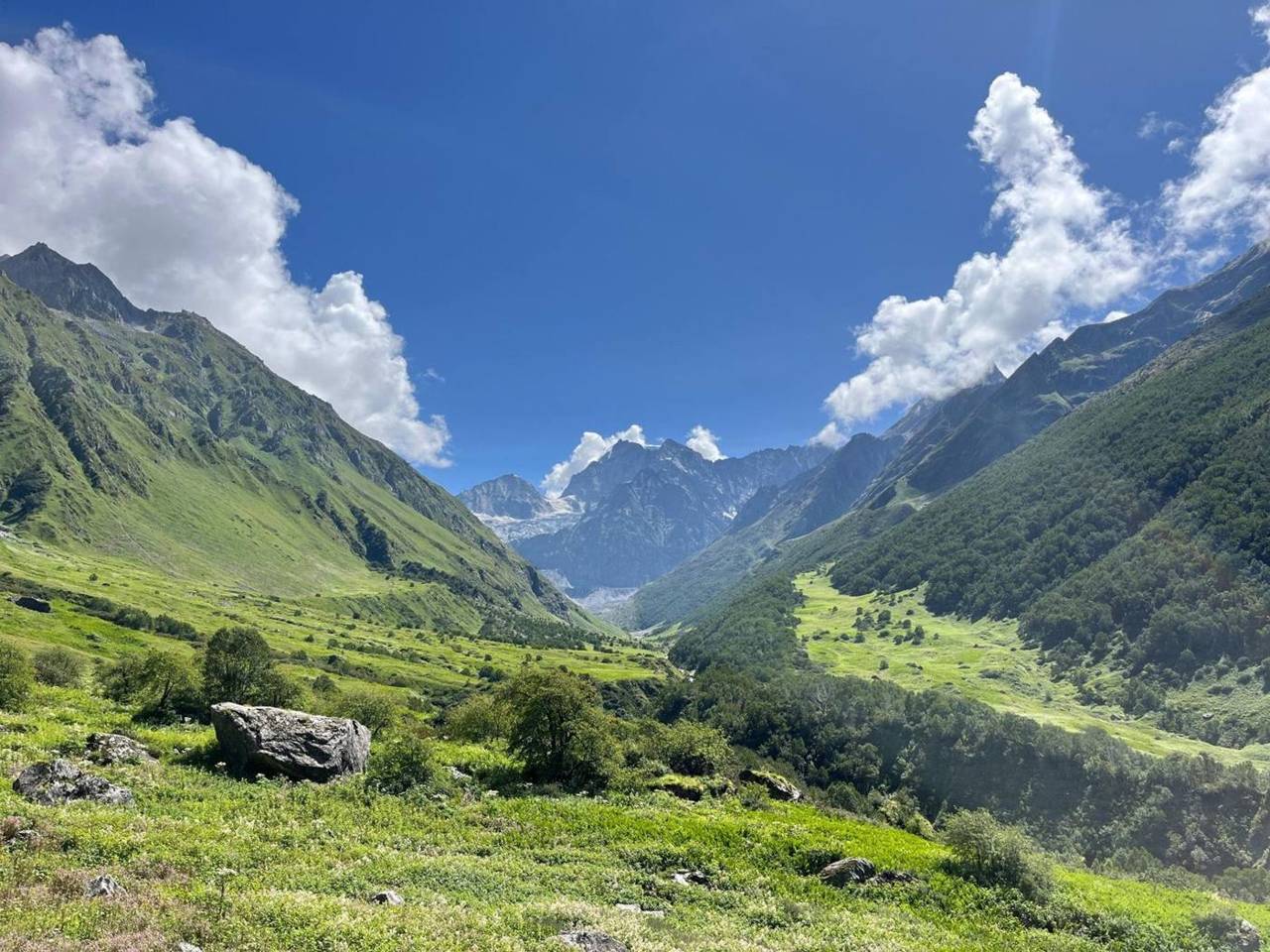
Valley of Flowers and Hemkund Sahib
A trek in the Garhwal Himalaya to the Valley of Flowers, a UNESCO-listed alpine meadow with hundreds of species blooming during the monsoon, and to the sacred lake of Hemkund Sahib above 4,000 metres, a Sikh pilgrimage site.
 9 daysChallenging
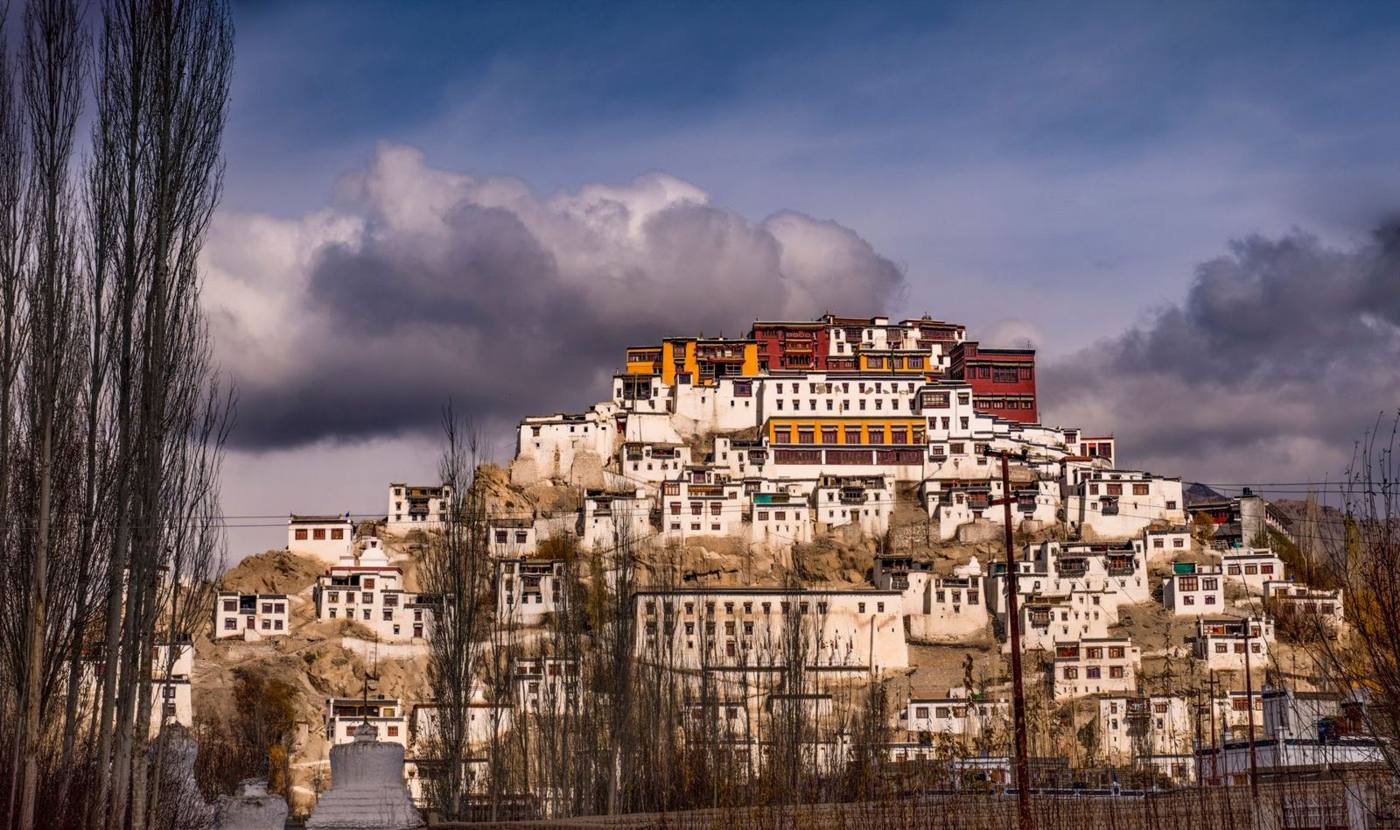
Ladakh in winter: tracking the snow leopard
Ladakh under snow and almost empty of tourists: the monasteries of Thiksey and Hemis with their winter festivals, then several days in the Ulley valley or the Rumbak valley in Hemis National Park, with local trackers searching for the snow leopard, ibex and bharal.
 9 daysModerate
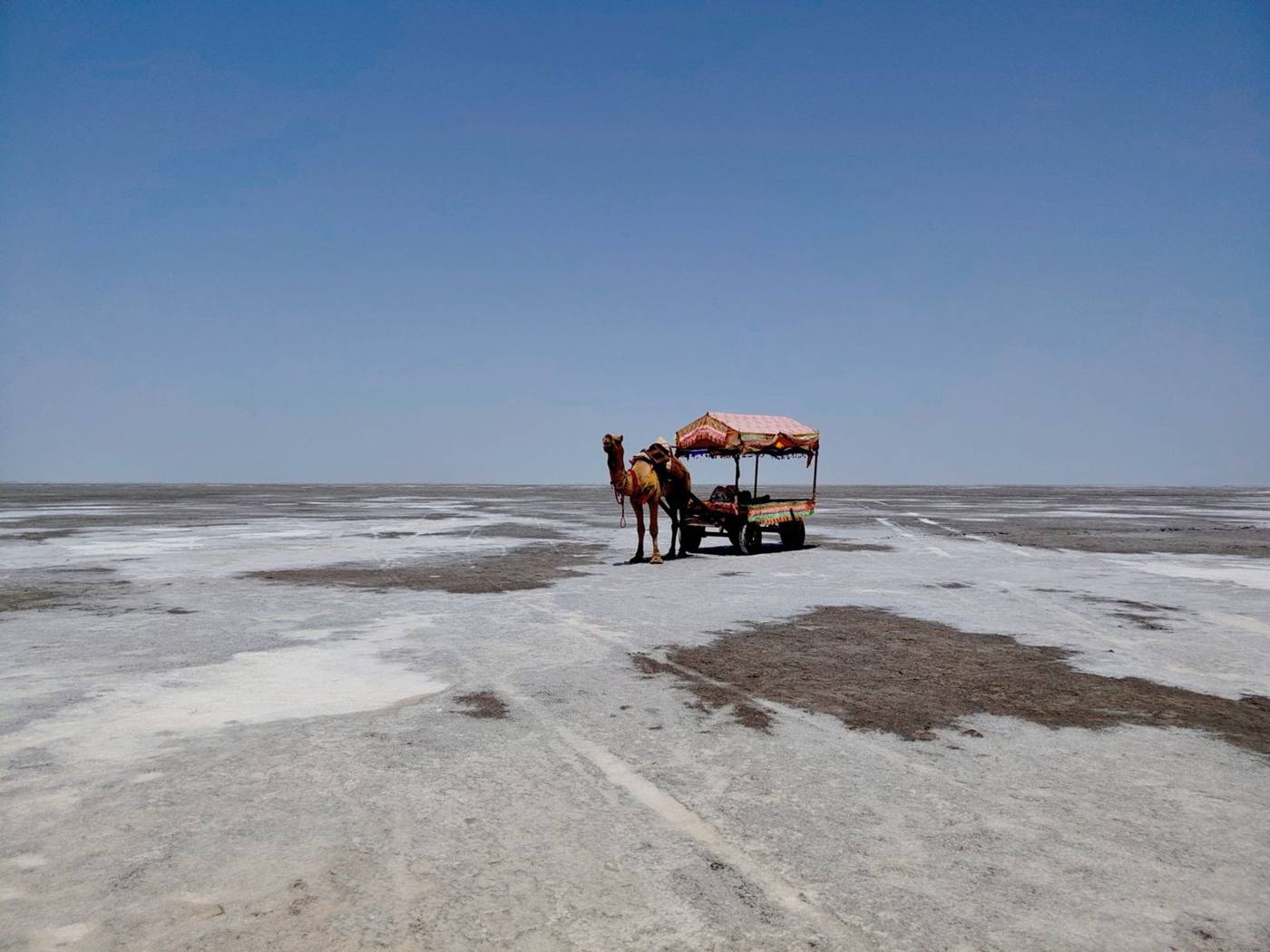
Gujarat: the Rann of Kutch and the lions of Gir
The less-travelled India of the west: the old city of Ahmedabad (UNESCO World Heritage), the Rani ki Vav stepwell and the sun temple of Modhera, the craft villages of Kutch and the white salt desert of the Great Rann, ending with the last Asiatic lions in the Gir forest.