Sopron and Pannonhalma
Western Hungary: the medieval town of Sopron and UNESCO-listed Lake Fertő, the Esterházy Palace at Fertőd and the thousand-year-old Benedictine abbey of Pannonhalma.
- Sopron
- Fertőd
- Fertő tó
- Győr
- Pannonhalma
Day by day
- Day 1
Sopron: the Firewatch Tower and the old town
This trip takes you to western Hungary, elegant and quiet, an hour from Vienna: the medieval town of Sopron, Lake Fertő, a UNESCO site, with the great Esterházy Palace at Fertőd, baroque Győr and the thousand year old Benedictine abbey of Pannonhalma. It combines well with a trip to Austria. A car is handy, but Sopron and Győr are also linked by train.
Before you go: Hungary is part of the European Union and the Schengen area, but the currency is the Hungarian forint, not the euro. Italian citizens only need an electronic identity card or a passport; the paper identity card has not been valid for travel abroad since 3 August 2026. Other nationalities should check their own rules. There may be checks on the Austrian border: keep your document to hand. Motorways need an electronic vignette and drink driving has a zero tolerance limit.
Sopron has one of the best preserved medieval old towns in the country, enclosed within the ring of its ancient walls. The symbol of the town is the Firewatch Tower, rising above the main square, with a medieval base, a Renaissance middle section and a baroque top. Climb to the balcony to see the rooftops and the hills. At the foot of the tower is the Gate of Loyalty, which recalls the 1921 referendum, when the town chose to stay in Hungary rather than join Austria. Check prices and times.
Then walk around the centre: the Gothic Goat Church, the merchants' houses, the ruins of the Roman forum of ancient Scarabantia and the old medieval synagogue, one of the oldest in Europe. Check prices and times.
Sleep in Sopron, for two nights.
Practical tip: visit the centre in the evening, when the day trippers from Vienna have left and the lit squares become quiet again.
- Day 2
The Esterházy Palace at Fertőd and Lake Fertő by bike
In the morning drive for about half an hour to Fertőd, a small village on the plain near the lake. Here is the Esterházy Palace, known as the Hungarian Versailles, the largest baroque and rococo palace in Hungary. It was built in the mid eighteenth century by Prince Miklós Esterházy, called the Magnificent, who held parties, operas and fireworks for his court here. For almost thirty years the composer Joseph Haydn worked here as music director, writing many symphonies for the prince. Visit the gilded rooms, the music room and the French style park. In summer there are often concerts. Check prices and times.
In the afternoon explore Lake Fertő, which the Austrians call the Neusiedler See. It is a very shallow steppe lake, surrounded by a huge belt of reeds, shared between Hungary and Austria and protected as a UNESCO site since 2001. Around it runs a long, almost flat cycle path: hire a bike in Fertőrákos or Fertőd and ride for a few hours among reed beds, vineyards and villages. Birds are everywhere: herons, spoonbills, wild geese.
On the way back, stop at the memorial park of the Pan European Picnic, near Sopron. Here on 19 August 1989 the border with Austria was opened for a few hours and hundreds of East German citizens fled to the west, a few months before the fall of the Berlin Wall.
Practical tip: on the bike bring mosquito repellent, water and sun cream. There is little shade along the lakeshore and the wind can be strong.
- Day 3
Baroque Győr and the abbey of Pannonhalma
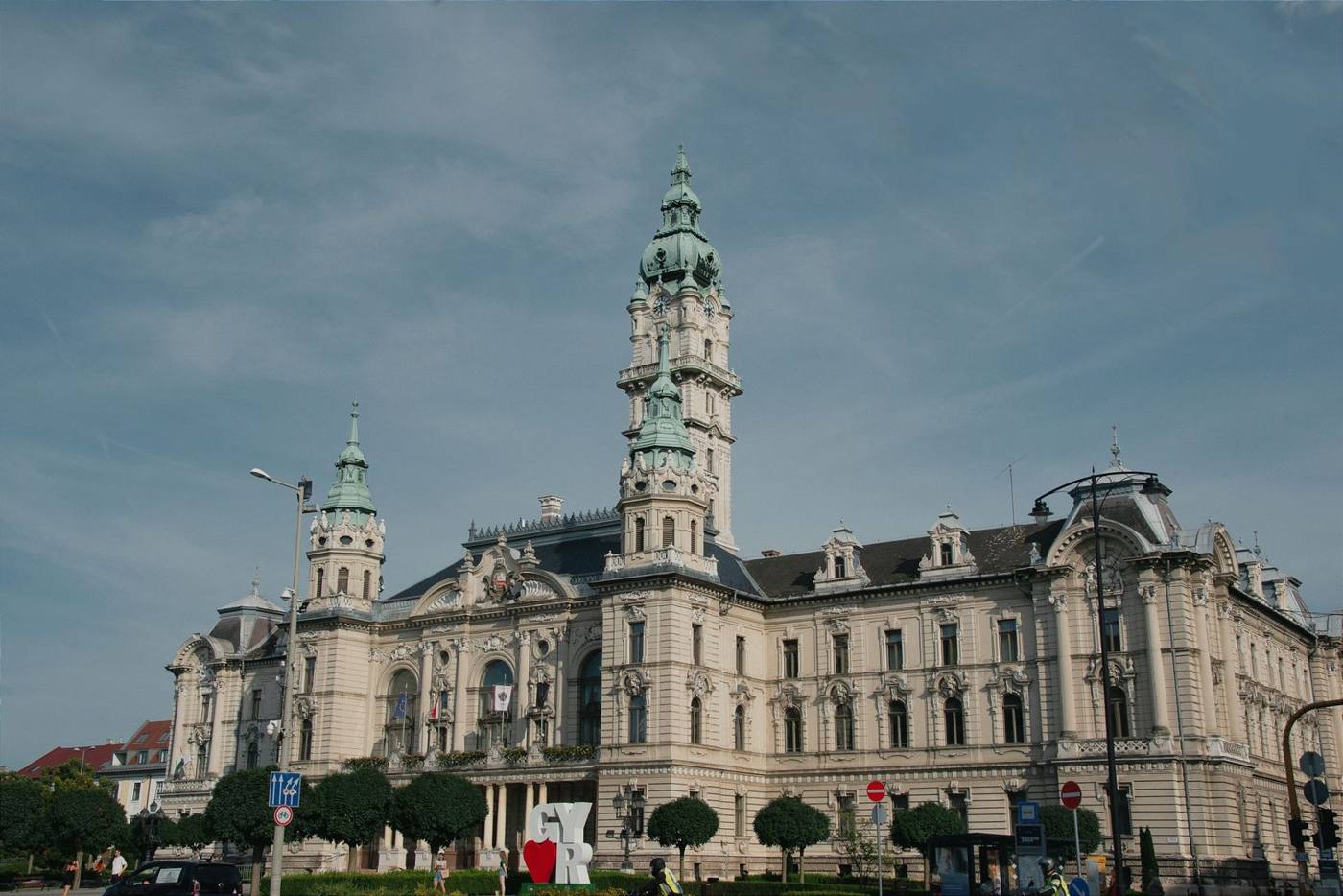
In the morning drive for about an hour east to Győr, a city that grew up where three rivers meet. The baroque centre is elegant and little known, with wide squares, buildings with enclosed corner balconies and churches rich in stucco. On Széchenyi Square stands the Benedictine church; near the river you find the Carmelite church and the Ark of the Covenant monument.
Climb Chapter Hill, the oldest part, with the cathedral. Inside is the herm of Saint Ladislaus, a golden reliquary bust of the medieval king, and a painting of the Virgin which, according to tradition, wept tears of blood in 1697. Check prices and times.
In the afternoon drive for about half an hour south to Pannonhalma. On top of a hill stands the Benedictine archabbey, founded in 996, even before the birth of the kingdom of Hungary, and a UNESCO site since 1996. Monks still live here and also run a school. The guided tour takes in the basilica with its medieval crypt, the cloister and the great neoclassical library, with hundreds of thousands of volumes, including the founding charter of Tihany abbey. Check prices and times.
Around the abbey there is a botanical garden, a lavender field that flowers in early summer and the monks' vineyards, which produce wine.
Sleep in Pannonhalma or Győr, for one night.
Practical tip: at Pannonhalma dress appropriately, with shoulders and knees covered, because it is a living monastery. On Sunday mornings some parts may be closed for services.
- Day 4
Departure towards Vienna or Budapest
Last day. If you have time in the morning, go back to Győr and walk along the river Rába, on the bank lined with old buildings, or visit the small museum of church art near the cathedral. Then stop at a café on Széchenyi Square for a breakfast of Hungarian pastries, such as rétes, strudel filled with apple, poppy seed or curd cheese.
Then choose your airport. Vienna is about an hour and a quarter by car from Győr, and from Sopron trains reach the city in just over an hour. Budapest is about an hour and a half by car or train. Remember that when driving through Austria you need the Austrian motorway vignette.
In these four days you have seen an elegant and little visited Hungary: the medieval centre and Firewatch Tower of Sopron, the Esterházy Palace where Haydn worked, the reed beds and cycle paths of Lake Fertő, the Pan European Picnic memorial, baroque Győr and the thousand year old abbey of Pannonhalma.
When to go: the best time is from April to October. In spring and autumn the light is soft and cycling around the lake is pleasant; in summer there are concerts at Fertőd and festivals in Sopron and Győr, but the lake is hot. In late June the Pannonhalma lavender flowers.
Practical tip: before you leave try pogácsa, a small savoury scone with cheese or pork crackling, and the Kékfrankos wine from the Sopron hills. It is a fresh red, perfect to take home.
An elegant, quiet Hungary an hour from Vienna, ideal to combine with a trip to Austria. Sopron is also famous for its dentists, but the old town is beautiful and little visited. Pannonhalma Abbey makes wine and has one of the country's finest libraries.
Before you go
- Documents and visa
- EU citizens need a valid identity card or passport: Hungary is in the EU and the Schengen area. Checks can be more frequent on the borders with Serbia, Croatia, Austria and Ukraine: always carry your document. Other nationalities should check the Schengen rules.
- Health and vaccines
- No vaccines required. Public healthcare is adequate; EU citizens should bring their EHIC, and everyone needs insurance covering medical costs and repatriation. Emergencies: 112, ambulance 104, police 107, fire 105.
- Money and payments
- Hungarian forint (HUF), not the euro. Cards are accepted almost everywhere; when a card machine or cash machine offers to convert into euros or pounds, choose to pay in forints. Motorways need an electronic vignette (e-matrica), bought on the official website or at authorised sales points before you join the motorway.
- Power sockets
- Types C and F, 230 volts.
- Time zone
- Central European Time (UTC+1, summer UTC+2).
- Safety
- There are no areas to avoid, but take normal precautions. Watch for pickpockets in crowded places, thefts from changing rooms at baths and pools, fake taxis and Budapest nightclubs that charge huge bills. Drink driving has a zero tolerance limit, and outside built up areas dipped headlights must be on in daytime too. Official advice: GOV.UK.
Information checked in November 2026 for Italian and EU citizens. Rules change: always check before you travel.
Variations
In 3 days: Sopron and Fertőd on the first two days, then Pannonhalma on the way to Budapest.
In 6 days: add two days on the Austrian shore of the lake, with Rust and the Seewinkel national park, or a trip to Vienna.
Frequently asked questions
Can you start from Vienna?
Yes. Sopron is just over an hour by train from Vienna, and by car the distance is short too. Remember both the Austrian and the Hungarian motorway vignettes.
Can the Esterházy Palace be visited all year?
Yes, but opening hours change between summer and winter and at some times there are works or events. Check prices and times on the official website before you go.
Is cycling around Lake Fertő difficult?
No, the path is almost flat. The full loop is long and also passes through Austria, so many people only ride a section for a few hours. Watch out for the wind, which can make cycling harder.
Indicative itinerary written by World Atlas. Before booking, check timetables, seasonal openings, documents and safety.
 4 daysEasy
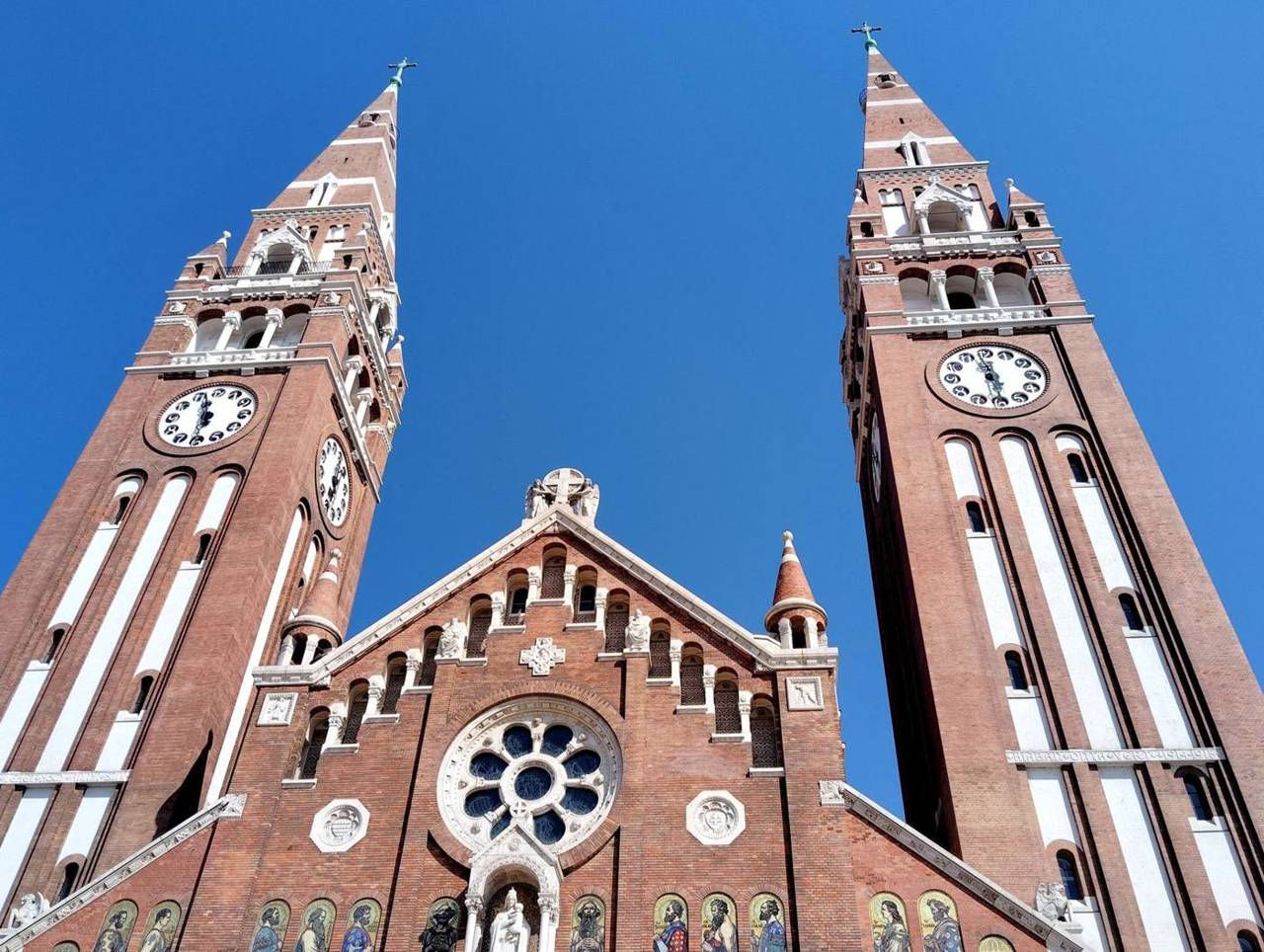
Szeged, Kecskemét and paprika
The southern Great Plain: Art Nouveau Kecskemét and its pálinka, the paprika museums of Kalocsa and Szeged, fisherman's soup and Szeged's Art Nouveau.
 4 daysModerate
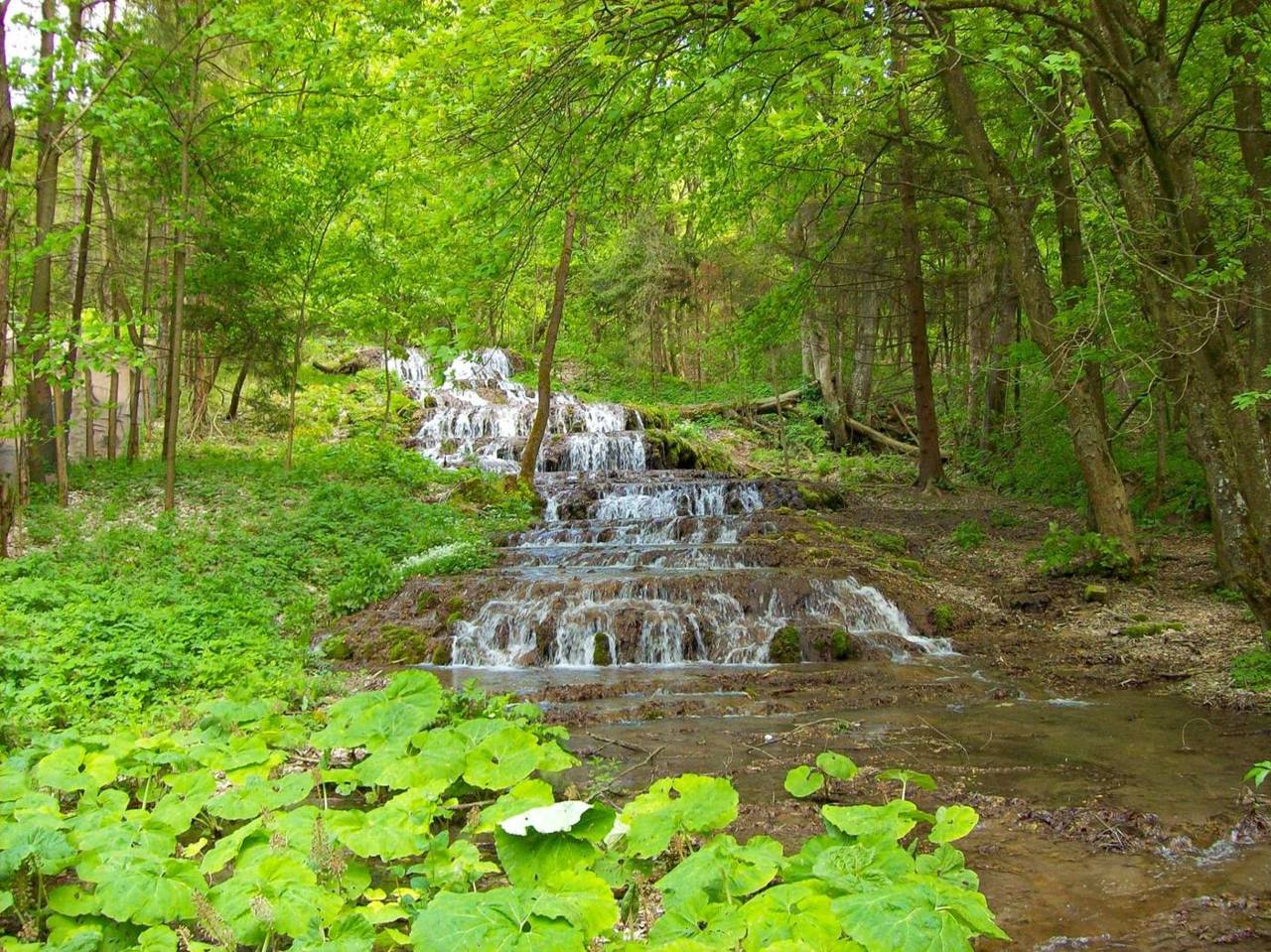
Aggtelek and the Bükk Mountains
The UNESCO Baradla caves at Aggtelek, shared with Slovakia, and the forests and gorges of Bükk National Park with the Szalajka valley.
 4 daysEasy
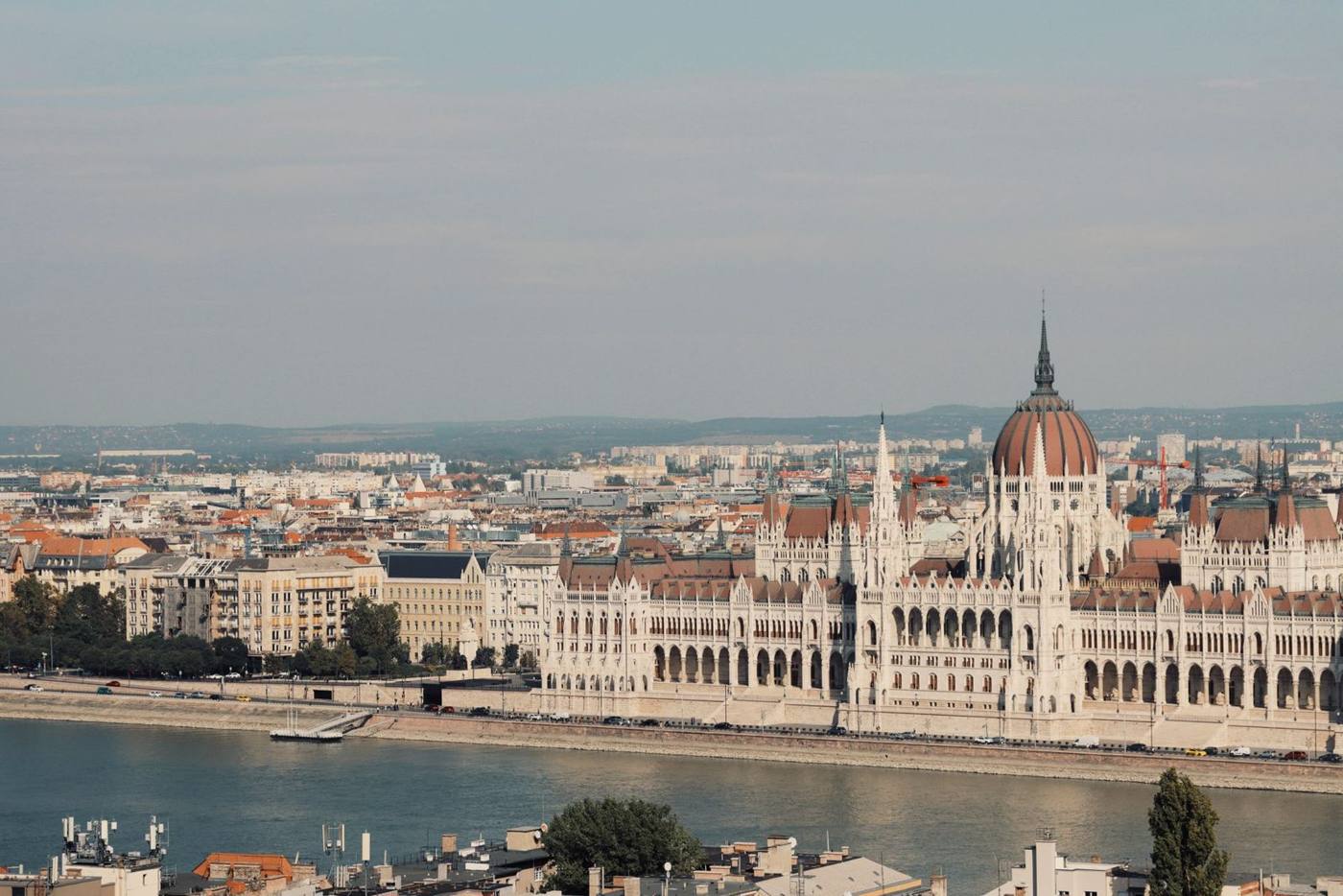
Budapest in four days
Parliament on the Danube, the Buda Castle district, the Széchenyi and Gellért baths, the ruin bars of the Jewish quarter and the Great Market Hall.