Río Dulce and Livingston
The river between jungle walls, San Felipe castle on Lake Izabal and Livingston, a Garifuna village on the Caribbean reached only by boat.
- Río Dulce
- Castillo de San Felipe
- Livingston
Day by day
- Day 1
Río Dulce and the castle of San Felipe
This short trip discovers Caribbean Guatemala: the Río Dulce between walls of jungle, the castle of San Felipe on Lake Izabal and Livingston, the Garifuna village on the coast that can only be reached by boat.
Before you go: Italian citizens enter Guatemala with a passport valid for at least six months from the date of arrival, and without a visa for stays of up to 90 days, which count in total for El Salvador, Honduras and Nicaragua too; before entering, complete the online immigration declaration. Other nationalities should check their own rules. Some areas on this trip are close to borders or places where the situation changes often: check your government's travel advice before booking and again before you leave.
You reach the small town of Río Dulce, also called Fronteras, by organised shuttle, by day. The town lies where the river flows out of Lake Izabal, the largest lake in Guatemala, beneath a long bridge. Many Caribbean sailing boats stay here during the hurricane season, because the river is a sheltered harbour.
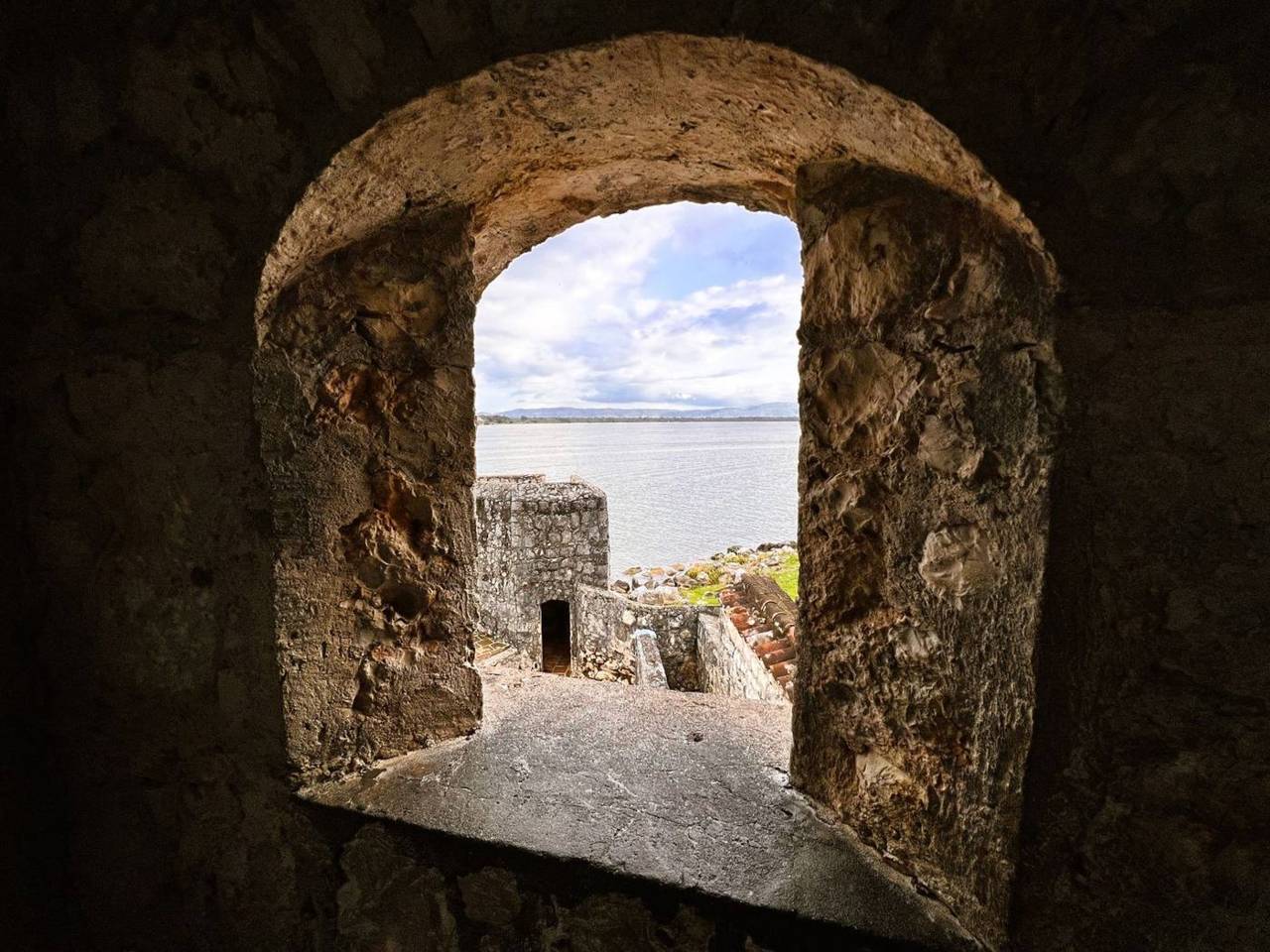
In the afternoon take a launch or a taxi to the castle of San Felipe de Lara, a few minutes away, on the lakeshore. It is a small Spanish stone fortress, built in the seventeenth century and later rebuilt, to stop the pirates who sailed up the river to raid the warehouses on the lake. Walk among the walls, towers, cannons and narrow rooms, and look out over the lake from above. Check prices and times.
At sunset take a boat trip on the lake, between the green shores and the fishing villages.
Practical tip: get around only with organised shuttles and boats, by day, and leave documents and valuables you do not need at your accommodation.
- Day 2
By boat through the canyon to Livingston
Today you take the most beautiful boat trip in Guatemala: the Río Dulce from the lake to the sea, in about two hours.
The launch leaves from the jetty and goes down the river, which is wide and calm here. Soon you enter El Golfete, a large inland lake surrounded by forest, where a reserve protects the manatee, a large water mammal that is hard to spot. On the banks there are mangroves, water lilies, herons, cormorants and pelicans, and wooden houses on stilts where Q'eqchi' Maya families live.
The boat stops often: at one point hot springs run down the rock into the river, and you can bathe in the warm water. At another you see an islet covered in seabirds.
Then the river enters the canyon: limestone walls tens of metres high, covered in jungle, with lianas hanging over the water and caves on the bank. This is the most spectacular part of the trip, protected as a national park. The engine slows, and you hear only the birds and the howler monkeys.
At the end of the canyon the river opens onto the Caribbean Sea, and Livingston appears, with its colourful boats and houses on the hill. Livingston has no roads linking it to the rest of the country: you can only arrive by boat.
In the afternoon walk along the main street, which climbs up from the harbour, and go down to the beach.
Practical tip: on the launch the sun and the spray are strong; bring a hat, sun cream, a light jacket and a waterproof bag for your phone.
- Day 3
Garifuna culture and the return
Today you discover the Garifuna culture of Livingston and then head back towards Río Dulce.
The Garifuna are a people born from the meeting of Africans and Caribbean indigenous people on the island of St Vincent. At the end of the eighteenth century the British deported them to the island of Roatán, in Honduras, from where they moved along the coast of Central America; today they live in villages in Belize, Guatemala, Honduras and Nicaragua. Their language, music and dance are on UNESCO's list of intangible cultural heritage.
In the morning walk around the town with a Garifuna guide, who tells you about the history, the traditions and life today. You see the wooden houses, the fishing boats and the workshops where drums are made. If the weather allows, go by boat to the Siete Altares waterfalls, a series of pools and small cascades in the forest near the coast, where you can swim. Always go with a guide or by boat, never alone on foot along the beach.
For lunch try tapado, the soup of fish, prawns and crab cooked in coconut milk with green plantain, Livingston's signature dish. Then taste coconut bread and guifiti, a drink of herbs steeped in rum.
In the evening, if you are still in town, listen to punta music, with drums and singing, and watch the dancing. Otherwise, in the early afternoon take the launch back towards Río Dulce and from there an organised shuttle, by day.
In these three days you have seen Caribbean Guatemala: Lake Izabal and the castle, the Río Dulce canyon and Garifuna culture.
When to go: from February to May, in the driest season. From June to November it rains a lot.
Practical tip: check the times of the return launches the day before, because there are few departures.
A different Guatemala, Caribbean and relaxed. There are no roads out of Livingston. Stay in tourist areas; avoid the Honduran border zone.
Before you go
- Documents and visa
- Passport valid for at least six months from your arrival date; no visa is needed for stays of up to 90 days. The period counts in total for Guatemala, El Salvador, Honduras and Nicaragua and does not restart when you cross from one country to another. Before entering and leaving, complete the online immigration declaration and keep the QR code. The airport departure tax is usually included in your ticket.
- Health and vaccines
- There is a risk of dengue, Zika and chikungunya, and of malaria in some lowland areas: ask a travel health clinic. If you arrive from a country at risk you need a yellow fever vaccination certificate. In Antigua, Xela and on the volcanoes you feel the altitude and nights are cold. Drink bottled water. You need insurance covering medical costs and repatriation.
- Money and payments
- Quetzal. US dollars are easy to change, but in markets and villages you pay in quetzales. Cards work in hotels and town shops; use cash machines by day, inside banks or shopping centres.
- Power sockets
- Types A and B, 120 volts: you need an adapter for American plugs, and check that your devices accept this voltage.
- Time zone
- UTC-6 all year.
- Safety
- The United States advises reconsidering travel because of crime and says do not travel to the departments of San Marcos and Huehuetenango, Zone 18 of Guatemala City and Villa Nueva. The United Kingdom advises against all but essential travel within 5 km of the Mexican border, from the Pacific coast up to the Gracias a Dios crossing, and to some towns in Huehuetenango. Since mid-November 2026 a 30-day state of exception has been in force in the departments of Izabal and Zacapa. Canada advises against the Melchor de Mencos crossing into Belize. There have been armed robberies on tourist routes: travel by day, by shuttle or organised transport, and avoid public buses. Before climbing volcanoes check the INSIVUMEH and CONRED alerts and go with authorised guides. Official advice: GOV.UK.
Information checked in November 2026 for Italian and EU citizens. Rules change: always check before you travel.
Variations
In 2 days: the boat from Río Dulce to Livingston and back the next day, without the castle.
In 5 days: add two days in the Petén, at Flores and Tikal, reached by shuttle from Río Dulce.
Frequently asked questions
What document do I need for Guatemala?
Italian citizens enter with a passport valid for at least six months from arrival, without a visa for stays of up to 90 days, and complete the online immigration declaration. Other nationalities should check their own rules.
How do I get to Livingston?
Only by boat, from Río Dulce along the river or from Puerto Barrios across the bay. No roads reach the town from the rest of the country.
What is tapado?
It is the typical Garifuna soup of Livingston, with fish, prawns and crab cooked in coconut milk with green plantain and spices.
Indicative itinerary written by World Atlas. Before booking, check timetables, seasonal openings, documents and safety.
 3 daysEasy
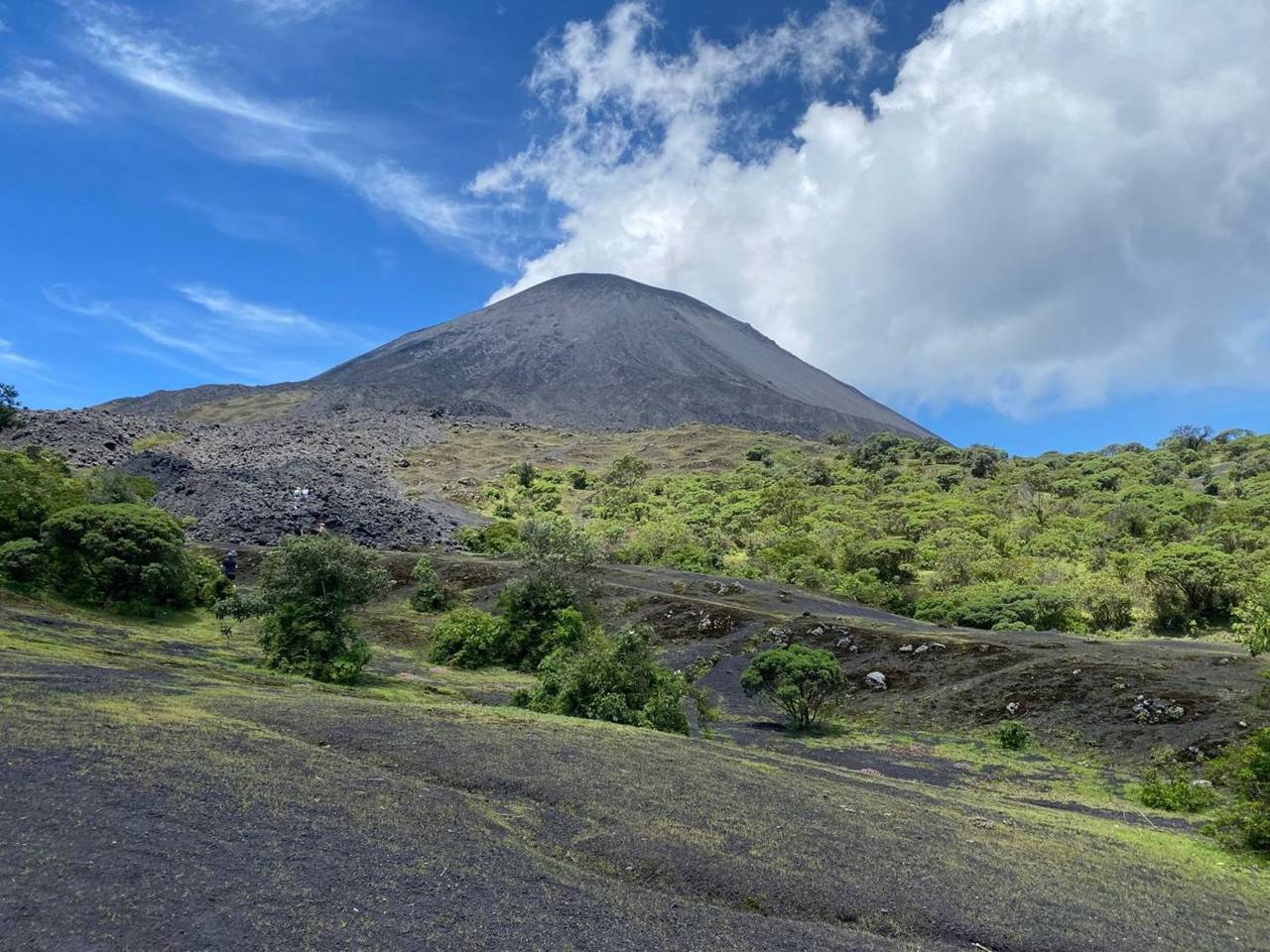
Pacaya and Monterrico
The easy hike on Pacaya volcano, among recent lava flows, and the village of Monterrico on the Pacific coast, with black sand, mangroves and turtles.
 3 daysEasy
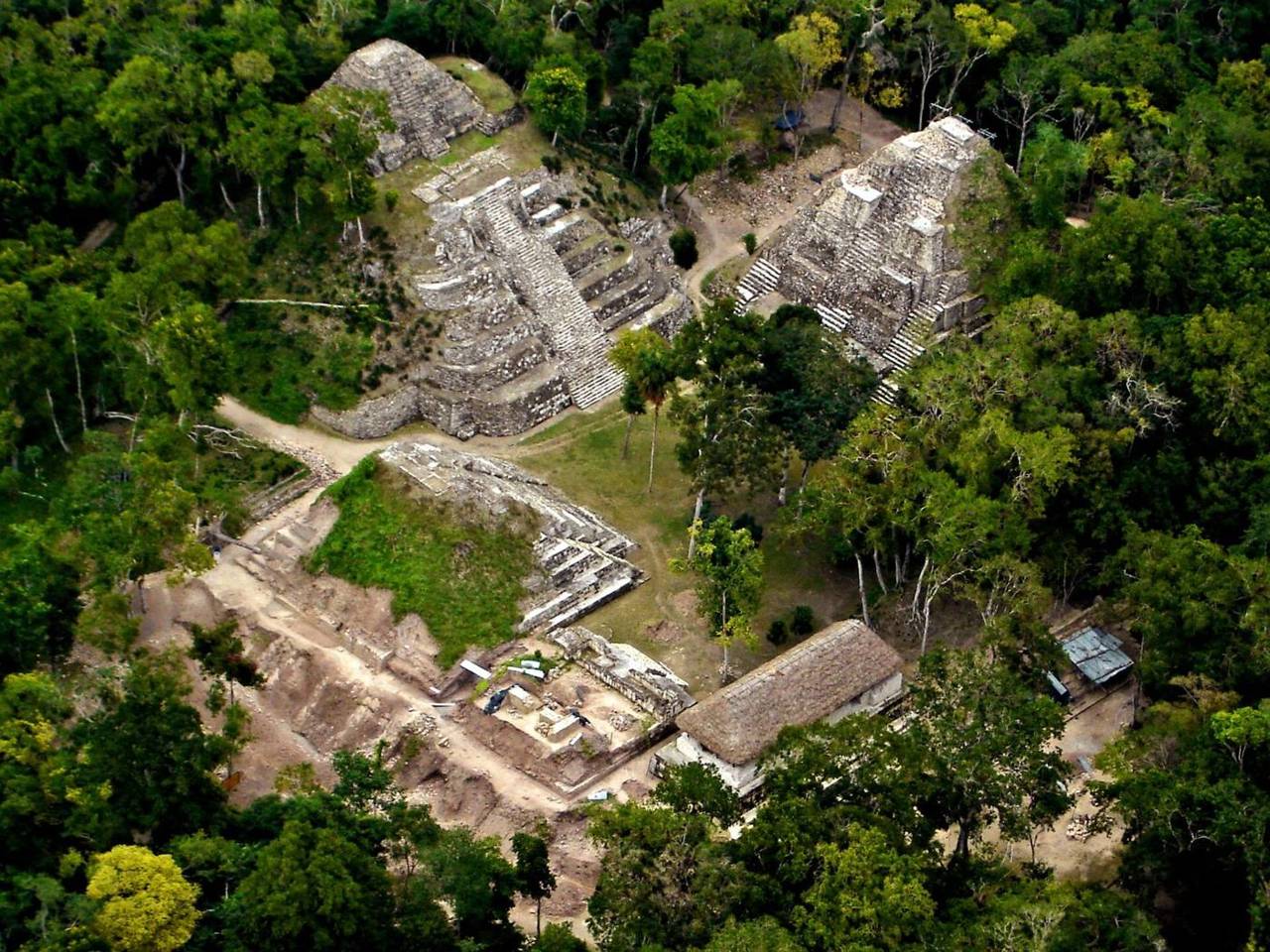
Yaxhá and Flores
The colonial island of Flores on Lake Petén Itzá and the Maya city of Yaxhá, with pyramids by its lagoon and sunsets among howler monkeys, far less crowded than Tikal.
 4 daysEasy
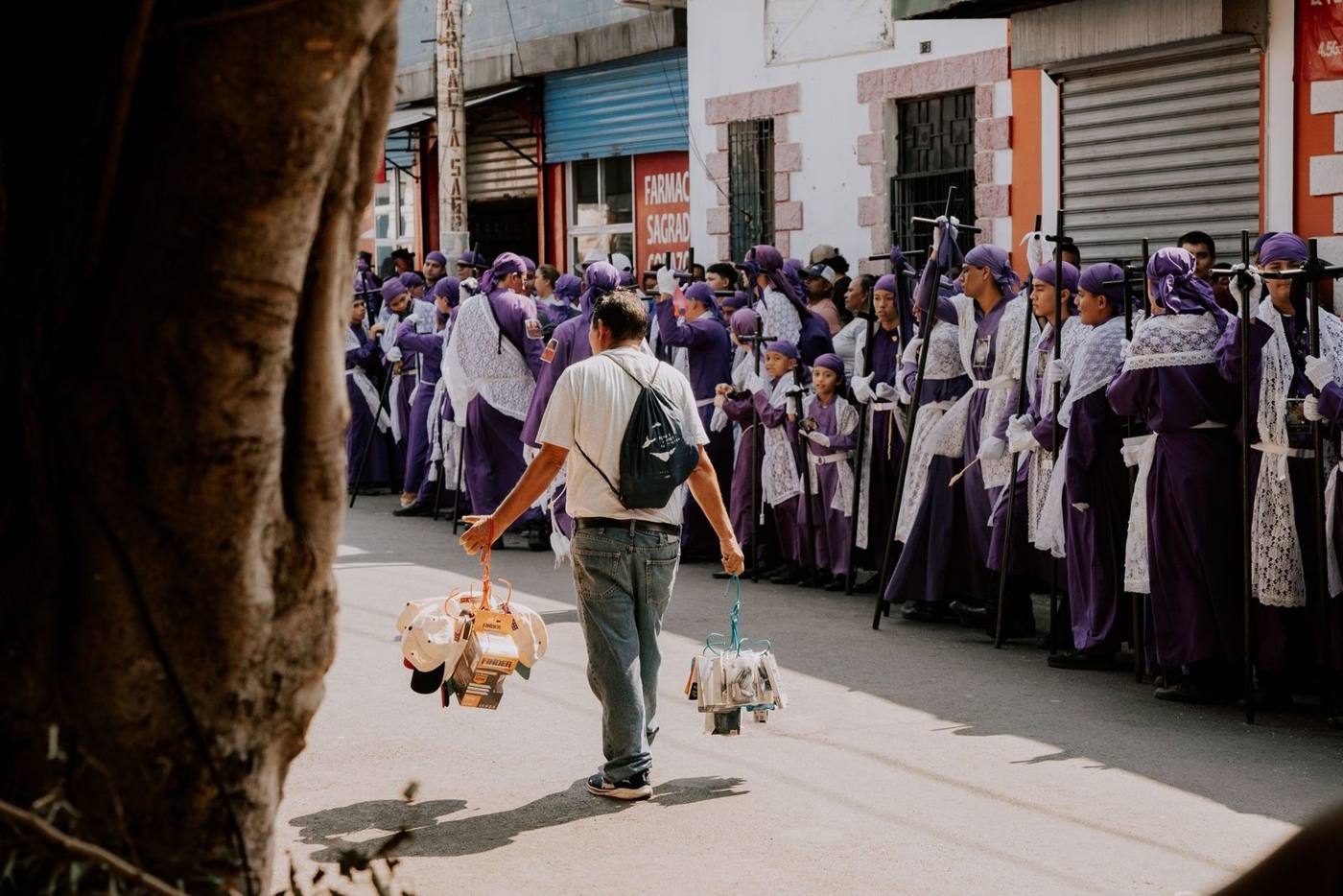
Holy Week in Antigua
The most famous processions in the Americas: carpets of coloured sawdust and flowers in the streets, bearers in purple and large wooden floats among the baroque churches.