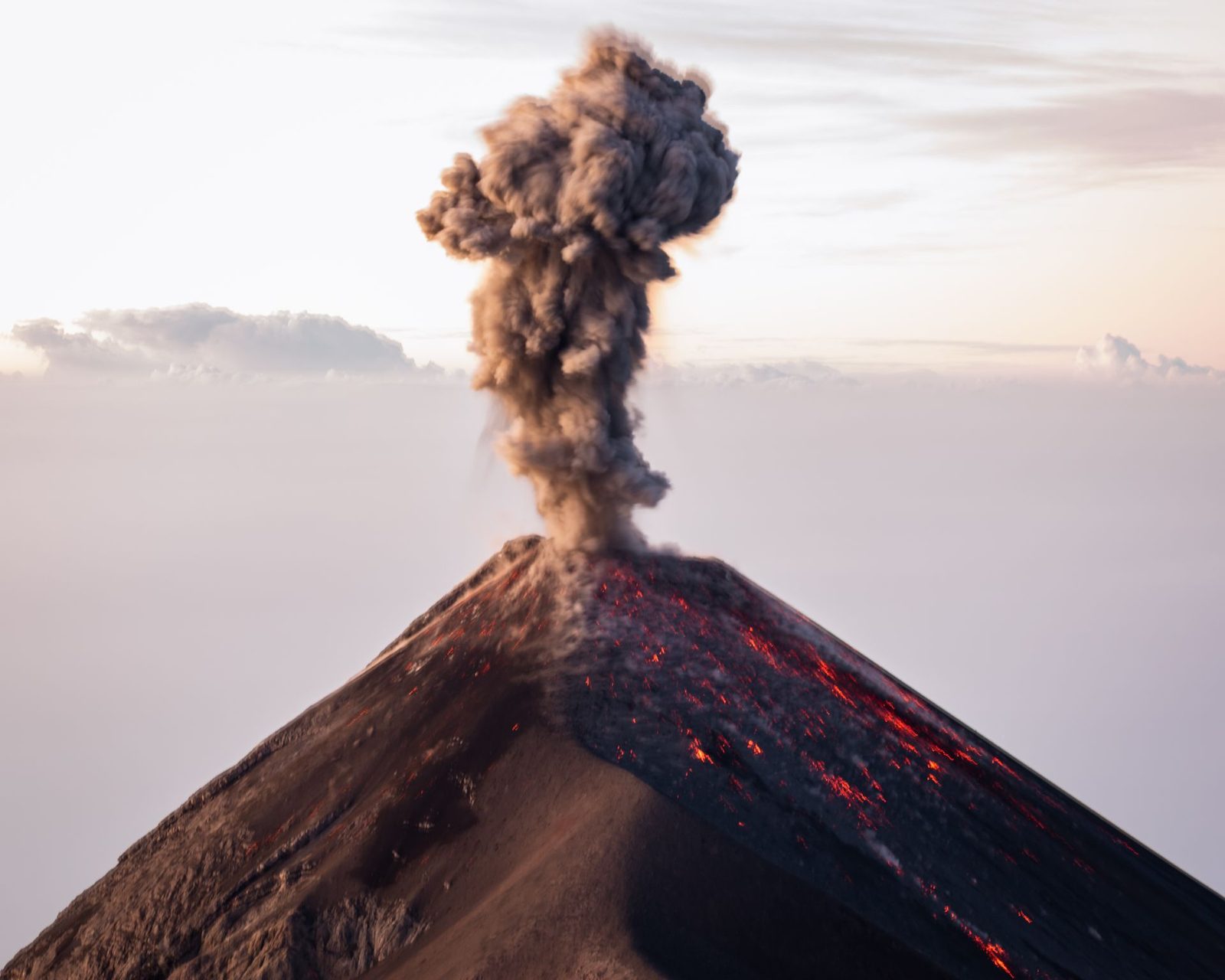
Acatenango volcano
A night in a tent at almost 3,700 metres on Acatenango, facing erupting Fuego, and the dawn climb to the summit with views of Antigua and the volcanoes.
- Antigua
- La Soledad
- Acatenango
Day by day
- Day 1
The climb to the camp facing Fuego
This two-day trip takes you up Acatenango, the volcano that towers over Antigua to the south-west. You sleep in a tent at about 3,600 metres, facing the Fuego volcano as it erupts at night, and at dawn you climb to the summit, at 3,976 metres. It is a spectacular hike, but hard and cold.
Before you go: Italian citizens enter Guatemala with a passport valid for at least six months from the date of arrival, and without a visa for stays of up to 90 days, which count in total for El Salvador, Honduras and Nicaragua too; before entering, complete the online immigration declaration. Other nationalities should check their own rules. The United States advises reconsidering travel to Guatemala because of crime. The United Kingdom points out that Guatemala has no mountain rescue service: before climbing check the INSIVUMEH and CONRED alerts, which can suspend ascents, and go only with an agency and guides registered with INGUAT. Climbing Fuego and walking the ridge between the two volcanoes, El Camellón, are forbidden.
Early in the morning leave Antigua by shuttle for La Soledad, the village at about 2,400 metres where the trail begins. Here you pay the entrance fee to the protected area: check prices and times.
The trail climbs steeply through maize fields, then into cloud forest and finally among pines and volcanic ash. It takes four to six hours, with frequent stops.
In the afternoon you reach the camp, with tents already pitched by the guides, facing Fuego. Every few minutes the volcano throws up columns of ash and, after dark, jets of red lava.
Sleep in a tent on Acatenango.
Practical tip: bring or rent in Antigua a padded jacket, a hat, gloves and a head torch.
- Day 2
Dawn on the summit and the descent to Antigua
Today you reach the summit of Acatenango at first light and return to Antigua.
The alarm goes off at around four, in the dark and the cold. With your head torch you climb for about an hour and a half up a steep slope of volcanic sand and gravel, where you slide back a little with every step. Go at your own pace and breathe calmly: the air is thin up here.
You reach the top before dawn, on the crater rim. When the sun rises you see Fuego smoking below you, then the Agua volcano and Pacaya to the east, and on clear days the volcanoes around Lake Atitlán. Down below lies the Antigua valley, still in shadow. The wind is strong and icy: wrap up well and do not stay too long.
Go back down to the camp for breakfast and a hot coffee, pack your rucksack and start the descent, which takes about three hours. On the ash section you almost run down, then the trail returns to the woods as far as La Soledad.
In the early afternoon the shuttle takes you back to Antigua. Have a hot shower and rest your legs.
In these two days you have slept facing an erupting volcano and watched the dawn from the summit of Acatenango, above the clouds.
When to go: from November to April, in the dry season, the sky is more often clear; at night, especially from December to February, the temperature at the top drops below zero. In the rainy season storms are frequent.
Practical tip: wear high hiking boots and, if you have them, poles: they help a lot on the descent through the ash.
One of Central America's most spectacular experiences. Hard climb and bitter cold at night. Only with licensed agencies; hikes towards Fuego can be suspended.
Before you go
- Documents and visa
- Passport valid for at least six months from your arrival date; no visa is needed for stays of up to 90 days. The period counts in total for Guatemala, El Salvador, Honduras and Nicaragua and does not restart when you cross from one country to another. Before entering and leaving, complete the online immigration declaration and keep the QR code. The airport departure tax is usually included in your ticket.
- Health and vaccines
- There is a risk of dengue, Zika and chikungunya, and of malaria in some lowland areas: ask a travel health clinic. If you arrive from a country at risk you need a yellow fever vaccination certificate. In Antigua, Xela and on the volcanoes you feel the altitude and nights are cold. Drink bottled water. You need insurance covering medical costs and repatriation.
- Money and payments
- Quetzal. US dollars are easy to change, but in markets and villages you pay in quetzales. Cards work in hotels and town shops; use cash machines by day, inside banks or shopping centres.
- Power sockets
- Types A and B, 120 volts: you need an adapter for American plugs, and check that your devices accept this voltage.
- Time zone
- UTC-6 all year.
- Safety
- The United States advises reconsidering travel because of crime and says do not travel to the departments of San Marcos and Huehuetenango, Zone 18 of Guatemala City and Villa Nueva. The United Kingdom advises against all but essential travel within 5 km of the Mexican border, from the Pacific coast up to the Gracias a Dios crossing, and to some towns in Huehuetenango. Since mid-November 2026 a 30-day state of exception has been in force in the departments of Izabal and Zacapa. Canada advises against the Melchor de Mencos crossing into Belize. There have been armed robberies on tourist routes: travel by day, by shuttle or organised transport, and avoid public buses. Before climbing volcanoes check the INSIVUMEH and CONRED alerts and go with authorised guides. Official advice: GOV.UK.
Information checked in November 2026 for Italian and EU citizens. Rules change: always check before you travel.
Variations
Shorter: there is no safe one-day version; if you are short of time, climb Pacaya, lower and easier, in half a day.
Longer: add two days in Antigua before the climb, to get used to the altitude and visit the town.
Frequently asked questions
How hard is the Acatenango climb?
It is demanding: about 1,200 metres of ascent on the first day and almost 400 more at dawn on steep, slippery trails, at altitude and in the cold. You need to be fit.
Can I climb Fuego?
No: climbing Fuego and the El Camellón ridge are forbidden by the authorities because of the danger from rocks, gas and ash. You watch Fuego from the Acatenango camp.
How do I choose an agency?
Check that the agency and guides are registered with INGUAT, that the tents are already set up at the camp and that warm clothes can be rented. Before leaving check the INSIVUMEH alerts.
Indicative itinerary written by World Atlas. Before booking, check timetables, seasonal openings, documents and safety.
 3 daysEasy
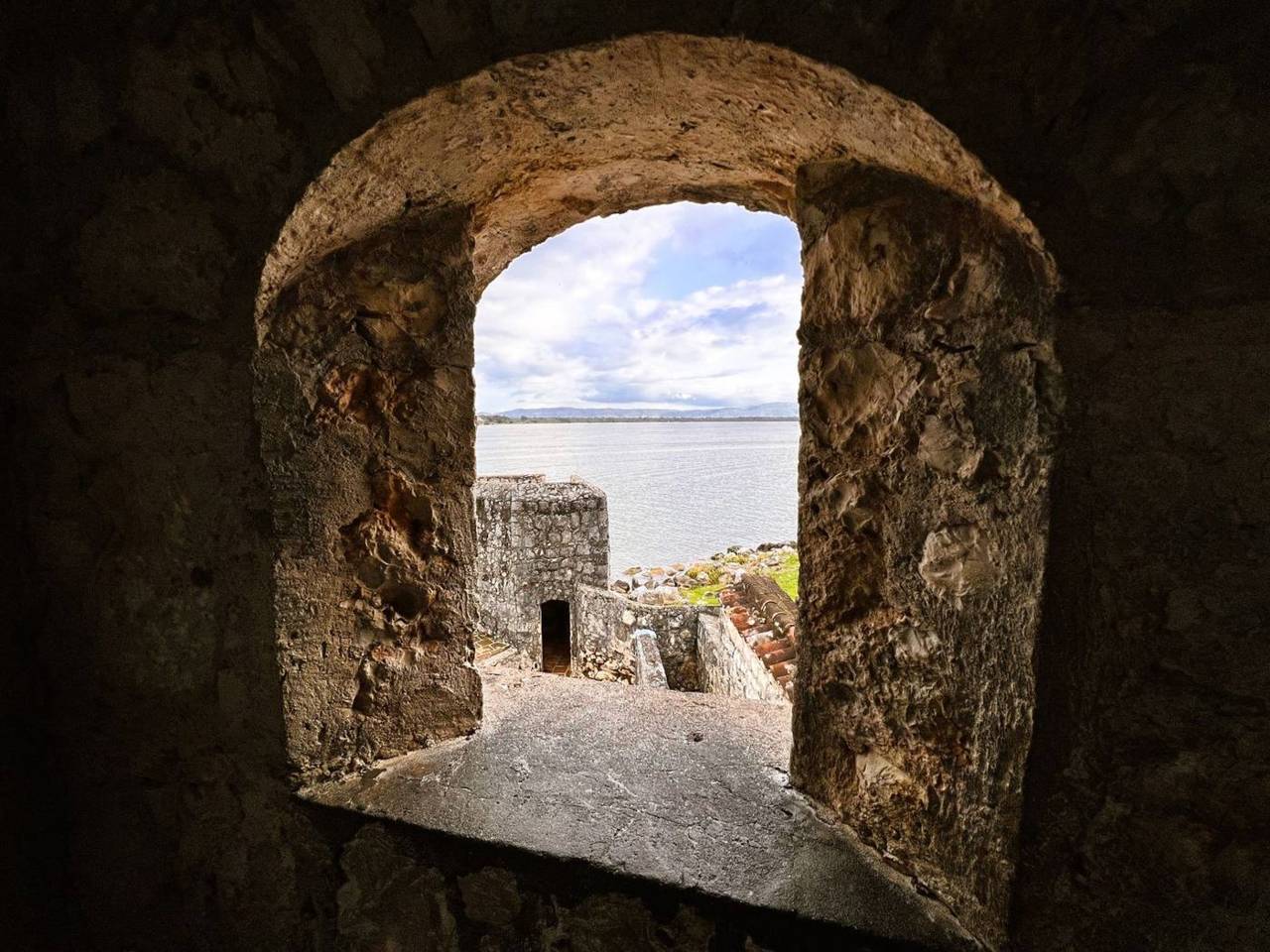
Río Dulce and Livingston
The river between jungle walls, San Felipe castle on Lake Izabal and Livingston, a Garifuna village on the Caribbean reached only by boat.
 3 daysEasy
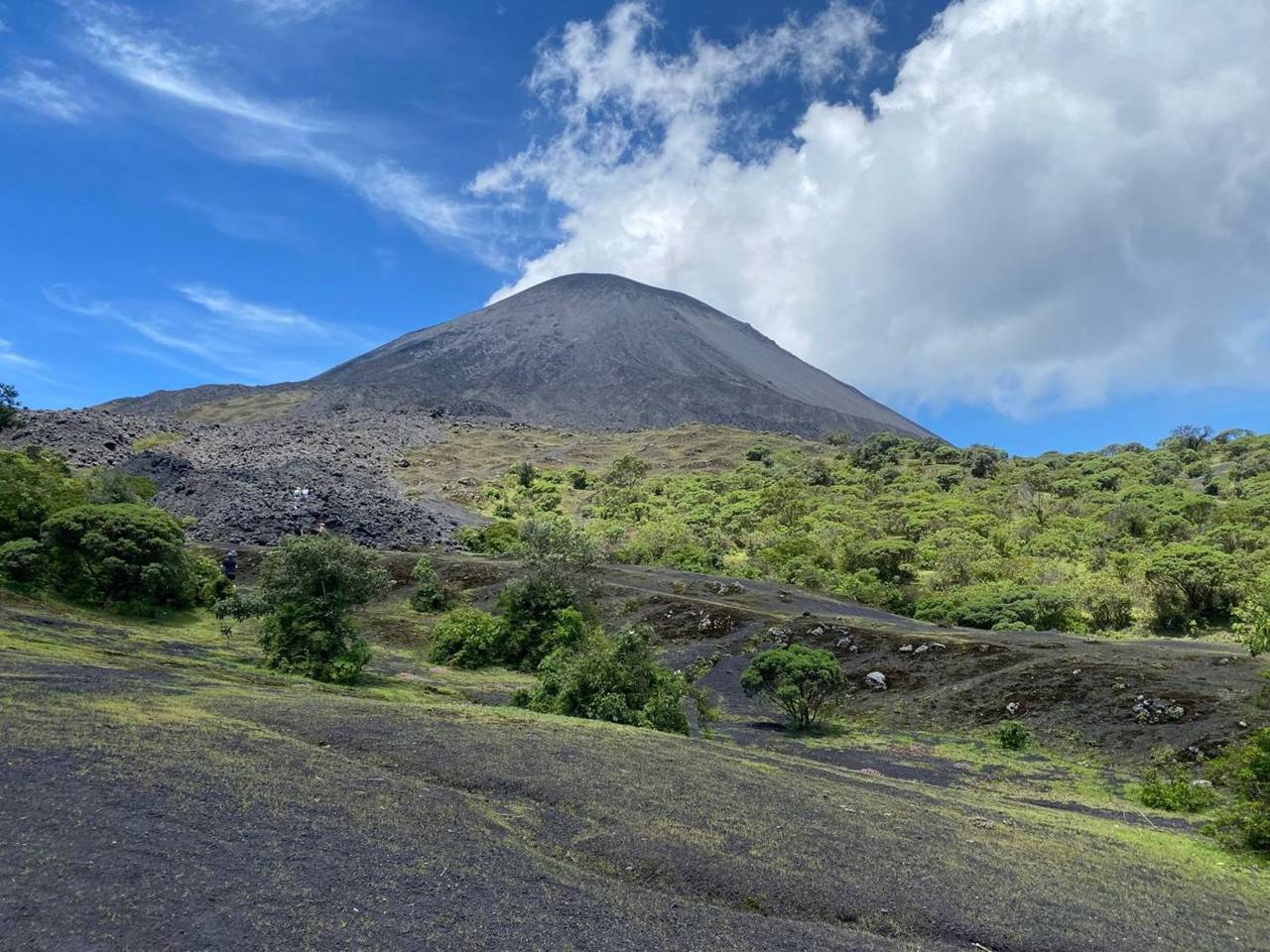
Pacaya and Monterrico
The easy hike on Pacaya volcano, among recent lava flows, and the village of Monterrico on the Pacific coast, with black sand, mangroves and turtles.
 3 daysEasy
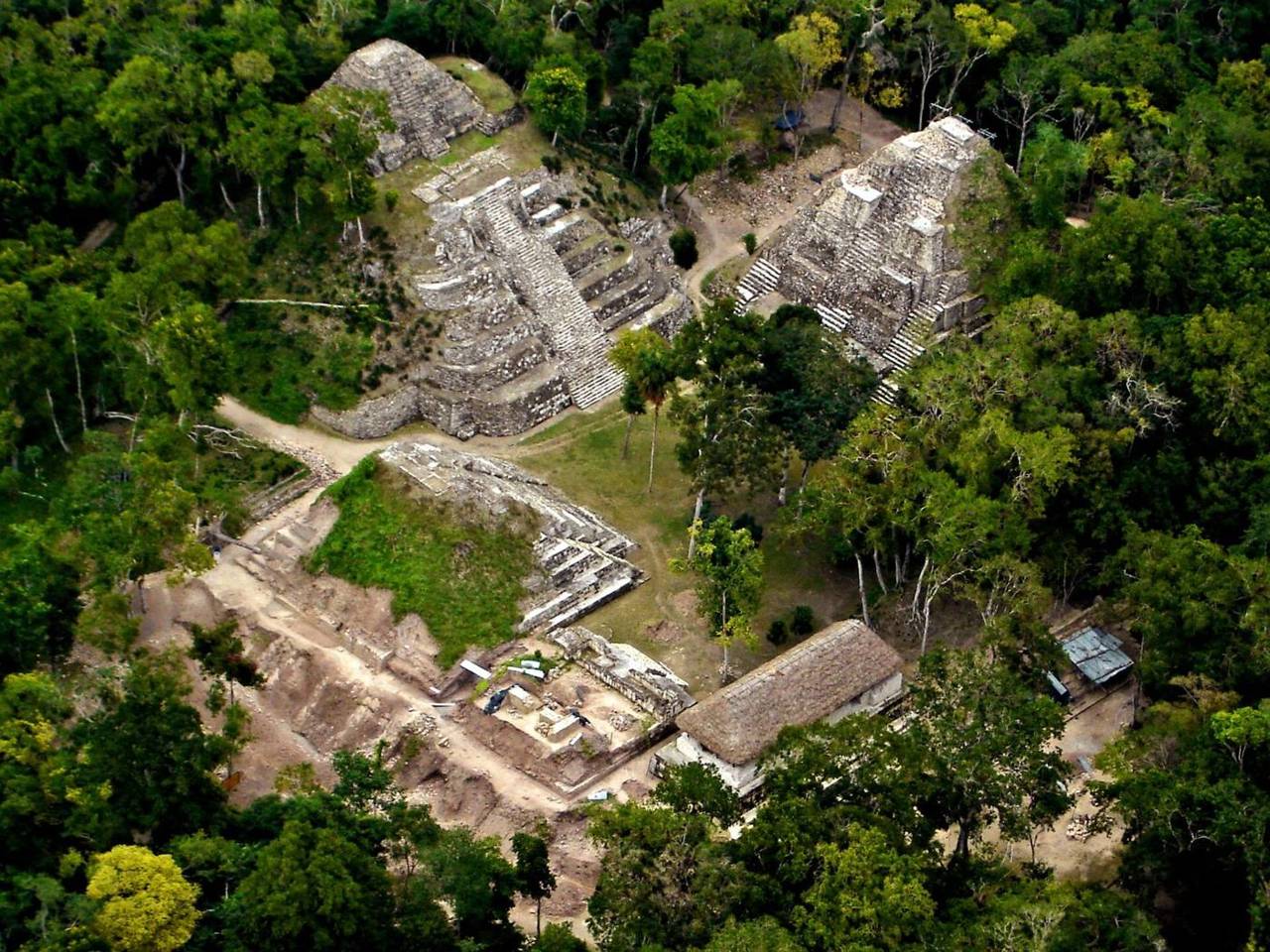
Yaxhá and Flores
The colonial island of Flores on Lake Petén Itzá and the Maya city of Yaxhá, with pyramids by its lagoon and sunsets among howler monkeys, far less crowded than Tikal.