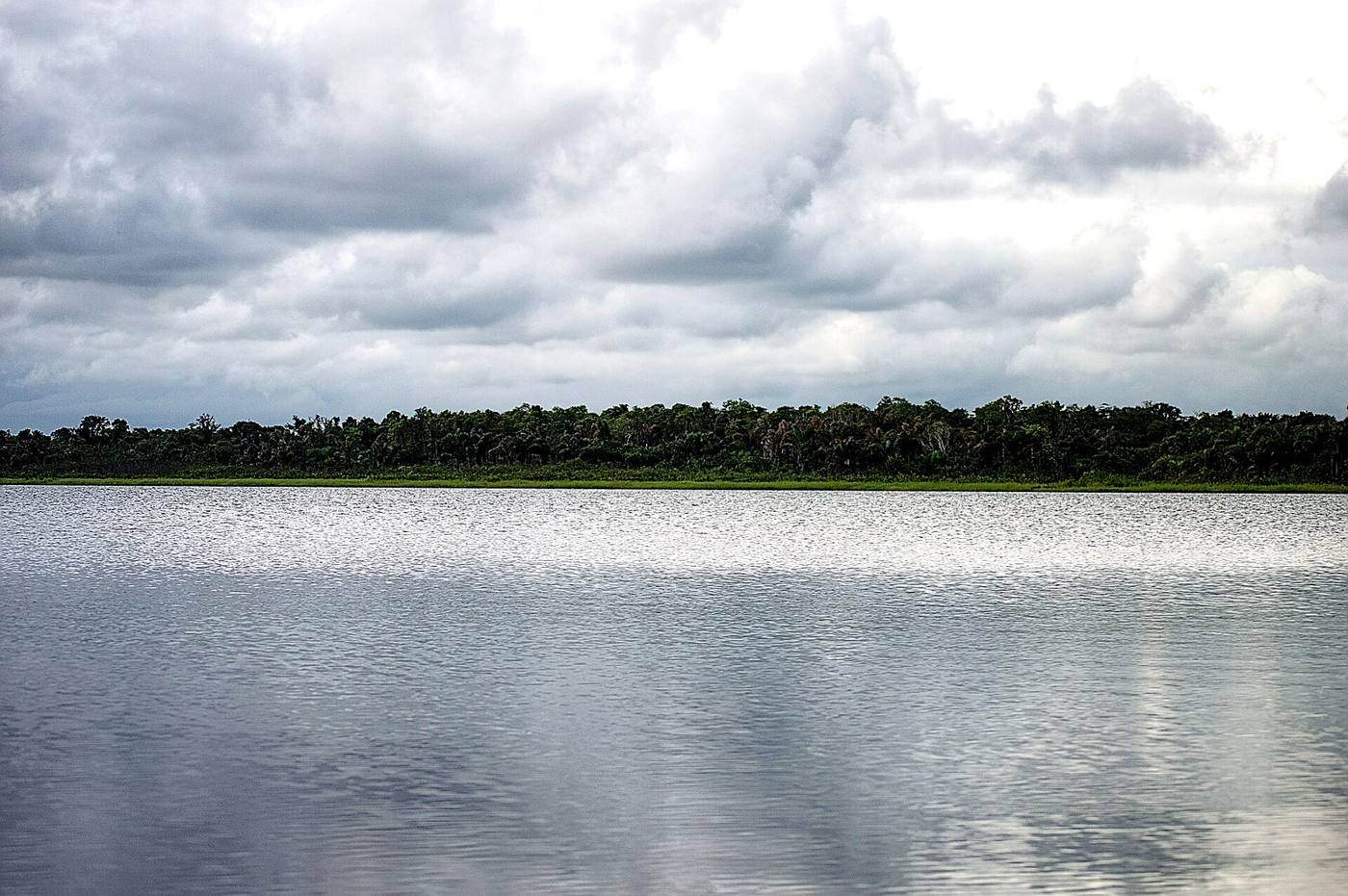
Nzulezo and Ankasa
The stilt village of Nzulezo on Lake Amansuri, reached by canoe through raffia palms, and the primary forest of Ankasa, among West Africa's richest.
- Beyin
- Nzulezo
- Ankasa
Day by day
- Day 1
By canoe from Beyin to Nzulezo
This trip takes you to the south-western corner of Ghana: the stilt village of Nzulezo, on Lake Amansuri, reached by canoe among raffia palms, and the primary forest of Ankasa, one of the richest in West Africa. You travel by car, by canoe and on foot with the rangers.
Before you go: Italian citizens enter Ghana with a passport and a visa, to be obtained before departure; since May 2026 it is requested online on the official electronic visa portal of the Ghana Immigration Service, without going through intermediary websites. Yellow fever vaccination is compulsory for all travellers over nine months old and the certificate is checked on arrival. Since November 2026, as a precaution against Ebola, a health declaration and a temperature check are required at airports. Talk to your doctor about malaria prevention. Other nationalities should check their own rules. The UK advises against all but essential travel only to the Bawku area, in the far north-east, and reports no particular risks for this coastal region near Côte d'Ivoire.
In the morning in Beyin, a village on the coast, look at Fort Apollonia, built by the British in the eighteenth century and now part of Ghana's forts and castles listed by UNESCO. Check prices and times.
Then board a wooden canoe with a local guide. First you follow a narrow channel among raffia palms and water lilies, then Lake Amansuri opens up, calm and dark. After the crossing Nzulezo appears, a village built entirely on wooden stilts above the water, with a long central walkway, the houses, the school and the church. According to tradition, the ancestors came here from far away, guided by a snail.
In the afternoon you return by canoe to Beyin.
Sleep in Beyin, for two nights.
Practical tip: in Nzulezo always ask permission before photographing people and houses, and pay the community contribution requested on arrival.
- Day 2
The forest of Ankasa with the rangers
Today you explore the primary forest of Ankasa, one of the most species-rich protected areas in Ghana.
Early in the morning you reach Ankasa by car. The protected area covers a large wet rainforest near the border with Côte d'Ivoire, with towering trees, lianas and clear streams flowing between the rocks. It is one of the richest forests in West Africa for plants, butterflies and birds. Check prices and times.
You walk with the rangers on trails through the forest. Here animals are heard more than seen: the calls of monkeys in the canopy, the wingbeats of hornbills, the hum of insects. Forest elephants, antelopes and several species of monkeys also live in the park, but they are shy and rarely show themselves. The rangers show you tracks, eaten fruit, the trees used by nearby communities for traditional medicine and the brightly coloured butterflies that settle on the damp stones.
At midday stop near a stream for a break, where you can cool off where the rangers allow it.
In the afternoon you return to Beyin. At sunset walk on the beach in front of the village, but do not swim: on the beaches of southern Ghana the currents are dangerous.
Practical tip: in the forest wear long trousers, closed shoes and long socks, use repellent and bring a dry change of clothes, because the humidity is very high. Do not go near the border and do not follow tracks towards Côte d'Ivoire.
- Day 3
The return
Today you leave the western coast and head back east.
Early in the morning, before leaving, walk on Beyin beach, where fishermen haul in their nets from the colourful pirogues. It is the coolest and quietest time of the day, with low light on the coconut palms.
Then set off east along the coastal road. If you have time, stop for lunch in one of the fishing villages along the coast or in Takoradi, the large port city of the Western Region. Try grilled fish with banku and shito, the hot sauce of chilli and dried fish, or fufu with palm nut soup.
In the afternoon continue towards Cape Coast or Accra, travelling by day.
In three days you have seen an authentic and little-visited corner of Ghana: Fort Apollonia, the stilt village of Nzulezo on Lake Amansuri, reached by canoe among raffia palms, and the primary forest of Ankasa with the rangers.
When to go: from November to March, in the dry season, with drier trails and fewer mosquitoes. From April to July it rains a lot and the forest of Ankasa becomes muddy; September and October are also wet.
Practical tip: travel only by day, because the UK advises against roads outside towns after sunset, and carry cash in cedi, because cards are not used in the villages.
An authentic, little-visited corner of Ghana. In Ankasa you hear the animals more than you see them. Respect the village: ask before taking photos.
Before you go
- Documents and visa
- Valid passport and a compulsory visa, to be obtained before departure. Since May 2026 the visa is requested online on the official electronic visa portal of the Ghana Immigration Service: beware of unofficial websites.
- Health and vaccines
- Yellow fever vaccination is compulsory for all travellers over nine months old: the certificate is checked on arrival. Since November 2026, as a precaution against Ebola, international airports require a health declaration and a temperature check. Malaria prevention is recommended, after medical advice. Drink only bottled water.
- Money and payments
- Ghanaian cedi. Mobile payment is everywhere; cards work in large hotels and shopping centres in Accra, outside the cities you need cash.
- Power sockets
- Type G, 230 volts, the same as in the UK.
- Time zone
- UTC+0 all year.
- Safety
- The UK advises against all but essential travel to the Bawku Municipal area in the Upper East region, and reports attacks on some northern roads and clashes in the western part of the Savannah region, near the borders with Côte d'Ivoire and Burkina Faso. In Accra robbery and bag-snatching are increasing: avoid walking alone at night and taking a taxi alone after dark. On southern beaches currents are dangerous. Avoid roads outside towns after dark. Official advice: GOV.UK.
Information checked in November 2026 for Italian and EU citizens. Rules change: always check before you travel.
Variations
In 2 days: Nzulezo by canoe on the first day and Ankasa on the second, returning in the evening.
In 6 days: add the beaches of Busua and Cape Three Points and Elmina Castle.
Frequently asked questions
How do you get to Nzulezo?
By canoe from Beyin, with a local guide, along a channel among raffia palms and then across Lake Amansuri. The village is built entirely on stilts.
Can you see animals in Ankasa?
There are forest elephants, antelopes and monkeys, but they are shy: in Ankasa animals are heard more than seen. Birds, butterflies and rare plants, on the other hand, are easy to see.
What documents do I need for Ghana?
Italian citizens enter with a passport and a visa, to be requested online on the official portal of the immigration service. Yellow fever vaccination is compulsory. Other nationalities should check their own rules.
Indicative itinerary written by World Atlas. Before booking, check timetables, seasonal openings, documents and safety.
 2 daysEasy
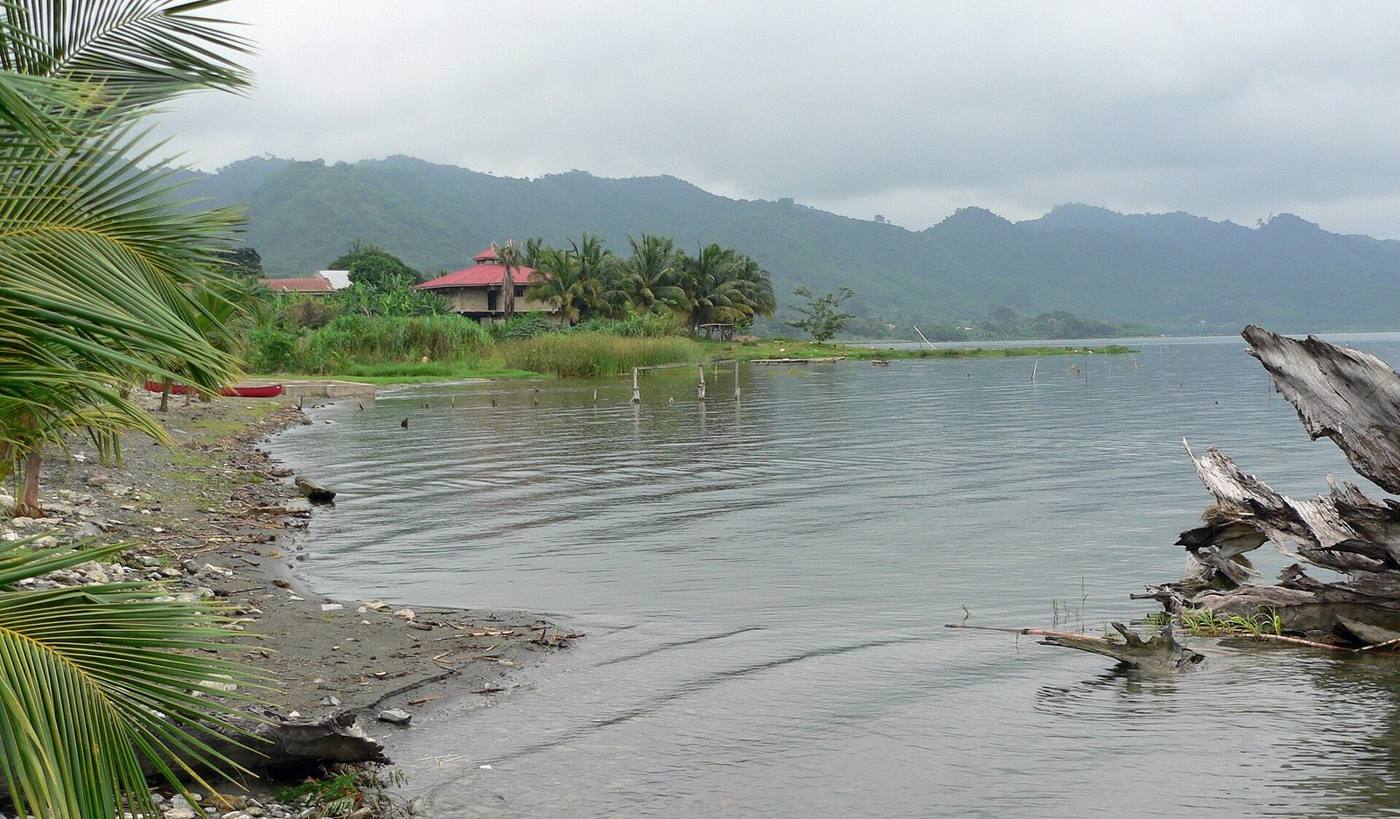
Lake Bosumtwi
Ghana's only natural lake, in a meteorite impact crater near Kumasi, sacred to the Ashanti, with villages, rim walks and fishing from wooden planks.
 3 daysEasy
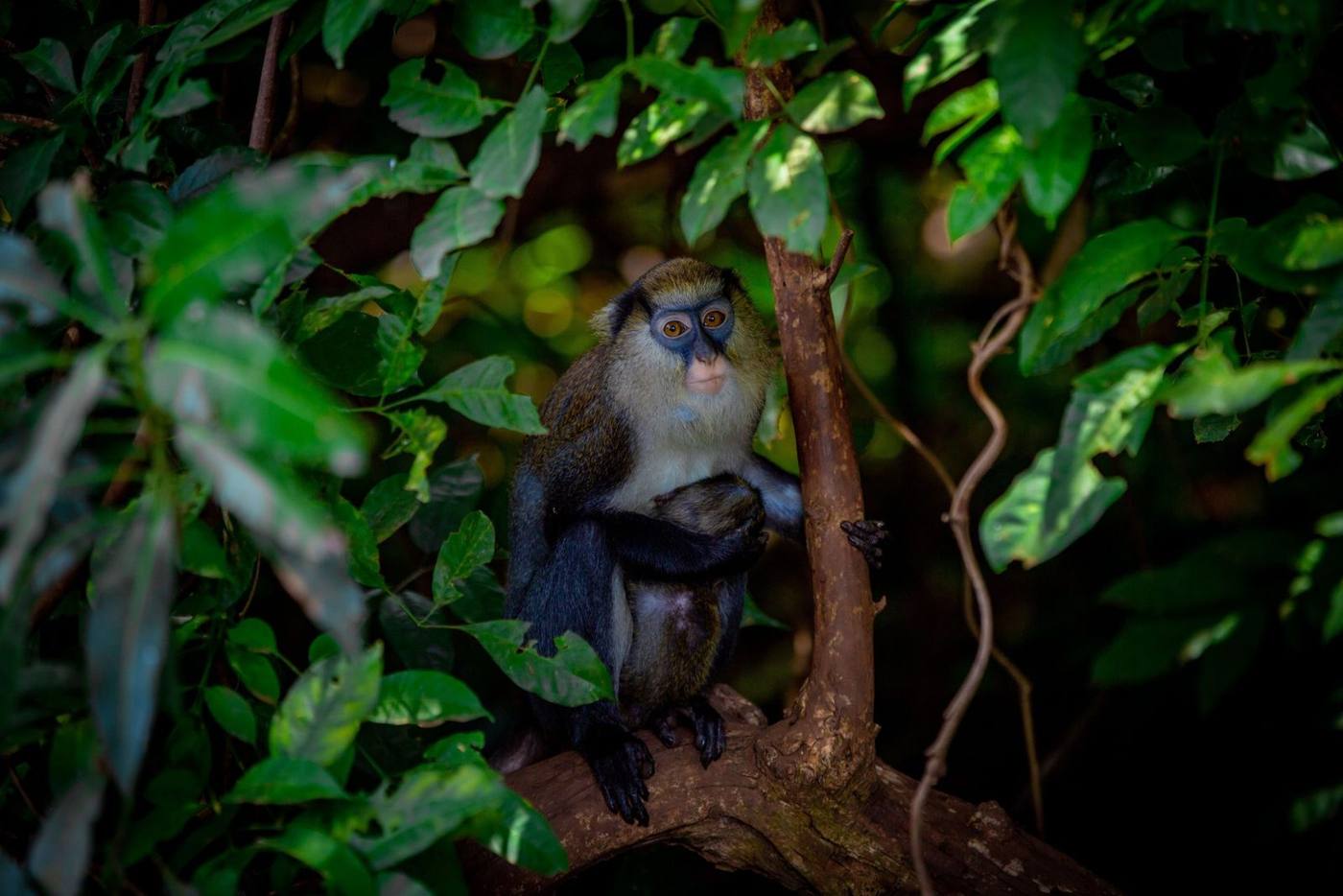
Boabeng-Fiema and Kintampo
The Boabeng-Fiema monkey sanctuary, where colobus and mona monkeys are protected by village tradition, and the Kintampo and Fuller falls in the centre of the country.
 2 daysEasy
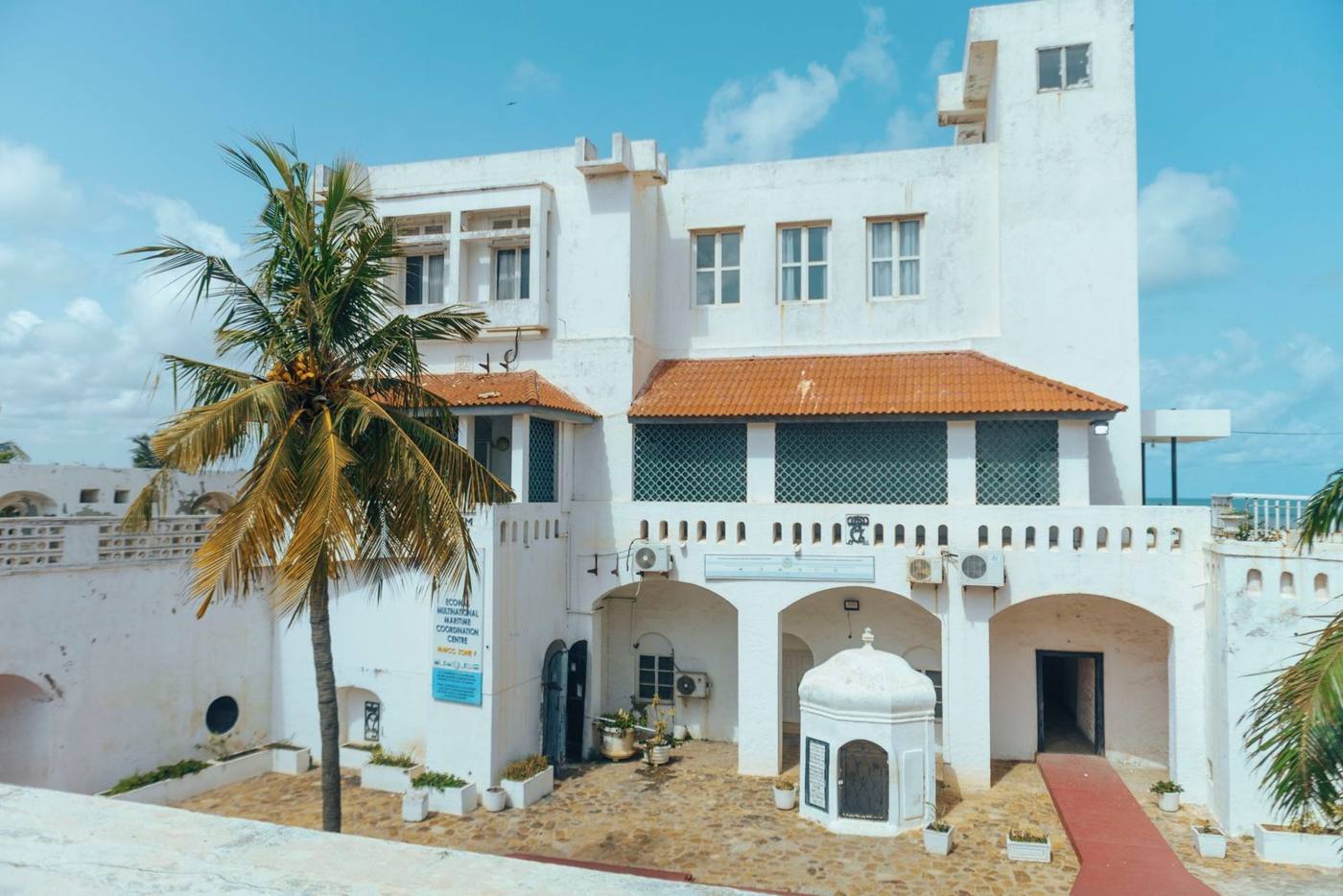
Accra, art and food
The creative capital: Jamestown with its lighthouse and murals, the galleries of Osu and Labadi, Makola market and street food, from jollof to kelewele.