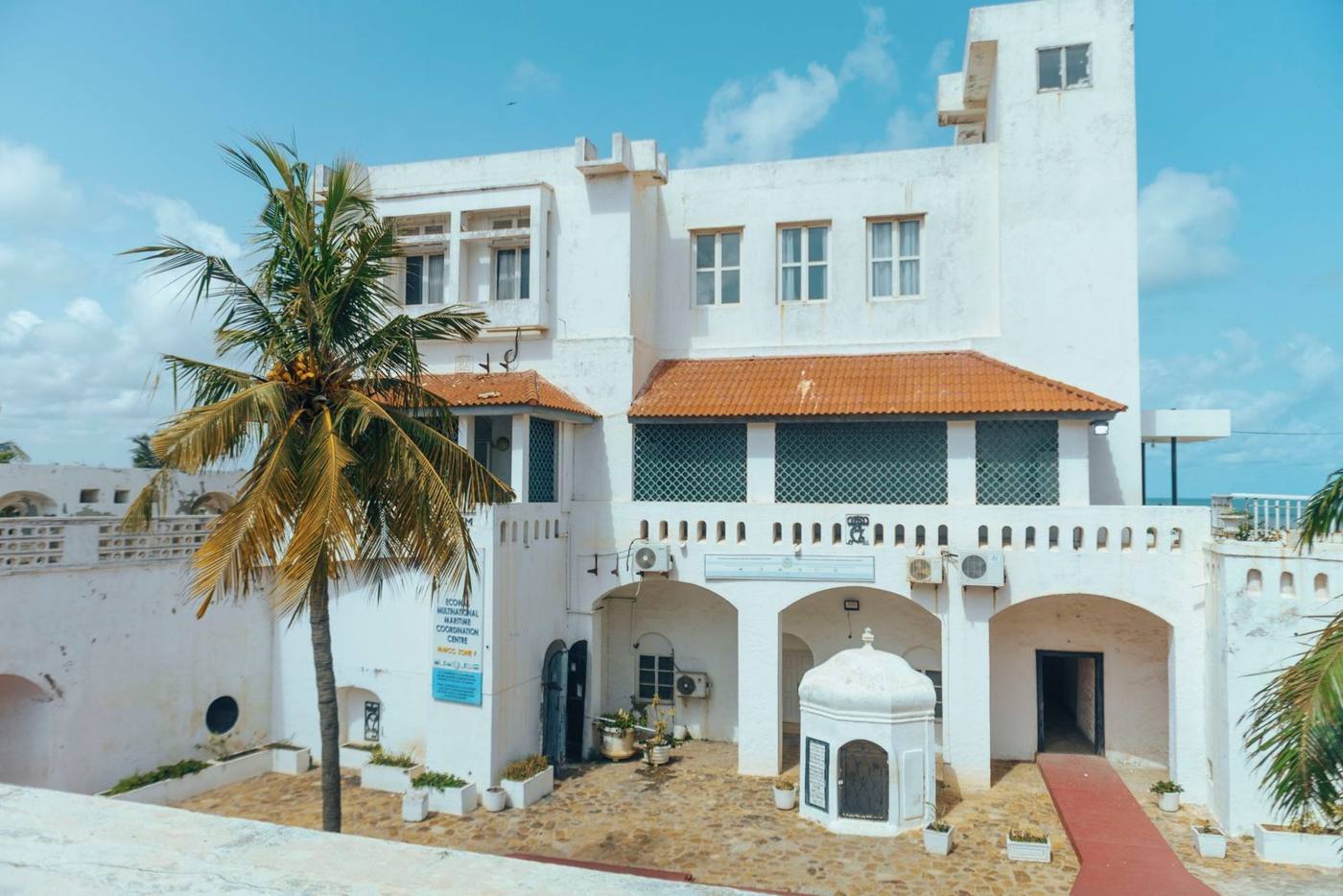
Accra, art and food
The creative capital: Jamestown with its lighthouse and murals, the galleries of Osu and Labadi, Makola market and street food, from jollof to kelewele.
- Jamestown
- Makola
- Osu
- Labadi
Day by day
- Day 1
Jamestown and Makola market
This trip takes you to Accra, the creative capital of Ghana: Jamestown with its lighthouse, forts and murals, Makola market, the art galleries of Osu and Labadi and the street food, from jollof to kelewele. You get around on foot with a guide and by taxi.
Before you go: Italian citizens enter Ghana with a passport and a visa, to be obtained before departure; since May 2026 it is requested online on the official electronic visa portal of the Ghana Immigration Service, without going through intermediary websites. Yellow fever vaccination is compulsory for all travellers over nine months old and the certificate is checked on arrival. Since November 2026, as a precaution against Ebola, a health declaration and a temperature check are required at the airport. Talk to your doctor about malaria prevention. Other nationalities should check their own rules. The UK advises against all but essential travel only to the Bawku area, in the far north-east, far from Accra, but reports an increase in robbery and bag-snatching in the city.
In the morning visit Jamestown, the oldest quarter of Accra, with a local guide. Climb the red and white striped lighthouse for the view over the houses, the fishermen's beach and the ocean. Then pass James Fort, built by the English in the seventeenth century, and nearby Ussher Fort, of Dutch origin, both part of Ghana's forts and castles listed by UNESCO. In the alleys look at the murals left by the artists of the Chale Wote festival and the open-air boxing gyms. Check prices and times.
In the afternoon enter Makola market, a maze of stalls selling fabrics, spices, dried fish, beads and pots, where people buy both wholesale and retail.
Sleep in Accra, for two nights.
Practical tip: at the market keep your phone and money in a closed pocket at the front and carry only what you need.
- Day 2
The galleries of Osu and a street dinner
Today you discover the contemporary art of Accra and its street food.
In the morning visit the Kwame Nkrumah Memorial Park, dedicated to the first president of independent Ghana, who led the country to independence in 1957. The park contains his mausoleum and a small museum with photographs and objects. Check prices and times. Not far away you see the great Independence Square with the Black Star Gate, the symbol of the country.
Then go to Osu and Labadi, the neighbourhoods where the city's contemporary art galleries are concentrated. Here Ghanaian painters, sculptors and photographers show works about identity, history and urban life, often made with recycled materials. Many galleries are small and change their exhibitions often: ask your guide which ones are open.
In the afternoon stroll around Osu, along the main street, with shops, craft stalls and cafés.
In the evening try Ghanaian street food: jollof, rice cooked in tomato and spices, kelewele, fried plantain with ginger and chilli, waakye, rice and beans with shito, a hot sauce of chilli and fish, and kenkey with fried fish.
In two days you have seen Accra from the history of Jamestown and Nkrumah to the galleries of Osu, by way of Makola market and the flavours of the street.
When to go: from November to March, in the dry season, even if the harmattan sometimes blows with its haze. In August the Chale Wote festival fills Jamestown with art and music.
Practical tip: in the evening use taxis called by your accommodation or apps with a verified driver name, and do not travel alone after dark.
A more interesting city than people expect. In August the Chale Wote street festival fills Jamestown. Heavy traffic: get around with taxi apps.
Before you go
- Documents and visa
- Valid passport and a compulsory visa, to be obtained before departure. Since May 2026 the visa is requested online on the official electronic visa portal of the Ghana Immigration Service: beware of unofficial websites.
- Health and vaccines
- Yellow fever vaccination is compulsory for all travellers over nine months old: the certificate is checked on arrival. Since November 2026, as a precaution against Ebola, international airports require a health declaration and a temperature check. Malaria prevention is recommended, after medical advice. Drink only bottled water.
- Money and payments
- Ghanaian cedi. Mobile payment is everywhere; cards work in large hotels and shopping centres in Accra, outside the cities you need cash.
- Power sockets
- Type G, 230 volts, the same as in the UK.
- Time zone
- UTC+0 all year.
- Safety
- The UK advises against all but essential travel to the Bawku Municipal area in the Upper East region, and reports attacks on some northern roads and clashes in the western part of the Savannah region, near the borders with Côte d'Ivoire and Burkina Faso. In Accra robbery and bag-snatching are increasing: avoid walking alone at night and taking a taxi alone after dark. On southern beaches currents are dangerous. Avoid roads outside towns after dark. Official advice: GOV.UK.
Information checked in November 2026 for Italian and EU citizens. Rules change: always check before you travel.
Variations
In 1 day: morning in Jamestown with the guide, afternoon at Makola and street dinner in Osu.
In 5 days: add Cape Coast with its castle, Kakum forest and the canopy walkway.
Frequently asked questions
When is the Chale Wote festival held?
In August, in the streets of Jamestown, with murals, music, dance and performances. Check the dates each year on the official programme.
How do you get around Accra?
The traffic is heavy. Use taxis called by your accommodation or apps with a verified driver and, in the evening, do not travel alone, as the UK advises.
What documents do I need for Ghana?
Italian citizens enter with a passport and a visa, to be requested online on the official portal of the immigration service. Yellow fever vaccination is compulsory. Other nationalities should check their own rules.
Indicative itinerary written by World Atlas. Before booking, check timetables, seasonal openings, documents and safety.
 2 daysEasy
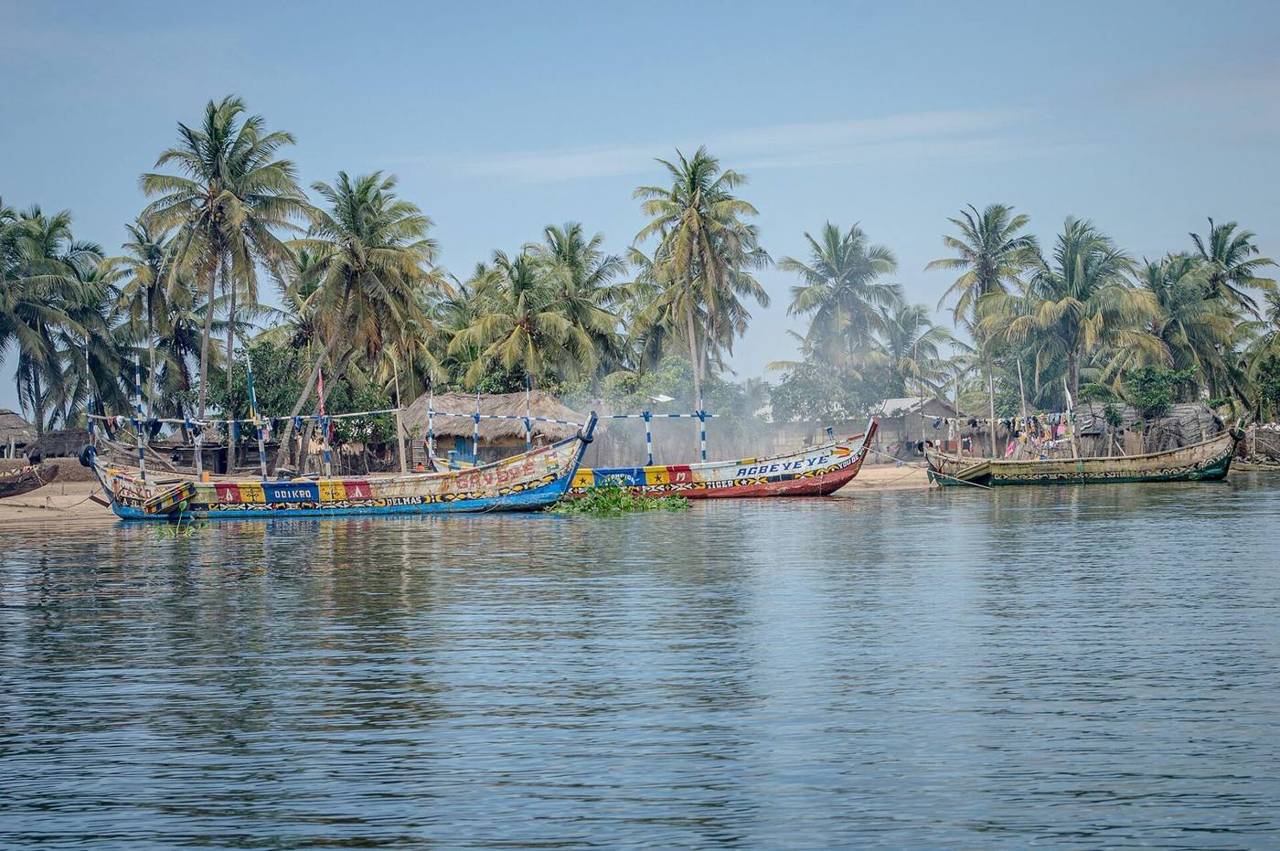
Ada and the Volta estuary
Where the Volta river meets the ocean: sand islands, waterside lodges, boat trips between villages and sea turtles nesting in winter.
 6 daysEasy
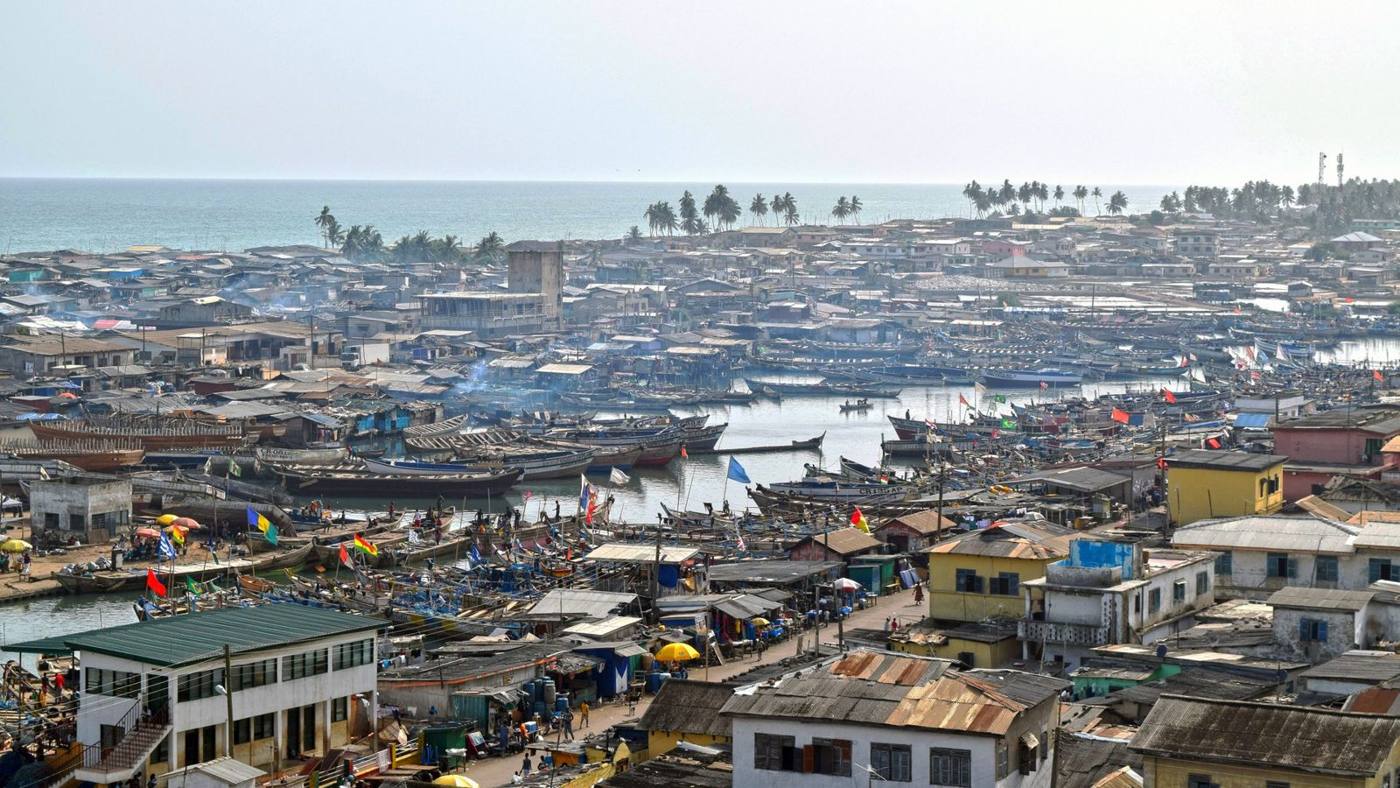
Accra and the coast of forts
Accra and Jamestown, the UNESCO slave-trade castles of Cape Coast and Elmina, the canopy walkway of Kakum park and the beaches of Busua.
 5 daysEasy
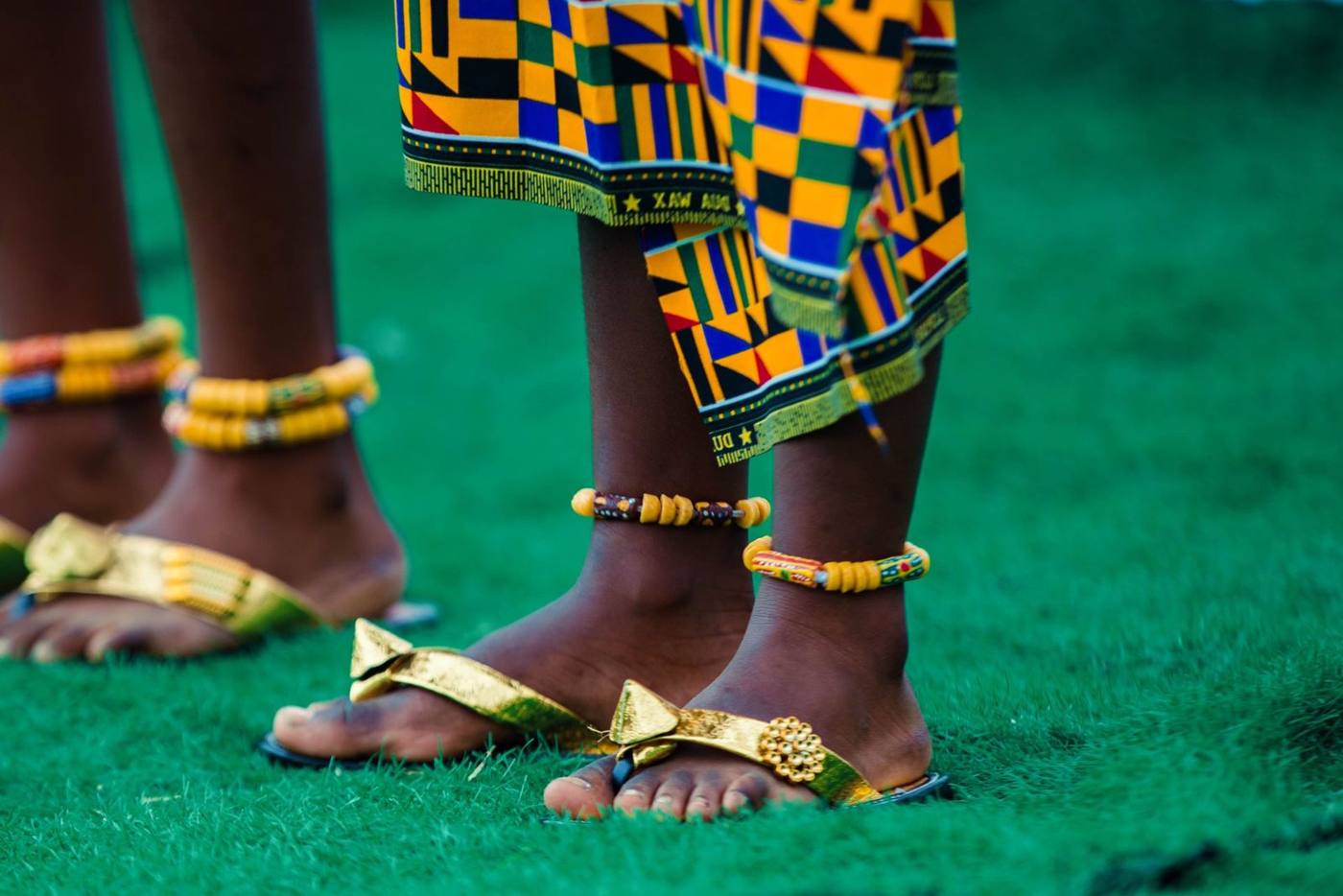
Kumasi and the Ashanti kingdom
Manhyia Palace, the huge Kejetia market, the craft villages of kente and adinkra cloth and the sacred Lake Bosumtwi.