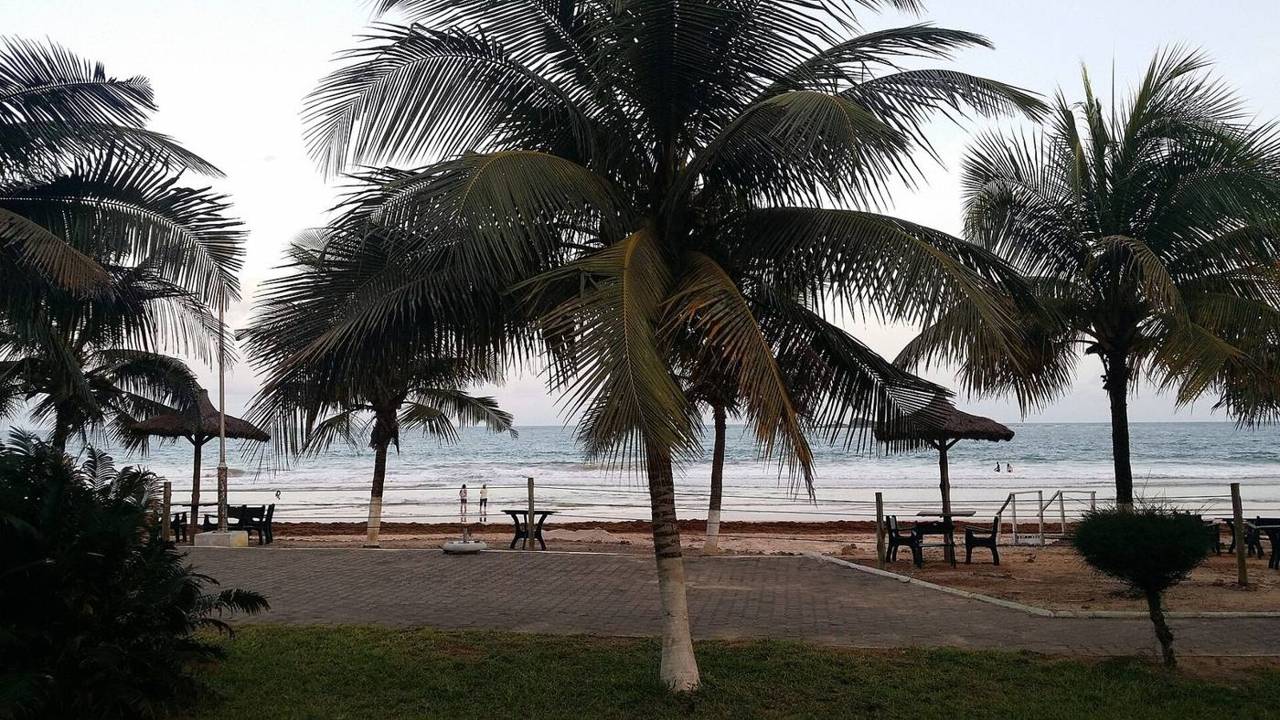
Busua and Cape Three Points
The quieter western coast: surfing at Busua, the Dutch fort at Dixcove, the palm beaches of Akwidaa and the lighthouse at Cape Three Points, Ghana's southernmost tip.
- Takoradi
- Busua
- Dixcove
- Akwidaa
- Cape Three Points
Day by day
- Day 1
From Takoradi to Busua
This trip takes you to the western coast of Ghana, the quietest one: the surf bay of Busua, the old fort of Dixcove, the palm-lined beaches of Akwidaa and the lighthouse of Cape Three Points, the southernmost point of the country. You travel by car with a driver or by taxi.
Before you go: Italian citizens enter Ghana with a passport and a visa, to be obtained before departure; since May 2026 it is requested online on the official electronic visa portal of the Ghana Immigration Service, without going through intermediary websites. Yellow fever vaccination is compulsory for all travellers over nine months old and the certificate is checked on arrival. Since November 2026, as a precaution against Ebola, a health declaration and a temperature check are required at airports. Talk to your doctor about malaria prevention. Other nationalities should check their own rules. The UK advises against all but essential travel only to the Bawku area, in the far north-east, far from the western coast.
The trip starts in Takoradi, the port city of the Western Region, which you reach from Accra by plane or in about five hours by road. In the morning take a walk around the large circular market in the centre, among stalls of smoked fish, printed fabrics and mountains of plantain.
Then take the coastal road west. In less than an hour you reach Busua, a fishing village with a long pale beach, palm trees and colourful canoes pulled up on the sand. In the afternoon walk along the shore and watch the fishermen coming back with their nets.
Sleep in Busua, for three nights.
Practical tip: travel only by day, because roads outside towns are poorly lit and darkness falls early, around six.
- Day 2
Surfing in Busua and the fort of Dixcove
Today you try surfing in Busua and walk to the village of Dixcove, with its fort overlooking the harbour.
Early in the morning the bay of Busua usually has soft, regular waves, suitable for beginners. On the beach you find local instructors who rent out boards and give beginner lessons. Always ask for a first try in shallow water and get them to show you where the current is weaker. Check prices and times.
Late in the morning, after a shower, try grilled fish with banku, the ball of fermented maize and cassava, or with kenkey, wrapped in leaves, served with a spicy sauce of tomato and chilli.
In the afternoon walk to Dixcove, about twenty minutes to the west, along a path above the coast. Ask a young person in the village to go with you: the path passes between houses and gardens and is not always clear. Dixcove is a lively fishing harbour, with dozens of canoes painted with flags and slogans.
Above the harbour stands Fort Metal Cross, built by the English at the end of the seventeenth century for the gold trade and later the slave trade, today part of the forts and castles of Ghana listed by UNESCO. From the walls you see the bay, the boats and the green hills. Check prices and times.
Return to Busua before sunset, by taxi or on foot again with your guide.
Sleep in Busua.
Practical tip: swim only where local surfers and swimmers tell you it is safe, because on this coast the rip currents are strong.
- Day 3
Akwidaa and the lighthouse of Cape Three Points
Today you head towards the southernmost cape of Ghana, among palm beaches and villages with almost no tourists.
Leave in the morning by car with a driver. After Dixcove the road becomes a dirt track and runs through oil palm plantations, cocoa fields and stretches of forest. In the rains deep potholes form: a four-wheel drive is the best choice.
The first stop is Akwidaa, a fishing village with a very long, almost empty beach, lined with coconut palms. Walk on the sand, look at the canoes and stop to talk with the families mending their nets in the shade. In some months of the year sea turtles come to lay their eggs on these beaches: if you want to see them, ask in the village whether there is a night walk organised by the community.
Then continue to Cape Three Points, the southernmost point of the country. An uphill road leads to the lighthouse, above a cliff covered in vegetation. The keeper, if he is there, lets you climb to the top: from up there you see the three headlands that give the cape its name, the open ocean and the forest reaching down to the sea. Ask permission and check prices and times.
Around the cape there is still a small protected forest, where with a guide from the village you can take a short walk and hear monkeys in the trees.
Return to Busua in the afternoon, before dark.
Sleep in Busua.
Practical tip: carry cash in cedis in small notes, because in the villages beyond Dixcove there are no cash machines and mobile payment does not always work.
- Day 4
A last morning by the sea and the return
Today you enjoy a last morning on the coast and then return to Takoradi.
Wake up early and walk to Butre, the village east of Busua, which you reach along a path over the hill in about half an hour. Above the village, among the vegetation, stand the ruins of Fort Batenstein, a small Dutch fort from the seventeenth century, with a fine view over the lagoon, the river and the beach. Here too it is better to go with someone local, because the path splits several times.
Go back to Busua for a last breakfast on the beach, with tropical fruit, pineapple, papaya and mango, and perhaps a last surf session if the waves are good.
Around midday leave Busua and return to Takoradi in less than an hour. From there you can take the flight to Accra or continue by car to Cape Coast, to visit the great castles of the coast, if you still have a few days.
In four days you have seen the calmest part of the coast of Ghana: the surf and canoes of Busua, the fort of Dixcove, the palms of Akwidaa, the lighthouse of Cape Three Points and the village of Butre.
When to go: from November to March, in the dry season, when the sky is clearer, the dirt roads are easier and the sea is often calmer. From April to June and between September and October the rains are heavier and the roads after Dixcove can become muddy.
Practical tip: for the return from Takoradi book the flight to Accra a few days ahead, because seats are limited at weekends.
Beautiful, still quiet beaches with small, pleasant lodges. Currents are strong: always ask where to swim. Dirt roads beyond Dixcove.
Before you go
- Documents and visa
- Valid passport and a compulsory visa, to be obtained before departure. Since May 2026 the visa is requested online on the official electronic visa portal of the Ghana Immigration Service: beware of unofficial websites.
- Health and vaccines
- Yellow fever vaccination is compulsory for all travellers over nine months old: the certificate is checked on arrival. Since November 2026, as a precaution against Ebola, international airports require a health declaration and a temperature check. Malaria prevention is recommended, after medical advice. Drink only bottled water.
- Money and payments
- Ghanaian cedi. Mobile payment is everywhere; cards work in large hotels and shopping centres in Accra, outside the cities you need cash.
- Power sockets
- Type G, 230 volts, the same as in the UK.
- Time zone
- UTC+0 all year.
- Safety
- The UK advises against all but essential travel to the Bawku Municipal area in the Upper East region, and reports attacks on some northern roads and clashes in the western part of the Savannah region, near the borders with Côte d'Ivoire and Burkina Faso. In Accra robbery and bag-snatching are increasing: avoid walking alone at night and taking a taxi alone after dark. On southern beaches currents are dangerous. Avoid roads outside towns after dark. Official advice: GOV.UK.
Information checked in November 2026 for Italian and EU citizens. Rules change: always check before you travel.
Variations
In 2 days: Busua and the fort of Dixcove, without the dirt road to Cape Three Points.
In 7 days: add Cape Coast Castle, the Kakum canopy walkway and Elmina Castle before reaching Busua.
Frequently asked questions
Can beginners surf in Busua?
Yes, the bay of Busua often has soft waves in the morning and on the beach you find local instructors who give lessons. Always ask where the current is weaker.
How do you get to Cape Three Points?
By car with a driver from Busua, on a dirt road after Dixcove. In the rains a four-wheel drive is better and it is wise to leave in the morning to return before dark.
What documents do I need for Ghana?
Italian citizens enter with a passport and a visa, to be requested online on the official portal of the immigration service. Yellow fever vaccination is compulsory. Other nationalities should check their own rules.
Indicative itinerary written by World Atlas. Before booking, check timetables, seasonal openings, documents and safety.
 3 daysModerate
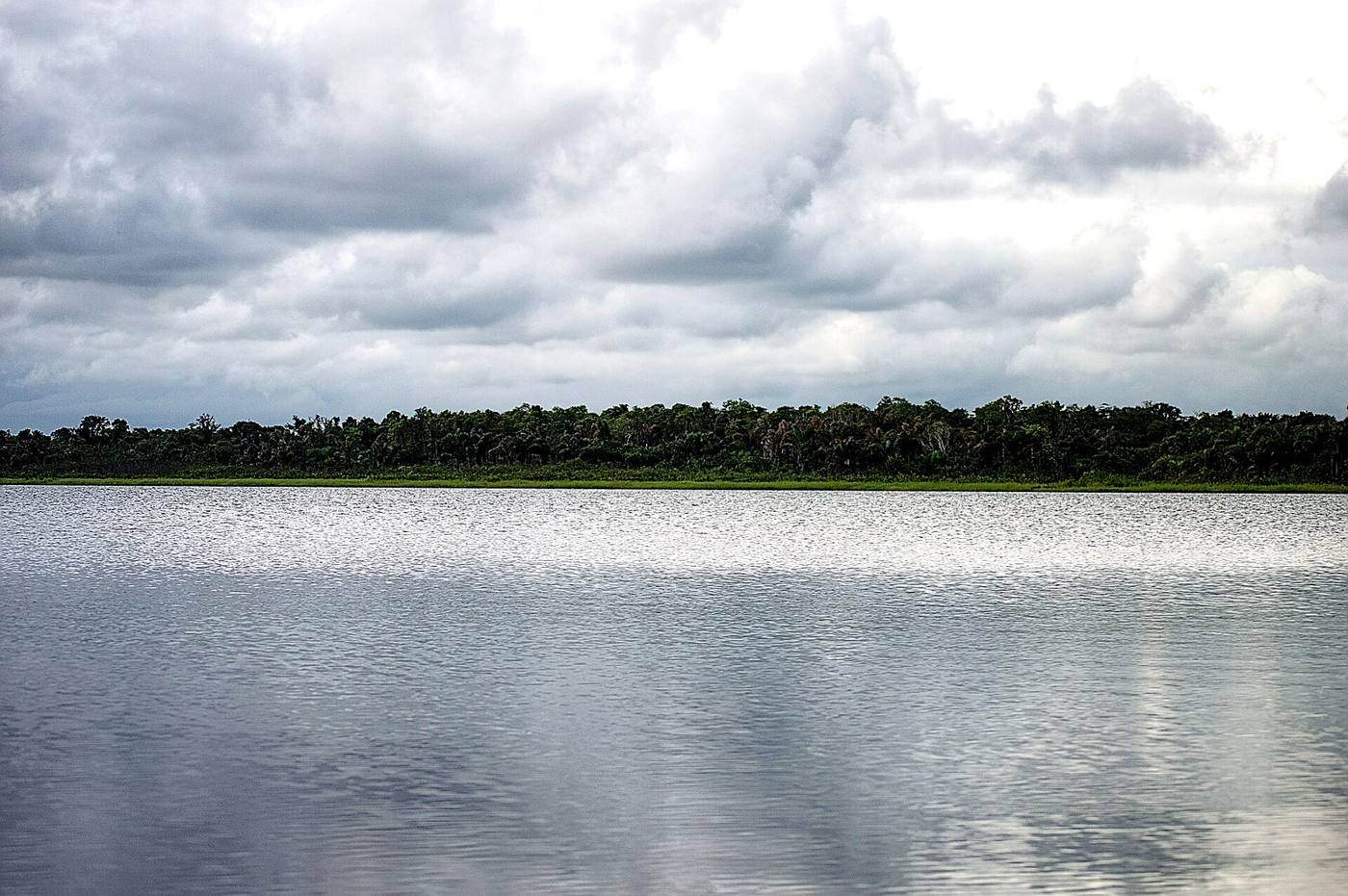
Nzulezo and Ankasa
The stilt village of Nzulezo on Lake Amansuri, reached by canoe through raffia palms, and the primary forest of Ankasa, among West Africa's richest.
 2 daysEasy
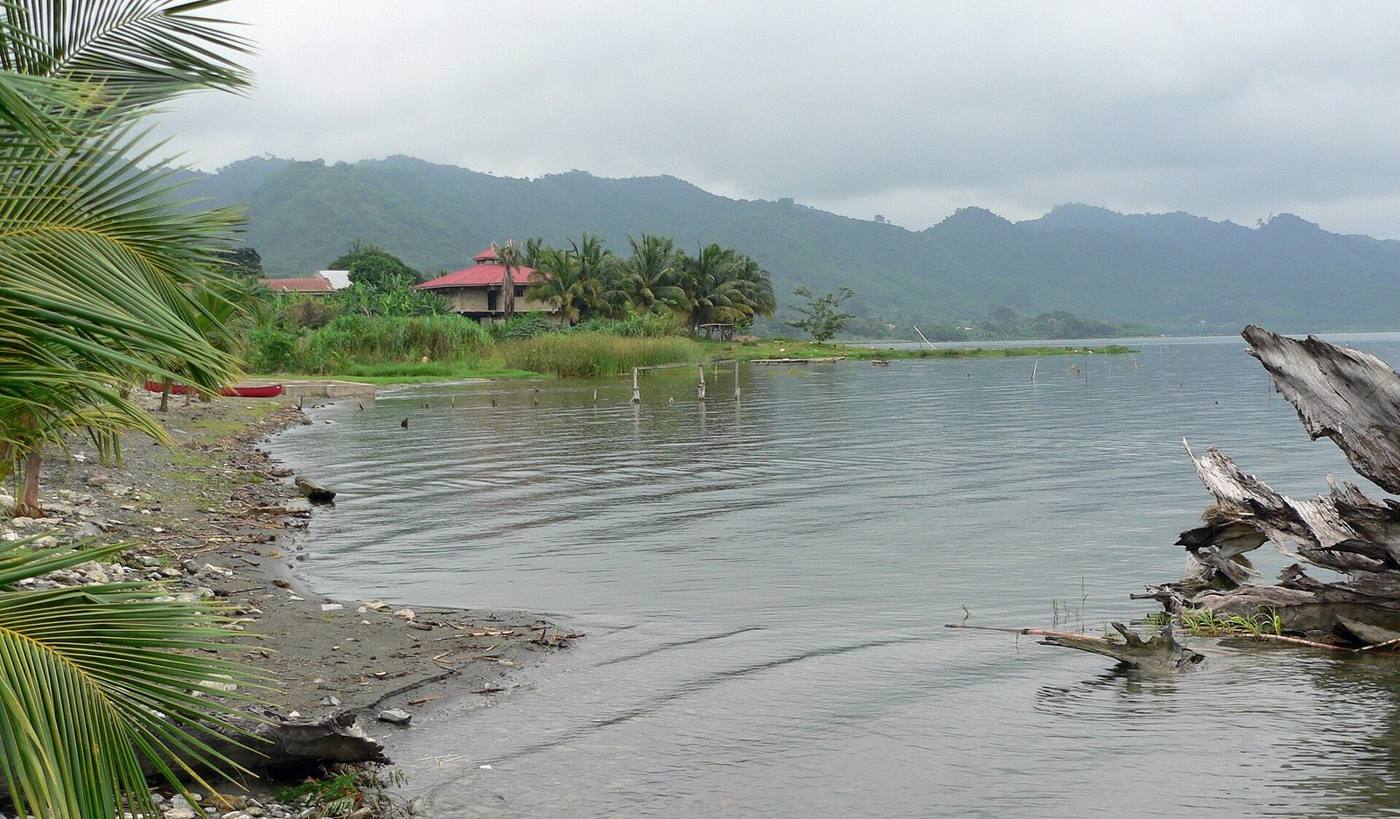
Lake Bosumtwi
Ghana's only natural lake, in a meteorite impact crater near Kumasi, sacred to the Ashanti, with villages, rim walks and fishing from wooden planks.
 3 daysEasy
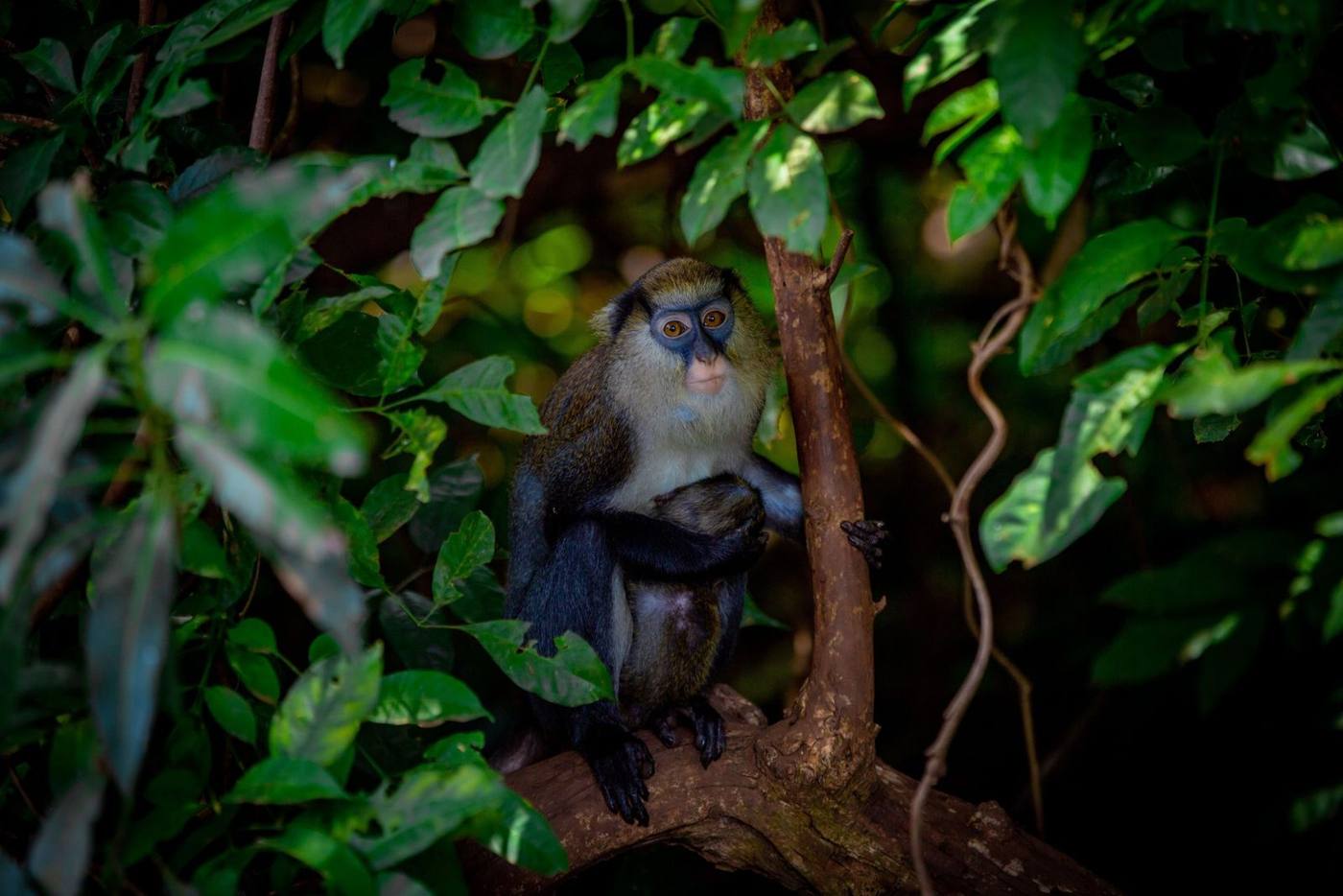
Boabeng-Fiema and Kintampo
The Boabeng-Fiema monkey sanctuary, where colobus and mona monkeys are protected by village tradition, and the Kintampo and Fuller falls in the centre of the country.