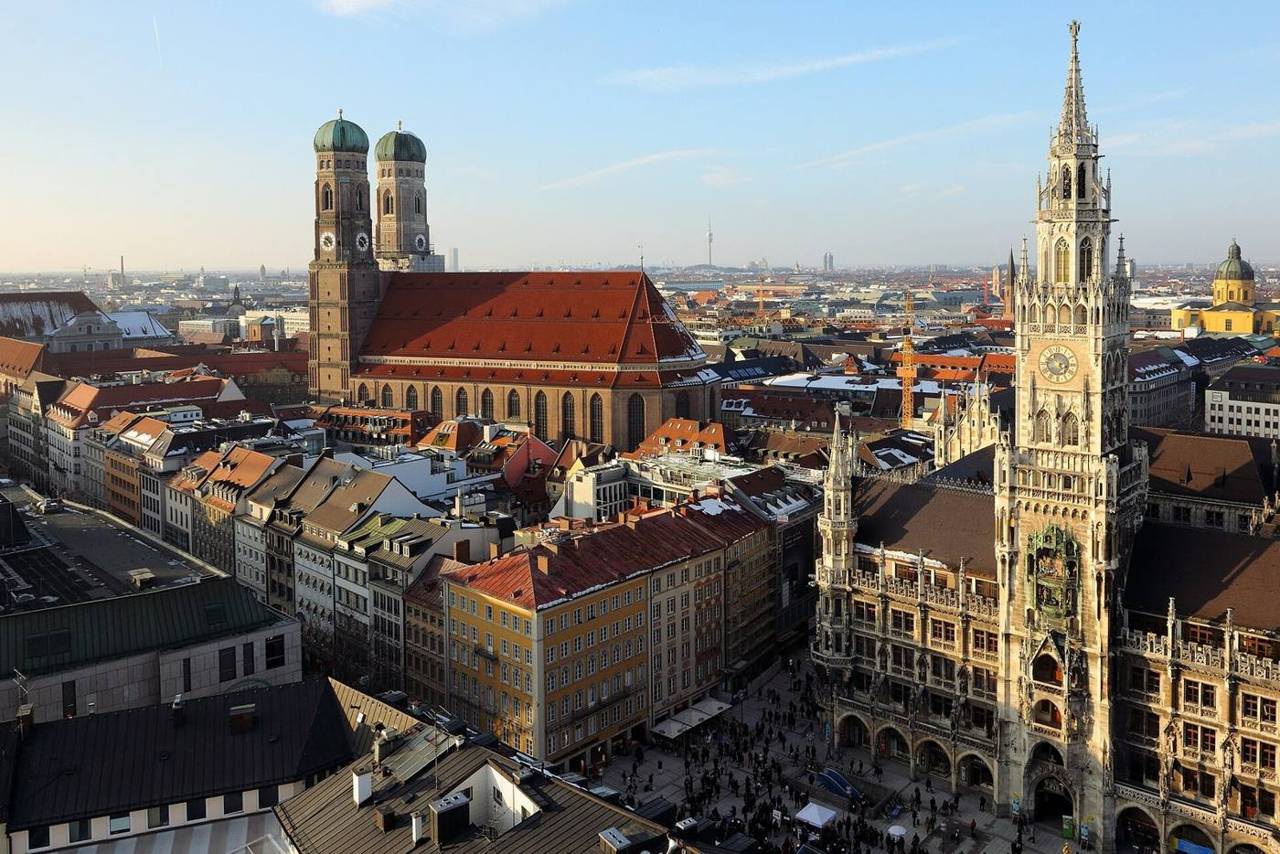
Munich and its lakes
The Bavarian capital at an easy pace: Marienplatz and the Viktualienmarkt, the Residenz, the Pinakothek galleries, the English Garden with the Eisbach surfers, Nymphenburg Palace, the Dachau memorial and the Starnberg and Ammersee lakes with Andechs Abbey.
- Munich
- Dachau
- Starnberg
- Andechs
Day by day
- Day 1
Marienplatz, the Viktualienmarkt and the Residenz
To enter Germany EU citizens can use a valid identity card or passport; Germany is part of the Schengen area but may carry out temporary border checks at the moment, so always carry your document. Check the rules for your nationality.
Munich, the capital of Bavaria at the foot of the Alps, is an elegant and orderly city with baroque churches, great museums, huge parks and a strong tradition of beer and folk festivals. The airport is linked to the centre by S-Bahn lines S1 and S8 in about forty minutes.
Start in Marienplatz, the main square, with the neo-Gothic New Town Hall, whose tower houses the Glockenspiel: every day at eleven, and in summer also at noon and five in the afternoon, copper figures dance re-enacting a sixteenth-century tournament and dance. You can climb the town hall tower or the bell tower of St Peter's church, known as Alter Peter, to see the city's rooftops and, on a clear day, the Alps.
A few steps away is the Viktualienmarkt, the city's most famous open-air market, with stalls of fruit, cheese, cured meats, flowers and spices and a large Bavarian maypole in the middle. Then visit the Frauenkirche, the cathedral with two towers topped by onion domes, the symbol of Munich.
In the afternoon visit the Residenz, the vast palace of the kings of Bavaria, with more than a hundred rooms open, including the Antiquarium, a great decorated Renaissance hall, the Treasury with the royal crowns and the small rococo Cuvilliés Theatre. Next door is the Hofgarten, the court garden.
Practical tip: Munich's public transport is fast and punctual; a day ticket pays off if you make more than three trips.
- Day 2
The Pinakotheken and the Englischer Garten
In the morning visit the museum quarter, the Kunstareal, north of the centre, with the three Pinakotheken, the picture galleries. The Alte Pinakothek is one of Europe's most important painting galleries, with masterpieces from the fourteenth to the eighteenth century: Dürer, with his famous self-portrait, Rubens, with one of the world's largest collections, Rembrandt, Leonardo, Raphael and Titian. The Neue Pinakothek, devoted to the nineteenth century, with Van Gogh, Monet and Klimt, has been closed for years for a long renovation; some works are shown in the other galleries. The Pinakothek der Moderne covers modern art, design and architecture. On Sundays entry to many state museums costs one euro.
In the afternoon walk in the Englischer Garten, the English Garden, one of the largest city parks in the world, bigger than New York's Central Park, with meadows, woods, streams and ponds. At the southern entrance, on the Eisbach channel, you can watch surfers riding a standing river wave under the bridge all year round. Further on is the Monopteros, a small Greek temple on a hillock with a view of the city's towers, and the Chinese Tower, a wooden pagoda surrounded by a large open-air beer garden.
In the evening visit Schwabing, north of the park, once the district of artists and intellectuals and now full of cafés and bars, or the Glockenbach district south of the centre.
Practical tip: in traditional beer gardens you may bring your own food, but drinks are bought on site.
- Day 3
The Dachau memorial and Nymphenburg Palace
In the morning visit the Dachau Concentration Camp Memorial Site, about twenty kilometres north-west of Munich, reached by S-Bahn S2 to Dachau station and then by bus. It was the first Nazi concentration camp, opened in 1933 a few weeks after Hitler came to power, and served as a model for all the others; more than two hundred thousand people from all over Europe were imprisoned here, and tens of thousands died. Entry is at no cost.
You enter through the gate bearing the slogan promising freedom through work, then see the large roll-call square, the reconstructed barracks, the cell bunker, the crematorium, the memorials of the different faiths and the permanent exhibition in the former camp maintenance building, which tells the story of the site and of the prisoners. Allow at least three or four hours; audio guides and guided tours are available. The visit is not recommended for children under twelve.
In the afternoon, to catch your breath, visit Nymphenburg Palace west of the centre, the summer residence of the Bavarian kings, with a long baroque façade overlooking canals with swans. Inside you see the great festival hall and the Gallery of Beauties, with portraits of the most beautiful women of the time commissioned by King Ludwig I. In the park there are small pavilions, such as the Amalienburg, one of the finest works of rococo, and the royal carriage museum.
Practical tip: at Dachau behave respectfully; it is a cemetery and a place of remembrance.
- Day 4
By S-Bahn to Lake Starnberg, a boat trip and Andechs Abbey
In the morning take S-Bahn S6 from the main station to Starnberg, about half an hour, on the shores of Lake Starnberg, one of Bavaria's largest lakes, surrounded by villas, meadows and woods, with the Alps in the background on clear days.
From Starnberg pier boats circle the lake between April and October, stopping at villages along the shore. The lake is linked to the story of King Ludwig II of Bavaria, builder of fairy-tale castles such as Neuschwanstein, who drowned here in 1886 in still mysterious circumstances together with his doctor; at Berg on the east shore a cross in the water and a votive chapel mark the spot. On the west shore, at Possenhofen, stands the castle where Princess Elisabeth, known as Sisi, later Empress of Austria, grew up. You can also visit the small Rose Island, with a rose garden and a villa.
In the afternoon reach Andechs Abbey on a hill above nearby Lake Ammersee, by bus or on foot from Herrsching, the end of S-Bahn line S8, with a climb of about an hour through the woods. The Benedictine monastery, a place of pilgrimage for centuries, has a richly decorated rococo church and a brewery that has made beer for more than five hundred years, with a terrace over the landscape.
In the evening return to Munich by S-Bahn for a last dinner.
Things to take home: Bavarian beer, sweet mustard, gingerbread, carved wooden objects and Bavarian-style textiles.
Practical tip: check your government's travel advice before leaving.
An easy, compact city with good public transport; the lakes are under an hour away by suburban train. The Dachau memorial is at no cost. During Oktoberfest, from September to early October, accommodation prices rise sharply. A valid identity card is enough for EU citizens. Germany has reintroduced spot checks at all its land borders, extended until March 2027: keep your document to hand on trains and in the car too.
Before you go
- Documents and visa
- A valid identity card or passport is enough for EU citizens. German land border checks have been extended until March 2027: always carry your document.
- Health and vaccines
- No vaccines required. EU citizens should carry the European Health Insurance Card. Emergencies: 112, police 110.
- Money and payments
- Euro. Cards are increasingly accepted, but many bars, bakeries and beer halls still take cash only.
- Power sockets
- Types C and F, 230 volts.
- Time zone
- UTC+1, UTC+2 in summer.
- Safety
- The United States rates Germany level 2 for terrorism. In stations and crowded markets watch out for pickpockets. Official advice: GOV.UK.
Information checked in November 2026 for Italian and EU citizens. Rules change: always check before you travel.
Variations
In 2 days: the centre, the Residenz and the Alte Pinakothek on day one, the Englischer Garten and Nymphenburg Palace on day two.
In 7 days: add Neuschwanstein Castle, Garmisch-Partenkirchen with the Zugspitze, Germany's highest peak, or Salzburg, under two hours by train.
Frequently asked questions
Which document do I need for Germany?
A valid identity card or passport for EU citizens; Germany is in Schengen but may carry out temporary border checks, so carry your document.
When does the Marienplatz Glockenspiel play?
Every day at eleven, and in summer also at noon and five in the afternoon.
Is the Dachau memorial suitable for children?
It is not recommended for children under twelve; for older children it helps to prepare the visit at home.
Indicative itinerary written by World Atlas. Before booking, check timetables, seasonal openings, documents and safety.
 4 daysEasy
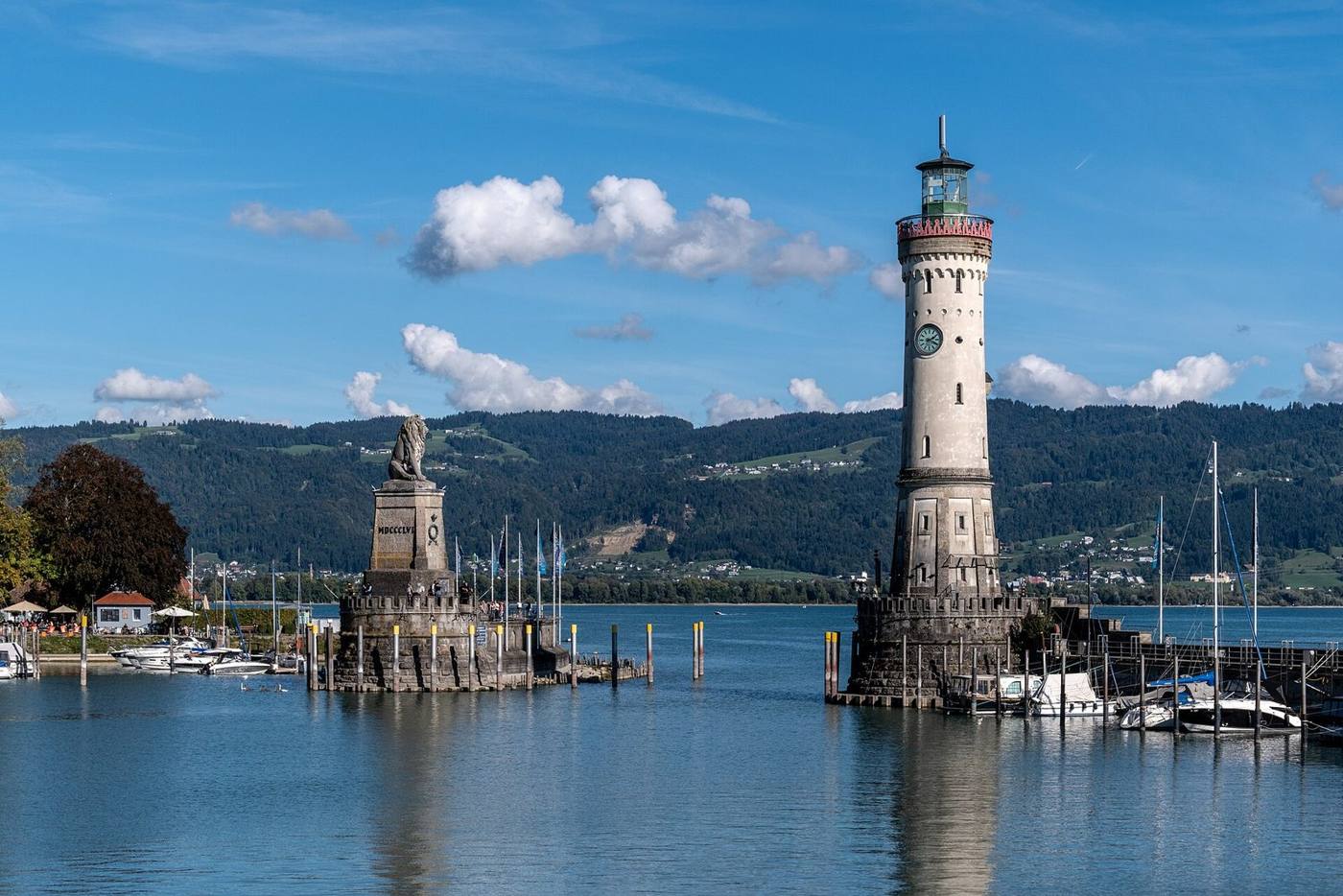
Lake Constance
Three countries on one lake: the island of Lindau with its harbour and lion, Meersburg Castle, the flower island of Mainau, the monastic island of Reichenau (UNESCO), the pile dwellings at Unteruhldingen, Konstanz and the Rhine Falls at Schaffhausen.
 5 daysEasy
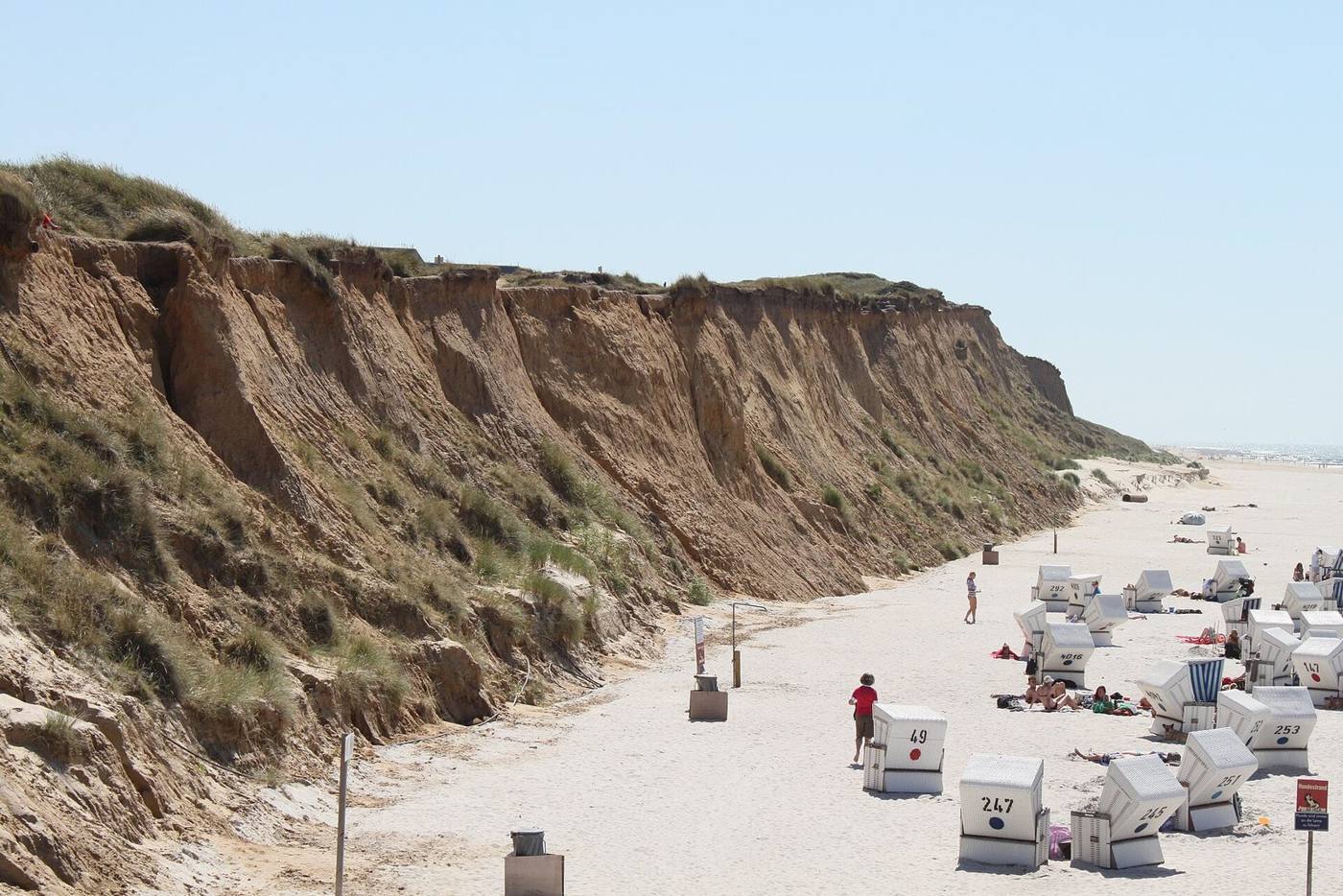
Sylt, Amrum and the Wadden Sea
The North Sea islands: Sylt, reached by train across the causeway, with the dunes of List, the Red Cliff at Kampen and endless beaches, Amrum and its kilometre-wide sandy beach, the Halligen and guided mudflat walks on the floor of the Wadden Sea, a UNESCO World Heritage site.
 4 daysEasy
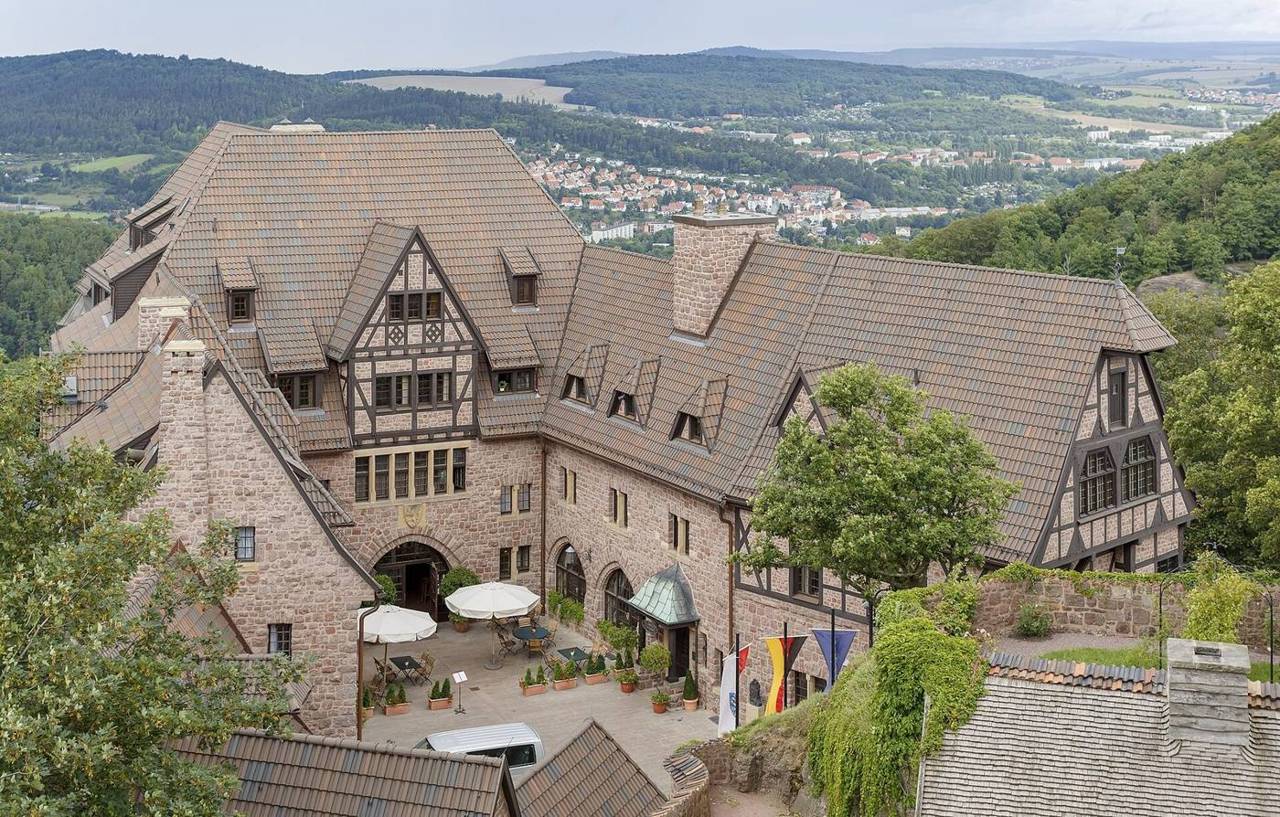
Thuringia: Weimar, Erfurt and the Wartburg
Germany's green heart: the Weimar of Goethe, Schiller and the first Bauhaus, the Anna Amalia library, the Buchenwald memorial, Erfurt with its inhabited Krämerbrücke bridge and cathedral, and Eisenach with Wartburg Castle, a UNESCO site where Luther translated the New Testament.