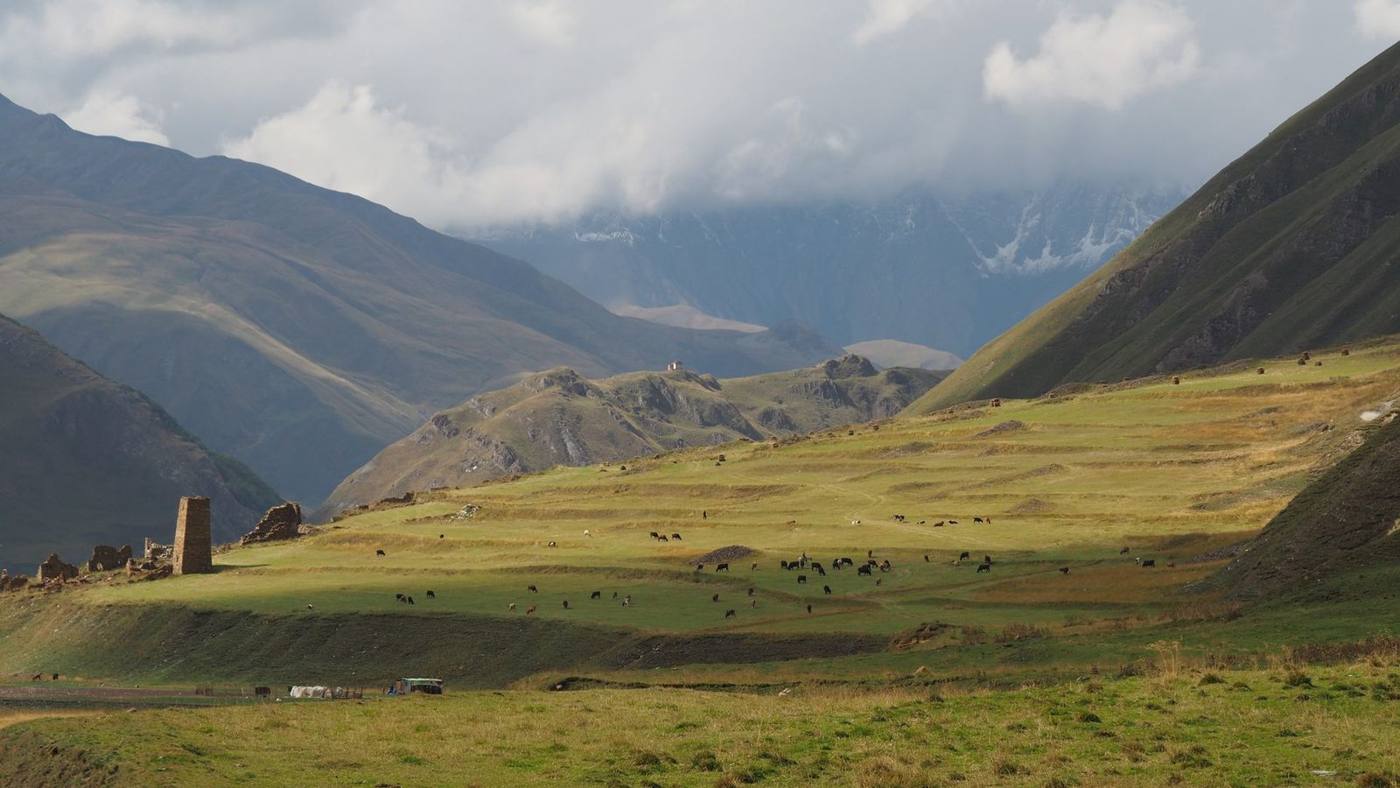
Kazbegi and Tusheti at an easy pace
Day hikes from Kazbek to the valleys of the Bats people, with nights in villages and the longer distances covered by 4x4.
- Tbilisi
- Mtskheta
- Stepantsminda
- Sno Valley
- Shatili
- Signagi
- Omalo
- Dartlo
- Girevi
Day by day
- Day 1
Arrival in Tbilisi and the riverside
This trip is the Georgian Caucasus at a gentle pace: walks around Kazbek and in the Sno valley, the towers of Shatili in Khevsureti and then Tusheti, with three nights in and around Omalo and one in Girevi. You always sleep in a village and the walks start and finish there; the long transfers are done by 4x4 with a driver.
Before you go: for Italian citizens the recommended document is a passport, valid for at least six months from the date of entry: you will also need it at the border police posts in the mountains. The electronic identity card is accepted only if you transit through Schengen countries, but there have been cases of refusal. No visa is needed for stays of up to 365 days. Since 2026 health and accident insurance with cover of at least 30,000 lari has been compulsory: choose one that also covers mountain walking. Other nationalities should check their own rules. Italy's travel advice asks for particular caution in the areas near the border with Chechnya, Ingushetia and Dagestan, including Omalo and Shatili, and recommends using specialist agencies. Abkhazia and South Ossetia, which are advised against, are far from this route, which also skips the Truso valley. In Tbilisi avoid the protests outside Parliament.
You land at Tbilisi airport, about half an hour from the centre. Withdraw cash: there are no cash machines in Tusheti or Khevsureti.
Towards evening walk along the Mtkvari river, from the Bridge of Peace to the sulphur baths of Abanotubani, with Narikala fortress lit up above you.
In the evening have khinkali and khachapuri for dinner.
Sleep in Tbilisi.
Practical tip: carry cash in lari for at least a week in the mountains, in small notes: in the villages of Tusheti hardly anyone takes cards.
- Day 2
Mtskheta and the Military Road to Stepantsminda
Today you climb towards the Greater Caucasus on the Georgian Military Road, the historic route between Georgia and the north.
In the morning stop at Mtskheta, about twenty minutes from Tbilisi, the ancient capital where tradition says Georgia became Christian in the 4th century. Its monuments are a UNESCO World Heritage Site. Drive up to Jvari monastery, from the 6th century, above the meeting of the Aragvi and Mtkvari rivers, then visit Svetitskhoveli cathedral, from the 11th century, where tradition places the robe of Christ. Go in with your shoulders covered; women usually cover their hair.
At midday you reach Ananuri fortress, from the 17th century, on the shore of the Zhinvali reservoir, with two churches inside the walls and a view over the turquoise water. A little further on, Pasanauri, the village tradition calls the home of khinkali, is the right place for lunch.
In the afternoon the road climbs through hairpin bends past Gudauri to the Jvari pass, at almost 2,400 metres. Stop at the Friendship Monument, from 1983, the large concrete arch with colourful mosaics above the gorge. Then drop into the Terek valley to Stepantsminda, the village everyone still calls Kazbegi, beneath Kazbek, at over 5,000 metres.
In the evening have a hot mountain dish for dinner, such as kharcho, a meat soup with walnuts.
Sleep in Stepantsminda, for three nights.
Practical tip: beyond Stepantsminda the road leads to the Russian border, which is not part of this trip: for the walks of these days stay in the main valley and in the side valleys to the south.
- Day 3
On foot to Gergeti Trinity church
Today you take the most classic walk in Georgia, from the village to the church beneath Kazbek.
Early in the morning set off on foot from the centre of Stepantsminda, cross the Terek river and climb between the houses of the village of Gergeti. Then the path enters the woods and climbs steeply, with a few hairpins, for about an hour and a half or two hours. You come out of the trees onto an open meadow and in front of you appears Gergeti Trinity church, from the 14th century, at about 2,170 metres, with its stone bell tower and the Kazbek glacier behind.
At midday go into the church with your shoulders and legs covered; at the entrance there are usually skirts and scarves to borrow. Then sit on the meadow for a packed lunch and look down at the Terek valley below you.
In the afternoon, instead of going down the same way, follow the path that runs along the grassy ridge above the village, with Kazbek on one side and the mountains opposite on the other. Then walk down slowly towards Gergeti and Stepantsminda. Allow five or six hours of walking in all, with stops.
Towards evening, if you still feel like walking, visit the small museum dedicated to the writer Alexander Kazbegi, born in the village, who described the life of the mountain people. Check prices and times.
In the evening try mountain khinkali with herbs and cheese.
Sleep in Stepantsminda.
Practical tip: leave early, before the 4x4s arrive with the groups: at eight the church is almost empty and the light on Kazbek is the best of the day.
- Day 4
Towards the Gergeti glacier
Today you take the longest walk around Kazbek, to get closer to the glacier coming down from the mountain.
In the morning go up by 4x4 to Gergeti church, so you skip the stretch in the woods. From here the path carries on north-west across high meadows, with long but steady climbs, inside Kazbegi National Park. The higher you go, the closer Kazbek comes, with its glaciers and rocky ridges.
At midday you reach the Sabertse pass, the viewpoint over the tongue of the Gergeti glacier, at around 3,000 metres. In front of you are the glacier, the stony moraines and, on clear days, the summit of Kazbek. Stop for a packed lunch out of the wind. Do not go down onto the glacier: beyond the pass begins mountaineering terrain, with crevasses and loose rock.
In the afternoon return by the same path to the church and go down to the village by 4x4 or on foot. Allow six or seven hours of walking, with a big height gain: it is the hardest day of the trip, but with no technical difficulty.
If you prefer to rest, stay in the village, stroll along the Terek and climb only part of the way above Gergeti.
In the evening have mtsvadi for dinner, grilled meat skewers, with a glass of Kakheti wine.
Sleep in Stepantsminda.
Practical tip: above 2,500 metres the weather changes quickly and it can snow even in summer: bring gloves, a hat and a waterproof jacket, and turn back if low cloud rolls in.
- Day 5
The Sno valley and Juta
Today you move just a few kilometres, into the Sno valley, a side valley to the south-east, beneath the rock spires of the Chaukhi massif.
In the morning leave Stepantsminda and drive south to the village of Sno, with its stone tower and its houses lined up along the river. Then the road climbs up the valley, between meadows and small shepherds' villages, to Juta, at about 2,200 metres. The last stretch is gravel and a 4x4 is the best choice.
At midday leave your bags and set off on foot along the stream, on an easy path through flowering meadows, towards the walls of Chaukhi, sometimes called the Georgian Dolomites. In about an hour and a half you reach the foot of the peaks, where the valley opens into a hollow of grass and stone.
In the afternoon, if you still have energy, climb up to Lake Chaukhi, about two hours more on a steeper path, with green water beneath the rocks. Return slowly to Juta by the same path.
Towards evening watch the sun turn the spires of Chaukhi orange, while the shepherds bring the cows and sheep back to their pens.
In the evening have dinner in the village with bean soup, mountain cheese and warm bread.
Sleep in Juta, for two nights.
Practical tip: in Juta electricity and phone signal can fail: charge everything the night before and bring a small head torch.
- Day 6
The Chaukhi pass, if you want it
Today is a flexible day, to plan according to your legs and the weather.
If you are fit you can hike to the Chaukhi pass, at over 3,300 metres, among the dark rock towers of the massif. Leave Juta at dawn and climb up the valley to the hollow beneath the walls. Then the path becomes steep, first on meadows and then on scree and debris, sometimes with patches of snow even in July. From the pass you see the Juta valley on one side and Khevsureti on the other, with the Abudelauri lakes below you, green and blue at the bottom of the valley. Return the same way: allow eight or nine hours in all, with a lot of height gain. Do this hike only in good weather and with a mountain guide, because the high path is not always marked.
If you prefer a quieter day, walk on the meadows above the village towards the shepherds' pastures, with views of Chaukhi and the mountains of the Sno valley, or go back to Lake Chaukhi at a slower pace.
In the afternoon rest in the village, in the sun, with a mountain herb tea.
In the evening pack your bags: tomorrow is a long day on the road towards Khevsureti.
Sleep in Juta.
Practical tip: the descent from the Chaukhi pass on loose stones is the hardest part for your knees: use walking poles and take short steps, keeping your distance from the person in front.
- Day 7
Roshka and the Argun valley to Shatili
Today you pass from the Khevi region into Khevsureti, the land of stone fortresses. It is a long day by 4x4.
In the morning drive down from Juta and along the Military Road to the Zhinvali reservoir. Here turn north-east and climb up the Pshavi Aragvi valley, through woods and villages, to Barisakho. Shortly after, a side track leads to Roshka, the village at the foot of the Chaukhi massif, on the opposite side from Juta. Stop for a short walk among the stone houses and to look at the walls you saw yesterday from the other side.
At midday return to the main road and climb to the Datvis Jvari pass, the pass of the bear's cross, on the gravel track that is open only in summer. In winter snow cuts Shatili off for months. From the top you see the valleys of Khevsureti and the peaks on the border.
In the afternoon drop into the Argun valley, which flows north from here towards Chechnya. You reach Shatili, a few kilometres from the Russian border: along the road there is a border police post, where they will ask for your passport.
In the evening have khinkali and Khevsur cheese for dinner.
Sleep in Shatili.
Practical tip: the Datvis Jvari track is narrow and prone to landslides: travel only with an experienced local driver and a 4x4, and check beforehand that the pass is open, usually from early summer to autumn.
- Day 8
The towers of Shatili and the road to Signagi
Today you explore Shatili in the morning and then cross eastern Georgia to Kakheti.
In the morning walk through the fortress village of Shatili, made of dozens of stone and slate tower houses, joined together and built for defence against attacks. The towers are linked by ladders, terraces and covered passages, and some houses have been restored. Climb the hill opposite to see the whole village, compact as a castle, above the Argun river. Always ask before photographing people or entering sacred places: in Khevsureti some traditional shrines are closed to visitors and to women.
Do not carry on north along the valley, beyond Shatili and Mutso: it leads towards the Russian border, which is not part of this trip.
At midday set off again over the Datvis Jvari pass, then drive down to the Zhinvali reservoir. From here take the roads east, across the hills and into the Alazani valley, full of vineyards. It is a journey of many hours.
In the afternoon you reach Signagi, the small hilltop town with 18th century walls, towers and houses with wooden balconies. From the walls you see the whole Alazani valley and, on clear days, the Caucasus you have just come down from.
In the evening, back on the plain at last, have dinner with a Kakheti wine made in qvevri, clay jars buried in the ground, and bread baked in a pit oven.
Sleep in Signagi.
Practical tip: before leaving Signagi buy fruit, biscuits and a few snacks here: tomorrow, on the Abano road, you will find no shops for many hours.
- Day 9
Alaverdi and the Abano pass to Omalo
Today you climb into Tusheti, one of the most isolated regions of Georgia, on one of the most exposed mountain roads in the country.
In the morning leave early heading north, into the Alazani valley. Stop at Alaverdi cathedral, from the 11th century, one of the tallest churches in Georgia, among the vineyards with the mountains behind.
Then the road over the Abano pass begins, at over 2,800 metres, the only way to Omalo. It is a narrow gravel track, with no barriers, with hairpins above drops of hundreds of metres, waterfalls crossing the road and stretches lost to landslides. It is open only in summer, usually from June to early autumn depending on snow and landslides, and it can close suddenly in bad weather. Travel it only with an experienced local driver, never on your own in a hire car. The journey takes several hours, with stops to let the brakes cool.
From the pass, if the sky is clear, you see the valleys of Tusheti and the mountains towards Dagestan. Then the track drops through meadows and birch woods.
In the afternoon you reach Omalo, the main village of Tusheti, at around 2,000 metres. Rest after the journey and walk among the houses of stone and wood.
In the evening try guda, the Tusheti shepherds' cheese matured in sheepskin, and kotori, a thin pie filled with cheese.
Sleep in Omalo, for two nights.
Practical tip: if you are afraid of heights, sit on the mountain side and look at the road ahead, not at the drop: anyone with vertigo will find this climb hard.
- Day 10
On foot to Shenako and Diklo
Today you take the finest walk around Omalo, heading east into the Gometsari Alazani valley.
In the morning set off on foot from Omalo and go down into the valley on a path and a track through pine woods and meadows. In about two hours you reach Shenako, a village of stone houses with wooden balconies, gathered around the 19th century Trinity church, one of the few churches in Tusheti. All around are pastures and, in summer, flocks of sheep.
At midday carry on to Diklo, the last village in the valley, on a path that rises and falls along the mountainside. Above the village, on a spur, stand the ruins of Diklo fortress, with a view over the gorge. The border with Dagestan, in Russia, is close: stay in the village and on the main paths and do not climb towards the border ridges, where access is forbidden.
In the afternoon walk back towards Shenako and then to Omalo, on foot or with a village 4x4 if your legs are tired. In all it is about six hours of walking.
Towards evening climb to the towers of Keselo, above Omalo, for sunset over the mountains.
In the evening have dinner in the village with Tusheti khinkali, filled with lamb, and a beer or a tea.
Sleep in Omalo.
Practical tip: ask in the village or at the Tusheti National Park visitor centre about the state of the paths and whether registration is needed: the rules in the border zone can change.
- Day 11
Keselo, Dartlo and the valley to Girevi
Today you visit the historic heart of Tusheti and climb the Pirikiti Alazani valley to the last village.
In the morning visit the small ethnographic museum in Omalo, with shepherds' tools, woollen clothes, rugs and photographs of life in the valleys. Check prices and times. Then climb to Keselo fortress, a group of restored stone towers above the village, where families took refuge during raids over the centuries.
At midday set off on foot towards Dartlo, on a track that drops into the valley and then follows the river, for about three hours. Dartlo is one of the most beautiful villages in Tusheti, with stone houses and slate roofs, wooden balconies and a tower above the houses. Climb the hill to the towers of Kvavlo, high above the village, for the view over the whole valley.
In the afternoon carry on by 4x4 up the valley, past Parsma, to Girevi. There is a border police post here, because the border with Chechnya is close. Registration is compulsory: hand over your passport, fill in the forms and receive your permit for the border zone.
In the evening eat with the shepherds' bread and cheese.
Sleep in Girevi.
Practical tip: always keep your passport with you in a waterproof bag and never climb beyond the villages towards the border, not even for a photo: it is forbidden and dangerous.
- Day 12
The Tsovata valley, land of the Bats
Today you discover one of the quietest valleys of Tusheti, once home to a community with a language all of its own.
In the morning leave Girevi and drive down the Pirikiti Alazani valley by 4x4. Then head west up the Gometsari valley to the mouth of the Tsovata valley. This was the home of the Bats, or Tsova-Tush, a community that speaks Batsbi, a Caucasian language close to Chechen and different from Georgian. In the 19th century most families moved down to the plain, to the village of Zemo Alvani, where they still live today.
At midday walk among the abandoned villages of the valley, with dry stone walls, fallen towers and meadows that have covered the old fields. The path is not always marked: go with a guide or with someone who knows the area. Stop for a packed lunch near the river.
In the afternoon return towards the valley floor and climb back up to Omalo, with last views of the towers and pastures.
Towards evening take a walk in lower Omalo and say goodbye to the families who have hosted you these days.
In the evening have lamb soup, guda cheese and home-baked bread for dinner.
Sleep in Omalo.
Practical tip: before leaving Omalo ask your driver about the best time to go down tomorrow: after rain in the night the Abano road can have new landslides, and sometimes it is better to wait a few hours.
- Day 13
The long descent to Tbilisi
Today you leave Tusheti and return to the capital. It is a day on the road, with a few stops along the way.
In the morning leave Omalo early and climb back towards the Abano pass. Look one last time at the valleys of Tusheti from above, then the long descent on the gravel track begins, with hairpins above the drops and waterfalls on the road. Again today your driver will stop to let the brakes cool.
At midday you reach the Alazani plain at Kvemo Alvani, where the mountain road ends. Not far away is Zemo Alvani, the village where many Tusheti families and the Bats live in winter today, with wooden houses and gardens. Stop for lunch and a walk among the vineyards.
In the afternoon carry on south-west, across the hills and the Gombori pass, through beech woods, to Tbilisi. You arrive in the late afternoon.
Towards evening, after so many days in the mountains, treat yourself to a hot soak in the sulphur baths of Abanotubani, in the shared pools or a private room. Check prices and times.
In the evening have pkhali for dinner, little balls of vegetables and walnuts, and lobio, bean stew in a clay pot.
Sleep in Tbilisi, for two nights.
Practical tip: Rustaveli Avenue outside Parliament is the centre of the protests, especially on Saturday evenings: check local news and take another route if there is a demonstration.
- Day 14
Tbilisi: Metekhi, Sioni, Narikala and the National Museum
Today you explore the capital at leisure, which tradition says was founded in the 5th century by King Vakhtang Gorgasali near the hot springs.
In the morning climb to Metekhi church, on the cliff above the river, next to the equestrian statue of King Vakhtang. Then cross the bridge into the old town: visit Sioni cathedral, one of the most important churches in Georgia, and the 6th century Anchiskhati basilica, the oldest in the city. Walk among the houses with carved wooden balconies, often a little crooked, above the courtyards.
At midday go up to Narikala fortress, built from the 4th century onwards, by the cable car from Rike park or on foot. Check prices and times. From the walls you see the whole city and the statue of Mother Georgia, holding a bowl of wine for friends and a sword for enemies.
In the afternoon visit the Georgian National Museum, on Rustaveli Avenue, with the gold treasury of Colchis, ancient jewellery and the remains of the ancient inhabitants of Dmanisi. Check prices and times, because the museum closes one day a week.
In the evening have a final dinner in a traditional restaurant, with a supra, the Georgian feast with the toasts of the tamada, the toastmaster, many small dishes and Kakheti wine.
Sleep in Tbilisi.
Practical tip: to reach the museum from the old town use the streets parallel to Rustaveli Avenue, if there is a demonstration outside Parliament.
- Day 15
Flight home
Today is departure day.
In the morning, if you have time, take a last walk through the Dry Bridge market, with Soviet objects, paintings and drinking horns, or the central market near the station, to buy spices, mountain honey and churchkhela, walnuts threaded on a string and coated in thickened grape juice. Then go to the airport, about half an hour from the centre.
In these two weeks you have seen the Georgian Caucasus at a gentle pace: Mtskheta and Ananuri, Gergeti church reached on foot and the glacier beneath Kazbek, the Sno valley, Juta and the Chaukhi massif, Roshka, the Datvis Jvari pass and the towers of Shatili, Alaverdi cathedral and the Abano road, and then Tusheti with Omalo, Keselo, Shenako, Diklo, Dartlo, Kvavlo, Girevi and the valley of the Bats. You walked every day without a tent or a heavy rucksack, always sleeping in a village. The limit is the full days on gravel roads, especially between Shatili, Signagi and Omalo.
When to go: the best period is from July to September. The Abano road usually opens in June, but early in the summer there can still be snow on the passes; in July and August the meadows are in flower and the flocks are up high. From late September the first snow arrives and the villages of Tusheti empty out.
Practical tip: before you leave, register your trip with your country's travel service, for Italians Dove Siamo Nel Mondo, and leave your itinerary with the Tusheti dates with someone you trust.
Suited to keen walkers who would rather not sleep in tents or carry heavy packs: hikes start and finish in villages. Tusheti taken slowly, with three nights in and around Omalo, is worth the trip on its own. The drawback is the hours on dirt roads, especially between Shatili, Signagi and Omalo, which take up whole days. Travellers short of time will find the same mountains, more intensely, on the ten-day traverse.
Before you go
- Documents and visa
- Passport valid for the whole stay. British citizens can visit without a visa for up to one year. Since 1 January 2026 health and accident insurance is compulsory, valid for the whole stay, with cover of at least 30,000 lari: you may be asked for proof on arrival. Some British citizens have been refused entry or had trouble leaving, apparently linked to taking part in demonstrations or to unpaid fines.
- Health and vaccines
- No compulsory vaccinations. Medical facilities in remote areas are limited: you need insurance covering medical costs and repatriation. Georgia has strict rules on medicines: some products sold over the counter in the UK, such as those containing codeine, are illegal. Carry prescription medicines with the prescription and original packaging. Emergencies: 112.
- Money and payments
- Georgian lari. Withdrawing cash and changing euros or dollars is easy in Tbilisi and the main towns; carry cash in mountain villages.
- Power sockets
- Types C and F, 230 volts: you need an adapter for British plugs.
- Time zone
- UTC+4 all year, four hours ahead of the UK in winter, three in summer.
- Safety
- The UK advises against all travel to the Russian occupied regions of Abkhazia and South Ossetia, and against all but essential travel to the areas immediately next to the administrative boundary lines, which are generally unmarked. Protests have taken place in Tbilisi almost every day for nearly two years, centred on Parliament on Rustaveli Avenue, and some have turned violent: avoid demonstrations and large gatherings. At the Udabno caves of David Gareja, take care not to cross the unmarked border with Azerbaijan; the land border with Azerbaijan is closed. Mountain rescue can be limited. Official advice: GOV.UK.
Information checked in November 2026 for Italian and EU citizens. Rules change: always check before you travel.
Variations
In 10 days: Kazbegi with Gergeti and Juta, then straight to Tusheti from Omalo to Dartlo, without Shatili and the valley of the Bats.
In 18 days: add a night in Roshka with the walk to the Abudelauri lakes and two days in Kakheti between Telavi, Gremi and the family wineries.
Frequently asked questions
Do I need a permit for Tusheti?
Not to reach Omalo, but in Girevi registration at the border police post is compulsory: you hand over your passport and receive the permit for the border zone. There are checks near Shatili too: always keep your passport with you.
Can I drive myself to Omalo?
It is not advisable. The Abano road is a narrow gravel track, with no barriers, above sheer drops, open only in summer and prone to landslides. Travel it only with an experienced local driver and in good weather.
Is it safe to go near the Russian border?
Italy's travel advice asks for particular caution in the areas near the border with Chechnya, Ingushetia and Dagestan, including Omalo and Shatili, and recommends specialist agencies. Stay in the villages and on the main paths and never climb towards the border ridges.
Indicative itinerary written by World Atlas. Before booking, check timetables, seasonal openings, documents and safety.
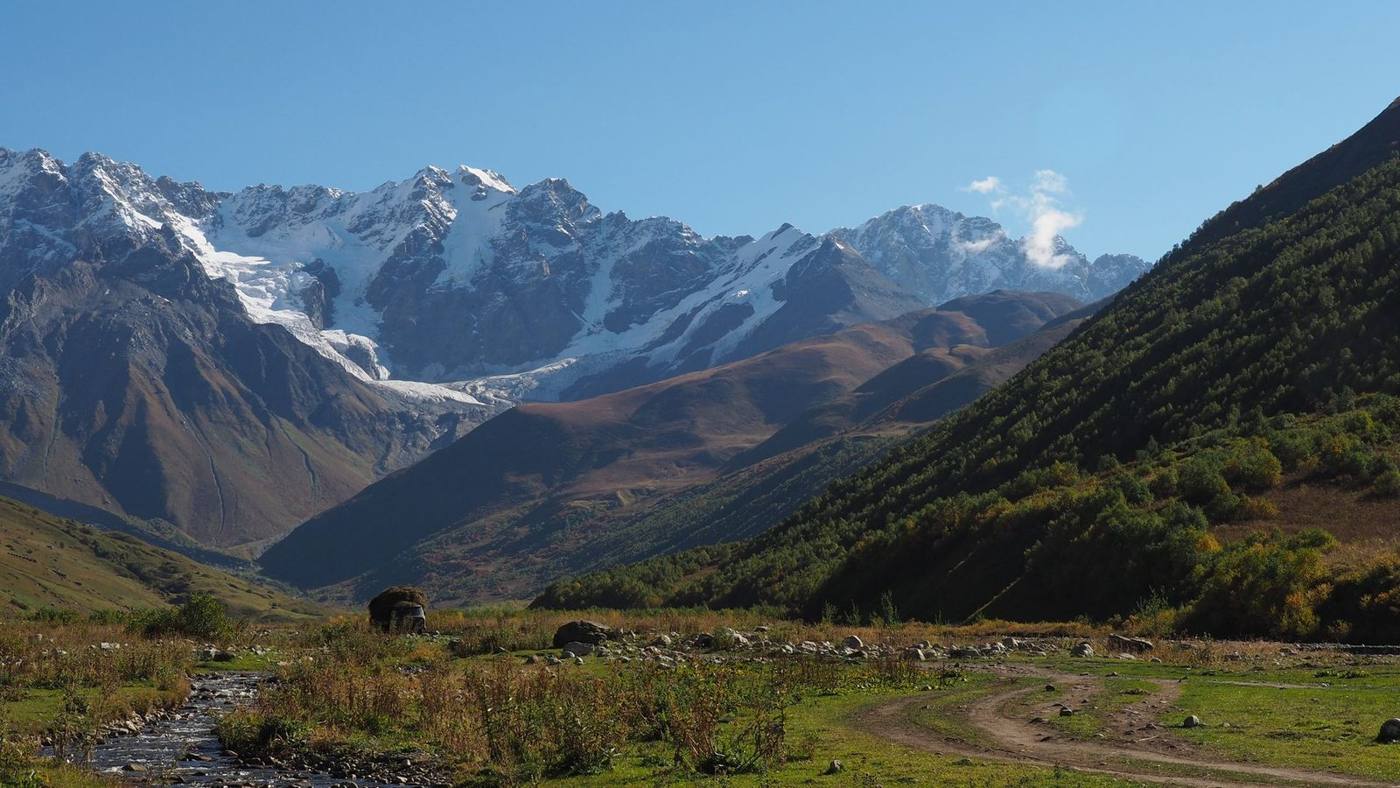 22 daysChallenging
The great Caucasus traverse on foot
Fourteen walking days through Javakheti, Svaneti, Khevsureti and Tusheti, finishing among the wineries of Kakheti and the monasteries of David Gareja.
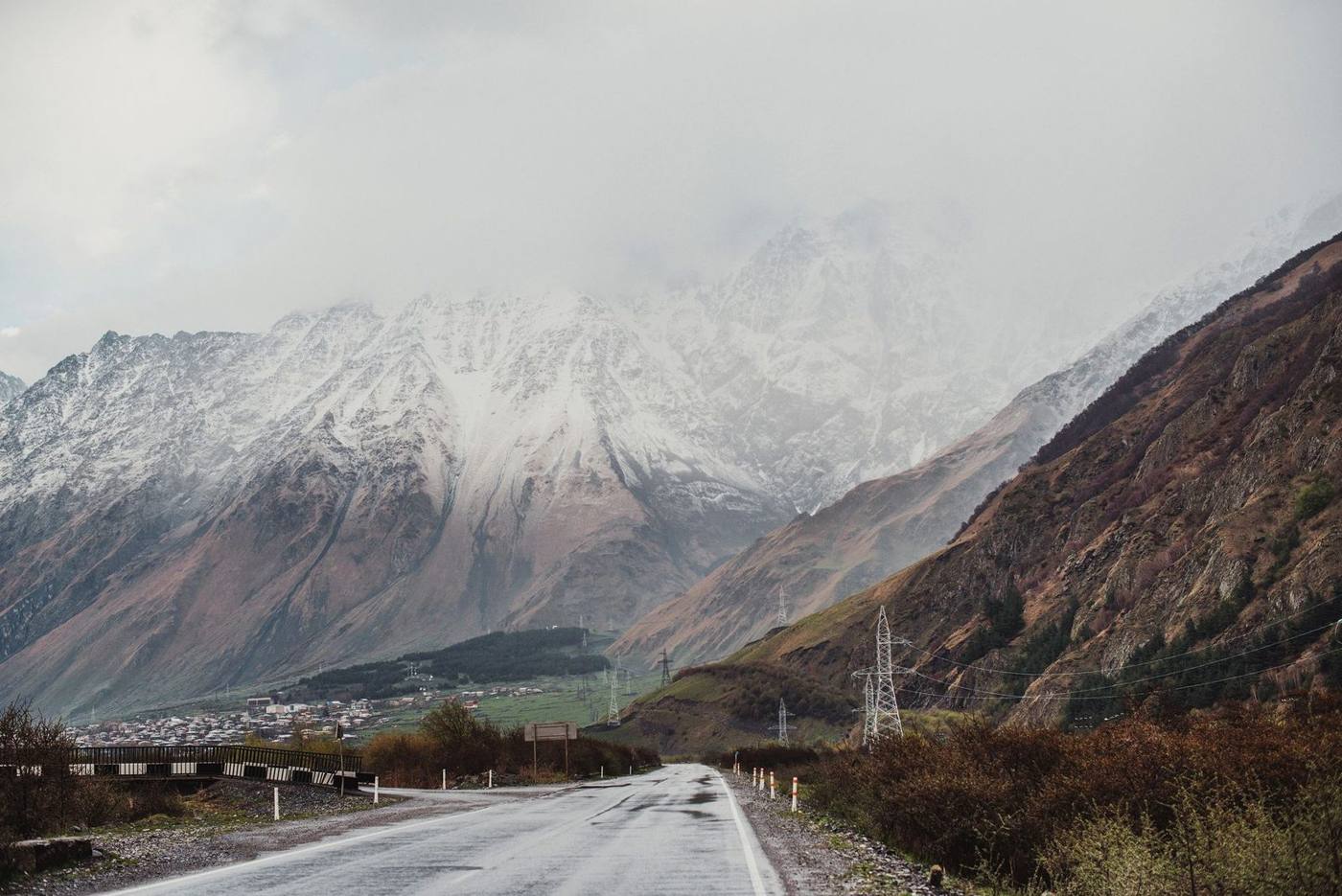 15 daysModerate
Svaneti, Khevsureti and Tusheti by 4x4
The three tower regions of the Georgian Caucasus in one journey, on mountain roads, with short walks and no nights in tents.
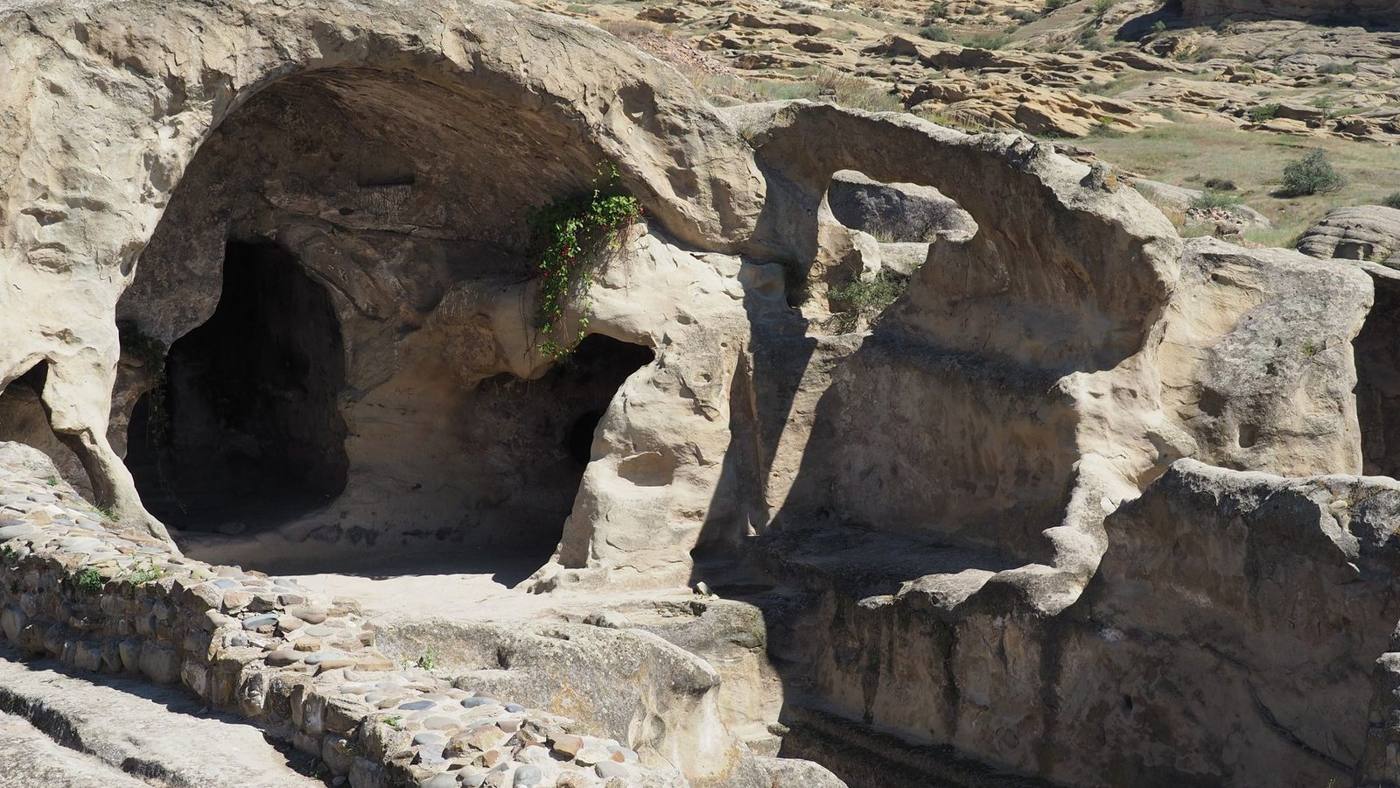 9 daysEasy
Cave cities, Borjomi and Kakheti
A loop from Tbilisi linking Kazbegi with the caves of Vardzia and Uplistsikhe, the monasteries of Kutaisi and the wineries of Kakheti.