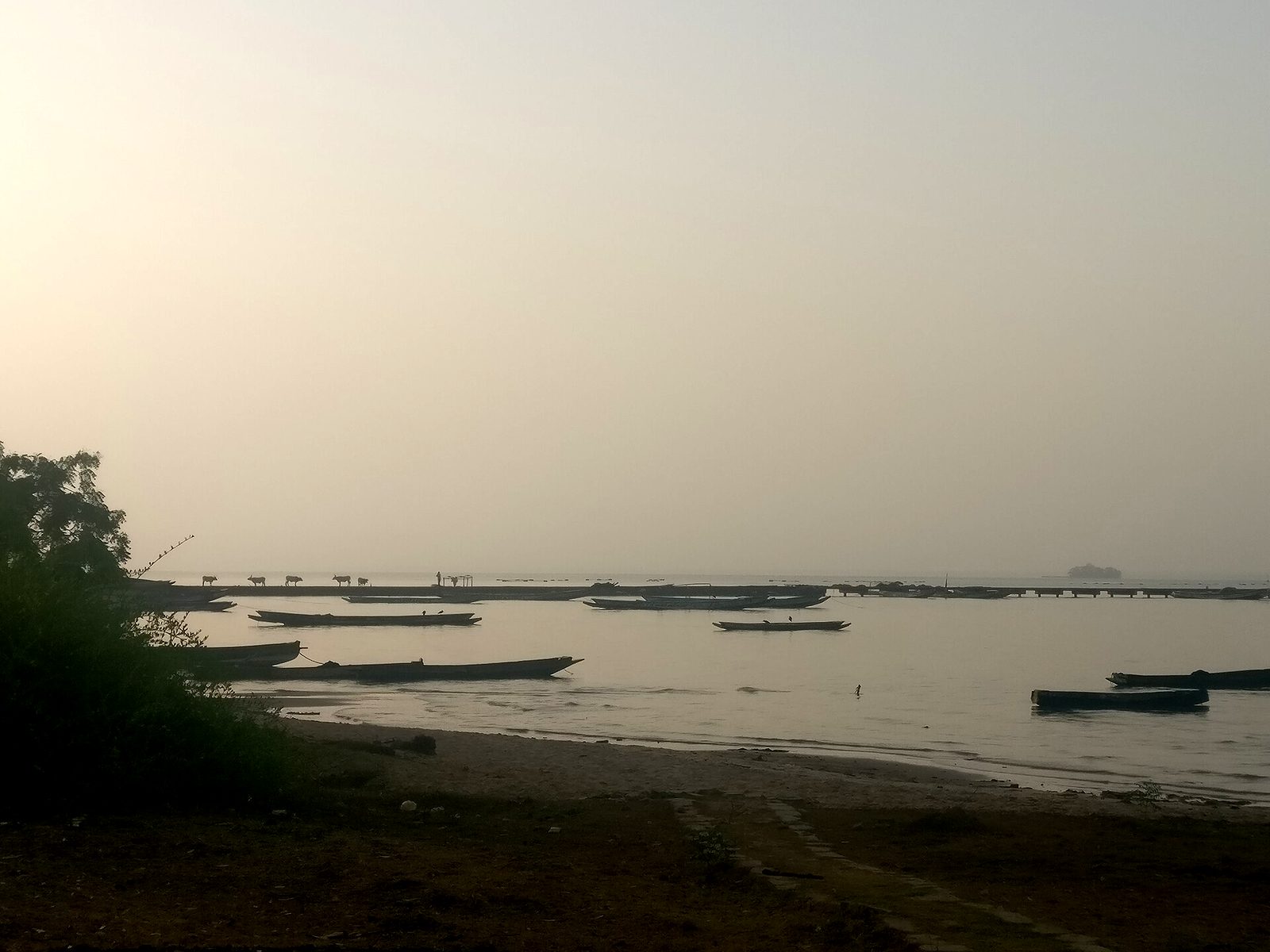
Kunta Kinteh and Juffureh
Kunta Kinteh Island on the Gambia river, a UNESCO site linked to the slave trade, Juffureh village of the book Roots and the Albreda museum.
- Banjul
- Barra
- Juffureh
- Kunta Kinteh
Day by day
- Day 1
Ferry to Barra, Juffureh and the museum
This trip takes you to the north bank of the River Gambia, to the slave trade sites recognised by UNESCO: Kunta Kinteh Island, the village of Juffureh, made famous by the book Roots, and the museum in Albreda. You travel by ferry or boat from Banjul and by car.
Before you go: Italian citizens enter The Gambia with a passport, valid for the whole length of the stay; according to the list of the Gambian embassy no visa is needed for a tourist visit, but check the permitted length of stay beforehand. At Banjul airport a security fee of 20 US dollars is paid on arrival and again on departure. The yellow fever certificate is required if you arrive from a country at risk; talk to your doctor about the vaccine and about malaria prevention. Other nationalities should check their own rules. The UK does not advise against any area, but warns that the Banjul to Barra ferry is often overcrowded and lacks life-saving equipment; the presidential election is set for 5 December 2026, so avoid rallies around the days of the vote.
In the morning you cross the estuary to Barra. Many people prefer an organised boat trip from Banjul to the ferry. In Barra look at Fort Bullen, built by the British in the nineteenth century to control the entrance to the river.
Continue by car to Albreda and Juffureh, two neighbouring villages on the riverbank. Visit the museum devoted to the slave trade, with maps and documents. Check prices and times.
In the afternoon walk around Juffureh, where, according to Alex Haley's book Roots, Kunta Kinte was born before being captured and taken to America in the eighteenth century.
Sleep in or near Juffureh, for one night.
Practical tip: on a boat always ask for a life jacket and wear it for the whole crossing.
- Day 2
By boat to Kunta Kinteh Island
Today you reach Kunta Kinteh Island, in the middle of the river, by boat, then return to Banjul.
In the morning, from the jetty at Albreda, board a small boat for the short crossing. The island, which for centuries was called James Island, took the name Kunta Kinteh in 2011. A fort founded in the seventeenth century stood here, long disputed between several European powers, controlling trade on the river, including the slave trade. In 2003 UNESCO inscribed the island and the nearby sites, such as Albreda, Juffureh and the fort at Barra, on the World Heritage List.
Today the ruins of the walls remain, along with a few cannons and some baobab trees. The island is small and shrinks every year because of river erosion: the history matters more than the stones. A guide tells you about life in the fort and the fate of the people deported. Stop for a few minutes in silence to look at the river, which here is as wide as a sea.
Back on the bank, if you wish, meet one of the descendants of the Kinte family, who sometimes welcome visitors in Juffureh.
In the afternoon you return to Banjul by boat or by ferry.
In two days you have followed the history of the slave trade on the River Gambia: the fort at Barra, the museum in Albreda, the village of Juffureh and the ruins of Kunta Kinteh Island.
When to go: from November to May, in the dry season, with a calmer river and more pleasant temperatures. From June to October it rains and the humid heat is intense.
Practical tip: bring a hat and water, because there is no shade on the island, and a small contribution for the community of Juffureh, to be agreed with the guide.
A moving, important visit. The Barra ferry is slow and crowded: a boat tour from Banjul is better. The island ruins are small; it's the story that matters.
Before you go
- Documents and visa
- Passport valid for the whole length of your stay. According to the list of the Gambian embassy, Italian citizens enter without a visa for a tourist visit: check the permitted length of stay before leaving. At Banjul airport a security fee of 20 US dollars is paid on arrival and again on departure.
- Health and vaccines
- A yellow fever vaccination certificate is required if you arrive from a country at risk; talk to your doctor about the vaccine and about malaria prevention, as malaria is present throughout the country. Drink only bottled water. You need insurance covering medical costs and repatriation.
- Money and payments
- Gambian dalasi. Payment is mostly in cash; cards work in large hotels on the coast and cash machines are concentrated in the tourist area and in Banjul.
- Power sockets
- Type G, 230 volts, the same as in the UK.
- Time zone
- UTC+0 all year.
- Safety
- The UK does not advise against any area of The Gambia. The presidential election is set for 5 December 2026: avoid rallies and demonstrations and follow local news. Theft in markets, towns and on isolated beaches, especially at night; on the beaches the bumsters insistently offer help and tours. Do not accept trips into Senegal with informal guides, who often do not follow border procedures. The Banjul to Barra ferry is often overcrowded, and pirogues should be used only for short trips and with a life jacket. Official advice: GOV.UK.
Information checked in November 2026 for Italian and EU citizens. Rules change: always check before you travel.
Variations
In 1 day: a boat trip from Banjul to Kunta Kinteh Island and Juffureh, returning in the evening.
In 5 days: continue up the river to the Wassu stone circles and Janjanbureh.
Frequently asked questions
Is the ferry or a boat from Banjul better?
The Banjul to Barra ferry is slow and often overcrowded. A boat trip from Banjul is more comfortable and goes straight to Albreda and the island. Either way, wear a life jacket.
What is left on Kunta Kinteh Island?
The ruins of the fort, a few cannons and some trees. The island is small and shrinking because of erosion: the visit is worthwhile above all for its history.
What documents do I need for The Gambia?
Italian citizens enter with a passport valid for the whole stay; according to the Gambian embassy no visa is needed for a tourist visit, but check the permitted length of stay. Other nationalities should check their own rules.
Indicative itinerary written by World Atlas. Before booking, check timetables, seasonal openings, documents and safety.
 2 daysEasy
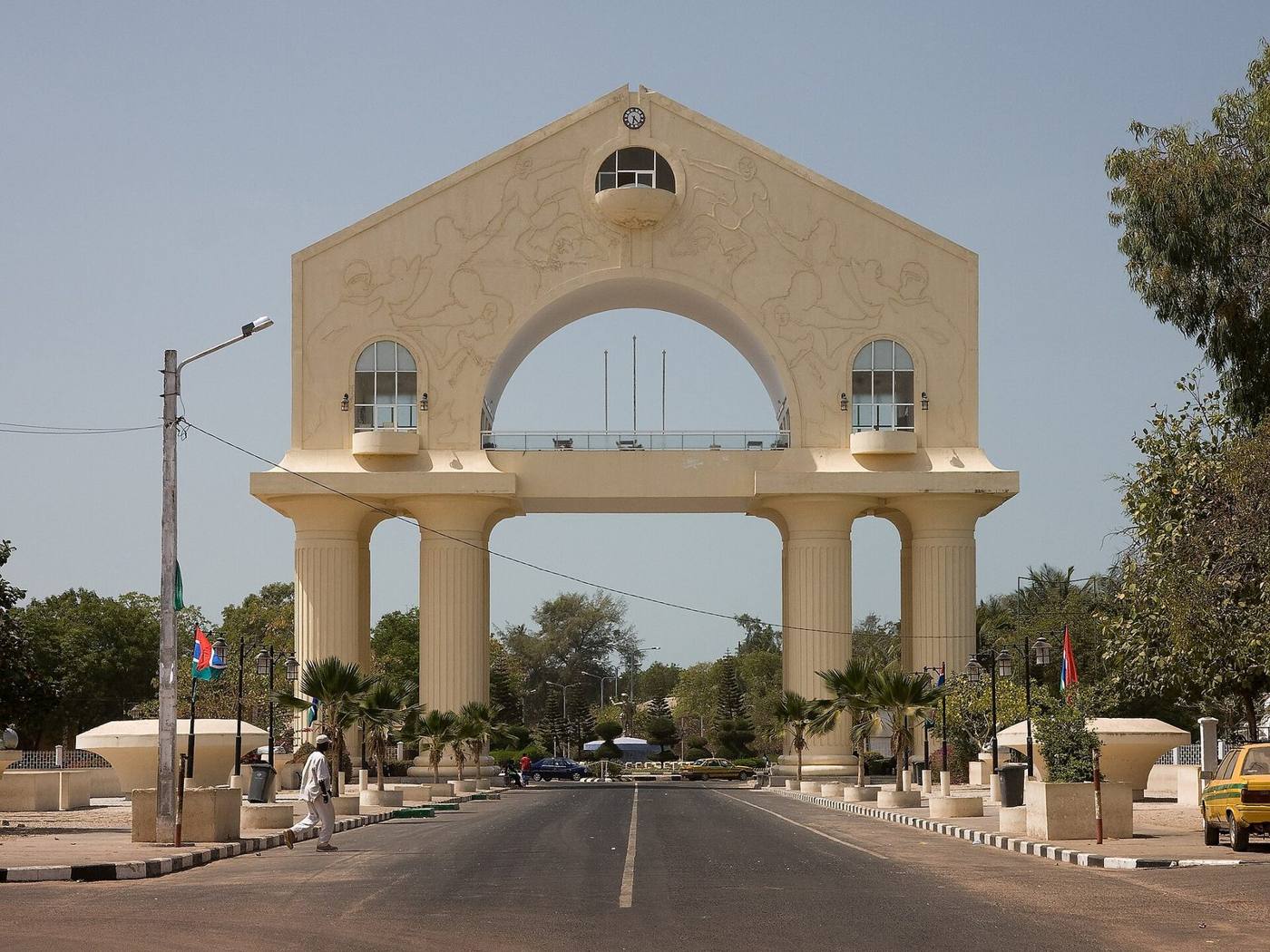
Banjul and Albert Market
The small island capital: Arch 22 with its city view, Albert Market, the national museum and the colonial quarter by the port.
 3 daysEasy
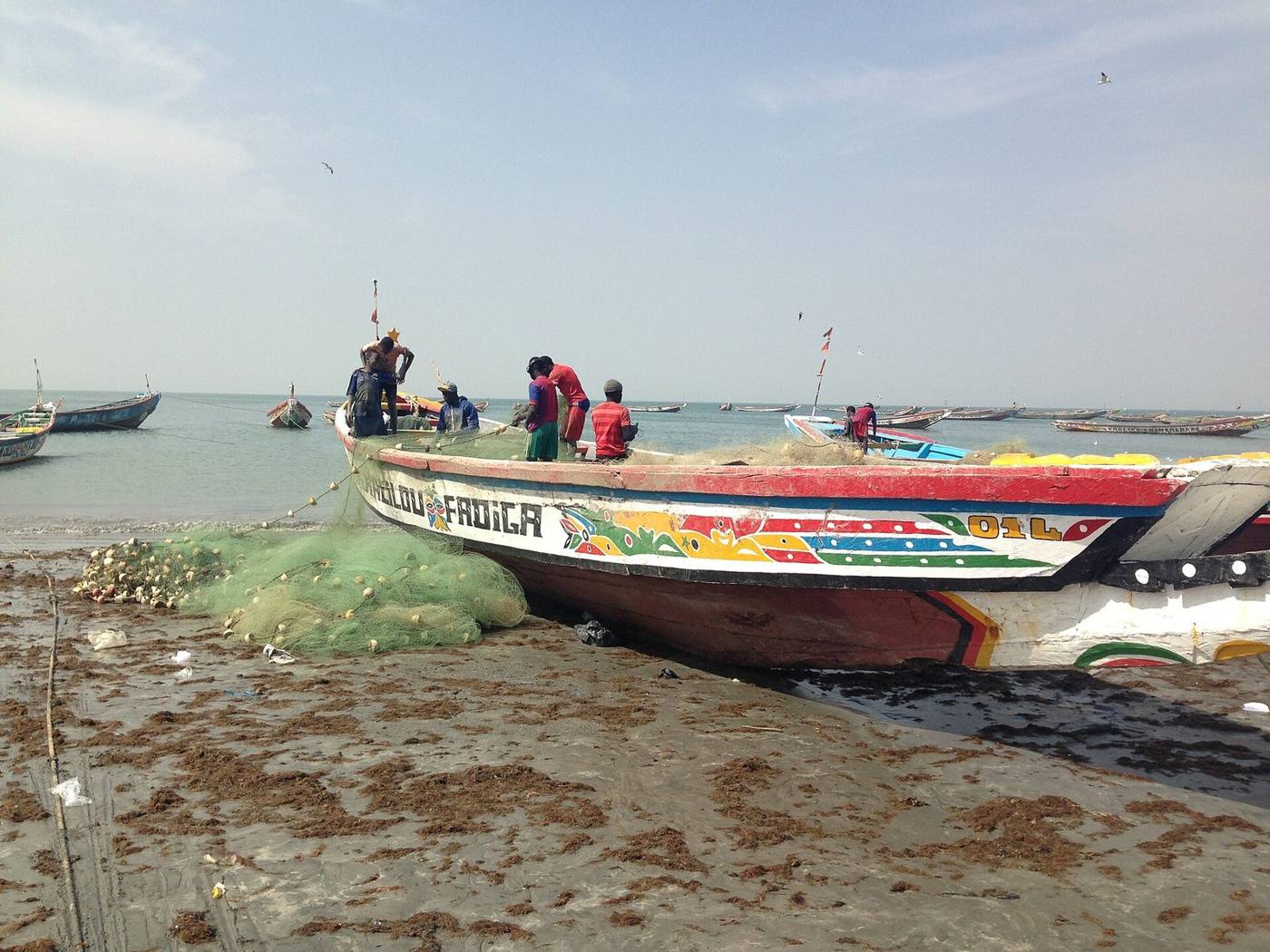
Tanji and Kartong
The southern coast: the colourful pirogues coming in at the fishing village of Tanji, the wild beaches of Sanyang and Kartong on the Senegal border, with a reptile conservation centre.
 3 daysModerate
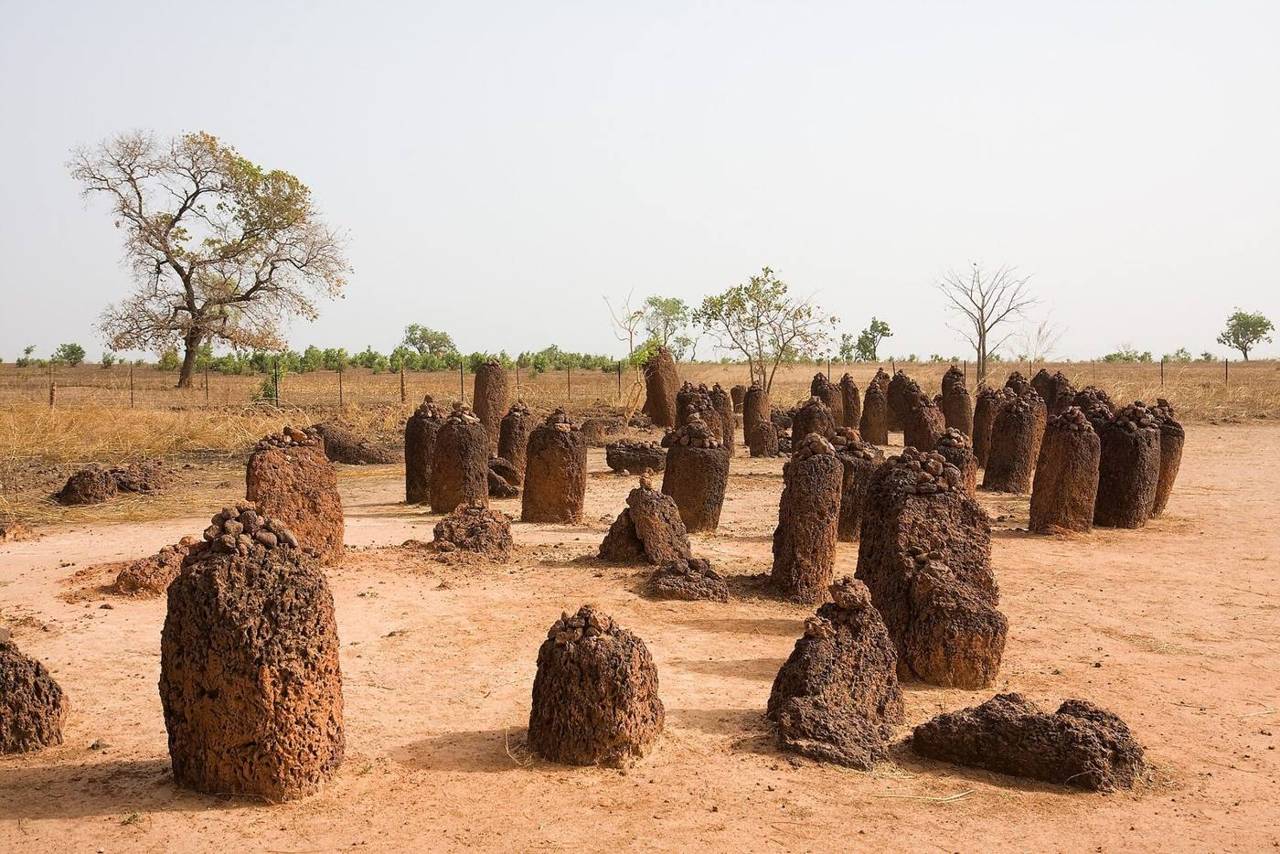
The Wassu stone circles
The megalithic circles of Wassu, a UNESCO site shared with Senegal, and the old town of Janjanbureh on its river island, with colonial quarters and a night on the river.