Tanji and Kartong
The southern coast: the colourful pirogues coming in at the fishing village of Tanji, the wild beaches of Sanyang and Kartong on the Senegal border, with a reptile conservation centre.
- Tanji
- Sanyang
- Kartong
Day by day
- Day 1
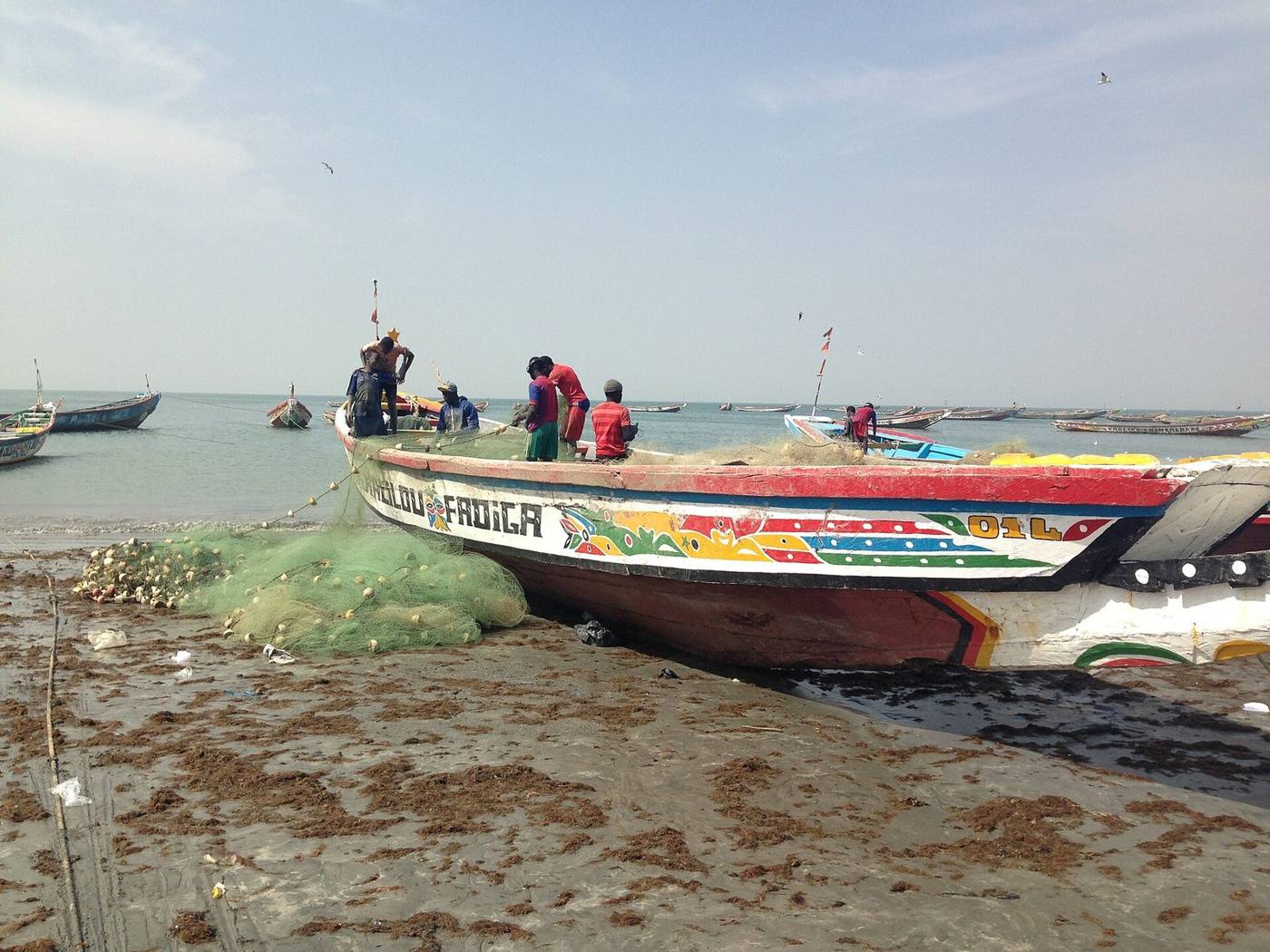
The return of the pirogues at Tanji
This trip takes you to the south coast of The Gambia, far from the hotel area: the return of the colourful pirogues to the fishing village of Tanji, the wide, quiet beaches of Sanyang and Kartong, on the border with Senegal, and a centre for the protection of reptiles. You travel by taxi or by car with a driver.
Before you go: Italian citizens enter The Gambia with a passport, valid for the whole length of the stay; according to the list of the Gambian embassy no visa is needed for a tourist visit, but check the permitted length of stay beforehand. At Banjul airport a security fee of 20 US dollars is paid on arrival and again on departure. The yellow fever certificate is required if you arrive from a country at risk; talk to your doctor about the vaccine and about malaria prevention. Other nationalities should check their own rules. The UK does not advise against any area of The Gambia, including the south coast, but recommends not accepting trips into Senegal with informal guides and avoiding isolated beaches at night. The presidential election is set for 5 December 2026: avoid rallies around the days of the vote.
In the morning settle on the south coast and rest. In the early afternoon go to Tanji beach, the liveliest fishing village in the country. When the large wooden pirogues painted in bright colours return from the sea, the beach fills up: men unload crates of fish, women bargain loudly and boys push the boats up the sand on wooden rollers.
Then walk among the smokehouses, the low buildings where fish is smoked over wood fires to be preserved and sold inland and in neighbouring countries.
Sleep on the south coast, for two nights.
Practical tip: always ask before photographing the fishermen and the women selling fish, and wear clothes you do not mind smelling of smoke and fish.
- Day 2
Sanyang beach
Today you enjoy a day by the sea on Sanyang beach, one of the most beautiful on the coast.
In the morning you arrive in Sanyang, a long curve of pale sand fringed with palm trees, much quieter than the beaches of Kololi. Here too there is a small fishing harbour, with pirogues pulled up on the sand and stalls of fresh fish. Walk along the water's edge: in some stretches you are almost alone, with crabs running across the sand and seabirds fishing among the waves.
Swim only where you are told it is safe and stay close to the shore: on the Atlantic coast the currents can be strong. Avoid swimming alone and do not go into the water when the sea is rough.
For lunch try freshly caught grilled fish, with rice, onions and hot sauce, at one of the simple food stalls on the beach.
In the afternoon, if you wish, visit the nearby village of Gunjur, with its large fish market, or rest in the shade of the palm trees.
At sunset watch the sun sink into the ocean and the fishermen preparing their nets for the next day.
In the evening go back to your accommodation before dark, because the side roads are not lit.
Practical tip: do not leave valuables unattended on the beach and carry only the cash you need for the day, as the UK advises.
- Day 3
Kartong and the return
Today you reach Kartong, the southernmost village in The Gambia, then return to the northern part of the coast.
Kartong lies near the mouth of the Allahein river, which marks the border with Senegal. It is a quiet village, among palm trees, rice fields, lagoons and a long, almost deserted beach. In the morning visit the sacred crocodile pool of Folonko, a place of prayer where women come to ask for fertility and protection. Enter with respect and follow the keepers' instructions.
Then visit the centre devoted to the protection of reptiles, where you can see snakes, lizards, tortoises and chameleons of The Gambia up close and learn which are dangerous and which are harmless. Check prices and times.
At midday walk along the beach to the mouth of the river, but do not cross the water towards Senegal: the border may only be crossed at official posts, with stamps in your passport.
In the afternoon you return towards the Kololi or Bakau area.
In three days you have seen the most authentic coast of The Gambia: the return of the pirogues and the smokehouses of Tanji, Sanyang beach and the village of Kartong with its sacred pool.
When to go: from November to May, in the dry season, with sunshine, a calmer sea and fewer mosquitoes. From June to October the rains arrive with humid heat.
Practical tip: in Kartong bring insect repellent, because near the lagoons and rice fields mosquitoes are numerous at sunset.
The real Gambia, far from the Kololi hotels. Tanji's smoked fish has a strong smell. Currents in the sea: swim only where indicated.
Before you go
- Documents and visa
- Passport valid for the whole length of your stay. According to the list of the Gambian embassy, Italian citizens enter without a visa for a tourist visit: check the permitted length of stay before leaving. At Banjul airport a security fee of 20 US dollars is paid on arrival and again on departure.
- Health and vaccines
- A yellow fever vaccination certificate is required if you arrive from a country at risk; talk to your doctor about the vaccine and about malaria prevention, as malaria is present throughout the country. Drink only bottled water. You need insurance covering medical costs and repatriation.
- Money and payments
- Gambian dalasi. Payment is mostly in cash; cards work in large hotels on the coast and cash machines are concentrated in the tourist area and in Banjul.
- Power sockets
- Type G, 230 volts, the same as in the UK.
- Time zone
- UTC+0 all year.
- Safety
- The UK does not advise against any area of The Gambia. The presidential election is set for 5 December 2026: avoid rallies and demonstrations and follow local news. Theft in markets, towns and on isolated beaches, especially at night; on the beaches the bumsters insistently offer help and tours. Do not accept trips into Senegal with informal guides, who often do not follow border procedures. The Banjul to Barra ferry is often overcrowded, and pirogues should be used only for short trips and with a life jacket. Official advice: GOV.UK.
Information checked in November 2026 for Italian and EU citizens. Rules change: always check before you travel.
Variations
In 2 days: an afternoon in Tanji for the return of the pirogues and a day in Kartong.
In 5 days: add Abuko reserve and the Tanji wetlands for birdwatching.
Frequently asked questions
When do the pirogues return to Tanji?
Usually in the afternoon, when the fishermen come back from the sea with their catch. The time changes with the wind and the season: ask locally.
Can you swim at Sanyang and Kartong?
Yes, but only where you are told it is safe and when the sea is calm. On the Atlantic coast the currents can be strong: do not swim alone.
What documents do I need for The Gambia?
Italian citizens enter with a passport valid for the whole stay; according to the Gambian embassy no visa is needed for a tourist visit, but check the permitted length of stay. Other nationalities should check their own rules.
Indicative itinerary written by World Atlas. Before booking, check timetables, seasonal openings, documents and safety.
 3 daysModerate
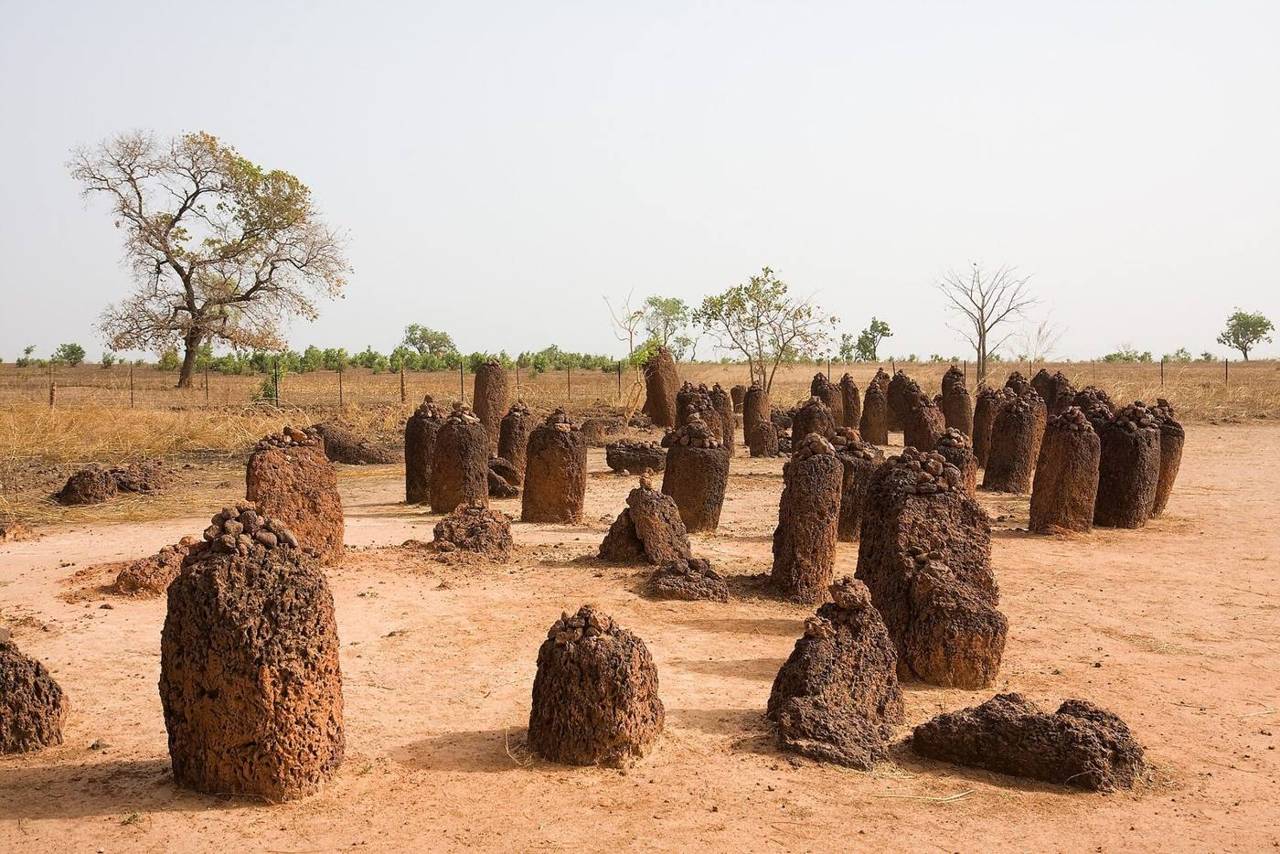
The Wassu stone circles
The megalithic circles of Wassu, a UNESCO site shared with Senegal, and the old town of Janjanbureh on its river island, with colonial quarters and a night on the river.
 5 daysEasy
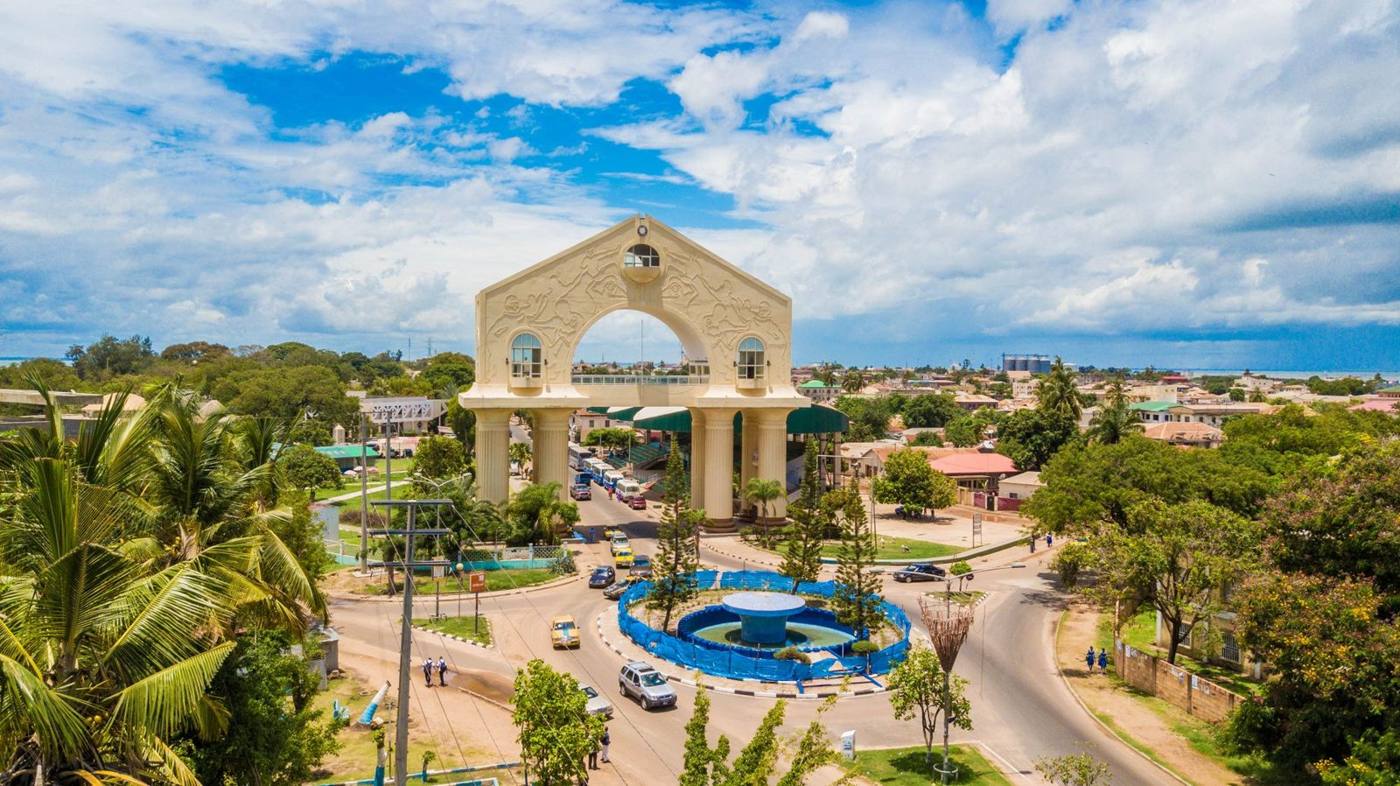
The coast and its birds
The Atlantic beaches, Abuko reserve, the Tanji wetlands for birdwatching and the fish market where the pirogues land.
 5 daysModerate
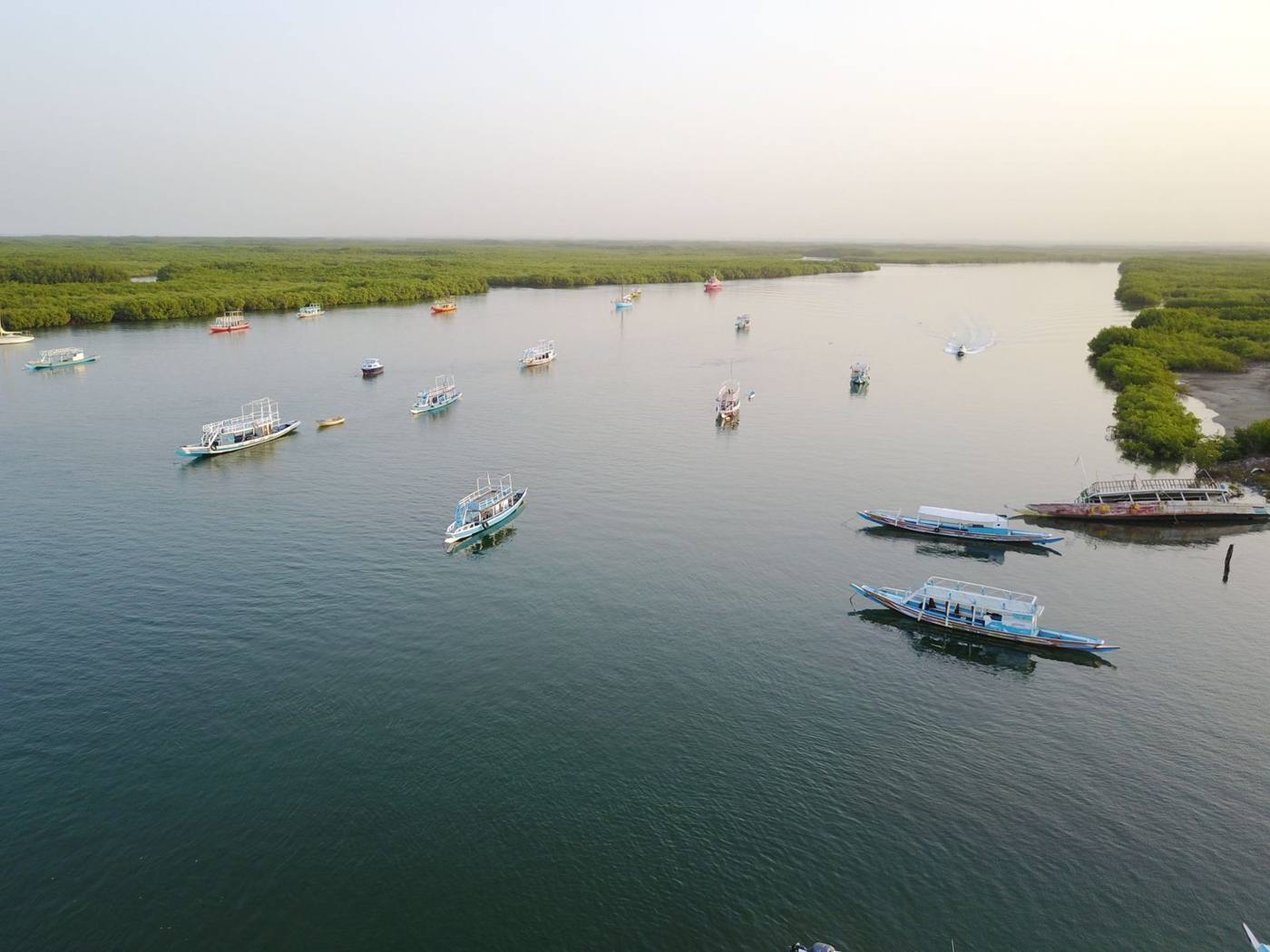
Up the Gambia river
Upriver to Janjanbureh, the UNESCO-listed Kunta Kinteh Island, the Wassu stone circles and the chimpanzees of River Gambia National Park.