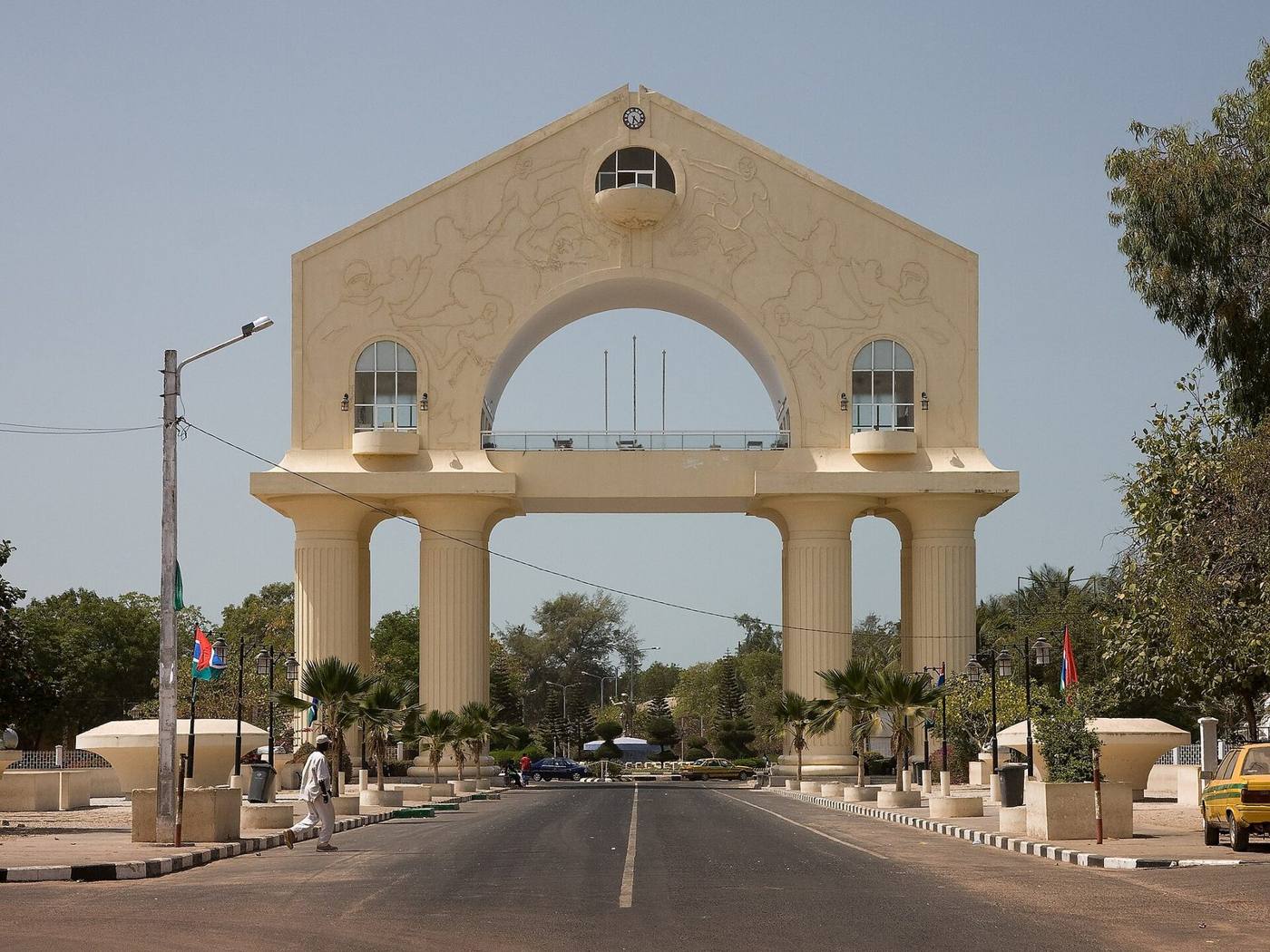
Banjul and Albert Market
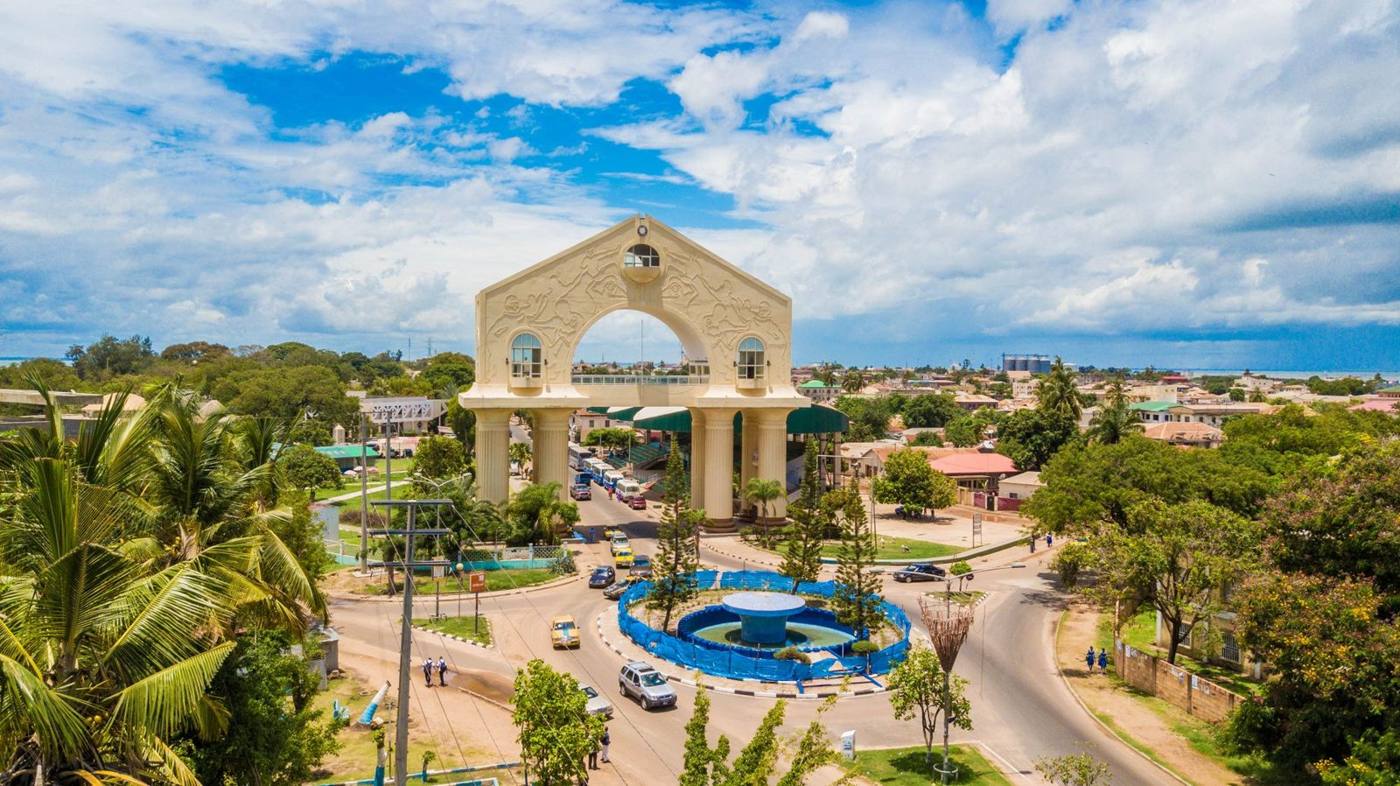
The small island capital: Arch 22 with its city view, Albert Market, the national museum and the colonial quarter by the port.
- Banjul
- Arch 22
- Albert Market
Day by day
- Day 1
Arch 22 and the national museum
This trip takes you to Banjul, the small capital of The Gambia built on an island at the mouth of the River Gambia: Arch 22 with its view over the city, the national museum, Albert Market and the old colonial quarter near the port. You get around on foot and by taxi.
Before you go: Italian citizens enter The Gambia with a passport, valid for the whole length of the stay; according to the list of the Gambian embassy no visa is needed for a tourist visit, but check the permitted length of stay beforehand. At Banjul airport a security fee of 20 US dollars is paid on arrival and again on departure. The yellow fever certificate is required if you arrive from a country at risk; talk to your doctor about the vaccine and about malaria prevention. Other nationalities should check their own rules. The UK does not advise against any area of the country; the presidential election is set for 5 December 2026, so in the days around the vote avoid rallies and demonstrations.
In the morning enter Banjul along the main road from Serrekunda and stop at Arch 22, the monument about 35 metres high that marks the entrance to the city. It was built to commemorate the coup of 22 July 1994. Climb to the terrace at the top: from up there you see the tin roofs, the mosques, the port and the river estuary. Check prices and times.
In the afternoon visit the National Museum of The Gambia, with rooms devoted to the history of the country, musical instruments such as the kora, masks, textiles and the archaeology of the stone circles. Check prices and times.
Sleep on the coast, in the Kololi or Bakau area, for two nights.
Practical tip: use the tourist taxis with displayed fares, or agree on the price of the ride before getting in.
- Day 2
Albert Market and the port
Today you discover the commercial heart of Banjul and its oldest quarter.
In the morning enter Albert Market, the capital's main market, active since the nineteenth century. Among the covered stalls and alleys you find everything: dried fish, spices, peanuts, tropical fruit, brightly coloured batik and wax fabrics, leather sandals, baskets and carved wooden objects. Tailors sew made-to-measure clothes in a few hours. Take your time to look and to bargain calmly, always with a smile.
Then walk towards the port and the old colonial quarter. Banjul was founded by the British in 1816 under the name of Bathurst and still keeps some wooden and stone houses with verandas, often in ruins, along quiet streets with small mosques. Pass the Anglican cathedral and the city's great mosque and watch the comings and goings at the ferry terminal for Barra.
For lunch try Gambian cooking: domoda, a stew with peanut sauce, benachin, rice cooked with fish or meat and vegetables, and chicken yassa with onions and lemon.
In the afternoon go back to the coast and enjoy the sunset over the Atlantic.
In two days you have seen Banjul from the top of Arch 22, discovered the history of the country at the national museum and enjoyed the colours of Albert Market and the old port.
When to go: from November to May, in the dry season, with sunny days and less humidity. From June to October the rains arrive with humid heat.
Practical tip: at the market keep your money in a closed pocket at the front, because there are pickpockets in the crowd.
Half a day or a day is enough. At the market agree prices and watch for pickpockets. Easy to combine with the Kololi beaches.
Before you go
- Documents and visa
- Passport valid for the whole length of your stay. According to the list of the Gambian embassy, Italian citizens enter without a visa for a tourist visit: check the permitted length of stay before leaving. At Banjul airport a security fee of 20 US dollars is paid on arrival and again on departure.
- Health and vaccines
- A yellow fever vaccination certificate is required if you arrive from a country at risk; talk to your doctor about the vaccine and about malaria prevention, as malaria is present throughout the country. Drink only bottled water. You need insurance covering medical costs and repatriation.
- Money and payments
- Gambian dalasi. Payment is mostly in cash; cards work in large hotels on the coast and cash machines are concentrated in the tourist area and in Banjul.
- Power sockets
- Type G, 230 volts, the same as in the UK.
- Time zone
- UTC+0 all year.
- Safety
- The UK does not advise against any area of The Gambia. The presidential election is set for 5 December 2026: avoid rallies and demonstrations and follow local news. Theft in markets, towns and on isolated beaches, especially at night; on the beaches the bumsters insistently offer help and tours. Do not accept trips into Senegal with informal guides, who often do not follow border procedures. The Banjul to Barra ferry is often overcrowded, and pirogues should be used only for short trips and with a life jacket. Official advice: GOV.UK.
Information checked in November 2026 for Italian and EU citizens. Rules change: always check before you travel.
Variations
In 1 day: morning at Arch 22 and the national museum, afternoon at Albert Market.
In 4 days: add Kunta Kinteh Island and the village of Juffureh, on the north bank of the river.
Frequently asked questions
Is Banjul worth a visit?
Yes, for one or two days. It is a small, quiet capital, with Arch 22, the national museum and Albert Market, easy to combine with the beaches of the coast.
Can you climb Arch 22?
Yes, there is a terrace at the top with views over the city and the estuary. Check prices and times.
What documents do I need for The Gambia?
Italian citizens enter with a passport valid for the whole stay; according to the Gambian embassy no visa is needed for a tourist visit, but check the permitted length of stay. Other nationalities should check their own rules.
Indicative itinerary written by World Atlas. Before booking, check timetables, seasonal openings, documents and safety.
 3 daysEasy
Tanji and Kartong
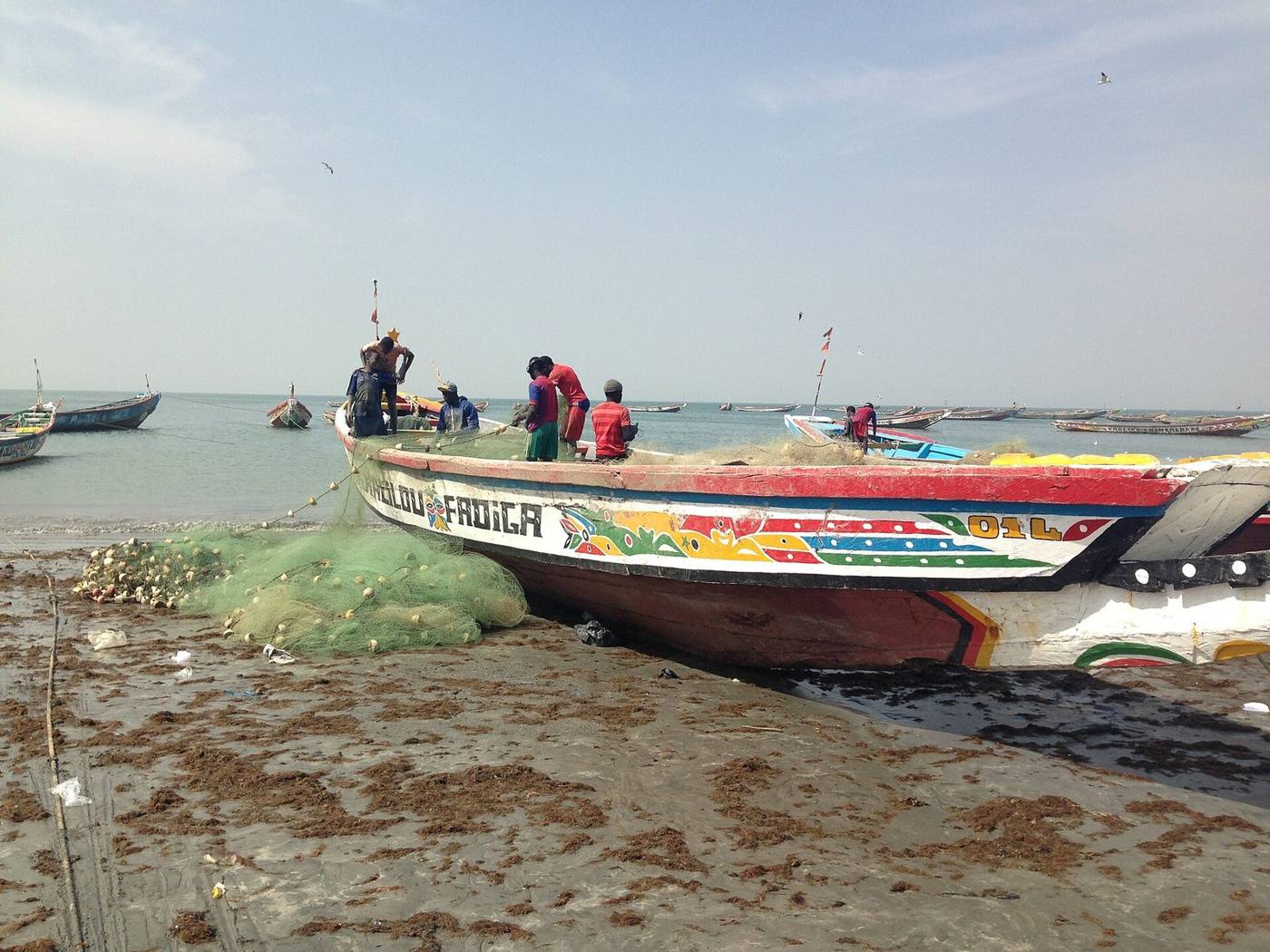
The southern coast: the colourful pirogues coming in at the fishing village of Tanji, the wild beaches of Sanyang and Kartong on the Senegal border, with a reptile conservation centre.
 3 daysModerate
The Wassu stone circles
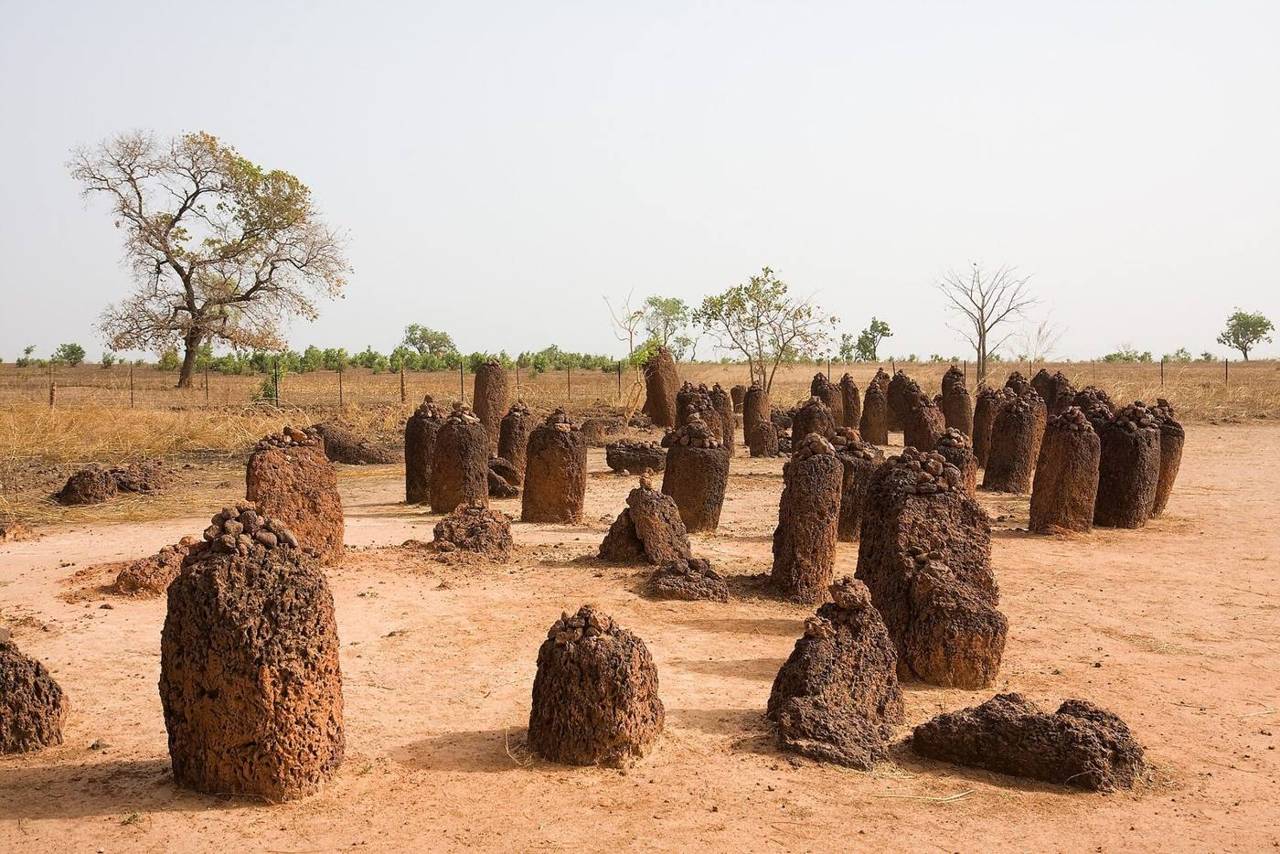
The megalithic circles of Wassu, a UNESCO site shared with Senegal, and the old town of Janjanbureh on its river island, with colonial quarters and a night on the river.
 5 daysEasy
The coast and its birds
The Atlantic beaches, Abuko reserve, the Tanji wetlands for birdwatching and the fish market where the pirogues land.