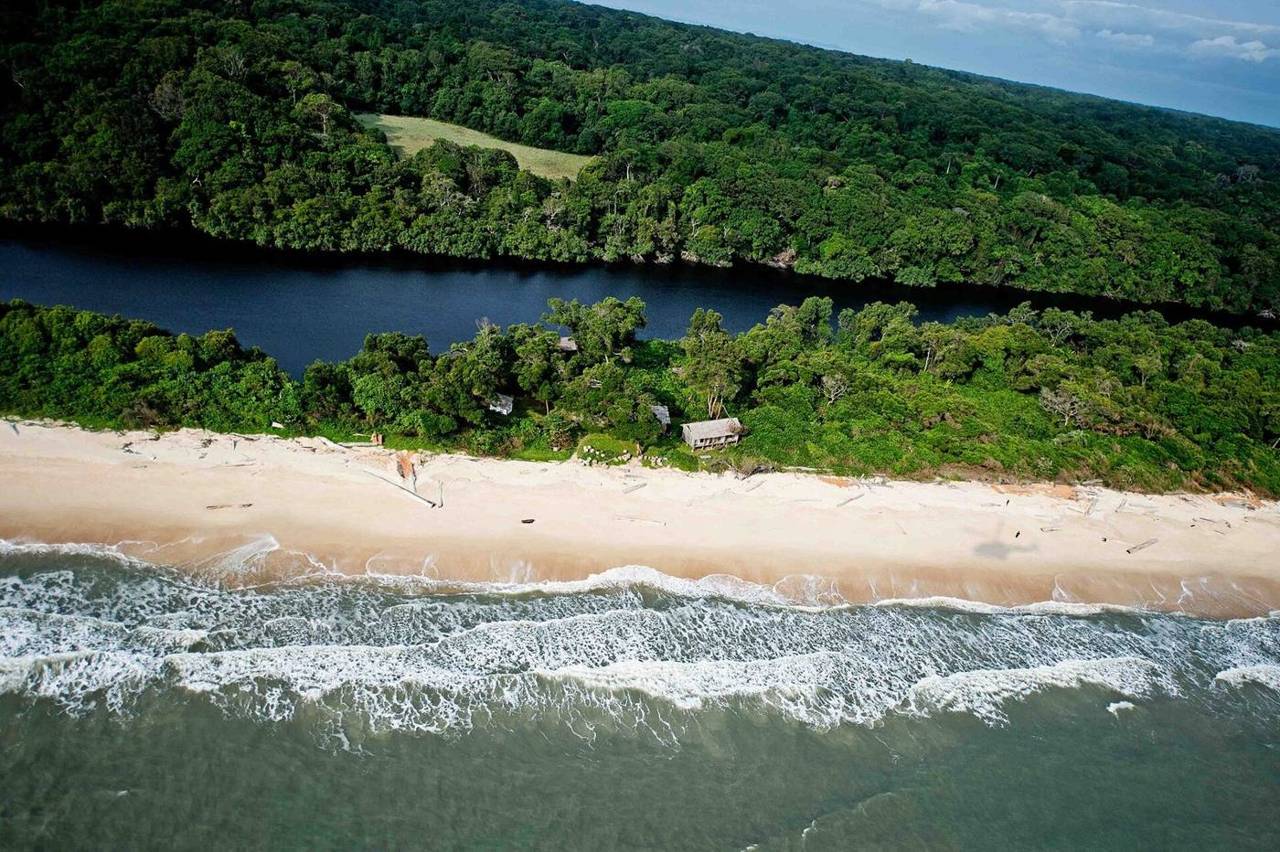
Pongara and Akanda
The two parks facing Libreville: the beaches of Pongara, where leatherback turtles come to lay their eggs, and the mangroves of Akanda with migratory birds, reached by boat from the capital.
- Libreville
- Pongara
- Akanda
Day by day
- Day 1
By boat to Pongara and the night of the turtles
This trip takes you to the two national parks opposite Libreville: Pongara, with the beaches where leatherback turtles come to lay their eggs, and Akanda, with its mangroves and migratory birds. You travel by boat from the capital, without internal flights.
Before you go: Italian citizens enter Gabon with a passport, valid for at least six months from the date of arrival, and a visa, to be requested before departure only on the official platform of the immigration directorate, evisa.dgdi.ga, without going through intermediary websites. A yellow fever vaccination certificate is compulsory; talk to your doctor about malaria prevention. Other nationalities should check their own rules. After the military takeover in 2023 and the 2025 elections, the UK does not advise against any area, but recommends avoiding demonstrations and gatherings and staying away from isolated beaches around Libreville at night, unless you are with the park guides.
In the morning take the boat across the Komo estuary, the wide stretch of water in front of the city. You land on the Pongara coast, in the Pointe Denis area, with long beaches of pale sand, forest behind them and mangroves along the channels.
In the afternoon relax on the beach and take a first walk along the edge of the forest.
After dinner go out onto the beach with the park guides. Leatherback turtles, the largest sea turtles in the world, climb the sand at night to dig their nests and lay their eggs. Stay silent, keep your distance and use a light only when the guides say so.
Sleep in Pongara, for one night.
Practical tip: bring a head torch with a red light and dark clothes for the night on the beach, and ask the ANPN for the current access rules.
- Day 2
Forest and beaches of Pongara, then Libreville
Today you explore the park by day and return to Libreville in the afternoon.
Early in the morning walk with a guide along the trails between the coastal forest and the savannah. At dawn the animals are more active: you may hear monkeys in the trees, see antelope tracks in the sand and, with a lot of luck, the footprints of forest elephants, which sometimes pass close to the sea. The guide shows you the plants used in traditional medicine and the nests left by the turtles during the night.
Then explore the mangrove channels by boat, where the roots of the trees rise out of the water like stilts. Crabs, fish and water birds such as herons and kingfishers live here.
At the end of the morning enjoy the beach, but swim only where the guides tell you: on the Atlantic coast the currents can be strong.
In the early afternoon take the boat back to Libreville. In the evening stroll along the seafront, the Bord de Mer, and watch the sunset over the estuary as the city lights come on.
Have dinner with grilled fish, chicken nyembwe, cooked in palm nut sauce, one of the national dishes of Gabon, and bâton de manioc.
Sleep in Libreville, for two nights.
Practical tip: in Libreville use taxis booked by your accommodation and ask for exclusive hire, without sharing with other passengers, as the UK advises.
- Day 3
The mangroves of Akanda
Today you explore Akanda National Park, north of Libreville, by boat.
Akanda protects a large expanse of mangroves, shallow bays and mudflats that the tide uncovers and covers twice a day. It is one of the most important places on the coast for waders, the small shorebirds that feed in the mud. Many arrive from Europe and Asia to spend the northern winter here.
In the morning set off by boat with a guide. You sail through the mangrove channels, some of the trees very tall, and stop near the sandbanks and mudflats where curlews, plovers, sandpipers, terns and herons gather. With binoculars you can watch them closely without disturbing them. The landscape changes with the tide: ask the guide for the best time to leave.
In the afternoon you return to Libreville, with time for a last walk around the city or to reach the airport.
In three days you have seen the nature of Gabon a stone's throw from the capital: the beaches of Pongara with leatherback turtles at night, the forest and the mangrove channels, and the bays of Akanda with their migratory birds.
When to go: for leatherback turtles the best period runs from November to February, the nesting season. From December to February there is also the short dry season. Migratory birds are present mainly during the European winter. From June to September, in the long dry season, the climate is cooler, but there are no turtles.
Practical tip: bring binoculars, a hat and a light jacket against the spray, and keep your phone in a waterproof bag.
The easiest way to see Gabon's nature without domestic flights. The United States is at level 2 for unrest, crime and health: avoid demonstrations and check visa rules beforehand, as they vary by passport.
Before you go
- Documents and visa
- Passport valid for at least six months from the date of arrival and a compulsory visa, to be obtained before departure. The electronic visa is requested only on the official platform of the DGDI, the Gabonese immigration directorate, evisa.dgdi.ga: beware of websites presenting themselves as intermediaries. Always carry your passport with the visa, because identity checks are frequent.
- Health and vaccines
- A yellow fever vaccination certificate is compulsory to enter Gabon. Malaria prevention is recommended, after medical advice. Healthcare outside Libreville is very basic: you need insurance covering medical costs and repatriation. Drink only bottled water.
- Money and payments
- Central African CFA franc, with a fixed exchange rate to the euro. Outside Libreville almost everything is paid in cash; card fraud is common outside large hotels, so always check when paying or withdrawing money.
- Power sockets
- Type C and E, 220 volts: you need an adapter for British plugs.
- Time zone
- UTC+1 all year.
- Safety
- The military took power in August 2023; presidential elections were held in April 2025. The UK does not advise against any area, but warns that protests can start without warning and turn violent and that tourists may face closer scrutiny. Police checkpoints are frequent on the roads, photographing government and military buildings and airports is forbidden, and it is best to avoid isolated beaches around Libreville, especially at night, and driving after dark. National parks are managed by the ANPN, the national parks agency: ask it for the current access rules. Official advice: GOV.UK.
Information checked in November 2026 for Italian and EU citizens. Rules change: always check before you travel.
Variations
In 2 days: a night in Pongara with the turtles and back to Libreville, without Akanda.
In 6 days: add Lambaréné and the Ogooué lakes, a day's drive south-east of Libreville.
Frequently asked questions
When can you see leatherback turtles in Pongara?
At night, during the nesting season, which runs from November to February. Outings are made with the park guides: ask the ANPN for the current rules.
Do I need an internal flight for these parks?
No. Pongara is reached by boat across the estuary in front of Libreville and Akanda lies just north of the capital.
What documents do I need for Gabon?
Italian citizens enter with a passport, valid for at least six months from arrival, and a visa, to be requested only on the official platform evisa.dgdi.ga. The yellow fever certificate is compulsory. Other nationalities should check their own rules.
Indicative itinerary written by World Atlas. Before booking, check timetables, seasonal openings, documents and safety.
 3 daysModerate
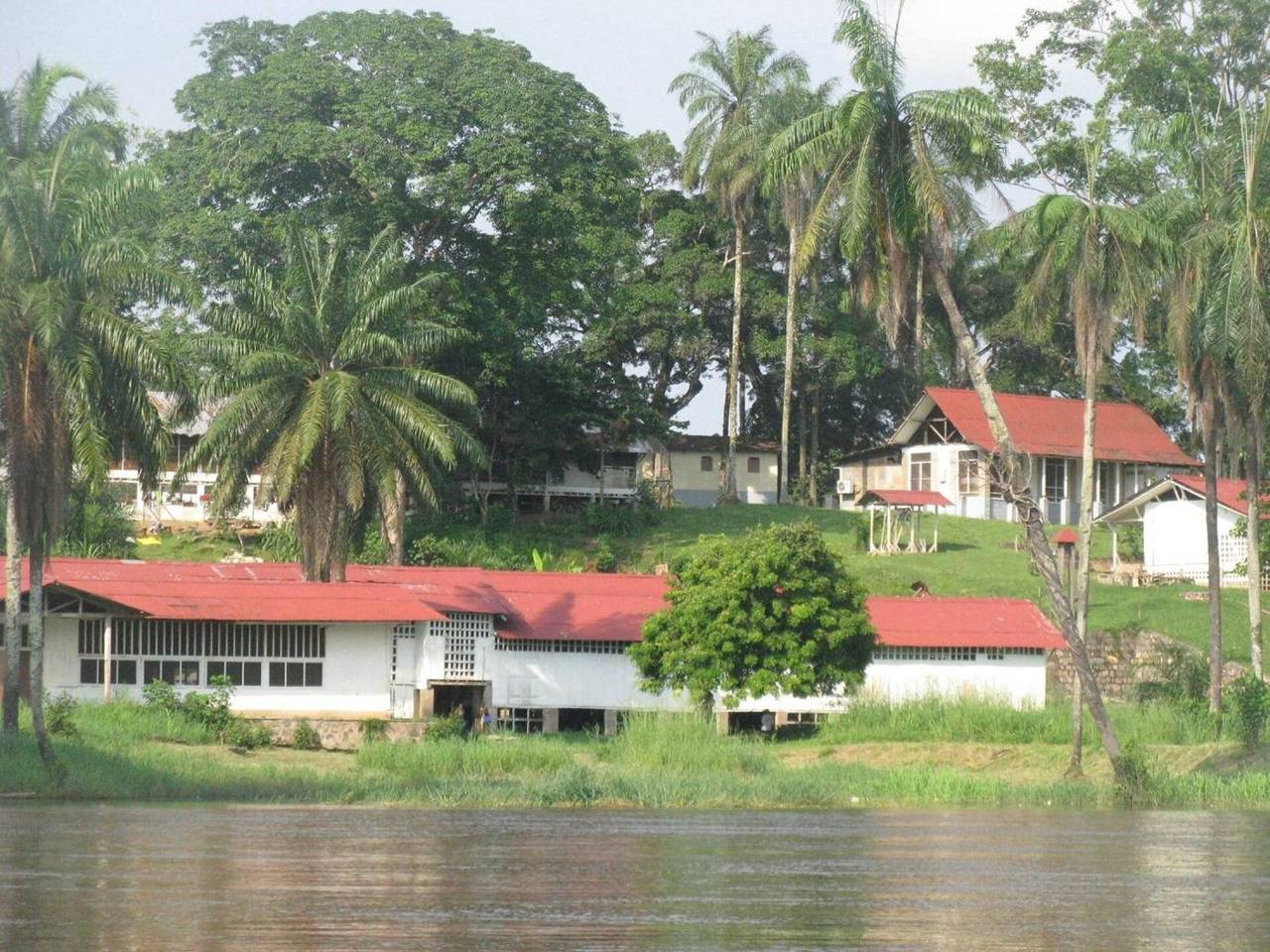
Lambaréné and the Ogooué
The town on the great Ogooué River where Albert Schweitzer founded his hospital, now with a museum, and a pirogue trip on the river lakes among villages, flooded forests and birds.
 7 daysModerate
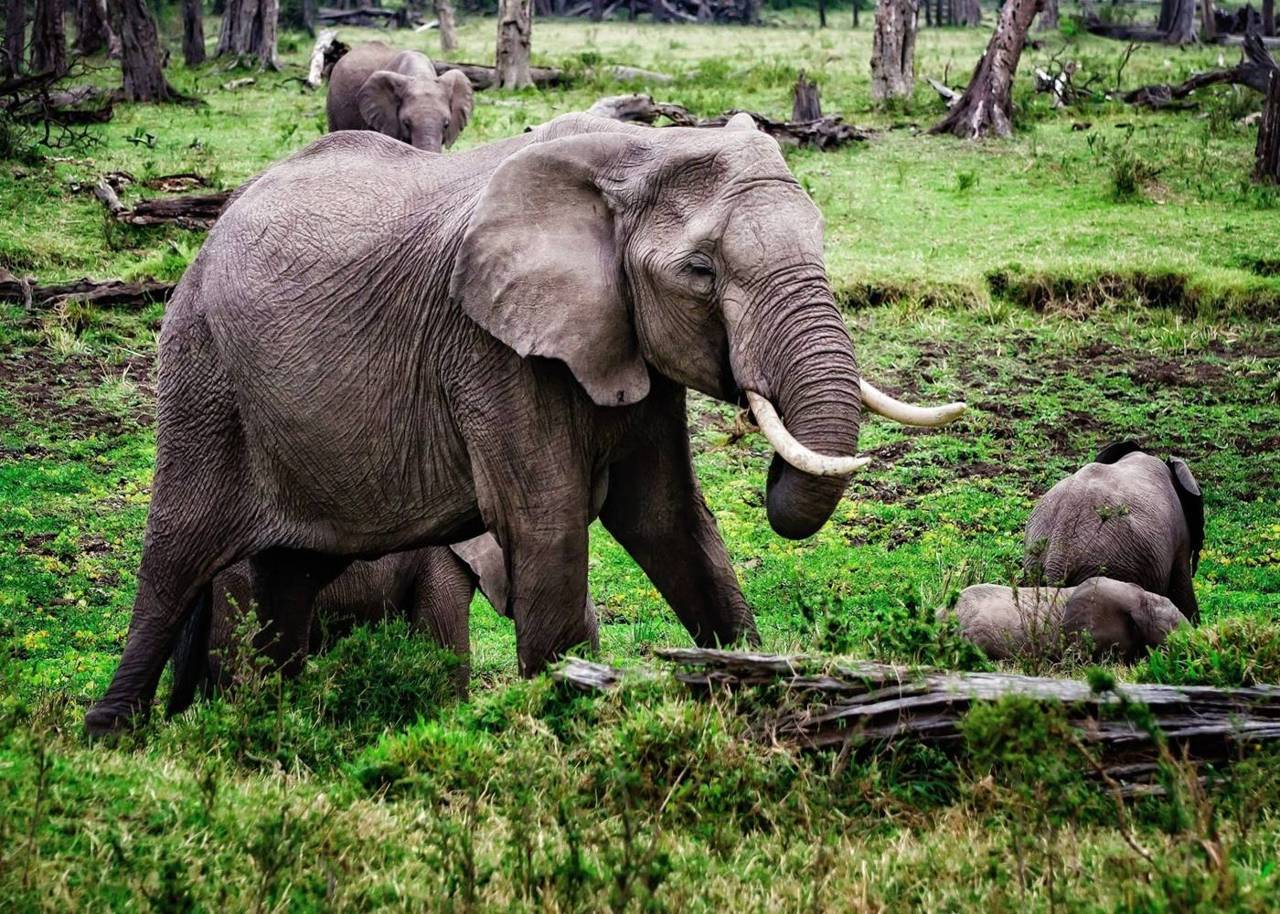
Loango, where elephants walk on the beach
Loango National Park, with forest elephants and buffalo on the beach, hippos swimming in the ocean, humpbacks offshore and lagoons by boat.
 6 daysModerate
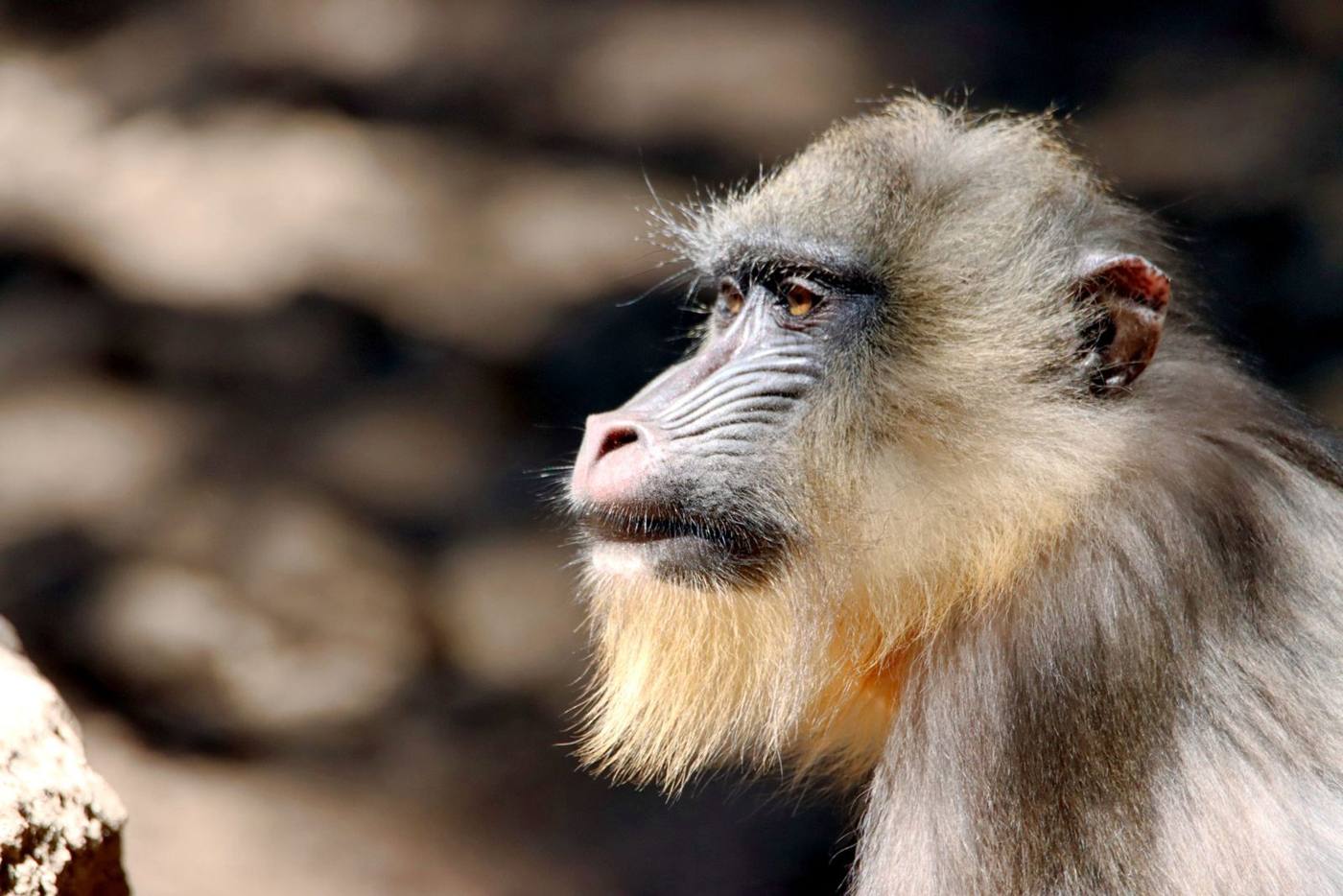
Lopé and the mandrills
The Transgabonais train to Lopé National Park, a UNESCO site of savannah and forest with huge mandrill troops and rock carvings.