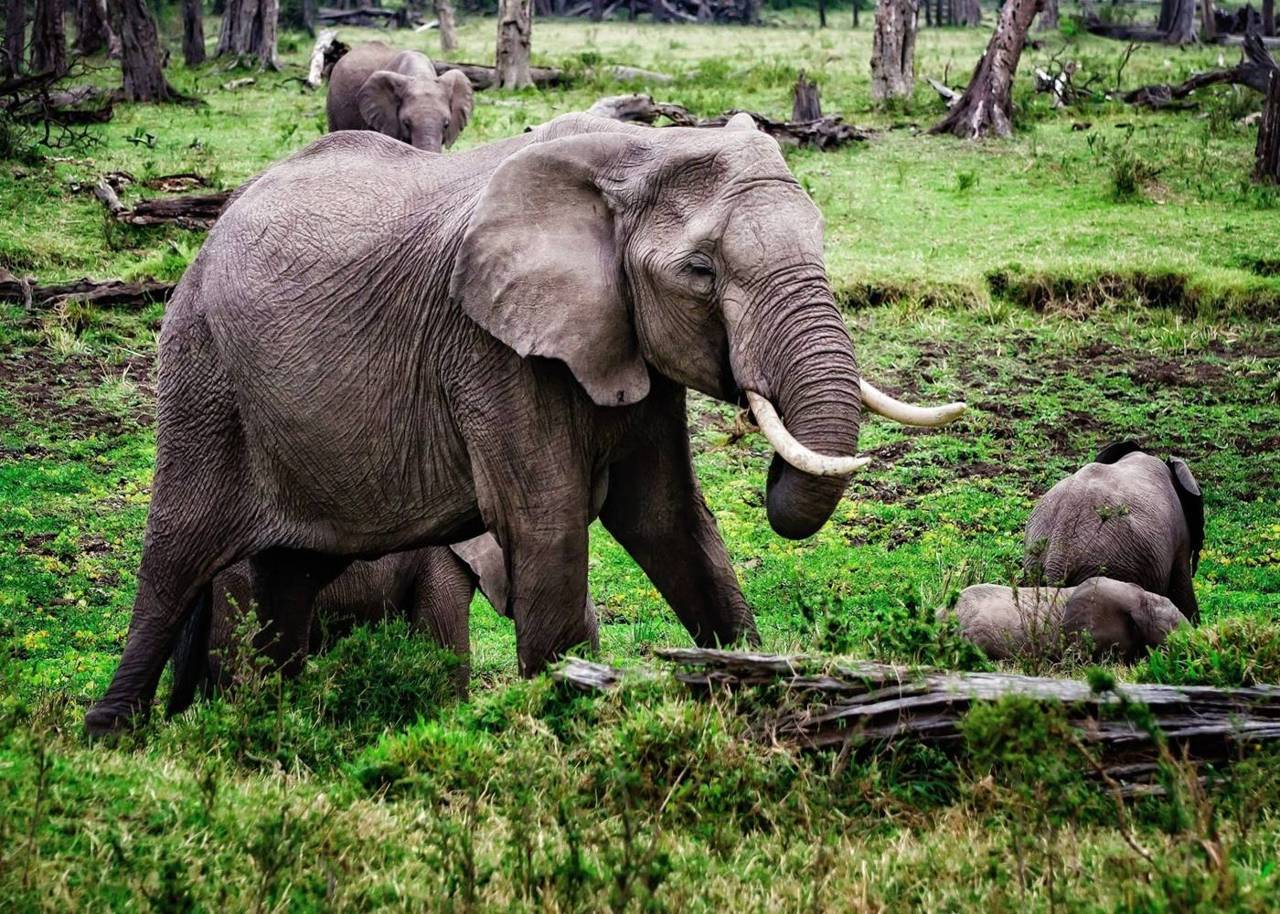
Loango, where elephants walk on the beach
Loango National Park, with forest elephants and buffalo on the beach, hippos swimming in the ocean, humpbacks offshore and lagoons by boat.
- Libreville
- Port-Gentil
- Omboué
- Loango
- Lagune Iguéla
Day by day
- Day 1
Arrival in Libreville
This trip takes you to Loango National Park, on the Atlantic coast of Gabon, where forest elephants and buffalo walk on the beach, hippos go into the sea, humpback whales pass offshore and the lagoons are explored by boat. You travel by internal flight, by boat and by four-wheel drive.
Before you go: Italian citizens enter Gabon with a passport, valid for at least six months from the date of arrival, and a visa, to be requested before departure only on the official platform of the immigration directorate, evisa.dgdi.ga, without going through intermediary websites. A yellow fever vaccination certificate is compulsory; talk to your doctor about malaria prevention. Other nationalities should check their own rules. In August 2023 the military took power and presidential elections were held in April 2025: today the country is calm and the UK does not advise against any area, but it recommends avoiding demonstrations and gatherings and reports closer checks on tourists. Do not photograph military or government buildings or airports.
You arrive in Libreville and settle into the city. In the afternoon, if you have the energy, visit the church of Saint-Michel in Nkembo, with its carved wooden columns, or take a walk along the Bord de Mer, the seafront overlooking the Komo estuary.
In the evening calmly check your internal flight tickets and the arrangements for the journey to the park, which is always organised in advance.
Sleep in Libreville, for one night.
Practical tip: book internal flights and accommodation in the park months in advance, because places are few, and ask the ANPN, the parks agency, for the current access rules.
- Day 2
By air and by boat to Loango
Today you reach the park, on a day of travel between sky, delta and lagoons.
In the morning take a short flight from Libreville to Port-Gentil, the oil city, built on an island at the mouth of the Ogooué. From the plane you see the coast, the forests and the channels of the delta.
From Port-Gentil continue south by boat and by road, through the maze of channels, islands and mangroves of the Ogooué delta, to Omboué, a small town on the great Fernan Vaz lagoon. During the crossing watch the birds on the branches, the fishermen's pirogues and the small wooden villages along the banks, where no road arrives.
From here you reach the area of the park and the Iguéla lagoon, where you will spend the next nights. The landscape of Loango is a unique mosaic: deserted Atlantic beaches, coastal savannahs, forest, swamps and lagoons opening onto the sea.
In the late afternoon, if there is time, take a first walk with the guide near your accommodation. At sunset it is easy to see animal tracks in the sand.
Sleep in the Loango area, for five nights.
Practical tip: travel with a soft, light bag, because there is little space in boats and small planes, and keep your documents and electronics in a waterproof bag.
- Day 3
Boat safari on the lagoon
Today you explore the lagoons of Loango by boat, the best way to see the animals of the park.
Early in the morning set off with the guide on the Iguéla lagoon. The boat glides slowly between banks covered in forest and narrow channels, where the trees close over your head. The engine is often switched off and you stay silent to listen.
On the banks you may see forest elephants coming to drink or to eat water plants, red forest buffalo, red river hogs, the wild pigs with orange coats, and crocodiles basking in the sun. In the water the heads of hippos appear: in Loango they live between lagoons, swamps and the sea.
Birds are everywhere: fish eagles, kingfishers, herons and hornbills crossing the lagoon with their noisy flight.
In the afternoon rest during the hottest hours, then set off again by boat towards another arm of the lagoon, when the animals become active again. At sunset the light on the dark water and the forests is beautiful.
In the evening listen to the sounds of the night: frogs, insects and sometimes the distant trumpeting of an elephant.
Practical tip: always keep a wide distance from hippos and elephants, which can be dangerous, and follow the guide's instructions both in the boat and on land.
- Day 4
The elephants' beach
Today you discover the beach of Loango, the most famous scene in the park.
Early in the morning travel along the coast by four-wheel drive and on foot with the guide. Here the forest and the savannah reach the ocean, and animals come out onto the sand as if it were a meadow. You can see forest elephants walking along the shore, red buffalo resting among the driftwood and, on lucky days, hippos going into the waves. The hippos bathing in the ocean have made Loango famous around the world.
On the sand read the tracks of the night: elephant and buffalo prints, sometimes a leopard's, and the furrows left by sea turtles in the nesting season.
In the afternoon walk with the guide in the coastal savannah, dotted with groves, where buffalo graze and antelopes hide.
At sunset sit on a high point of the beach and watch the ocean: in the right months you can see the blows of humpback whales from land.
In the evening, if it is turtle season, ask the guide whether a night outing on the beach is possible, in silence and with the lights off.
Practical tip: do not swim in the sea, because the currents are strong and there may be hippos in the water, and use sun cream even when the sky is overcast.
- Day 5
Whales offshore or turtles on the beach
Today the programme depends on the season: whales at sea in summer, turtles on the beach in winter.
From July to September humpback whales arrive off the coast of Gabon to breed and give birth. In the morning go out by boat with a guide, when the sea is calm. You can see the blows, the tails rising out of the water, the whales breaching and mothers with their calves. Always keep the distance indicated by the guide and do not ask to get too close.
From November to February, instead, leatherback and other sea turtles come to lay their eggs on the park's beaches. In this period the day is quieter and the appointment is at night, with the guide.
In the afternoon, in every season, go on a walk in the coastal forest. The guide shows you the fruit trees that elephants prefer, the paths made by animals and the plants used by the nearby villages.
At sunset go back to the lagoon for a last boat outing or stay on the beach, where elephants often come out in the low light.
In the evening ask the guide about the park's research and conservation projects, which study elephants, gorillas and chimpanzees.
Practical tip: on a boat at sea bring a windproof jacket and a life jacket and, if you suffer from seasickness, a medicine taken before leaving.
- Day 6
The gorillas and the forest
Today you enter the forest of Loango, home of western lowland gorillas.
A group of gorillas used to people lives in the park, thanks to many years of work by researchers. In some seasons visits are possible for small groups of people, with strict rules to protect the animals. Before leaving ask the ANPN whether visits are open, under what conditions and how to book: do not take them for granted.
If the visit is possible, set off early in the morning with the guide and the trackers, who follow the group in the forest. The encounter is short, but seeing a silverback male eating calmly among the leaves stays with you for a lifetime.
If visits are not open, take a long walk in the forest with the guide, looking for monkeys, birds and elephant tracks, or go out by kayak or boat into the narrowest channels of the lagoon.
In the afternoon rest and enjoy your last evening in the park with a sunset over the lagoon or the beach.
In the evening pack your bags for the long journey back.
Practical tip: if you have a fever, a cold or a cough, give up the gorilla visit, because human illnesses can be deadly for them.
- Day 7
Return to Libreville
Today you leave Loango and return to Libreville, retracing the route by boat, by road and by plane.
Early in the morning, if there is time, take one last short outing on the lagoon or the beach to say goodbye to the animals. Then set off towards Omboué and cross the lagoons and the Ogooué delta again to Port-Gentil, where you take the flight to Libreville.
In seven days you have seen one of the last great wild places in Africa: the Iguéla lagoons by boat, elephants and buffalo on the beach, hippos close to the sea, humpback whales offshore or turtles on the sand, depending on the season, and the great forest of the gorillas.
When to go: from July to September for humpback whales, in the long dry season, with cool and often overcast days; from December to February for sea turtles, in the short dry season. Elephants and hippos can be seen all year round, but in the months of heaviest rain, around October and November and from March to May, getting around is harder.
Loango is expensive and complicated to organise: internal flights and accommodation are few and must be booked well in advance.
Practical tip: leave a margin of at least one day between your return to Libreville and your international flight, because boats and internal flights can be delayed.
One of Africa's last Edens, but expensive and complicated to organise. Domestic flights and lodges are few and must be booked well ahead. The country had a coup in 2023 but is now calm: check the latest advice.
Before you go
- Documents and visa
- Passport valid for at least six months from the date of arrival and a compulsory visa, to be obtained before departure. The electronic visa is requested only on the official platform of the DGDI, the Gabonese immigration directorate, evisa.dgdi.ga: beware of websites presenting themselves as intermediaries. Always carry your passport with the visa, because identity checks are frequent.
- Health and vaccines
- A yellow fever vaccination certificate is compulsory to enter Gabon. Malaria prevention is recommended, after medical advice. Healthcare outside Libreville is very basic: you need insurance covering medical costs and repatriation. Drink only bottled water.
- Money and payments
- Central African CFA franc, with a fixed exchange rate to the euro. Outside Libreville almost everything is paid in cash; card fraud is common outside large hotels, so always check when paying or withdrawing money.
- Power sockets
- Type C and E, 220 volts: you need an adapter for British plugs.
- Time zone
- UTC+1 all year.
- Safety
- The military took power in August 2023; presidential elections were held in April 2025. The UK does not advise against any area, but warns that protests can start without warning and turn violent and that tourists may face closer scrutiny. Police checkpoints are frequent on the roads, photographing government and military buildings and airports is forbidden, and it is best to avoid isolated beaches around Libreville, especially at night, and driving after dark. National parks are managed by the ANPN, the national parks agency: ask it for the current access rules. Official advice: GOV.UK.
Information checked in November 2026 for Italian and EU citizens. Rules change: always check before you travel.
Variations
In 5 days: three full days in the park, devoted to the lagoons by boat and the elephants' beach.
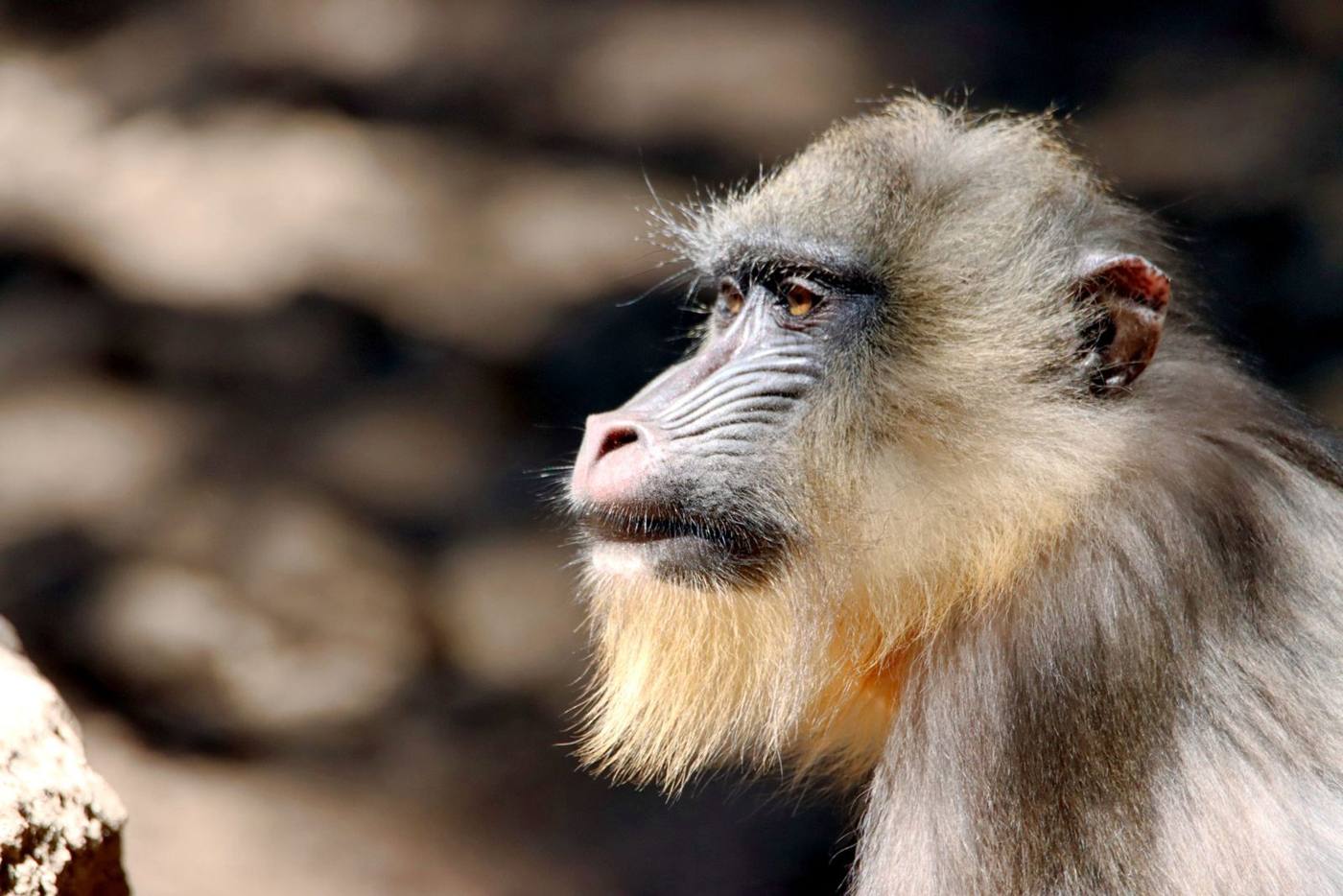
In 10 days: add the mandrills of Lopé National Park, reached by train from Libreville.
Frequently asked questions
When can you see whales in Loango?
Humpback whales pass along the coast of Gabon from July to September. Boat outings are made with a guide and depend on the sea.
Can you see gorillas?
A group of gorillas used to people lives in the park, but visits are possible only in some seasons and under strict rules. Ask the ANPN whether they are open before you leave.
What documents do I need for Gabon?
Italian citizens enter with a passport, valid for at least six months from arrival, and a visa, to be requested only on the official platform evisa.dgdi.ga. The yellow fever certificate is compulsory. Other nationalities should check their own rules.
Indicative itinerary written by World Atlas. Before booking, check timetables, seasonal openings, documents and safety.
 6 daysModerate
Lopé and the mandrills
The Transgabonais train to Lopé National Park, a UNESCO site of savannah and forest with huge mandrill troops and rock carvings.
 3 daysEasy
Pongara and Akanda
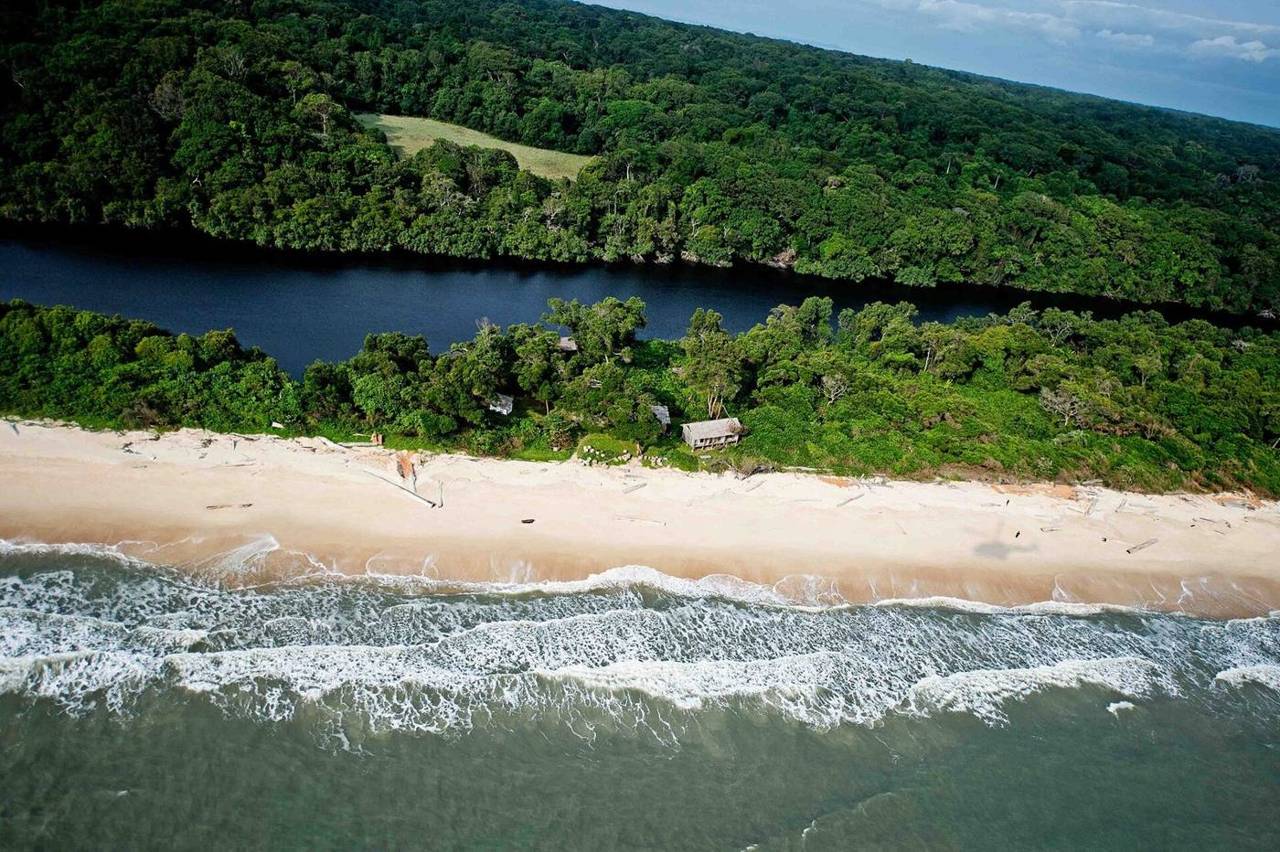
The two parks facing Libreville: the beaches of Pongara, where leatherback turtles come to lay their eggs, and the mangroves of Akanda with migratory birds, reached by boat from the capital.
 3 daysModerate
Lambaréné and the Ogooué
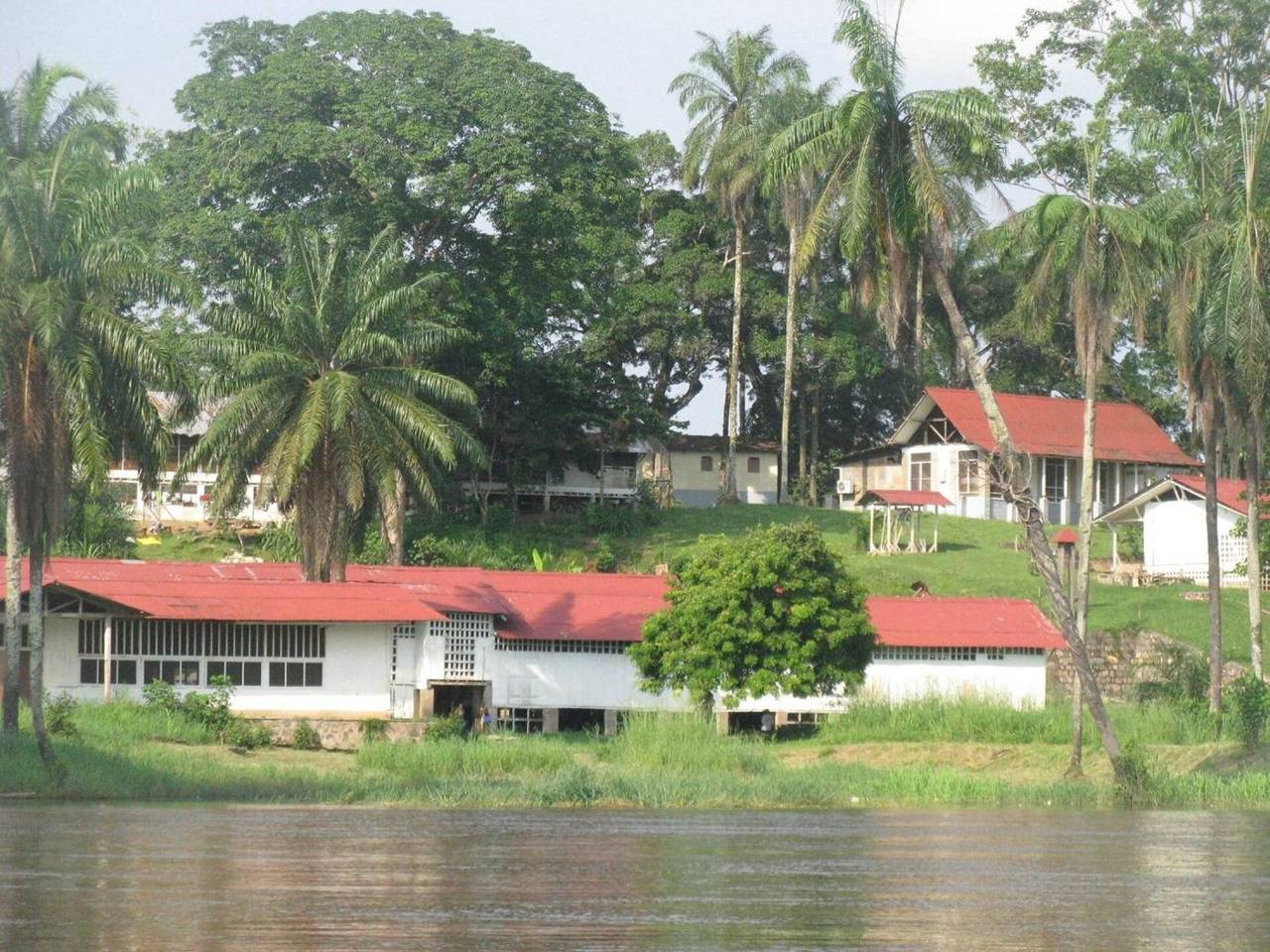
The town on the great Ogooué River where Albert Schweitzer founded his hospital, now with a museum, and a pirogue trip on the river lakes among villages, flooded forests and birds.