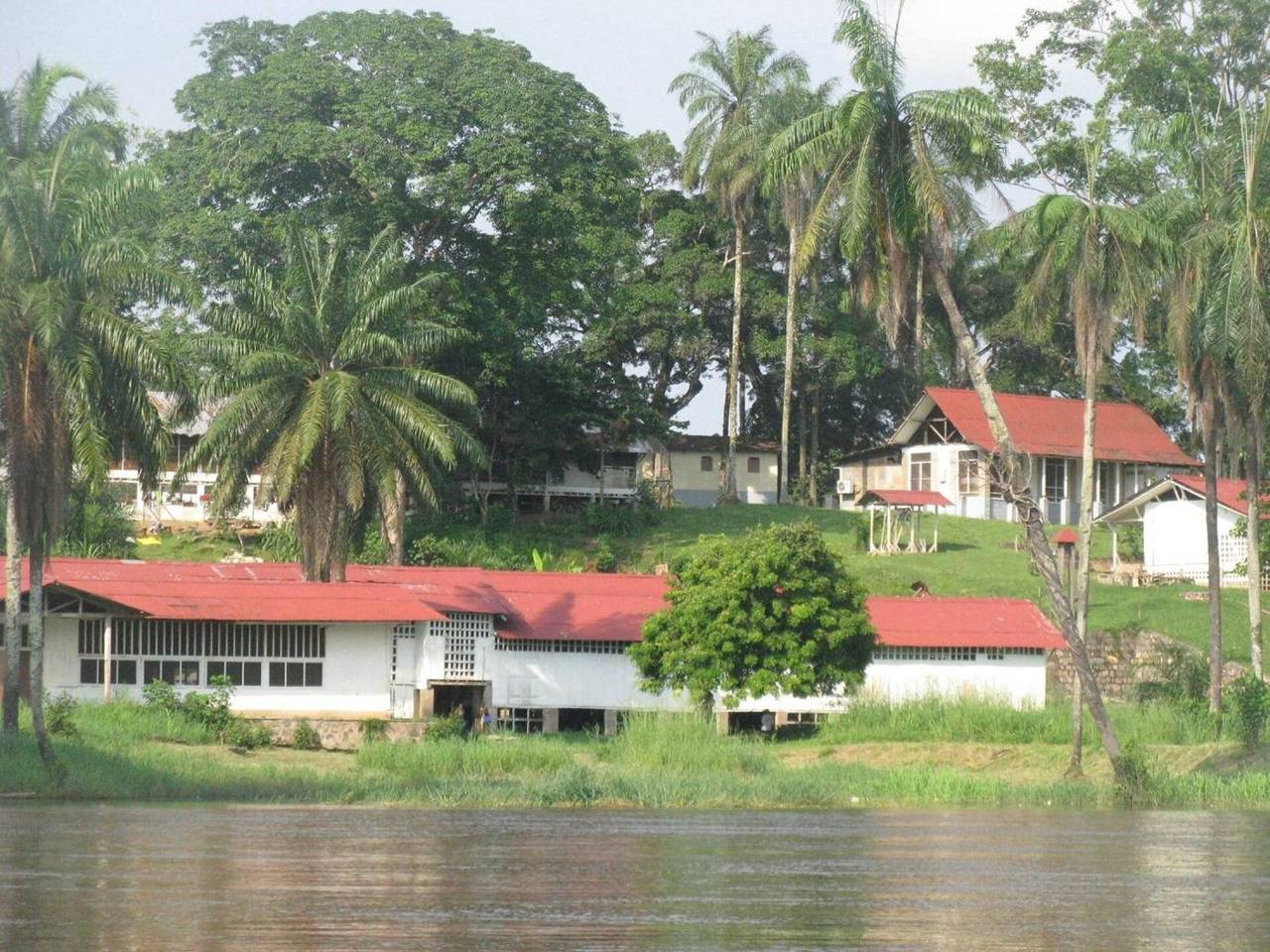
Lambaréné and the Ogooué
The town on the great Ogooué River where Albert Schweitzer founded his hospital, now with a museum, and a pirogue trip on the river lakes among villages, flooded forests and birds.
- Libreville
- Lambaréné
- Ogooué lakes
Day by day
- Day 1
From Libreville to Lambaréné
This trip takes you to Lambaréné, the town on the great Ogooué river where the doctor Albert Schweitzer founded his hospital, and onto the lakes of the river, among villages, flooded forests and birds. You travel by car with a driver from Libreville and by pirogue.
Before you go: Italian citizens enter Gabon with a passport, valid for at least six months from the date of arrival, and a visa, to be requested before departure only on the official platform of the immigration directorate, evisa.dgdi.ga, without going through intermediary websites. A yellow fever vaccination certificate is compulsory; talk to your doctor about malaria prevention. Other nationalities should check their own rules. In August 2023 the military took power and presidential elections were held in April 2025: the UK does not advise against any area, but recommends avoiding demonstrations and gatherings and reports closer checks on tourists. Do not photograph military or government buildings or airports.
In the morning you leave Libreville heading south-east on the national road. The journey takes a good part of the day, through forest, small villages with stalls selling fruit and cassava, and several checkpoints. Along the way you cross the equator.
In the afternoon you reach Lambaréné, built partly on an island in the middle of the Ogooué, the longest river in the country. Walk along the riverfront and watch the pirogues carrying people and goods between the two banks.
Sleep in Lambaréné, for two nights.
Practical tip: leave early so that you do not drive after dark, and keep your passport and a photocopy of the visa within reach for the checkpoints.
- Day 2
The Schweitzer hospital and the Ogooué lakes
Today you discover the history of Lambaréné in the morning and the river in the afternoon.
In the morning visit the hospital founded by Albert Schweitzer, an Alsatian doctor, theologian and organist who arrived here in 1913 to treat the people of the region. In 1952 he received the Nobel Peace Prize. He died in Lambaréné in 1965 and is buried here, next to the hospital, on the bank of the river.
The hospital still works today, while the old wooden buildings where Schweitzer lived and worked house a museum with his home, the medical instruments of the time, photographs and everyday objects. A guide tells you about the doctor's life and his relationship with the local people. Check prices and times.
In the afternoon board a motorised pirogue to explore the Ogooué lakes, south of the town. The river widens into channels and stretches of water surrounded by flooded forest, papyrus and fishing villages. With a little luck you see herons, kingfishers, cormorants and fish eagles perched on the branches.
At sunset the light on the water turns golden and the fishermen come home with their nets. The boatman often switches off the engine to let you listen to the sounds of the forest.
In the evening try grilled river fish with plantains and bâton de manioc, the traditional cassava bread of Gabon, cooked wrapped in leaves.
Practical tip: in the pirogue bring a hat, sun cream, insect repellent and a waterproof bag for your phone and camera.
- Day 3
A village on the river and the return
Today you spend the morning in a village on the river, then return to Libreville.
Early in the morning take the pirogue again to reach a fishing village along the Ogooué. Here life follows the rhythm of the water: women smoke fish over the fires, men repair the nets and the dugout pirogues carved from tree trunks, children play on the bank. With a local guide you can visit the cassava and banana plots in the forest and understand how people live far from the road.
Arrive with respect: greet the village chief or his representative, always ask before photographing people and let the guide explain the reason for your visit. A small contribution for the community, agreed beforehand with the guide, is much appreciated.
Around midday you return to Lambaréné and set off by car towards Libreville, with a few stops along the road for fresh fruit. You arrive in the evening.
In three days you have seen the history of Albert Schweitzer's hospital, sailed on the Ogooué lakes among flooded forests and birds and discovered the life of a village on the great river of Gabon.
When to go: the best period runs from June to September, during the long dry season, with cooler days, roads in better condition and skies that are often grey but without rain. From December to February there is also a short drier season. From October to November and from March to May it rains a lot and some roads become difficult.
Practical tip: bring cash in CFA francs from Libreville, because cards are not used in the villages or on the pirogues.
A trip of culture and river, simple and authentic. A long road with checkpoints: keep your passport at hand. Malaria prophylaxis is necessary.
Before you go
- Documents and visa
- Passport valid for at least six months from the date of arrival and a compulsory visa, to be obtained before departure. The electronic visa is requested only on the official platform of the DGDI, the Gabonese immigration directorate, evisa.dgdi.ga: beware of websites presenting themselves as intermediaries. Always carry your passport with the visa, because identity checks are frequent.
- Health and vaccines
- A yellow fever vaccination certificate is compulsory to enter Gabon. Malaria prevention is recommended, after medical advice. Healthcare outside Libreville is very basic: you need insurance covering medical costs and repatriation. Drink only bottled water.
- Money and payments
- Central African CFA franc, with a fixed exchange rate to the euro. Outside Libreville almost everything is paid in cash; card fraud is common outside large hotels, so always check when paying or withdrawing money.
- Power sockets
- Type C and E, 220 volts: you need an adapter for British plugs.
- Time zone
- UTC+1 all year.
- Safety
- The military took power in August 2023; presidential elections were held in April 2025. The UK does not advise against any area, but warns that protests can start without warning and turn violent and that tourists may face closer scrutiny. Police checkpoints are frequent on the roads, photographing government and military buildings and airports is forbidden, and it is best to avoid isolated beaches around Libreville, especially at night, and driving after dark. National parks are managed by the ANPN, the national parks agency: ask it for the current access rules. Official advice: GOV.UK.
Information checked in November 2026 for Italian and EU citizens. Rules change: always check before you travel.
Variations
In 2 days: go to Lambaréné, visit the Schweitzer hospital and museum and take the pirogue trip on the lakes, then return the next day.
In 6 days: add the Pongara and Akanda parks, opposite Libreville, reached by boat from the capital.
Frequently asked questions
How long is the road from Libreville to Lambaréné?
A good part of a day, with stops and checkpoints. Leave early and do not drive after dark, because the roads are not lit.
Can you visit the Schweitzer hospital?
Yes, the old buildings house a museum with Albert Schweitzer's home and belongings, while the modern hospital continues to treat patients. Check prices and times.
What documents do I need for Gabon?
Italian citizens enter with a passport, valid for at least six months from arrival, and a visa, to be requested only on the official platform evisa.dgdi.ga. The yellow fever certificate is compulsory. Other nationalities should check their own rules.
Indicative itinerary written by World Atlas. Before booking, check timetables, seasonal openings, documents and safety.
 7 daysModerate
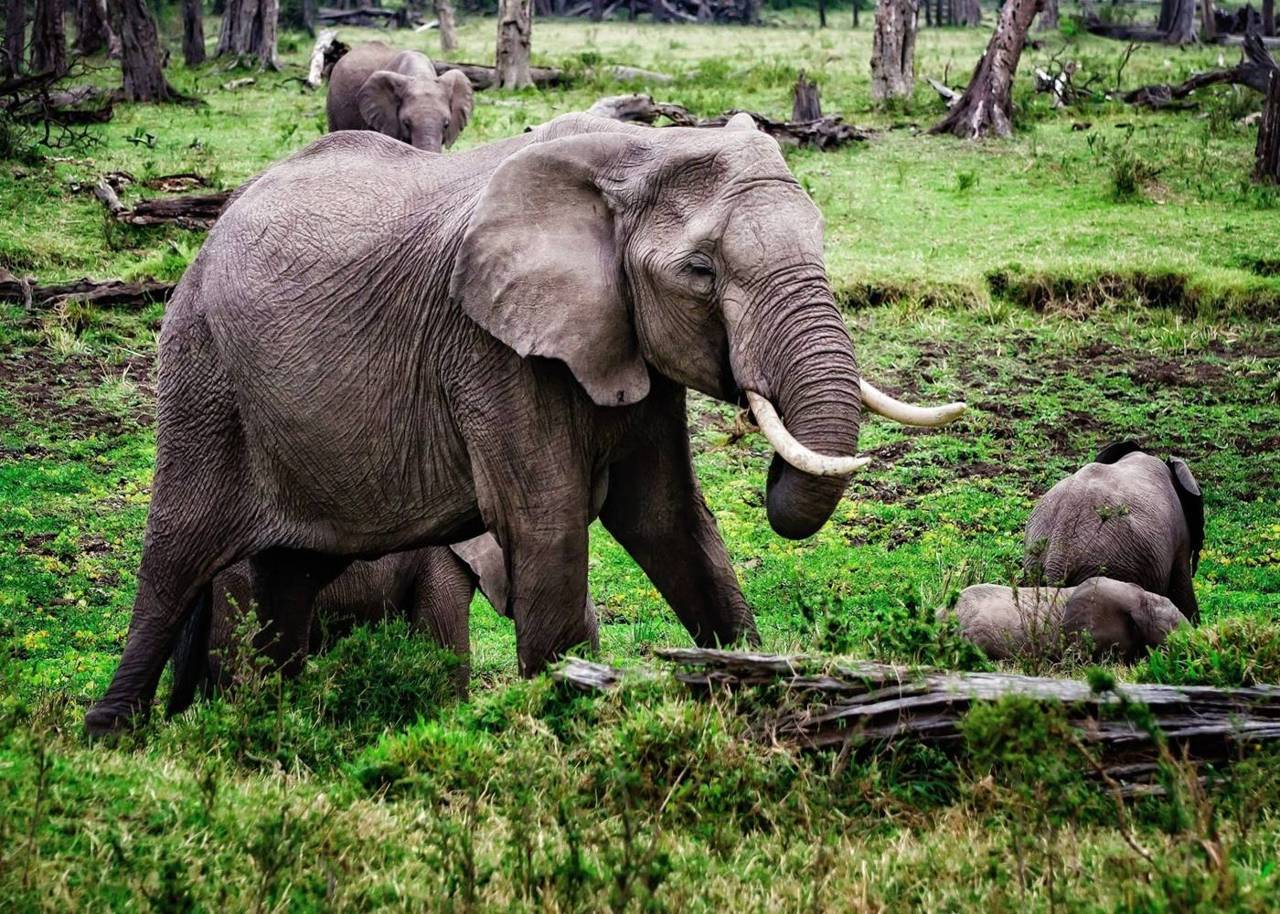
Loango, where elephants walk on the beach
Loango National Park, with forest elephants and buffalo on the beach, hippos swimming in the ocean, humpbacks offshore and lagoons by boat.
 6 daysModerate
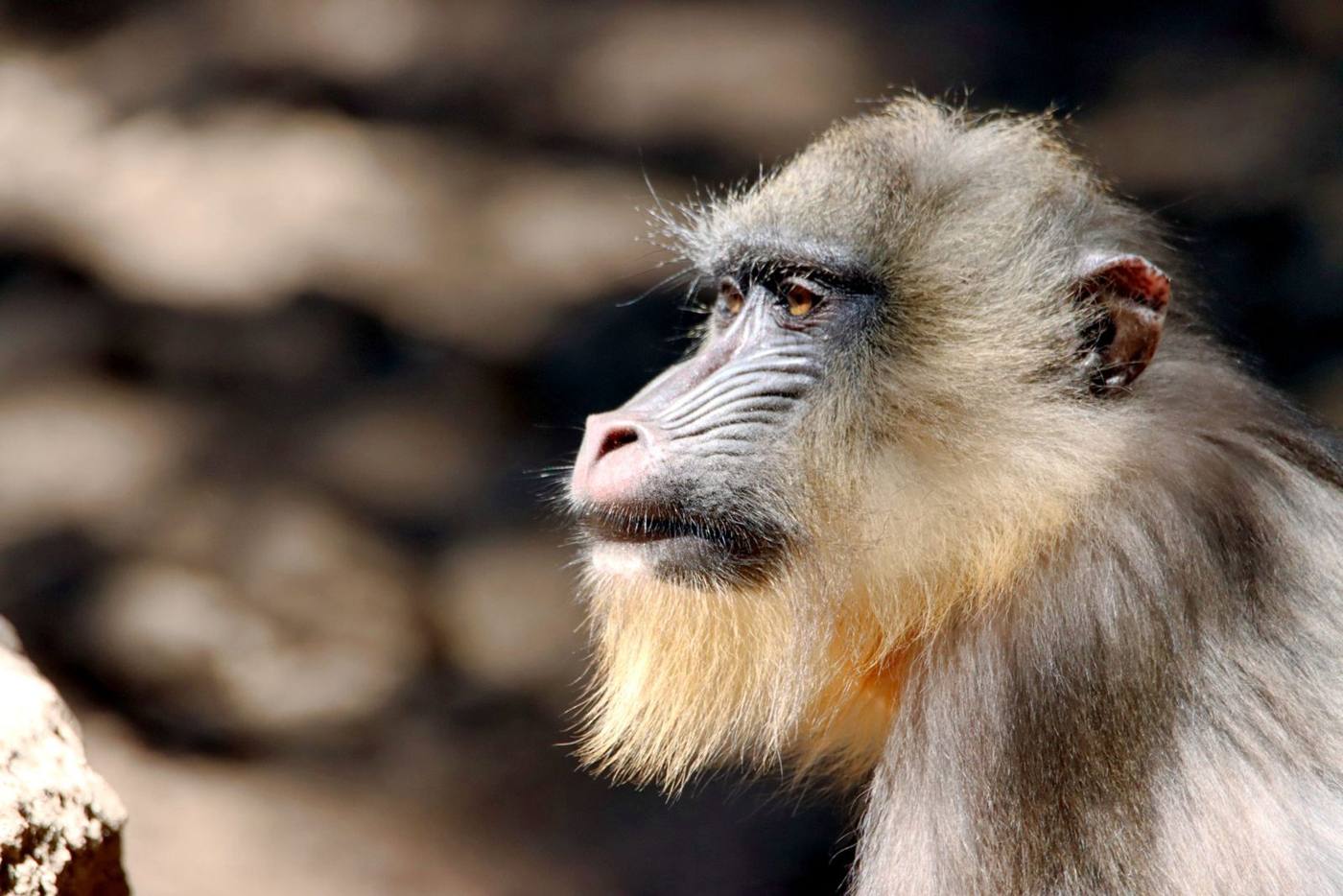
Lopé and the mandrills
The Transgabonais train to Lopé National Park, a UNESCO site of savannah and forest with huge mandrill troops and rock carvings.
 3 daysEasy
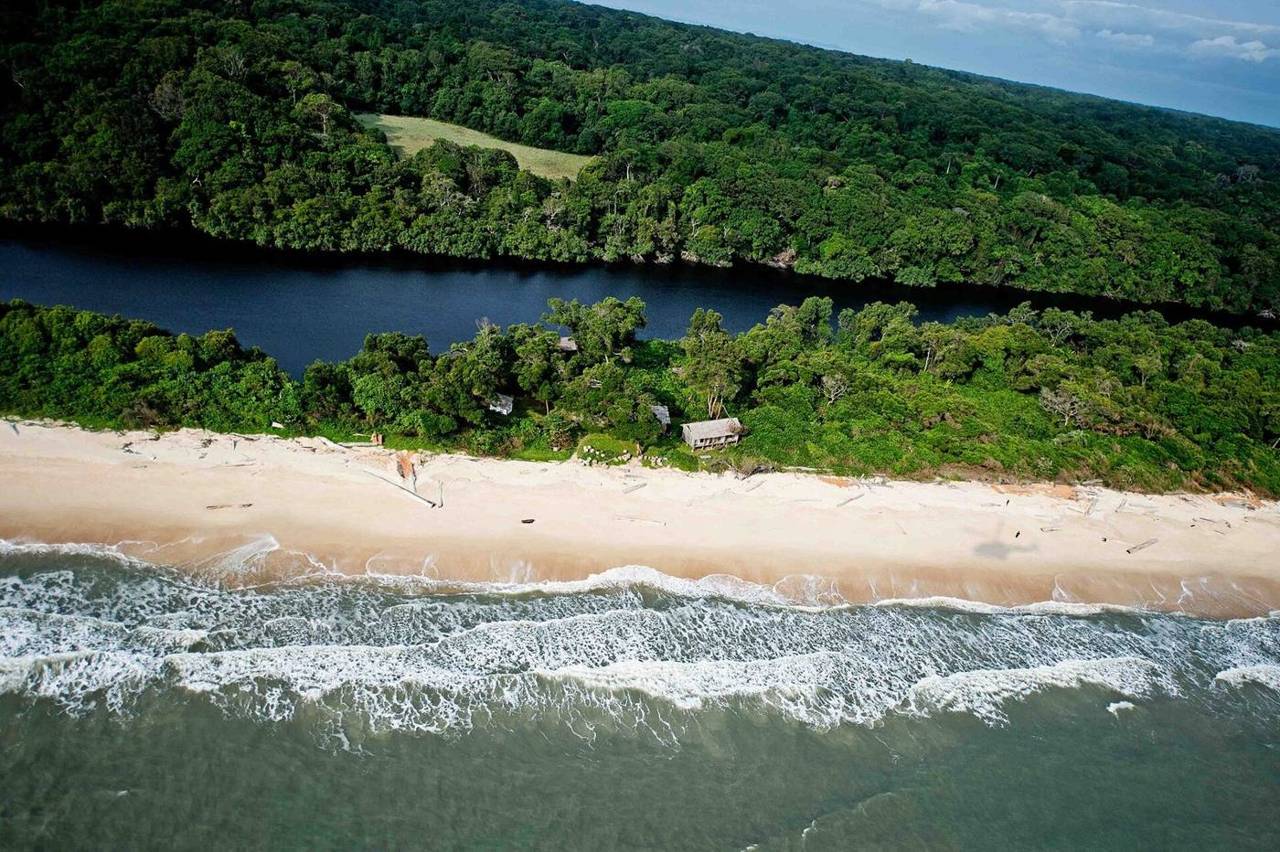
Pongara and Akanda
The two parks facing Libreville: the beaches of Pongara, where leatherback turtles come to lay their eggs, and the mangroves of Akanda with migratory birds, reached by boat from the capital.