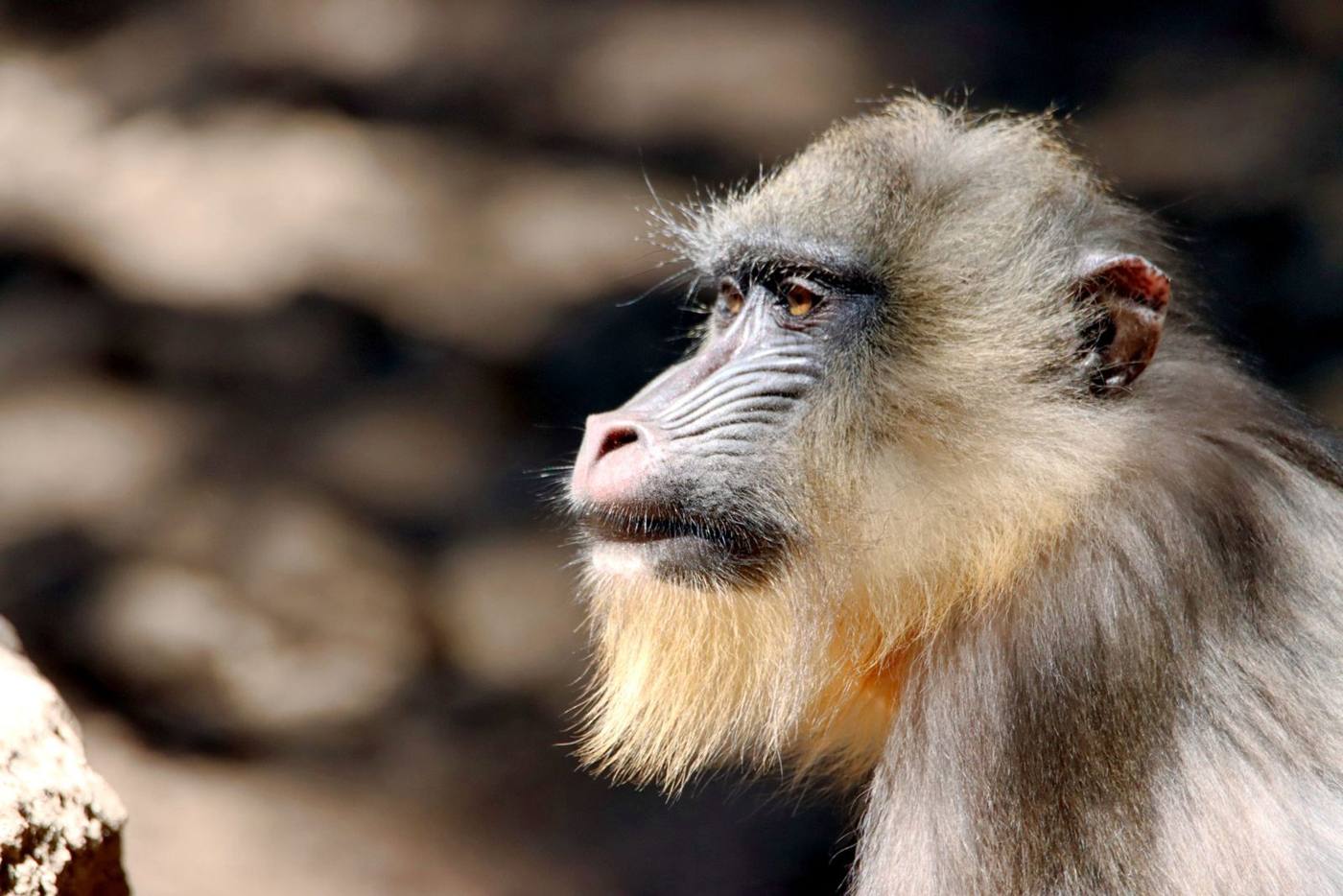
Lopé and the mandrills
The Transgabonais train to Lopé National Park, a UNESCO site of savannah and forest with huge mandrill troops and rock carvings.
- Libreville
- Transgabonais
- Lopé
- Mikongo
Day by day
- Day 1
Libreville, the capital on the estuary
This trip takes you on the Transgabonais train to Lopé National Park, a UNESCO World Heritage Site, among savannahs, rainforest, rock engravings and the great troops of mandrills, the primates with red and blue faces. You travel by train and, inside the park, by four-wheel drive and on foot with the guides.
Before you go: Italian citizens enter Gabon with a passport, valid for at least six months from the date of arrival, and a visa, to be requested before departure only on the official platform of the immigration directorate, evisa.dgdi.ga, without going through intermediary websites. A yellow fever vaccination certificate is compulsory; talk to your doctor about malaria prevention. Other nationalities should check their own rules. In August 2023 the military took power and presidential elections were held in April 2025: the UK does not advise against any area, but recommends avoiding demonstrations and gatherings and reports closer checks on tourists.
You arrive in Libreville, the capital, which looks out over the Komo estuary. In the afternoon visit the church of Saint-Michel in Nkembo, famous for its wooden columns carved with scenes from the Bible. Then stop at the Mont-Bouët market, the largest in the city, among tropical fruit, spices, smoked fish and colourful fabrics.
At sunset stroll along the Bord de Mer, the seafront, with views over the estuary.
Sleep in Libreville, for one night.
Practical tip: buy your train ticket a few days in advance and check the timetable the evening before, because departures and arrivals change often.
- Day 2
The Transgabonais train to Lopé
Today you cross Gabon by train, from the coast to the heart of the forest.
The Transgabonais is the country's only railway: it leaves from Owendo station, south of Libreville, and runs to Franceville, in the south-east. It was built in the 1970s and 1980s through the rainforest and is used mainly for timber and manganese, but it also carries passengers.
The journey to Lopé takes many hours and delays are frequent. From the window you watch the forest go by, villages with wooden houses and stations where vendors offer fruit, peanuts and bâtons de manioc. For a long stretch the line follows the Ogooué, the longest river in Gabon, with its rapids and sandy islands.
You get off at Lopé station, a small village on the edge of the park. Here the forest opens into grassy hills, an ancient savannah surrounded by trees, very different from the rest of the country.
If you arrive early, in the evening take a short outing with a guide in the nearby savannahs, where forest buffalo and sometimes elephants come out at sunset.
Sleep in the Lopé area, for four nights.
Practical tip: bring water, food and something to read for the train, and always keep your passport with you, as it may be checked during the journey.
- Day 3
On the trail of the mandrills
Today you go in search of mandrills, the main reason for this trip.
The mandrill is the largest monkey in the world, if you exclude the great apes, and adult males have faces coloured red and blue. It lives in the forests of Central Africa and moves in huge groups: in Lopé troops of hundreds of individuals have been observed, among the largest known in the world.
Early in the morning set off with the guides and the researchers who follow the groups thanks to the radio signal from collars fitted to some animals. With the antenna they work out in which direction the troop is, then you walk silently in the forest or wait on the edge of the savannah. The moment when the mandrills cross an open space, one after another, is the finest sight in the park.
There is no guarantee: sometimes the troop moves far away and you have to walk for a long time, at other times it comes very close. Always follow the guides' instructions on distance and silence.
In the afternoon rest and look out from the savannah at the hills and the strips of gallery forest along the streams.
At sunset go back to the edge of the savannah: in the low light it is easier to see the buffalo and antelopes coming out of the forest to graze.
Practical tip: wear neutral colours, closed shoes and long trousers, and bring binoculars and a rain poncho.
- Day 4
Savannahs, hills and rock engravings
Today you explore the savannahs of Lopé and its ancient history.
In the morning set off by four-wheel drive with a guide on the tracks that cross the savannah. It is a landscape of grassy hills and gallery forest along the streams, where you see forest buffalo, antelopes and, with luck, forest elephants, smaller and darker than savannah elephants.
Then climb one of the hills overlooking the Ogooué, such as Mont Brazza, named after the explorer Pierre Savorgnan de Brazza, who passed through here at the end of the nineteenth century. From the top the river flows wide between the forest and the savannahs.
In the afternoon visit one of the rock engraving sites with the guide. Lopé was a corridor for the peoples who migrated from West Africa towards the centre and south of the continent, and it has kept traces of ancient villages, iron working and hundreds of engravings on the rocks, with circles, spirals and geometric figures. This is why UNESCO recognised the park as a mixed site, both natural and cultural.
In the evening, if the sky is clear, look at the stars over the savannah, far from any light.
Practical tip: do not touch the engravings or walk on the carved rocks, and always ask the ANPN, the parks agency, which sites can be visited and under what rules.
- Day 5
The forest of Mikongo
Today you enter the great rainforest of Lopé, in the Mikongo area, in the south of the park.
In the morning you reach the forest on a dirt track. Here the landscape changes completely: towering trees, lianas, buttress roots and a green light that barely filters through the leaves. You walk with the guide on narrow paths, listening to the calls of birds and monkeys.
The guide teaches you to read the signs of the forest: elephant tracks in the mud, fallen fruit that has been eaten, the nests chimpanzees build every evening in the branches, the branches broken by gorillas. Seeing these animals is not easy, because they are not used to people, but you can feel their presence everywhere.
You may meet guenons, colobus monkeys, hornbills with their large beaks and brightly coloured butterflies. In some clearings forest elephants come to look for mineral salts.
In the afternoon you return towards the Lopé area. If you wish, take one last outing in the savannah to try again to meet the mandrills, which often move between the forest and the grasslands.
In the evening look back on your days in the park and pack your bag for the next day's train.
Practical tip: in the forest tuck your trousers into your socks and use repellent, because ants and insects are everywhere, and bring a change of dry clothes.
- Day 6
The train to Libreville
Today you return to Libreville on the Transgabonais.
In the morning, if the train timetable allows, take a last walk in the savannah near Lopé village, with the light of dawn on the hills. Then go to the station well in advance, because the train may arrive earlier or later than scheduled.
During the journey look again at the forest and the Ogooué from the window. You arrive at Owendo station and reach your accommodation in Libreville.
In six days you have crossed Gabon by train, followed the great troops of mandrills by radio signal, explored the savannahs and the forest of Mikongo, seen the rock engravings and the view over the Ogooué from Mont Brazza, in the first park in the country to be inscribed on the UNESCO list.
When to go: the best period runs from June to September, during the long dry season, with less rain, more passable tracks and cooler temperatures. From December to February there is also a short drier season. From October to November and from March to May the rains are heavy and some tracks may close.
If you have more time, you can combine this trip with Lambaréné, on the Ogooué, or with the Pongara and Akanda parks opposite Libreville.
Practical tip: if the train arrives at night, book a transfer in advance from Owendo station to your accommodation, instead of looking for a taxi on the spot.
The world's largest concentration of mandrills, with groups of hundreds. The train is slow and often late. Simple facilities and high costs by African standards.
Before you go
- Documents and visa
- Passport valid for at least six months from the date of arrival and a compulsory visa, to be obtained before departure. The electronic visa is requested only on the official platform of the DGDI, the Gabonese immigration directorate, evisa.dgdi.ga: beware of websites presenting themselves as intermediaries. Always carry your passport with the visa, because identity checks are frequent.
- Health and vaccines
- A yellow fever vaccination certificate is compulsory to enter Gabon. Malaria prevention is recommended, after medical advice. Healthcare outside Libreville is very basic: you need insurance covering medical costs and repatriation. Drink only bottled water.
- Money and payments
- Central African CFA franc, with a fixed exchange rate to the euro. Outside Libreville almost everything is paid in cash; card fraud is common outside large hotels, so always check when paying or withdrawing money.
- Power sockets
- Type C and E, 220 volts: you need an adapter for British plugs.
- Time zone
- UTC+1 all year.
- Safety
- The military took power in August 2023; presidential elections were held in April 2025. The UK does not advise against any area, but warns that protests can start without warning and turn violent and that tourists may face closer scrutiny. Police checkpoints are frequent on the roads, photographing government and military buildings and airports is forbidden, and it is best to avoid isolated beaches around Libreville, especially at night, and driving after dark. National parks are managed by the ANPN, the national parks agency: ask it for the current access rules. Official advice: GOV.UK.
Information checked in November 2026 for Italian and EU citizens. Rules change: always check before you travel.
Variations
In 4 days: train out and back with two full days in Lopé, devoted to the mandrills and the savannah.
In 9 days: add Lambaréné and the Ogooué lakes, reached by car from Libreville.
Frequently asked questions
Are mandrills always seen?
No, there is no guarantee. The guides and researchers follow the troops using the radio signal from collars, which greatly increases the chances, but sometimes you have to walk for a long time.
Is the Transgabonais train reliable?
It is slow and often late. Buy your ticket in advance, check the timetable the day before and bring water and food for the journey.
What documents do I need for Gabon?
Italian citizens enter with a passport, valid for at least six months from arrival, and a visa, to be requested only on the official platform evisa.dgdi.ga. The yellow fever certificate is compulsory. Other nationalities should check their own rules.
Indicative itinerary written by World Atlas. Before booking, check timetables, seasonal openings, documents and safety.
 3 daysEasy
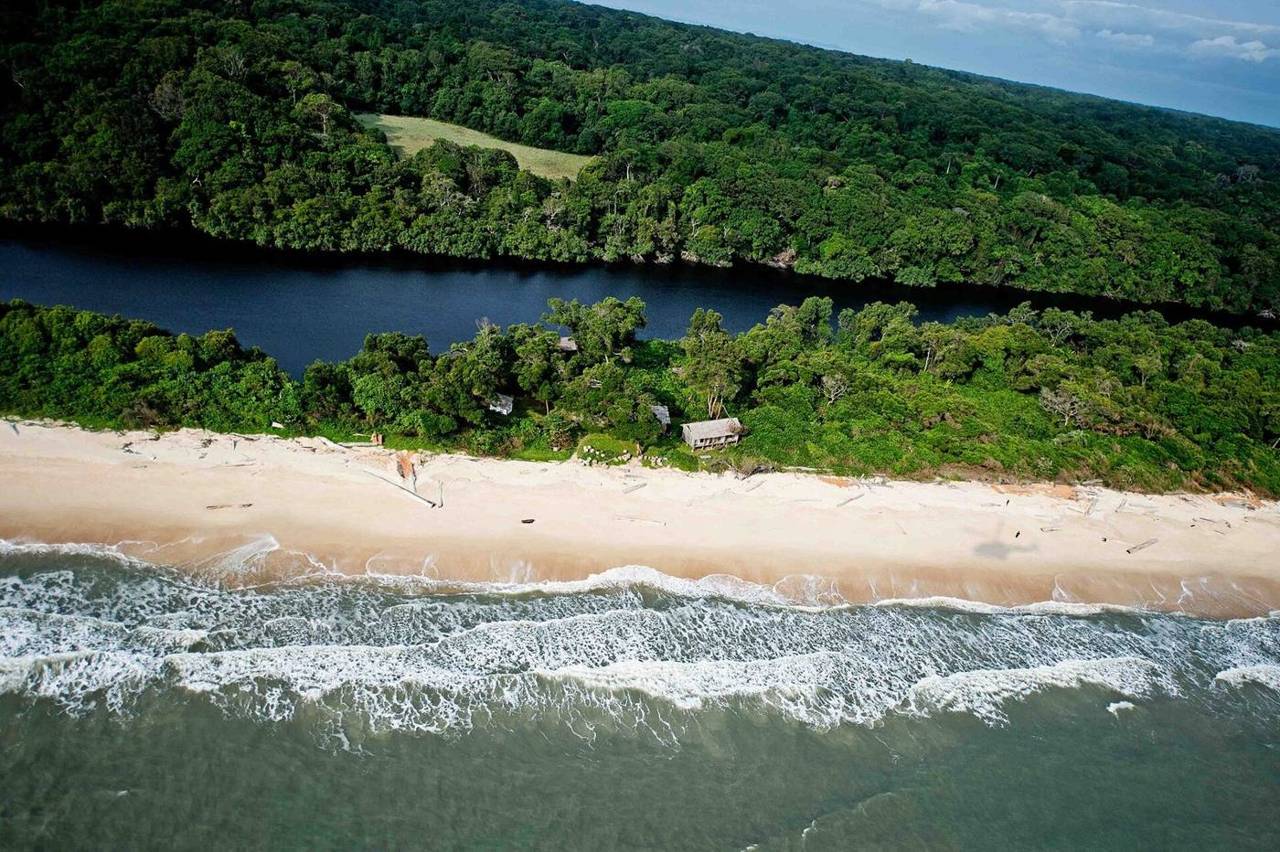
Pongara and Akanda
The two parks facing Libreville: the beaches of Pongara, where leatherback turtles come to lay their eggs, and the mangroves of Akanda with migratory birds, reached by boat from the capital.
 3 daysModerate
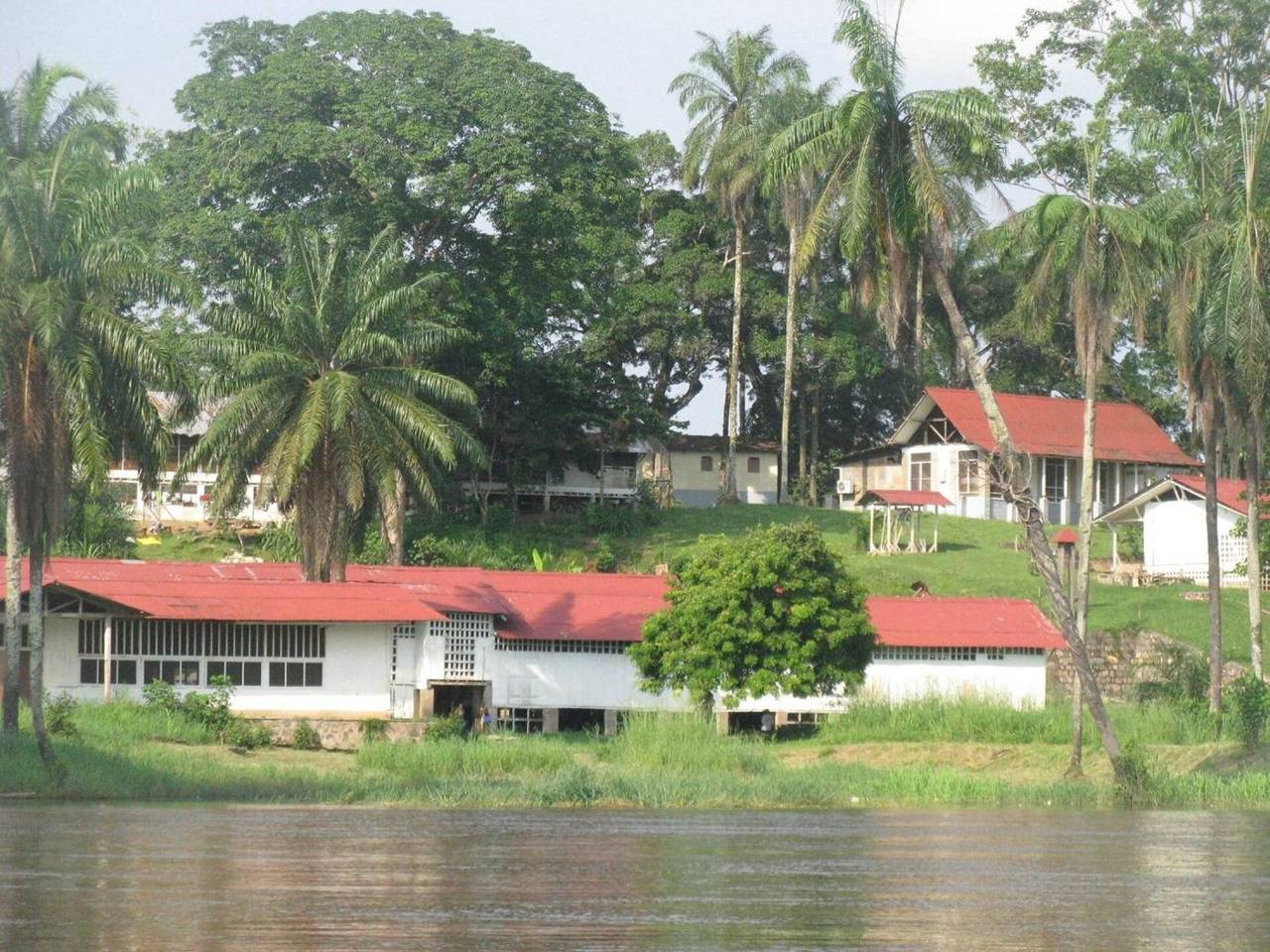
Lambaréné and the Ogooué
The town on the great Ogooué River where Albert Schweitzer founded his hospital, now with a museum, and a pirogue trip on the river lakes among villages, flooded forests and birds.
 7 daysModerate
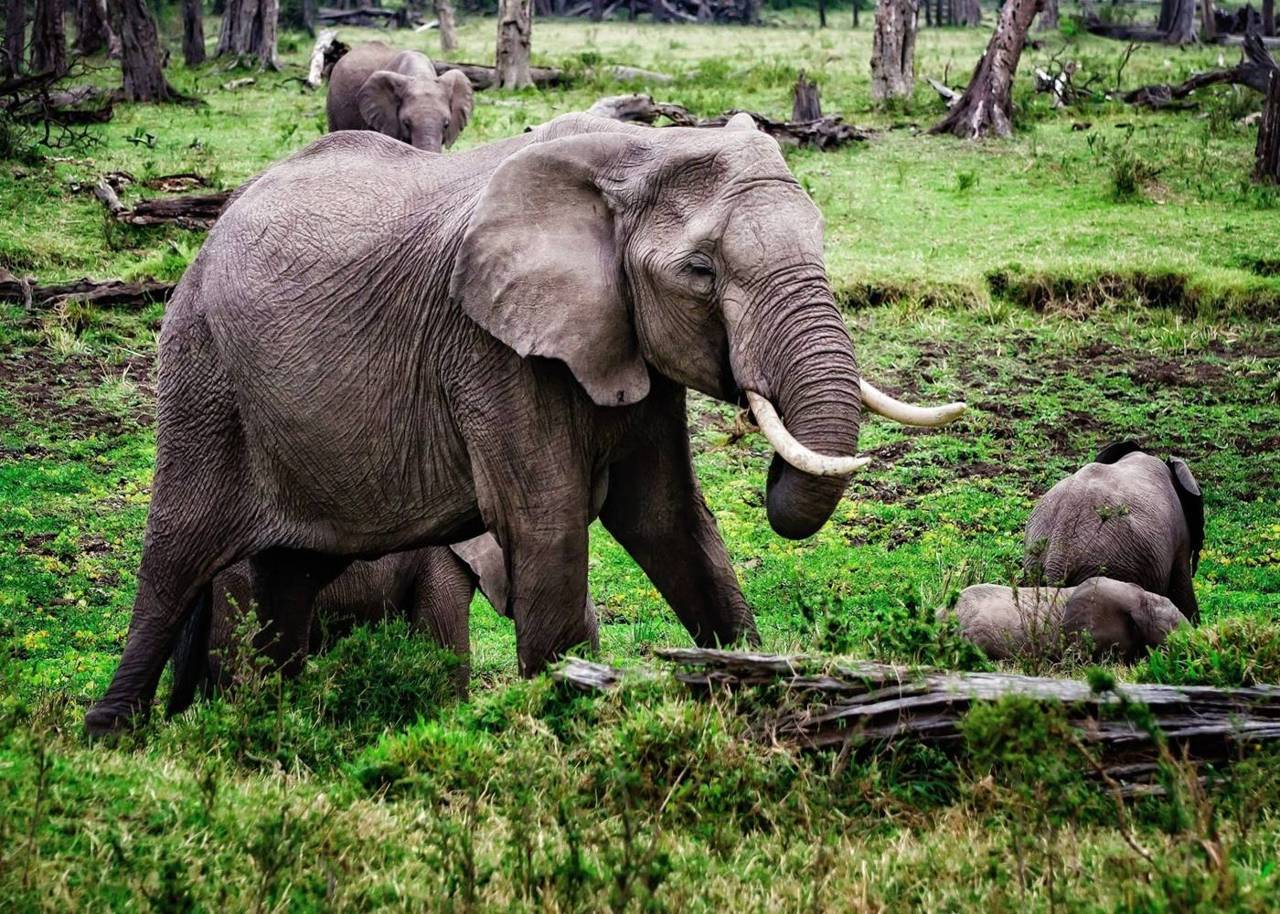
Loango, where elephants walk on the beach
Loango National Park, with forest elephants and buffalo on the beach, hippos swimming in the ocean, humpbacks offshore and lagoons by boat.