Vaasa and the Kvarken archipelago
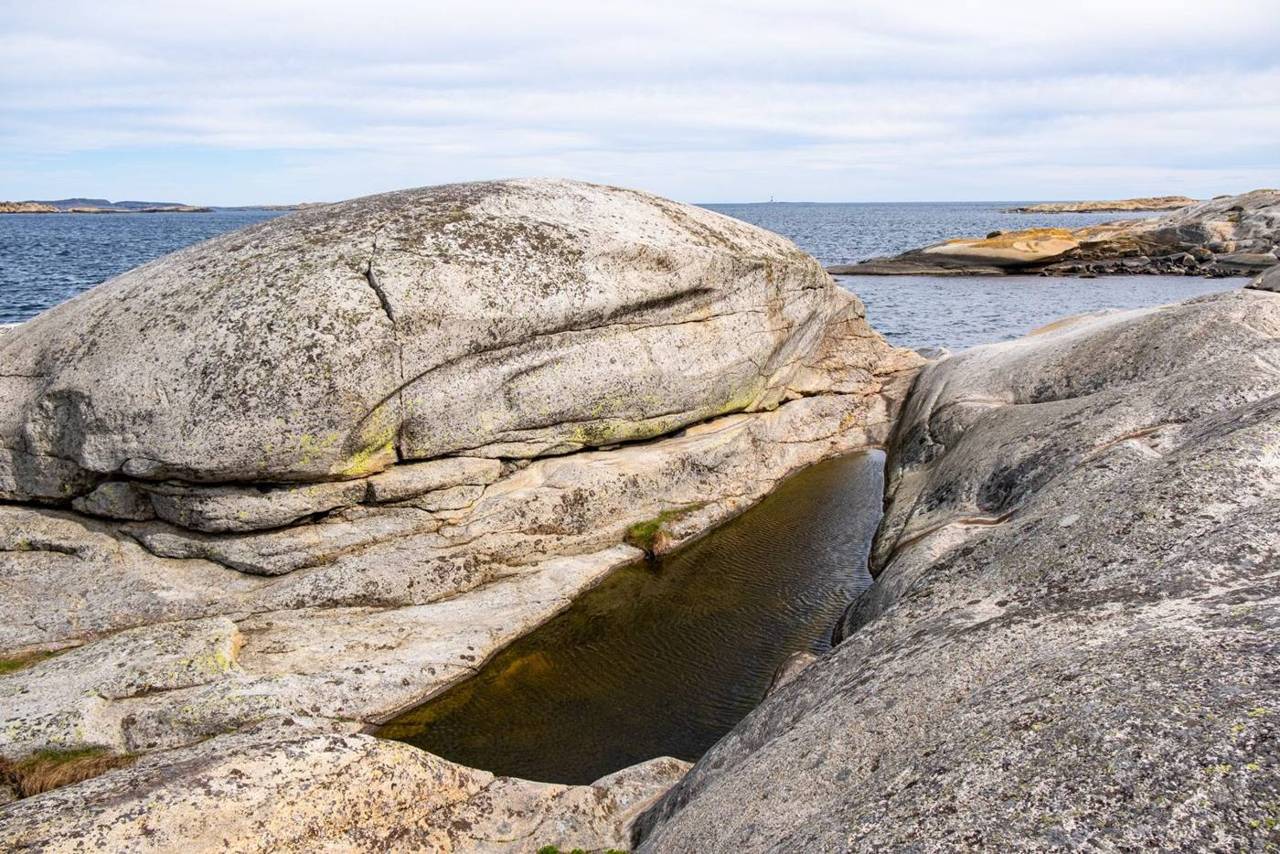
The Kvarken archipelago, the UNESCO twin of Sweden's High Coast, with De Geer moraine fields, Saltkaret tower and the Replot bridge.
- Vaasa
- Replot
- Svedjehamn
- Saltkaret
- Björkö
Day by day
- Day 1
Vaasa and the Terranova nature centre
This trip takes you to the west coast of Finland, to the Kvarken Archipelago, where the land is rising out of the sea. Since the last Ice Age, freed from the weight of the ice, the earth's crust here has kept rising by almost a centimetre a year: new islands appear, bays turn into lakes and the coastline changes within a few generations. Since 2006 Kvarken has been a UNESCO World Heritage Site together with Sweden's High Coast. You travel by hire car from Vaasa.
Before you go: Italian citizens can enter Finland with an electronic identity card or a passport, without a visa. Other nationalities should check their own rules. According to the Italian foreign ministry, the temporary paper identity document issued by Italian town councils in 2026 is not valid for entering Finland. This coast is very safe and far from the Russian border. In summer the woods have ticks and mosquitoes.
Arrive in Vaasa by plane or train from Helsinki. Vaasa is a bilingual city, where Finnish and Swedish are both spoken, with wide avenues, parks and a market square.
In the afternoon, visit Terranova, the Kvarken nature centre, inside the Ostrobothnian Museum. With models, films and maps it explains how the ice shaped this landscape and how the land keeps rising. It is the best preparation for the days ahead. Check prices and times.
Towards evening, go to Vanha Vaasa, Old Vaasa, a few kilometres from the centre. The town was destroyed by fire in 1852 and rebuilt closer to the sea: the ruins of the church and some old buildings remain.
Practical tip: book your hire car in advance, because it is almost essential for the archipelago and public transport is limited.
- Day 2
The Replot bridge and the Saltkaret tower
Today you enter the archipelago.
In the morning, drive west and cross the Replot bridge, opened in 1997, the longest bridge in Finland, just over a kilometre. From the top you see the low islands and the calm waters of the Kvarken. The bridge links the mainland to the island of Replot, and from there the road continues to Björkö.
Reach Svedjehamn, a small fishing harbour on the island of Björkö, with red wooden huts for nets and boats. From here a nature trail leads to the Saltkaret viewing tower, rising above the woods. From the top you see the whole archipelago: hundreds of islets, rocks and shoals, low woods and shallow water.
Along the trail, look out for the De Geer moraines, long parallel lines of stones and gravel left by the edge of the glacier as it retreated. They are one of the most special features of the Kvarken. You will also see pools and bays that, as the land rises, are being cut off from the sea.
In the afternoon, walk on the smooth coastal rocks, among junipers and lichens, and watch the seabirds: eiders, mergansers and terns.
Stay in the Replot or Björkö area, for two nights.
Practical tip: wear hiking shoes with good soles, because the rocks by the sea are slippery when wet.
- Day 3
By kayak or boat among the islands of Björkö
Today you see the archipelago from the water, the best way to understand it.
In the morning, go out by kayak with a guide, starting from Björkö or Svedjehamn. You paddle among rocky islets and skerries, in shallow, calm water, where new rocks appear every year. The guide shows you old shorelines, now metres from the water, and the marks left by the ice on the rocks. If you do not want to paddle, choose an organised boat trip, which in summer also goes to the outer islands.
Grey seals live in the archipelago and are sometimes seen on the furthest rocks, along with many seabirds. Always approach slowly, without disturbing them, and respect the protected areas where landing is not allowed in spring.
In the afternoon, go back ashore, dry off and relax with a sauna, if your accommodation has one, or visit the small villages of Replot, with the village church, fields and red-painted houses.
In the evening, if it is summer, watch the sunset over the sea from the west coast of the island: in June the sun sets very late and the sky stays light all night.
Practical tip: only go kayaking in calm seas and with a life jacket. The water is cold even in summer: bring spare clothes in a dry bag.
- Day 4
Back to Vaasa
On the last day you head back to the mainland.
In the morning, take a last walk on Björkö or Replot, then cross the bridge back to Vaasa, about half an hour.
In Vaasa, walk along the seafront and on the island of Vaskiluoto, linked to the city by a bridge, or visit the Ostrobothnian Museum, with the region's art and history collections. Check prices and times. For lunch, try Baltic fish, such as salmon or herring from the Gulf of Bothnia, with new potatoes.
From Vaasa you can return to Helsinki by plane or train, or carry on by ferry to Umeå, in Sweden, and visit the High Coast, the other half of the UNESCO site.
In these four days you have seen a landscape that is still changing: the Terranova centre and Old Vaasa, the Replot bridge, the harbour at Svedjehamn, the Saltkaret tower, the De Geer moraines and the islands of Björkö seen from a kayak.
When to go: from June to September, with long days and calm seas. In June and July the light lasts almost all night. In September there are autumn colours and fewer mosquitoes, but some services close. In winter the sea freezes and the archipelago is white and silent, but many facilities are closed.
Practical tip: if you want to continue to Sweden, book the ferry to Umeå in advance and remember that Sweden is one hour behind Finland.
A little-known corner, bilingual Finnish and Swedish. The landscape is low and flat: it appeals to lovers of geology and silence. You can continue by ferry to Umeå in Sweden.
Before you go
- Documents and visa
- EU citizens need a valid identity card or passport: Finland is in the EU and the Schengen area. Other nationalities should check the Schengen rules and the Entry/Exit System.
- Health and vaccines
- Excellent healthcare. EU citizens should bring their EHIC, plus insurance covering medical costs and repatriation. From June to November the forests have ticks that can carry encephalitis: ask your doctor about the vaccine. In summer in the north, bring mosquito repellent. Emergencies: 112.
- Money and payments
- Euro. Cards are accepted everywhere, even for a few euros and you will rarely need cash. Finland is expensive, especially Helsinki.
- Power sockets
- Types C and F, 230 volts.
- Time zone
- Eastern European Time (UTC+2, summer UTC+3).
- Safety
- A very safe country, with pickpockets in crowded tourist areas in summer. The land border with Russia is closed until further notice. Along the border there is a border zone, marked with yellow signs and strips, which you may enter only with a Border Guard permit. The UK reports that some Ukrainian drones aimed at Russia have crossed into Finnish territory: follow official guidance. Official advice: GOV.UK.
Information checked in November 2026 for Italian and EU citizens. Rules change: always check before you travel.
Variations
In 3 days: Vaasa and Terranova, then a full day at Replot, Svedjehamn and Saltkaret.
In 6 days: add the ferry to Umeå and two days on Sweden's High Coast.
Frequently asked questions
What document do I need for Finland?
Italian citizens can enter with an electronic identity card or a passport, without a visa. The temporary paper document issued by Italian town councils in 2026 is not valid. Other nationalities should check their own rules.
Why is Kvarken a UNESCO site?
Because here the land is rising out of the sea by almost a centimetre a year since the last Ice Age, and the landscape of islands and De Geer moraines keeps changing. It is listed together with Sweden's High Coast.
Do I need experience to go kayaking?
No, if you go out with a guide and the sea is calm. The waters between the islands are shallow and sheltered, but cold: always follow your guide's instructions.
Indicative itinerary written by World Atlas. Before booking, check timetables, seasonal openings, documents and safety.
 6 daysEasy
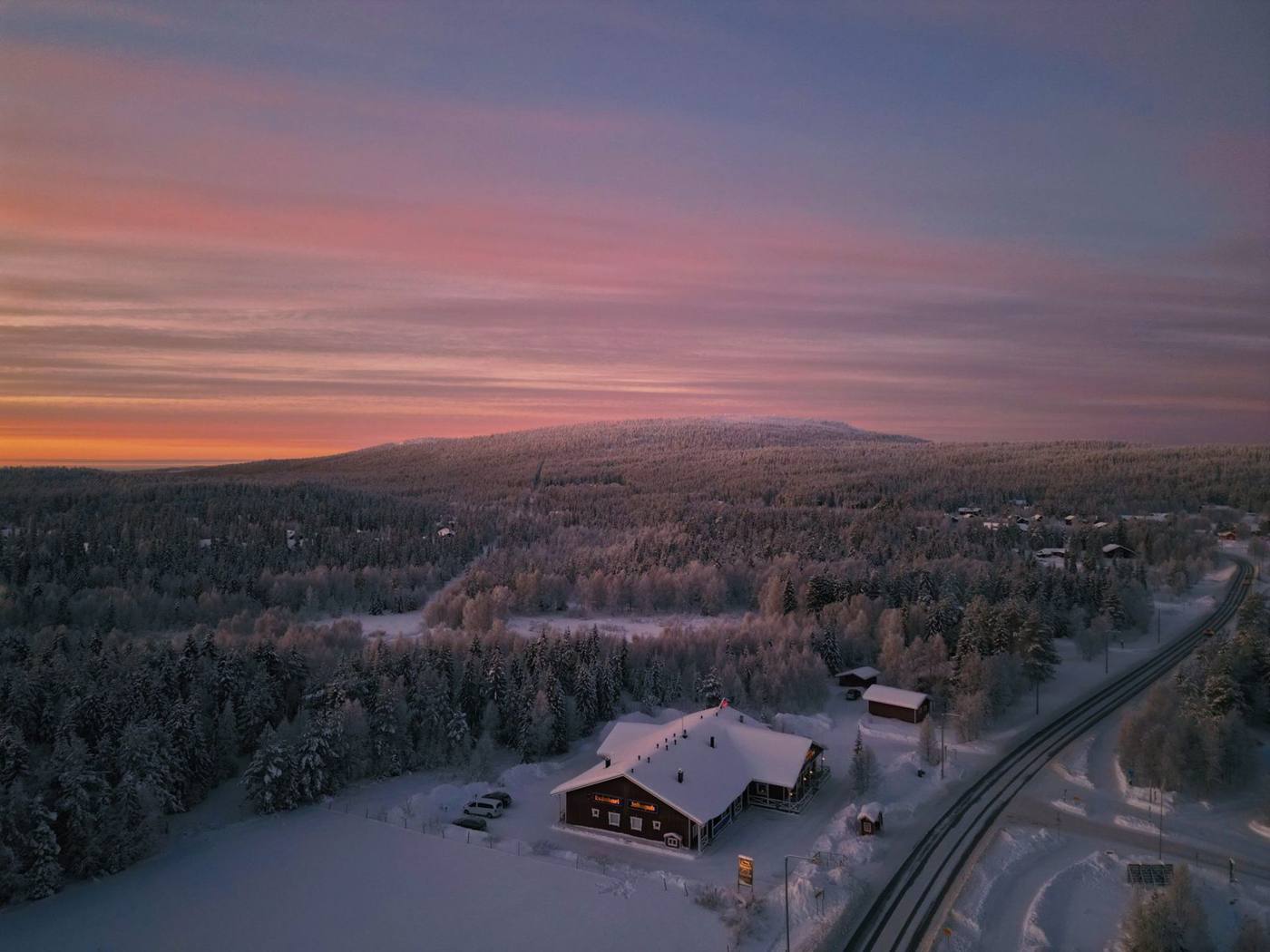
Levi and Ylläs on the snow
Finland's two largest ski resorts: slopes, more than 300 km of groomed cross-country tracks, snowshoeing, the northern lights and the blue light of 'kaamos'.
 7 daysEasy
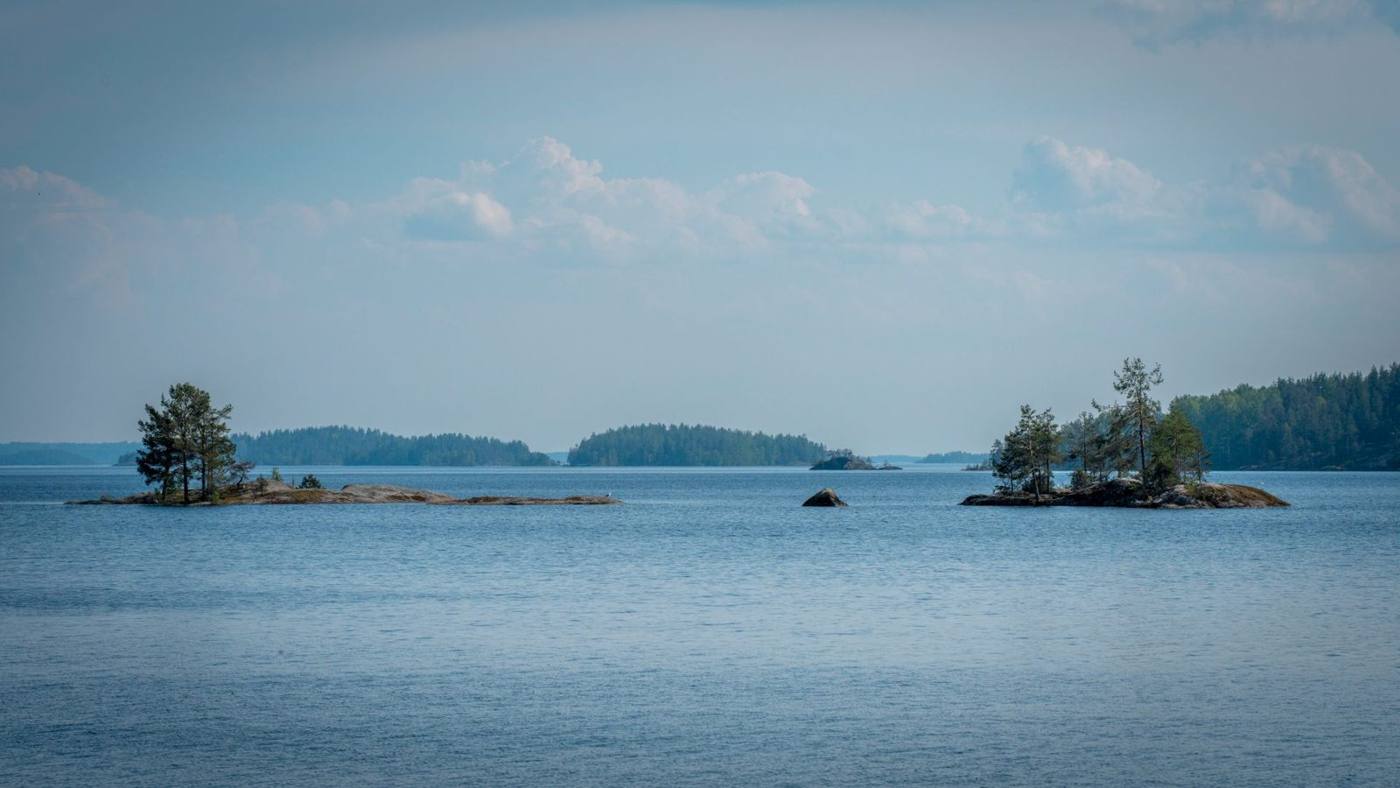
Helsinki and the Lakeland
Helsinki with Suomenlinna fortress and public saunas, then Savonlinna and Olavinlinna castle, Koli National Park and a lakeside cottage with sauna.
 6 daysEasy
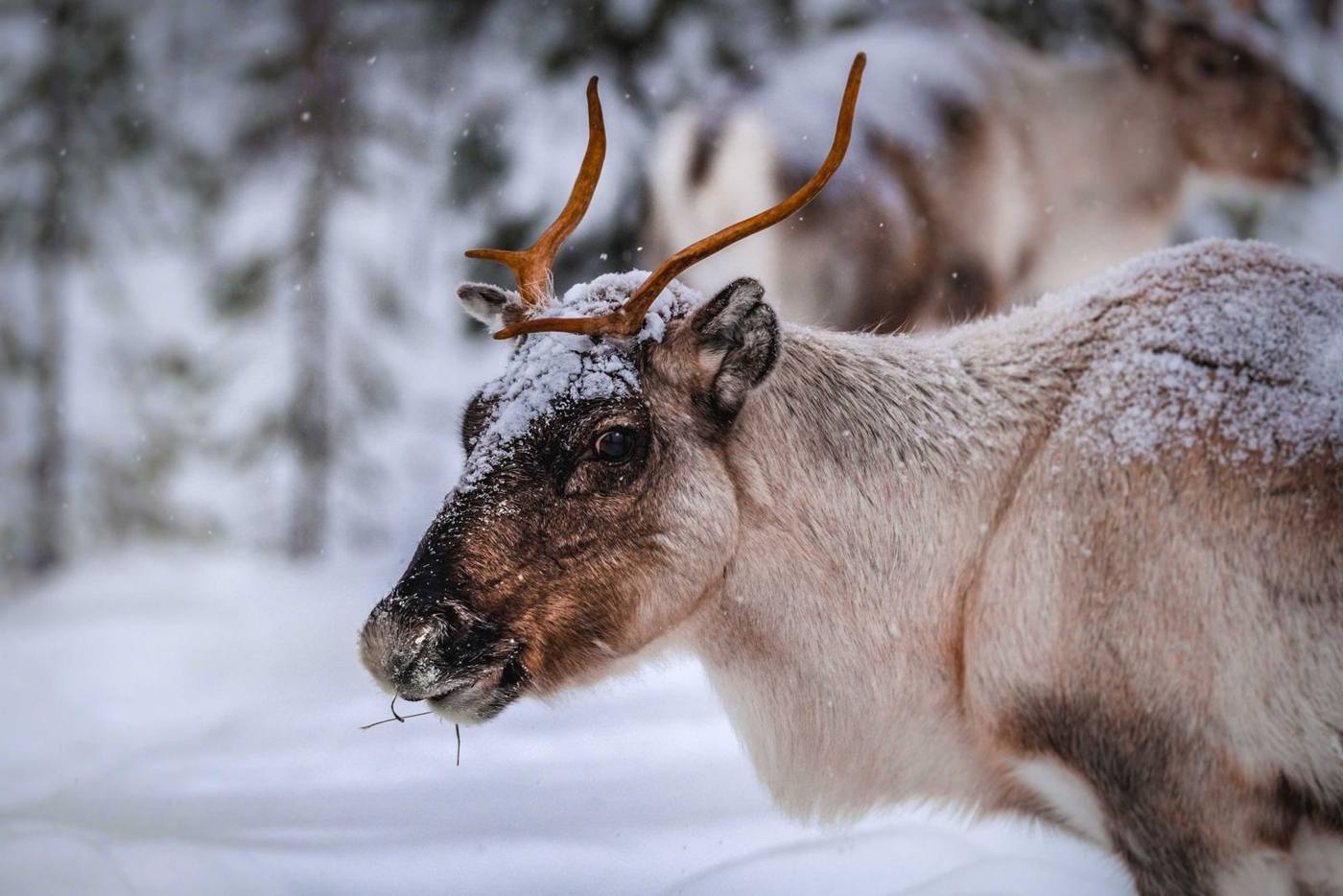
Finnish Lapland
Rovaniemi and the Arctic Circle, reindeer, sledding, Saariselkä and the parks of Inari, with the aurora from a glass cabin.