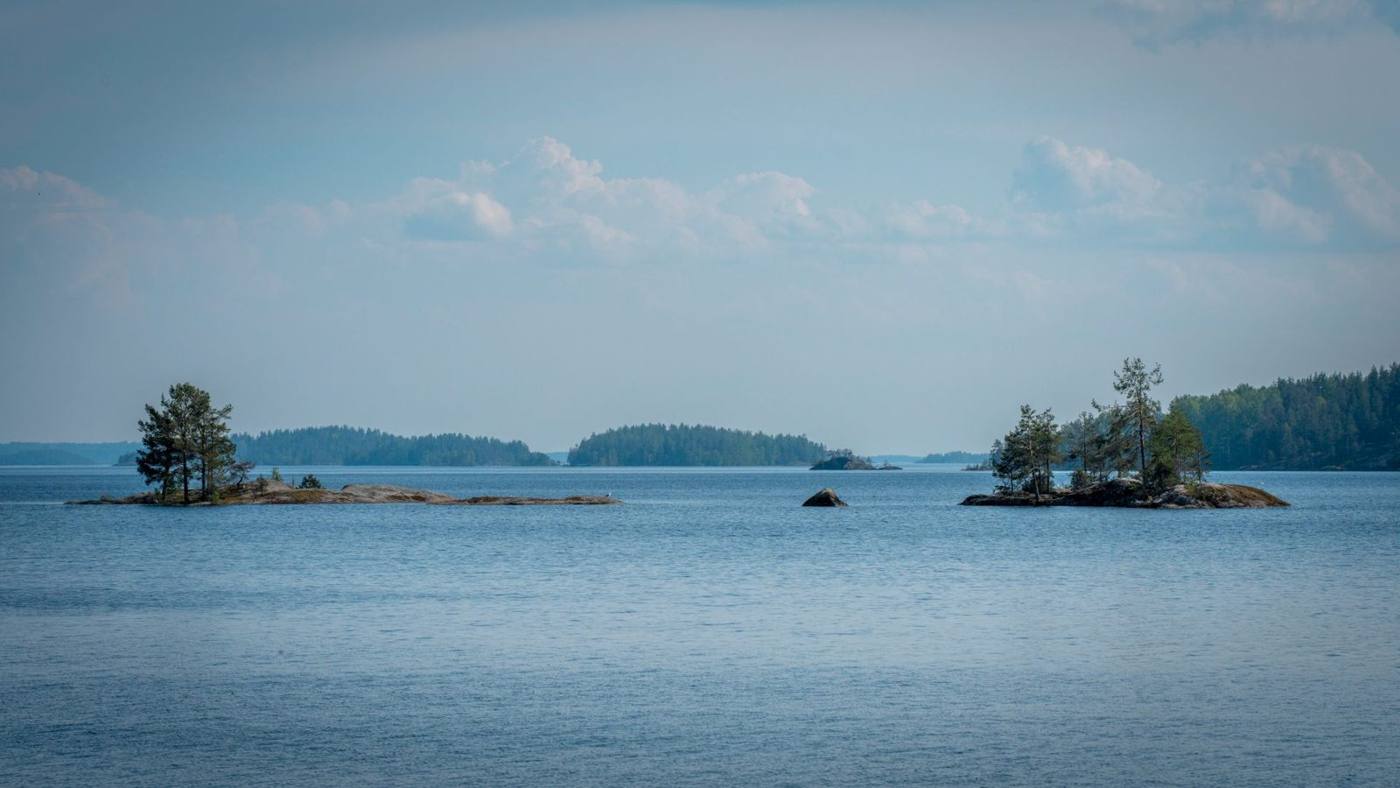
Helsinki and the Lakeland
Helsinki with Suomenlinna fortress and public saunas, then Savonlinna and Olavinlinna castle, Koli National Park and a lakeside cottage with sauna.
- Helsinki
- Suomenlinna
- Porvoo
- Savonlinna
- Olavinlinna
- Koli
- Joensuu
Day by day
- Day 1
Helsinki: Senate Square, the rock church and Oodi
This trip combines the Finnish capital with lakeland Finland. It begins in Helsinki, with its neoclassical centre, the sea fortress and the public saunas, continues to Porvoo and to Savonlinna with its castle on the water, and ends in North Karelia, with a lakeside cottage and the Koli viewpoint. It is the ideal trip for a first visit to Finland.
Before you go: Italian citizens can enter Finland with an electronic identity card or a passport, without a visa. Other nationalities should check their own rules. According to the Italian foreign ministry, the temporary paper identity document issued by Italian town councils in 2026 is not valid for entering Finland. Finland is a very safe country; in summer watch out for pickpockets in central Helsinki.
Start at Senate Square, the neoclassical heart of the city, with the great white Lutheran cathedral at the top of the steps, the Government Palace and the university. Then walk down to Market Square, on the harbour, with stalls of berries, fish and souvenirs, and look at the red-brick Orthodox Uspenski Cathedral on the nearby hill.
In the afternoon, visit Temppeliaukio Church, the church carved into the rock, with its copper dome and walls of rough stone. Check prices and times. Then go to Oodi, the central library, a building of wood and glass open to all, with reading rooms, workshops and a terrace facing Parliament.
In the evening, walk in Esplanadi park, the tree-lined avenue in the centre.
Practical tip: buy a day ticket for Helsinki public transport, valid on trams, buses, the metro and also the Suomenlinna ferry.
- Day 2
Suomenlinna and the sauna by the sea
Today you visit Suomenlinna, Helsinki's sea fortress, a UNESCO World Heritage Site. The public ferry leaves from Market Square and reaches the islands in a few minutes.
The fortress was built in the mid-eighteenth century, when Finland was part of the kingdom of Sweden, to defend the coast against Russia. It is made of bastions, walls, cannons, tunnels and colourful houses, on a group of islands linked by bridges. A few hundred people still live here today.
Follow the marked path across the islands, from the harbour to the King's Gate, on the shore facing the open sea. Visit the Suomenlinna Museum, which tells the story of the fortress, and, if you are interested, go inside the Vesikko submarine, from the Second World War. Check prices and times.
Bring a picnic and eat it on the grassy bastions, watching the big ships entering Helsinki harbour.
In the afternoon, return to the city and try one of the public saunas by the sea, a Finnish tradition enjoying a new season. After the sauna you jump into the Baltic, even in winter, through a hole in the ice. In public saunas you wear a swimsuit, unless told otherwise.
In the evening, have a relaxed dinner and taste salmon soup, Baltic herring and rye bread.
Practical tip: book the most popular public saunas in advance, especially at weekends, and bring a towel if one is not included.
- Day 3
Porvoo and the road east
Today you leave Helsinki by car and head east. For this part of the trip a car is the best option, because public transport inland is scarce.
The first stop is Porvoo, about fifty kilometres from the capital, the second oldest town in Finland. The old town is a cluster of colourful wooden houses and cobbled lanes, on a hill above the Porvoonjoki river.
Along the river you will see the row of red wooden storehouses, the symbol of the town, once used for trade. The best photo is taken from the old bridge over the river. Then climb to Porvoo Cathedral, a medieval stone church on the hill, where in 1809 the Russian tsar opened the Diet that made Finland an autonomous Grand Duchy. Check opening times.
Taste Runeberg torte, a small cake with almonds and raspberry jam, named after the national poet Johan Ludvig Runeberg, who lived in Porvoo. His home is a museum. Check prices and times.
In the afternoon, continue east and then north into the lake district. The road crosses forests, fields and the first lakes. Stop for the night along the way, so that you arrive in Savonlinna rested tomorrow.
Practical tip: drive carefully at dusk, when elk and deer often cross the road; respect the signs that warn of them.
- Day 4
Savonlinna and Olavinlinna Castle
Today you reach Savonlinna, a small town built on islands between two large lakes, in the heart of the Saimaa region, the largest lake in Finland.
Visit Olavinlinna Castle, the medieval stone fortress built in the fifteenth century on a rocky island to defend the eastern border of the kingdom of Sweden. You reach it on foot across a bridge. The guided tour takes you into the towers, courtyards and halls, and tells the castle's legends. Check prices and times.
In July the castle courtyard hosts the Savonlinna Opera Festival, one of the best known in northern Europe. If you travel then, book accommodation and tickets many months in advance, because they sell out early.
In the afternoon, walk along the lakeside and the harbour, where the old steamboats are moored. In summer you can take a boat trip on the lake, among islands and channels. Check prices and times.
Taste lörtsy, pastries filled with meat or apple, typical of Savonlinna, at the harbour market.
If you have time, drive to Punkaharju, a long sandy ridge covered in pines between two lakes, left by the last ice age. The road runs along the ridge, with water on both sides.
Practical tip: in July Savonlinna is very crowded because of the festival; if opera does not interest you, choose other summer weeks.
- Day 5
The lakeside cottage with a wood-fired sauna
Today you move north into North Karelia and reach the lakeside cottage where you will spend two nights. It is the most Finnish experience there is: a wooden house in the forest, a jetty, a boat, a wood-fired sauna on the shore and no neighbours.
These cottages, called mökki, are rented for a few days or a week. Many have a wood-fired sauna, a rowing boat or a kayak, and some have no running water or electricity. Ask carefully what is included before you book.
In the afternoon, take the kayak or the boat and paddle along the shore. The lake is calm, the water dark and clean, and all around you hear only birds. With a little luck you see a diver or an osprey.
In the evening, light the sauna stove. It takes about an hour to heat up. Then go in, throw water on the stones for steam, the löyly, and stay as long as you can. Go out, jump into the lake, go back into the sauna. Repeat several times, calmly. Finns use a bundle of birch twigs, the vihta, to tap their skin gently.
After the sauna, have dinner on the jetty while the sun sets very late over the lake.
Practical tip: in July there are many mosquitoes near the lake and the forest; bring repellent and close the window screens in the evening.
- Day 6
The Koli viewpoint
Today you visit Koli National Park, on Lake Pielinen. From Ukko-Koli, the highest summit in the park, you see one of the most famous landscapes in Finland: the great lake dotted with islands, surrounded by forest to the horizon.
This landscape inspired Finnish painters and musicians in the nineteenth century, at a time when Finland was searching for its national identity. Koli is still considered a national landscape today.
From the upper car park, walk up to Ukko-Koli in a few minutes. Then follow one of the park's marked trails, which pass between quartzite rocks, spruce woods and small meadows. There are short loops and longer routes, down to the lakeshore. At the park's visitor centre there is an exhibition on the nature and history of Koli. Check prices and times.
In the afternoon, go down to Lake Pielinen and swim, or take a boat on the lake, when it runs in summer. Check prices and times.
In the evening, return to the cottage for the last sauna and the last swim in the lake. If the sky is clear, stay on the jetty to watch the light changing on the water: in Karelia, in summer, dusk lasts for hours.
Practical tip: check the park rules and the latest notices on luontoon.fi, the official website of Metsähallitus, before setting off on the trails.
- Day 7
Joensuu and back to Helsinki
On the last day you leave the cottage and drive to Joensuu, the capital of North Karelia, a university town on the Pielisjoki river.
If you have time, walk around the centre and visit the market, where you find karjalanpiirakka, Karelian pasties of rye dough filled with rice, served with egg butter. It is one of the most typical dishes in Finland.
From Joensuu you can return to Helsinki by train, in just over four hours, or on a direct flight. If you rented the car in Helsinki, check whether you can drop it off in Joensuu, because it often costs more.
In these seven days you have seen Finland in summer: Senate Square, the rock church and the Oodi library in Helsinki, the Suomenlinna fortress, the sauna by the sea, the wooden houses of Porvoo, Olavinlinna Castle in Savonlinna, the cottage with a wood-fired sauna on the lake and the Koli viewpoint.
When to go: from June to August, when the Finnish summer is slow, green and almost without night. June is the brightest month, July the warmest and busiest, with the Savonlinna festival and many mosquitoes. August is quieter, with the first dark evenings. In September the woods turn colour, but many summer services close.
Practical tip: at Midsummer, at the end of June, many shops and museums close and Finns leave for their lakeside cottages; book cottages well in advance.
The Finnish summer is slow, green and nearly nightless. A week in a lakeside cottage is the most Finnish experience there is. Mosquitoes are plentiful in July and inland transport is sparse: a car is better. In July Savonlinna hosts its opera festival and rooms sell out early.
Before you go
- Documents and visa
- EU citizens need a valid identity card or passport: Finland is in the EU and the Schengen area. Other nationalities should check the Schengen rules and the Entry/Exit System.
- Health and vaccines
- Excellent healthcare. EU citizens should bring their EHIC, plus insurance covering medical costs and repatriation. From June to November the forests have ticks that can carry encephalitis: ask your doctor about the vaccine. In summer in the north, bring mosquito repellent. Emergencies: 112.
- Money and payments
- Euro. Cards are accepted everywhere, even for a few euros and you will rarely need cash. Finland is expensive, especially Helsinki.
- Power sockets
- Types C and F, 230 volts.
- Time zone
- Eastern European Time (UTC+2, summer UTC+3).
- Safety
- A very safe country, with pickpockets in crowded tourist areas in summer. The land border with Russia is closed until further notice. Along the border there is a border zone, marked with yellow signs and strips, which you may enter only with a Border Guard permit. The UK reports that some Ukrainian drones aimed at Russia have crossed into Finnish territory: follow official guidance. Official advice: GOV.UK.
Information checked in November 2026 for Italian and EU citizens. Rules change: always check before you travel.
Variations
In 4 days: two days in Helsinki with Suomenlinna, one day in Porvoo and one in Savonlinna.
In 10 days: stay a whole week in the lakeside cottage and add a day of canoeing in Linnansaari National Park.
Frequently asked questions
Do you need a car for this trip?
Not in Helsinki, but yes for the lake district: public transport inland is scarce and cottages are far from villages. From Joensuu you return to Helsinki by train or plane.
Do you have to take a sauna naked?
In mixed public saunas you wear a swimsuit. In the cottage's private sauna you do as you prefer. Always ask about the rules at the entrance of public saunas.
When should you book the lakeside cottage?
Many months in advance for July and for Midsummer. Check whether there is a wood-fired sauna, a boat or kayak, running water and electricity.
Indicative itinerary written by World Atlas. Before booking, check timetables, seasonal openings, documents and safety.
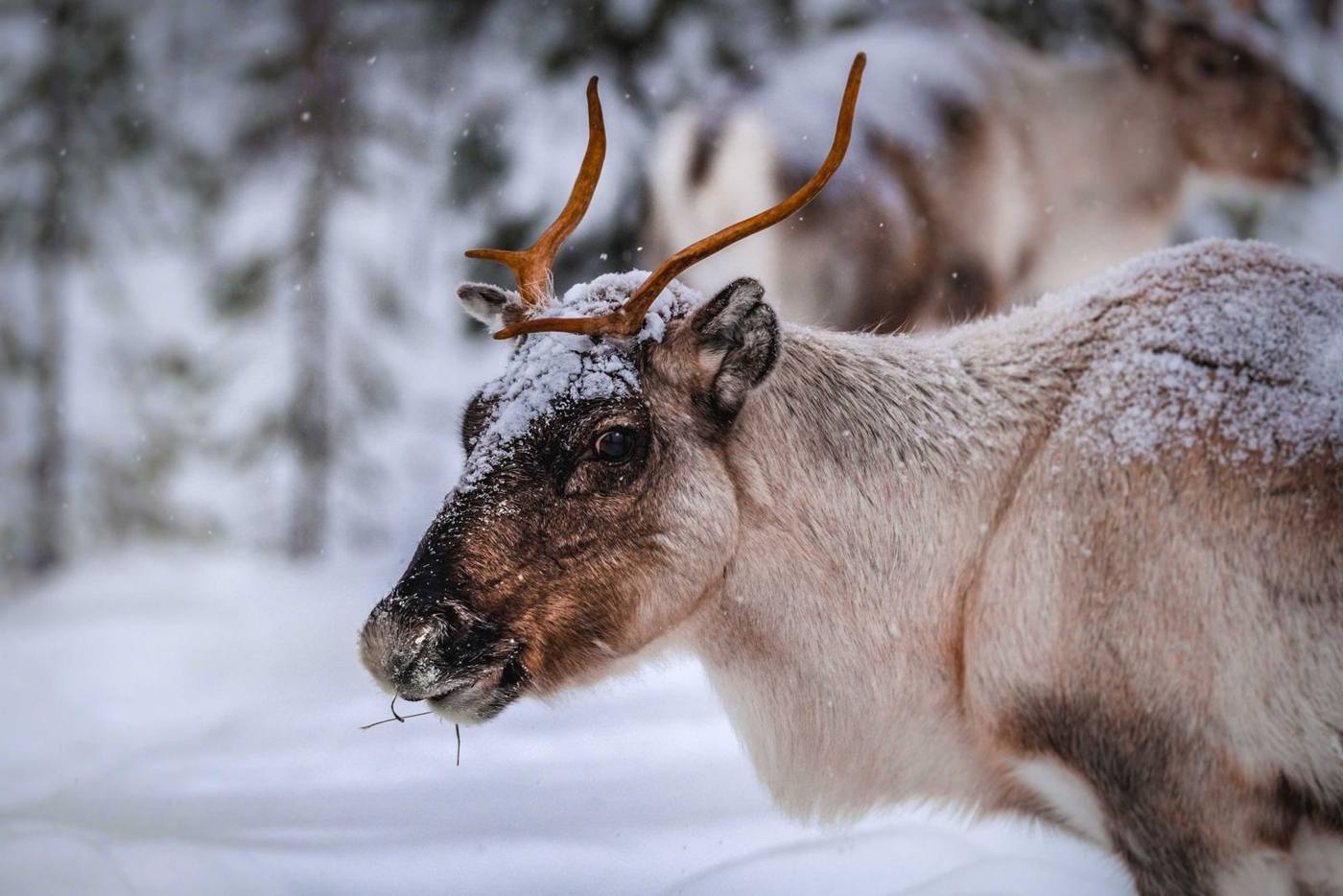 6 daysEasy
Finnish Lapland
Rovaniemi and the Arctic Circle, reindeer, sledding, Saariselkä and the parks of Inari, with the aurora from a glass cabin.
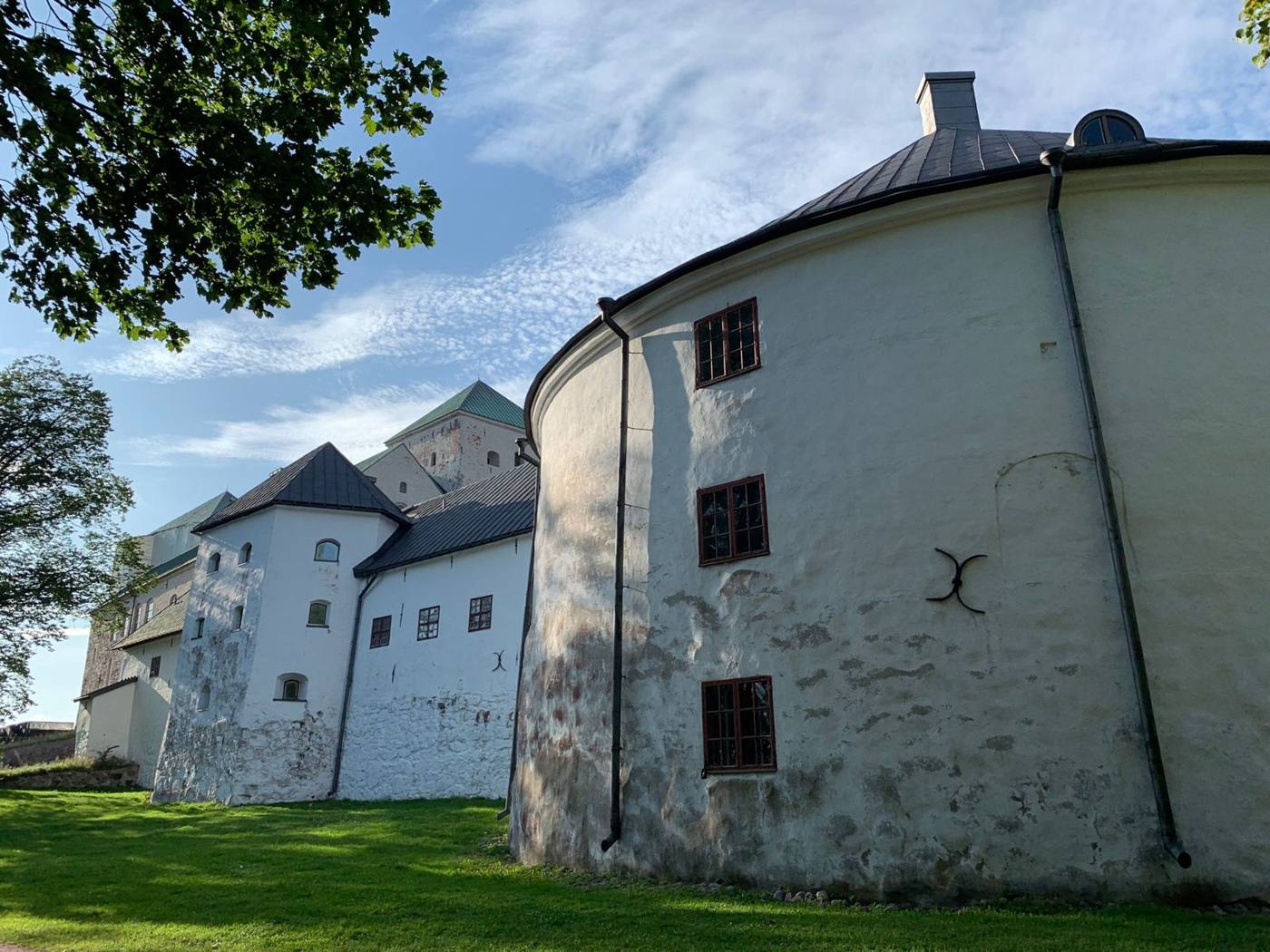 6 daysEasy
Turku and the archipelago
Turku's castle and cathedral, the Archipelago Trail loop of bridges and ferries, Naantali and the Åland islands.
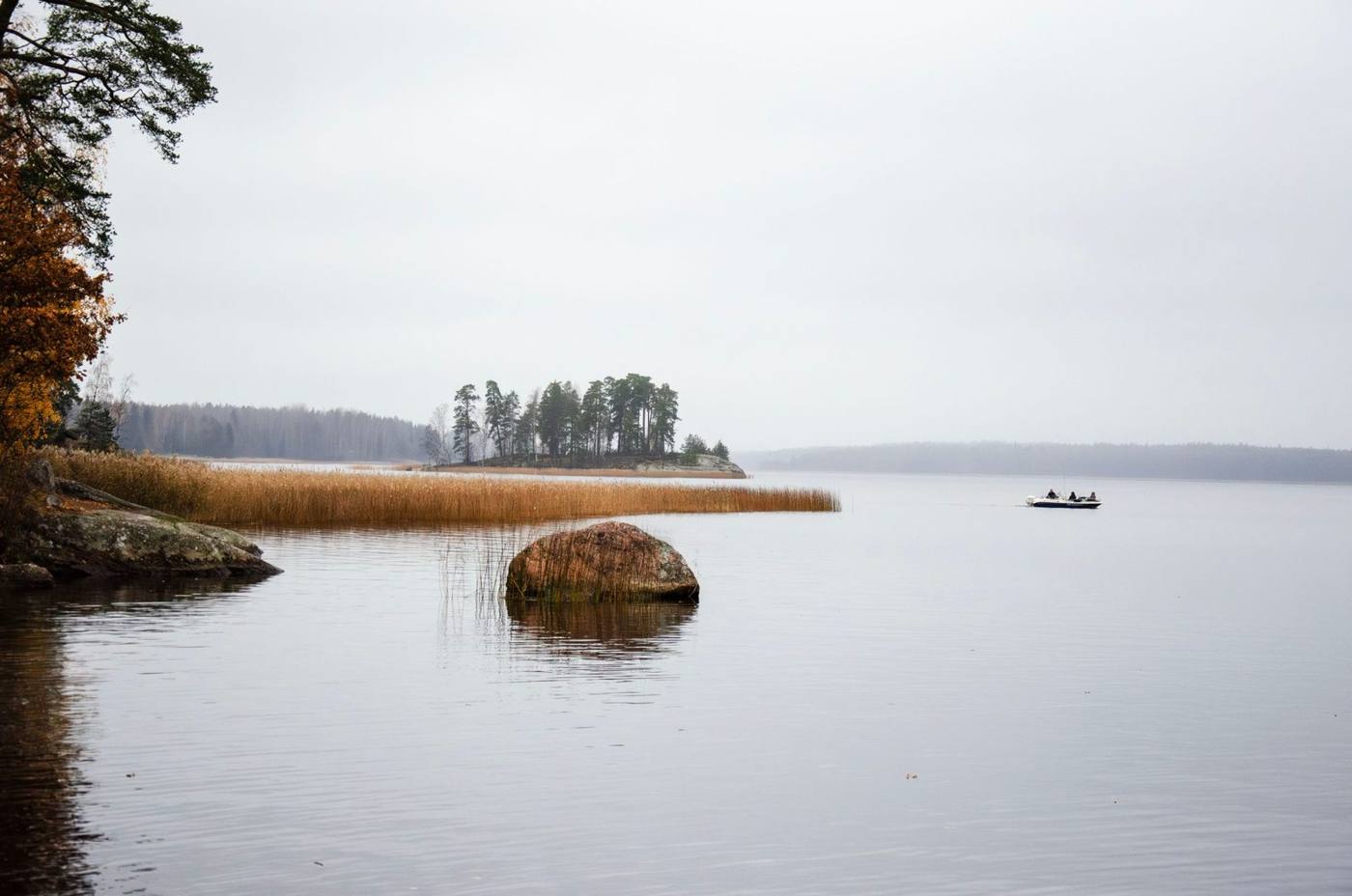 5 daysModerate
Lake Saimaa by canoe
Linnansaari National Park on Lake Saimaa, canoeing from island to island with tent or hut, looking for the very rare Saimaa ringed seal.