Turku and the archipelago
Turku's castle and cathedral, the Archipelago Trail loop of bridges and ferries, Naantali and the Åland islands.
- Turku
- Naantali
- Nagu
- Korpo
- Houtskär
- Mariehamn
Day by day
- Day 1
Turku: castle, cathedral and the Aura river
This trip takes you into the Turku archipelago, in south-west Finland, one of the largest archipelagos in the world, with thousands of islands and skerries. You start in Turku, the oldest city in the country, follow the Archipelago Trail across bridges and ferries to Nagu, Korpo and Houtskär, then reach the Åland Islands and return via Naantali.
Before you go: Italian citizens can enter Finland with an electronic identity card or a passport, without a visa. Other nationalities should check their own rules. According to the Italian foreign ministry, the temporary paper identity document issued by Italian town councils in 2026 is not valid for entering Finland. Finland is a very safe country; in summer watch out for pickpockets in crowded places. From June to November the woods and meadows of the islands have ticks that can carry encephalitis: talk to your doctor about the vaccine.
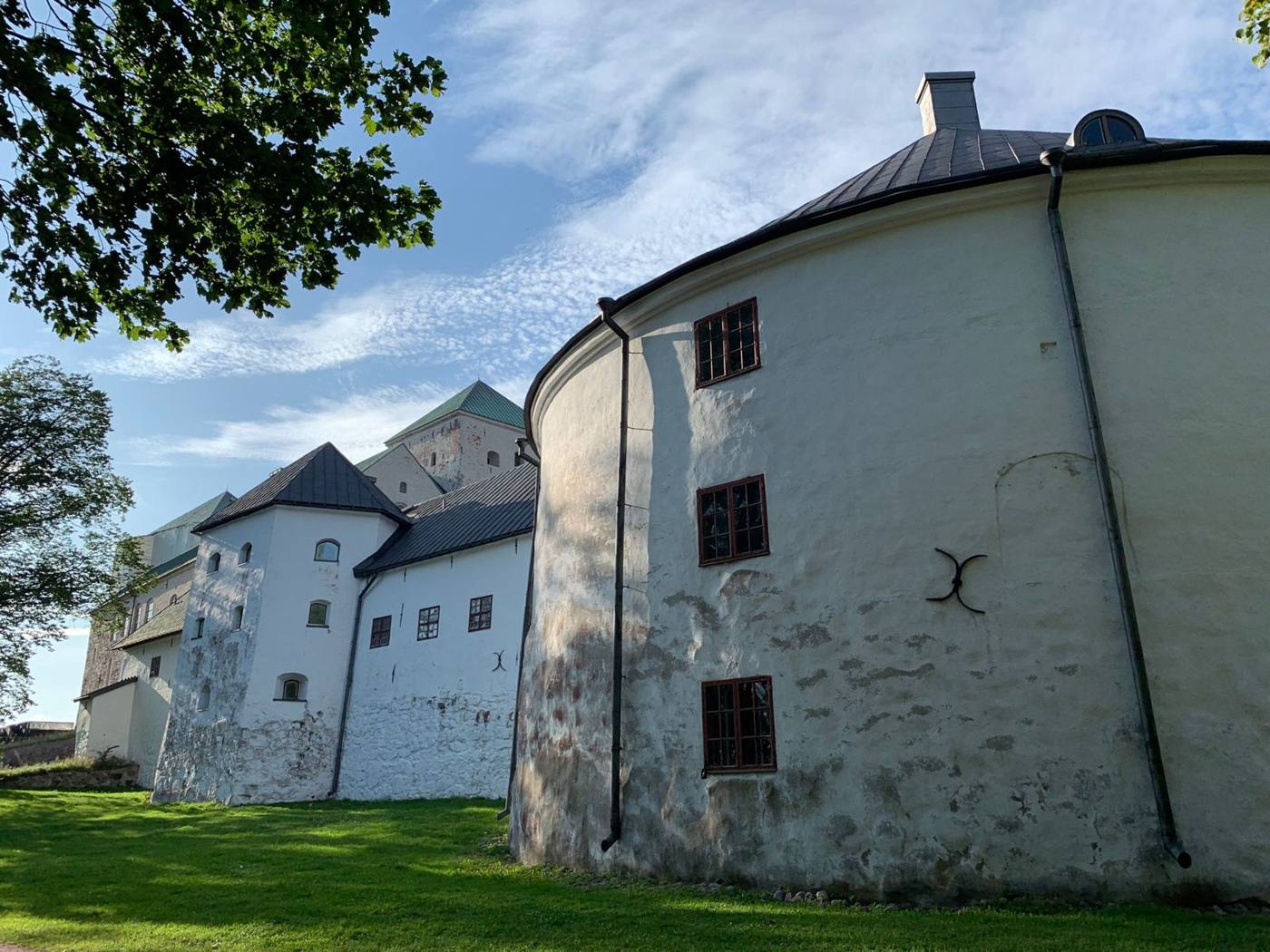
Turku was the capital of Finland until the early nineteenth century. Start at Turku Castle, near the harbour, a medieval stone fortress begun at the end of the thirteenth century, with halls, courtyards and a history museum. Check prices and times.
Then walk along the Aura river, among boats, bridges and lawns. Reach Turku Cathedral, the most important church in Finland, consecrated around 1300, with a small museum. Check prices and times.
In the afternoon, visit the covered market hall, a late nineteenth-century building with stalls selling fish, bread and pastries, and the market square.
Practical tip: if you travel by bike, rent it in Turku and make sure it has panniers and lights; the Archipelago Trail is long and there are few shops on the islands.
- Day 2
To Nagu, across bridges and ferries
Today you start the Archipelago Trail, the ring route that links the islands of the archipelago with roads, bridges and ferries. You can do it by car or by bicycle.
From Turku the road heads south to Parainen, the main island of the municipality, linked to the mainland by bridges. Parainen is a quiet little town with a medieval stone church and wooden houses. Stop for a coffee and to buy food.
From Parainen, continue to the harbour of Lillmälö, where you take the ferry to Nagu. The large ferries between the islands are part of the Finnish road network: they run often and cannot be booked. You just join the queue. The small ferries, on the other hand, have few places and must be booked in advance.
The crossing is short and the scenery is beautiful: low islands covered in pines, pink granite rocks, red wooden houses and sailing boats. In summer the sea is calm and the light lasts until late in the evening.
In the afternoon you reach Nagu, a village with a small guest harbour and a medieval church. Walk along the pier, watch the boats and, if the water is warm enough, swim from a rock.
In the evening, taste Baltic fish, such as fried or pickled Baltic herring and smoked salmon, with new potatoes.
Practical tip: check the ferry times before you set off, especially in the evening and out of season, when services become less frequent.
- Day 3
Korpo and the outer islands
Today you continue west, from Nagu to Korpo, one of the outermost islands of the inhabited archipelago. The road runs between islands and small bays, with short stretches over the sea.
By bike it is the finest day: traffic is light, climbs are short and every bend opens a new view over the water. Stop often, on the smooth granite rocks, to look at the sea and the islands.
Korpo has a medieval stone church, one of the oldest in the area, with paintings on the vaults. Check opening times. Around the village there are fields, farms and pine woods.
In the afternoon, reach Korpoström, a small harbour on the channel between the islands, where sailing boats stop in summer. There is an archipelago centre here with an exhibition on the nature and life of the islands. Check prices and times.
Take a walk on the coastal paths and look for seabirds: eiders, gulls, terns and sometimes white-tailed eagles. The outer part of the archipelago is also a national park, Archipelago National Park.
In the evening, stay in Korpo, near the harbour of Galtby, where the ferries to Åland leave from.
Practical tip: always carry a windproof jacket and a warm jumper, even in July, because on the open sea the wind makes the air cool.
- Day 4
Houtskär and the silence of the archipelago
Today you visit Houtskär, an island north of Korpo, reached by ferry. If you are cycling, you can leave your luggage in Korpo and make the trip travelling light.
Houtskär is even quieter: few inhabitants, almost all Swedish-speaking, as in most of the archipelago. Signs are in two languages, Swedish and Finnish, and village names are often different in the two languages.
Tour the island calmly. Visit the wooden church in the main village, built at the beginning of the eighteenth century. Then look for a beach or a rock to swim from, and a tower or a hill from which to look out over the archipelago.
The islands here are low and rocky, with wind-bent pines, flowering meadows and small summer houses. Many Finns have a summer cottage on an island, with a sauna and a jetty: it is the most typical way to spend the holidays.
In the afternoon, return to Korpo by ferry. If you have time, take a sauna and a swim in the sea before dinner.
In the evening, if you are here in June or July, stay out late: the sun sets in the north-west and the sky stays light all night.
Practical tip: book tomorrow's ferry to Åland in advance, because there are few sailings and car spaces sell out in summer.
- Day 5
Ferry to Mariehamn, capital of Åland
Today you leave the Turku archipelago and head for the Åland Islands. From the harbour of Galtby, in Korpo, the southern line of the Åland ferries runs via Kökar and other small islands to Långnäs, on the main island. Some sailings require a change in Kökar. Book in advance, especially if you are travelling by car.
The crossing is long and beautiful, among ever smaller islands and open sea. If you can, stop for a few hours on Kökar, a fishing island with the rugged landscape of the outer archipelago.
Åland is an autonomous, demilitarised region of Finland, with its own parliament, its own flag and its own stamps. Only Swedish is spoken. Åland is also outside the European Union VAT area, which is why ferries can sell tax-exempt goods and some purchases are subject to customs limits.
From Långnäs, drive or cycle to Mariehamn, the capital, a small town of wooden houses and tree-lined avenues between two harbours. Visit the Åland Maritime Museum and the museum ship Pommern, a large four-masted sailing ship moored in the harbour. Check prices and times.
In the evening, walk along the west harbour and taste Åland pancake, a baked dessert made with semolina and cardamom, served with prune jam and cream.
Practical tip: in Åland ferry timetables change often between seasons; always check the current timetable on the official Åland ferry website.
- Day 6
Back to Turku via Naantali
On the last day you return to the mainland. From Långnäs, near Mariehamn, take the ferry to Naantali, on the Finnish coast. The crossing takes a few hours and runs through the whole archipelago, with constant views of the islands.
Naantali is a small seaside town with an old centre of colourful wooden houses, cobbled streets and a marina. Walk to the convent church, a large fifteenth-century stone church, the last trace of the convent that gave rise to the town.
In summer you can visit the gardens of Kultaranta, the summer residence of the President of the Republic, with guided tours at certain times. Check prices and times.
In the afternoon, return to Turku, about twenty kilometres away, by car, by bus or by bike on the cycle path.
In these six days you have seen Turku's castle and cathedral, the islands of Nagu, Korpo and Houtskär along the Archipelago Trail, the ferry through the outer islands to Åland, the sailing ship Pommern in Mariehamn and the wooden town of Naantali.
When to go: from June to August, when all the ferries are running, the sea is warm enough for swimming and the days are very long. June is the brightest month, July the warmest and busiest. Out of season many services on the islands close.
Practical tip: at Midsummer, at the end of June, many shops and services close and the Finns leave for their seaside cottages; book everything in advance.
A summer trip among thousands of islands, perfect by bike. The large inter-island ferries are at no cost, the small ones must be booked. Åland is autonomous and Swedish-speaking.
Before you go
- Documents and visa
- EU citizens need a valid identity card or passport: Finland is in the EU and the Schengen area. Other nationalities should check the Schengen rules and the Entry/Exit System.
- Health and vaccines
- Excellent healthcare. EU citizens should bring their EHIC, plus insurance covering medical costs and repatriation. From June to November the forests have ticks that can carry encephalitis: ask your doctor about the vaccine. In summer in the north, bring mosquito repellent. Emergencies: 112.
- Money and payments
- Euro. Cards are accepted everywhere, even for a few euros and you will rarely need cash. Finland is expensive, especially Helsinki.
- Power sockets
- Types C and F, 230 volts.
- Time zone
- Eastern European Time (UTC+2, summer UTC+3).
- Safety
- A very safe country, with pickpockets in crowded tourist areas in summer. The land border with Russia is closed until further notice. Along the border there is a border zone, marked with yellow signs and strips, which you may enter only with a Border Guard permit. The UK reports that some Ukrainian drones aimed at Russia have crossed into Finnish territory: follow official guidance. Official advice: GOV.UK.
Information checked in November 2026 for Italian and EU citizens. Rules change: always check before you travel.
Variations
In 3 days: Turku and a short loop to Nagu and Korpo, returning the same day.
In 9 days: complete the whole Archipelago Trail ring via Iniö and Kustavi, and add two days cycling on Åland.
Frequently asked questions
Do you need to book the ferries?
The large ferries between the islands of the Archipelago Trail are part of the road network and cannot be booked. Small ferries and those to Åland must be booked, especially in summer and with a car.
Is it better by car or by bike?
The bike is perfect: light traffic, short climbs and ferries every day. You need some fitness. A car is more convenient if you are short of time or travelling with children.
What language is spoken on the islands?
In the Turku archipelago people mostly speak Swedish, with many bilingual signs. On Åland only Swedish is spoken. Almost everyone also speaks English.
Indicative itinerary written by World Atlas. Before booking, check timetables, seasonal openings, documents and safety.
 5 daysModerate
Lake Saimaa by canoe
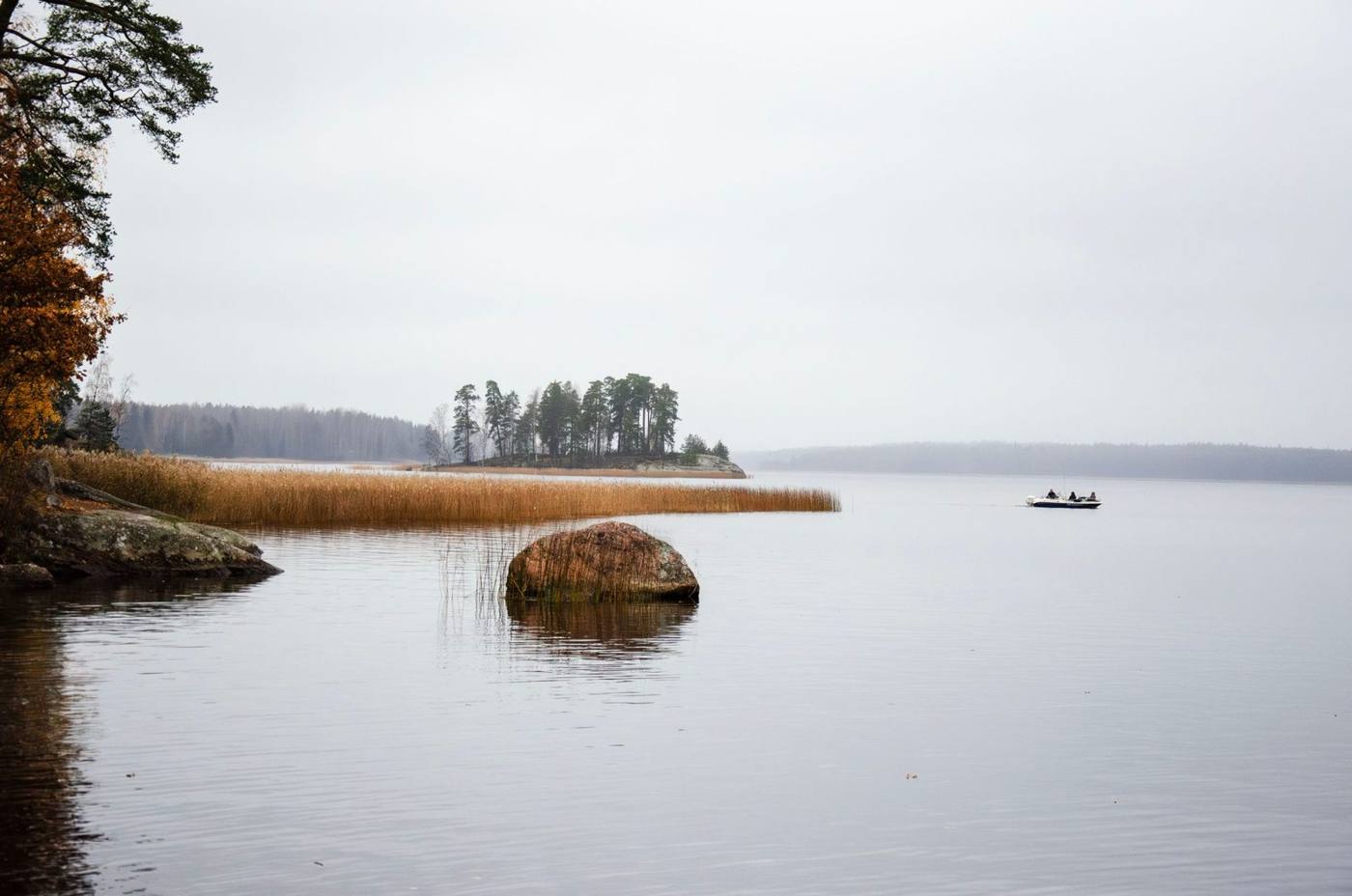
Linnansaari National Park on Lake Saimaa, canoeing from island to island with tent or hut, looking for the very rare Saimaa ringed seal.
 6 daysModerate
The Karhunkierros
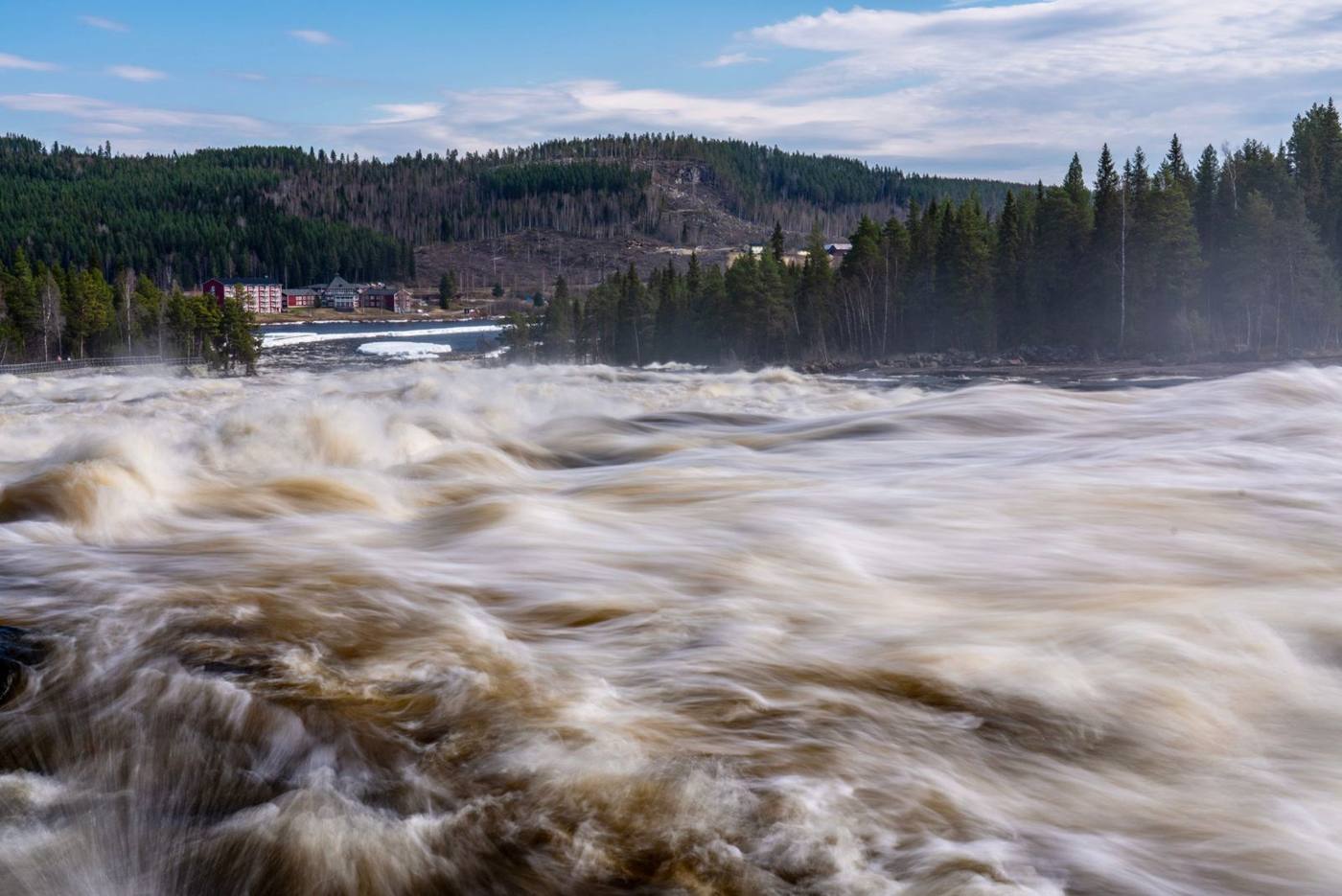
The 'Bear's Ring', 80 km through Oulanka National Park among canyons, rapids, suspension bridges and open wilderness huts, near the Arctic Circle.
 6 daysModerate
Summer in Lapland and Pallas
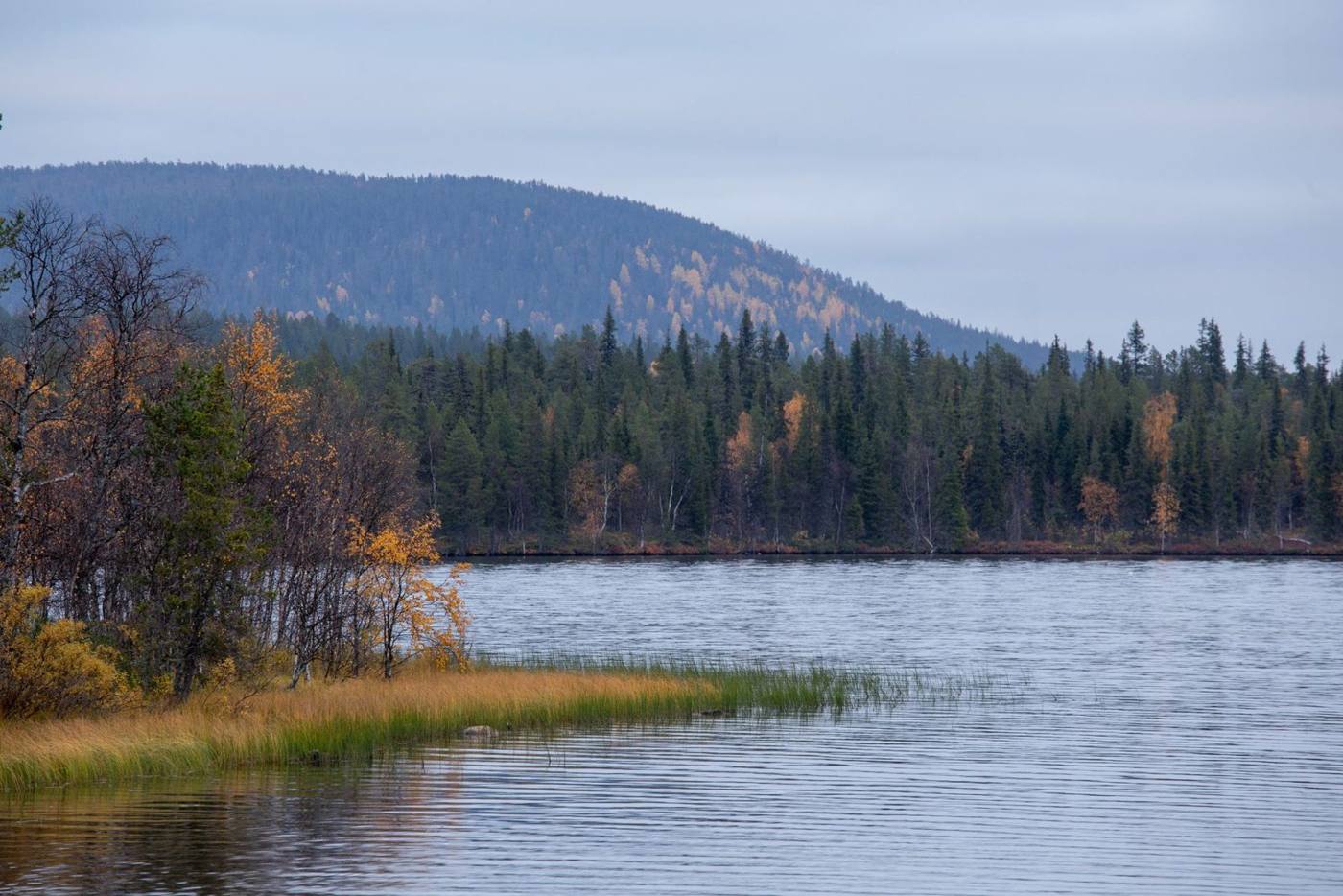
The midnight sun over the fells of Pallas-Yllästunturi park, the Hetta-Pallas trail, flowering bogs and ruska, the autumn colours of early September.