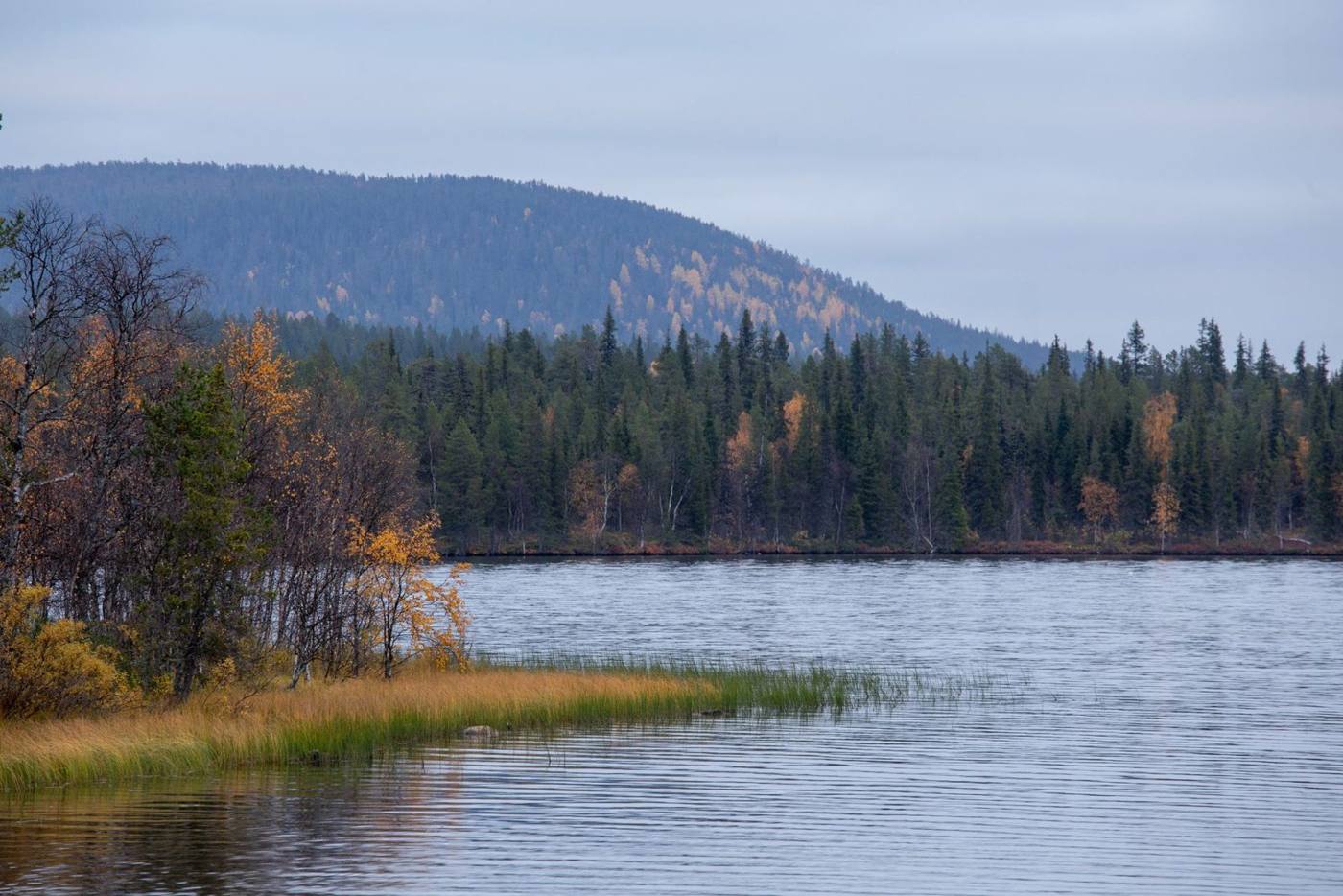
Summer in Lapland and Pallas
The midnight sun over the fells of Pallas-Yllästunturi park, the Hetta-Pallas trail, flowering bogs and ruska, the autumn colours of early September.
- Kittilä
- Hetta
- Pallas
- Ylläs
- Levi
Day by day
- Day 1
Flight to Kittilä and the road to Hetta
This trip takes you to Lapland in summer, in Pallas-Yllästunturi National Park. The heart of the trip is the trail from Hetta to Pallas, about fifty kilometres over rounded treeless fells, with open huts along the way. Then you climb Ylläs and finish in Levi. It is a trip for people who walk with a backpack.
Before you go: Italian citizens can enter Finland with an electronic identity card or a passport, without a visa. Other nationalities should check their own rules. According to the Italian foreign ministry, the temporary paper identity document issued by Italian town councils in 2026 is not valid for entering Finland. Finland is a very safe country. On the fells the weather changes quickly and in some stretches there is no phone signal: leave your plan with someone.
You land at Kittilä airport, usually with a connection in Helsinki. From here you reach Hetta, the main village of the municipality of Enontekiö, by rental car or by scheduled bus: it is a few hours' drive through pine forests, bogs and lakes. Check bus times before you leave, because there are few services.
Hetta is a small village on the shore of Lake Ounasjärvi. In the afternoon, visit the Fell Lapland Nature Centre, run by Metsähallitus, with an exhibition on nature and Sámi culture. Here you also get the latest information on the trail, the huts and the weather.
In the evening, pack your rucksack: food for three days, a stove, a sleeping bag, a waterproof jacket and warm layers.
Practical tip: buy gas for your stove in Hetta or earlier, because you cannot carry it on the plane and there are no shops along the trail.
- Day 2
From Hetta to Sioskuru
Today you start the trail. First you have to cross Lake Ounasjärvi: in summer a boat takes hikers from the village to the far shore, where the route begins. Check the service and times in advance, as they depend on the season.
The first kilometres run through pine and birch forest, on flat ground. Then the trail climbs above the tree line and the landscape opens up: rounded fells covered in lichen, stones and small lakes. The route is marked with poles and cairns, and in fog you follow it from one marker to the next.
The stage to Sioskuru hut is about fifteen kilometres. Walk calmly and take frequent breaks. Drink often: along the trail you find streams and small lakes, but it is best to boil or purify the water.
At Sioskuru there is an open wilderness hut, an autiotupa, which anyone can enter to rest or sleep, and a part that is booked in advance. Open huts are shared and do not guarantee a place, so always carry a tent. There are pitches around the hut.
In the evening the sun stays high. From late May to late July, at this latitude, the sun does not set: this is the midnight sun. An eye mask helps you sleep.
Practical tip: in open huts, leave everything clean, take your rubbish away and, if the firewood has run out, note it in the hut's logbook.
- Day 3
From Sioskuru to Hannukuru
The second day of walking is a shorter stage, about thirteen kilometres, above the tree line. It is perhaps the finest stretch of the trail.
The route climbs and drops between fells and ravines, with wide views in every direction. The ground is made of stones, white lichen and mosses. In the low points you cross bogs on wooden duckboards. Between late June and July the bogs are in flower and full of cloudberries, the yellow Arctic berries, which ripen towards the end of July.
You might meet reindeer: in Lapland they belong to herders, even though they graze freely. Do not get too close and do not disturb them, especially when they have calves.
In the early afternoon you reach Hannukuru, one of the largest huts on the trail, near a lake. There is also a wood-fired sauna for hikers here: ask or check on luontoon.fi whether it is in use. After a day of walking, the sauna followed by a quick dip in the cold lake is the best reward.
In the afternoon, rest, dry your clothes and look after your feet. If you have energy, climb a nearby fell to see the landscape in the evening light.
Practical tip: until the end of July there are many mosquitoes, especially near the bogs; bring a strong repellent, a head net and long-sleeved clothes.
- Day 4
From Hannukuru to Nammalakuru
Today you walk about fourteen kilometres to Nammalakuru hut, getting closer to the Pallas fells.
The trail continues above the trees, with steady climbs and descents. The route was first laid out in the 1930s and is one of the oldest hiking trails in Finland. It is well marked and has no technical difficulties, but with a heavy pack and the wind the days can be tiring.
In fog or heavy rain, the open landscape can become hard to read. Follow the poles carefully, keep the map and compass at hand and do not leave the trail. If the weather is bad, keep breaks short and get under cover in the huts straight away.
On the way, stop on the tops to look back: you see the fells you have crossed and, on clear days, lakes and forests to the horizon. With a little luck you also see the willow ptarmigan, which has brown feathers in summer.
In the afternoon you reach Nammalakuru, in a small valley. Like the others, it has an open part and a part to book. Pitch your tent near the hut and cook dinner.
If you travel in early September, you will see the ruska, the Lapland autumn: the dwarf birches turn red and orange and the nights become dark again, with the chance of seeing the northern lights.
Practical tip: check the forecast every evening, if you have a signal, or ask other hikers in the hut, who often have recent news.
- Day 5
Pallas and the sauna on Ylläs
In the morning, walk the last stage, about thirteen kilometres, to Pallas. The trail passes below the highest fells of the group: if the weather is good, climb Taivaskero, the highest summit of the Pallas fells at 807 metres, from which you can see the whole chain.
Then go down towards Lake Pallasjärvi and the Pallastunturi visitor centre, run by Metsähallitus. There is an exhibition on the park's nature. Drop your rucksack, eat something hot and change.
In the afternoon, move by car or taxi to Ylläs, to the south. Ylläs is the best-known fell in the area and, in winter, one of Finland's big ski resorts. In summer the lifts carry hikers and bikes uphill: check prices and times, because in some periods they are closed.
On the top of Ylläs there is a sauna, one of the few on a summit in Finland. After three days of walking, a sauna looking out over Lapland from above is a fine way to finish. Check prices, times and whether you need to book.
In the evening, stay in Äkäslompolo, the village at the foot of the fell, on a lake. Walk along the shore in the low light and enjoy the silence.
Practical tip: if you come with a rental car, sort out the pickup beforehand: leave it in Hetta only if the rental company allows it, otherwise use buses and taxis to get back to Pallas and Ylläs.
- Day 6
Levi and the return from Kittilä
The last day is for the journey home. In the morning, leave Äkäslompolo and drive to Levi, the big ski resort near Kittilä.
In summer Levi is quieter. You can climb the fell on foot, on marked trails, or by lift when it is running: check prices and times. From the top you see the forests, the rivers and the fells of Ylläs and Pallas, where you walked in the previous days.
For lunch, taste Lapland cooking: salmon soup, sautéed reindeer with mashed potatoes and lingonberries, flatbread and leipäjuusto cheese with cloudberry jam.
In the afternoon, reach Kittilä airport, a few kilometres away, for your flight home.
In these six days you have seen a green and luminous Lapland: the lake at Hetta, the historic trail to Pallas, the open huts of Sioskuru, Hannukuru and Nammalakuru, the sauna on Ylläs and the fells of Levi.
When to go: from late June to early September. In late June and July there is the midnight sun, but also many mosquitoes, which drop off from August. In early September comes the ruska, with autumn colours and the first northern lights. Before late June there may still be snow on the fells.
Practical tip: book flights to Kittilä early, because in summer there are fewer routes than in winter and prices rise quickly.
A different Lapland, green and bright day and night. Mosquitoes are a nuisance until late July. The trail is well marked and suits backpackers.
Before you go
- Documents and visa
- EU citizens need a valid identity card or passport: Finland is in the EU and the Schengen area. Other nationalities should check the Schengen rules and the Entry/Exit System.
- Health and vaccines
- Excellent healthcare. EU citizens should bring their EHIC, plus insurance covering medical costs and repatriation. From June to November the forests have ticks that can carry encephalitis: ask your doctor about the vaccine. In summer in the north, bring mosquito repellent. Emergencies: 112.
- Money and payments
- Euro. Cards are accepted everywhere, even for a few euros and you will rarely need cash. Finland is expensive, especially Helsinki.
- Power sockets
- Types C and F, 230 volts.
- Time zone
- Eastern European Time (UTC+2, summer UTC+3).
- Safety
- A very safe country, with pickpockets in crowded tourist areas in summer. The land border with Russia is closed until further notice. Along the border there is a border zone, marked with yellow signs and strips, which you may enter only with a Border Guard permit. The UK reports that some Ukrainian drones aimed at Russia have crossed into Finnish territory: follow official guidance. Official advice: GOV.UK.
Information checked in November 2026 for Italian and EU citizens. Rules change: always check before you travel.
Variations
In 4 days: arrive in Hetta, walk the trail in two long days with a night at Hannukuru, and return from Pallas.
In 9 days: add three days on the marked trails around Ylläs and Levi.
Frequently asked questions
Is the Hetta-Pallas trail difficult?
No, it is well marked and has no technical difficulties, suitable for people who walk with a backpack. The weather can change quickly: bring warm and waterproof clothes, a map and a compass.
Do you need to book the huts?
Open huts are shared and cannot be booked, but they do not guarantee a place: carry a tent. Some also have a bookable part; check on luontoon.fi.
When is the midnight sun?
At this latitude, the sun does not set from roughly late May to late July. In early September the nights become dark again and you can see the northern lights.
Indicative itinerary written by World Atlas. Before booking, check timetables, seasonal openings, documents and safety.
 4 daysEasy
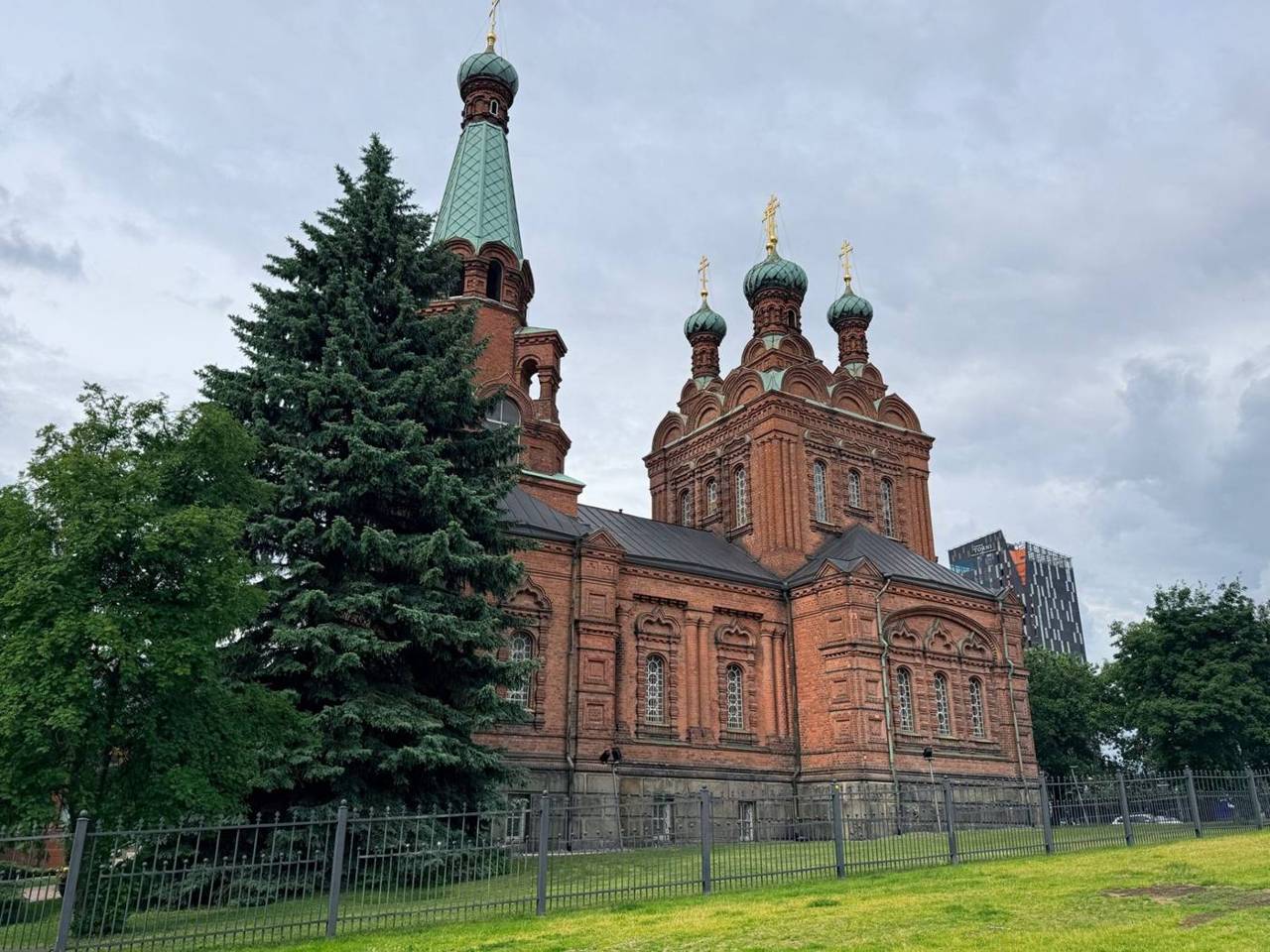
Tampere and Hämeenlinna
Tampere, world capital of public saunas between two lakes, the Moomin Museum, Häme Castle and the wooden town of Sastamala.
 4 daysEasy
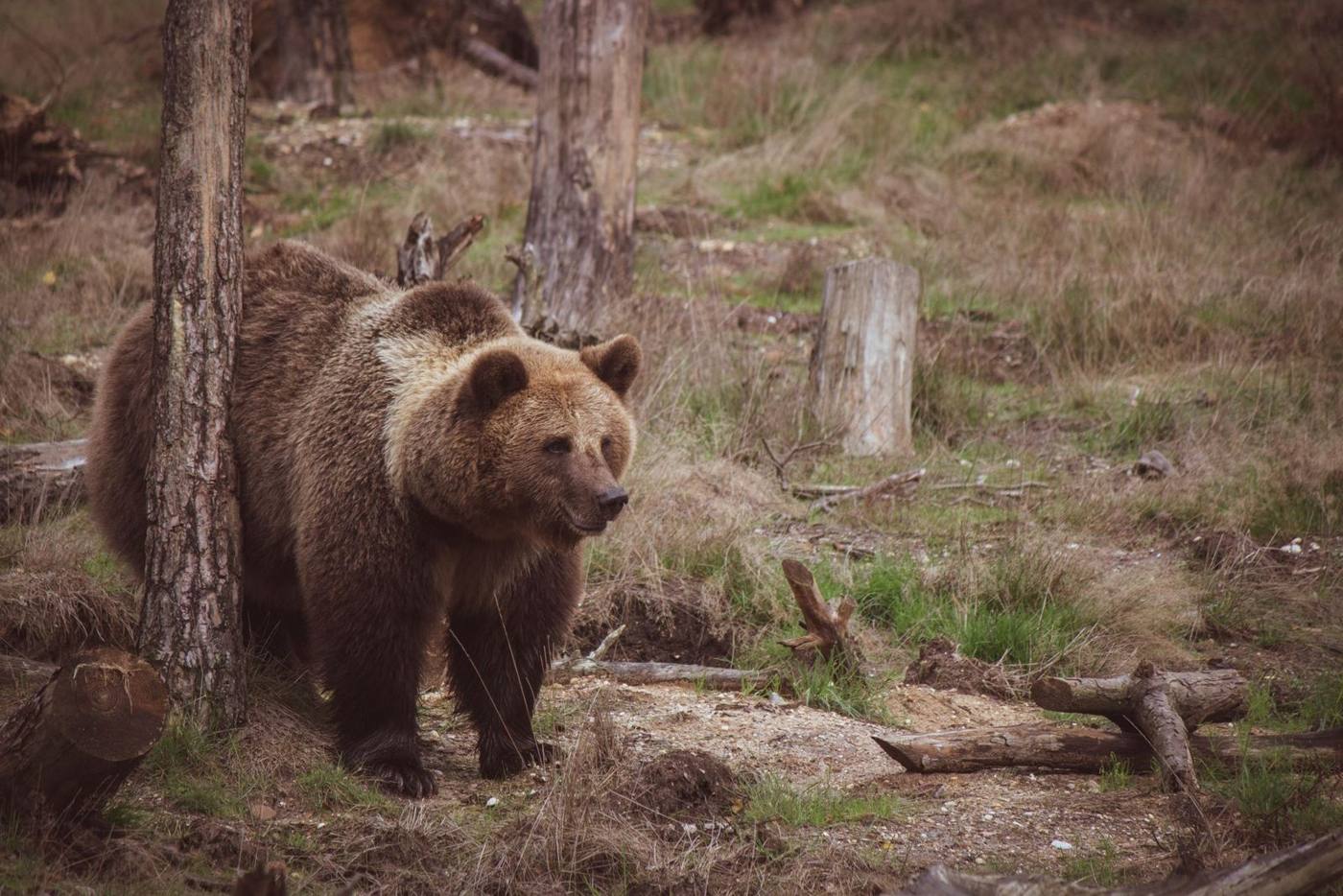
Bears of the taiga
Nights in observation hides in the taiga of Kuhmo or Kuusamo to see brown bears, wolverines and wolves in the light of the summer night.
 4 daysEasy
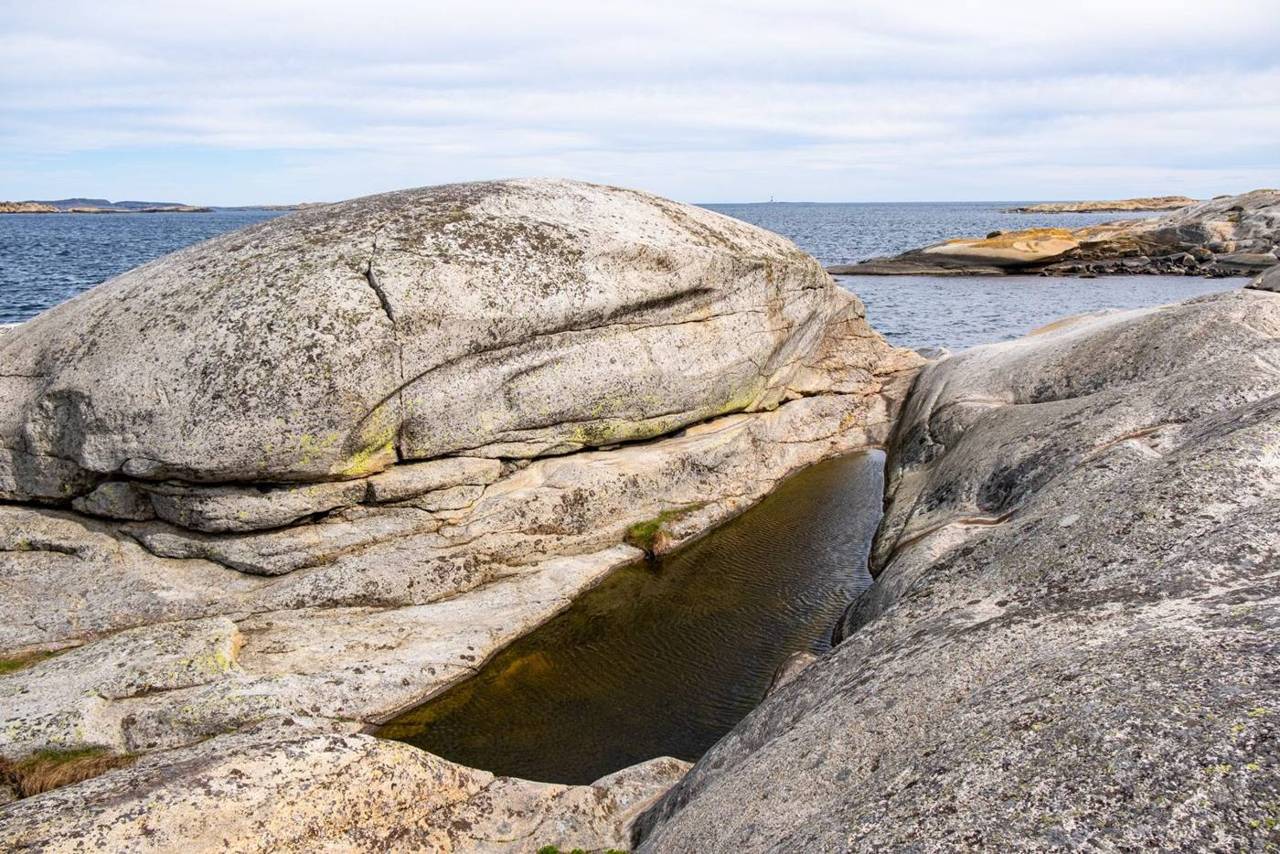
Vaasa and the Kvarken archipelago
The Kvarken archipelago, the UNESCO twin of Sweden's High Coast, with De Geer moraine fields, Saltkaret tower and the Replot bridge.