Taveuni and diving
The garden island: Rainbow Reef and the Great White Wall for soft corals, the Tavoro falls in Bouma park and the date line.
- Nadi
- Taveuni
- Rainbow Reef
- Bouma
- Lavena
Day by day
- Day 1
The flight to Taveuni and the date line
This seven-day trip takes you to Taveuni, the garden island of Fiji, green, mountainous and rainy, separated from Vanua Levu by the Somosomo Strait. Here you find the Rainbow Reef and the Great White Wall, considered among the best places in the world for soft corals, and Bouma park with its waterfalls. It is a trip for experienced divers, but snorkellers and walkers also find plenty to do.
Before you go: Italian citizens enter Fiji without a visa for tourist stays of up to 120 days, with a passport valid for at least six months from arrival; at the border you may be asked for a return or onward ticket. Other nationalities should check their own rules. The country is generally calm, but there are thefts and robberies in the tourist areas of Suva and Nadi, especially at night. From November to April is cyclone season, with a risk of floods and landslides: follow the warnings of the local weather service. For diving you need insurance that covers it: Fiji has only one hyperbaric chamber, in Suva, and it does not always work.
From Nadi fly to the Matei airstrip, in the north of the island. In the afternoon drive the coastal road south to Waiyevo, where a sign marks the 180th meridian, the line opposite Greenwich. With one foot you are in the east and with the other in the west; the official date line, however, bends out to sea so that all of Fiji stays on the same day.
Practical tip: there are few cash machines on the island; bring enough cash from Nadi for park entrance fees and transport.
- Day 2
The Rainbow Reef
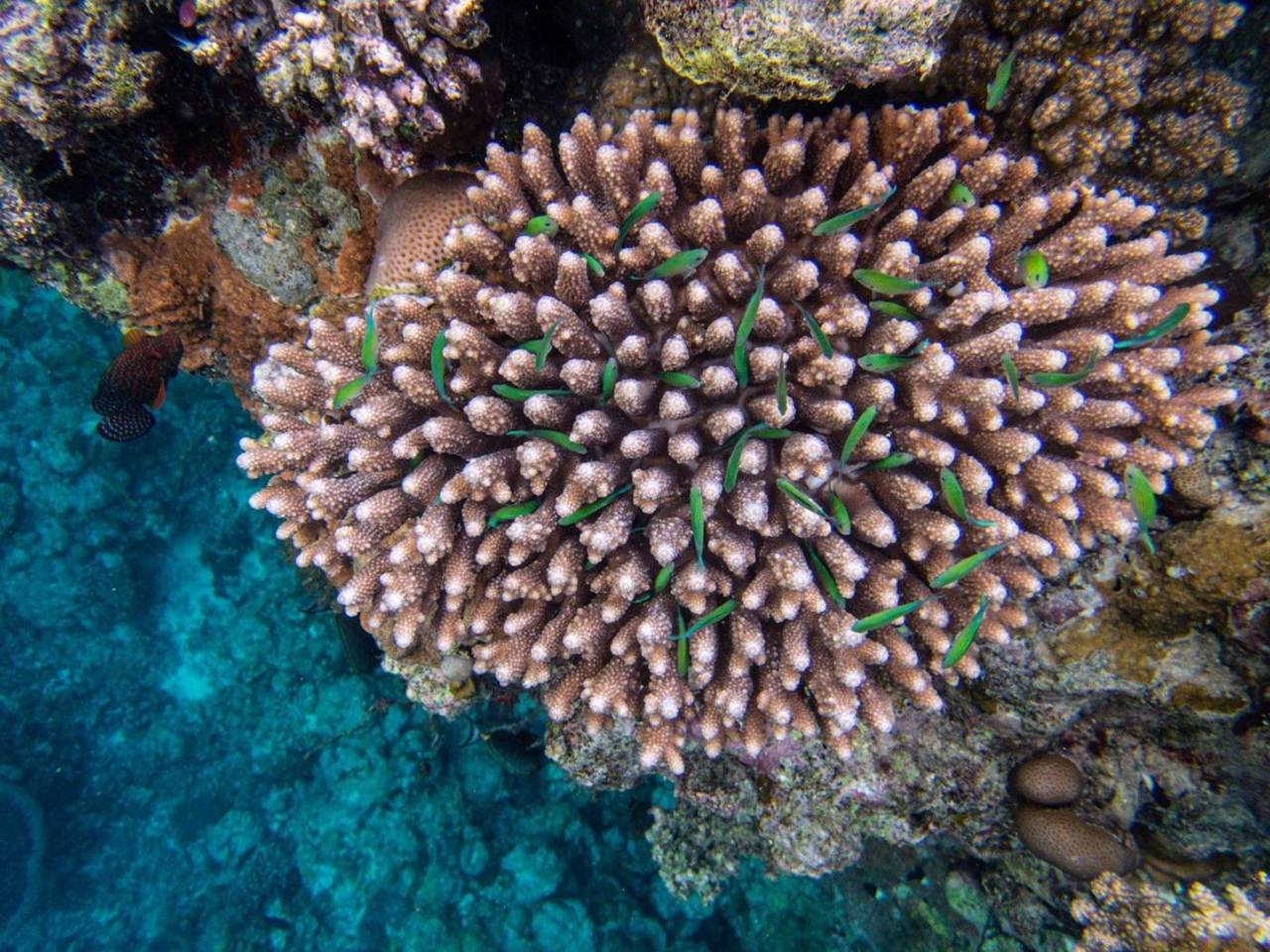
Today you start exploring the Rainbow Reef, a long reef in the Somosomo Strait, between Taveuni and Vanua Levu. Here the tidal currents push nutrient-rich water through the strait, which makes soft corals of every colour grow: pink, yellow, orange, purple and red, opening like flowers when the current flows.
The first dive is easy, to get used to the equipment and the water again. You descend among coral towers covered with soft corals and sea fans, with clouds of orange anthias, butterflyfish, angelfish, moray eels, turtles and reef sharks. On the second dive the guide takes you to a spot with a little more current, where you learn to move with the flow and to use the shelter of the corals.
Snorkellers find shallower and more sheltered stretches of reef, but must always stay close to the boat and the guide. Between dives, on the boat, drink plenty of water and cover up from the sun.
In the afternoon rest on the coast, looking at the green hills of Vanua Levu on the other side of the strait. In the evening listen to the guides' stories about how the reef changes with the tides.
Practical tip: choose only authorised dive centres, with certified instructors, boats with radio and oxygen on board and thorough briefings. If you have not dived for a long time, ask for a check dive.
- Day 3
The Great White Wall
Today is the day of Taveuni's most famous dive, the Great White Wall. It is a wall that drops steeply into the blue, covered with white and lilac soft corals that, with the right current, look like snow in the light of the torches.
You usually enter through a passage under the reef and come out onto the wall already at depth. That is why the dive is suitable only for experienced divers with an advanced certification: you need good buoyancy control, you go deep and the current can be strong. The best moment depends on the tide: the guides decide the time and sometimes the dive is moved to another day.
On the second dive go back to one of the Rainbow Reef sites, with pinnacles and shallower coral gardens, where you can linger and watch the small creatures: nudibranchs, cleaner shrimps, clownfish in the anemones.
In the afternoon, if you still have energy, snorkel near the shore, then rest. In the evening compare photos with the other divers and ask the guides the names of the fish and corals you have seen: many guides were born in the island's villages and have known the reef since they were children.
Practical tip: the currents in the Somosomo Strait change quickly. Always stay close to the guide, carry a surface marker buoy and a sound signal, and do not exceed the limits of your computer.
- Day 4
The last dives in the strait
Today you spend the morning on the last dives of the trip. The guides choose the sites according to the currents: isolated pinnacles covered with soft corals, purple walls, canyons where schools of trevally and barracuda swim. On lucky days you also see grey reef sharks, eagle rays and, rarely, dolphins during the crossing.
Do your dives in the morning and finish early: today is the last day with tanks, because at least twenty-four hours must pass between your last dive and your flight, and in the next few days you will walk in the forest and along the coast.
In the afternoon explore the island by land. Stop in one of the villages along the coastal road, where white churches face the sea and children play rugby on the grass. Taveuni is also known for its fruit: buy papayas, mangoes and bananas at the roadside stalls.
If you are interested in flowers, ask about the tagimoucia, the red and white flower that is the symbol of Fiji, which grows only in the mountains of Taveuni.
Before dinner take a short swim near the shore, where the shallow corals are home to clownfish and starfish. In the evening, at sunset, look at the Somosomo Strait from the shore: after three days beneath the surface, you know what lies hidden under that calm water.
Practical tip: record your dives in your logbook, with depths and times; it is useful for the next dive centre and for your insurance.
- Day 5
Bouma park and the Tavoro waterfalls
Today head to the north east of the island, to Bouma National Heritage Park, a protected area run by the local villages, with rainforest, rivers and waterfalls. Pay the fee at the entrance and check prices and times.
The main trail leads to the Tavoro waterfalls, three falls one above the other. The first waterfall is a few minutes from the entrance, on an easy path: the water drops into a large pool where you can swim. For the second the path climbs steeply through the forest, with some slippery stretches, and offers a view of the coast and the ocean. The third is the furthest and the quietest, hidden among the ferns: the path is muddy and you need a good pace.
The park was born from the will of the communities, which chose to protect the forest and live from tourism instead of selling the timber. Along the way listen and look for birds: Taveuni is one of the best places in Fiji for birdwatching, with brightly coloured parrots and the orange dove, which lives on only a few islands of the country.
In the afternoon, if the sea is calm, snorkel in the marine reserve run by the nearby community, on the coast of the park, with a village guide.
Practical tip: wear shoes that can get wet and have a good grip, and bring a swimsuit, water and repellent. After rain the upper trails may be closed: ask at the entrance.
- Day 6
The Lavena coastal walk
Today you walk the Lavena coastal walk, in the south east of Bouma park, one of the finest walks in Fiji. It starts from the village of Lavena, where you pay the entrance fee and can hire a guide. Check prices and times.
The path follows the coast past dark sand beaches, coconut palms, small villages and stretches of rainforest, crosses streams on little bridges and passes cliffs of ancient lava. After a few kilometres you reach the Wainibau waterfall, at the end of a narrow gorge: to see it up close you swim a short way through the water of the gorge, between moss-covered rock walls, to the point where the water falls into the pool.
Walk back slowly along the same path and, if you have time, stop on a beach for a swim in the ocean where the water is calm. Along the way greet the villagers: here you say bula to everyone, and someone often offers you a coconut to drink or shows you the shortest way.
In the evening, in the village, you can try a meal prepared by the families, with fish, taro and vegetables cooked in coconut milk.
Practical tip: go into the water in the gorge only if the current is weak and you are a strong swimmer; after heavy rain the river rises quickly and swimming is dangerous. Always ask the guide.
- Day 7
The flight to Nadi
On the last morning take a final walk along the coast or a swim near the shore and buy a handmade souvenir in town, such as a woven mat or a small wooden kava bowl. Then go to the Matei airstrip for the flight to Nadi. From the plane take a last look at the Somosomo Strait and the green mountains of the island, often covered in cloud.
In seven days you have discovered the garden island of Fiji: the 180th meridian at Waiyevo, the dives among the soft corals of the Rainbow Reef, the white wall of the Great White Wall, the three Tavoro waterfalls in Bouma park and the Lavena coastal walk to the Wainibau gorge. Taveuni has few beaches and a lot of rain, but the richest nature in the country, above and below the water, and it is considered one of the world capitals of soft corals.
When to go: from May to November, with less rain, good underwater visibility and pleasant temperatures. From December to April it is hotter, it rains a lot and there is a risk of cyclones; the trails become muddy and the rivers rise.
Practical tip: check that at least twenty-four hours have passed since your last dive before the flight and leave a day's margin before your international flight from Nadi, because bad weather can move domestic flights.
Considered one of the world's soft coral capitals. Currents in the Somosomo Strait require experience. Taveuni is green and rainy, with few beaches.
Before you go
- Documents and visa
- Passport valid for at least six months from arrival. British and Italian citizens enter without a visa for tourist stays of up to four months; at the border you may be asked for a return or onward ticket.
- Health and vaccines
- In the rainy season, from November to April, there is a risk of dengue: use repellent and wear long, light-coloured clothes. Yellow fever is required only for travellers arriving from a country at risk. Healthcare is limited and serious cases are often evacuated abroad: you need insurance with repatriation that also covers diving. Emergencies: 911.
- Money and payments
- Fijian dollar. Cards work in hotels and towns; in villages and on small islands you need cash.
- Power sockets
- Type I, the Australian plug with flat angled pins, 240 volts: you need an adapter.
- Time zone
- UTC+12 all year.
- Safety
- A generally calm country with no areas advised against. Watch out for theft and robbery in the tourist areas of Suva and Nadi, especially at night. November to April is cyclone season, with a risk of floods and landslides: follow the local weather service. In villages present the sevusevu, a gift of kava root, to the chief, take off your hat and cover your shoulders and knees. Official advice: GOV.UK.
Information checked in November 2026 for Italian and EU citizens. Rules change: always check before you travel.
Variations
In 5 days: three days of diving and one day in Bouma park, without the Lavena walk.
In 10 days: add Savusavu and the Namena reef, on Vanua Levu, with the ferry from Taveuni.
Frequently asked questions
Is the Great White Wall suitable for beginners?
No, it is a deep dive with current, for experienced divers with an advanced certification. Beginners can do easier dives on the Rainbow Reef.
Does Taveuni have good beaches?
Only a few: it is a green and rainy island, better suited to diving, waterfalls and walking than to beach life.
Do you really change date at Waiyevo?
No, the 180th meridian crosses the island, but the official date line bends out to sea so that all of Fiji stays on the same day.
Indicative itinerary written by World Atlas. Before booking, check timetables, seasonal openings, documents and safety.
 6 daysEasy
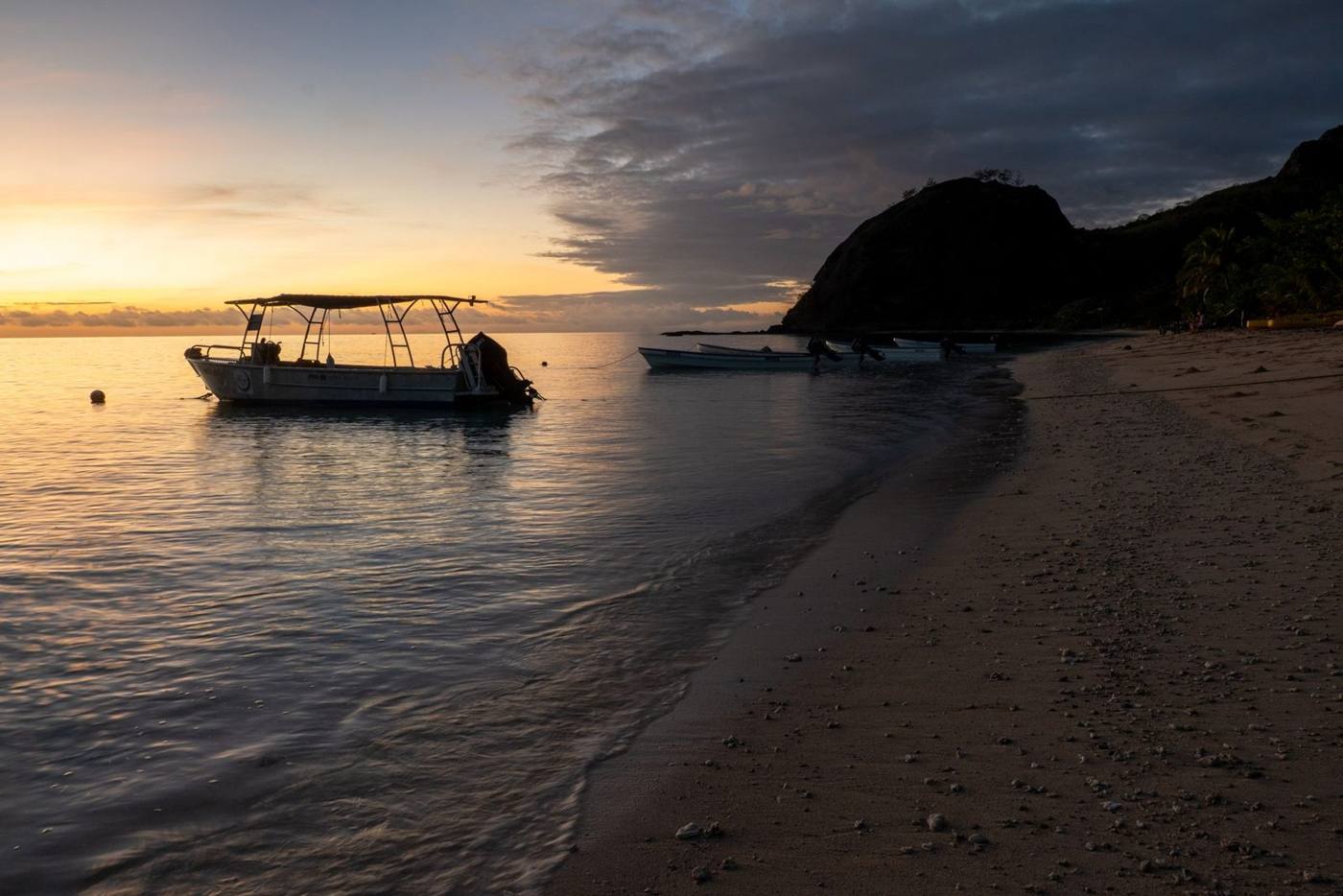
Viti Levu and the Coral Coast
The Sigatoka dunes, the Navua river by canoe with its waterfalls, Beqa island and its firewalkers, and the capital Suva.
 5 daysModerate
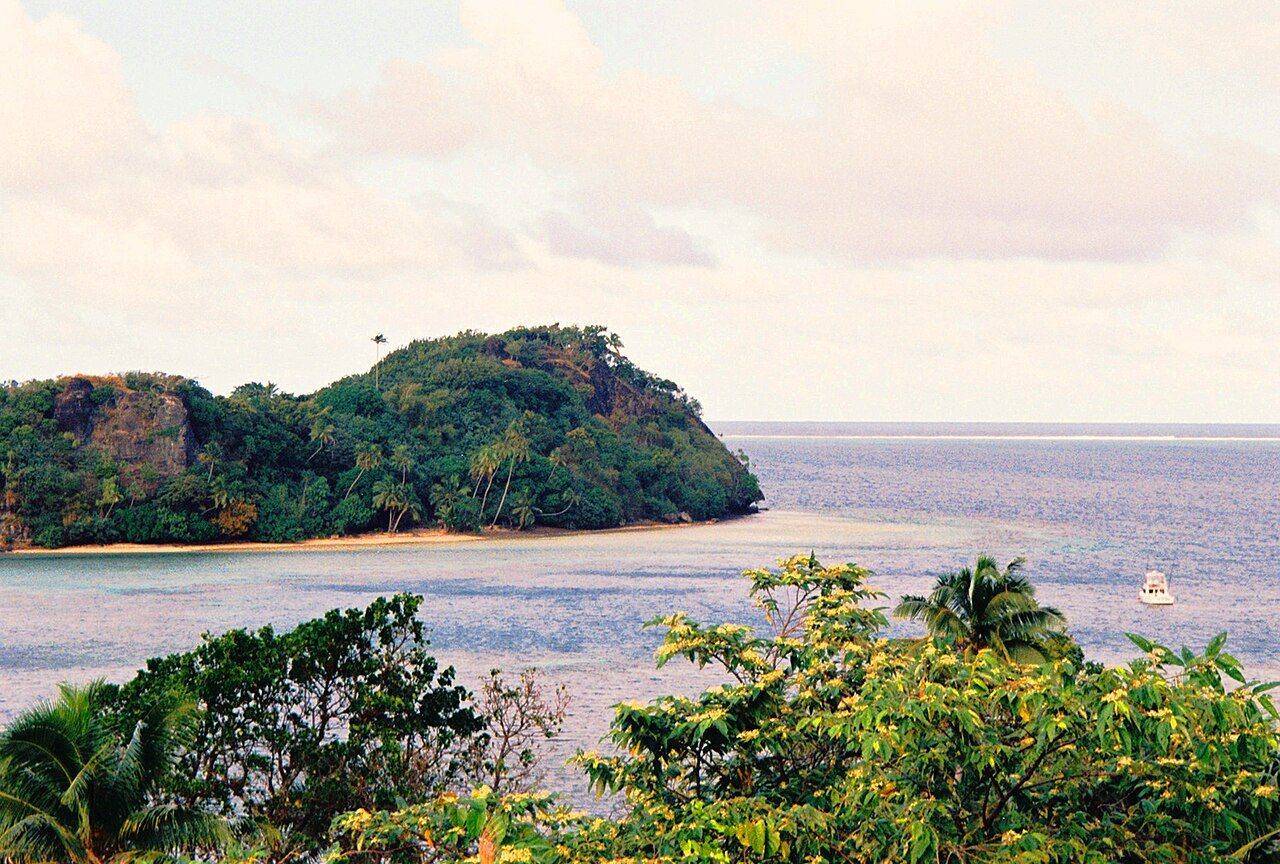
Kadavu and the Great Astrolabe
Fiji's wildest island, with no coastal roads, the Great Astrolabe Reef, manta rays, villages and eco-lodges reachable only by boat.
 3 daysModerate
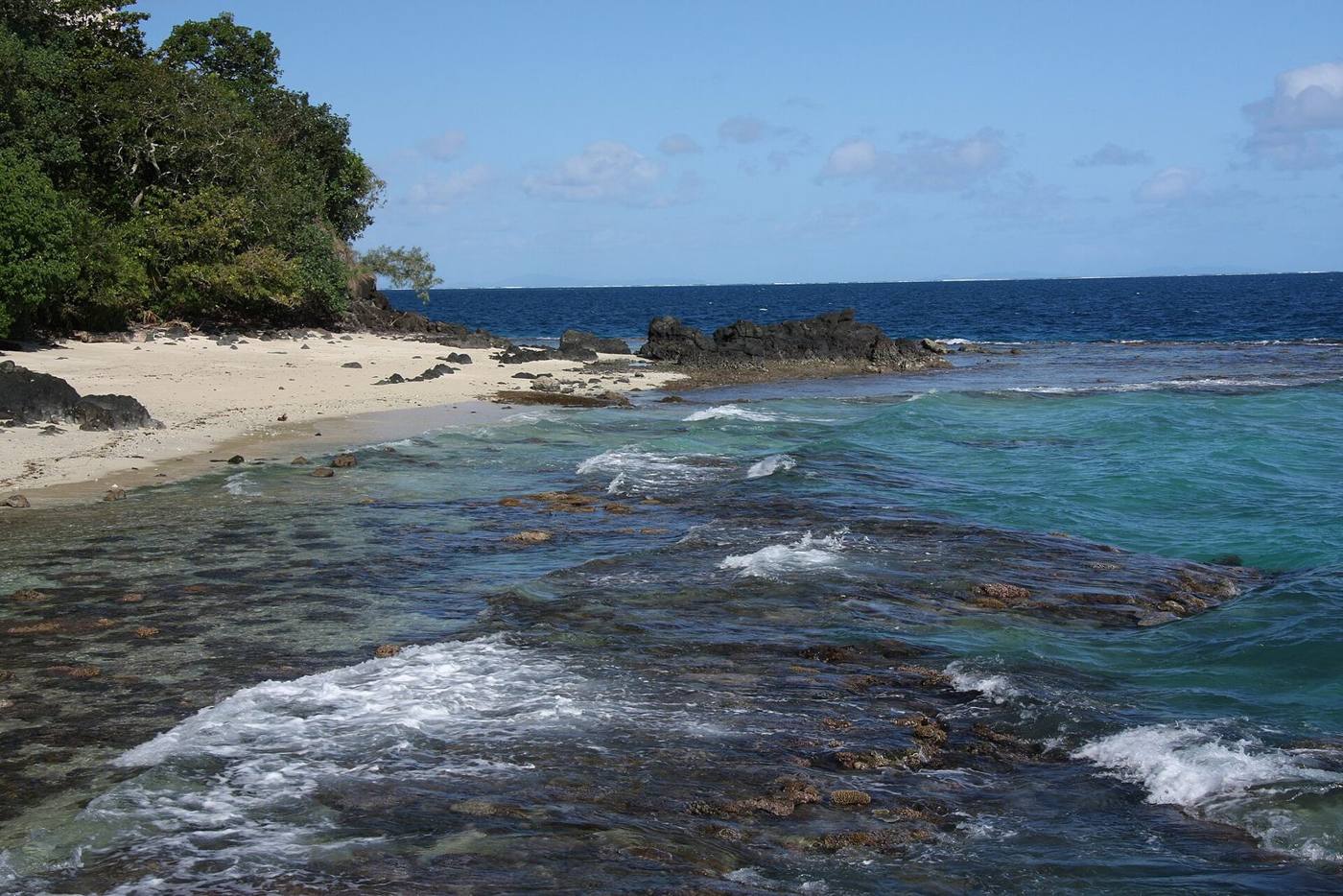
Beqa and the sharks
The Pacific's most famous shark dive, in the Beqa lagoon off Pacific Harbour, with bull and tiger sharks in a marine area protected by the villages.