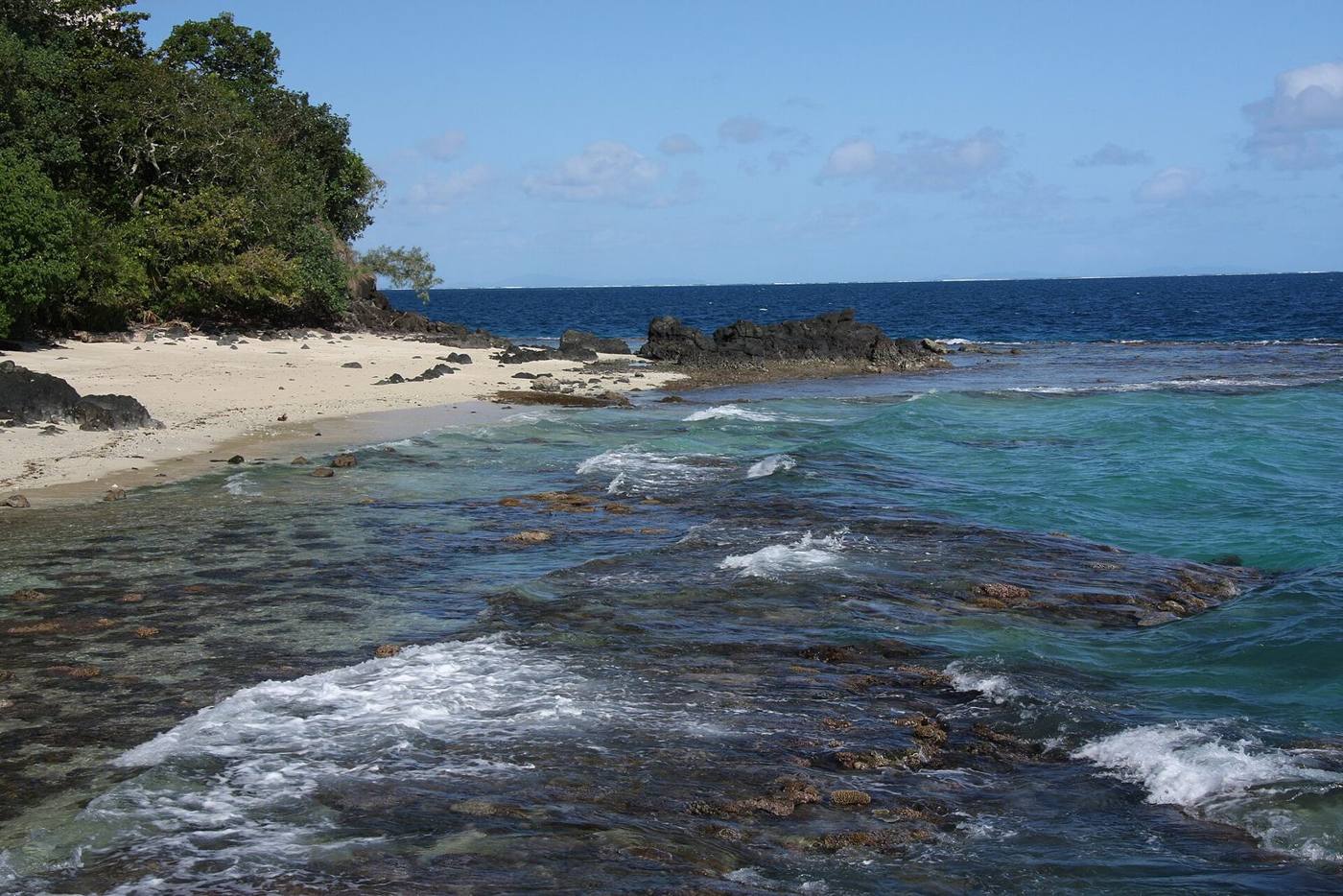
Beqa and the sharks
The Pacific's most famous shark dive, in the Beqa lagoon off Pacific Harbour, with bull and tiger sharks in a marine area protected by the villages.
- Pacific Harbour
- Beqa
Day by day
- Day 1
Arrival in Pacific Harbour
This three-day trip takes you to Pacific Harbour, on the south coast of Viti Levu, for the most famous shark dive in the Pacific, in the Beqa lagoon, and then to the Navua river, among gorges and waterfalls. It is a trip for certified divers; those who do not dive can go snorkelling and rafting.
Before you go: Italian citizens enter Fiji without a visa for tourist stays of up to 120 days, with a passport valid for at least six months from arrival; at the border you may be asked for a return or onward ticket. Other nationalities should check their own rules. The country is generally calm, but there are thefts and robberies in the tourist areas of Suva and Nadi, especially at night. From November to April is cyclone season, with a risk of floods and landslides: follow the warnings of the local weather service. You drive on the left: avoid driving at night outside towns. For diving you need insurance that covers it: Fiji has only one hyperbaric chamber, in Suva, and it does not always work.
From Nadi follow the Queens Road east along the Coral Coast, past villages, sugar cane plantations and beaches lined with palms. After a few hours you reach Pacific Harbour, a quiet resort area between the sea and the forest, known as the adventure capital of Fiji.
In the afternoon call at the dive centre you have chosen, hand in your certification card and logbook and try on the equipment. At sunset look out from the beach at the island of Beqa, dark and mountainous, beyond the lagoon.
Practical tip: choose only authorised dive centres, with certified instructors, thorough briefings and well-kept equipment; ask which certification and experience are required before you book.
- Day 2
The shark dive in the Beqa lagoon
Today is the most intense day of the trip. Set off by boat in the morning to the Shark Reef marine reserve, in the Beqa lagoon, a protected area created together with the villages that hold the fishing rights over this stretch of sea. Every diver pays a fee that goes to the communities, which in return give up fishing on the reef.
The briefing on board is long and precise. You go down along a line to a sandy and coral bottom, kneel behind a low wall of stones and stay still. The guides hand out fish and dozens of bull sharks arrive around you, massive and slow, together with whitetip, blacktip and lemon sharks, among clouds of reef fish. Sometimes a tiger shark appears too. Some staff members, with long poles, keep watch over the animals and the divers.
Then you come up in stages, with a stop at a shallower depth where other smaller sharks swim.
The dive is well organised but it is debated, because the sharks are attracted with food. The organisers present it as a way to fund marine protection and to help people understand sharks.
Practical tip: take off rings, shiny watches and anything that glitters, keep your hands close to your body and never leave the area you are shown; after your last dive wait at least twenty-four hours before flying.
- Day 3
The Navua river or the return
On the last day choose between a day on the river and going straight back.
If you stay, head inland by four-wheel drive to the upper course of the Navua and go rafting with a guide. The river runs through a narrow gorge, with walls covered in ferns and dozens of waterfalls pouring out of the forest, in an area protected for its nature. The rapids are suitable for beginners too. Alternatively you can float down the river further downstream on a bamboo raft, as villagers used to do, and stop for a swim under a waterfall.
In the afternoon drive back to Nadi along the Coral Coast or continue to Suva, the capital, about an hour away by road.
In three days you have experienced the most adventurous side of Fiji: the bull shark dive in the Beqa lagoon, one of the most famous in the world, in a reserve run with the villages, and the gorge of the Navua river, among rapids and waterfalls. It is a short but intense trip, for those who love the water and a thrill.
When to go: you can go all year round, but bull sharks are most numerous from January to June. From May to October the season is drier and the sea calmer; from November to April there is a risk of cyclones and the river may be closed after heavy rain.
Practical tip: for rafting bring a swimsuit, shoes that can get wet and a dry change of clothes; the river is run only with authorised guides and with a life jacket.
A powerful, well-run experience for certified divers. The sharks are attracted with food, which not everyone approves of. The villages receive a fee for protection.
Before you go
- Documents and visa
- Passport valid for at least six months from arrival. British and Italian citizens enter without a visa for tourist stays of up to four months; at the border you may be asked for a return or onward ticket.
- Health and vaccines
- In the rainy season, from November to April, there is a risk of dengue: use repellent and wear long, light-coloured clothes. Yellow fever is required only for travellers arriving from a country at risk. Healthcare is limited and serious cases are often evacuated abroad: you need insurance with repatriation that also covers diving. Emergencies: 911.
- Money and payments
- Fijian dollar. Cards work in hotels and towns; in villages and on small islands you need cash.
- Power sockets
- Type I, the Australian plug with flat angled pins, 240 volts: you need an adapter.
- Time zone
- UTC+12 all year.
- Safety
- A generally calm country with no areas advised against. Watch out for theft and robbery in the tourist areas of Suva and Nadi, especially at night. November to April is cyclone season, with a risk of floods and landslides: follow the local weather service. In villages present the sevusevu, a gift of kava root, to the chief, take off your hat and cover your shoulders and knees. Official advice: GOV.UK.
Information checked in November 2026 for Italian and EU citizens. Rules change: always check before you travel.
Variations
In 2 days: just the shark dive, arriving the evening before and leaving straight after.
In 5 days: add Suva with the Fiji Museum and the Coral Coast with the Sigatoka dunes.
Frequently asked questions
Do you need a certification for the shark dive?
Yes, you need a diving certification and some experience, because the dive goes deep. Ask the dive centre which certification it requires before you book.
Is it dangerous?
The dives are tightly controlled, with briefings, guides and staff watching the sharks. Choose only authorised centres and follow every instruction.
What can non-divers do?
You can snorkel in the Beqa lagoon, go rafting on the Navua river or take a boat trip. The bull shark dive is for divers only.
Indicative itinerary written by World Atlas. Before booking, check timetables, seasonal openings, documents and safety.
 2 daysModerate
Navala and the highlands
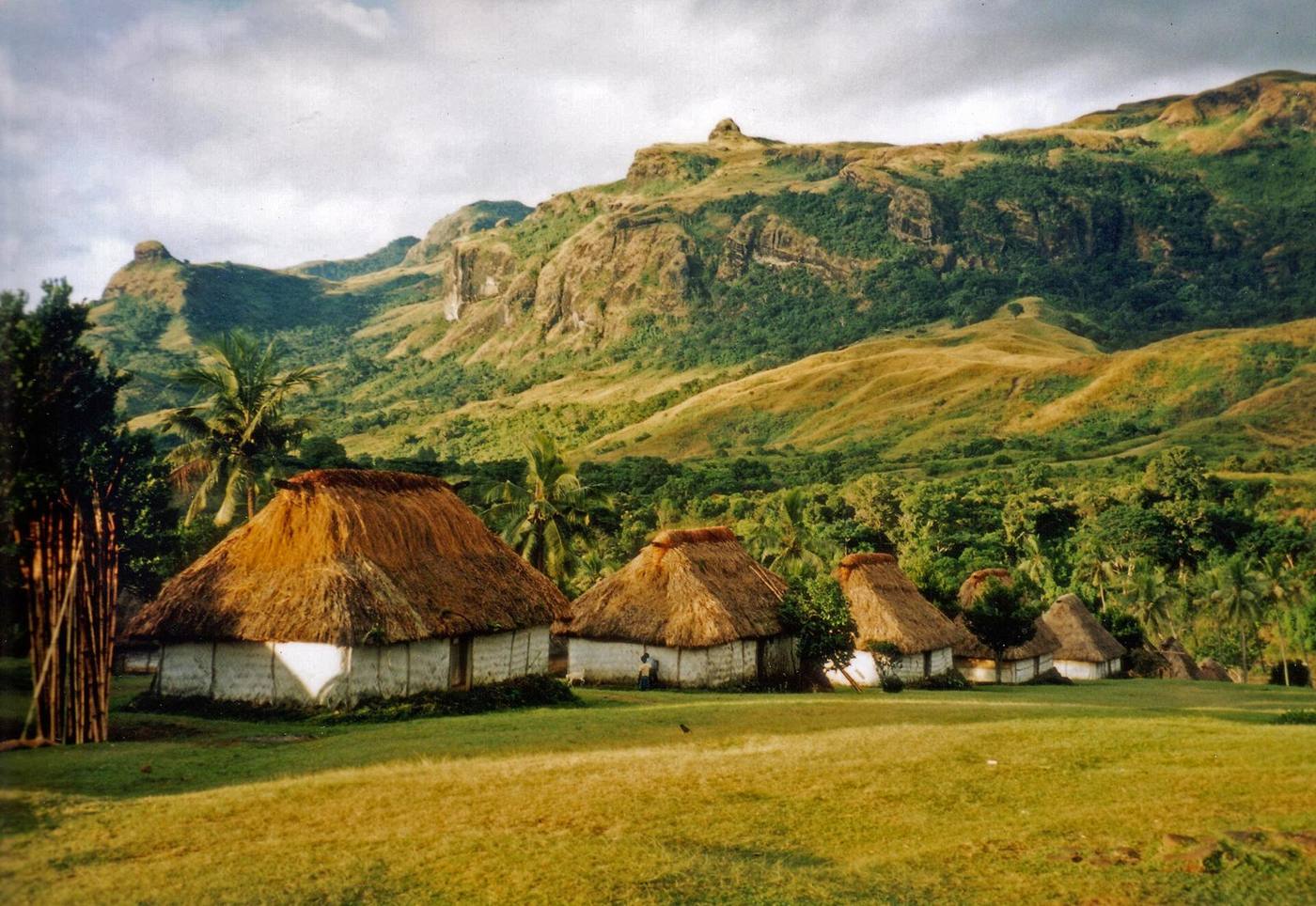
Navala village in the Viti Levu mountains, the only one with all traditional thatched bure houses, with a kava ceremony and a night with a family.
 4 daysEasy
Savusavu and Vanua Levu
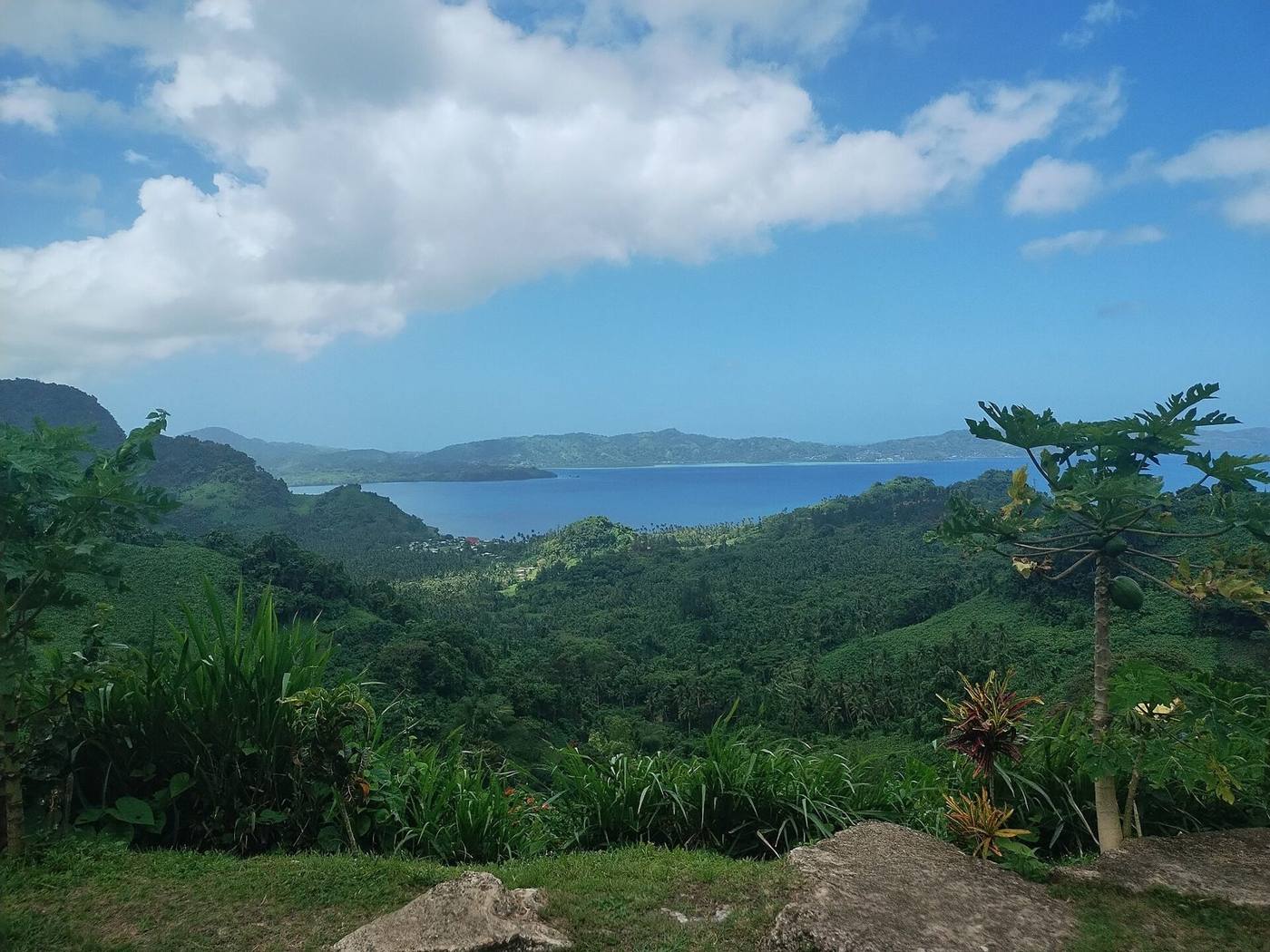
Fiji's second island: Savusavu bay with its hot springs, copra plantations, Waisali forest and snorkelling on the Namena reef.
 4 daysEasy
Sigatoka with the family
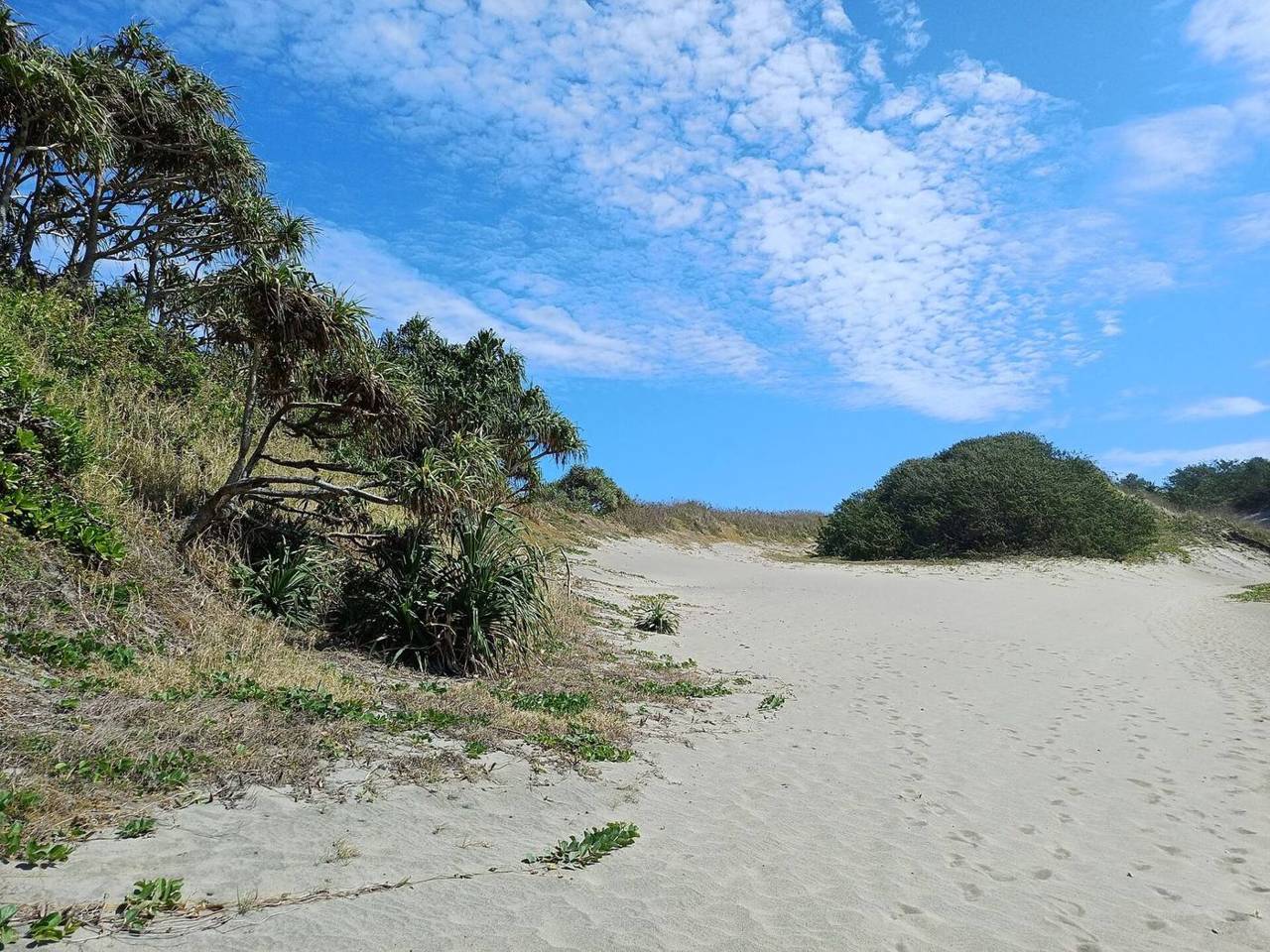
An easy trip with children: the Sigatoka dunes, Kula wildlife park, the Sabeto orchid gardens and hot mud pools, and calm lagoon beaches.