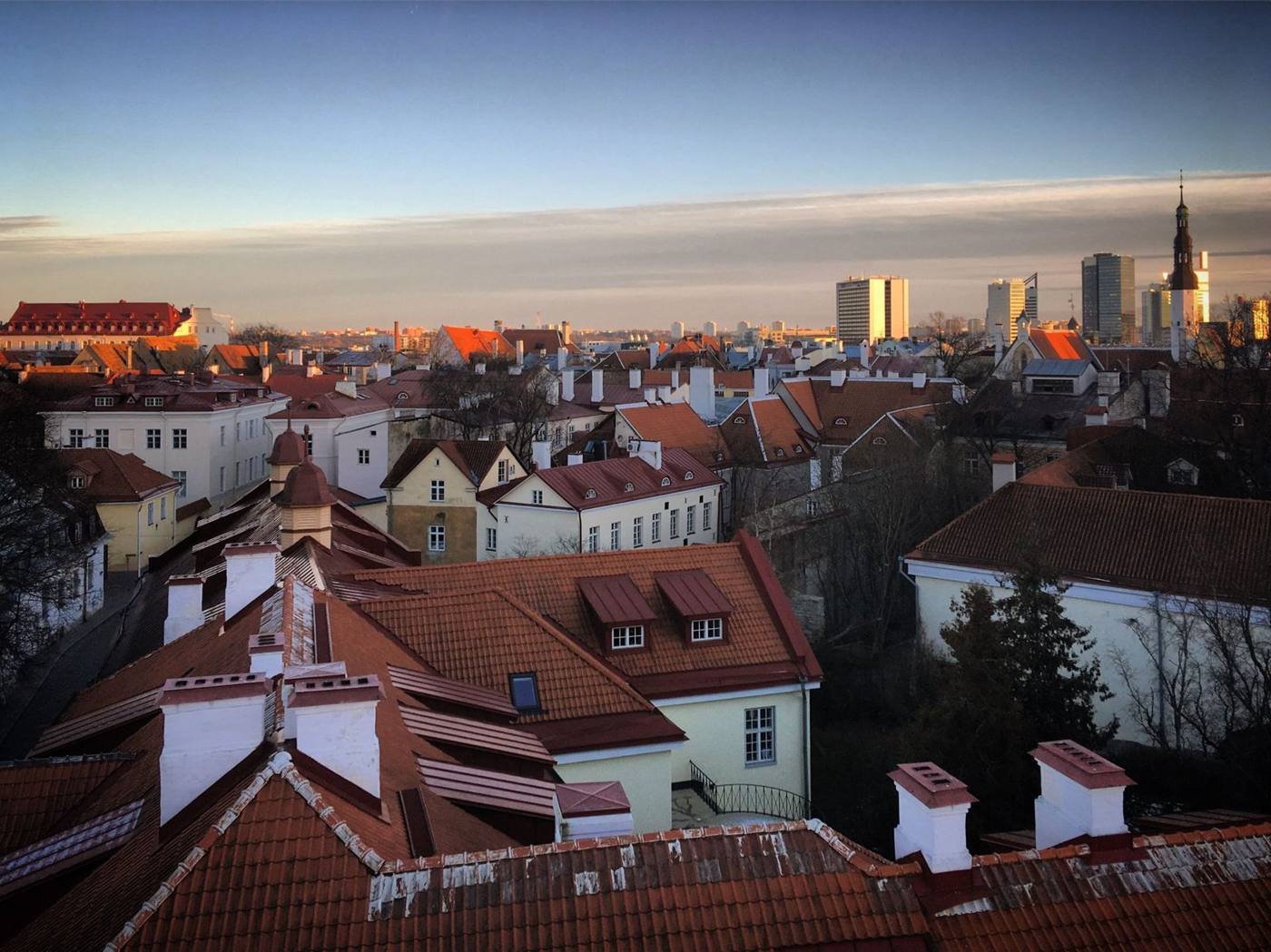
Tallinn and Lahemaa
The UNESCO medieval old town, the creative Telliskivi district, the Seaplane Harbour and Lahemaa National Park with its manor houses.
- Tallinn
- Toompea
- Telliskivi
- Kadriorg
- Lahemaa
- Palmse
- Käsmu
Day by day
- Day 1
The Old Town, Town Hall Square and Toompea
This trip combines Estonia's capital with its oldest national park. Two days in Tallinn, between the medieval Old Town and the newer districts, then a day in Lahemaa, with Baltic manor houses, the Viru bog and the captains' village of Käsmu. In the city you get around on foot and by tram; for Lahemaa you need a hire car.
Before you go: Italian citizens can enter Estonia with an electronic identity card or a passport, without a visa. Other nationalities should check their own rules. Estonia is a safe country, but there are pickpockets in the Old Town, especially in bars at night. Pedestrians must wear a reflector in the dark. The Lahemaa forests have ticks.
In the morning, enter the Old Town, a UNESCO World Heritage Site since 1997 and one of the best preserved in northern Europe, with its walls and towers still standing. Reach Town Hall Square and look at the Gothic town hall, with the Old Thomas weathervane on its tower. The square also has one of the oldest pharmacies in Europe still in business, already recorded in the fifteenth century.
In the afternoon, climb up to Toompea along Pikk Jalg, the Long Leg, a steep street enclosed by walls. At the top you see the Orthodox Alexander Nevsky Cathedral, with its onion domes, the Lutheran St Mary's Cathedral with the coats of arms of noble families, and the castle with the Tall Hermann tower. From the Kohtuotsa and Patkuli viewing platforms you see the whole lower town as far as the port.
In the evening, walk along the walls when the streets empty.
Practical tip: climb onto the walls from the Nunna tower, where a stretch of the wall walk is open to visitors. Check prices and times.
- Day 2
Telliskivi, Kalamaja, the Seaplane Harbour and an evening in Kadriorg
Today you leave the historic centre for the sea and then head east.
In the morning, go to Telliskivi, the creative quarter that grew up in the brick factories near the Baltic Station, with galleries, design studios, murals and small shops. Next door is the big covered station market, ideal for breakfast or for buying black bread, honey and cheese.
Then walk through Kalamaja, with its wooden houses from the nineteenth and early twentieth centuries, gardens and quiet streets. Carry on to the sea and visit the Seaplane Harbour maritime museum, in concrete hangars with thin domes built during the First World War. Inside, seaplanes, boats and mines hang from the ceiling, and you can go into the Lembit submarine. Check prices and times.
In the late afternoon, take the tram to Kadriorg. The park was laid out in the eighteenth century around the Baroque palace that Peter the Great had built for his wife Catherine. Walk past the swan pond, the flower garden and the tree-lined avenues. If you have time, visit Kumu, Estonia's great art museum. Check prices and times.
In the evening, if it is summer, go down to the seafront to watch the sunset, which in June comes at around eleven at night.
Practical tip: pick up your hire car in the evening or early in the morning, so you leave for Lahemaa before the traffic.
- Day 3
Lahemaa: Palmse, the Viru bog and Käsmu
Today you head east of Tallinn to Lahemaa National Park, the Land of Bays, created in 1971 as Estonia's first national park. It is made up of forests, bogs, peninsulas and fishing villages.
In the morning, drive to the Viru bog, about an hour. A wooden boardwalk a few kilometres long crosses the bog among small pines, colourful mosses and dark pools. Halfway along there is a viewing tower. Arrive early: in summer the boardwalk fills up by mid-morning.
Then go to Palmse manor, one of the finest Baltic German residences in the country, restored with period furniture. Around it are the park, the pond, the greenhouse and the old stables. Check prices and times.
In the afternoon, go to Käsmu, the captains' village, at the tip of a peninsula. In the nineteenth century many sea captains lived here, and their wooden houses are still scattered among the gardens. Walk the peninsula trail, through pine woods and huge erratic boulders, carried by glaciers and strewn along the shore and in the shallow water.
On the way back, stop at Altja, a fishing village with wooden houses and nets on the beach.
Stay in Lahemaa or drive back to Tallinn.
Practical tip: bring repellent, comfortable shoes and water. On the Viru boardwalk always stay on the planks: the bog is soft and deep.
- Day 4
Back to Tallinn and departure
The last day is gentler.
If you stayed in Lahemaa, take an early-morning walk in a bay or in the woods, then drive to Tallinn, about an hour. On the way you can stop at the Jägala waterfall, wide and low, which carries a lot of water in spring and freezes in winter.
In Tallinn, spend your last hours in the Old Town or on Toompea in the morning light. Alternatively, visit St Nicholas' Church, now a museum of medieval art, with the great Danse Macabre painting. Check prices and times.
For your last lunch, try Estonian dishes: fish soup, herring with potatoes, black bread and, to finish, a cake with rhubarb or berries.
The airport is a few kilometres from the centre and can be reached by tram.
In these four days you have seen two sides of Estonia: the medieval Old Town, Toompea, Telliskivi, Kalamaja and the Seaplane Harbour, Kadriorg at sunset, then the Viru bog, Palmse manor and the captains' village of Käsmu in Lahemaa National Park.
When to go: from May to September, with long days and green countryside. In December there is the Christmas market on Town Hall Square, but daylight lasts only a few hours. In summer the Old Town fills with cruise passengers during the day: the evenings are much quieter.
Practical tip: if you want to add Helsinki, the ferry leaves from the port near the Old Town and takes about two hours.
One of Europe's best-preserved medieval towns, easy to combine with Helsinki by ferry. In summer the old town fills with cruise passengers during the day: evenings are quieter. Lahemaa is best seen by car.
Before you go
- Documents and visa
- EU citizens need a valid identity card or passport: Estonia is in the EU and the Schengen area. Other nationalities should check the Schengen rules and the Entry/Exit System.
- Health and vaccines
- No vaccines required. EU citizens should bring their EHIC, plus insurance covering medical costs and repatriation. In spring and summer the forests have ticks that can carry encephalitis: ask your doctor about the vaccine. Emergencies: 112.
- Money and payments
- Euro. Cards and phone payments are accepted almost everywhere, even for small amounts; carry some cash for farms and country markets.
- Power sockets
- Types C and F, 230 volts.
- Time zone
- Eastern European Time (UTC+2, summer UTC+3).
- Safety
- A safe country, with pickpockets in Tallinn's Old Town, especially in bars and nightclubs. Pedestrians must wear a reflector in the dark. From 1 December 2026 all road crossings with Russia (Narva, Koidula, Luhamaa) are closed to pedestrians and vehicles. The UK reports that some Ukrainian drones aimed at Russia have crossed into Estonian airspace: follow official guidance. Official advice: GOV.UK.
Information checked in November 2026 for Italian and EU citizens. Rules change: always check before you travel.
Variations
In 3 days: one day in Tallinn, one in Telliskivi and Kalamaja, one in Lahemaa.
In 6 days: add two days in Helsinki by ferry, with the fortress of Suomenlinna.
Frequently asked questions
What document do I need for Estonia?
Italian citizens can enter with an electronic identity card or a passport, without a visa. Other nationalities should check their own rules.
Can I visit Lahemaa without a car?
It is difficult: buses are few and the sights are far apart. With a hire car you can see everything in a day; otherwise choose an organised trip from Tallinn.
How long do I need for the Old Town?
A full day is enough for the main streets and Toompea, but with two days you also have time for the museums and the districts outside the walls.
Indicative itinerary written by World Atlas. Before booking, check timetables, seasonal openings, documents and safety.
 5 daysEasy
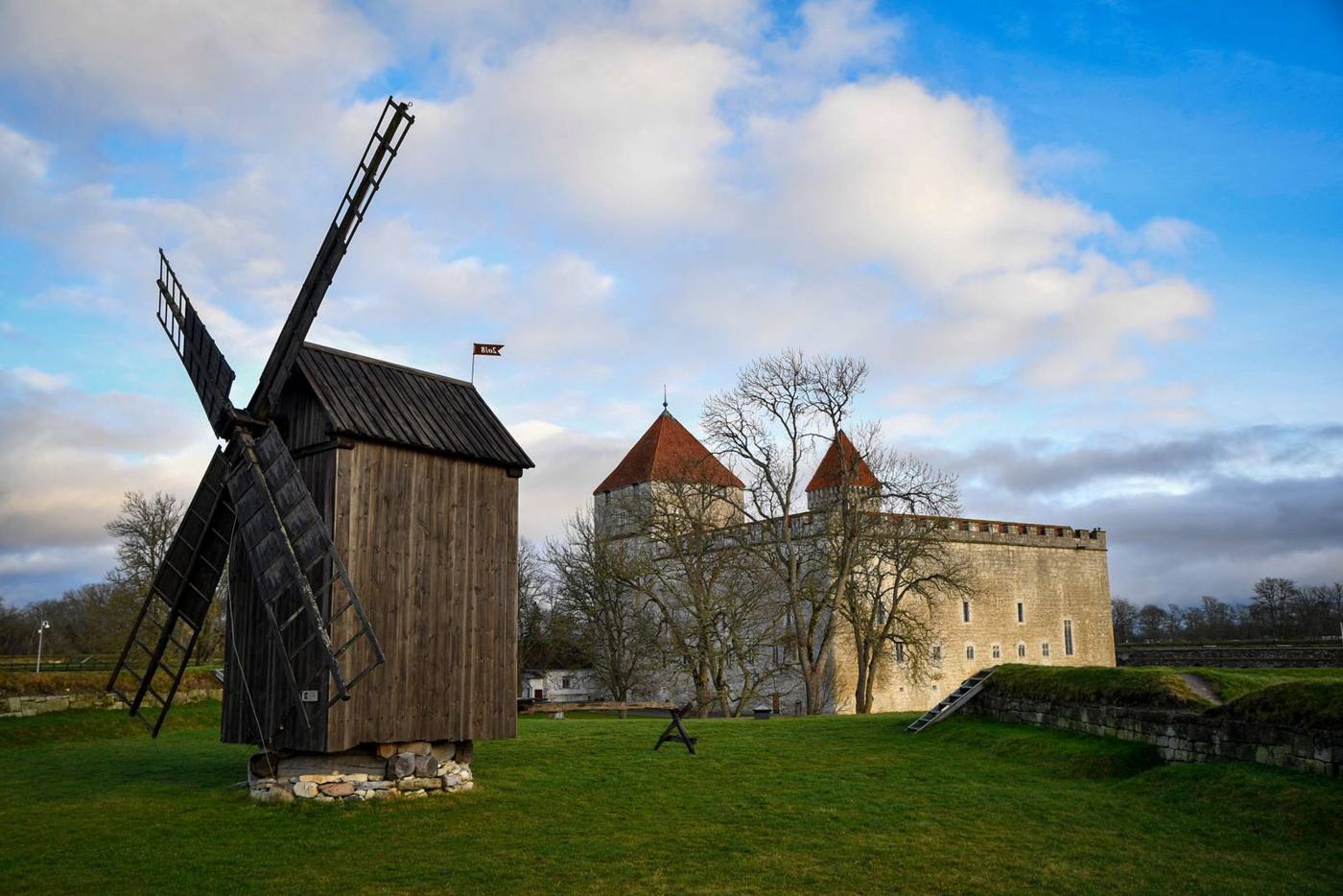
The islands of Saaremaa and Hiiumaa
Windmills, the episcopal castle of Kuressaare, the Kaali meteorite crater, cliffs and old lighthouses on the Baltic islands.
 5 daysEasy
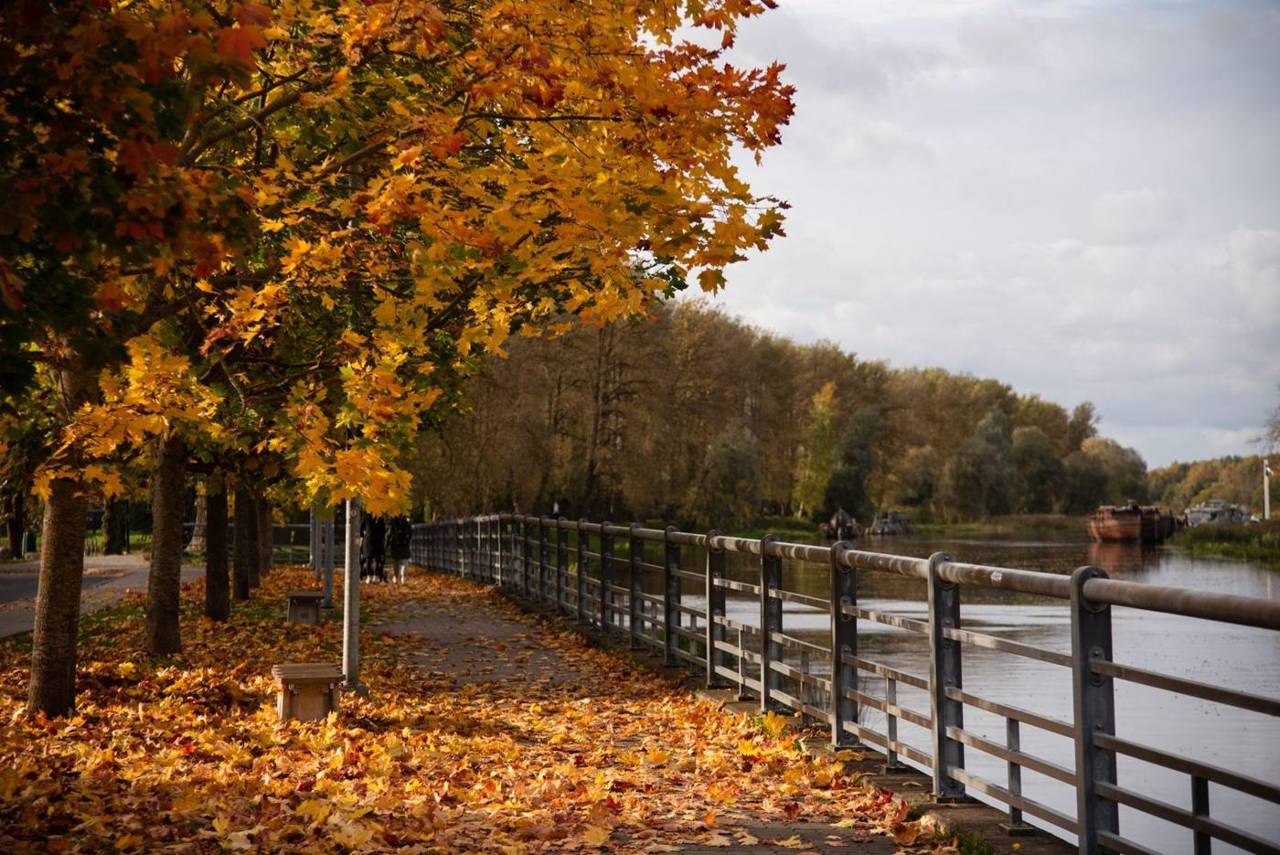
Tartu and southern Estonia
The university town of Tartu, the smoke-sauna country of Võro, the highest hill in the Baltics and the Soomaa wetlands.
 4 daysEasy
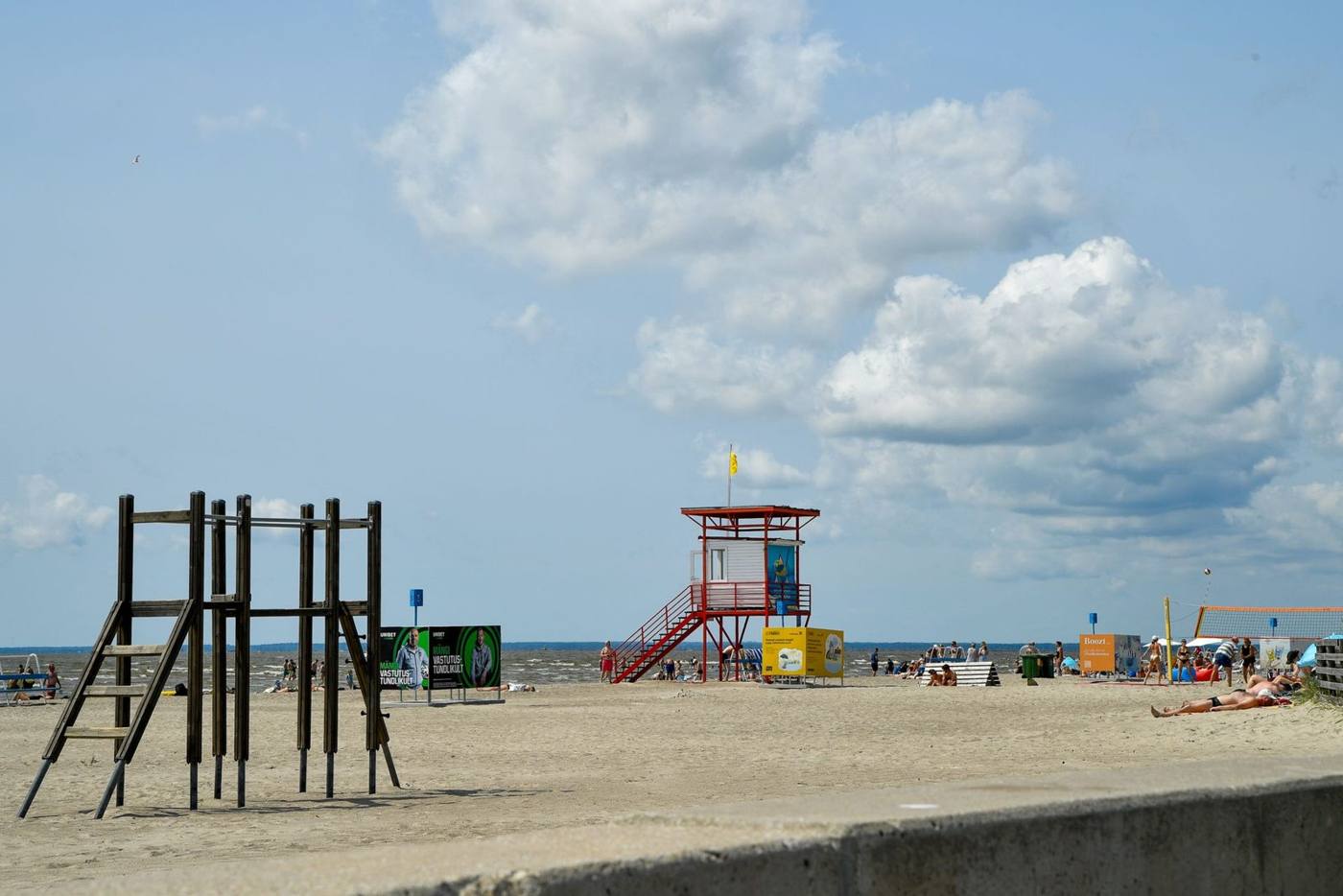
Pärnu and Kihnu island
Estonia's summer capital with its beach and spas, then Kihnu, the island where women still wear striped skirts and the culture is UNESCO heritage.