Santa Ana and Coatepeque
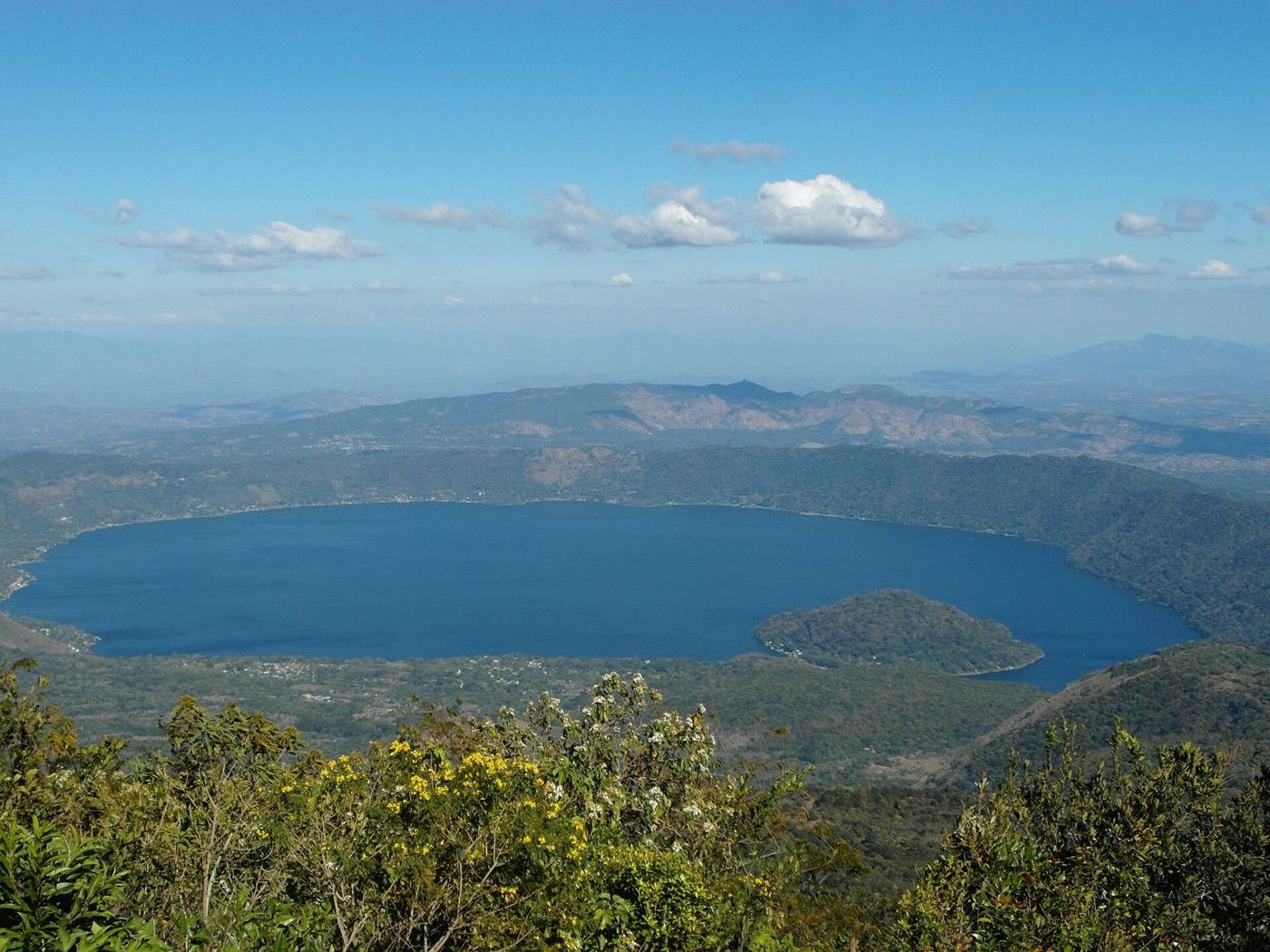
The climb up Santa Ana volcano with its green crater lake, views of Izalco and Lake Coatepeque, a crater full of blue water with lodgings on the shore.
- Santa Ana
- Cerro Verde
- Volcán de Santa Ana
- Lake Coatepeque
Day by day
- Day 1
The city of Santa Ana
This three-day trip takes you to western El Salvador: the city of Santa Ana, the climb up the Santa Ana volcano, the highest in the country, with the green lagoon in its crater, and Lake Coatepeque, a large crater filled with blue water where you sleep on the shore.
Before you go: Italian citizens enter El Salvador with a passport valid for at least six months from the date of entry; no visa is needed for tourism. Other nationalities should check their own rules. Since 2022 a state of exception against gangs has been in force, renewed every month: the police can stop you and ask for ID, so always carry a copy of your passport. The United States rates the country at level 1, the lowest, and advises hiking in the mountains only with certified guides. In the rainy season the environment ministry can close the volcano park: check that it is open.
Arrive in Santa Ana, the country's second city, about an hour and a half from San Salvador. Start from Parque Libertad, the main square, which is lined by the three finest buildings.
The neo-Gothic cathedral has a white façade full of spires and arches that looks like lace. Next to it is the Santa Ana Theatre, from the early twentieth century, with its classical façade and decorated auditorium: ask if you can visit. The town hall, with its colonnaded courtyard, completes the square.
In the afternoon walk the streets of the centre, with colonial houses and markets, and try tropical fruit with salt and lime.
In the evening eat pupusas or yuca frita con chicharrón, fried cassava with crispy pieces of pork.
Sleep in Santa Ana.
Practical tip: book the next day's volcano climb and ask what time the guided group leaves.
- Day 2
The climb up the Santa Ana volcano
Today you climb the Santa Ana volcano, also called Ilamatepec, one of the finest half-day walks in Central America.
Leave early for Cerro Verde National Park, in the volcano complex, about an hour from Santa Ana. The climb can only be done with an authorised guide and with park officers: groups leave at a set time in the morning. Check prices and times.
The path first goes down through the woods, then climbs among agave fields and volcanic rocks to the crater rim. You feel the height gain, and the round trip takes a few hours. At the top you look into the crater, with a steaming green lagoon at the bottom. The last eruption was in 2005. From up here you also see the perfect cone of the Izalco volcano, born in the eighteenth century and active for almost two hundred years, and blue Lake Coatepeque in its basin.
The stop on the rim is short because of the gases: follow your guide's instructions.
In the afternoon drive down to Lake Coatepeque and settle in on the shore.
Sleep by Lake Coatepeque.
Practical tip: bring walking boots, two litres of water, a windproof jacket and sun cream; anyone with breathing problems should not make the climb.
- Day 3
Lake Coatepeque and the return
Today you enjoy Lake Coatepeque, a large volcanic caldera filled with water, with forested walls and an island in the middle.
In the morning swim in the warm water from a jetty or hire a kayak to see the lake from the water. You can also take a boat trip to the island and to the spots where the water is warmer because of volcanic springs. The colour changes with the light and the seasons: sometimes it turns turquoise because of algae, a natural event that lasts a few weeks.
For lunch eat fish from the lake or prawns, looking out over the water.
In the afternoon go up to the viewpoints on the road along the caldera rim, from which the lake looks like a great blue eye, then drive back to San Salvador, about an hour and a half away, before dark.
In these three days you have seen the volcanic heart of El Salvador: the neo-Gothic cathedral of Santa Ana, the steaming lagoon in the volcano's crater, the cone of Izalco and the blue of Lake Coatepeque.
When to go: from November to April, in the dry season, the sky is clearer and the trails are dry. From May to October it often rains in the afternoon and the crater can be covered in cloud; after heavy rain the park may close.
Practical tip: at weekends the lake is very busy, so if you want peace and quiet, go on a weekday.
One of Central America's finest half-day hikes. Departures at 11 with a park guide and police. The lake sometimes changes colour due to algae.
Before you go
- Documents and visa
- Passport with at least six months' validity on entry; no visa is needed for tourism. El Salvador is part of the CA-4 agreement with Guatemala, Honduras and Nicaragua: days of stay are counted together across the four countries. Before travelling, check on official websites whether a fee or tourist card applies to your nationality.
- Health and vaccines
- There is a risk of dengue, chikungunya and Zika: protect yourself from mosquitoes during the day too. Do not drink tap water and avoid ice. Private healthcare is good but very expensive: you need insurance covering medical costs and repatriation. Emergencies: 911.
- Money and payments
- US dollar. Bitcoin is accepted in some places, but almost everyone pays in dollars. Carry cash in small notes for villages and markets; cards work in cities and tourist areas.
- Power sockets
- Types A and B, 120 volts: you need an adapter for American plugs, and check that your devices accept this voltage.
- Time zone
- UTC-6 all year.
- Safety
- Since March 2022 a state of exception against gangs has been in force, renewed every month: the police have wider powers, can ask for ID and may detain anyone they suspect of gang membership, and some foreigners have been detained. Always carry a copy of your passport photo page. The United States rates El Salvador at level 1, the lowest; crime has fallen sharply in tourist areas, but avoid travelling between cities at night, public buses and outlying districts. Climb volcanoes and walk in remote areas only by day and with authorised guides. There is zero tolerance for drugs and for drink driving. Official advice: GOV.UK.
Information checked in November 2026 for Italian and EU citizens. Rules change: always check before you travel.
Variations
Shorter: two days with the Santa Ana volcano and one night by Lake Coatepeque.
Longer: add three days on the Ruta de las Flores, with Juayúa, Apaneca and Ataco.
Frequently asked questions
Do you need a guide for the Santa Ana volcano?
Yes. The climb from Cerro Verde is only done with an authorised guide and park officers, in groups that leave at a set time in the morning. Check prices and times before you go.
Is the climb difficult?
It is of medium difficulty: a few hours there and back, with a steep, rocky stretch near the top. Reasonable fitness and suitable shoes are enough.
Can you swim in Lake Coatepeque?
Yes, the water is warm and Salvadorans often swim there. Avoid swimming if the water is cloudy with algae. Swim from the jetties or beaches and watch out for boats.
Indicative itinerary written by World Atlas. Before booking, check timetables, seasonal openings, documents and safety.
 2 daysEasy
The Maya sites
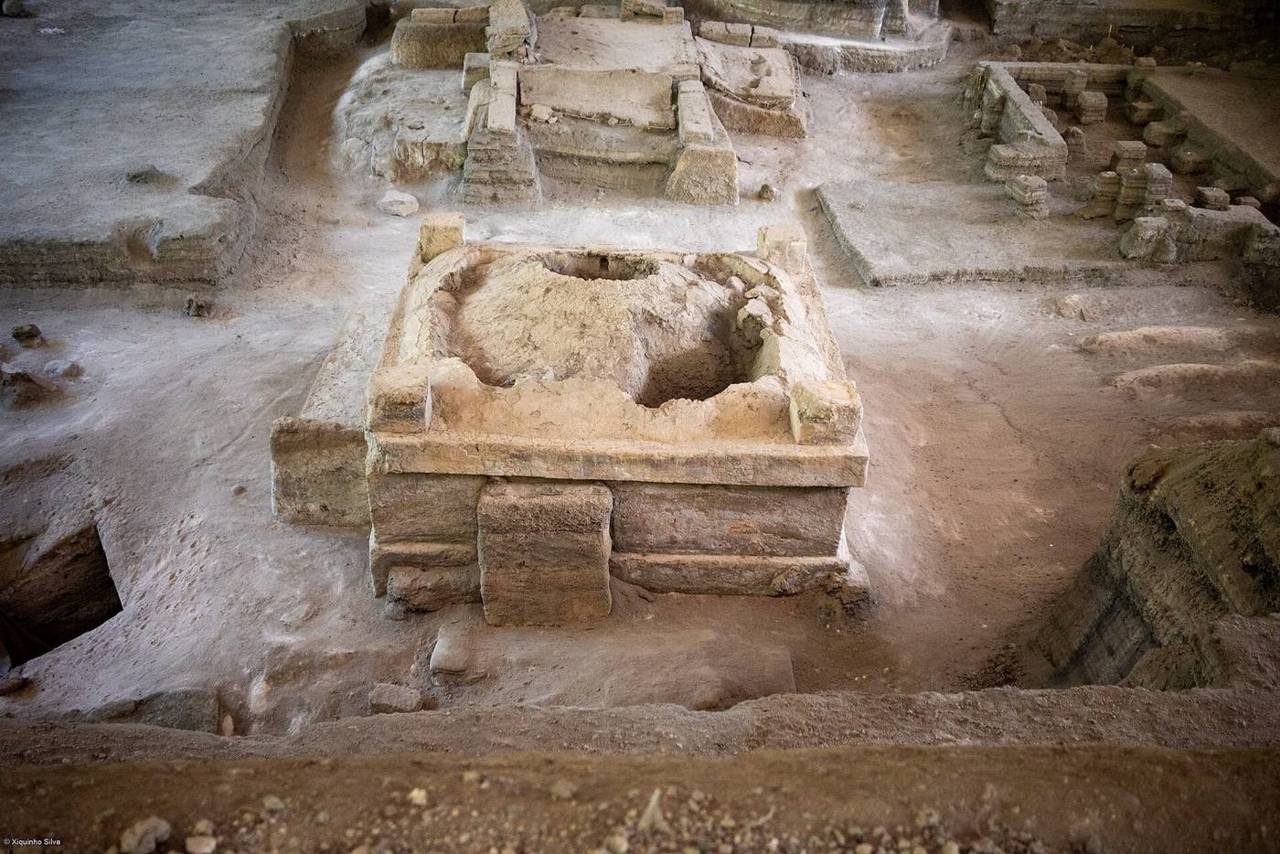
Joya de Cerén, the Pompeii of the Americas with the houses of a Maya village buried by ash, and the pyramids of San Andrés and Tazumal.
 2 daysModerate
El Imposible
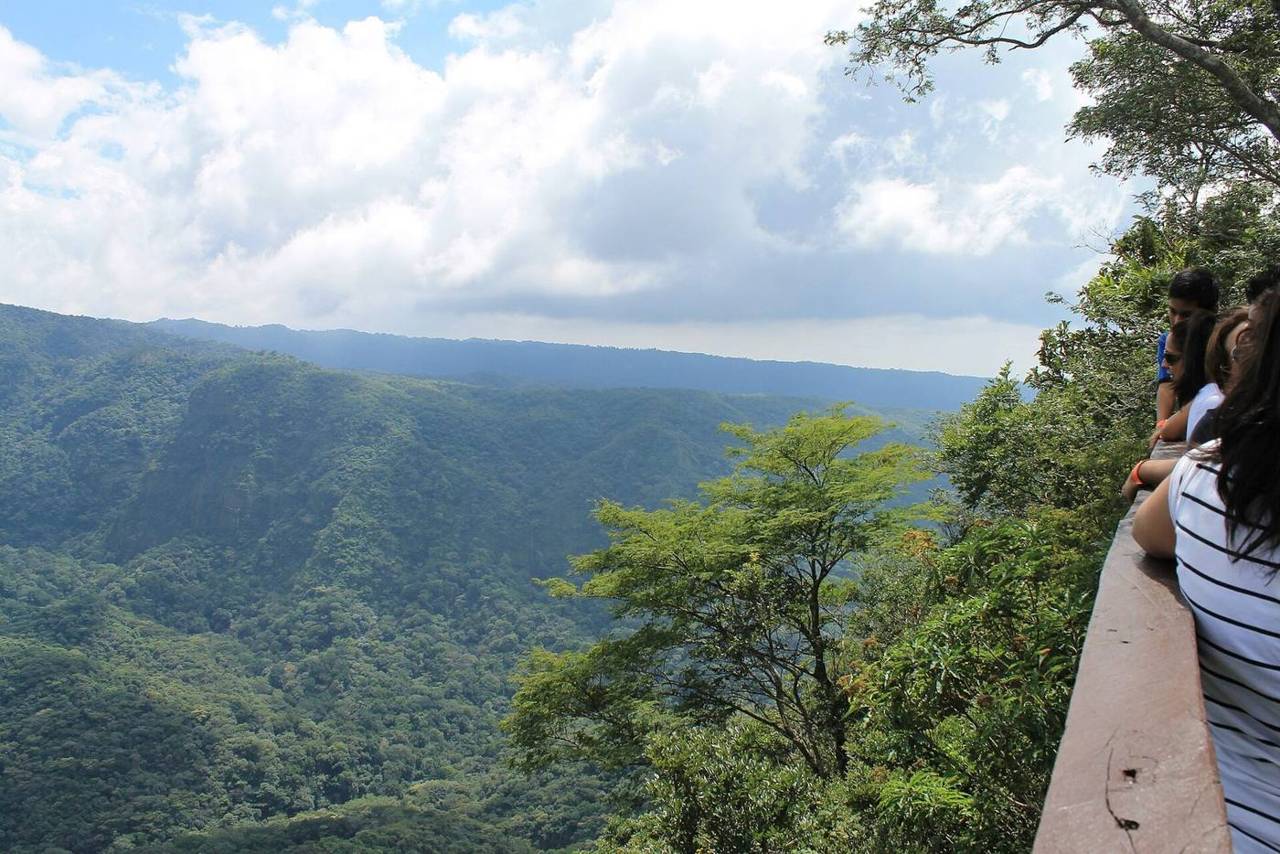
The country's largest national park, with tropical dry forest, rivers with swimming holes, waterfalls and hundreds of bird species.
 2 daysEasy
San Salvador, old town
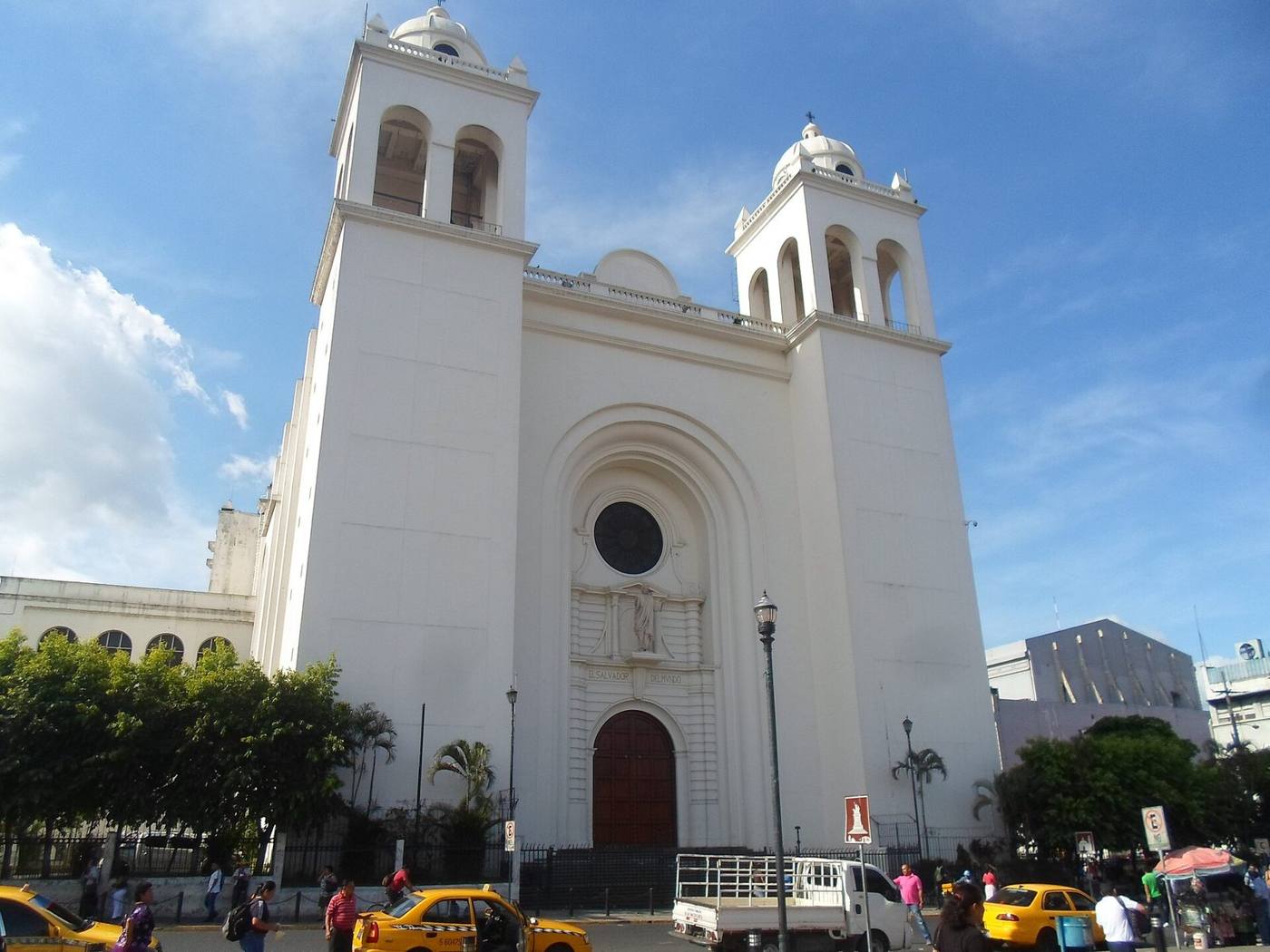
The capital's renovated centre: the cathedral with Archbishop Romero's tomb, the National Palace, the Rosario church with its stained glass, the new library and Boquerón volcano.