El Imposible
The country's largest national park, with tropical dry forest, rivers with swimming holes, waterfalls and hundreds of bird species.
- Tacuba
- El Imposible
Day by day
- Day 1
Tacuba and the river pools
This two-day trip takes you to El Imposible National Park, in the west of El Salvador, near the coast and not far from the border with Guatemala. It is the largest park in the country, with dry tropical forest, deep gorges, clear rivers and a great many birds. Your base is Tacuba, a mountain town in the department of Ahuachapán.
Before you go: Italian citizens enter El Salvador with a passport valid for at least six months from the date of entry; no visa is needed for tourism. Other nationalities should check their own rules. Since 2022 a state of exception against gangs has been in force, renewed every month: the police can stop you and ask for ID, so always carry a copy of your passport. The United States rates the country at level 1, the lowest, and recommends certified guides for hikes in the countryside. In the rainy season the environment ministry can close the parks: check that El Imposible is open and book your entry.
Arrive in Tacuba in the morning. The park takes its name from the gorge that farmers once had to cross with mules loaded with coffee, a passage considered impossible.
With a local guide, walk down towards the river. The path runs among tall trees, lianas and rocks, then reaches pools of green water carved into the stone, where you can swim and rest. The guides of Tacuba also run canyoning trips, with jumps and rope descents down the waterfalls.
In the evening return to Tacuba and eat simple dishes of maize and beans.
Sleep in Tacuba or in rustic lodging near the park.
Practical tip: bring shoes that can get wet, a swimming costume and a dry bag for your phone.
- Day 2
The bird trail and the return
Today you get up very early, because the first hours of the day are the best for seeing birds.
With your guide, enter the sector of the park closest to Tacuba, where the visitor centre is, and follow a trail through the forest. Hundreds of bird species live in the park: look for the torogoz, the national bird, with its long racket-shaped tail and turquoise feathers, as well as toucans, parrots and the large raptors that soar over the gorges. Mammals such as anteaters and small wild cats also live in the forest, but they are very hard to see.
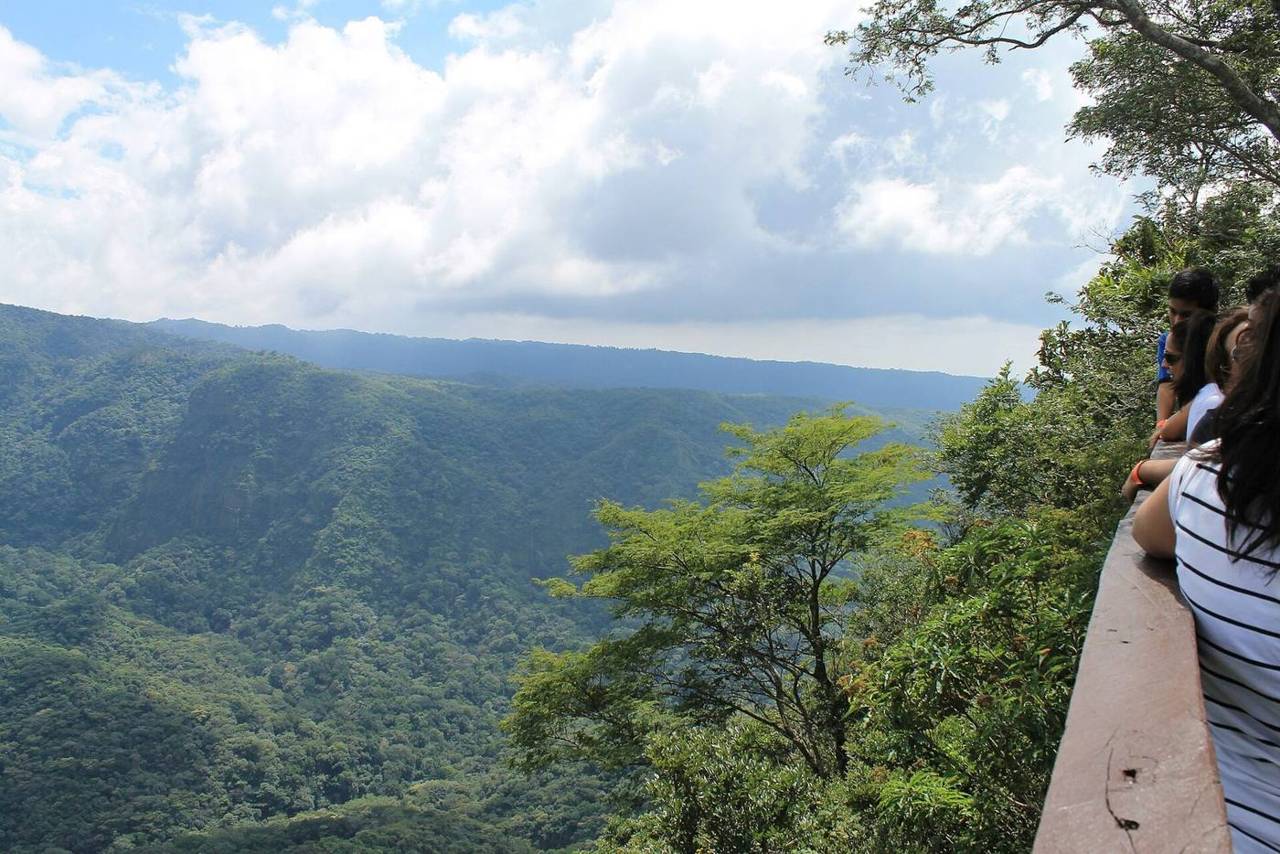
By mid-morning you reach a viewpoint looking over forested hills that slope down towards the coastal plain and, on clear days, the Pacific. Along some trails there are also rocks with ancient carvings.
In the early afternoon return to Tacuba and drive back towards San Salvador or on to the Ruta de las Flores, trying to arrive before dark.
In these two days you have seen the wildest nature in El Salvador: the river pools, the gorges of the dry forest and the birds of El Imposible, with very few other visitors.
When to go: from November to April, in the dry season, the trails are easier and the dirt roads are passable; the rivers, however, carry less water towards the end of the season. From May to October it rains often and the park may close.
Practical tip: the road from Tacuba to the park is unpaved and steep, so a 4x4 with a driver or a trip organised by your guide is the better choice.
Real nature and few visitors. Tacuba guides also offer canyoning. Dirt roads: better a 4x4 or a tour.
Before you go
- Documents and visa
- Passport with at least six months' validity on entry; no visa is needed for tourism. El Salvador is part of the CA-4 agreement with Guatemala, Honduras and Nicaragua: days of stay are counted together across the four countries. Before travelling, check on official websites whether a fee or tourist card applies to your nationality.
- Health and vaccines
- There is a risk of dengue, chikungunya and Zika: protect yourself from mosquitoes during the day too. Do not drink tap water and avoid ice. Private healthcare is good but very expensive: you need insurance covering medical costs and repatriation. Emergencies: 911.
- Money and payments
- US dollar. Bitcoin is accepted in some places, but almost everyone pays in dollars. Carry cash in small notes for villages and markets; cards work in cities and tourist areas.
- Power sockets
- Types A and B, 120 volts: you need an adapter for American plugs, and check that your devices accept this voltage.
- Time zone
- UTC-6 all year.
- Safety
- Since March 2022 a state of exception against gangs has been in force, renewed every month: the police have wider powers, can ask for ID and may detain anyone they suspect of gang membership, and some foreigners have been detained. Always carry a copy of your passport photo page. The United States rates El Salvador at level 1, the lowest; crime has fallen sharply in tourist areas, but avoid travelling between cities at night, public buses and outlying districts. Climb volcanoes and walk in remote areas only by day and with authorised guides. There is zero tolerance for drugs and for drink driving. Official advice: GOV.UK.
Information checked in November 2026 for Italian and EU citizens. Rules change: always check before you travel.
Variations
Shorter: a day of canyoning from Tacuba, starting from Juayúa or Ataco.
Longer: add three days on the nearby Ruta de las Flores, with Ataco, Apaneca and Juayúa.
Frequently asked questions
Do you need a guide in El Imposible?
Yes, it is strongly recommended: the trails are poorly marked and the guides of Tacuba know the river, the swimming spots and the birds. The authorities recommend certified guides for hikes in the countryside.
How do you get to El Imposible?
The base is Tacuba, about two and a half hours from San Salvador. From the town to the park the road is unpaved and you need a 4x4 or organised transport.
Is the park always open?
No. After heavy rain the environment ministry can close protected areas until further notice. Check before you leave and book your entry.
Indicative itinerary written by World Atlas. Before booking, check timetables, seasonal openings, documents and safety.
 2 daysEasy
San Salvador, old town
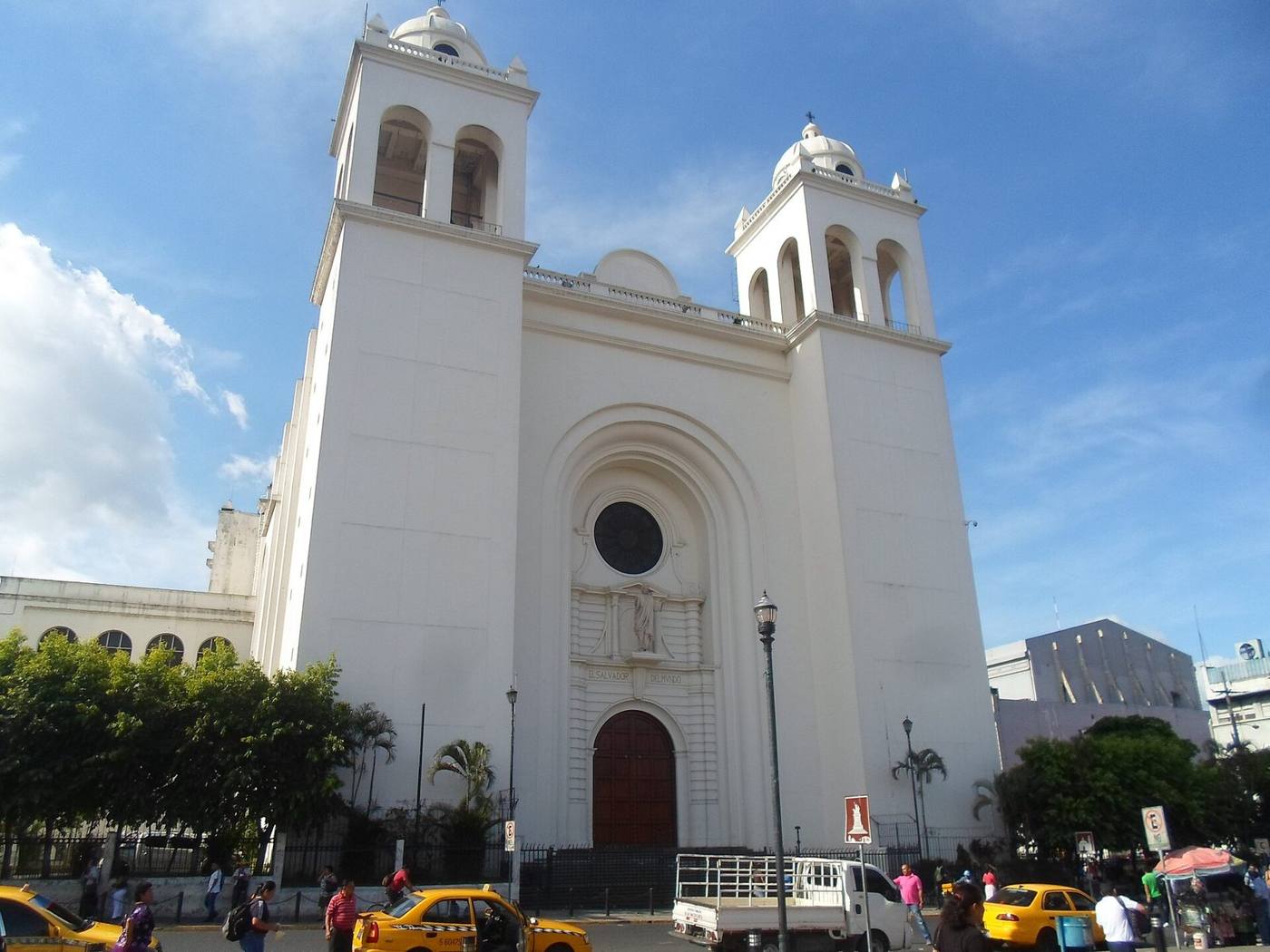
The capital's renovated centre: the cathedral with Archbishop Romero's tomb, the National Palace, the Rosario church with its stained glass, the new library and Boquerón volcano.
 2 daysModerate
Montecristo
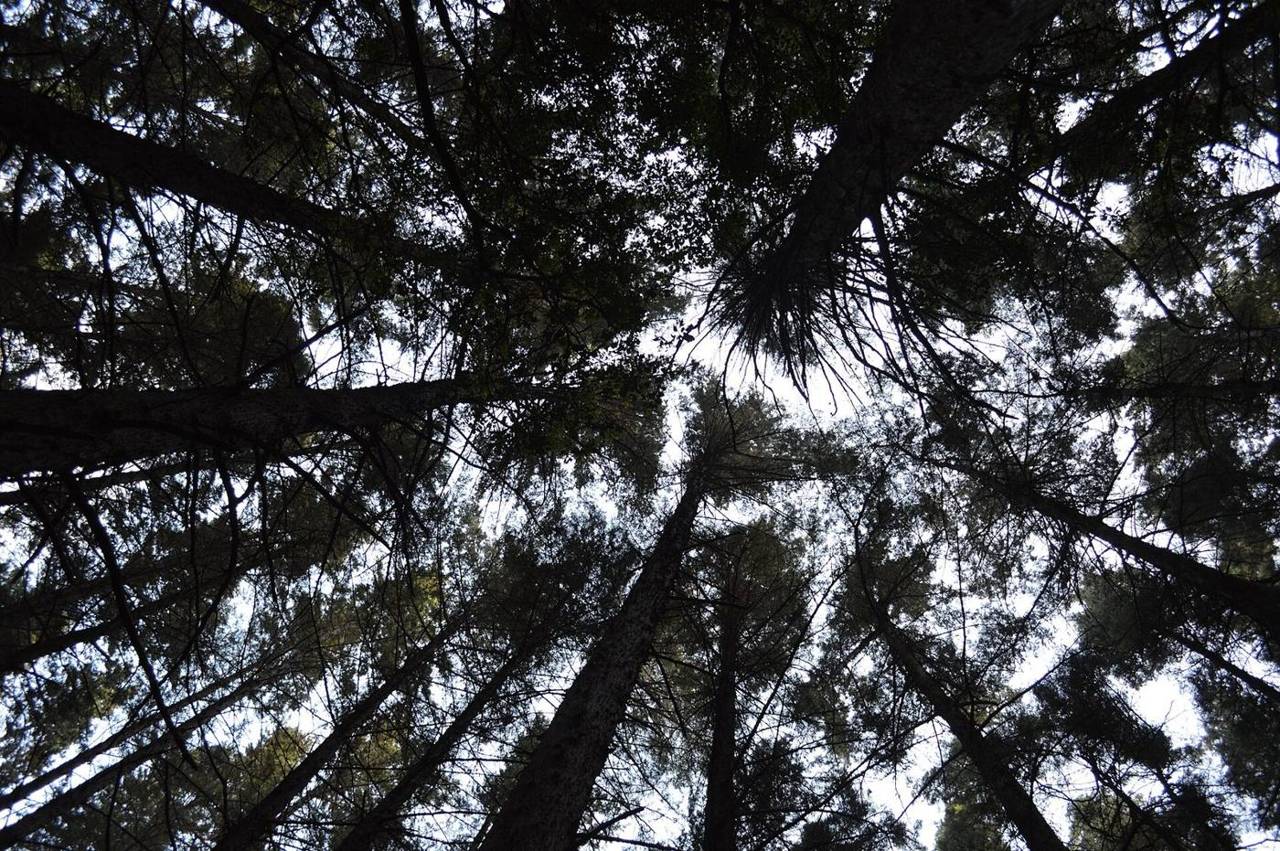
The cloud forest where El Salvador, Guatemala and Honduras meet, with moss-covered oaks, orchids and the old farm in the park.
 3 daysEasy
The Gulf of Fonseca
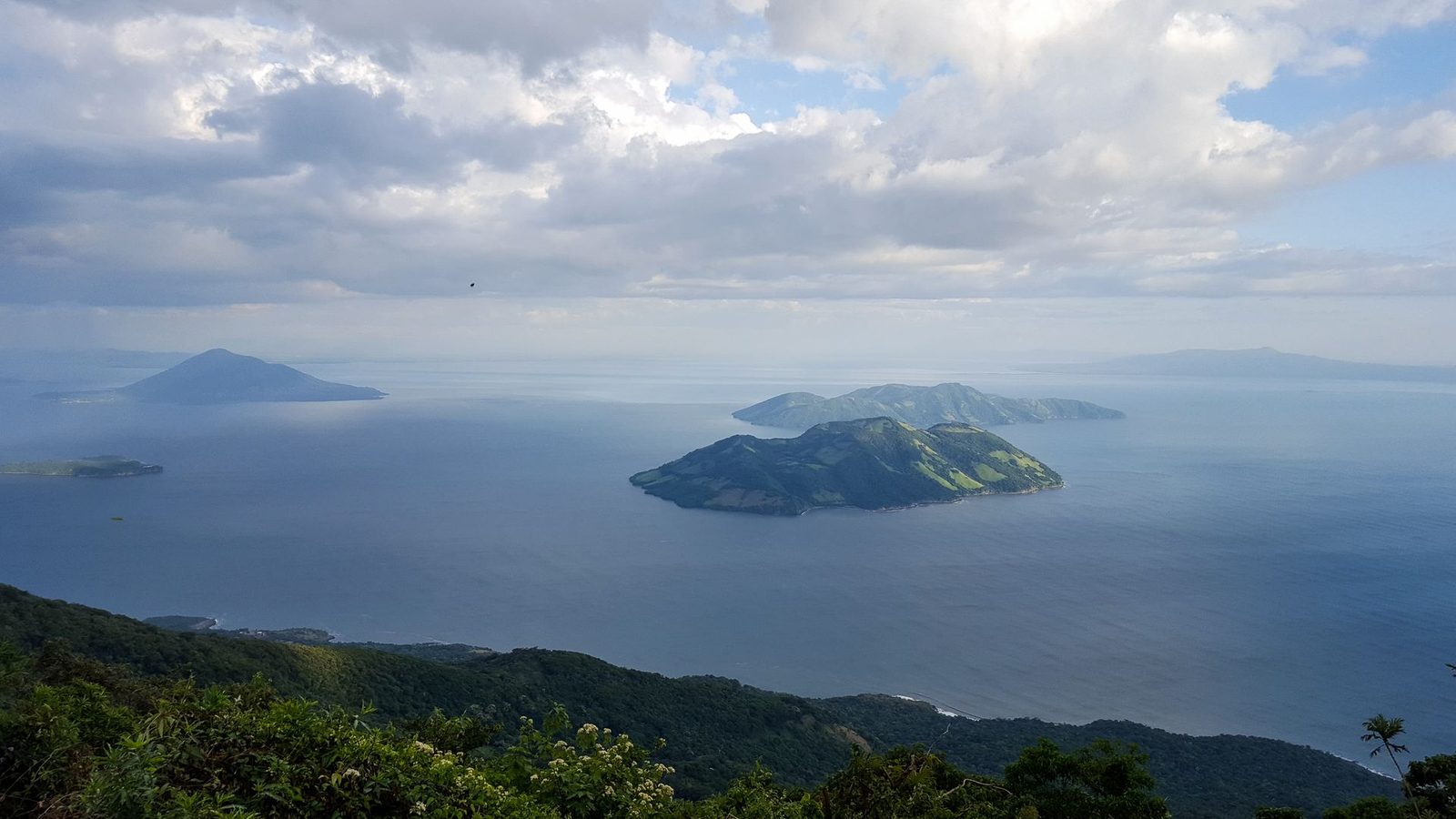
The gulf shared with Honduras and Nicaragua, with the volcanic islands of Meanguera and Conchagüita, fishing villages and Conchagua volcano above La Unión.