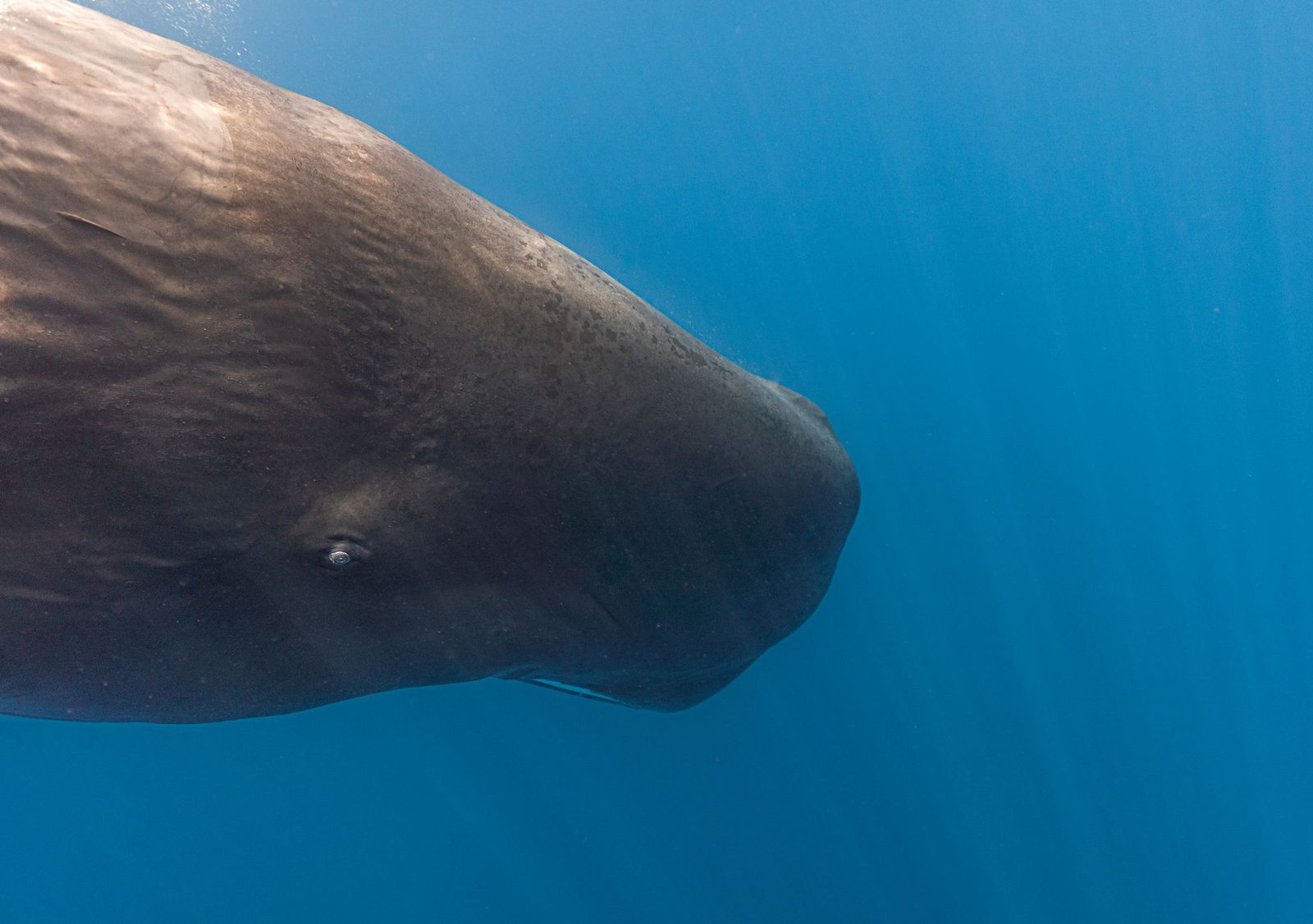
The sperm whales
The deep sea off Roseau, where families of sperm whales live year-round, protected by a marine reserve: boat trips to see them, with dolphins and sunsets on the west coast.
- Roseau
- Scotts Head
- Champagne Reef
Day by day
- Day 1
Roseau and the Botanic Gardens
This three-day trip is devoted to the deep sea off the west coast of Dominica, where families of sperm whales live all year round. You visit Roseau, go out by boat in the sperm whale reserve and finish with snorkelling at Champagne Reef and Scotts Head.
Before you go: Italian citizens can enter Dominica without a visa for short tourist stays, with a passport valid for at least six months from arrival; a return ticket may be requested. Other nationalities should check their own rules. The United Kingdom describes crime as low, advises avoiding isolated beaches after dark and reminds you that currents can be stronger than they look. The hurricane season usually runs from June to November.
You arrive in Roseau, the small capital on the Caribbean Sea, at the foot of very green hills. Walk around the centre, among wooden and stone houses with iron balconies, the seafront and the market, with the island's fruit, spices and cocoa.
In the afternoon visit the Botanic Gardens, created in the late nineteenth century, with huge trees, palms and lawns. In one corner there is still the bus crushed by a baobab during Hurricane David in 1979, a reminder of the strength of the storms. Check prices and times.
At sunset look at the sea from the waterfront: the water in front of you drops to great depths within a few kilometres, and that is why the sperm whales live so close to the coast.
Sleep in Roseau or along the south-west coast, for three nights.
Practical tip: book the sperm whale trip for the second day, so if the sea is rough you can move it to the third.
- Day 2
By boat in the sperm whale reserve
Today you go out to sea to look for sperm whales.
In the morning set off by boat from the west coast. Since 2025 a law passed by Parliament has established the sperm whale reserve off the west coast, with a reserve office, a chief officer and rangers who monitor the activities. The law prohibits vessel strikes, pollution and harassment of the animals, with strict penalties, and bans swimming with sperm whales outside the rules. So choose only trips authorised by the reserve and always follow the instructions of the crew and the rangers.
On the boat the search can be long: the crew often lowers a hydrophone, an underwater microphone, into the water to listen to the clicks that sperm whales use to find their way and communicate. When you find them, you will see the slanted blow, the dark back and, as they dive, the great tail rising. Sightings are frequent, but never guaranteed. You often meet dolphins too.
Swimming with sperm whales is allowed only with a special permit, in small groups and under strict rules: if your trip does not have that permit, you watch only from the boat.
In the afternoon rest and, at sunset, watch the sun go down into the Caribbean Sea.
Sleep on the west coast.
Practical tip: take something for seasickness before you board, bring a hat and sun cream and do not fly drones without authorisation.
- Day 3
Champagne Reef and Scotts Head
Today you swim above volcanic bubbles and climb a headland between two seas.
In the morning go to Champagne Reef, on the south-west coast, near Pointe Michel. Here volcanic gas comes out of the sandy seabed and rises in millions of bubbles, as in a glass of sparkling wine. With mask and snorkel you swim among the bubbles, corals, sponges and colourful fish, a few metres from the shore. The site is part of the Soufrière Scotts Head Marine Reserve: check prices and times.
Then continue to Scotts Head, the fishing village at the southern tip of the island. A narrow strip of land joins the village to the headland, with the Caribbean Sea on one side and the Atlantic Ocean on the other. Walk up to the top in a few minutes, among the remains of an old fort, and look at the large bay of Soufrière, formed by an ancient volcano.
In the afternoon have a last swim in the bay, if the sea is calm.
In short: in three days you have seen Roseau, looked for sperm whales in the first reserve in the world devoted to them and swum among volcanic bubbles.
When to go: the sperm whales live here all year round, but the best period is November to April, with calmer seas and more sightings. From June to November it is hurricane season.
Practical tip: do not touch the coral or stand on the seabed, and use a reef-friendly sun cream.
Sightings are frequent but never guaranteed. Since 2025 a law has created the sperm whale reserve, with permits, rangers and rules on boats and distances: choose only licensed operators. Swimming with sperm whales is allowed only with a few operators holding a special permit, in small groups and under strict rules.
Before you go
- Documents and visa
- Passport valid for at least six months from arrival. No visa is needed for short tourist stays for Italian and EU citizens; border officers may ask for a return or onward ticket.
- Health and vaccines
- No compulsory vaccinations, except a yellow fever certificate if you arrive from a country at risk. Protect yourself from mosquitoes, which can carry dengue. You need insurance covering medical costs and repatriation. Emergencies: 999.
- Money and payments
- Eastern Caribbean dollar. US dollars are often accepted; cards work in towns and larger accommodation, cash is needed in the villages.
- Power sockets
- Type D and G, 230 volts: you need an adapter.
- Time zone
- UTC-4 all year.
- Safety
- The United Kingdom describes crime as low, but advises against walking alone away from main roads after dark and against driving at night on the road from Douglas-Charles Airport, which is prone to landslides. The hurricane season usually runs from June to November. Before the Boiling Lake, ask guides whether the trail is safe. Official advice: GOV.UK.
Information checked in November 2026 for Italian and EU citizens. Rules change: always check before you travel.
Variations
Shorter: two days, with Roseau and the sperm whale boat trip.
Longer: add two days inland, with Trafalgar Falls and Titou Gorge.
Frequently asked questions
Can you see sperm whales all year round?
Yes, families of sperm whales live in Dominica all year round, but sightings are never guaranteed. From November to April the sea is usually calmer.
Can you swim with sperm whales?
Only on trips that hold a special permit, in small groups and under strict rules. The reserve law bans swimming with sperm whales outside the rules.
How do I choose the boat trip?
Choose only trips authorised by the sperm whale reserve, ask for a life jacket and follow the instructions of the crew and the rangers.
Indicative itinerary written by World Atlas. Before booking, check timetables, seasonal openings, documents and safety.
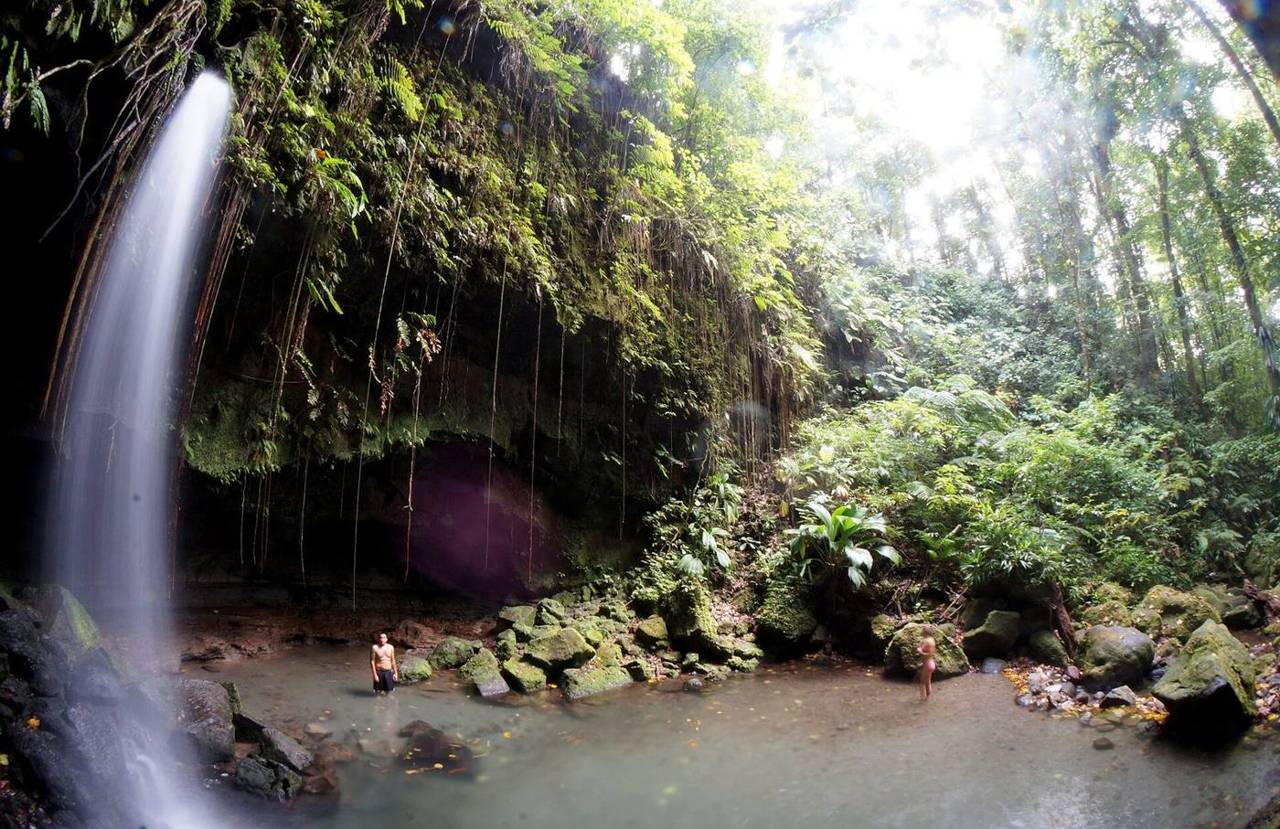 2 daysEasy
The Kalinago Territory
The wild east coast, home of the Kalinago, the last descendants of the Caribbean's first peoples: the Barana Autê village museum, basket weavers, the Emerald Pool and the Atlantic cliffs.
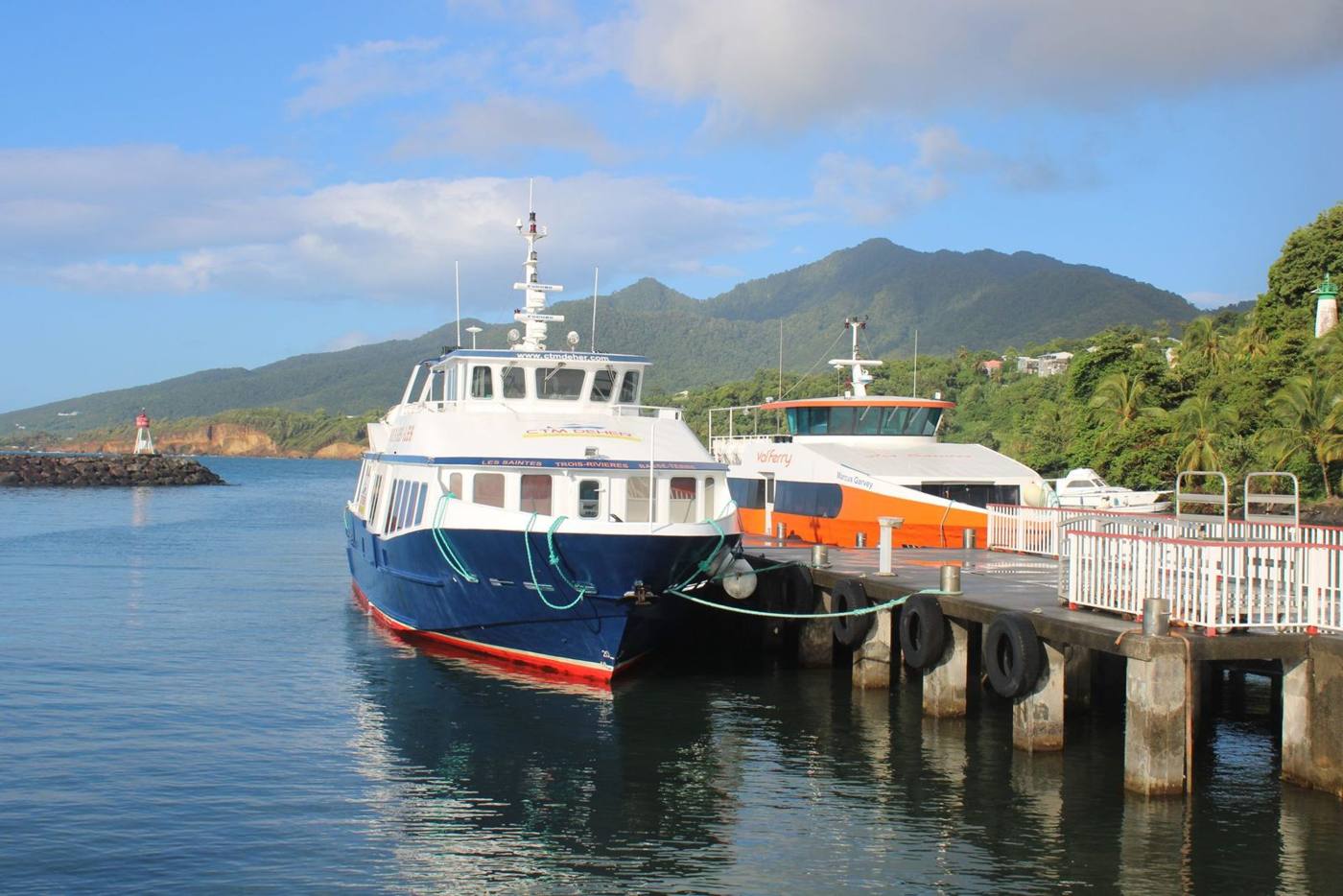 7 daysModerate
The nature island
The Boiling Lake in the UNESCO Morne Trois Pitons park, Trafalgar Falls, Titou Gorge, Champagne Reef with its volcanic bubbles and the Kalinago Territory.
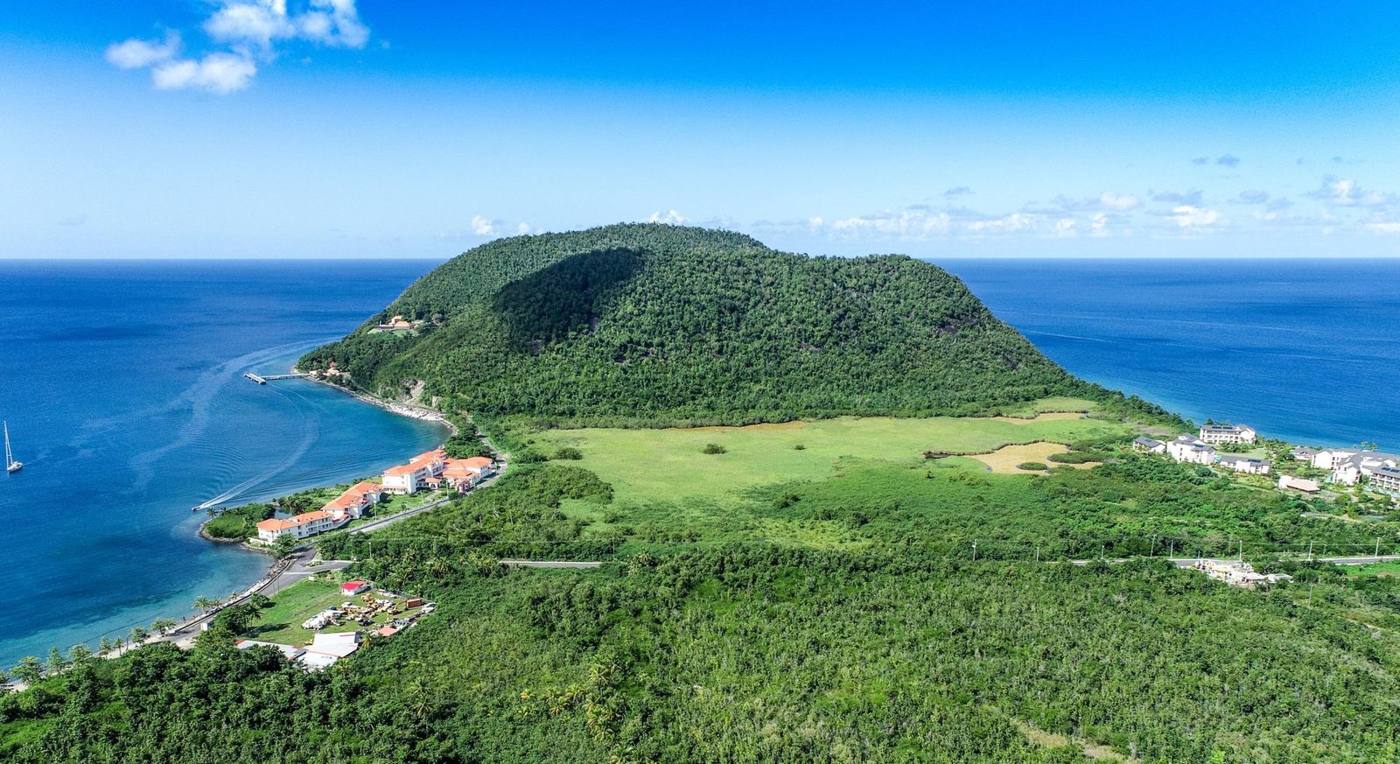 8 daysChallenging
The Waitukubuli Trail
The Caribbean's first long-distance trail, from Scotts Head to Cabrits, through rainforest, villages and coast, in selected stages.