Copenhagen and Zealand
Nyhavn, Christiania and Tivoli Gardens, then Hamlet's castle at Helsingør, the Louisiana museum and the Viking ships of Roskilde.
- Copenhagen
- Humlebæk
- Helsingør
- Hillerød
- Roskilde
Day by day
- Day 1
Copenhagen by bike: Nyhavn, Amalienborg and the Little Mermaid
This trip takes you to Copenhagen and North Zealand: two days by bike in the capital, then the Louisiana museum by the sea, Kronborg Castle in Helsingør, Frederiksborg Castle and the Viking ships of Roskilde, all by regional train.
Before you go: Italian citizens can enter Denmark with an electronic identity card or a passport. Denmark is in the EU and the Schengen area; until 17 May 2027 it is running checks on its border with Germany, so keep your document with you. Other nationalities should check their own rules. The currency is the Danish krone, and cards are used almost everywhere. The country is very safe; at stations and on crowded transport watch out for pickpockets.
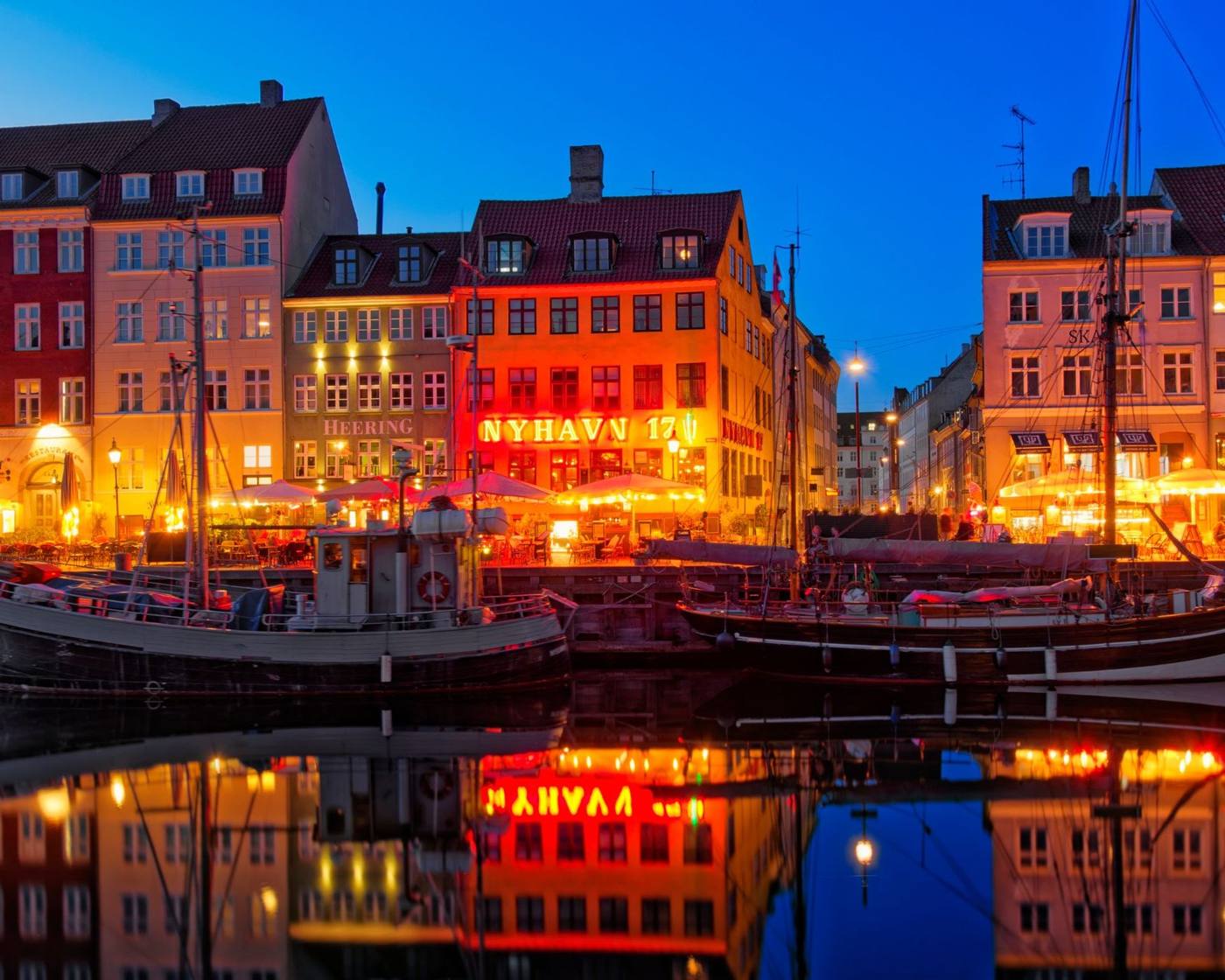
Hire a bike and start at Nyhavn, the old harbour canal with its coloured houses and wooden boats. Andersen lived in some of these houses. Then ride to Amalienborg, the royal residence: four eighteenth century palaces around an octagonal square. At noon, when the royal family is in residence, the guard changes.
Continue along the harbour to the Little Mermaid, the small bronze statue from 1913 inspired by Andersen's fairy tale. It is smaller than you expect and always surrounded by people. Close by is the Kastellet citadel, a star-shaped fortress with grassy ramparts and a windmill.
In the evening walk along Strøget, the long pedestrian street in the centre.
Practical tip: on a bike raise your hand before stopping or turning and always keep to the right; Copenhagen cyclists are fast and expect clear signals.
- Day 2
Christiania, the Round Tower and Tivoli in the evening
On the second day you cross the harbour to Christianshavn, the canal district, and in the evening you enjoy the Tivoli Gardens.
Start by climbing the spiral spire of the Church of Our Saviour in Christianshavn, if the weather is good: the outside staircase winds around the tip and the view over the city is wide. Check prices and times, because it closes in strong wind.
Then walk into Christiania, the self-governing community founded in 1971 in an old barracks. There are handmade houses, workshops, murals, gardens and a lake. Respect the residents' rules: no photos of people without asking and no running. In 2024 the residents closed and dismantled the street where drugs were sold, but it is still a place to visit with discretion.
In the afternoon go back to the centre and climb the Round Tower, built in the seventeenth century by King Christian IV as an observatory. Instead of stairs there is a long spiral ramp up to the top, above the roofs of the old town. Check prices and times.
In the evening go to Tivoli, the pleasure gardens opened in 1843, among the oldest in the world. There are historic rides, ponds, pavilions and thousands of lights. It opens in set seasons, mainly summer, Halloween and Christmas: check prices and times.
Practical tip: the Copenhagen Card includes transport and many entries, but it only pays off if you visit several museums in two days; do the sums before buying it.
- Day 3
The Louisiana museum and Kronborg Castle
Today you take the regional train north along the coast of the Øresund, the strait between Denmark and Sweden.
Get off at Humlebæk, about three quarters of an hour from Copenhagen, and walk ten minutes to the Louisiana museum. It is one of the best loved modern art museums in Europe, opened in 1958 in a villa with low wings of glass and wood. The galleries look out on a sculpture park that runs down to the sea. See the twentieth century works and the temporary exhibitions, then sit on the lawn by the water, with Sweden opposite. Check prices and times.
In the afternoon take the train again to Helsingør, a few minutes further north. Here stands Kronborg Castle, on a point that controls the narrowest part of the Øresund. For centuries Danish kings collected a toll here from passing ships. Shakespeare set Hamlet in this castle, and in summer scenes from the play are often performed in the courtyard. Visit the royal rooms, the great ballroom and the underground casemates, where the statue of Holger the Dane sleeps, the hero who, legend says, will wake if Denmark is in danger. The castle is a UNESCO World Heritage Site. Check prices and times.
Before heading back, walk through the centre of Helsingør, with half-timbered houses and narrow streets.
Practical tip: visit Louisiana in the morning and Kronborg in the afternoon, so you return to Copenhagen from Helsingør without retracing your steps; trains run often.
- Day 4
Frederiksborg in Hillerød and the Viking ships of Roskilde
On the fourth day you visit a great Renaissance castle and then the world of the Vikings.
In the morning take the suburban train to Hillerød, about forty minutes away. Frederiksborg Castle rises on three islets in a lake, with towers, spires and red brick. It was built in the early seventeenth century by King Christian IV and today houses the Danish Museum of National History, with portraits, furniture and decorated rooms. Do not miss the chapel, where kings were crowned, with its old organ. Outside is the terraced baroque garden, with clipped hedges and pools. Check prices and times.
In the afternoon go to Roskilde, about half an hour from Copenhagen by train. Walk to the Viking Ship Museum, on the fjord. Inside you see five Viking ships sunk in the eleventh century to block the passage into the fjord and recovered in 1962. The ships have been put back together piece by piece. In the museum harbour there are seaworthy copies, and in summer you can board a boat and row. Check prices and times.
Before leaving, go into Roskilde Cathedral, a UNESCO World Heritage Site, where many kings and queens of Denmark are buried, in tombs of different styles.
Practical tip: if you want to go out in a boat at the Viking museum, arrive early, because trips fill up in summer and depend on the wind.
- Day 5
Refshaleøen or Torvehallerne market, then departure
On the last day choose between the old industrial harbour and the covered market, depending on your flight time.
Refshaleøen is an island of the former shipyard, north of the centre. The metal sheds now hold exhibition spaces, bars, workshops and a street food market open in the warmer months. You get there by bike or by harbour bus, which gives a fine view of the city from the water. Walk along the quays and look at the cranes, the old workshops and the city skyline.
If you have less time, go to Torvehallerne, the covered market near Nørreport station: two glass halls with stalls of fish, cheese, fruit, bread and pastries. Try smørrebrød, rye bread topped with herring, egg, prawns or roast beef, and a cinnamon pastry.
From the central station the train reaches the airport in about a quarter of an hour.
Trip summary: in five days you have seen Copenhagen by bike, with Nyhavn, Amalienborg, the Little Mermaid, Christiania, the Round Tower and Tivoli, then the Louisiana museum, Hamlet's castle in Helsingør, Frederiksborg and the Viking ships of Roskilde. It is an expensive capital, but an easy one.
When to go: from May to September, with long days and the city living outdoors. December is lovely for the Christmas markets and Tivoli lit up, but it gets dark early.
Practical tip: buy your train ticket to the airport on the official app before boarding; ticket checks on trains are frequent.
One of Europe's most pleasant capitals, best explored by bike. It is expensive, especially restaurants and hotels: the Copenhagen Card only pays off if you see many museums. Regional trains to Helsingør and Roskilde are frequent and fast.
Before you go
- Documents and visa
- EU citizens need a valid identity card or passport: Denmark is in the EU and the Schengen area. Until 17 May 2027 Denmark is running checks on its border with Germany: always carry your document. Greenland and the Faroe Islands have their own rules. Other nationalities should check the Schengen rules.
- Health and vaccines
- No vaccines required. EU citizens should bring their EHIC; insurance with medical cover and repatriation is advised. In summer watch out for currents on North Sea beaches. Emergencies: 112.
- Money and payments
- Danish krone. Cards are accepted almost everywhere, even for small purchases; cash is rarely used. The euro is not the official currency.
- Power sockets
- Types C, F and K, 230 volts: you need an adapter for British plugs.
- Time zone
- Central European Time (UTC+1, summer UTC+2).
- Safety
- A very safe country with low crime. Watch out for pickpockets at stations and in crowded places in Copenhagen. On a bicycle use the cycle lanes and follow the signals, as bike traffic is heavy. On the Wadden Sea coast the tide comes in fast: walk on the seabed only with a guide. Official advice: GOV.UK.
Information checked in November 2026 for Italian and EU citizens. Rules change: always check before you travel.
Variations
In 3 days: Copenhagen with Nyhavn, Christiania and Tivoli, plus a trip to Louisiana and Kronborg.
In 7 days: add Odense and Funen, an hour and a half by train from Copenhagen.
Frequently asked questions
Do I need a bike in Copenhagen?
It is not essential, but it is the easiest and most Danish way to get around. The cycle lanes are wide and separated from traffic; public transport works well as an alternative.
Is Tivoli open all year?
No, it opens in seasons: mainly in summer, around Halloween and at Christmas. Check prices and times on the official website.
Can I take photos in Christiania?
Residents ask visitors not to photograph people and to move around discreetly. Always ask before taking a picture.
Indicative itinerary written by World Atlas. Before booking, check timetables, seasonal openings, documents and safety.
 7 daysEasy
Jutland and Skagen
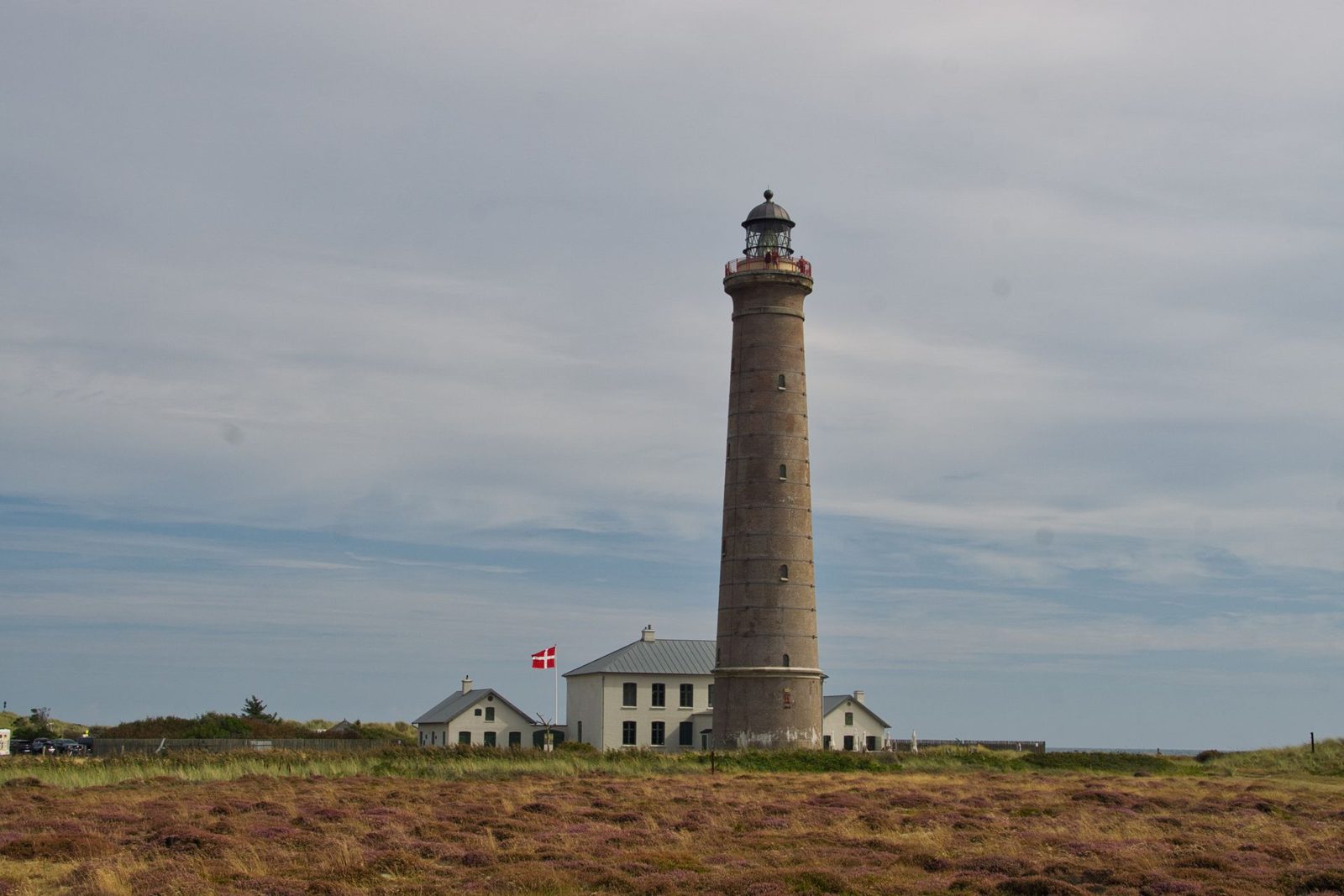
Aarhus and the ARoS museum, Legoland and LEGO House in Billund, the Jelling rune stones, Ribe and the tip of Grenen where two seas meet.
 6 daysEasy
Bornholm and the southern islands
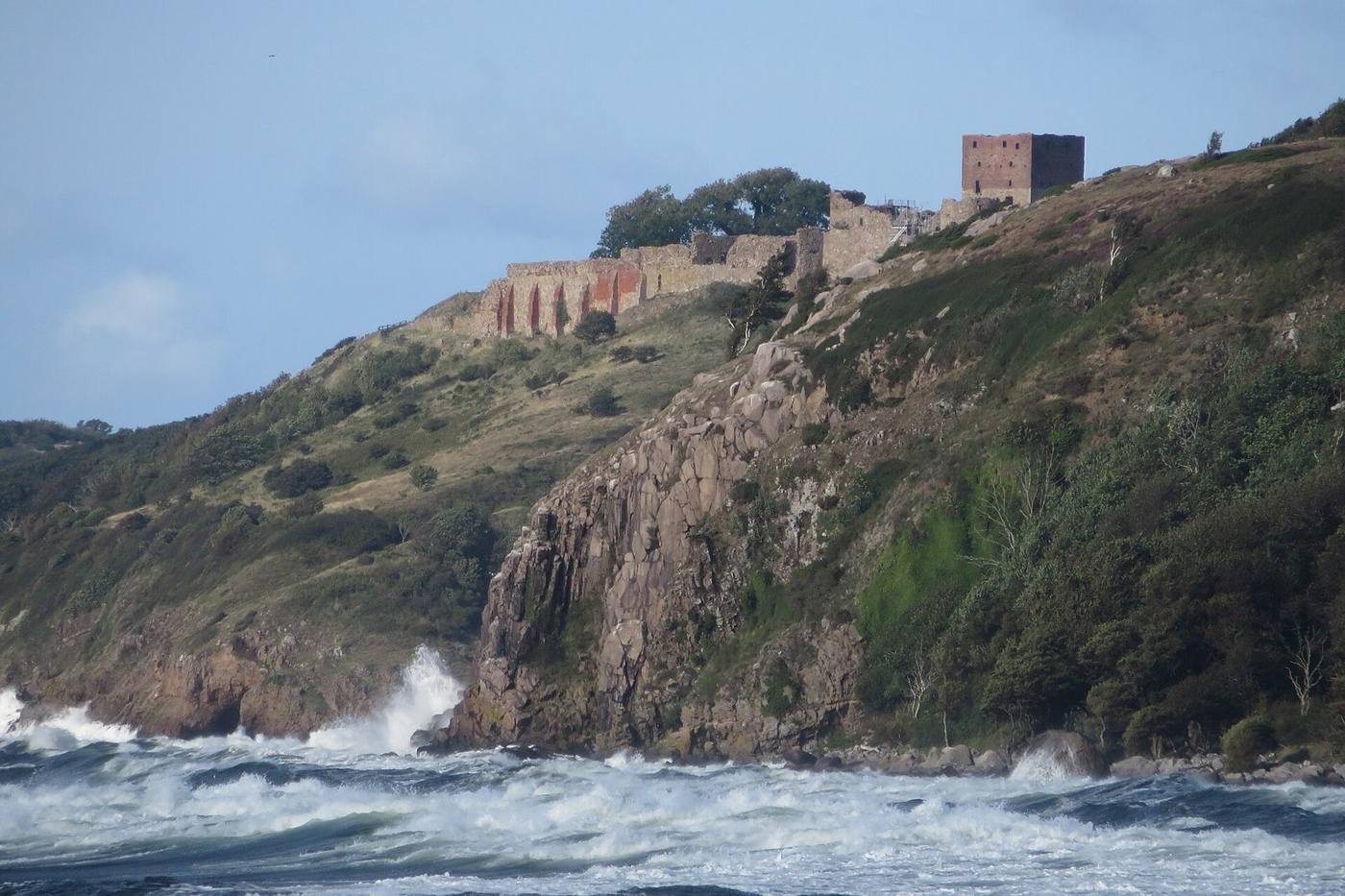
The cliffs of Møn, Bornholm's round churches and smoked herring, the ruins of Hammershus and the white beach of Dueodde.
 4 daysEasy
Odense and Funen
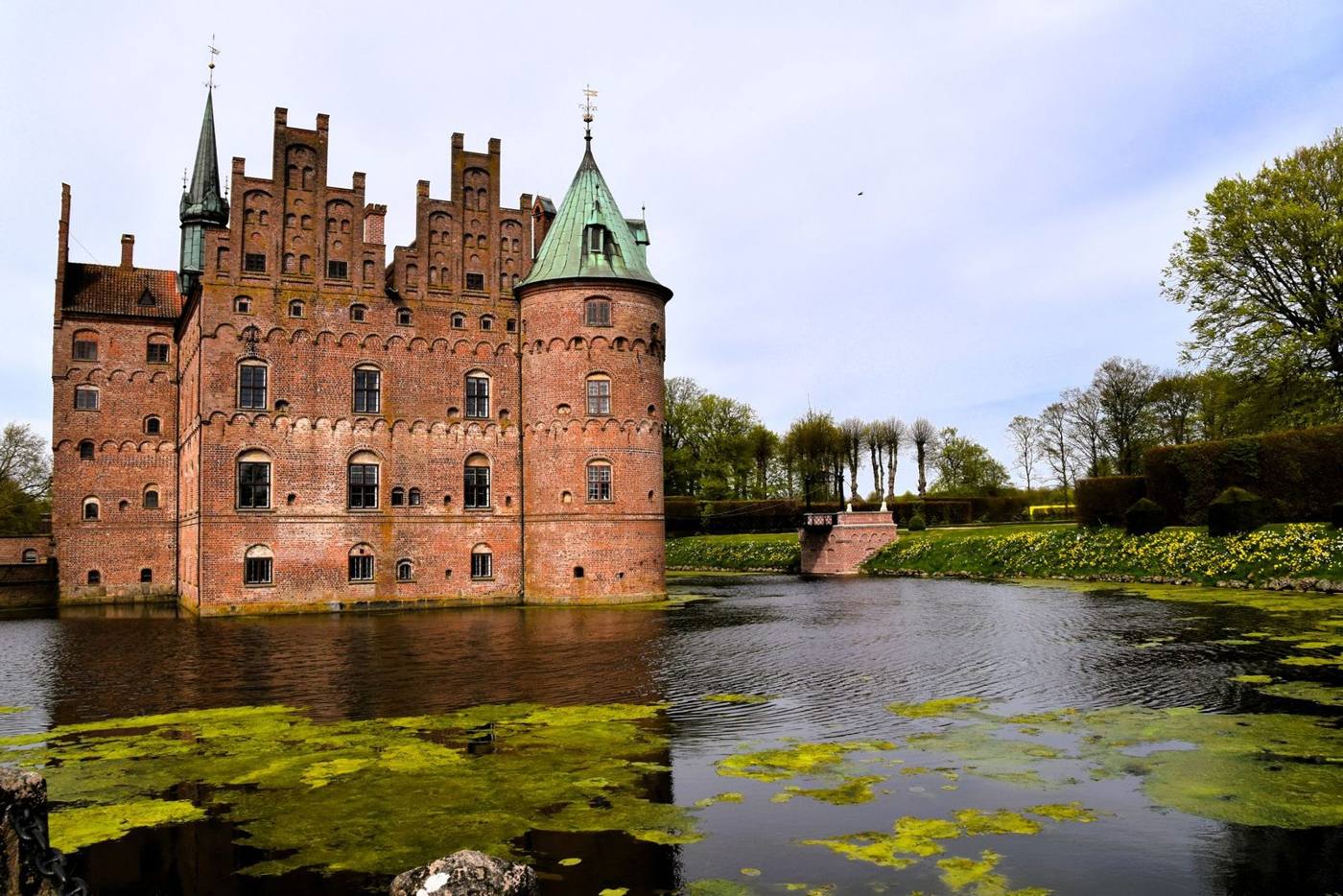
Hans Christian Andersen's city and his museum, the moated castle of Egeskov, the little town of Faaborg and the hills of south Funen.