Bornholm and the southern islands
The cliffs of Møn, Bornholm's round churches and smoked herring, the ruins of Hammershus and the white beach of Dueodde.
- Copenhagen
- Møns Klint
- Rønne
- Hammershus
- Gudhjem
- Østerlars
- Dueodde
Day by day
- Day 1
From Copenhagen to the white cliffs of Møns Klint
This trip takes you to the islands of southern and eastern Denmark: the chalk cliffs of Møns Klint, then the island of Bornholm in the Baltic, with the ruins of Hammershus, the village of Gudhjem, the round church of Østerlars, the herring smokehouses and the white beach of Dueodde.
Before you go: Italian citizens can enter Denmark with an electronic identity card or a passport. Denmark is in the EU and the Schengen area; until 17 May 2027 it is running checks on its border with Germany, so keep your document with you. Other nationalities should check their own rules. The currency is the Danish krone, and cards are used almost everywhere. The country is very safe. To reach Bornholm you pass through Sweden, where the Swedish police check travellers arriving from Denmark: carry the same document.
Leave Copenhagen by car heading south, about an hour and a half to the island of Møn, linked by bridges. The island is a UNESCO biosphere reserve, with woods, meadows and dark skies at night.
At Møns Klint the coast ends in white chalk cliffs over a hundred metres high, above a pale green sea. First visit the GeoCenter, the museum that explains how the cliffs were formed and the fossils they contain. Check prices and times. Then go down the long wooden staircase to the pebble beach, walk below the white walls and look for fossils among the stones.
Sleep on Møn or in nearby Stege, a small town with a medieval gate.
Practical tip: the staircase to the beach is long and steep; going down is easy, but allow at least half an hour to climb back up and bring water.
- Day 2
Back to Copenhagen and the fast ferry from Ystad to Bornholm
Today you reach Bornholm, a Danish island in the Baltic Sea, closer to Sweden than to Copenhagen.
Early in the morning take a walk in the woods above the cliffs of Møn, among tall beeches and viewpoints over the sea. Then drive back towards Copenhagen, about an hour and a half. If you hired the car only for Møn, return it here; on Bornholm you can get around by bike and bus, or take the car on the ferry.
From Copenhagen the most common route goes through Sweden: take the train or bus that crosses the Øresund link and reaches the port of Ystad in just over an hour. On the way you pass first through a tunnel under the sea, then over an artificial island and finally along the long bridge, with open sea on both sides. In Ystad board the fast ferry, which reaches Rønne in about an hour and twenty minutes.
Rønne is the main town on Bornholm. In the evening walk among the low coloured houses of the centre, the cobbled streets and the market square. Look at the harbour and the church by the sea.
In July Bornholm is one of the Danes' favourite destinations: ferries and accommodation must be booked well in advance.
Practical tip: look for the combined train and ferry ticket from Copenhagen to Rønne, which coordinates the timetables of the two legs. Check prices and times.
- Day 3
The ruins of Hammershus and the northern cliffs
On the third day you explore the northern tip of Bornholm, the rockiest part of the island.
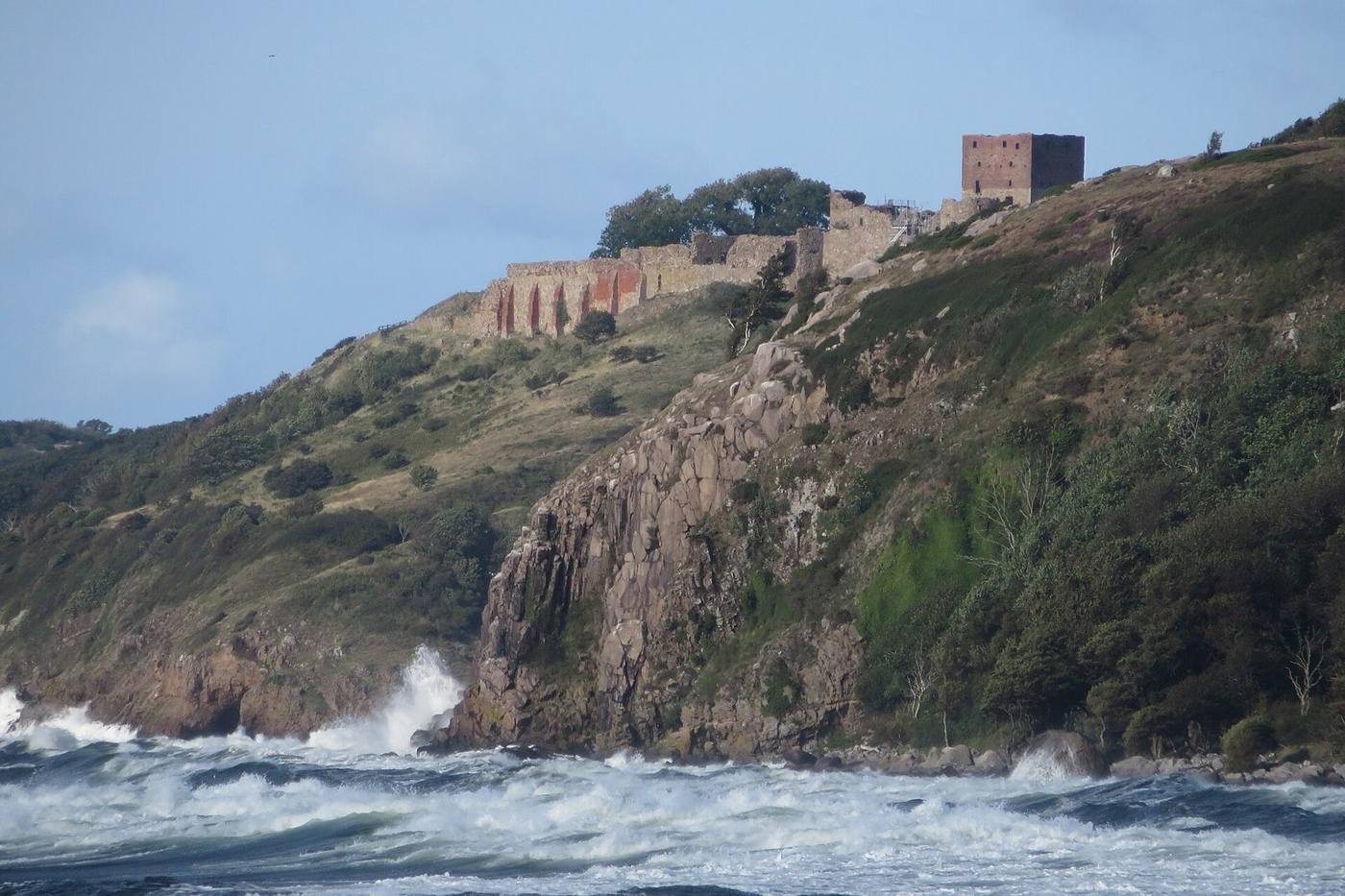
Start with the ruins of Hammershus, on a granite crag above the sea. It is the largest medieval castle ruin in Northern Europe: the walls, towers and great central keep were built from the thirteenth century onwards and controlled the island for centuries. The visitor centre, modern and set into the hillside, tells the story of the castle. Walk among the remains and look at the sea through the stone windows.
Then follow the coastal path north to the Hammeren peninsula, a granite plateau with heath, small lakes and a little lighthouse. The path runs among smooth rocks and coves where you can sit in the sun.
In the afternoon drive or cycle south along the west coast to Jons Kapel, a high cliff with a wooden staircase down to the rocks. Legend says a monk lived here and preached to the islanders from the top of the crag.
In the evening, in Rønne or a village in the north, try Baltic fish such as salmon or cod.
Practical tip: the northern coastal path has stretches of smooth rock and roots; wear shoes with a good sole, especially after rain.
- Day 4
Gudhjem, the round church of Østerlars and the smokehouses
Today you discover the north-east coast, with its fishing villages, and the interior of the island.
In the morning go to Gudhjem, a village of half-timbered houses and red roofs that drops steeply to a small harbour. Walk through the sloping lanes, then look at the tall white chimneys of the herring smokehouses by the harbour. Here the fish is smoked over alder wood. Try «sun over Gudhjem», smoked herring on rye bread with onion, radishes, chives and a raw egg yolk in the middle.
Then drive a few kilometres inland to the round church of Østerlars, the largest of Bornholm's four round churches. It was built in the Middle Ages with thick walls and small windows: it also served as a refuge and fortress against pirates. Inside look at the old frescoes around the central pillar. Check prices and times.
In the afternoon walk the coastal path south from Gudhjem to the Helligdomsklipperne cliffs, granite rocks falling into the sea, or take the boat that tours the coast, if the sea is calm. Along the path there are benches and small coves where you can stop and look at the Baltic.
Practical tip: the smokehouses work mainly in the morning; arrive early to see the smoke and buy warm fish straight from the oven.
- Day 5
Dueodde beach and a bike ride
On the fifth day you head south, to the gentlest coast on Bornholm.
Bornholm has a long, well signposted network of cycle paths, many on old railway lines. Hire a bike or use the one you brought and ride along the south coast among fields, pine woods and small harbours. The climbs are short; the wind matters more than the gradients. Along the road there are stalls selling strawberries, honey and vegetables in front of the farms.
Ride to Dueodde, at the southern tip of the island. Here the beach is wide, with dunes and fine white sand that squeaks under your feet. The water stays shallow for many metres, which suits children too. Walk along the boardwalk through the dunes to the lighthouse and climb to the top to see the coast, if it is open. Check prices and times.
In the afternoon swim or rest in the sun, then cycle to Snogebæk, a small fishing village with another smokehouse and a wooden jetty.
In the evening ride back to Rønne or take the island bus, which in summer carries bicycles on some routes.
Practical tip: there is little shade on Dueodde beach; bring water, a hat and sun cream, because the white sand reflects a lot of sunlight.
- Day 6
Ferry and return to Copenhagen
On the last day you return to Copenhagen by fast ferry to Ystad and then by train or bus across the Øresund link, about three hours in all.
If your ferry leaves in the afternoon, use the morning for a walk in Rønne: look at the old merchants' houses and the harbour, and visit the Bornholm Museum, which tells the island's story from prehistory to the Second World War, when the island was bombed and then occupied by the Soviets until 1946. Check prices and times.
Trip summary: in six days you have seen the white cliffs of Møns Klint, then Bornholm, with the ruins of Hammershus, the rocks of Hammeren and Jons Kapel, the village of Gudhjem with its smokehouses, the round church of Østerlars, Dueodde beach and the cycle paths. It is a slow Scandinavian summer of bikes, smoked fish and cliffs.
When to go: from June to September. July is the warmest month but also the busiest, with full ferries and accommodation. June and early September are quieter and the light lasts until late. In winter many services on the island close.
Practical tip: keep your document at hand on the train and at the arrival station in Sweden; checks can slow the journey, so do not book a flight too close to your arrival time in Copenhagen.
A slow Scandinavian summer of bikes, smoked fish and cliffs. Bornholm in July is in high demand with Danes: book accommodation and ferries early. The Ystad ferry means crossing the Øresund bridge, with passport or ID card.
Before you go
- Documents and visa
- EU citizens need a valid identity card or passport: Denmark is in the EU and the Schengen area. Until 17 May 2027 Denmark is running checks on its border with Germany: always carry your document. Greenland and the Faroe Islands have their own rules. Other nationalities should check the Schengen rules.
- Health and vaccines
- No vaccines required. EU citizens should bring their EHIC; insurance with medical cover and repatriation is advised. In summer watch out for currents on North Sea beaches. Emergencies: 112.
- Money and payments
- Danish krone. Cards are accepted almost everywhere, even for small purchases; cash is rarely used. The euro is not the official currency.
- Power sockets
- Types C, F and K, 230 volts: you need an adapter for British plugs.
- Time zone
- Central European Time (UTC+1, summer UTC+2).
- Safety
- A very safe country with low crime. Watch out for pickpockets at stations and in crowded places in Copenhagen. On a bicycle use the cycle lanes and follow the signals, as bike traffic is heavy. On the Wadden Sea coast the tide comes in fast: walk on the seabed only with a guide. Official advice: GOV.UK.
Information checked in November 2026 for Italian and EU citizens. Rules change: always check before you travel.
Variations
In 4 days: Bornholm only, with Hammershus, Gudhjem, Østerlars and Dueodde, there and back from Copenhagen.
In 8 days: add two days in Copenhagen at the start, with Nyhavn, Christiania and Tivoli.
Frequently asked questions
Why do you go through Sweden to reach Bornholm?
Because the port of Ystad, in Sweden, is the closest to the island and the fast ferry is short. There is also a longer ferry from Køge, in Denmark. Carry your document for the checks between Denmark and Sweden.
What is «sun over Gudhjem»?
It is the island's signature dish: smoked herring on rye bread with radishes, onion, chives and a raw egg yolk in the middle.
Do I need a car on Bornholm?
No. The island has a good network of cycle paths and buses. A car is useful only if you are short of time or travelling with small children.
Indicative itinerary written by World Atlas. Before booking, check timetables, seasonal openings, documents and safety.
 4 daysEasy
Odense and Funen
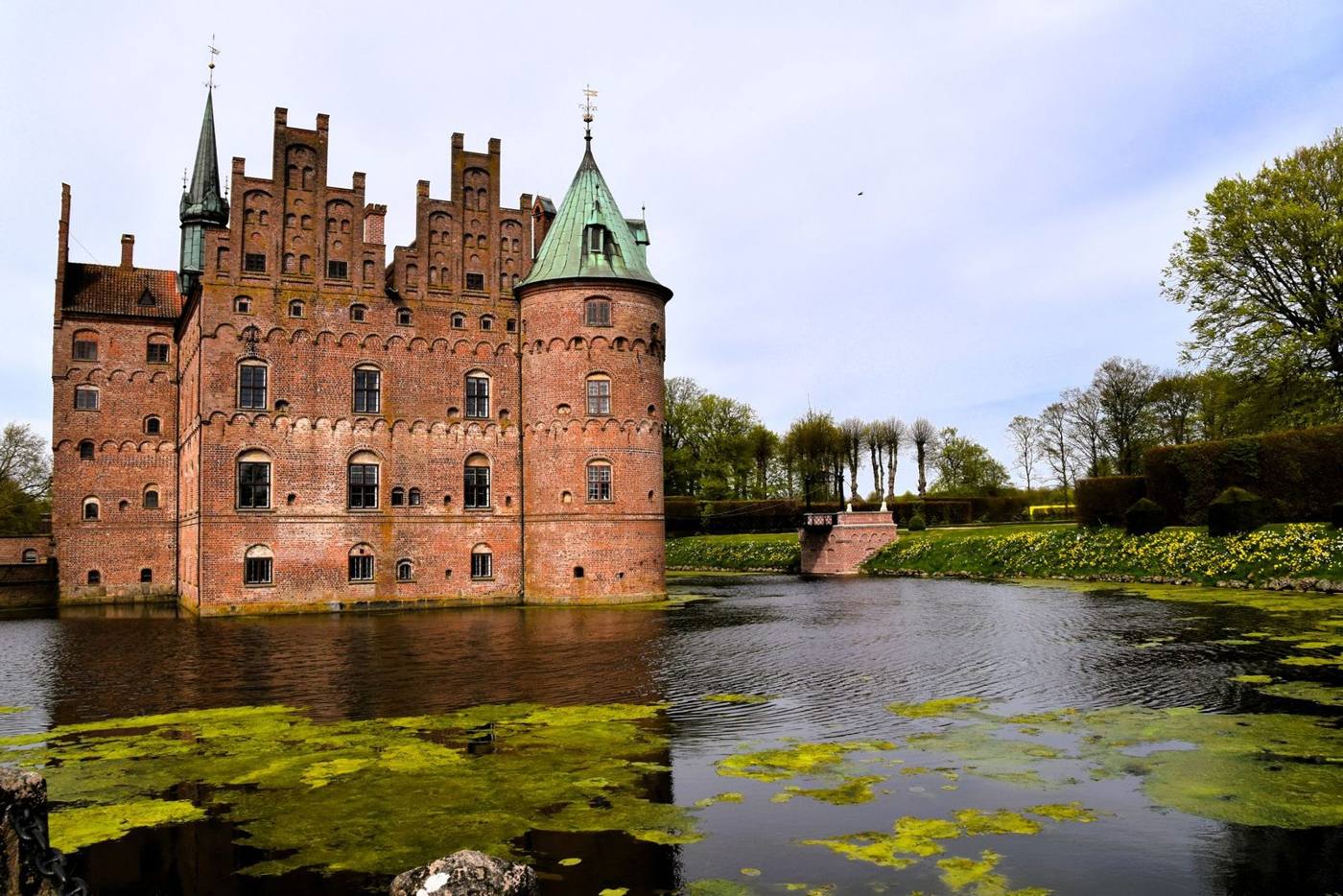
Hans Christian Andersen's city and his museum, the moated castle of Egeskov, the little town of Faaborg and the hills of south Funen.
 5 daysEasy
Ærø and the archipelago by bike
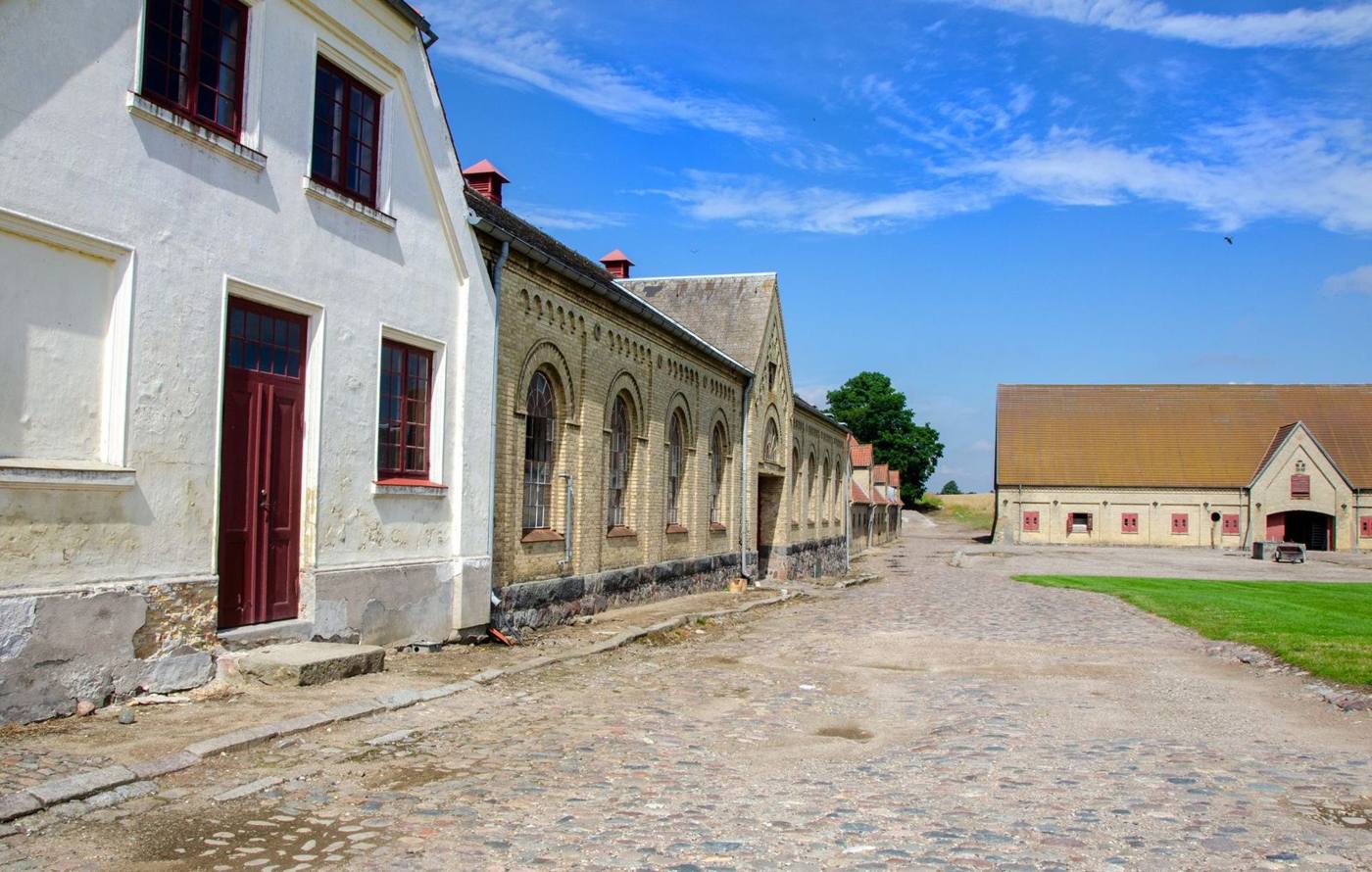
The south Funen islands by bike: Ærøskøbing with its colourful 18th-century houses, the beach huts of Eriksminde, Tåsinge and Langeland.
 4 daysEasy
The Wadden Sea and Rømø
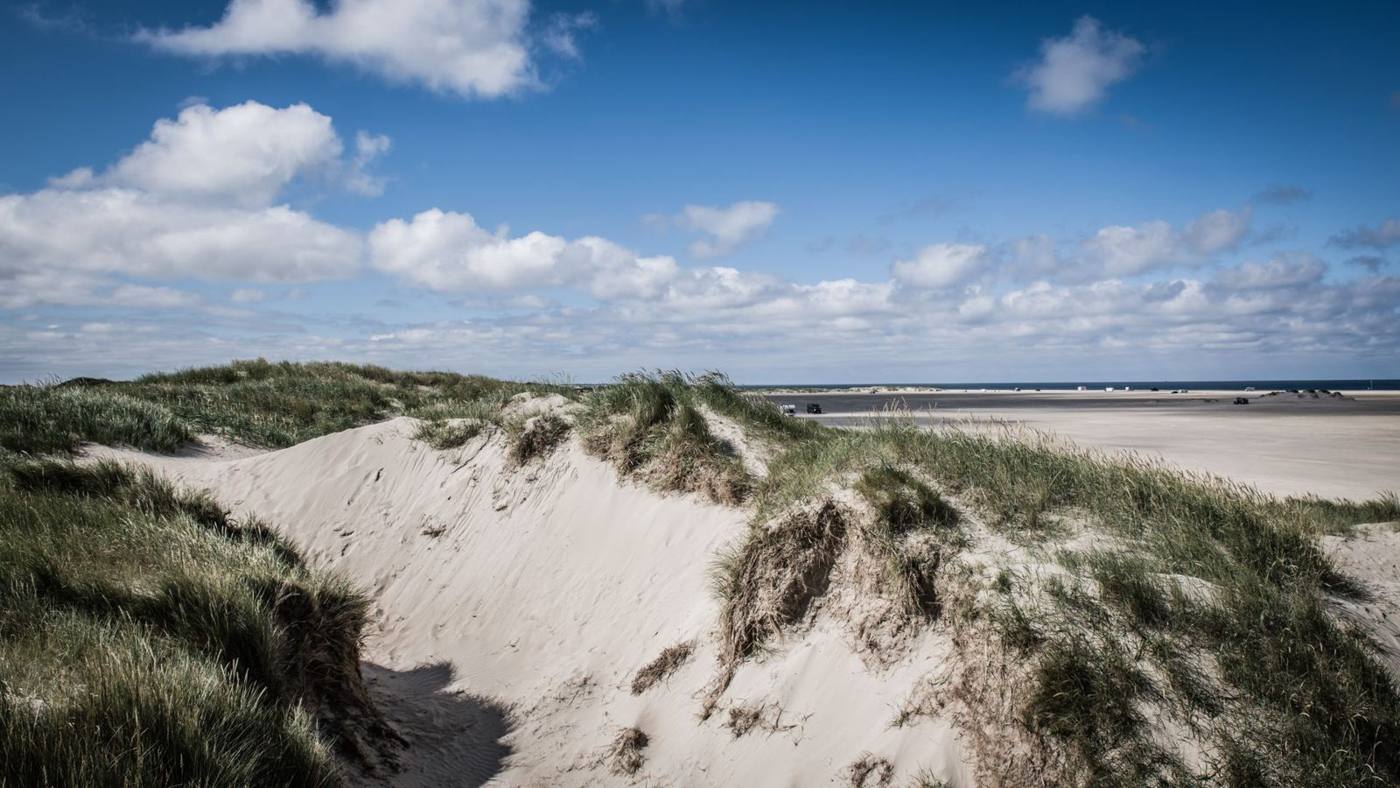
The UNESCO Wadden Sea park: Rømø's huge drive-on beach, oyster picking at low tide, seals and the 'black sun' of starlings.