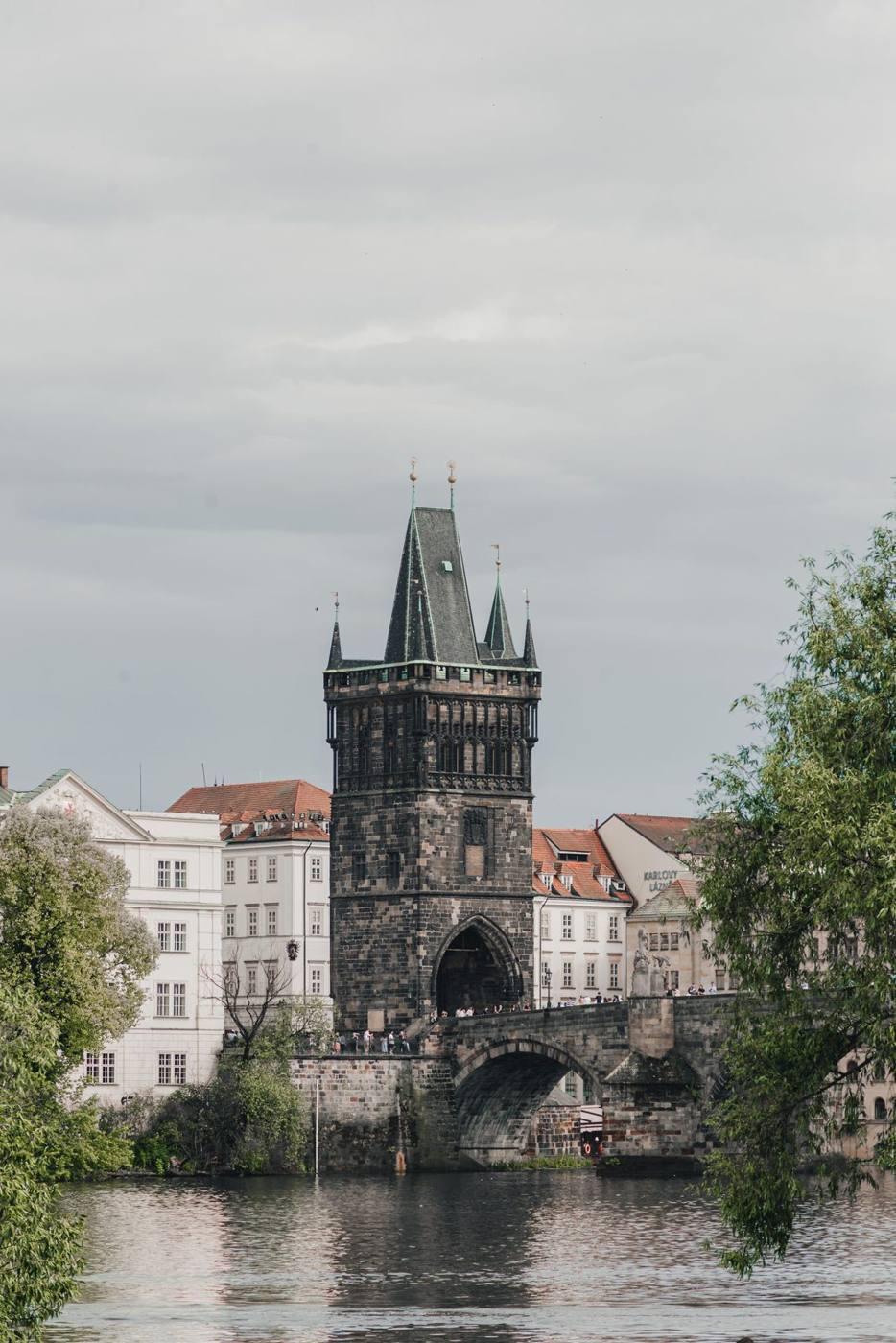
Prague in four days
Charles Bridge at dawn, the Castle and St Vitus Cathedral, the Old Town and its astronomical clock, the Jewish quarter and the beer halls.
- Staré Město
- Josefov
- Karlův most
- Malá Strana
- Pražský hrad
- Vyšehrad
Day by day
- Day 1
The Old Town, the astronomical clock and Josefov
This trip is a four day stay in Prague, one of the most beautiful cities in Europe: the Old Town with its astronomical clock, the Jewish quarter, Charles Bridge at dawn, the Castle with St Vitus Cathedral, the Strahov library, Petřín hill and the Vyšehrad fortress. You get around on foot, by tram and by metro.
Before you go: the Czech Republic is part of the European Union and the Schengen area, but it uses the Czech koruna. Italian citizens only need a valid electronic identity card or passport; the paper identity card has not been valid for travel abroad since 3 August 2026. Other nationalities should check their own rules. The United States rates the country level 1, the lowest. In Wenceslas Square, on Charles Bridge, at Můstek station and on trams pickpocketing is common. Do not hail taxis in the street, avoid exchange offices with hidden fees and beware of fake police asking to see your money.
Start in Old Town Square, with its colourful houses, the Church of Our Lady before Týn and the town hall. On the tower is the astronomical clock, one of the oldest still working in Europe: every hour, during the day, the apostles parade past its little windows. Climb the tower for the view. Check prices and times.
In the afternoon walk to Josefov, the old Jewish quarter. The Jewish Museum includes several synagogues, such as the Pinkas Synagogue, with the names of Holocaust victims written on its walls, the Spanish Synagogue, with its Moorish decoration, and the Old Jewish Cemetery, with thousands of headstones crowded on top of each other. Next to it is the Old-New Synagogue, from the thirteenth century. Check prices and times.
Sleep in Prague, for three nights.
Practical tip: the Jewish Museum closes on Saturdays and on Jewish holidays. Plan your visit for another day.
- Day 2
Charles Bridge at dawn, Malá Strana and the Castle
Get up early. Go to Charles Bridge at dawn, when there is almost nobody about. It is the stone bridge built in the fourteenth century over the Vltava, with Baroque statues of saints along its parapets and a Gothic tower at each end. In the morning light you see the Castle above the city and the mist on the river.
Cross the bridge and go down into Malá Strana, the Baroque district beneath the Castle, with noble palaces, gardens and steep streets. Visit St Nicholas Church, with its great green dome and an interior full of frescoes. Check prices and times.
Then go up to Prague Castle, on foot along Nerudova street or by tram. It is one of the largest castle complexes in the world, with courtyards, palaces and churches. The ticket covers St Vitus Cathedral, Gothic, with its coloured stained glass and the Chapel of St Wenceslas, the Old Royal Palace with the great Vladislav Hall, the Romanesque St George's Basilica and Golden Lane, with its tiny coloured houses built against the walls. Check prices and times.
At noon watch the changing of the guard in front of the main gate.
At sunset walk down the Castle steps, with the view over the red roofs of Malá Strana.
Practical tip: buy a public transport ticket valid for several days and validate it before your first journey. Inspectors are frequent and fines are high.
- Day 3
Strahov, Petřín and the New Town
In the morning go to Strahov Monastery, on the hill above the Castle. Its library has two historic halls, the Theological Hall and the Philosophical Hall, with frescoed ceilings, wooden shelves up to the ceiling and antique globes. You look at them from the doorway, but the view is superb. Check prices and times.
Then walk across Petřín hill, a large park with orchards, woods and rose gardens. At the top stands the lookout tower, a small copy of the Eiffel Tower built at the end of the nineteenth century. Climb the stairs for the view over the whole of Prague. Check prices and times. Walk down or take the funicular.
In the afternoon cross the river to the New Town, Nové Město, founded in the fourteenth century by Charles IV. Walk to Wenceslas Square, the long boulevard where the crowds of the Velvet Revolution gathered in 1989. At the top end are the statue of St Wenceslas on horseback and the National Museum. Check prices and times.
In the evening stroll along the Vltava and look at the Dancing House, the modern building with curving shapes.
Practical tip: to eat at fair prices, move away from Old Town Square and Charles Bridge. In the streets of the New Town and Vinohrady prices drop a lot.
- Day 4
Vyšehrad, Vinohrady and departure
Last day. In the morning take the metro or tram to Vyšehrad, the old fortress on a cliff above the Vltava, south of the centre. According to legend, this is where Prague was born. Walk along the walls, with views over the river, and visit the Basilica of St Peter and St Paul, with its two neo-Gothic towers. Next to it is the cemetery where many great Czechs rest, such as the composers Antonín Dvořák and Bedřich Smetana. Check prices and times.
Then move on to Vinohrady, a residential district with elegant nineteenth century buildings, parks and squares. Go to Peace Square, with the Church of St Ludmila, and to Jiřího z Poděbrad Square, with the modern Church of the Sacred Heart. Here the atmosphere is more local and prices are lower than in the centre.
For your last lunch choose one of the city's historic beer halls and try a draught pale lager with a traditional dish, such as svíčková, beef with a creamy vegetable sauce, or goulash with knedlíky dumplings.
In these four days you have seen the finest of Prague: the Old Town, the astronomical clock, the Jewish quarter, Charles Bridge, Malá Strana, the Castle with St Vitus, Strahov, Petřín, Wenceslas Square, Vyšehrad and Vinohrady.
When to go: the best months are April to June and September and October, with mild weather. In December there are the Christmas markets. In July and August the centre is crowded.
Practical tip: to and from the airport use the public bus or a taxi booked through an app. Avoid cars offering you a ride at the exit.
One of Europe's most beautiful cities, but very touristy in the centre. See Charles Bridge at dawn, before the crowds. Beware of exchange offices with hidden fees: pay by card or use bank ATMs. Leaving the historic centre for Vinohrady or Letná, prices drop and the atmosphere is more authentic.
Before you go
- Documents and visa
- EU citizens need a valid identity card or passport: the Czech Republic is in the EU and the Schengen area, so no visa is needed. Always carry your document. Other nationalities should check the Schengen rules.
- Health and vaccines
- No vaccines required. EU citizens should bring their EHIC, which covers urgent care only: insurance with repatriation is recommended. Woods and countryside have ticks that can carry encephalitis: ask your doctor about the vaccine. Emergencies: 112, ambulance 155, police 158, fire 150.
- Money and payments
- Czech koruna, not the euro. Cards are accepted almost everywhere. Avoid street money changers and exchange offices with hidden fees: use bank cash machines or change money at a bank. Motorways need an electronic vignette: buy it only on the official edalnice.cz website. The drink driving limit is zero.
- Power sockets
- Type E, 230 volts: you need an adapter for British plugs.
- Time zone
- Central European Time (UTC+1, summer UTC+2).
- Safety
- A safe country: the United States rates the Czech Republic level 1, the lowest. In Prague pickpocketing is common in Wenceslas Square, on Charles Bridge, at Můstek station, on trams and on airport transport. Do not hail taxis in the street, use known companies or apps. Beware of fake plainclothes police asking to see your passport and money. Official advice: GOV.UK.
Information checked in November 2026 for Italian and EU citizens. Rules change: always check before you travel.
Variations
In 3 days: the Old Town and Josefov, then Charles Bridge and the Castle, and finally Strahov and Petřín.
In 6 days: add a train trip to Kutná Hora, with the Sedlec Ossuary and St Barbara's, and one to Karlštejn Castle.
Frequently asked questions
When can you see Charles Bridge without crowds?
At dawn or very late in the evening. From ten in the morning until sunset the bridge is full of people and street sellers.
How should you pay in Prague?
By card, which is accepted almost everywhere. If you need cash, withdraw from a bank cash machine and refuse the conversion into euros offered by the machine. Avoid street money changers.
Should you book the Castle ticket?
You can buy it online or on the spot. In summer and at weekends it is worth buying ahead to avoid the queue. Check prices and times.
Indicative itinerary written by World Atlas. Before booking, check timetables, seasonal openings, documents and safety.
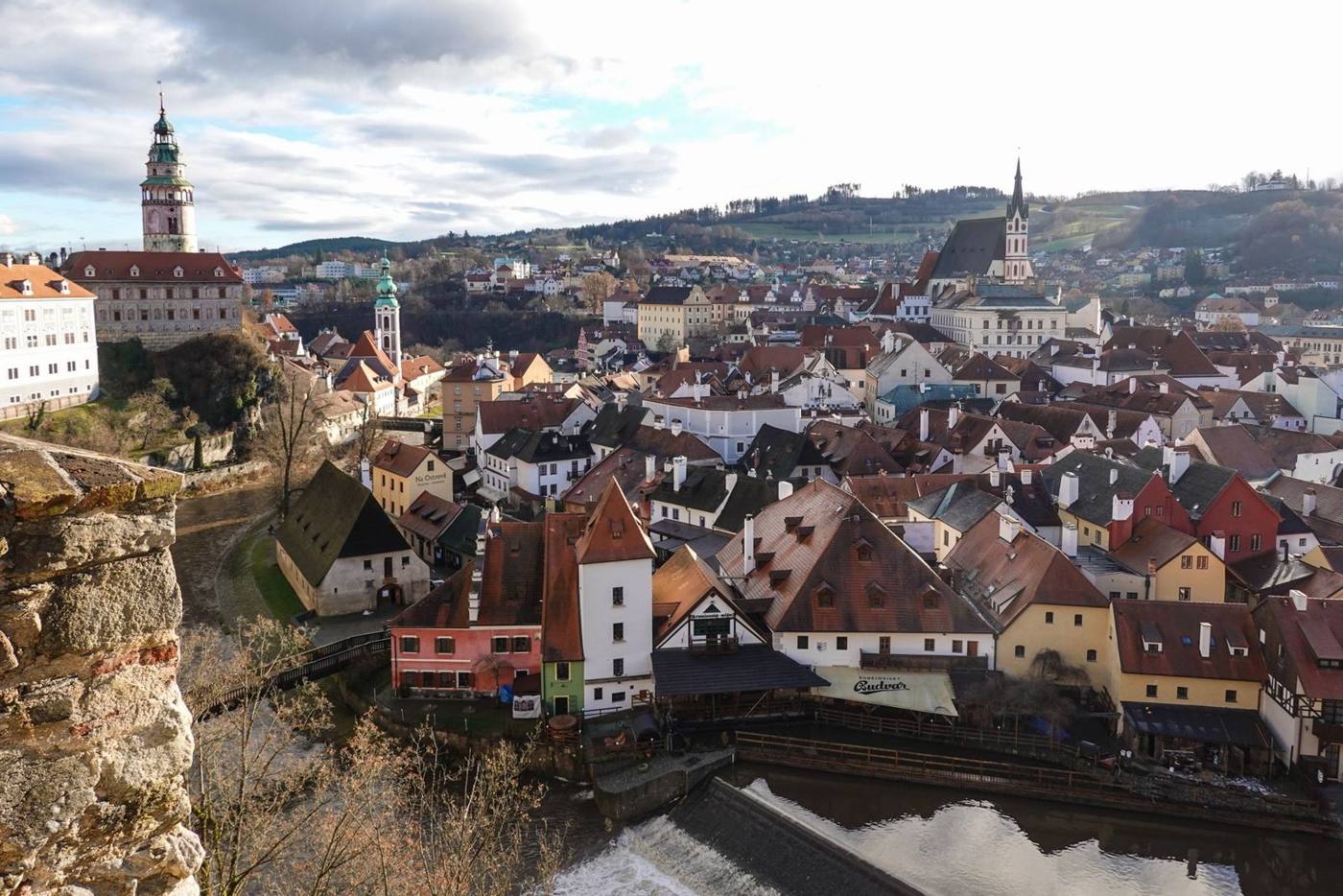 7 daysEasy
Prague, Kutná Hora and Český Krumlov
Classic Bohemia: Prague, the Sedlec ossuary and St Barbara's Cathedral in Kutná Hora, České Budějovice and the fairy-tale town of Český Krumlov.
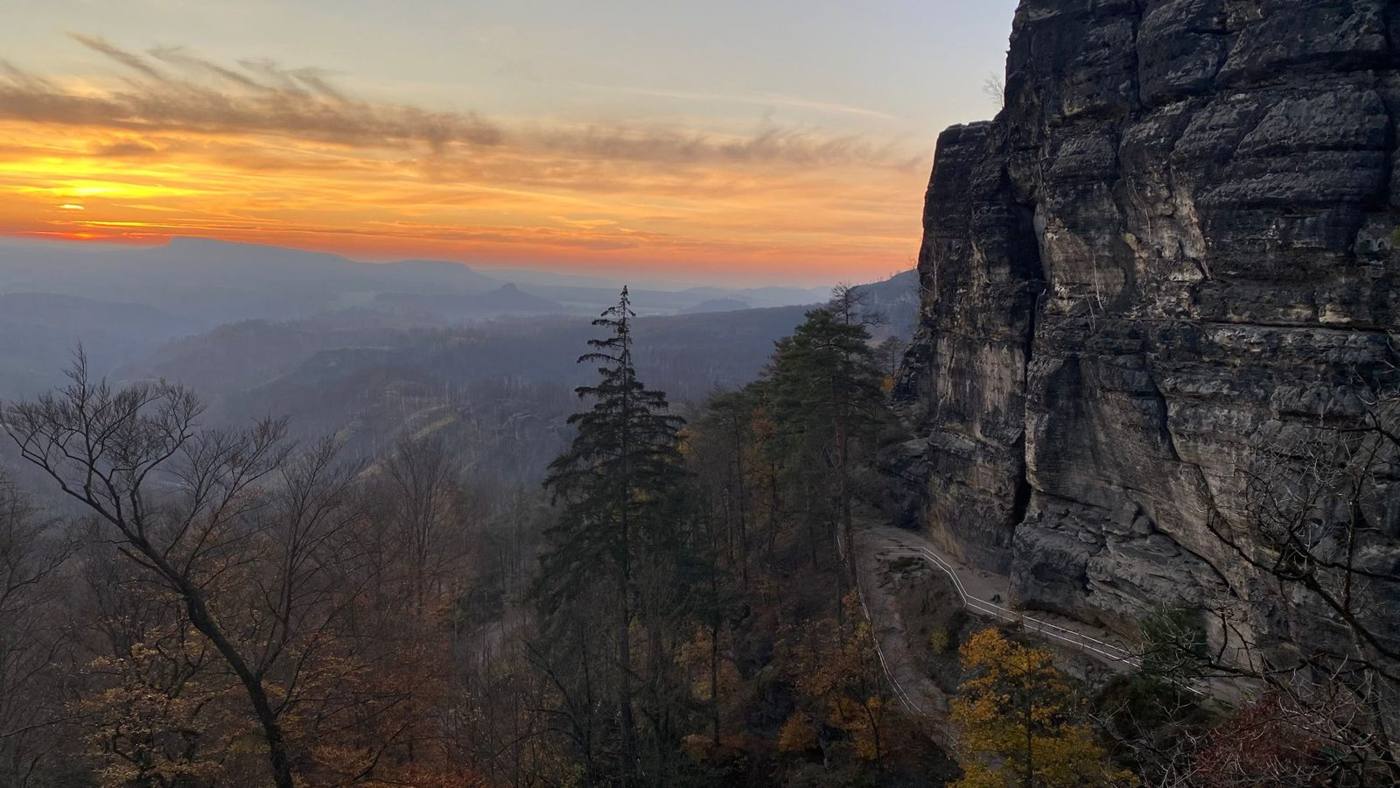 3 daysModerate
Bohemian Switzerland
Europe's largest natural arch, Pravčická brána, the Kamenice gorges by boat and the sandstone towers on the border with Saxon Switzerland.
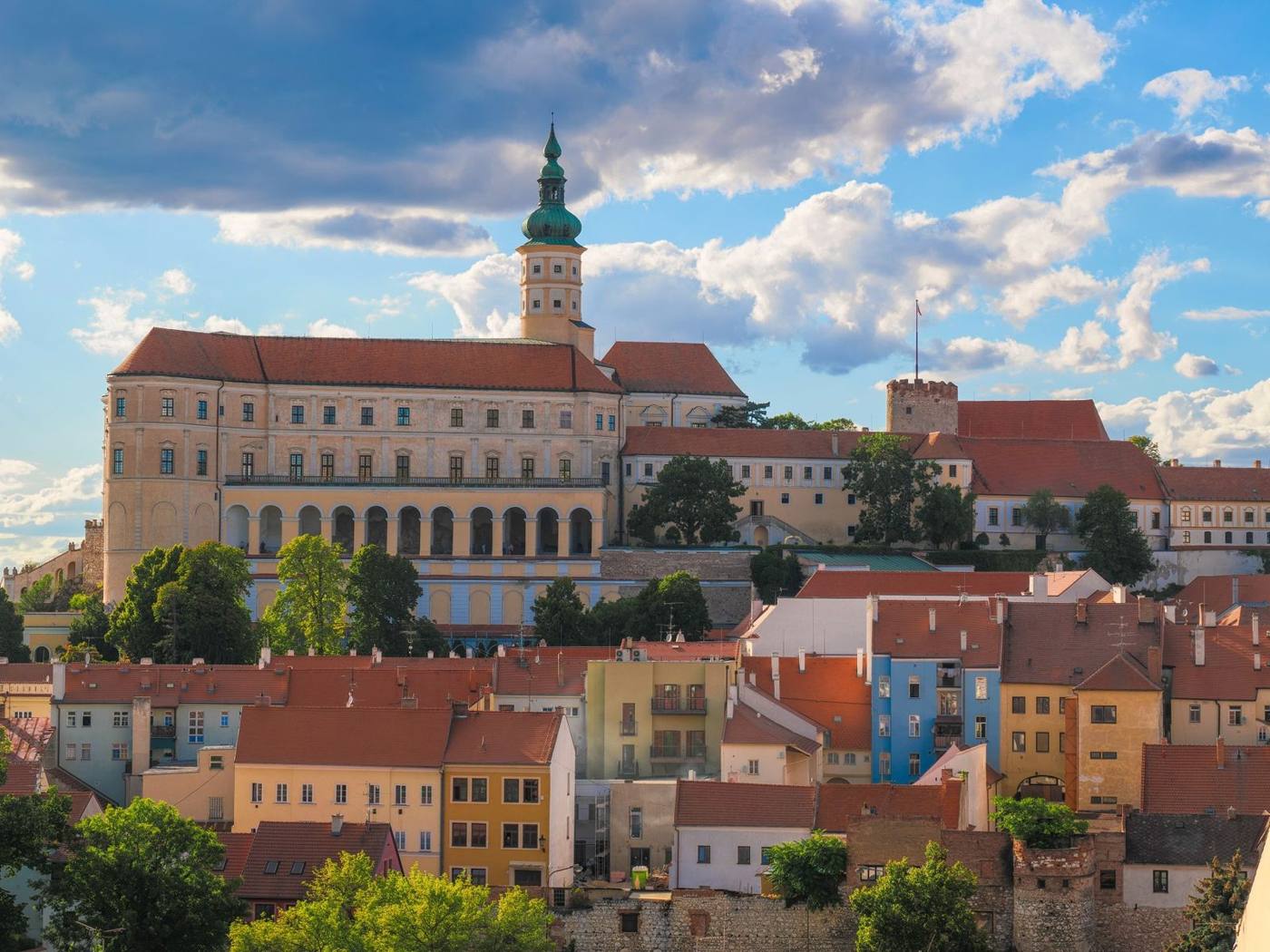 4 daysEasy
Moravian wine country
Mikulov and its limestone hills, the UNESCO Lednice-Valtice complex with castles and gardens, the cellar lanes and the city of Brno.