Brno and Olomouc
The cities of Moravia: Brno with Villa Tugendhat, the St James ossuary and its cafés, Olomouc with the UNESCO Holy Trinity Column and tvarůžky cheese.
- Brno
- Moravský kras
- Olomouc
Day by day
- Day 1
Brno: Špilberk, the centre and the cafés
This trip is a four day tour of the cities of Moravia, the eastern part of the Czech Republic: Brno, the country's second city, the caves of the Moravian Karst and Olomouc, one of the most beautiful Baroque towns in central Europe. There are few tourists, many students and lower prices than in Prague. You get around by train, by tram and, for the caves, by car or bus.
Before you go: the Czech Republic is part of the European Union and the Schengen area, but it uses the Czech koruna. Italian citizens only need a valid electronic identity card or passport; the paper identity card has not been valid for travel abroad since 3 August 2026. Other nationalities should check their own rules. The United States rates the country level 1, the lowest. Avoid street money changers: pay by card or withdraw from bank cash machines.
Brno is easy to reach by train from Prague or Vienna. Start with Špilberk Castle, on the hill above the centre, a fortress that for centuries was also a harsh prison of the Habsburg empire. From the walls you see the whole city. Check prices and times.
Then go down to the Cathedral of St Peter and St Paul, on Petrov hill, and to Zelný trh, the vegetable market square. Beneath St James's Church there is a large ossuary, discovered in 2001, holding the bones of thousands of people. Check prices and times.
In the evening try the cafés and bars of the centre: Brno has a lively coffee and cocktail scene, driven by its students.
Sleep in Brno, for two nights.
Practical tip: Mies van der Rohe's Villa Tugendhat, a UNESCO World Heritage Site, can only be visited with a booking. If you want to see it, buy your ticket on the official website many weeks ahead.
- Day 2
The Moravian Karst: the Punkva Caves and Macocha
Today you leave the city. About thirty kilometres north of Brno lies the Moravian Karst, Moravský kras, an area of limestone plateaus, forests and valleys with hundreds of caves.
The most famous is the Punkva Cave, Punkevní jeskyně. The visit starts on foot among stalactites and stalagmites, then you reach the bottom of the Macocha Abyss, a natural shaft more than a hundred metres deep, and look up at the sky from below. The last part is by boat on the underground Punkva river, between lit rock walls. The boat tour has limited places and in summer tickets sell out fast: book ahead on the official website. Check prices and times.
After the cave take the cable car up to the rim of Macocha and look out from the two viewing bridges, the upper and the lower, to see the abyss from above. From the Skalní mlýn car park to the cave entrance there is a road train, or you can walk through the woods.
If you still have time, visit another cave in the area, such as Kateřinská jeskyně, with a great hall known for its acoustics. Check prices and times.
In the evening return to Brno.
Practical tip: inside the caves the temperature is about eight degrees all year round. Bring a jacket even in high summer and shoes that do not slip.
- Day 3
Olomouc: the squares, the column and the clock
In the morning take the train to Olomouc, about an hour and a half from Brno. It is a university town and an old bishop's seat, with an intact Baroque centre and few tourists.
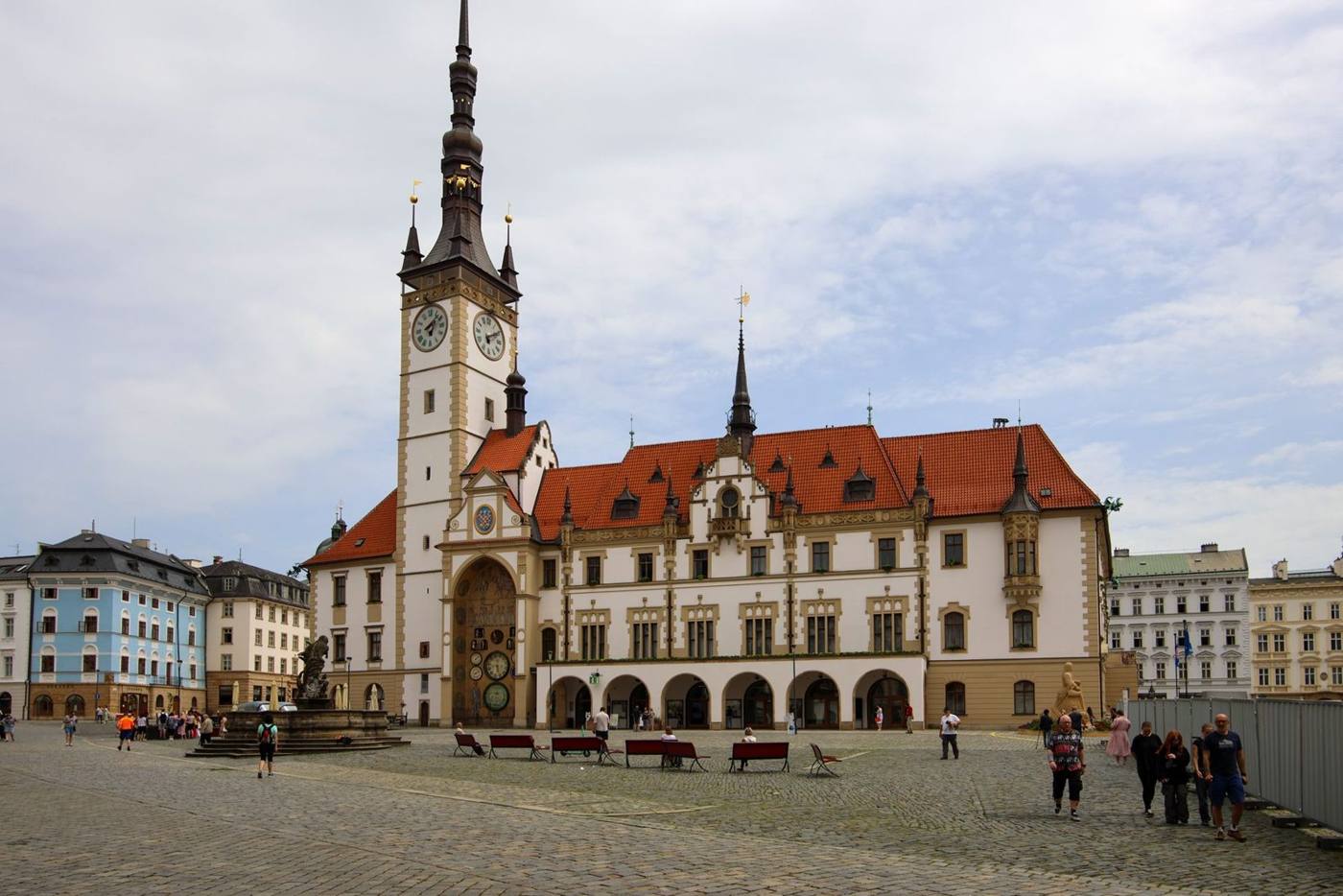
The heart of the town is Horní náměstí, the Upper Square. In the middle stands the Holy Trinity Column, a UNESCO World Heritage Site: a huge eighteenth century Baroque monument, more than thirty metres tall, covered in gilded statues and saints, with a small chapel at its base. Around it are the town hall and some of the town's six Baroque fountains, with statues of ancient gods and heroes.
On the town hall is the astronomical clock. It was destroyed at the end of the Second World War and rebuilt in the 1950s in the socialist realist style: instead of saints there are workers, farmers and scientists. At noon the figures move.
Then walk to Dolní náměstí, the Lower Square, and to St Wenceslas Cathedral, with its neo-Gothic tower, and visit the nearby Archdiocesan Museum, in the bishops' palace. Check prices and times.
Try Olomoucké tvarůžky, a small ripened cheese with a very strong smell, eaten with onion, with bread or even fried.
Sleep in Olomouc.
Practical tip: take an outdoor table on the square only for a coffee. For meals, the side streets are quieter and prices are lower.
- Day 4
Svatý Kopeček and departure
Last day. In the morning take the bus to Svatý Kopeček, the Holy Hill, a few kilometres from Olomouc. At the top stands a large Baroque pilgrimage basilica, with two towers and a portico, and from the forecourt you see the town and the Haná plain. Below the hill is also the Olomouc zoo.
Go back into town for a final stroll: walk through the parks along the old walls, which ring the centre like a green belt, and stop at St Maurice's Church, Gothic, which houses one of the largest organs in central Europe.
From Olomouc to Prague takes just over two hours by train; for Vienna you go back via Brno.
In these four days you have seen urban Moravia: Brno with Špilberk, the St James ossuary and its cafés, the Punkva Caves and the Macocha Abyss, the square in Olomouc with the Holy Trinity Column and the socialist clock, and Svatý Kopeček. It is the other face of the Czech Republic, less famous and very welcoming.
When to go: the best months are April to October. In spring and autumn the cities are full of students and the weather is mild. Summer is hot, but the caves stay cool and tickets must be booked. In winter some caves reduce tours or close.
Practical tip: buy train tickets on the railway website or with the official app. Tickets bought in advance often cost less and come with a reserved seat.
The least touristy part of the country, with lively university towns and low prices. The Punkva caves must be booked because the boat tour has limited places. Olomouc is one of central Europe's finest baroque towns and has hardly any tourists.
Before you go
- Documents and visa
- EU citizens need a valid identity card or passport: the Czech Republic is in the EU and the Schengen area, so no visa is needed. Always carry your document. Other nationalities should check the Schengen rules.
- Health and vaccines
- No vaccines required. EU citizens should bring their EHIC, which covers urgent care only: insurance with repatriation is recommended. Woods and countryside have ticks that can carry encephalitis: ask your doctor about the vaccine. Emergencies: 112, ambulance 155, police 158, fire 150.
- Money and payments
- Czech koruna, not the euro. Cards are accepted almost everywhere. Avoid street money changers and exchange offices with hidden fees: use bank cash machines or change money at a bank. Motorways need an electronic vignette: buy it only on the official edalnice.cz website. The drink driving limit is zero.
- Power sockets
- Type E, 230 volts: you need an adapter for British plugs.
- Time zone
- Central European Time (UTC+1, summer UTC+2).
- Safety
- A safe country: the United States rates the Czech Republic level 1, the lowest. In Prague pickpocketing is common in Wenceslas Square, on Charles Bridge, at Můstek station, on trams and on airport transport. Do not hail taxis in the street, use known companies or apps. Beware of fake plainclothes police asking to see your passport and money. Official advice: GOV.UK.
Information checked in November 2026 for Italian and EU citizens. Rules change: always check before you travel.
Variations
In 3 days: Brno and the Moravian Karst, with a day trip to Olomouc by train.
In 6 days: add Villa Tugendhat in Brno and two days in the Moravian wine country, in Mikulov and Lednice.
Frequently asked questions
Do you need to book the Punkva Caves?
Yes, especially in summer and at weekends. The boat tour has limited places. Book on the official website and check prices and times.
Can you do the trip without a car?
Yes. Brno and Olomouc are linked by frequent trains. For the Moravian Karst there are buses from Brno and from Blansko station, but a car gives you more freedom.
What are tvarůžky?
A soft ripened cheese, typical of the Olomouc area, with a bold flavour and a strong smell. You find it in the town's markets and taverns.
Indicative itinerary written by World Atlas. Before booking, check timetables, seasonal openings, documents and safety.
 3 daysEasy
Prague at Christmas
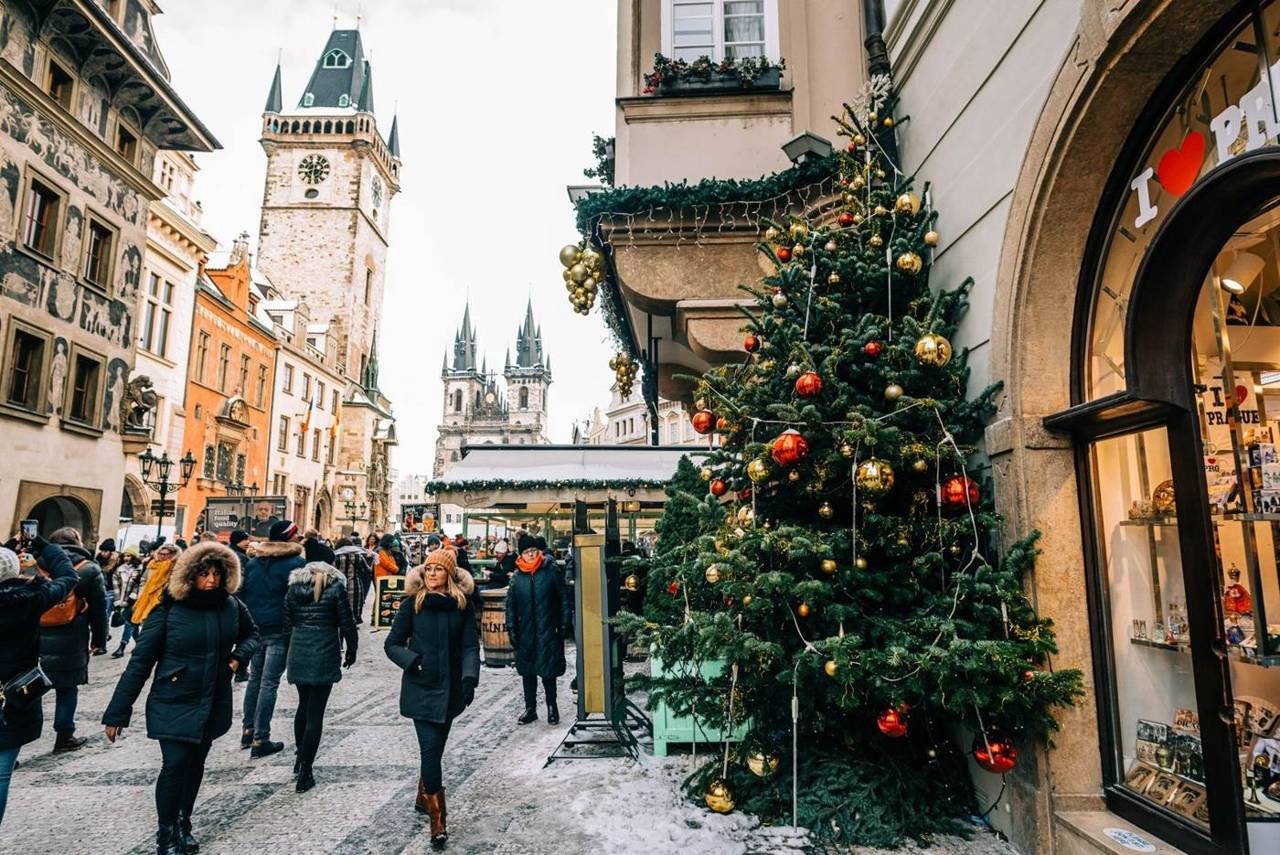
The markets on Old Town Square and Wenceslas Square, Christmas concerts in the churches, mulled wine and trdelník, the city under snow.
 4 daysModerate
The Giant Mountains
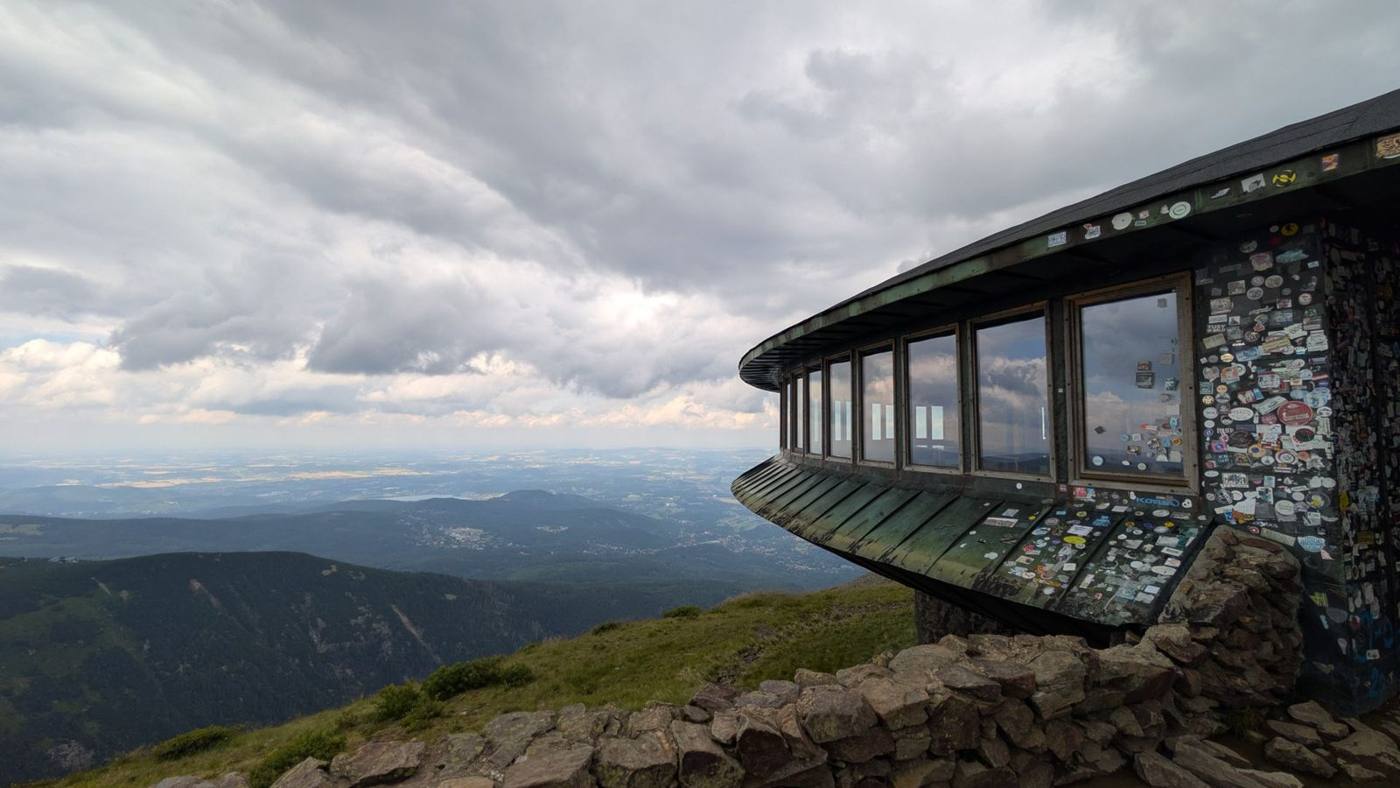
The Krkonoše, the country's highest mountains: the summit of Sněžka on the Polish border, the source of the Elbe, peat bogs and mountain huts.
 4 daysEasy
Telč and UNESCO Moravia
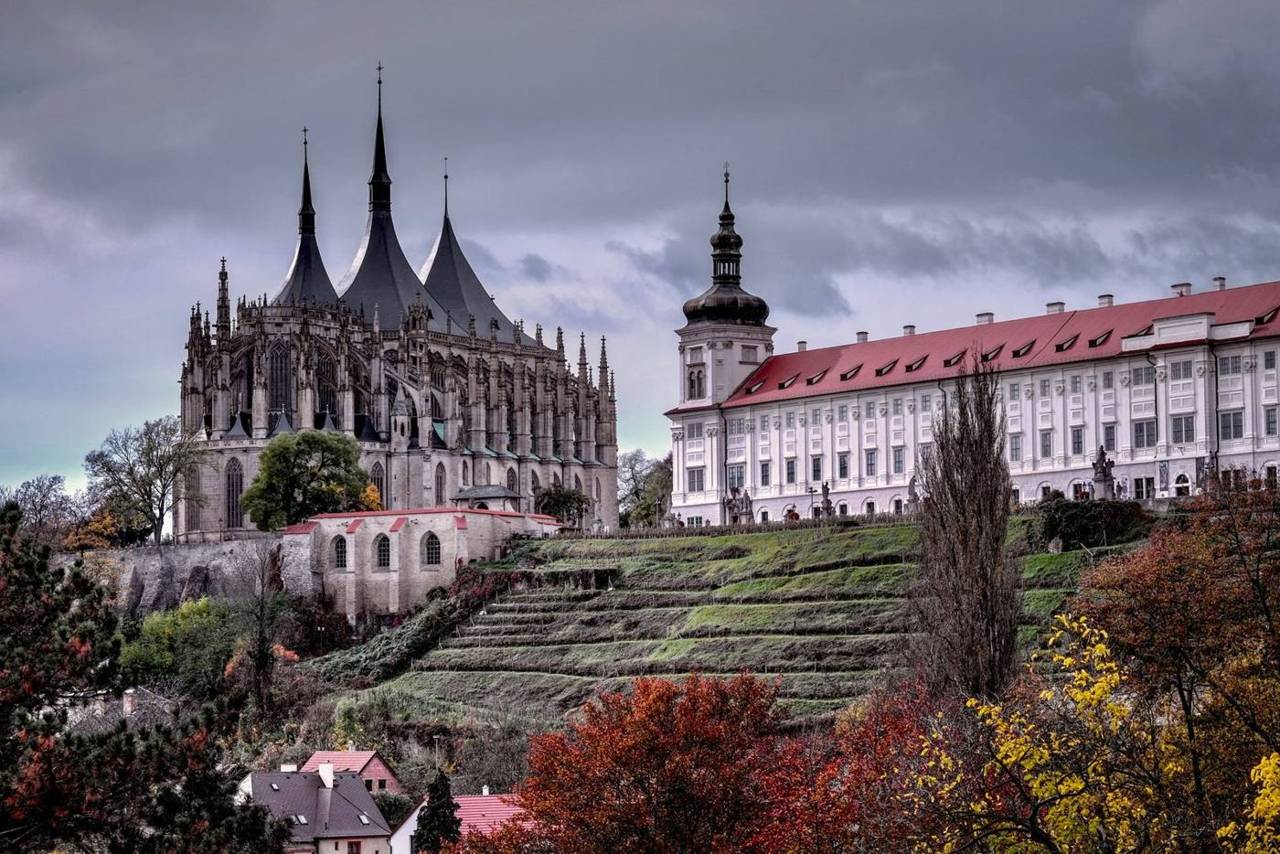
St Barbara's in Kutná Hora, the Renaissance square of Telč, the Jewish quarter of Třebíč, the star-shaped church of St John of Nepomuk at Zelená Hora and Litomyšl.