Nicosia and the north
Europe's last divided capital, crossing the Green Line on foot, then Kyrenia, Bellapais Abbey and St Hilarion Castle.
- Nicosia
- Ledra Street
- Büyük Han
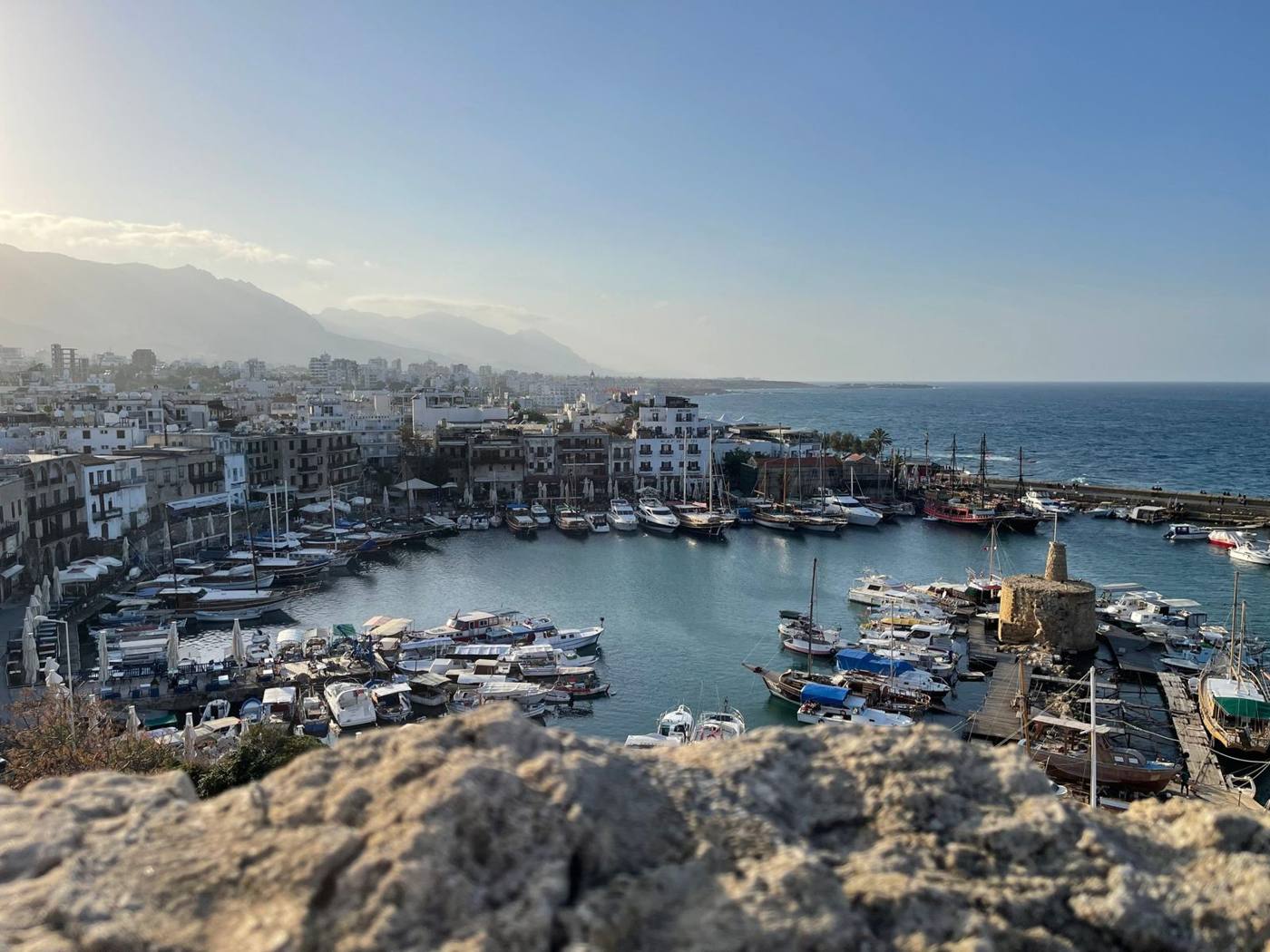
- Kyrenia
- Bellapais
- Sant'Ilarione
- Famagosta
Day by day
- Day 1
South Nicosia: the Venetian walls, the Cyprus Museum and Ledra Street
This trip takes you to Nicosia, the last divided capital in Europe, and into the north of the island: the Green Line crossed on foot, the Büyük Han caravanserai, Kyrenia harbour, Bellapais Abbey, St Hilarion Castle and the walls of Famagusta. It is a trip to understand the division of Cyprus since 1974, between two communities and two currencies.
Before you go: Italian citizens can enter Cyprus with an electronic identity card or a passport. Cyprus is in the EU but not in the Schengen area, so documents are checked on arrival. Other nationalities should check their own rules. Arrive through Larnaca or Paphos airports: entering via Ercan airport, in the north, can cause problems with the Republic of Cyprus. Cross to the north only at official crossing points, with your document; a car hired in the south needs separate insurance, sold at some crossings. There are no Italian consular offices in the north and consular help is limited. Do not photograph military areas. You drive on the left.
You land at Larnaca and are in Nicosia in about three quarters of an hour. Start with the Venetian walls, built shortly before the Ottoman conquest of 1570: a great circle with eleven arrowhead-shaped bastions. Enter the city through the Famagusta Gate, restored and used for exhibitions.
Then visit the Cyprus Museum, the island's most important archaeological museum, with jewellery, pottery and hundreds of terracotta figures found at the sanctuary of Agia Irini. Check prices and times.
In the late afternoon walk along Ledra Street, the pedestrian shopping street, to the point where the road is cut by the crossing.
Practical tip: stay inside the walls or close by, so you can walk to the Ledra Street crossing the next morning.
- Day 2
On foot to the north: Büyük Han and the Selimiye Mosque
Today you cross the Green Line on foot. At the end of Ledra Street is the pedestrian crossing, opened in 2008: you show your document first at the Republic of Cyprus checkpoint, then at the northern one, and within minutes you are in the other half of the city. Between the two checkpoints you walk a short stretch through the UN buffer zone.
In the north the signs change language and you pay mostly in Turkish lira, although many places accept euros. Walk to Büyük Han, the great caravanserai built by the Ottomans in 1572. The merchants' rooms open onto a two-storey courtyard, with a small mosque in the middle. Today it houses craft workshops and cafés.
Nearby rises the Selimiye Mosque, once the Gothic cathedral of St Sophia, where the Lusignan kings of Cyprus were crowned. After the Ottoman conquest two minarets were added above the façade. Go in barefoot, with shoulders and knees covered, outside prayer times. Next door is the Bedesten, another former church turned into a covered market.
In the afternoon wander the lanes of the quarter, try a Turkish coffee and lokum, then return south through the same crossing. You can also use the Ledra Palace crossing, a little further west, near the walls.
Sleep again in south Nicosia.
Practical tip: always carry your document when you cross the Green Line; checks at the crossings are quick, but without a document you cannot pass.
- Day 3
Kyrenia, its harbour and Bellapais Abbey
Today you drive north. Use the Agios Dometios crossing, on the western edge of Nicosia, where you can buy car insurance for the north. The road then crosses the plain and climbs over the Pentadaktylos range. In about forty minutes you reach Kyrenia, on the north coast.
Kyrenia's old harbour is a semicircle of stone houses and warehouses, with boats moored in front. Visit the castle, built by the Byzantines and strengthened by the Lusignans and the Venetians. Inside is the Shipwreck Museum, with the remains of a Greek merchant ship that sank in the fourth century BC, together with the amphorae of its cargo. Check prices and times.
In the afternoon drive up for about a quarter of an hour to the village of Bellapais, in the hills above the coast. The Gothic abbey, built by canons regular between the thirteenth and fourteenth centuries, is one of the finest medieval monuments on the island. Walk through the cloister with its tracery arches and the great refectory, with windows open to the sea. Check prices and times.
At sunset sit under the village trees and watch the light on the coast.
Sleep in Kyrenia or Bellapais.
Practical tip: keep the insurance papers for the north and your document in the car; you may be asked for them at checks and again at the crossing on the way back.
- Day 4
St Hilarion Castle and Famagusta
Today is the longest day, between a mountain castle and a walled city by the sea.
Early in the morning drive up to St Hilarion Castle, about twenty minutes from Kyrenia. The road passes near a military zone: do not stop or take photos along the way. The castle climbs the rock on three levels, with towers, cisterns and the halls of the Lusignan kings. At the top, from the Queen's Window, you see the north coast and, on clear days, the mountains of Turkey. The steps are steep and uneven. Check prices and times.
Then drive east for about an hour and a quarter to Famagusta. Walk on the Venetian walls and out to Othello's Tower by the harbour. In the old town stands the former Gothic cathedral of St Nicholas, now the Lala Mustafa Pasha Mosque, with a façade like those of French cathedrals.
South of the old town lies Varosha, the former hotel district abandoned since 1974. Part of it has recently been reopened by the northern authorities, but the status of the area is disputed. Look at it from outside, from the beach or the road, and respect the bans on photography and on entering military zones.
Sleep in Famagusta.
Practical tip: at St Hilarion wear shoes with good grip and bring water; the climb to the upper part takes about an hour there and back.
- Day 5
Back to south Nicosia and departure from Larnaca
On the last day you return to the south. From Famagusta drive west for about an hour to Nicosia and cross again, with your document and insurance papers. If you prefer, you can return through the Deryneia crossing, near Famagusta, and then reach Larnaca along the coast.
If you have time, in south Nicosia visit the Cathedral of St John, in the Archbishopric complex, with walls entirely covered in eighteenth-century frescoes. Next door is the Byzantine Museum, with a large collection of icons. Check prices and times. Then drive to Larnaca airport.
Trip summary: in five days you saw the Venetian walls and the Cyprus Museum in Nicosia, crossed the Green Line on foot to Büyük Han and the Selimiye Mosque, then drove to Kyrenia harbour, Bellapais Abbey, St Hilarion Castle and the walls of Famagusta, with Varosha seen from outside. It is a trip to understand the division of the island since 1974, between two communities, two languages and two currencies.
When to go: from March to June and from September to November, with a mild climate, ideal for walking in the city and climbing to the castles. In July and August Nicosia is very hot, sometimes above 40 degrees.
Practical tip: keep receipts for what you buy in the north and your insurance papers until you are back; customs checks on goods at the crossings can be strict.
A trip to understand the island's division since 1974, between two communities and two currencies. Crossings require a passport or ID card. Insurance on a car rented in the south does not cover the north: buy it at the crossing; entering Cyprus via Ercan airport in the north can cause problems with the Republic of Cyprus.
Before you go
- Documents and visa
- EU citizens need a valid identity card or passport: Cyprus is in the EU but not in the Schengen area, so documents are checked on arrival. Enter only through Larnaca or Paphos airports or the ports of Limassol and Larnaca: arriving via Ercan airport or northern ports is illegal under the law of the Republic of Cyprus. Traffic drives on the left. Other nationalities should check their own rules.
- Health and vaccines
- No vaccines required. EU citizens can use public healthcare with their EHIC; insurance with medical cover and repatriation is still advised. Emergencies: 112.
- Money and payments
- Euro. Cards are accepted almost everywhere; carry some cash in mountain villages.
- Power sockets
- Type G, 240 volts: the same plugs as in the UK.
- Time zone
- Eastern European Time (UTC+2, summer UTC+3).
- Safety
- A safe country with low crime. The UN buffer zone divides the island: cross only at official crossing points, such as Ledra Street and Ledra Palace in Nicosia, showing an identity card or passport; crossing elsewhere is illegal and dangerous, partly because of minefields. Do not take photos in the buffer zone or near military sites. Cars hired in the south usually have no insurance cover in the north: buy separate cover, sold at some crossing points. Wildfire risk is high from April to October. Official advice: GOV.UK.
Information checked in November 2026 for Italian and EU citizens. Rules change: always check before you travel.
Variations
In 3 days: south and north Nicosia on foot, then a day in Kyrenia and Bellapais.
In 7 days: add two days on the Karpas peninsula, with Golden Beach and the monastery of Apostolos Andreas.
Frequently asked questions
How do I cross from south to north Nicosia?
On foot at the Ledra Street or Ledra Palace crossing, showing an identity card or passport. By car you use other crossings, such as Agios Dometios, with insurance for the north.
Can I fly into Cyprus via Ercan airport?
Better not: for the Republic of Cyprus, entering via Ercan or northern ports is illegal and can cause problems. Arrive at Larnaca or Paphos.
Can I visit Varosha?
Part of it has been reopened by the northern authorities, but the status of the area is disputed. Look at it from outside and respect the bans on photography and on entering military zones.
Indicative itinerary written by World Atlas. Before booking, check timetables, seasonal openings, documents and safety.
 5 daysEasy
Larnaca and Ayia Napa
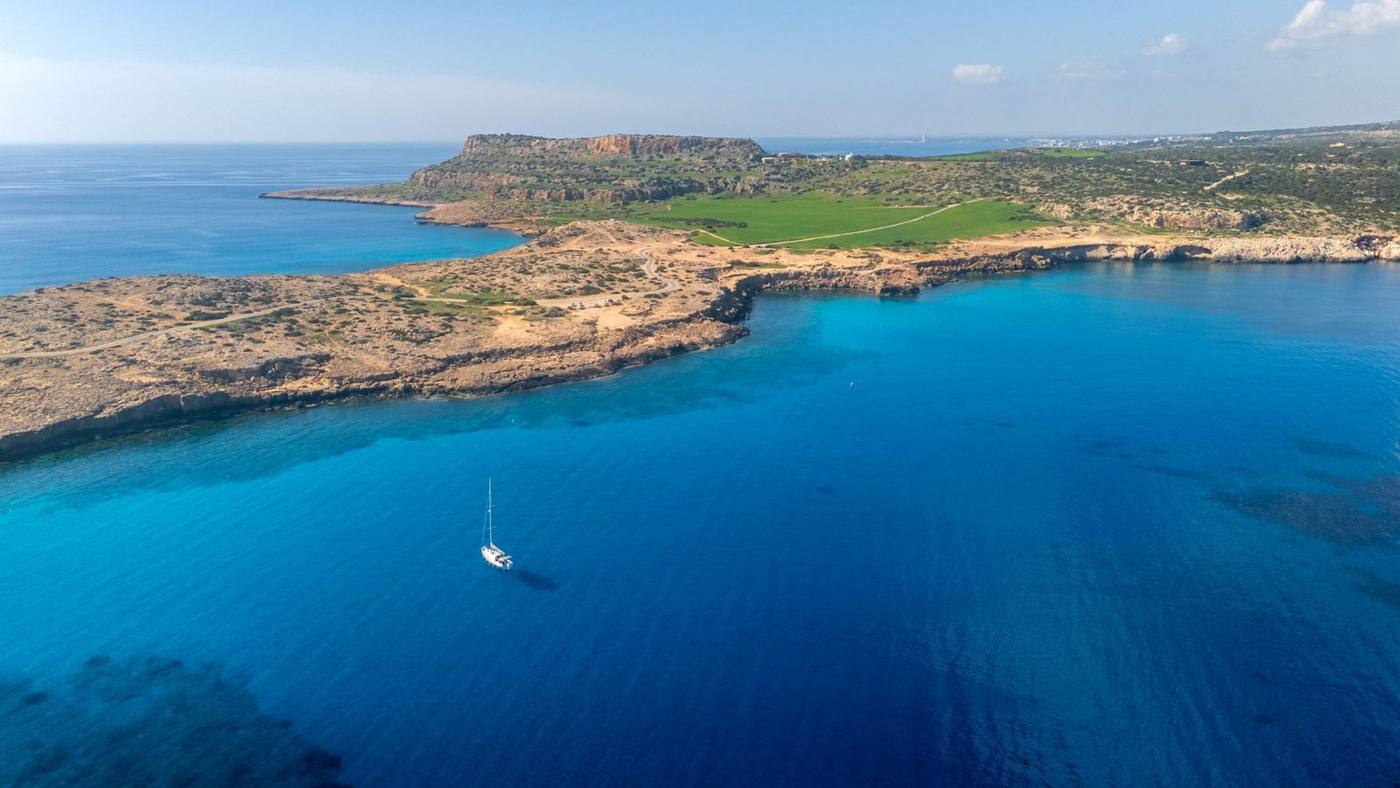
St Lazarus church in Larnaca, the salt lake with flamingos and the Hala Sultan Tekke mosque, then Cape Greco and the beaches of Ayia Napa and Protaras.
 4 daysEasy
Limassol and Kourion
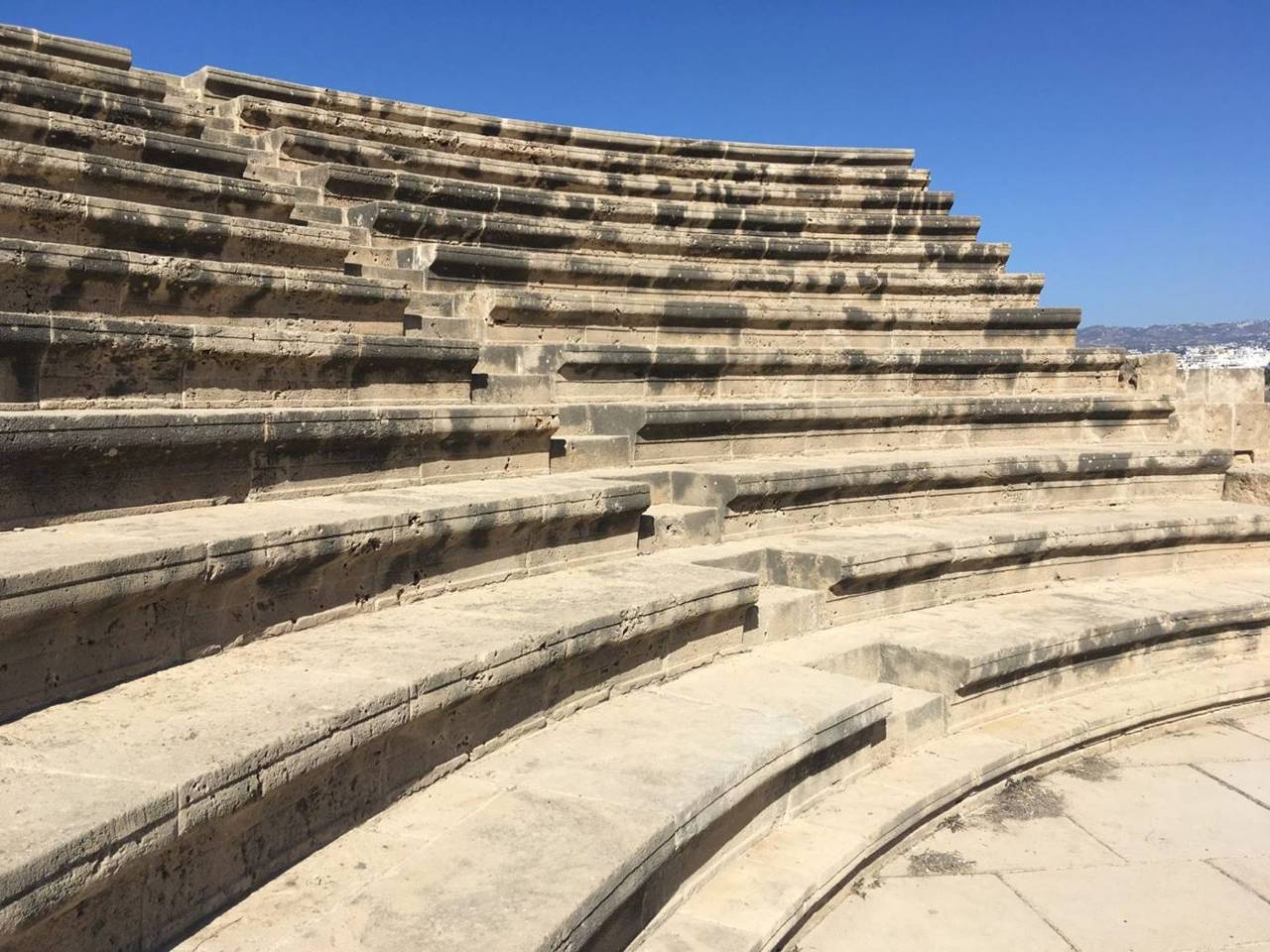
Limassol's old town and marina, the Greco-Roman theatre of Kourion on its cliff, the Knights' castle of Kolossi and the ruins of Amathus.
 4 daysEasy
The wine routes
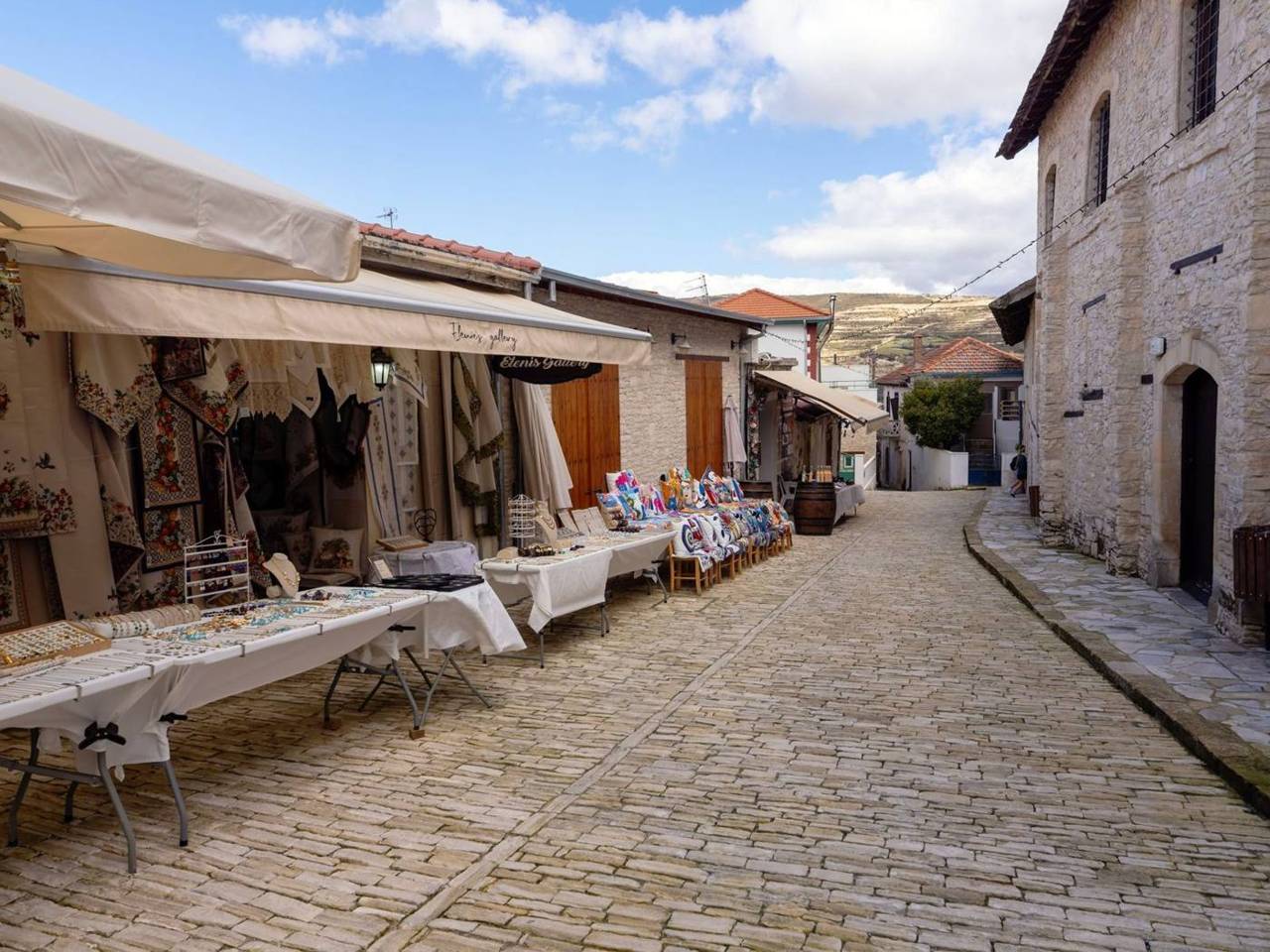
The krasochoria, the wine villages on the Troodos slopes: native Xynisteri and Maratheftiko grapes, Commandaria, one of the world's oldest wines, and village meze.