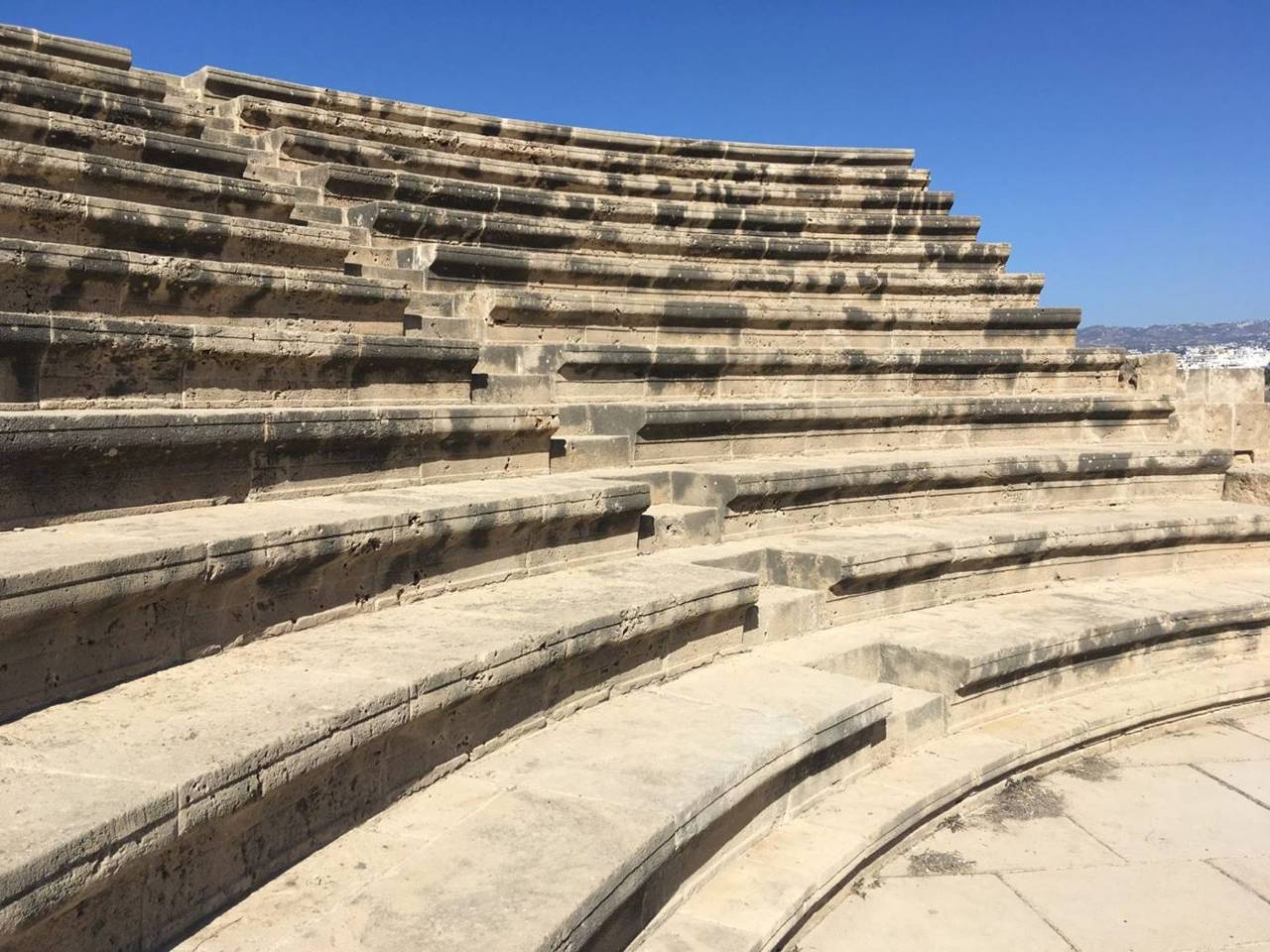
Limassol and Kourion
Limassol's old town and marina, the Greco-Roman theatre of Kourion on its cliff, the Knights' castle of Kolossi and the ruins of Amathus.
- Limassol
- Amathus
- Kolossi
- Kourion
- Pissouri
Day by day
- Day 1
Limassol: the medieval castle, the old port and the marina
This trip takes you to Limassol, the big seaside city of southern Cyprus, and to the archaeological sites on its coast: the ruins of Amathus, the Knights' castle at Kolossi and the theatre of Kourion above the cliffs. You sleep in Limassol every night and travel by rental car.
Before you go: Italian citizens can enter Cyprus with an electronic identity card or a passport. Cyprus is in the EU but not in the Schengen area, so documents are checked on arrival. Other nationalities should check their own rules. The currency is the euro. You drive on the left. This trip stays in the Republic of Cyprus; to go north, cross only at official crossing points, with separate car insurance. Kourion lies within the British base area of Akrotiri: follow the latest advice and do not photograph military installations. From April to October the wildfire risk is high.
You land at Larnaca or Paphos airport, both about three quarters of an hour from Limassol. In the afternoon go to the old town. The medieval castle, massive and square, has been rebuilt several times; tradition says that Richard the Lionheart married Berengaria of Navarre near here in 1191. It houses the Cyprus Medieval Museum: check whether it is open, prices and times.
Around the castle walk through the lanes to the Grand Mosque and the Orthodox cathedral of Agia Napa, close by. Then reach the old port, with its fishing boats, and the modern marina, with its piers and seafront walks.
For dinner try souvla, large pieces of meat cooked on a spit over charcoal, and salad with coriander.
Practical tip: traffic in Limassol is heavy at rush hour and parking in the centre is expensive; leave the car in a pay car park and explore the centre on foot.
- Day 2
The ruins of Amathus and the seafront promenade
Today you stay close to the city. Amathus lies on the coast about ten kilometres east of central Limassol, a quarter of an hour by car.
Amathus was one of the ancient city-kingdoms of Cyprus, inhabited for more than a thousand years. Down by the road you visit the agora, with its re-erected columns and the remains of public baths and shops. Then walk up to the acropolis on the hill, where there was a sanctuary of Aphrodite and a large early Christian basilica. From the top you see the sea and the coast as far as Limassol. Part of the ancient harbour is underwater, a few metres from the shore. Check prices and times, and bring water, as there is little shade.
In the afternoon go back towards the city and walk along the seafront. Molos park follows the coast for a long stretch, with palm trees, lawns, benches and modern sculptures. Further east a long footpath and cycle path continues in front of the beaches. You can hire a bicycle and ride to the hotel area, stopping for a swim.
At sunset sit in a café by the sea and try a frappé, the shaken iced coffee that Cypriots love. In the evening the promenade fills with families and people out for a stroll.
Practical tip: in summer visit Amathus at eight or nine in the morning, rest in the hot hours and start again after five in the afternoon.
- Day 3
Kolossi, Kourion and sunset at Pissouri
Today is the richest day for archaeology. Head west along the coast, through orchards and vineyards.
The first stop is Kolossi Castle, about twenty minutes from Limassol. It is a square fifteenth-century tower built by the Knights of St John. Climb to the roof for the view over the plain and look at the remains of the old sugar mill beside it. Check prices and times.
Then continue to Kourion, a quarter of an hour further west. The ancient city stands on a high cliff above the sea. The restored Greco-Roman theatre looks straight out over the coast and hosts open-air performances in summer. Around it you visit the House of Eustolios, with its mosaic floors and a Christian inscription, the early Christian basilica and the houses with the mosaics of Achilles and the gladiators. Not far away, on the road to Paphos, is the Sanctuary of Apollo Hylates, with its partly rebuilt temple. Check prices and times.
In the late afternoon continue for about twenty minutes to Pissouri, a village on a hill above a bay. Swim in the bay, then go up to the white cliffs west of the village, where the sun sets over the sea.
Drive back to sleep in Limassol, about half an hour away.
Practical tip: at Kourion wear closed shoes and a hat; the site is large, the paths are stony and there is almost no shade.
- Day 4
A last morning in Limassol and departure
On the last day you enjoy Limassol at a gentle pace before leaving.
In the morning go to the covered municipal market in the old town, with fruit, vegetables, cheeses and herbs. Buy halloumi, the Cypriot cheese for grilling, or a jar of mountain honey. Then walk along the shopping streets near the historic centre.
If you still have time, take a last swim on one of the city beaches or a stroll in the municipal garden, in the shade of the trees.
From Limassol to Larnaca or Paphos airport takes about three quarters of an hour by car. Allow time for returning the rental car and for traffic.
Trip summary: in four days you saw the castle and old town of Limassol, the ruins of Amathus on the hill, the Molos seafront, the Knights' tower at Kolossi, the theatre of Kourion on the cliff and the sunset at Pissouri. It is an easy trip that combines archaeology and the sea within a few hours' drive. Limassol is lively but expensive: book your accommodation early.
When to go: from April to June and from September to November, with a mild climate and a sea that is already or still warm. July and August are very hot, but in those months Kourion hosts open-air performances with the sea as a backdrop.
Practical tip: if you want to see a performance at the Kourion theatre, check the programme before you leave and bring a cushion and a light jacket, as it is windy in the evening.
Archaeology and sea within a short drive. In summer Kourion hosts open-air performances with the sea behind. Limassol is lively but expensive.
Before you go
- Documents and visa
- EU citizens need a valid identity card or passport: Cyprus is in the EU but not in the Schengen area, so documents are checked on arrival. Enter only through Larnaca or Paphos airports or the ports of Limassol and Larnaca: arriving via Ercan airport or northern ports is illegal under the law of the Republic of Cyprus. Traffic drives on the left. Other nationalities should check their own rules.
- Health and vaccines
- No vaccines required. EU citizens can use public healthcare with their EHIC; insurance with medical cover and repatriation is still advised. Emergencies: 112.
- Money and payments
- Euro. Cards are accepted almost everywhere; carry some cash in mountain villages.
- Power sockets
- Type G, 240 volts: the same plugs as in the UK.
- Time zone
- Eastern European Time (UTC+2, summer UTC+3).
- Safety
- A safe country with low crime. The UN buffer zone divides the island: cross only at official crossing points, such as Ledra Street and Ledra Palace in Nicosia, showing an identity card or passport; crossing elsewhere is illegal and dangerous, partly because of minefields. Do not take photos in the buffer zone or near military sites. Cars hired in the south usually have no insurance cover in the north: buy separate cover, sold at some crossing points. Wildfire risk is high from April to October. Official advice: GOV.UK.
Information checked in November 2026 for Italian and EU citizens. Rules change: always check before you travel.
Variations
In 3 days: Limassol and Amathus on the first day, then Kolossi, Kourion and Pissouri.
In 6 days: add the Troodos wine roads, with Omodos and the stone village of Lofou.
Frequently asked questions
Do I need a car for this trip?
It is very useful: Amathus, Kolossi, Kourion and Pissouri are close together but public transport is limited. Remember that in Cyprus you drive on the left.
Is Kourion safe?
Yes, but it lies within the British base area of Akrotiri: follow the latest official travel advice and do not photograph military installations.
When are the performances at Kourion?
Mostly in summer, in the evening, in the ancient theatre above the sea. Check the programme before you leave.
Indicative itinerary written by World Atlas. Before booking, check timetables, seasonal openings, documents and safety.
 4 daysEasy
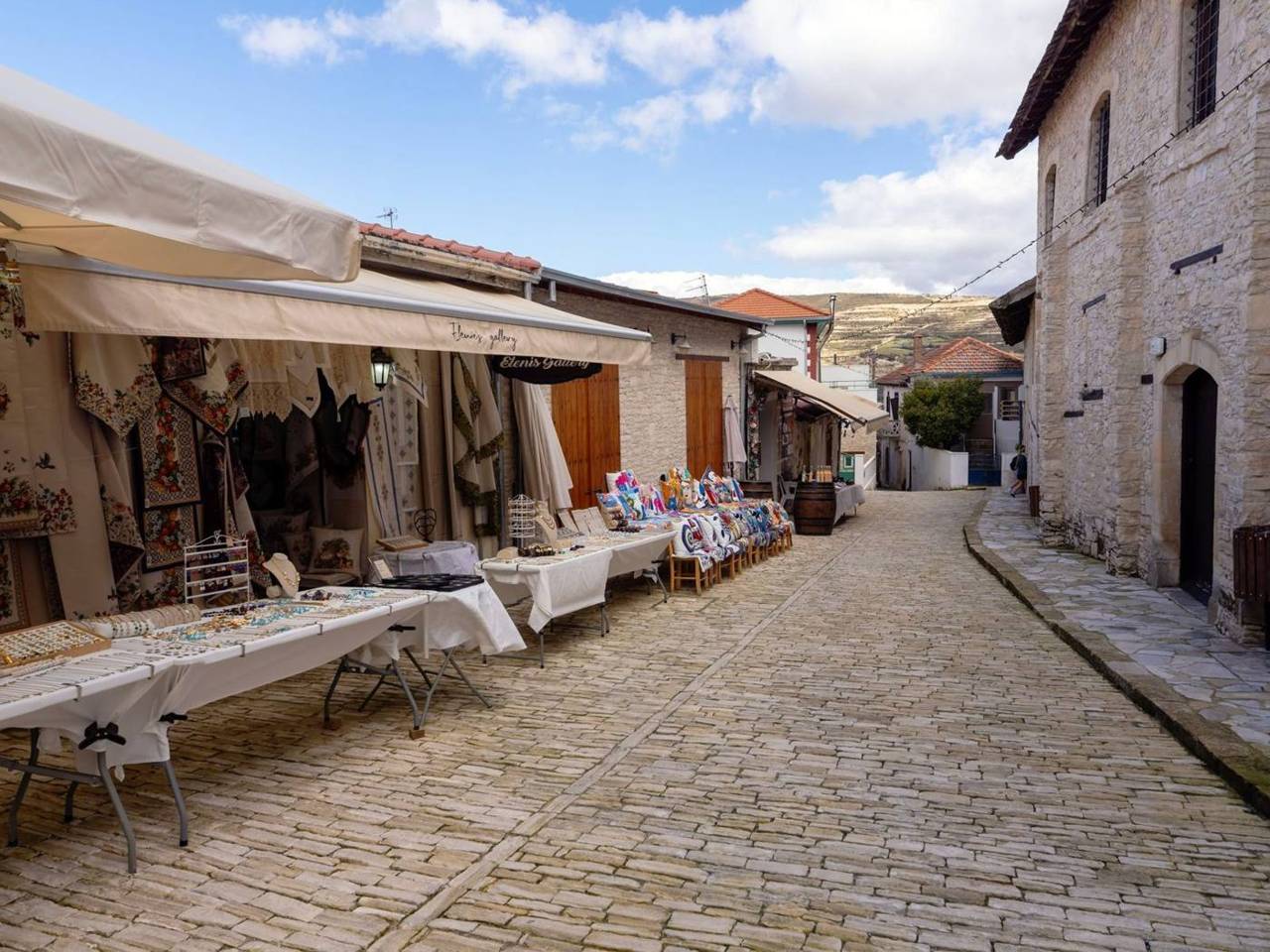
The wine routes
The krasochoria, the wine villages on the Troodos slopes: native Xynisteri and Maratheftiko grapes, Commandaria, one of the world's oldest wines, and village meze.
 4 daysEasy
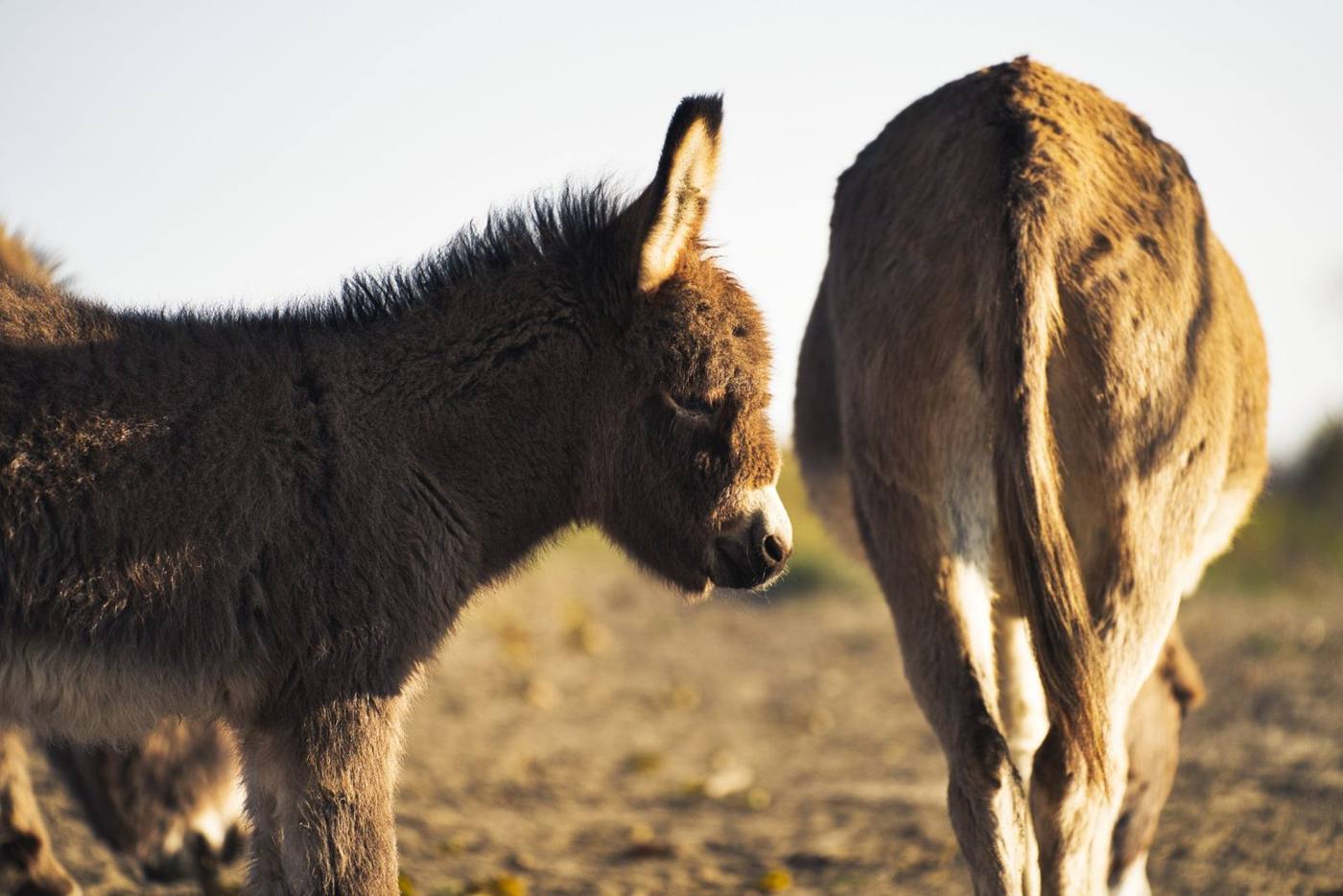
The Karpas peninsula
The 'panhandle' of Cyprus in the north: wild donkeys, Golden Beach where turtles nest, the Apostolos Andreas monastery and abandoned churches.
 4 daysModerate
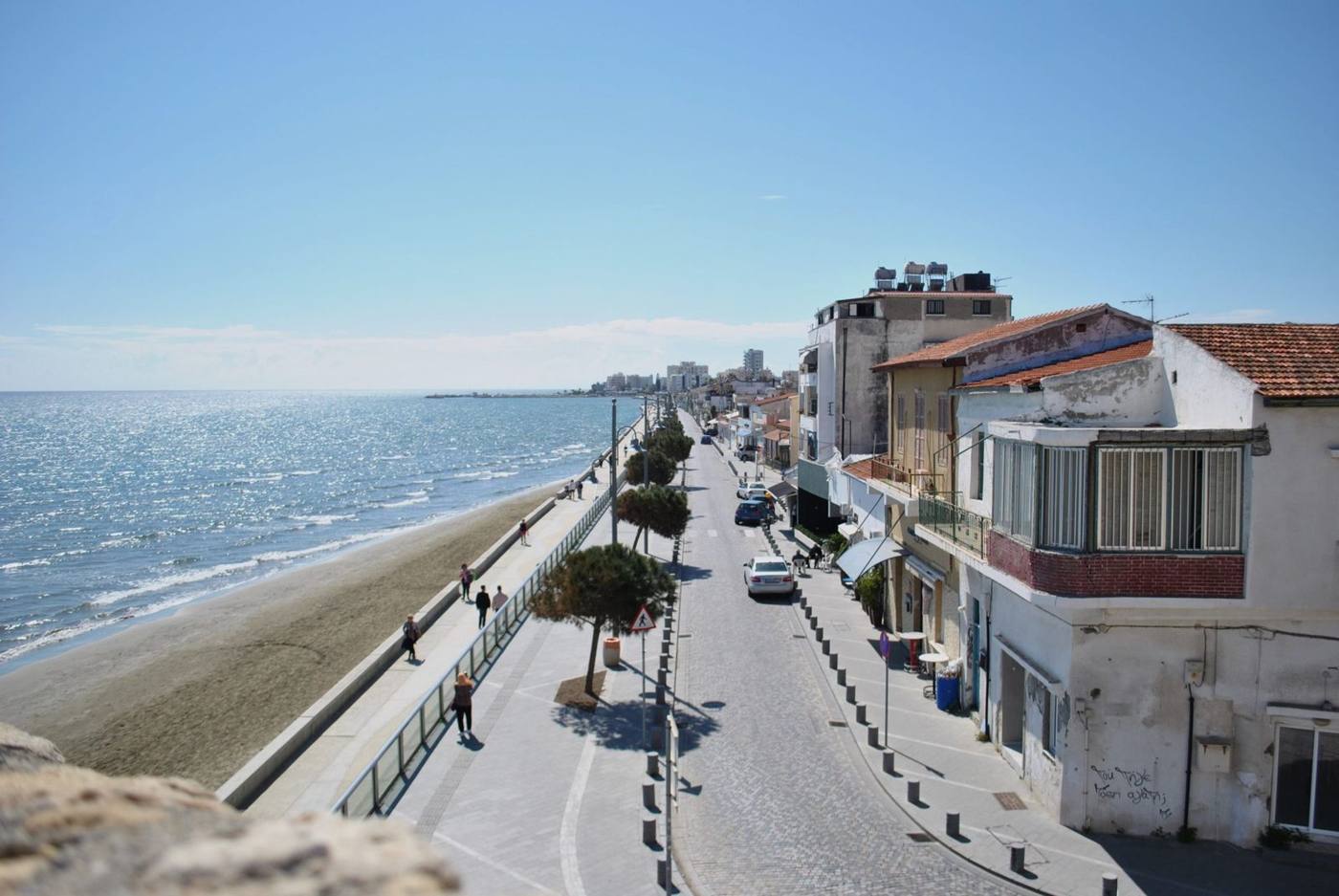
Diving the Zenobia
The Swedish ferry Zenobia, sunk in 1980 off Larnaca, one of the world's most famous wrecks, with trucks still in the hold, and the caves of Cape Greco.