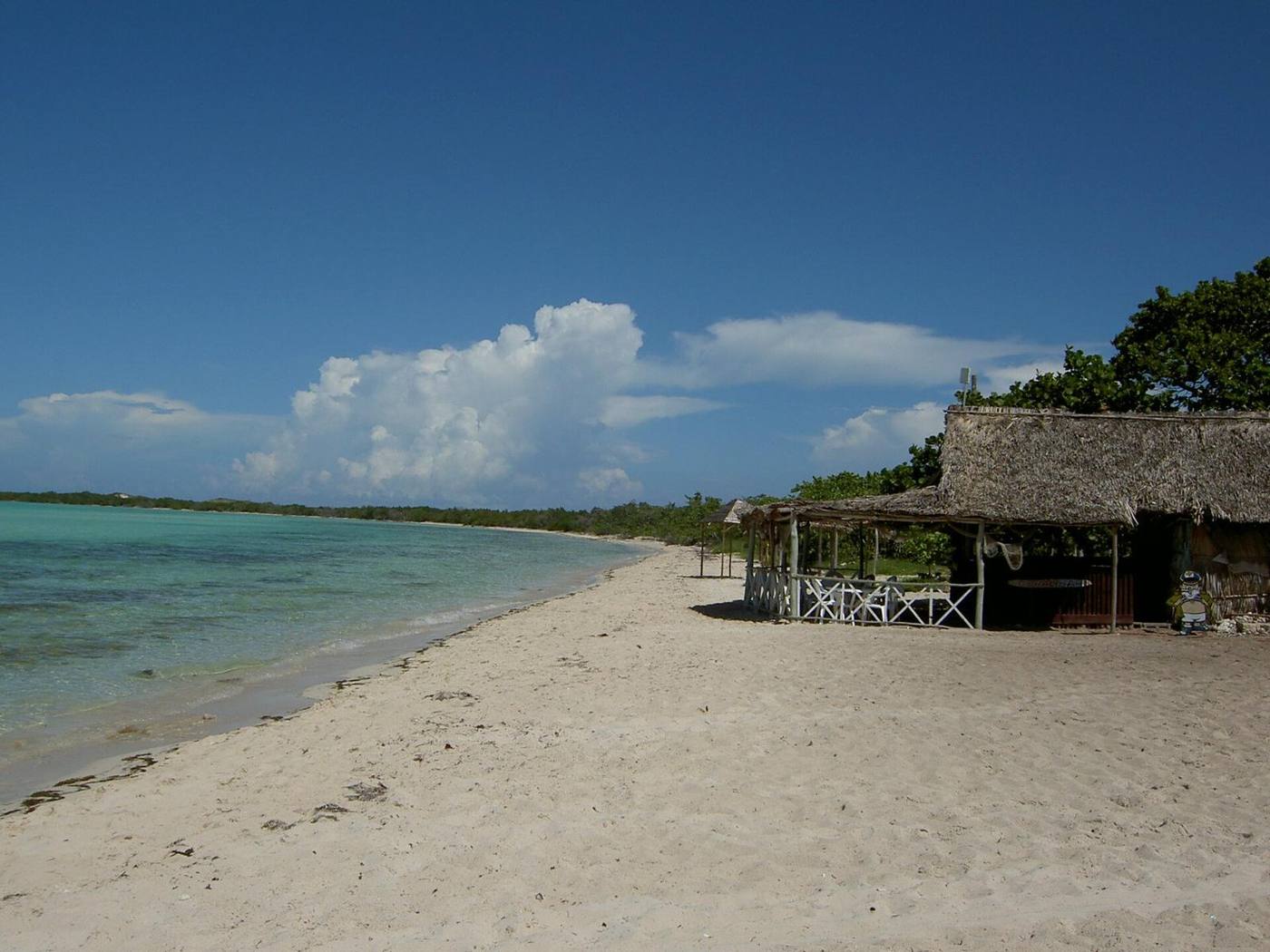
The northern cays: Cayo Coco and Cayo Guillermo
Islands linked by a causeway over the sea, dazzling white sand, flamingos in the lagoons and one of the Caribbean's longest coral reefs.
- Havana
- Cayo Coco
- Cayo Guillermo
- Playa Pilar
- Morón
Day by day
- Day 1
Arrival in Havana or a flight to Cayo Coco
This trip is devoted to the most beautiful sea in Cuba: the northern cays, Cayo Coco and Cayo Guillermo, islands linked to the mainland by a road over the sea, with dazzling white sand, flamingos in the lagoons and one of the longest coral reefs in the Caribbean.
Before you go: Italian citizens enter Cuba with a passport valid for at least six months after the date of arrival; the electronic identity card is not enough. You need the tourist card, the tourist visa, now issued in electronic form, then the online D'Viajeros form to fill in within 72 hours before arrival, a return ticket and health insurance covering medical costs in Cuba, which is compulsory on entry. The rules change often: check them on the website of the Cuban embassy before you leave. Other nationalities should check their own rules. Some areas on this trip are close to borders or places where the situation changes often: check your government's travel advice before booking and again before you leave.
Power cuts and shortages of fuel and medicines are common on the island: bring a power bank, a torch, your own medicines and cash in euros, because foreign cards often do not work.
There are two ways to arrive. The first is to land in Havana, spend a night in the city and set off by car the next day. The second is a direct flight, when there is one, to Cayo Coco airport: in that case you are on the sea straight away and the second day becomes a beach day.
If you sleep in Havana, walk along the Malecón at sunset in the evening and have an early dinner.
Practical tip: before you leave, confirm with your place on the cays that it is open and has a generator, because with the energy crisis some have closed or reduced their services.
- Day 2
The road over the sea and Cayo Coco
Today you reach the cays. From Havana it is many hours by road to the east, through the central provinces, as far as Morón and then towards the north coast: leave at dawn in a car with a driver or on a confirmed transfer and bring water and something to eat. The route follows the central motorway, through sugar cane fields, pastures and villages, as far as Ciego de Ávila.
The last stretch is the most beautiful. The pedraplén, the road built over the sea, crosses the shallow bay between the mainland and Cayo Coco for many kilometres. On either side the water is green and turquoise, and you often see herons, pelicans and the first pink flamingos walking slowly in the shallows. There is a checkpoint at the entrance to the cays: have your passport ready.
Cayo Coco is part of the Jardines del Rey archipelago, the king's gardens, the name the Spanish gave these islands. It takes its name from a bird, the white ibis, which is called coco here. The island is covered in mangroves, low woodland and lagoons, with long beaches on the north side.
You arrive in the afternoon. Settle in and have your first swim: the water is warm and clear and slopes gently. Sleep on the cays, for six nights.
Practical tip: bring the cash you need from the mainland, because changing money on the cays can be difficult and foreign cards often do not work.
- Day 3
Snorkelling on the reef and flamingos in the lagoon
Off the north coast of the cays runs a long coral reef, one of the most extensive in the Caribbean. In places it is just a few hundred metres from the beach, and the calm, shallow water makes it suitable even for first time snorkellers.
In the morning, go out by boat with an organised group. With a mask and fins you see brain and elkhorn corals, swaying sea fans, parrotfish, surgeonfish, rays and sometimes turtles. Check prices and times and ask for a life jacket if you are not a strong swimmer. Do not touch the corals or stand on the reef: they are living animals and grow very slowly.
In the afternoon, go looking for flamingos. In the lagoons among the mangroves inland and along the causeway live large groups of pink flamingos, feeding on tiny crustaceans in the shallow water. Go with a guide or a driver who knows the viewing points, and keep your distance: the birds are easily frightened and fly away.
The lagoons are also home to herons, roseate spoonbills and cormorants, especially at sunset, when they return to roost in the trees.
In the evening, go back to the beach and look at the sky: far from any town, you see a great many stars from the cays.
Practical tip: bring binoculars and a telephoto lens if you have one, and use plenty of repellent at sunset, when the mangrove mosquitoes come out.
- Day 4
Cayo Guillermo and Playa Pilar
Today you go to Cayo Guillermo, the westernmost island, linked to Cayo Coco by a smaller road over the sea. Along the way, watch the lagoons: there are often flamingos here too.
Cayo Guillermo is smaller and quieter. The writer Ernest Hemingway sailed these waters in his boat, the Pilar, and some pages of his books describe these very cays.
The most famous beach is Playa Pilar, named after the writer's boat. It is a long strip of fine white sand with some of the highest dunes in the Caribbean, covered in low plants. Climb the dunes to see the sea in every shade of turquoise and, in front of you, small sandy islets.
The water stays shallow for many metres: you can walk a long way with the water at your knees. At low tide some islets can almost be reached on foot, but watch out for currents and always ask first.
Spend the day on the beach, with breaks in the shade. Bring a packed lunch or ask your accommodation, because beach services may be closed. On the dunes, do not walk off the paths, because the plants hold the sand in place and protect the nests.
Practical tip: there is little shade at Playa Pilar, so bring a beach umbrella or a beach tent, a hat and plenty of water.
- Day 5
Catamaran and diving
Today is a day for the open sea. You can choose a catamaran trip or a day of diving on the reef.
The catamaran usually leaves in the morning from the marina on the cays. It sails along the coast and out towards the islets, stopping for snorkelling on the reef and on a sandbank in the middle of the sea, where the water comes up to your waist. There is often music on board, fruit and a simple lunch. Check prices and times and ask what is included.
If you are certified, make two dives with a dive centre. On the outer side of the reef there are walls, canyons and caves, with corals, sponges, groupers, barracuda and eagle rays. For those without certification there are trial dives with an instructor. Before going down, check your equipment and ask about the planned depth and length of the dive.
In the afternoon, rest. The easterly wind cools the beach, and kitesurfing is very popular in this area: you can watch the colourful kites over the sea or ask for a lesson.
In the evening, if there is power, listen to some live Cuban music. If the lights go out, dinner by candlelight with the sound of the sea is not a bad memory.
Practical tip: check the wind forecast the day before, because boat trips are often cancelled when the sea is rough.
- Day 6
Morón and the Laguna de la Leche
Today you return to the mainland to see a little of real Cuba, away from the tourist resorts. Take the causeway south again to Morón, a small country town.
Morón is called the city of the rooster: at the entrance to the centre stands the statue of a rooster, the symbol of a local legend. The streets are quiet, with low houses, horse drawn carts, bicycles and the old railway station. It is a good place to see everyday life: the farmers' market, the state bakeries, children coming home from school in uniform. Stop in the square for a Cuban coffee, strong and sweet, served in small cups.
Just north of the town lies the Laguna de la Leche, the largest natural lake in Cuba. The name comes from the pale, almost milky colour of the water, caused by the limestone on the bottom. On the shores there are reeds and trees, herons and ducks. You can take a boat trip with a fisherman or a local boatman: check prices and times.
Nearby is also La Redonda lagoon, smaller and surrounded by mangroves, where you go by boat along green channels.
In the afternoon, return to the cays before sunset, so you do not drive on the causeway in the dark.
Practical tip: bring some Cuban pesos in small notes to Morón, changed at an official office, to buy fruit, bread or a coffee.
- Day 7
A lazy day on the beach
Today there is no programme: it is the day to rest and enjoy the sea of the cays.
Early in the morning, walk along the shore, when the sand is still cool and the light is good for photos. The beaches on the north coast of Cayo Coco are kilometres long: walking towards the furthest stretches you find almost empty corners, where you hear only the wind and the waves.
Snorkel from the shore where there are rocks or seagrass beds: even close to the beach you see fish, starfish and sometimes small rays hidden under the sand. Move slowly and touch nothing. If the sea is rough, look for the stretch of beach most sheltered from the wind.
In the hottest hours, between noon and three, stay in the shade and drink plenty of water. Read a book under the palms: this is the right day for doing nothing. You can also rent a kayak or a paddleboard on the calm water.
In the afternoon, if you want to move, rent a bicycle and follow the road through the mangroves: iguanas, land crabs and many birds live in the woods.
At sunset, sit on the sand and watch the sun go down over the sea. It is your last evening on the cays.
Practical tip: do not leave your phone, money and documents unattended on the beach while you swim, and use a waterproof bag.
- Day 8
Departure
Today you leave the cays. If you have a direct flight from Cayo Coco, have a last swim in the morning and go to the airport well in advance. If you are driving back to Havana, leave at dawn: it is many hours on the road and it is best to spend the last night near the airport, so you do not risk missing your flight.
In these eight days you have seen the most beautiful sea in Cuba: the road over the sea between the lagoons, the pink flamingos, the coral reef with snorkelling and diving, the dunes of Playa Pilar on Cayo Guillermo, the catamaran trips and the small country Cuba of Morón and the Laguna de la Leche.
The cays are a world apart, with almost only tourist resorts and few Cubans. They work well as the finale of a trip around the island, together with Havana or Trinidad, but not as your only trip if you want to get to know Cuba. Before you leave, buy something to take home: coffee, rum or cigars with the official receipt for customs.
When to go: the best months are from December to May, with little rain, a calm sea and clear water. From June to November it is very hot, there are more mosquitoes and storms and it is hurricane season.
Practical tip: keep a few euros in cash until the end, for a taxi or a meal at the airport, and some food in your hand luggage, because flights can be delayed.
Cuba's finest sea, but a world apart: the cays are almost all resorts with few Cubans. Good as the finale of a trip around the island, not as your only trip if you want to know Cuba. Right months: December-May.
Before you go
- Documents and visa
- Passport valid for at least six months after arrival. You need a tourist visa (the tourist card), now issued only in electronic form: apply online on the official eVisa platform, at a Cuban consulate or through an agency; it is valid for up to 90 days and can be extended in Cuba. After the visa, fill in the online D'Viajeros form within 72 hours before arrival and carry the printed QR code. You also need a return or onward ticket. Anyone who has been in Cuba on or after 12 January 2021 can no longer use ESTA for the United States and must apply for a US visa.
- Health and vaccines
- Health insurance covering medical costs in Cuba is compulsory on entry; it is best if it includes repatriation. Hospitals are struggling and often lack medicines and supplies: bring a stock of your own medicines and a first aid kit. Dengue, chikungunya and Oropouche are present: use repellent all day. Drink only bottled water, without ice. No vaccinations are compulsory: ask your doctor.
- Money and payments
- Cuban peso. Since 6 June 2026 Visa and Mastercard cards are no longer accepted and you cannot withdraw cash from ATMs with foreign cards; cards on US networks do not work either. Bring cash in euros or dollars for the whole trip and for emergencies, and change money only at Cadeca offices: changing on the street is illegal. Amounts over 5,000 dollars, or the equivalent, must be declared on arrival.
- Power sockets
- Types A, B, C and L, at 110 volts in most of the country and 220 volts in some newer hotels: bring an adaptor and check that your devices accept 110 volts.
- Time zone
- UTC-5, UTC-4 in summer.
- Safety
- Cuba is going through a severe crisis of fuel, electricity, water and medicines, with long power cuts across the country, cancelled flights and unreliable domestic transport; the UK advises against all but essential travel to the whole island. In the east, after Hurricane Melissa in October 2025, electricity and water remain severely limited. Theft and bag snatching are rising, especially in Havana: do not walk at night, use licensed taxis, do not change money on the street and stay only in registered accommodation. Bring a power bank and a torch. Official advice: GOV.UK.
Information checked in November 2026 for Italian and EU citizens. Rules change: always check before you travel.
Variations
In 5 days: a direct flight to Cayo Coco, with one day on the reef, one at Playa Pilar and one on a catamaran.
In 12 days: start with three days in Havana and a night in Trinidad, then head up to the cays for a finale by the sea.
Frequently asked questions
What documents do I need for Cuba?
Italian citizens enter with a passport valid for at least six months, the electronic tourist card, the online D'Viajeros form and compulsory health insurance. The rules change often: check them before you leave. Other nationalities should check their own rules.
Where can you see the flamingos?
In the lagoons among the mangroves of Cayo Coco and along the causeway, especially early in the morning and at sunset. Keep your distance so as not to frighten them.
Is it better to fly or drive?
The direct flight to Cayo Coco, when there is one, saves many hours. By car from Havana the journey is long: leave at dawn and confirm the transfer the day before.
Indicative itinerary written by World Atlas. Before booking, check timetables, seasonal openings, documents and safety.
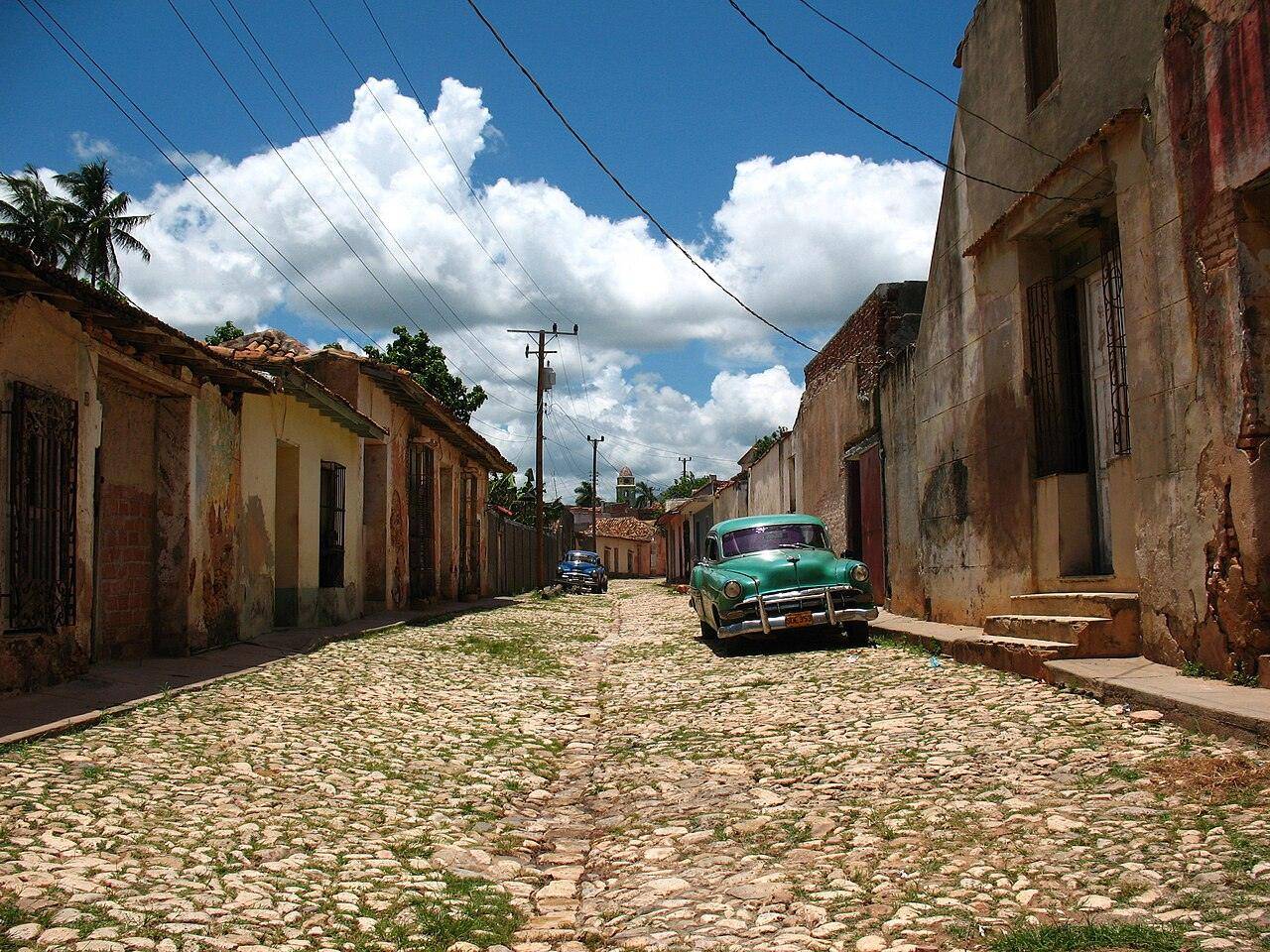 7 daysEasy
Havana, Viñales and Trinidad
The capital of vintage cars and music, the tobacco valley and the island's most beautiful colonial town.
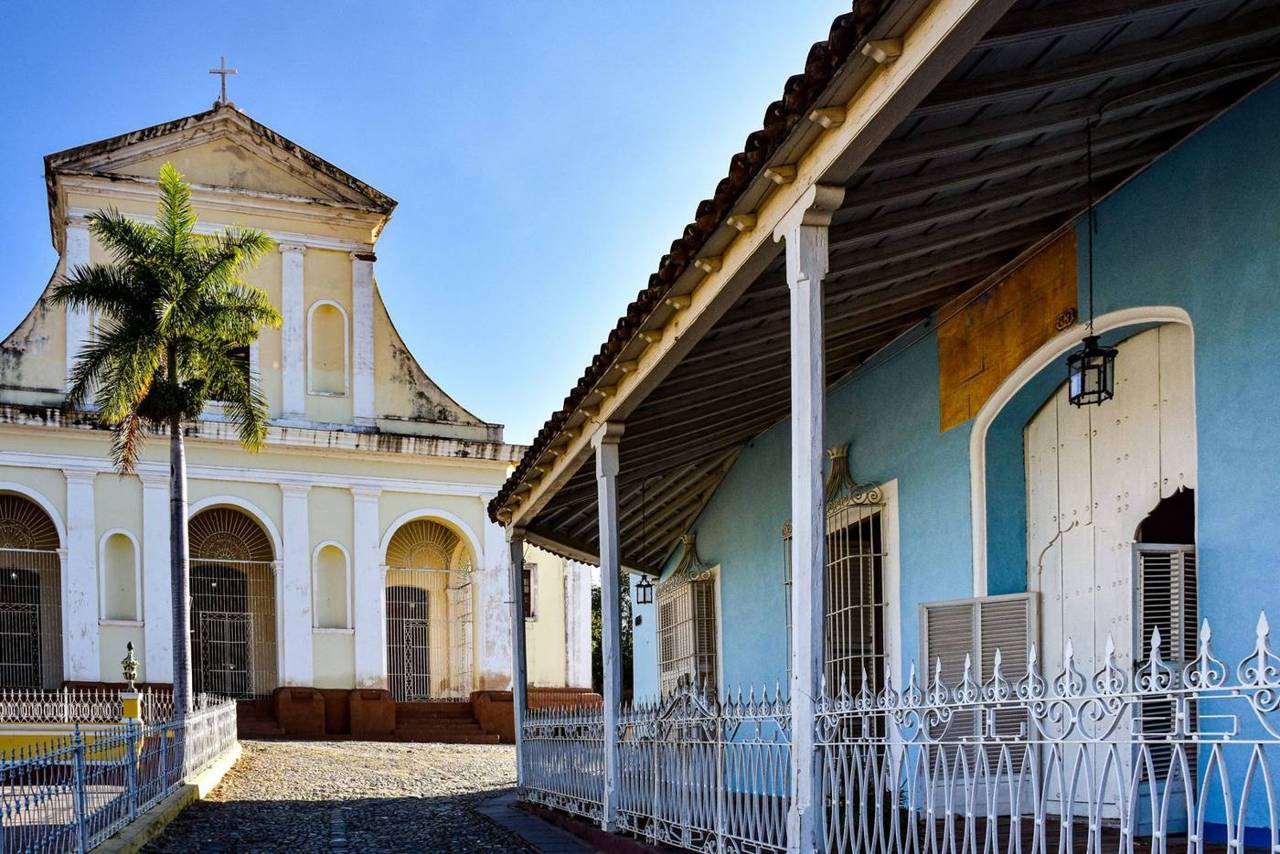 15 daysModerate
Cuba from west to east, to Santiago
The whole island: Havana, Viñales, the colonial towns of the centre, the Sierra Maestra, Santiago and a few days by the sea.
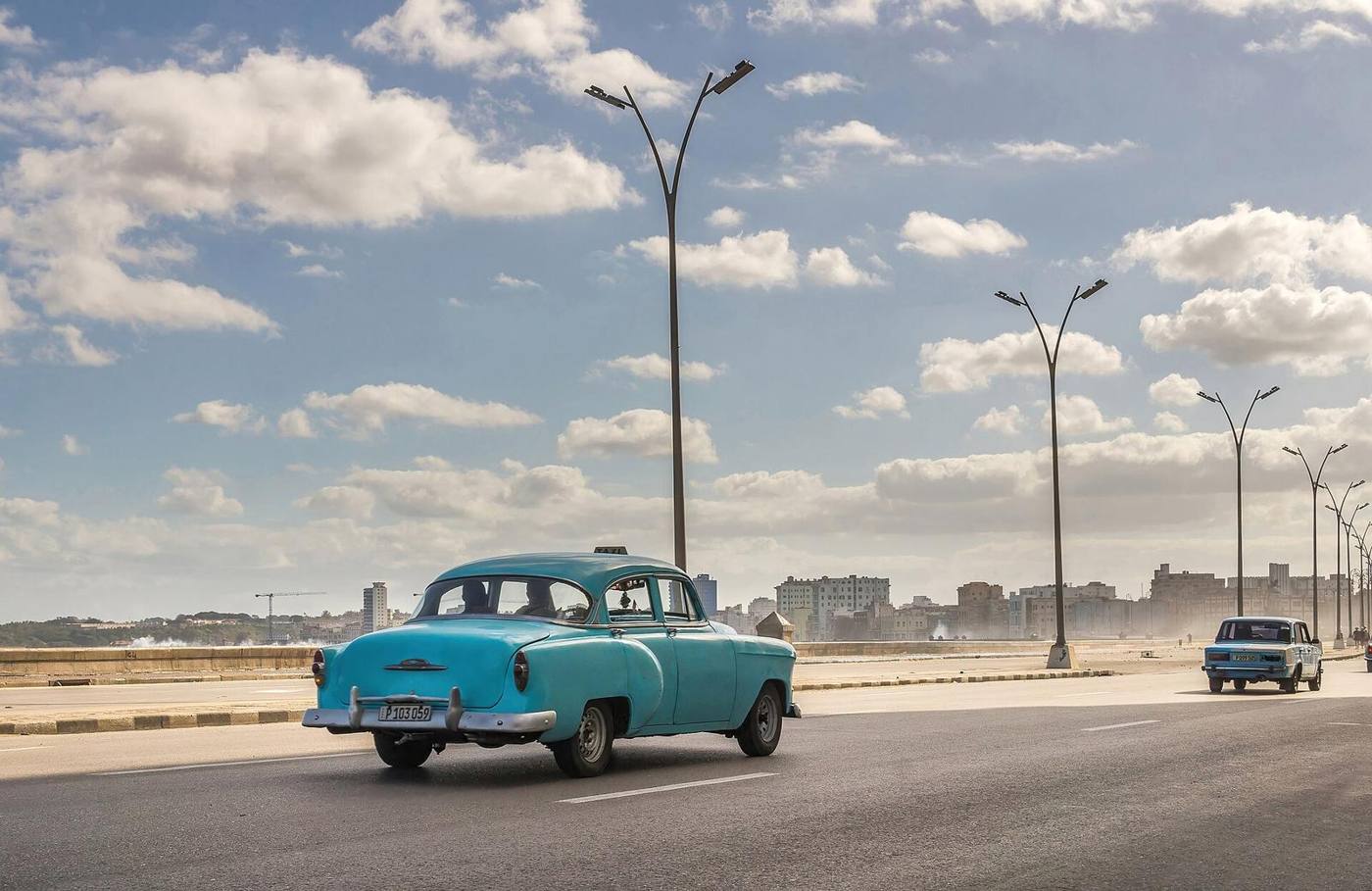 11 daysEasy
Cuba express: Havana, Viñales and Trinidad
The heart of Cuba in under two weeks: colonial Havana, the tobacco valleys of Viñales, timeless Trinidad and the Bay of Pigs.