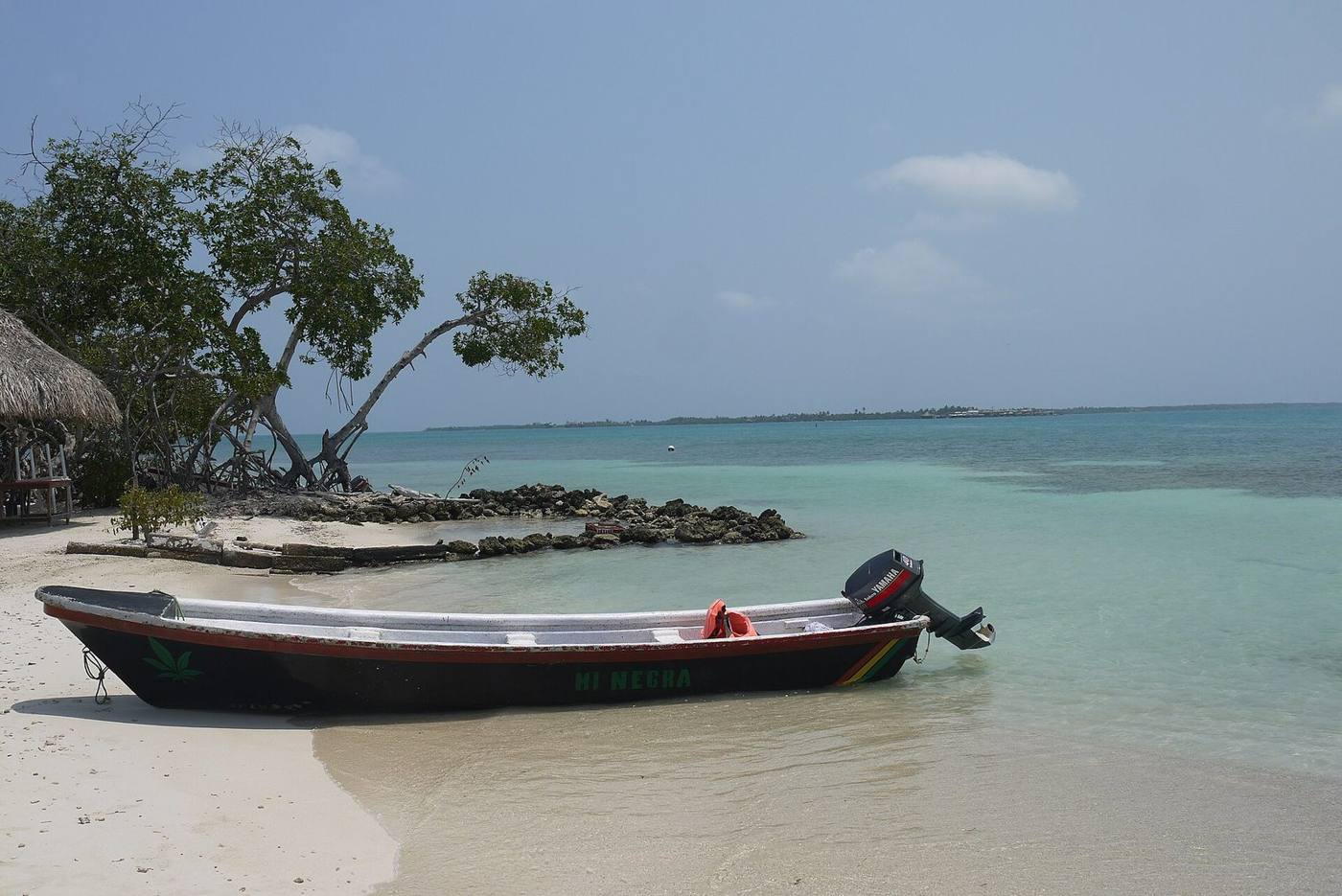
Tolú and the San Bernardo islands
The quiet Caribbean of the Gulf of Morrosquillo: the town of Tolú with its seafront and the mangroves of the Ciénaga de La Caimanera by canoe, the San Bernardo islands with Múcura and Tintipán, and Santa Cruz del Islote, one of the most densely populated islands in the world.
- Cartagena
- Tolú
- Múcura
- Tintipán
- Santa Cruz del Islote
Day by day
- Day 1
From Cartagena to Tolú
The Gulf of Morrosquillo is a quiet stretch of Colombia's Caribbean coast, south of Cartagena, with palm-fringed beaches, mangroves and a small archipelago of coral islands offshore, the San Bernardo archipelago, protected by a national park together with the Rosario Islands. It is the calmer, less crowded version of the Colombian Caribbean. In five days you see Tolú, the Caimanera mangroves and the islands of Múcura, Tintipán and Santa Cruz del Islote.
You arrive in Cartagena, with direct flights from Europe at some times of year or via Bogotá. From the airport, take a bus or private transfer south to Santiago de Tolú, in about three and a half hours, across plains with pastures, farms and villages.
Tolú is a simple, cheerful seaside town, with a waterfront full of stalls selling fruit, cocadas, coconut sweets, and fresh juices. People get around by bicitaxi, colourful bicycles with a passenger carriage, often decorated and playing music.
In the afternoon, walk along the waterfront and the beach, and watch the fishermen returning in their boats.
In the evening, taste fried fish with coconut rice and patacones, slices of fried green plantain, the typical food of the coast.
In the evening, sleep in Tolú.
Practical tip: before travelling, fill in the Check-MIG form of Colombian immigration online. The United States has Colombia at level 3: follow the latest advisories and travel by road in daylight.
- Day 2
The Caimanera mangroves by canoe
In the morning, go to the Ciénaga de la Caimanera, a coastal lagoon between Tolú and Coveñas, a few minutes away by bicitaxi or taxi, surrounded by a large protected mangrove forest.
Board a wooden canoe with a local fisherman, who paddles you through narrow channels between the mangroves, with roots rising from the water like legs and branches closing overhead like a green tunnel. Mangroves are a precious environment: they protect the coast from waves and storms and are where many fish, crabs and oysters are born and grow.
Along the way, the guide shows you oysters clinging to the roots, crabs scuttling along the branches, herons, kingfishers and sometimes iguanas in the trees. At some points you can stop for a swim in natural pools of calm water.
Canoe trips are often organised by groups of local fishermen and families working to protect the lagoon.
In the afternoon, relax on the beach at Tolú or go to Coveñas, the nearby resort, with wider beaches and piers over the sea.
In the evening, sleep in Tolú.
Practical tip: there are many mosquitoes in the mangroves, especially early in the morning and in the evening. Bring strong repellent, a hat and sun cream, and shoes that can get wet.
- Day 3
The boat to Múcura and a night on the island
In the morning, take the boat from the pier at Tolú to the San Bernardo archipelago, about an hour's sailing to the west. The archipelago has about ten low coral islands, surrounded by reefs and turquoise water, in the Corales del Rosario y San Bernardo National Park.
Go ashore on Múcura, one of the most beautiful islands, covered in palms and mangroves, with white sand beaches and shallow, clear water. There are no roads or cars on the island, only sandy paths between the palms and a few small fishing communities.
In the afternoon, swim in the calm, warm water and snorkel near the shore, among corals and colourful fish such as parrotfish and surgeonfish. Walk around the island, in about an hour, watching the fishing boats and the mangroves.
At sunset, sit on the west beach and watch the sun sink into the sea, with an orange and pink sky.
In the evening, eat fish caught by the island's communities, with coconut rice. At night, far from the lights of the coast, the sky is full of stars.
In the evening, sleep on Múcura.
Practical tip: on the islands, electricity and fresh water are limited and often available only at certain hours. Bring cash, as card payments are not always possible, and a torch.
- Day 4
Tintipán and Santa Cruz del Islote
In the morning, take a small boat to Tintipán, the largest island in the archipelago, next to Múcura, mostly covered in mangroves and inland lagoons, with a few beaches on the north side. Snorkel on the coral reef, or take a kayak trip through the mangrove channels.
Then visit Santa Cruz del Islote, one of the most densely populated islands in the world: on an islet of about one hectare, little bigger than a football pitch, live around a thousand people, in a dense maze of colourful houses, narrow alleys and small squares. The island was partly built by the inhabitants themselves, fishermen who arrived more than a century and a half ago and extended the land with coral and shells.
Walk the alleys with a local guide, and see the school, the church, children playing and women preparing fish. There are no cars, no roads and almost no trees, and fresh water arrives by boat. The inhabitants live from fishing and tourism.
In the afternoon, return to Múcura for a last swim and the sunset.
In the evening, sleep on Múcura.
Practical tip: on Santa Cruz del Islote you are visiting people's homes. Always ask permission before taking photos, especially of children, and choose a guide from the island, who brings income to the community.
- Day 5
Return to Tolú and Cartagena
In the morning, take a last swim in Múcura's turquoise water and walk on the beach while the island is still quiet.
Then take the boat back to Tolú, in about an hour. Some boats also pass near other islands in the archipelago, such as Isla Palma, or stop by the coral reefs for a last snorkel.
From Tolú, take the bus or transfer to Cartagena, in about three and a half hours. If you have time, stop on the way at San Basilio de Palenque, about an hour from Cartagena, the first no-cost village of enslaved Africans in the Americas, founded in the seventeenth century by men and women who escaped slavery. The village preserves its own language, Palenquero, and African music and traditions, and is recognised as intangible cultural heritage of humanity.
In the evening you reach Cartagena: walk through the old town inside the walls, with its squares, churches, wooden balconies full of flowers and colourful colonial houses.
This trip combines well with Cartagena and the Rosario Islands, or with Santa Marta, Tayrona National Park and the Ciudad Perdida, the lost city in the Sierra Nevada.
Practical tip: boats to the islands may not sail in rough seas, especially from December to March, when the north winds blow. Leave a day's margin before your flight from Cartagena.
Quieter beaches than those near Cartagena and lower prices. On the islands fresh water and electricity are limited. Visit Santa Cruz del Islote respectfully: it is a village, not an attraction. EU citizens enter without a visa for up to 90 days with a passport and must fill in the Check-MIG migration form online before the flight. The US keeps Colombia at level 3 and advises against all travel to Arauca, Cauca (except Popayán), Valle del Cauca (except Cali), Norte de Santander and the 10 km strip along the Venezuelan border: this itinerary stays outside those areas.
Before you go
- Documents and visa
- Valid passport; no visa for tourism up to 90 days for EU citizens. Before the flight, between 72 hours and one hour before departure, you fill in the no-cost Check-MIG form online.
- Health and vaccines
- No compulsory vaccines arriving from Europe; yellow fever is recommended for forest areas and some parks. Protect yourself against mosquitoes because of dengue. In Bogotá, at 2,600 metres, the altitude is noticeable. Emergencies: 123.
- Money and payments
- Colombian peso. Cards work in cities; use cash machines inside banks or shopping centres, by day.
- Power sockets
- Types A and B, 110 volts: you need an adapter and devices must accept 110 volts.
- Time zone
- UTC-5 all year: Colombia does not use daylight saving time.
- Safety
- The United States rates Colombia level 3 for crime and terrorism, with level 4 for Arauca, Cauca except Popayán, Valle del Cauca except Cali, Norte de Santander and 10 km from the Venezuelan border. Use app taxis and never accept drinks from strangers. Official advice: GOV.UK.
Information checked in November 2026 for Italian and EU citizens. Rules change: always check before you travel.
Variations
In 3 days: one night in Tolú and one on Múcura, with a visit to Santa Cruz del Islote.
In 9 days: add Cartagena, Santa Marta and Tayrona National Park.
Frequently asked questions
When is the best time to go?
From December to April, the dry season, with windier seas from December to March. From May to November there is more rain, especially in the afternoon.
Do I need cash?
Yes, especially on the islands, where cards are not always accepted and there are no cash machines. Withdraw money in Tolú or Cartagena before you go.
Is there phone signal on the islands?
Signal is patchy and can be weak. Electricity and fresh water are limited; check when you book.
Indicative itinerary written by World Atlas. Before booking, check timetables, seasonal openings, documents and safety.
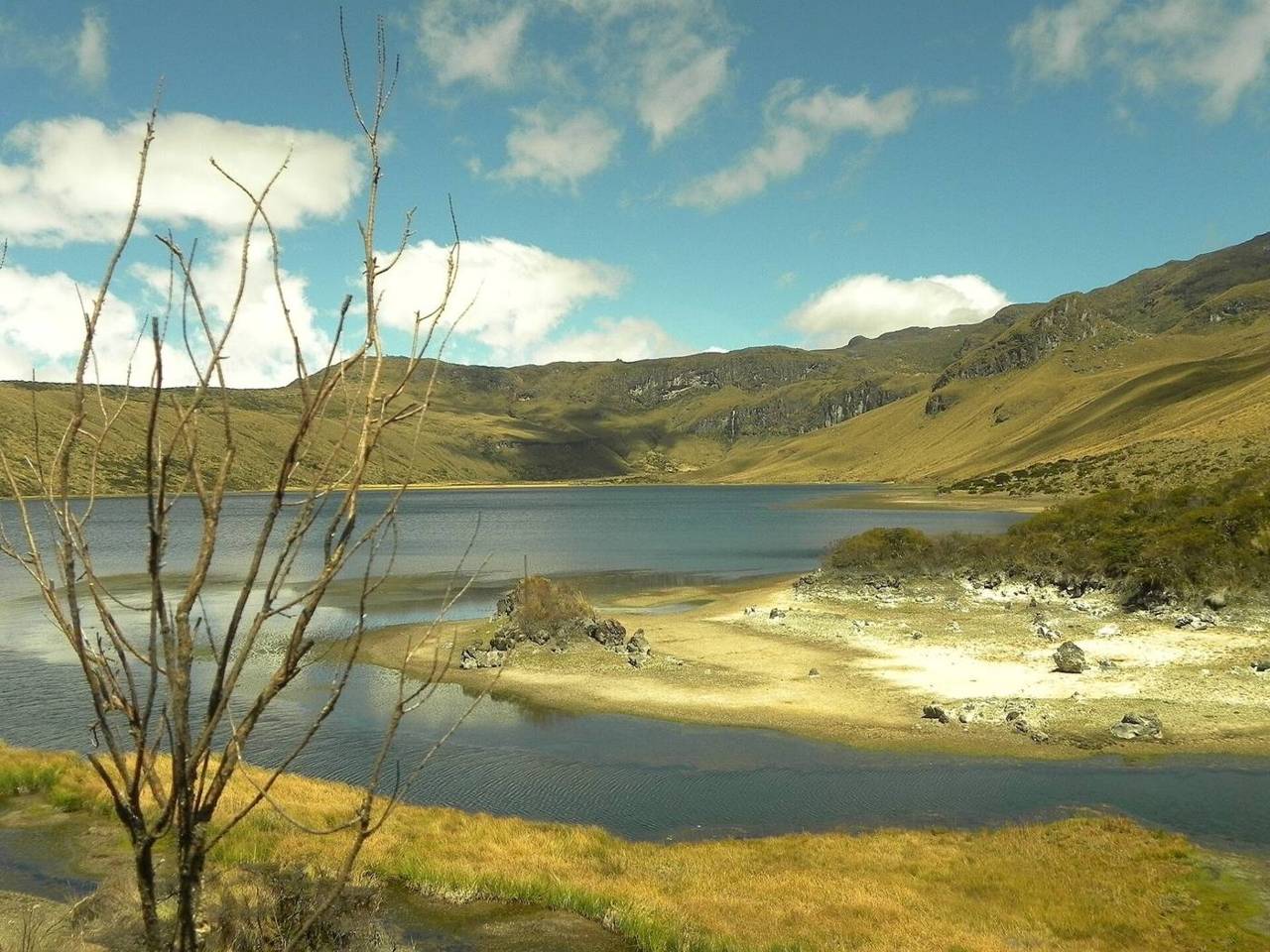 4 daysChallenging
Los Nevados and the Otún lagoon
High-altitude trekking in the Central Cordillera: from the Cocora valley or Potosí you climb through cloud forest and páramo, the Andean moorland with its frailejones, to the Otún lagoon just under 4,000 metres, sleeping in mountain farms.
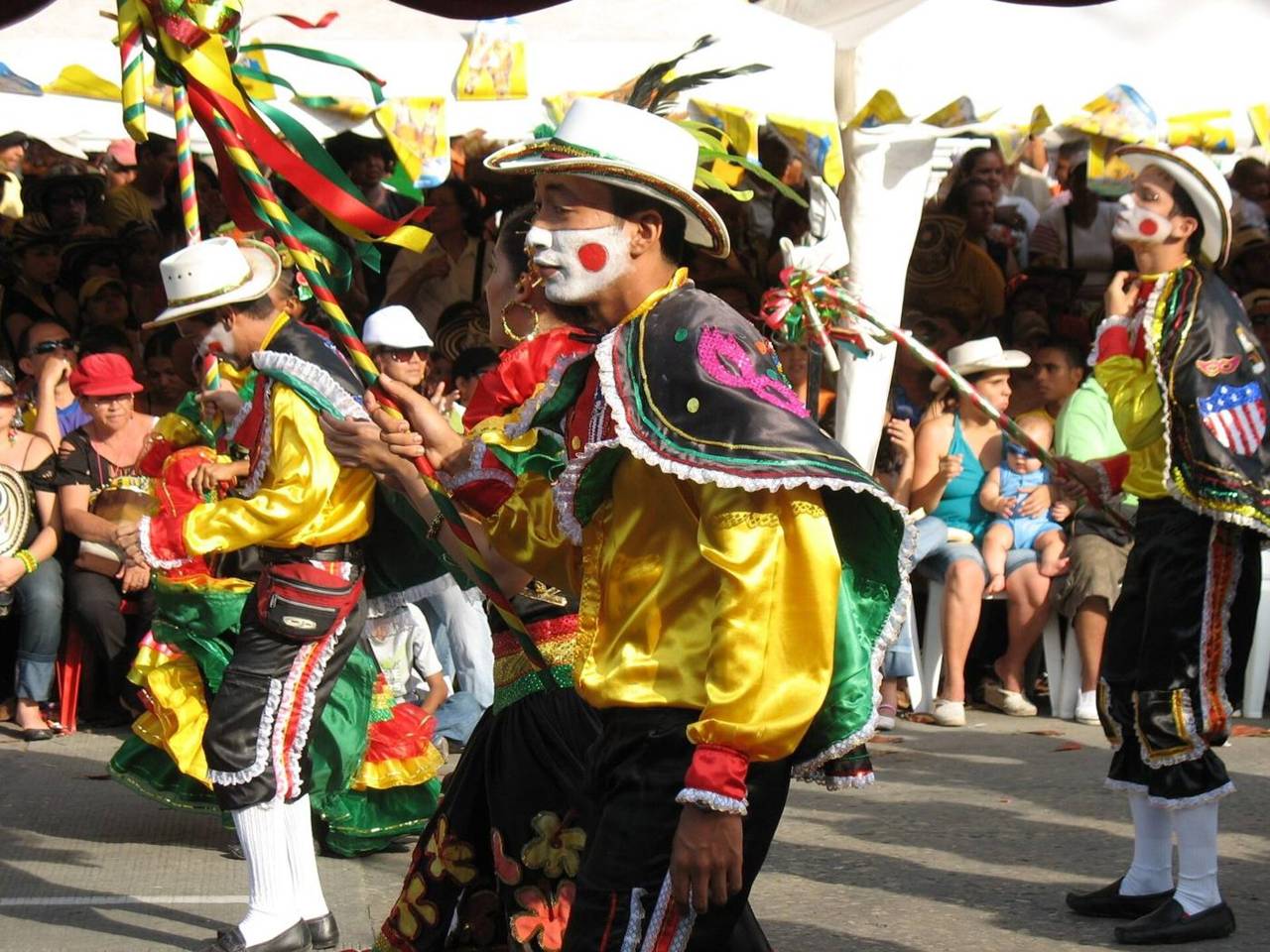 4 daysEasy
Barranquilla and its Carnival
One of the world's largest carnivals, UNESCO intangible heritage: four days before Ash Wednesday of parades, cumbia, marimonda and congo masks and the Battle of Flowers, then the Carnival museum, the Ventana al Mundo on the Magdalena River and the town of Puerto Colombia.
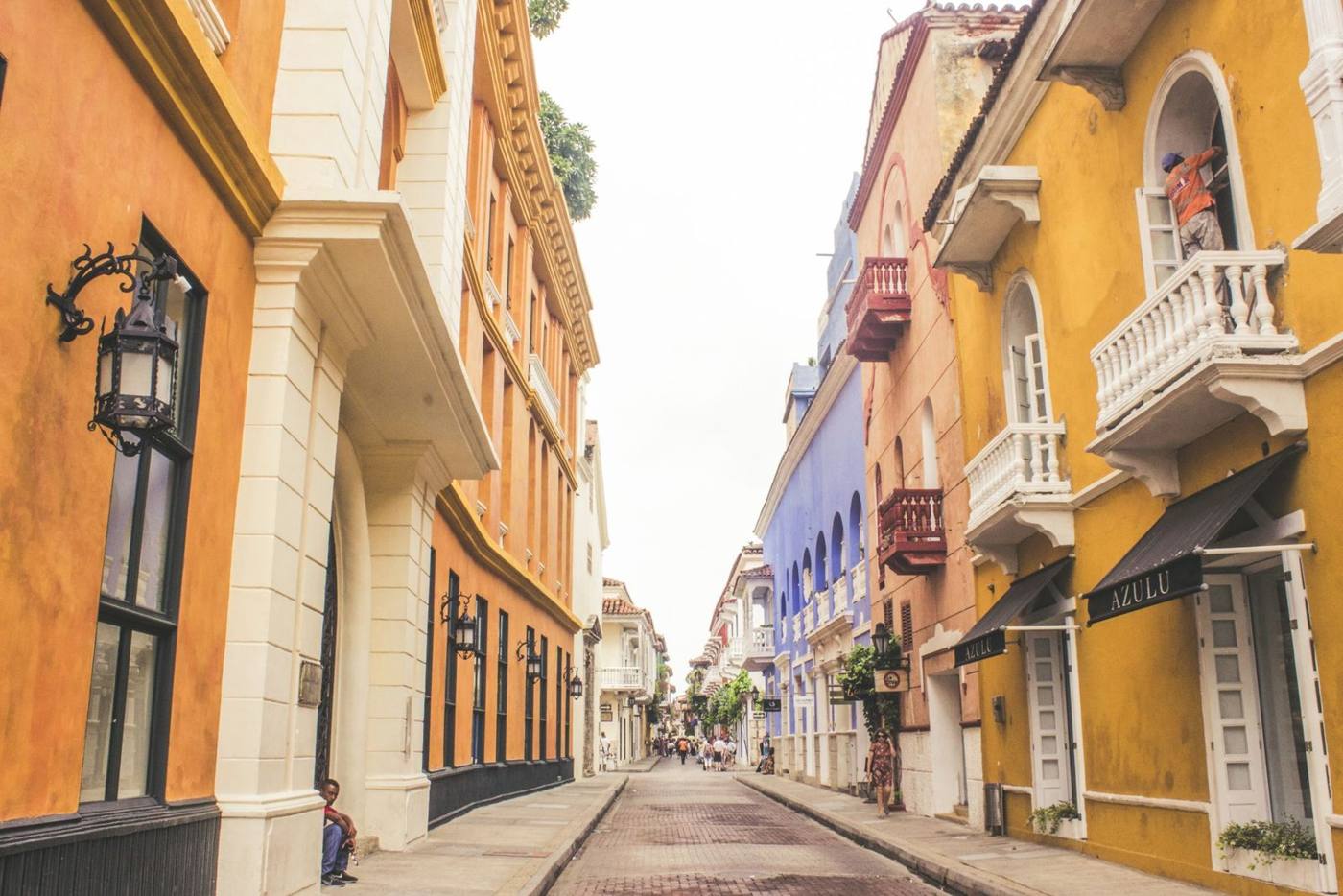 6 daysEasy
Cartagena and the Rosario Islands
The finest walled city in the Caribbean, the Getsemaní district, San Basilio de Palenque and two days at sea in the Rosario Islands.